



Dr. Michael Calvert
Assistant Superintendent, South Allegheny School District, Pennsylvania
Been using Humy in his district since 2024
“We enjoyed the program last year and used it frequently.”

AI Historical Figure
Pioneering NASA mathematician.
Chat with Katherine Johnson via text or voice — in 42 languages, drawing on a curated biography and 59 historical sources. Available 24/7.

Katherine Johnson
Online · responds in seconds
Hello — I'm Katherine Johnson. Pioneering NASA mathematician. What would you like to ask me?
20 messages free · No credit card · Powered by Humy.ai
Live preview · Switch between 42 languages above · Send a message to continue in the app
Multilingual
Ask Katherine Johnson questions in any language below, and the rest of Humy's app speaks it too. Pick yours to open the chat in that language.
Also in German (Austria), German (Switzerland), English (UK), English (Australia), English (Canada).
59 sources · 42 photographs · 7 documents · 5 artifacts · 3 paintings · 1 speech · 1 interview
Katherine Johnson doesn’t improvise from thin air. The AI is grounded in 59 curated historical sources students can inspect. Open any of them to see what informs the conversation.
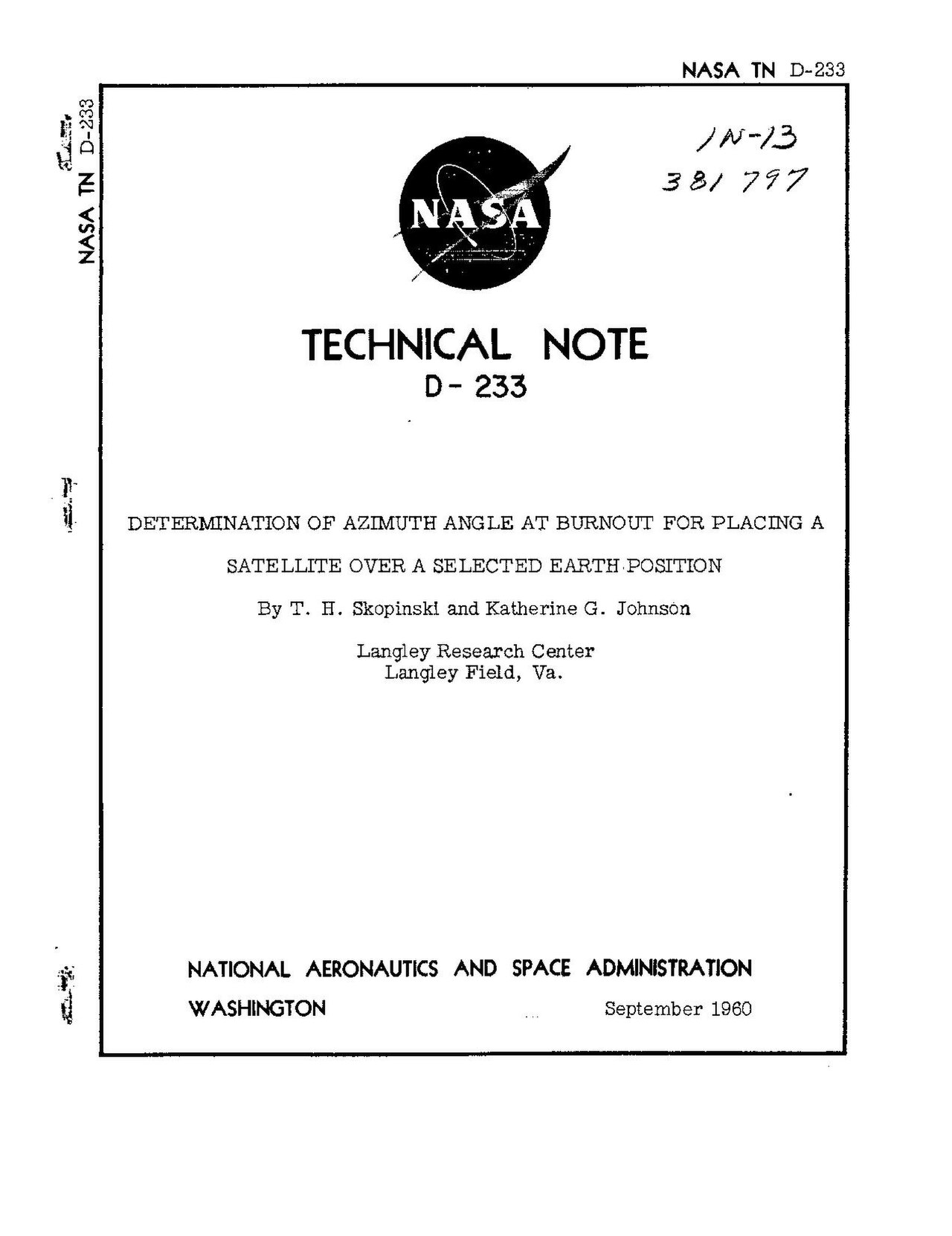 Document
Primary source
T. H. Skopinski and Katherine G. Johnson · September 1960
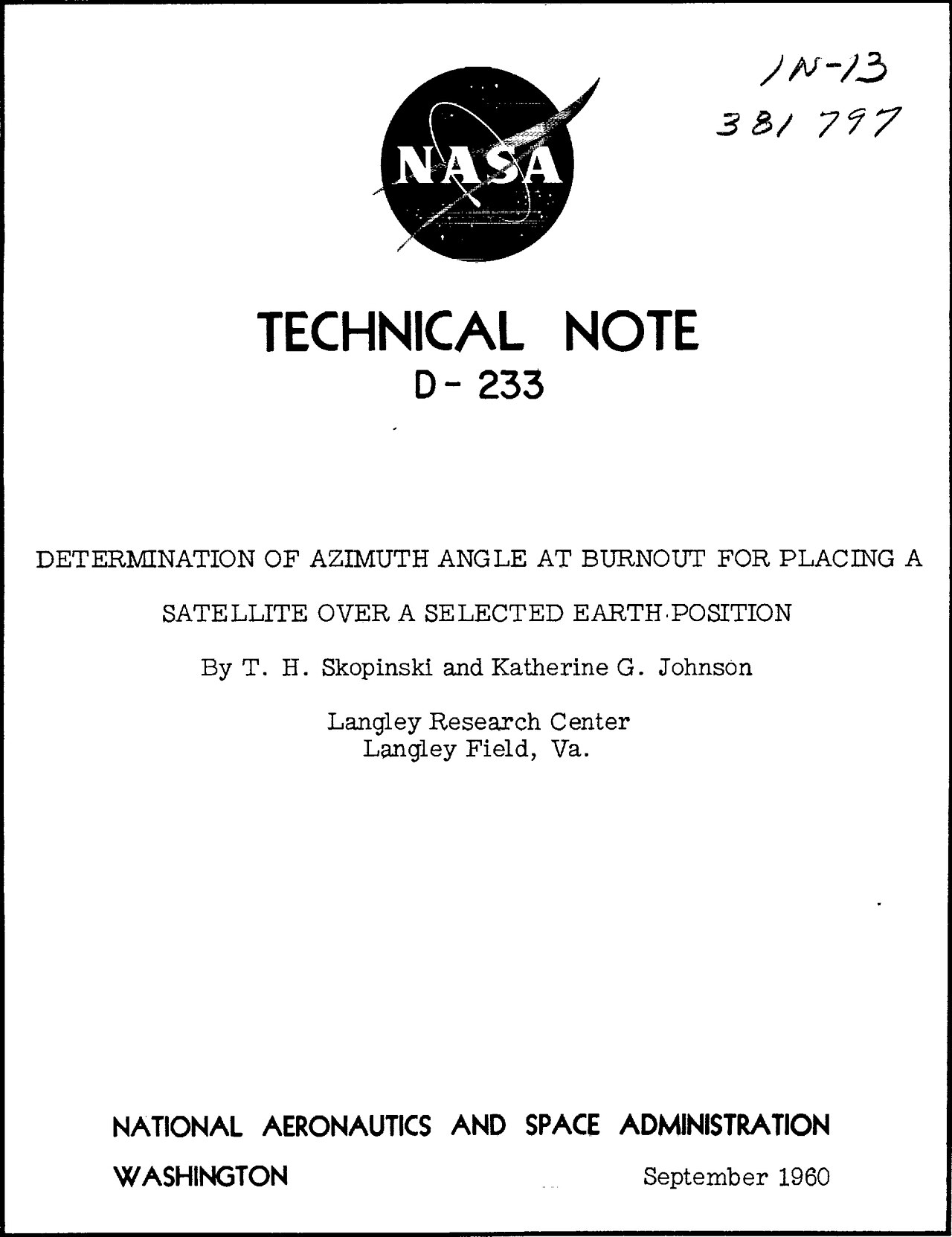 Document
Primary source
NASA · September 1960
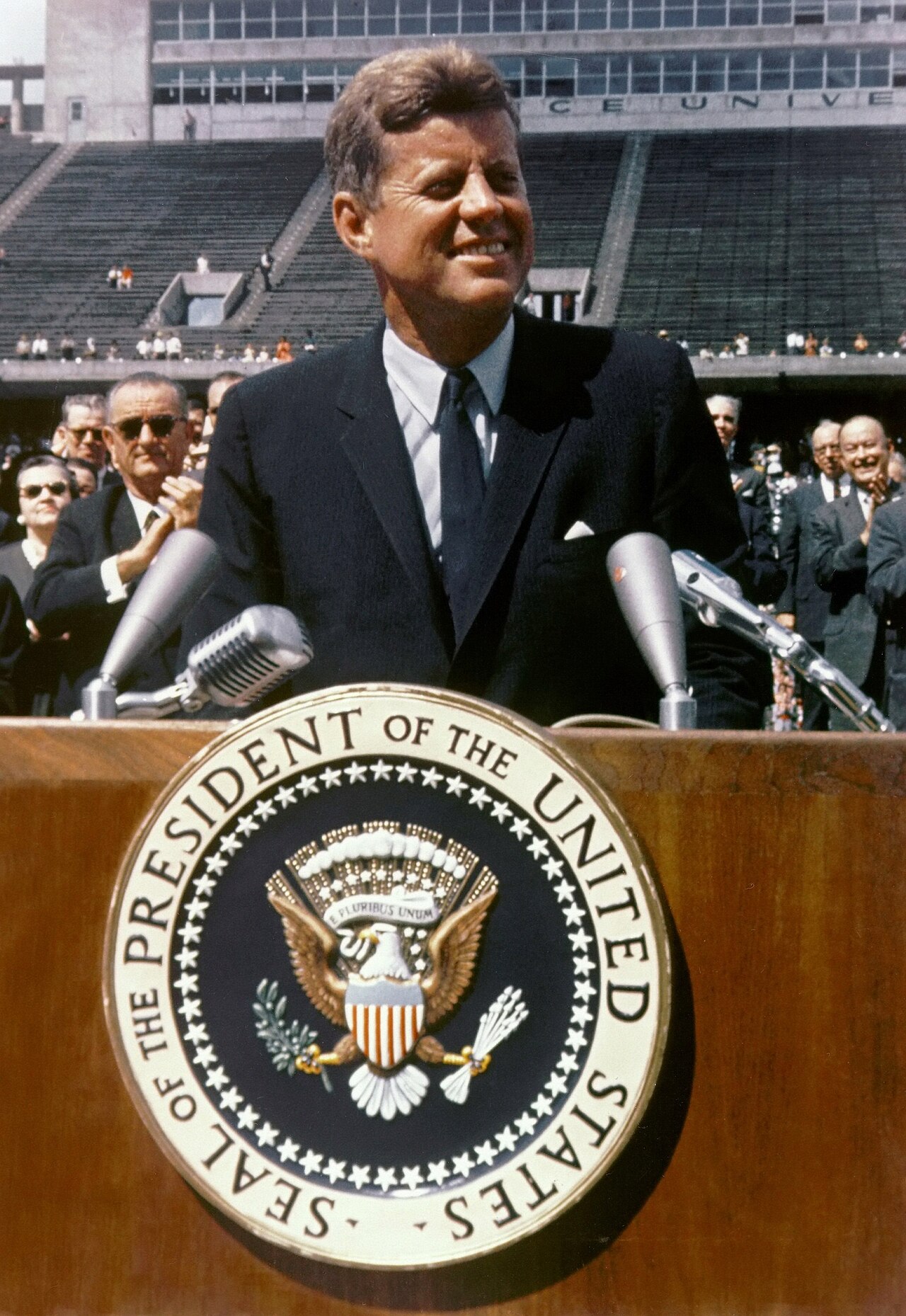 Speech
Primary source
John F. Kennedy · 12 September 1962
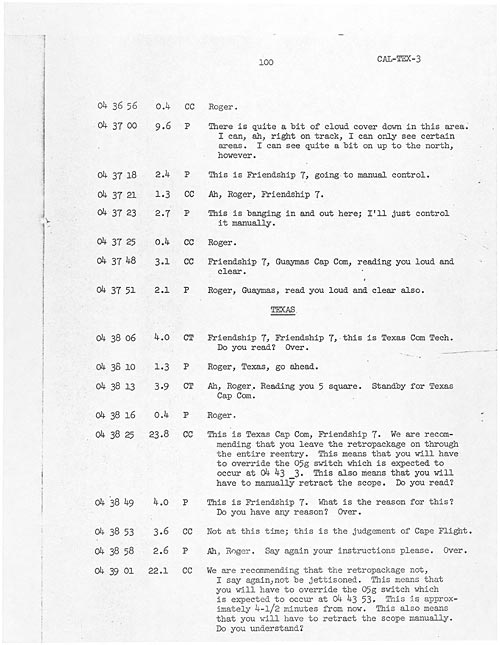 Document
Primary source
28 February 1962
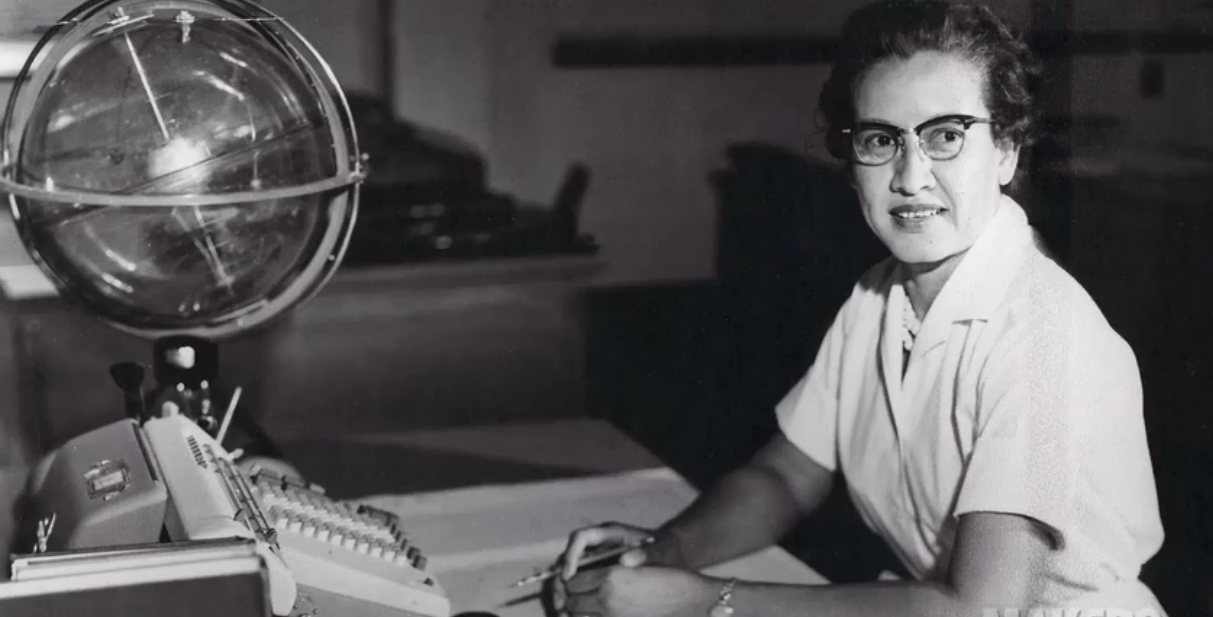 Photograph
Primary source
NASA
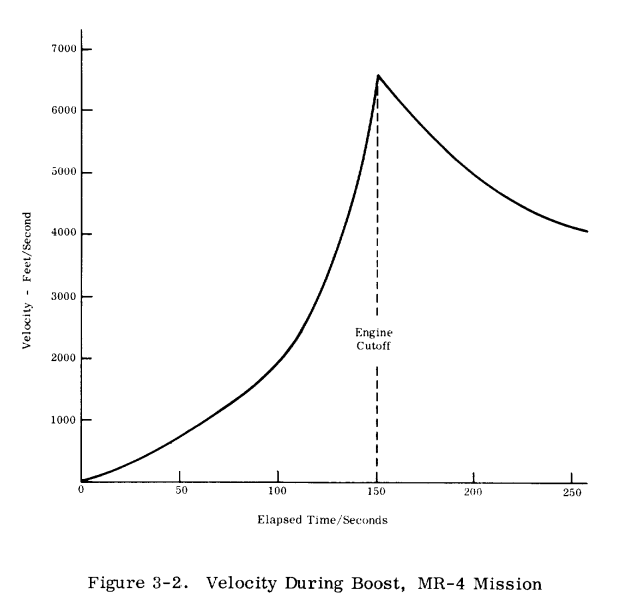 Document
Primary source
NASA · 1964
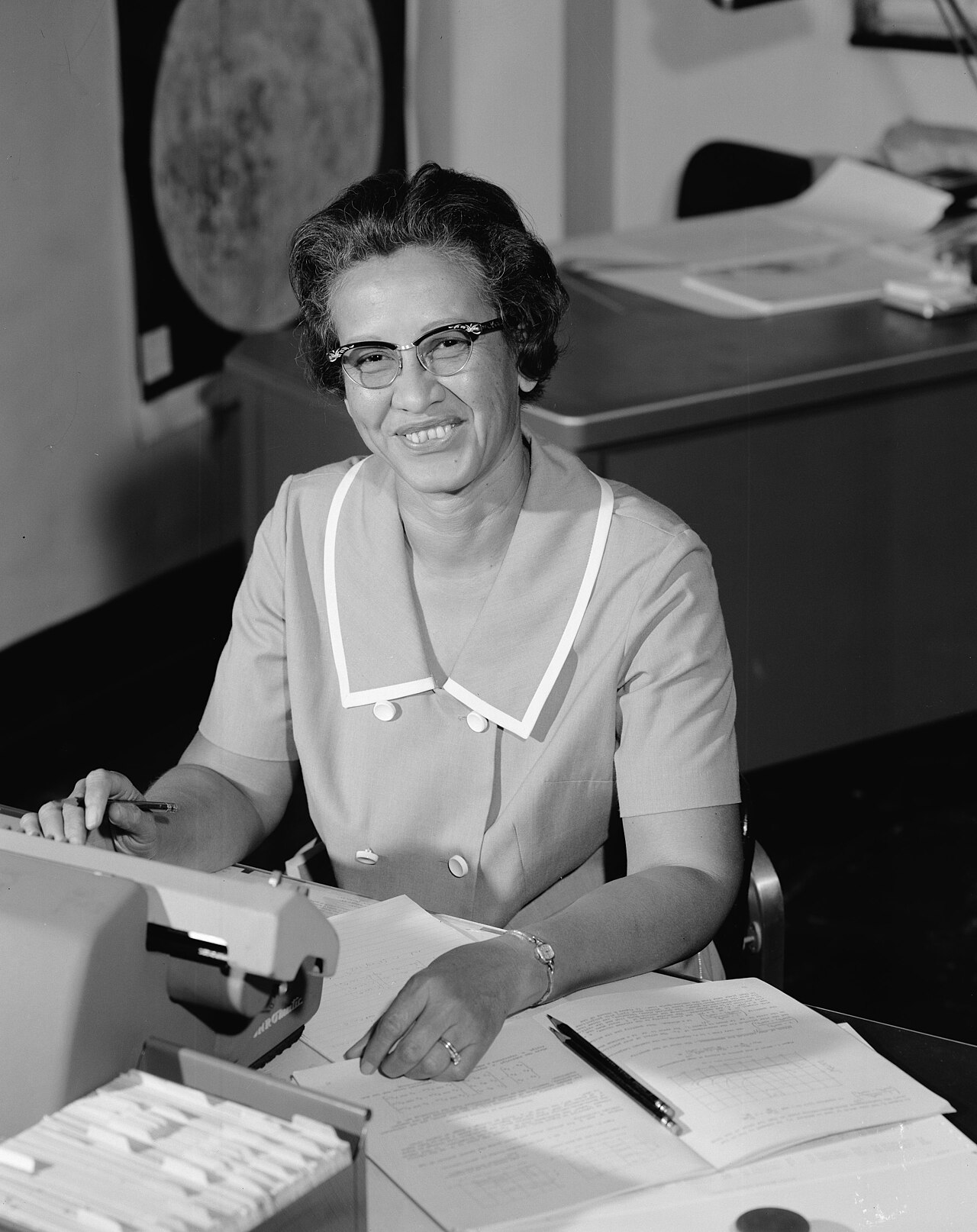 Photograph
Primary source
NASA · 1966
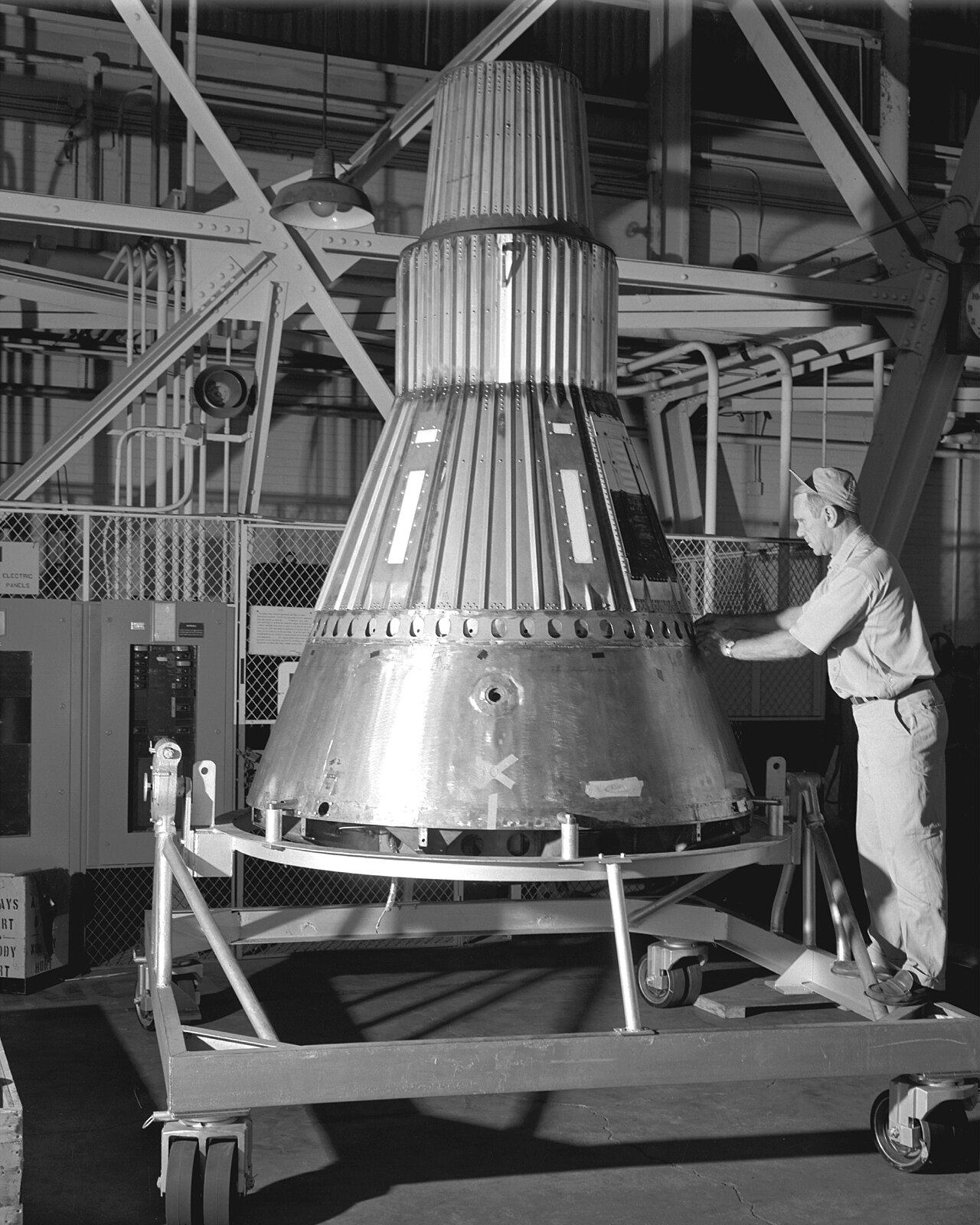 Photograph
Primary source
NASA/GRC/Ernie Walker · 3 August 1959
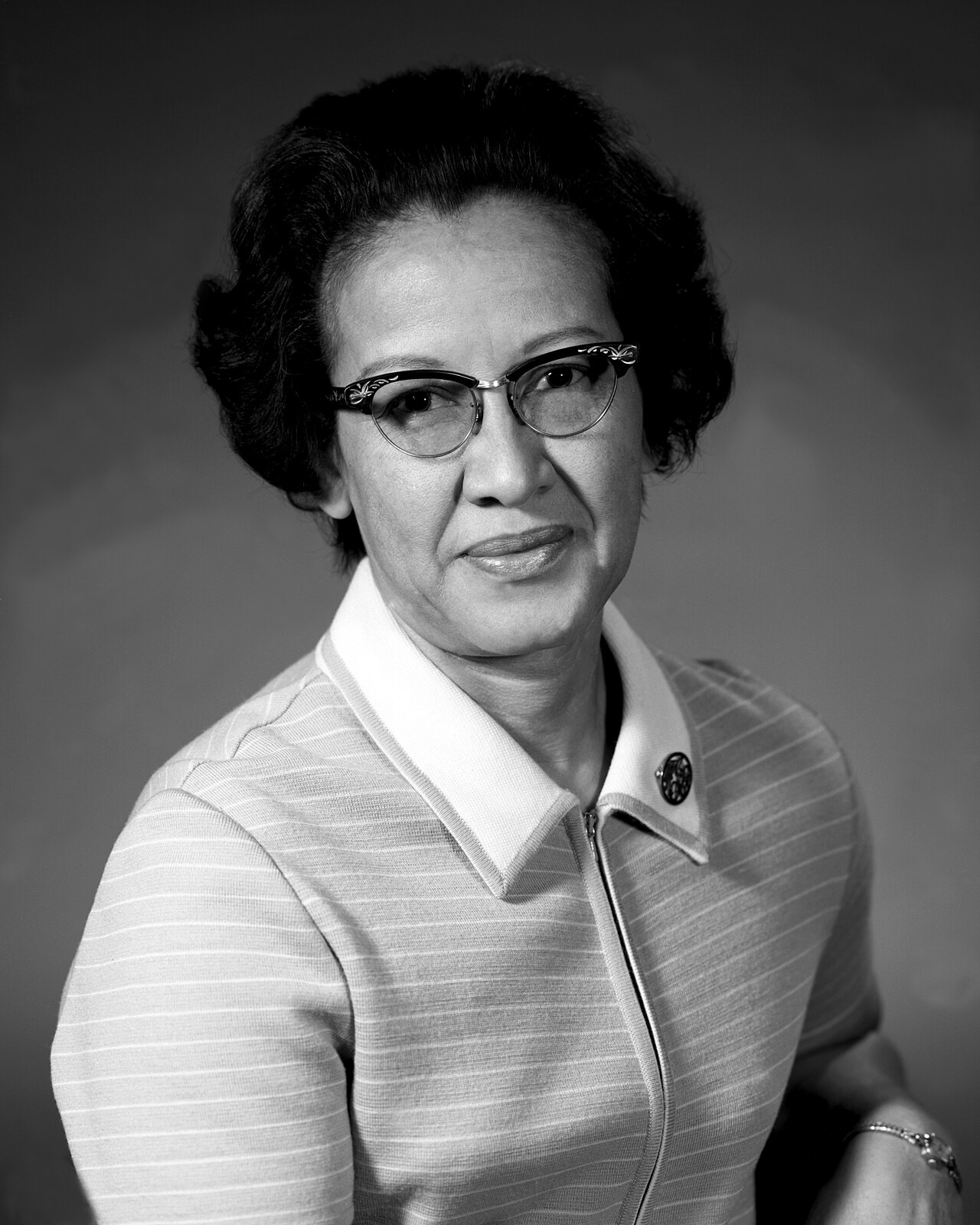 Photograph
Primary source
NASA
Primary source
Franklin Delano Roosevelt · 19 February 1942
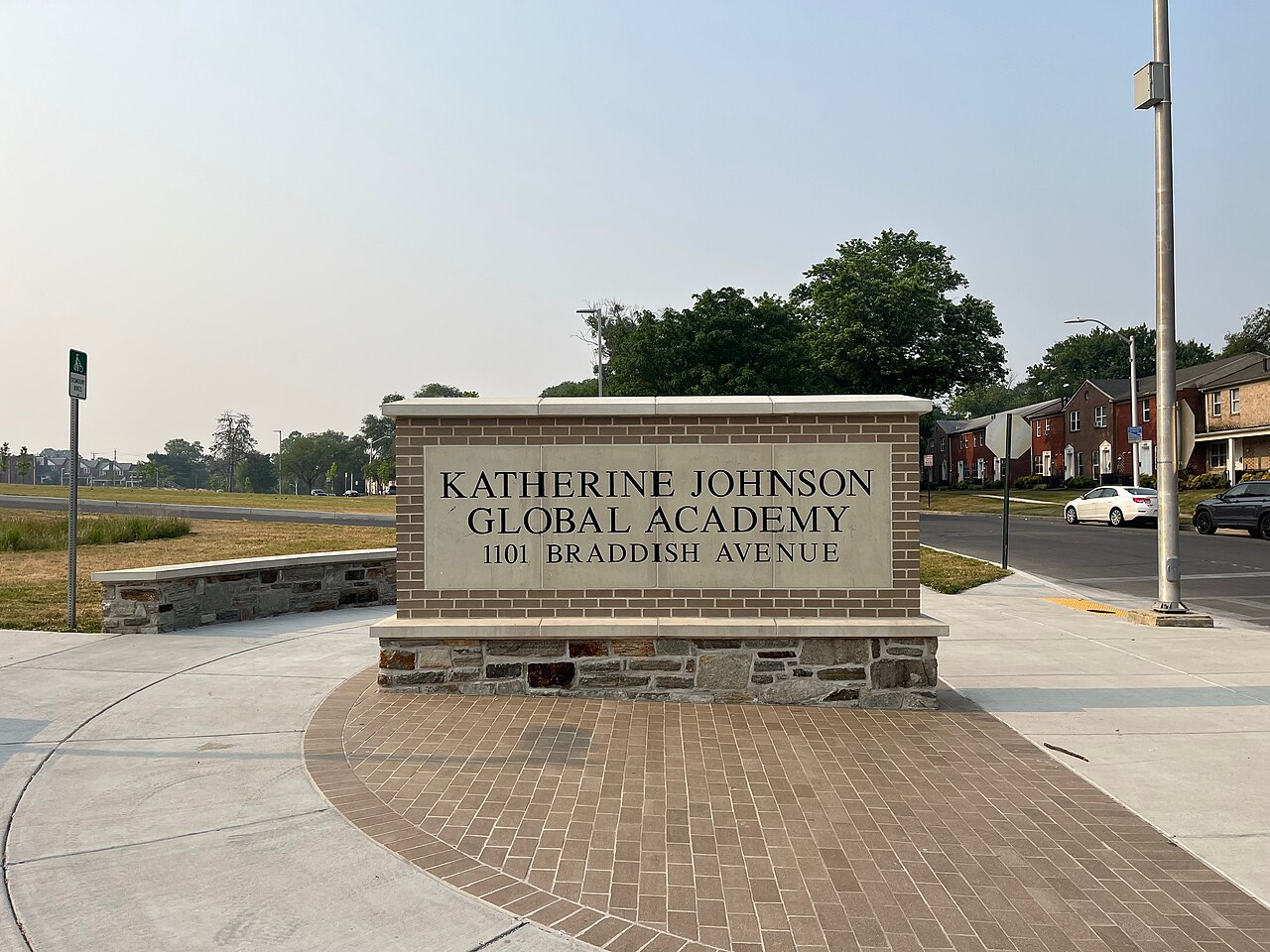 Photograph
Secondary source
Eli Pousson · 7 June 2023
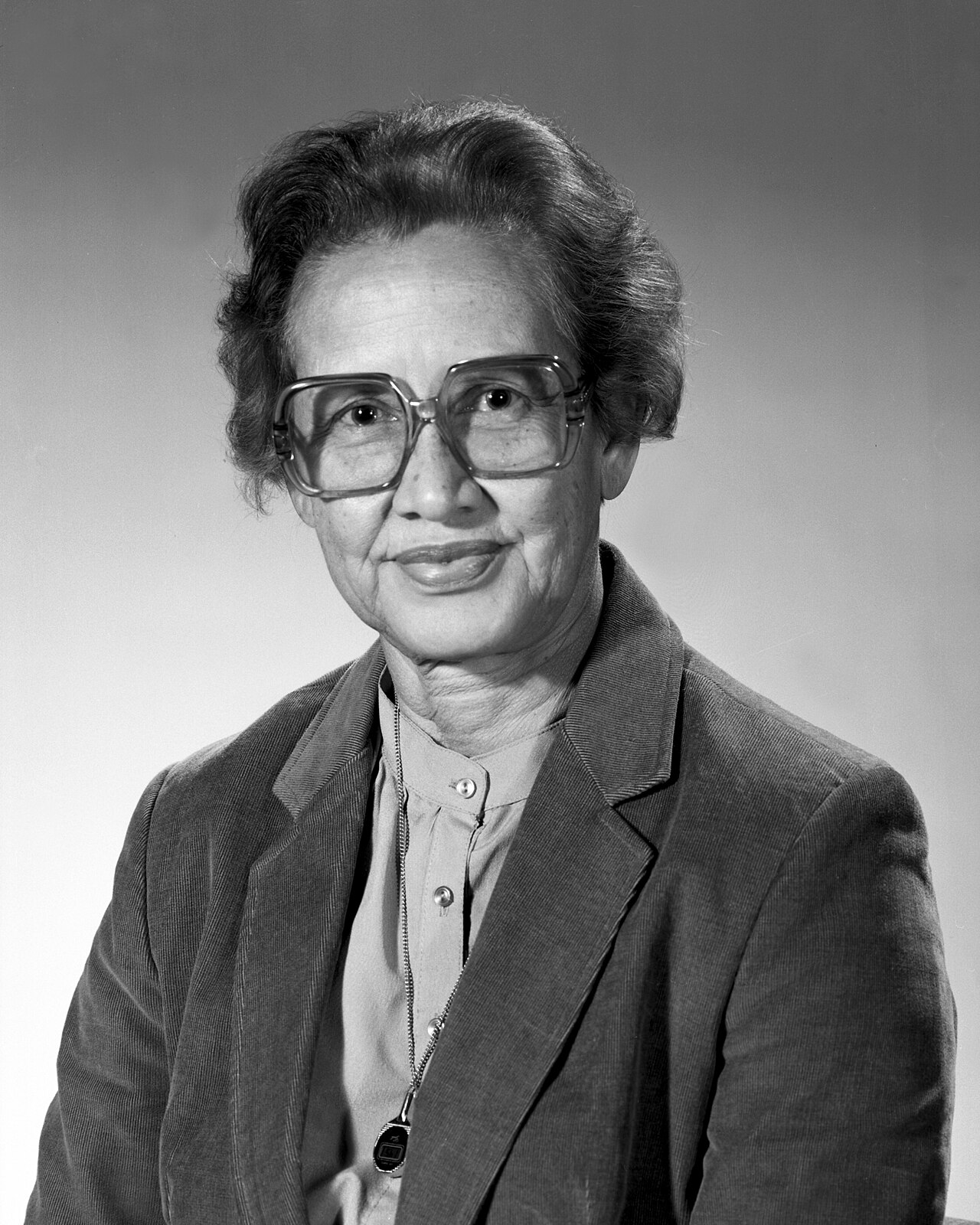 Photograph
Primary source
1983
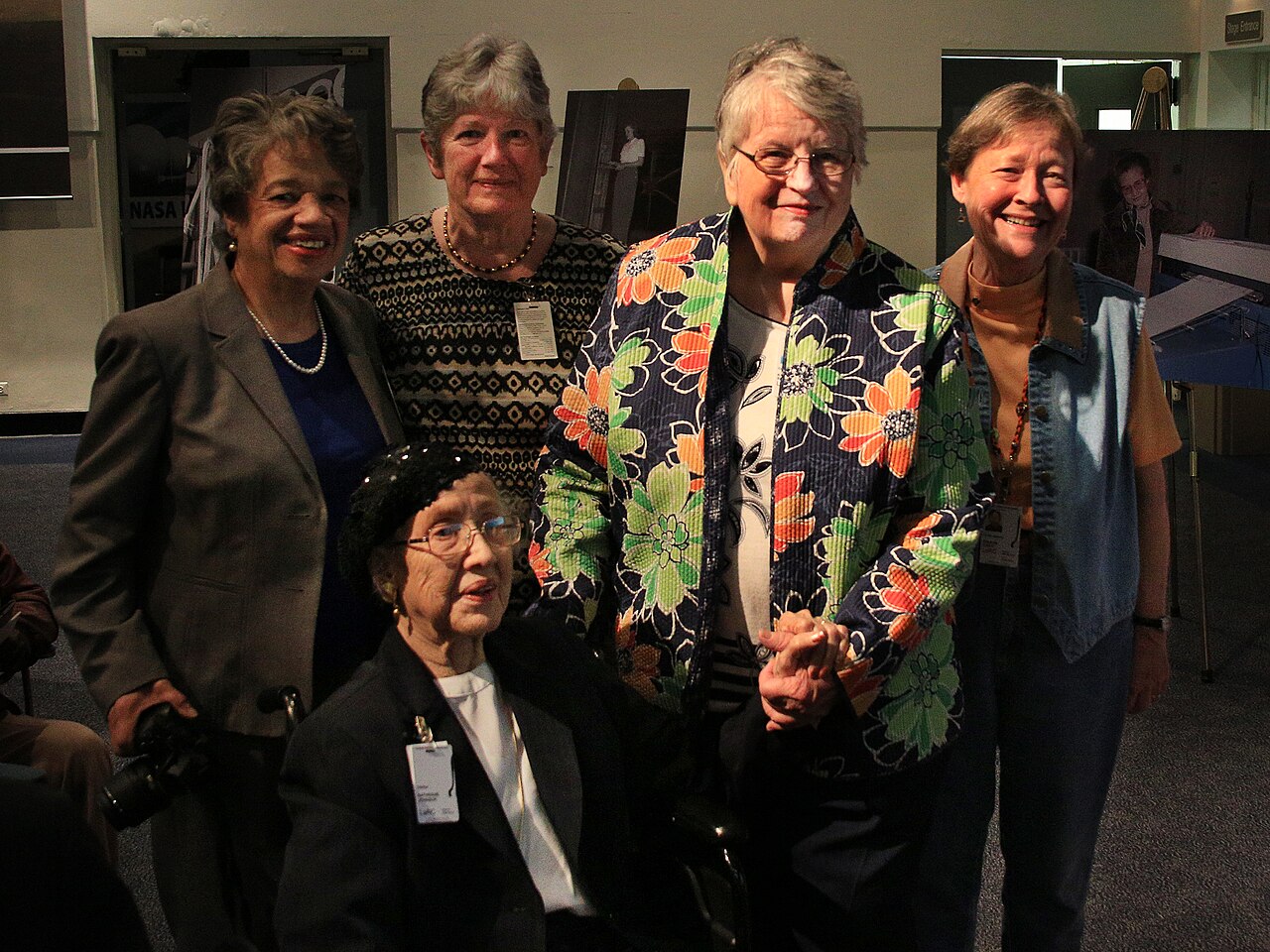 Photograph
Primary source
NASA
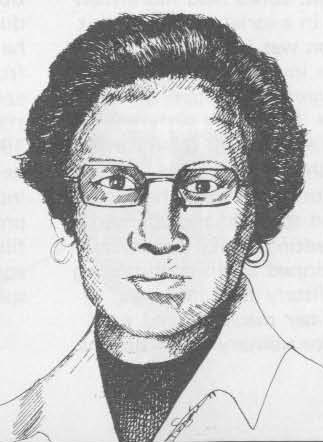 Photograph
Primary source
U.S. Department of Energy, Office of Public Affairs · 1979
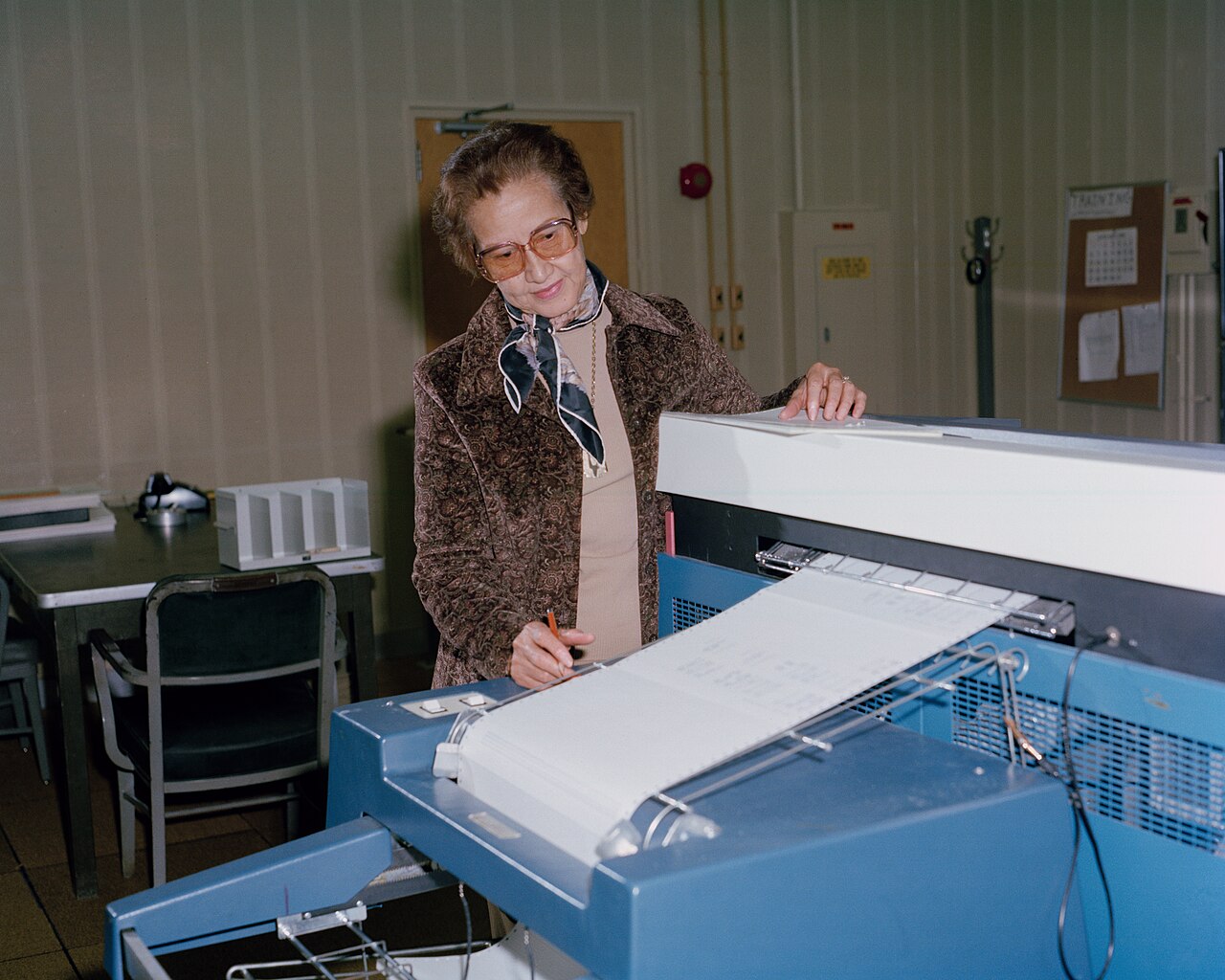 Photograph
Primary source
NASA · 1980
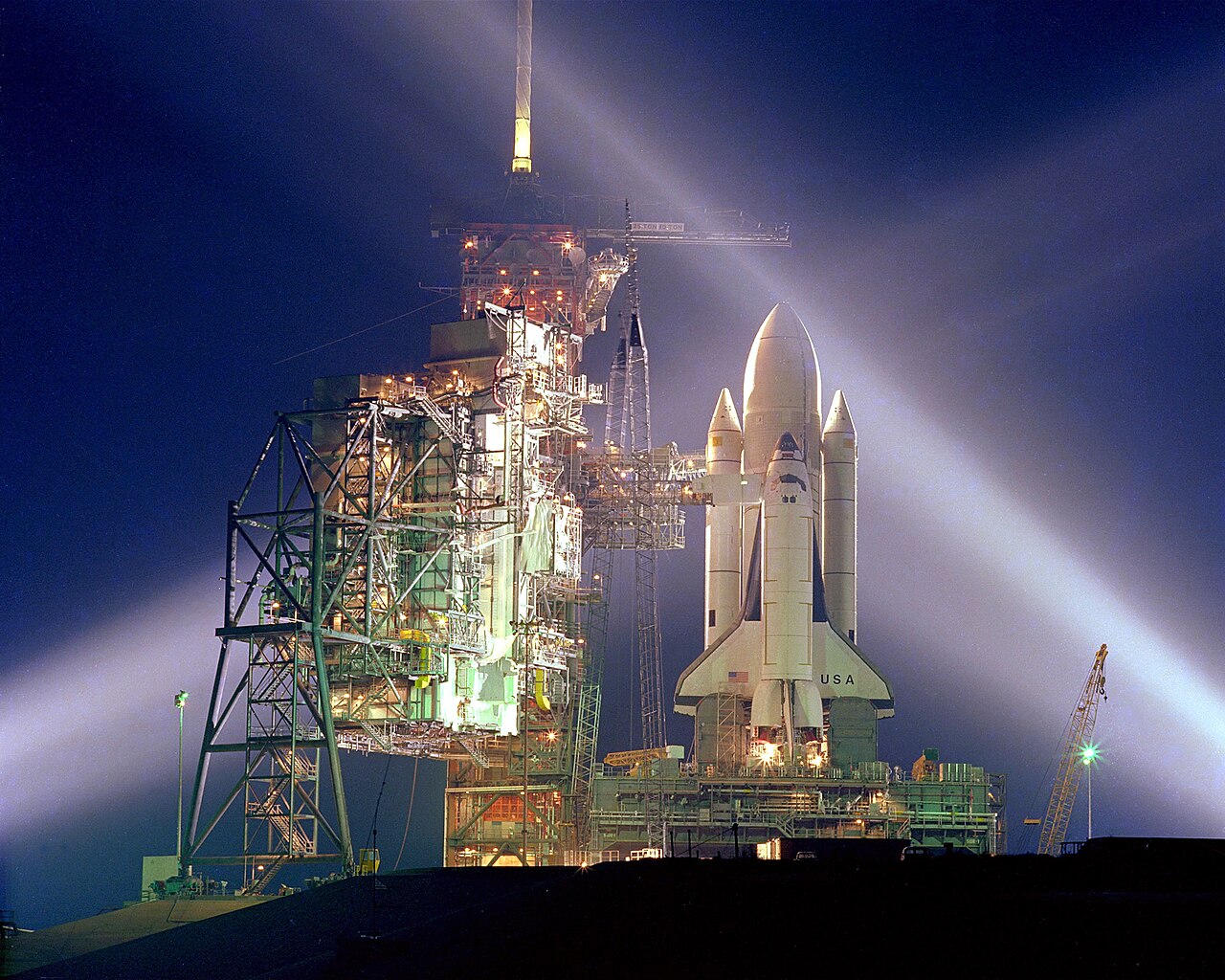 Photograph
Primary source
NASA/KSC · 5 March 1981
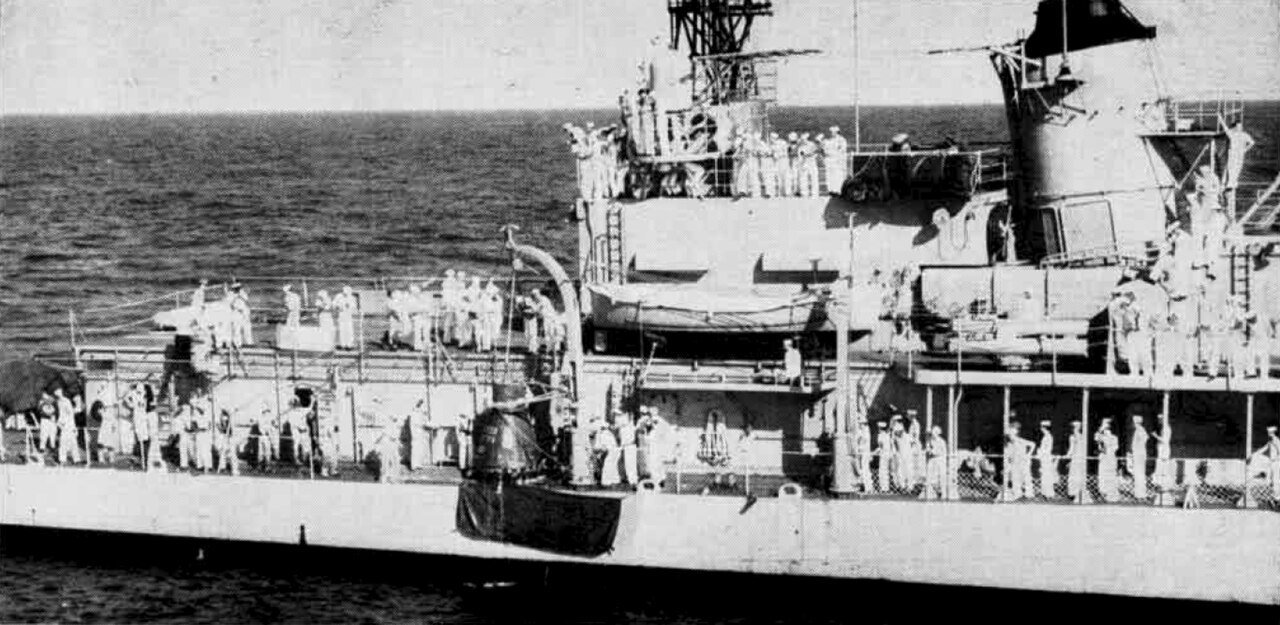 Photograph
Primary source
US Navy · 20 February 1962
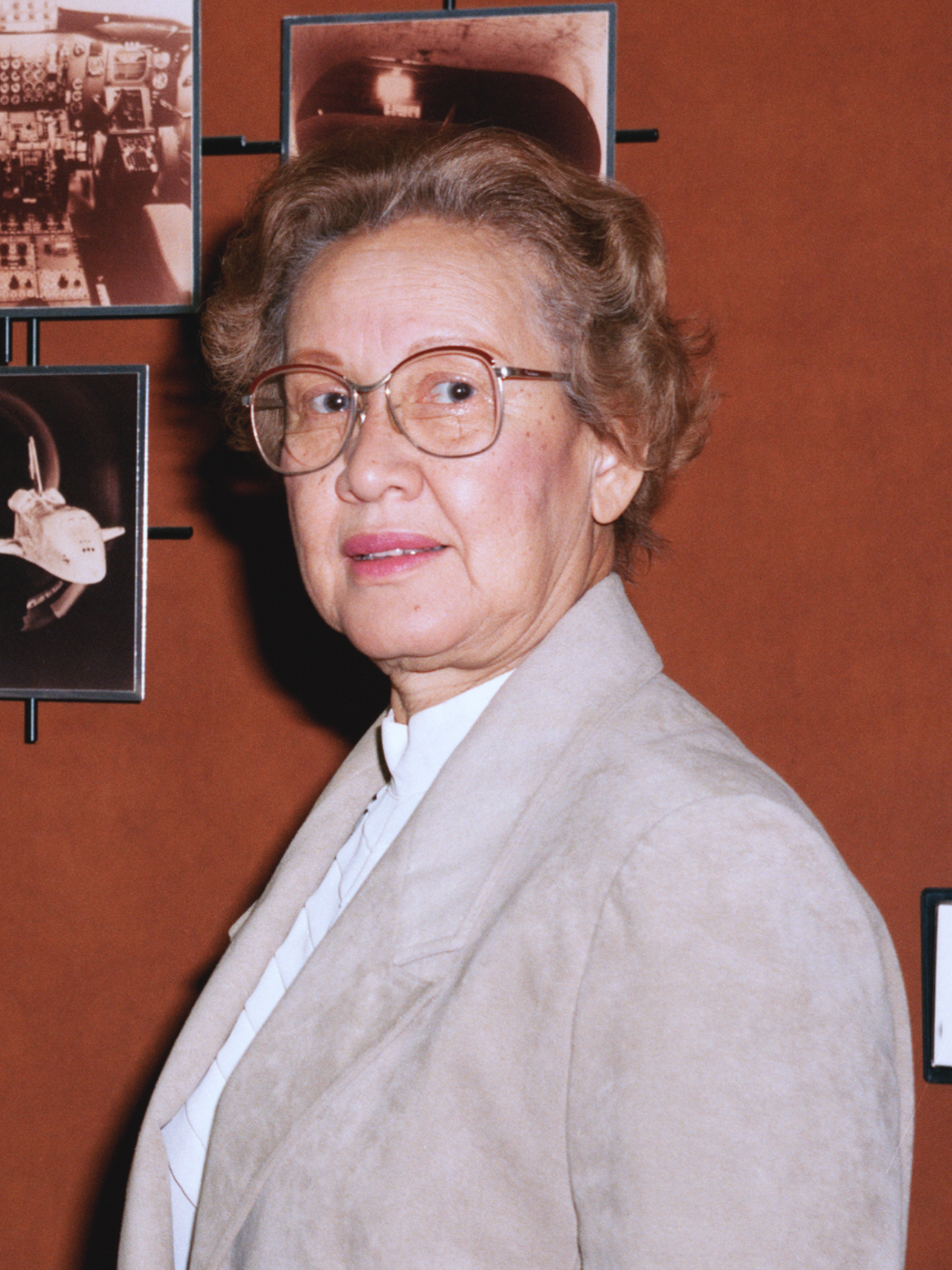 Photograph
Primary source
NASA · 1985
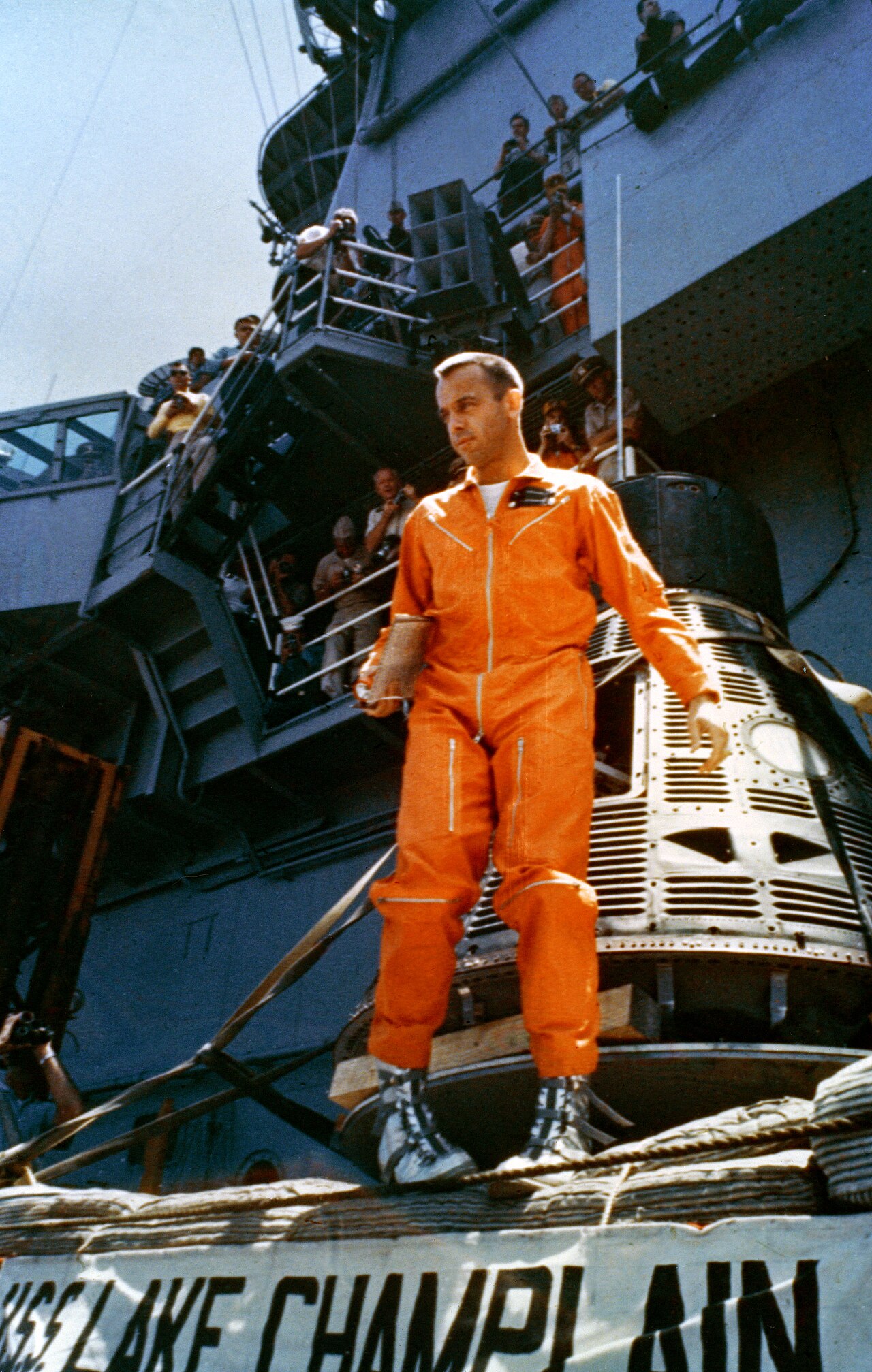 Artifact
Primary source
McDonnell Aircraft / NASA · 1961
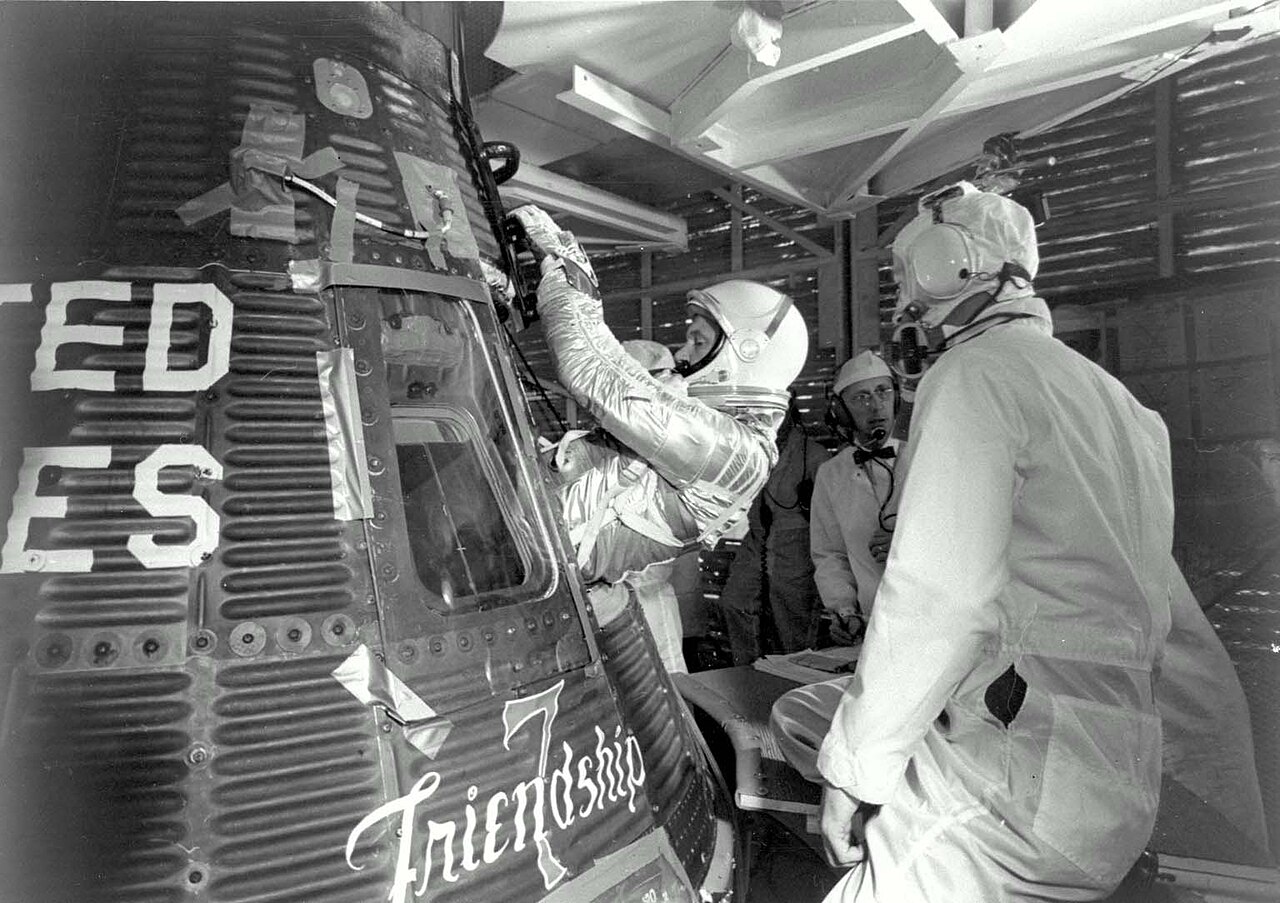 Artifact
Primary source
McDonnell Aircraft / NASA · 1962
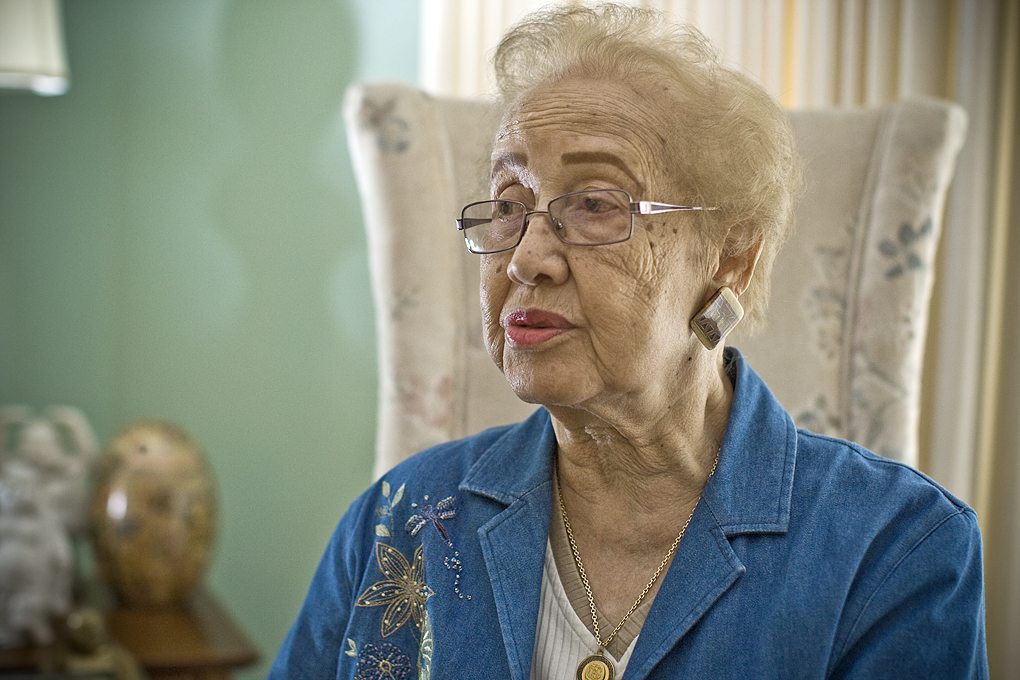 Photograph
Primary source
NASA/Sean Smith · 2008
Secondary source
Ellen Stofan
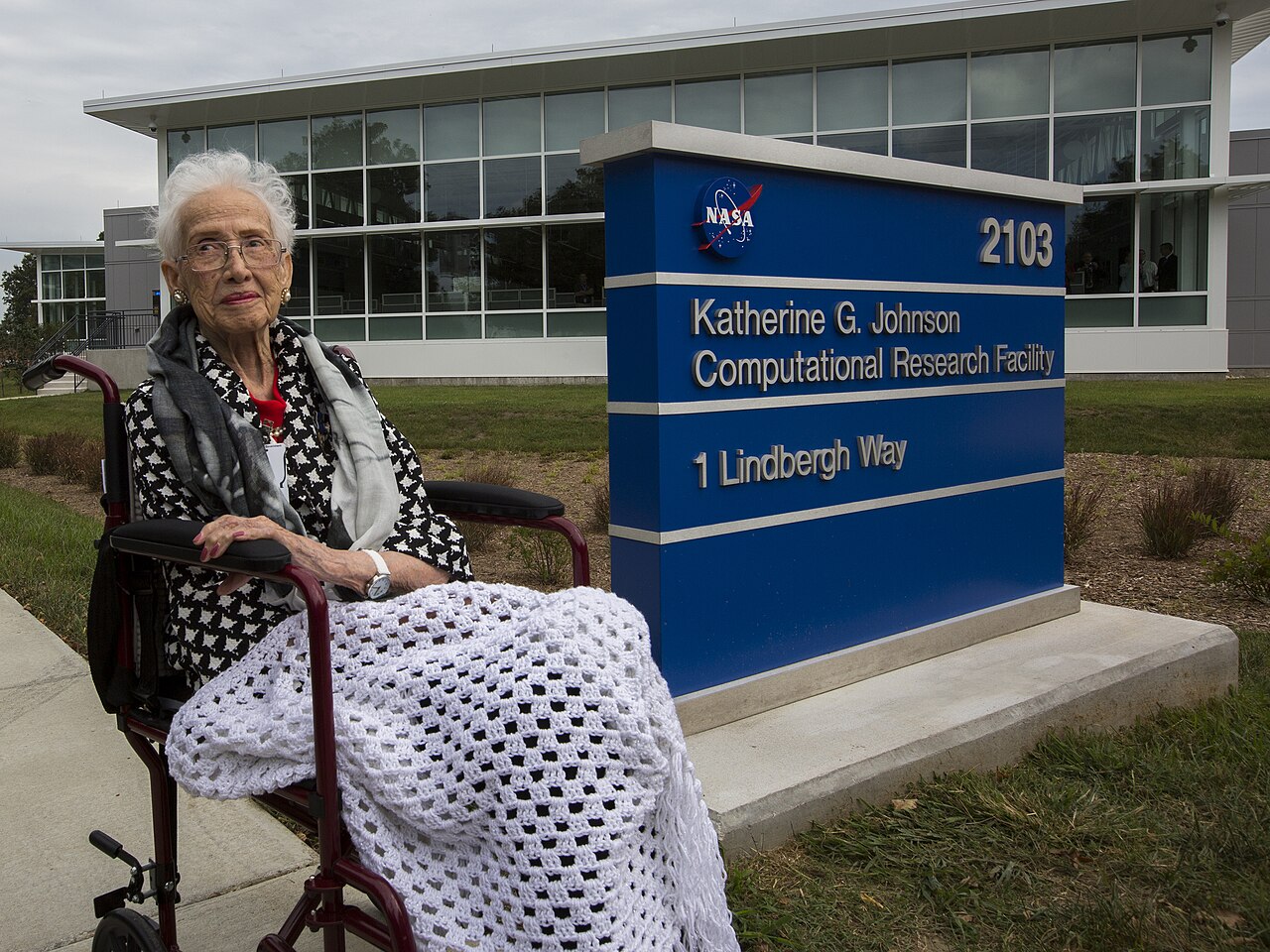 Photograph
Primary source
NASA
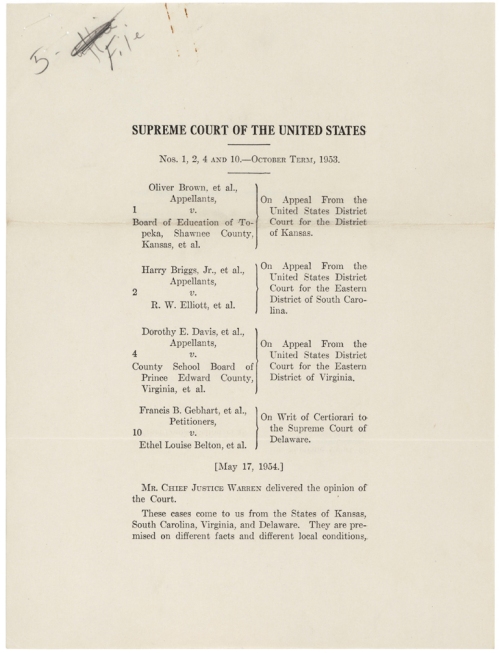 Document
Primary source
Earl Warren · 17 May 1954
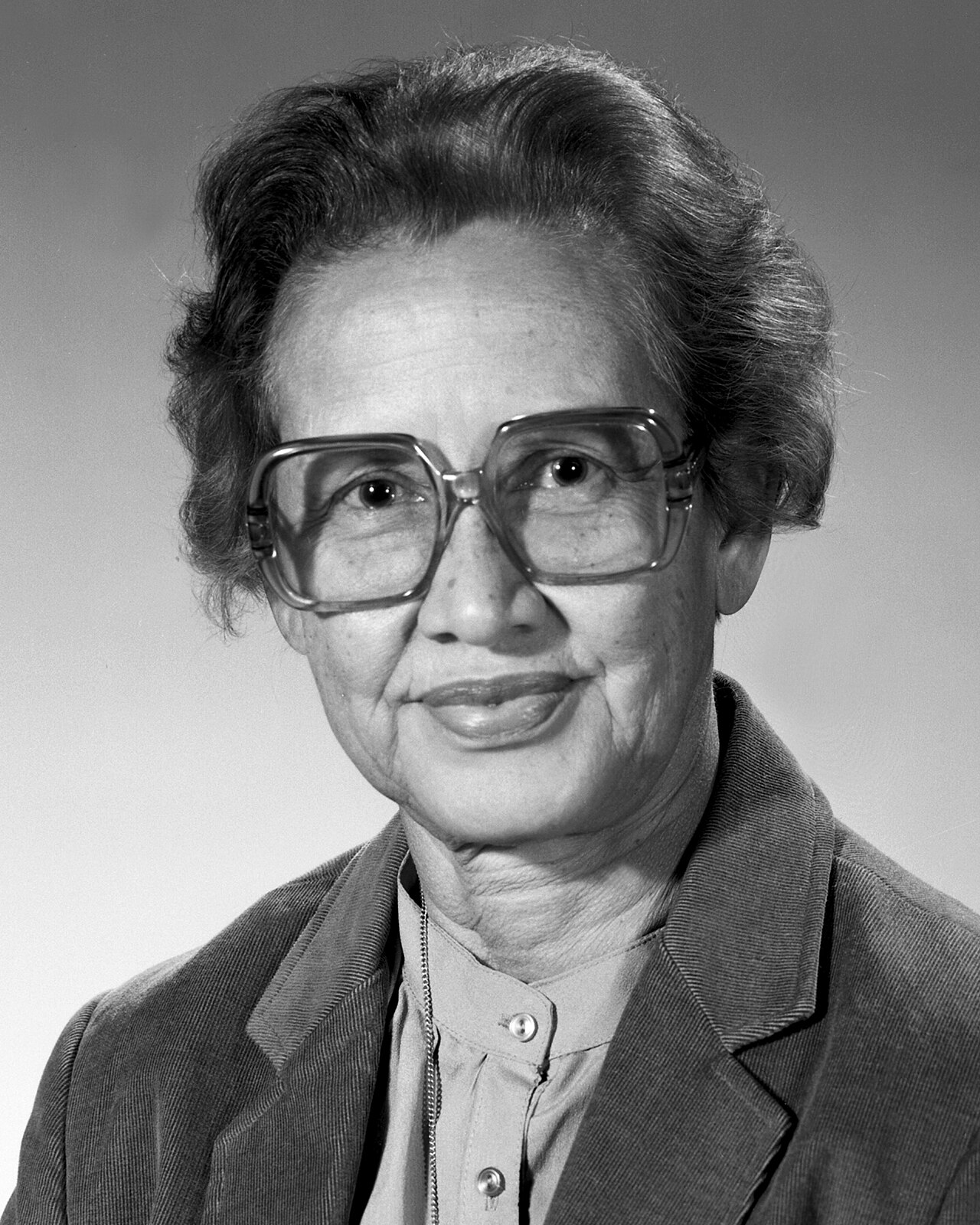 Photograph
Primary source
NASA · 1983
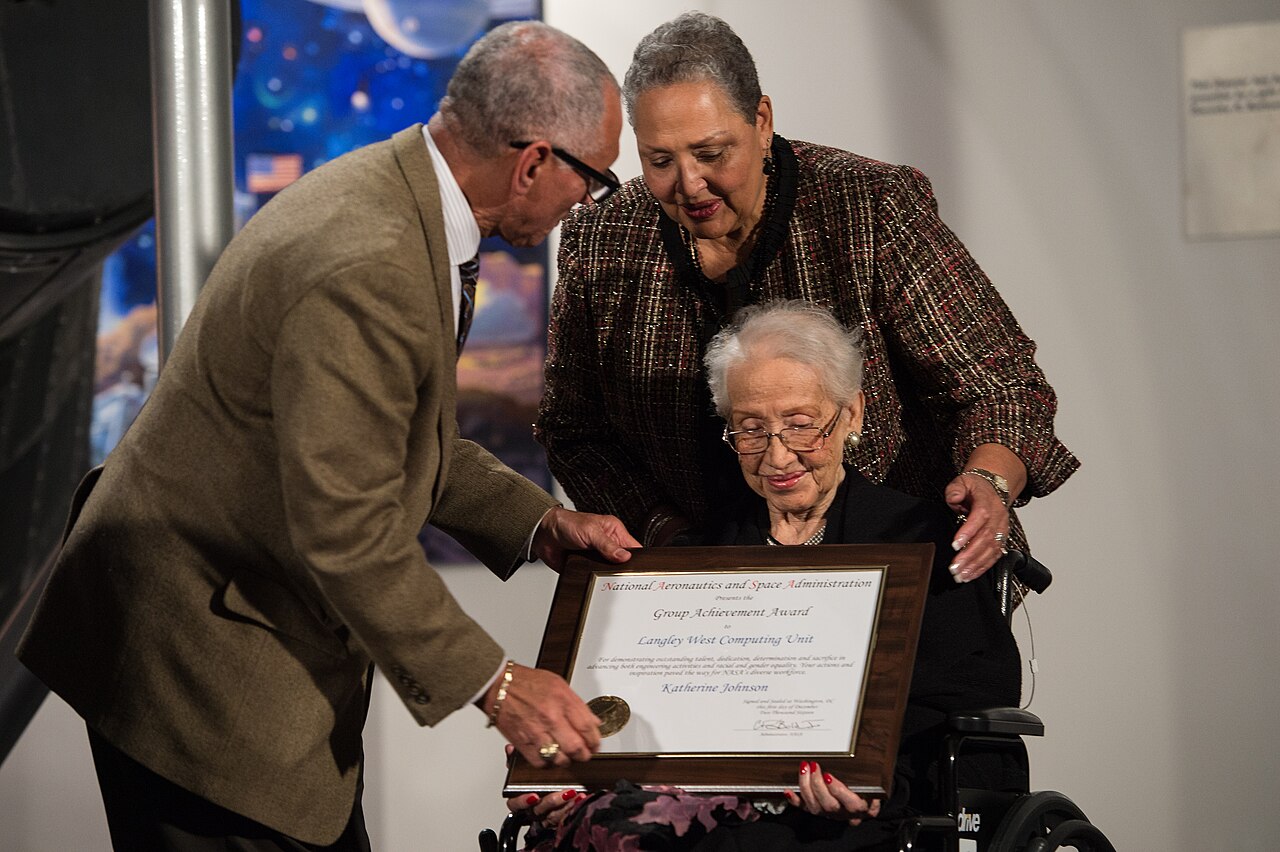 Photograph
Primary source
Aubrey Gemignani · 1 December 2016
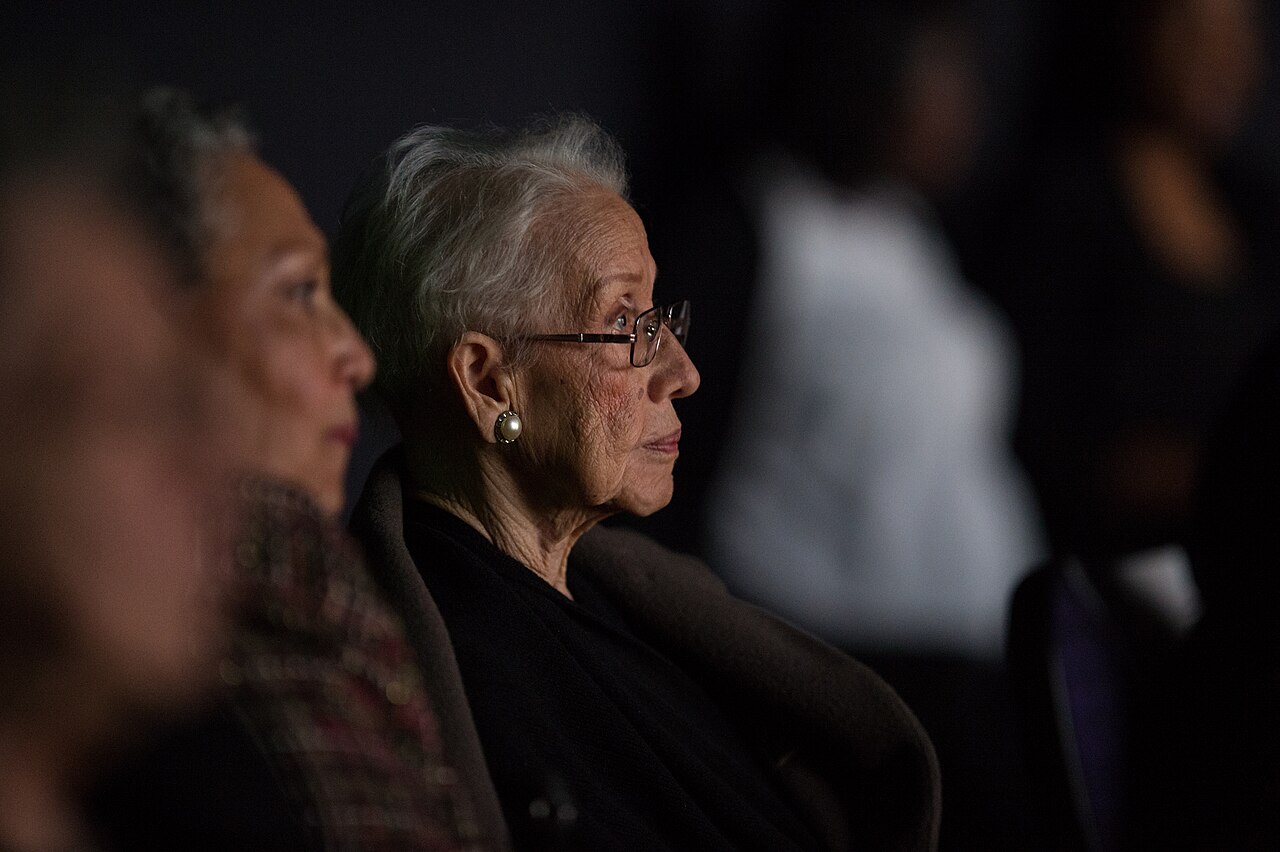 Photograph
Primary source
Aubrey Gemignani · 1 December 2016
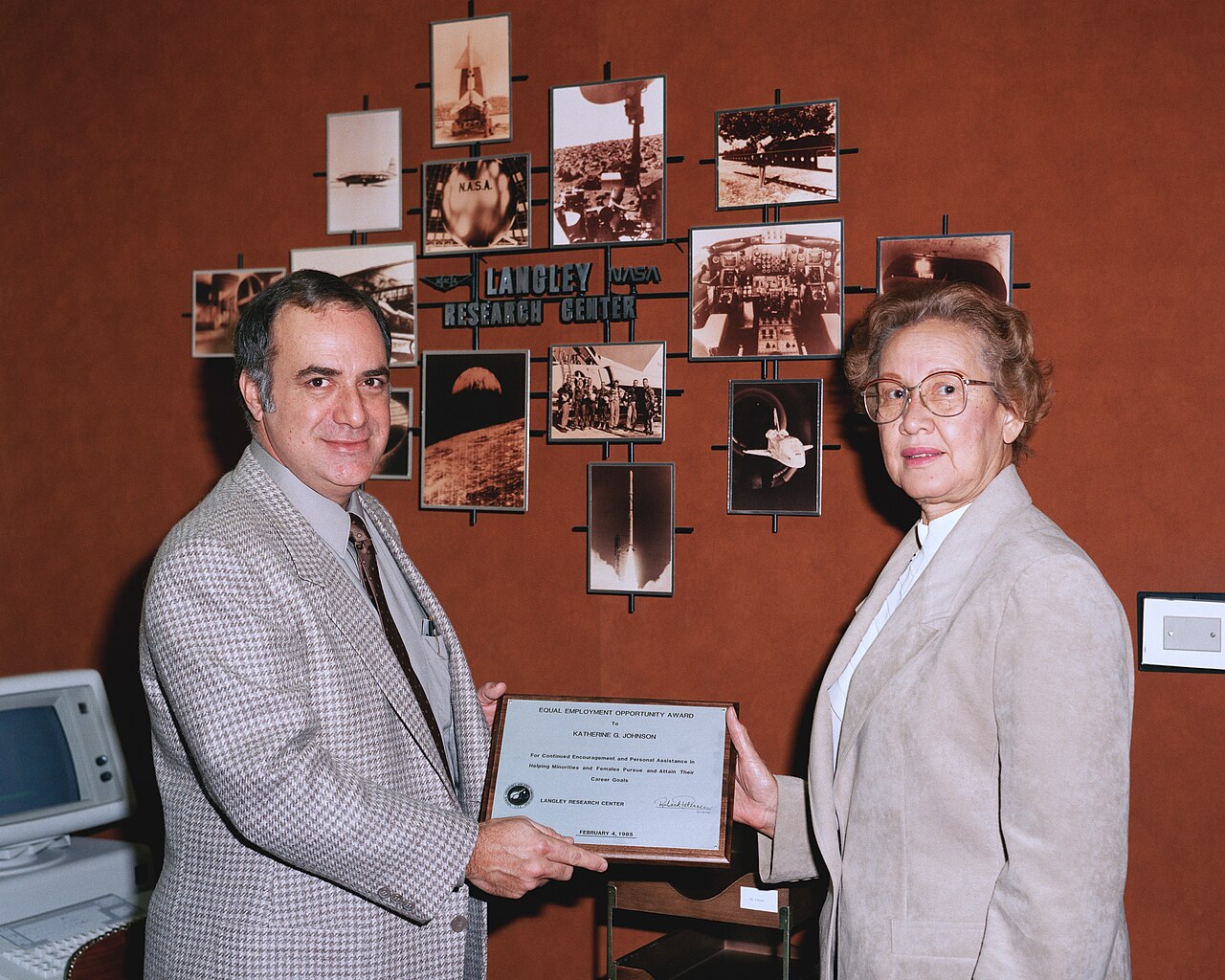 Photograph
Primary source
NASA · 4 February 1985
 Photograph
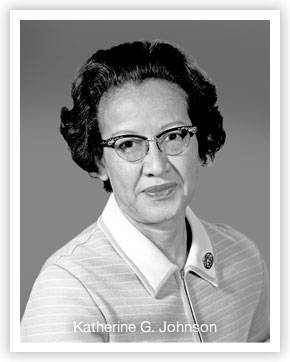
Primary source
NASA on The Commons
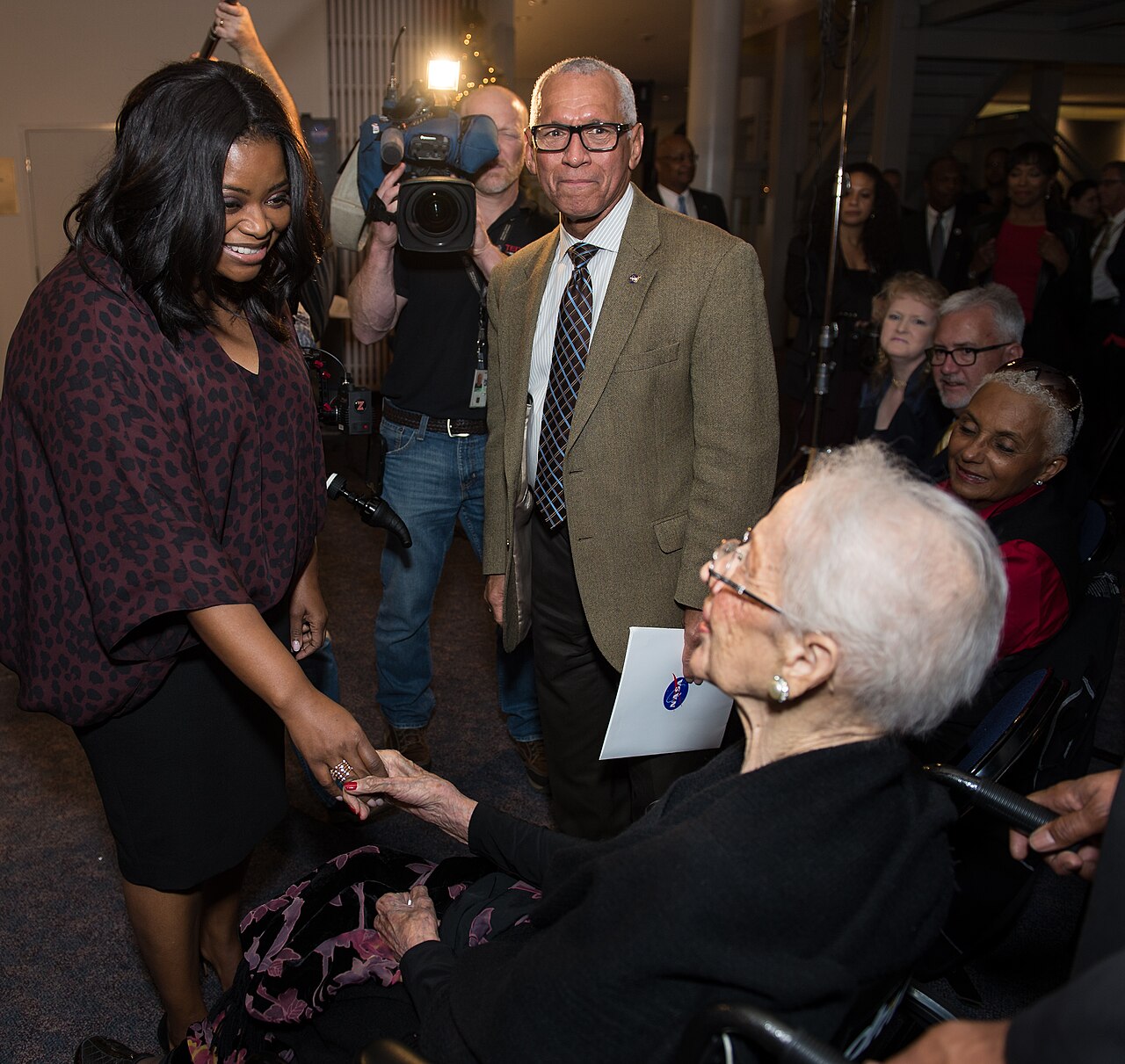
 Photograph
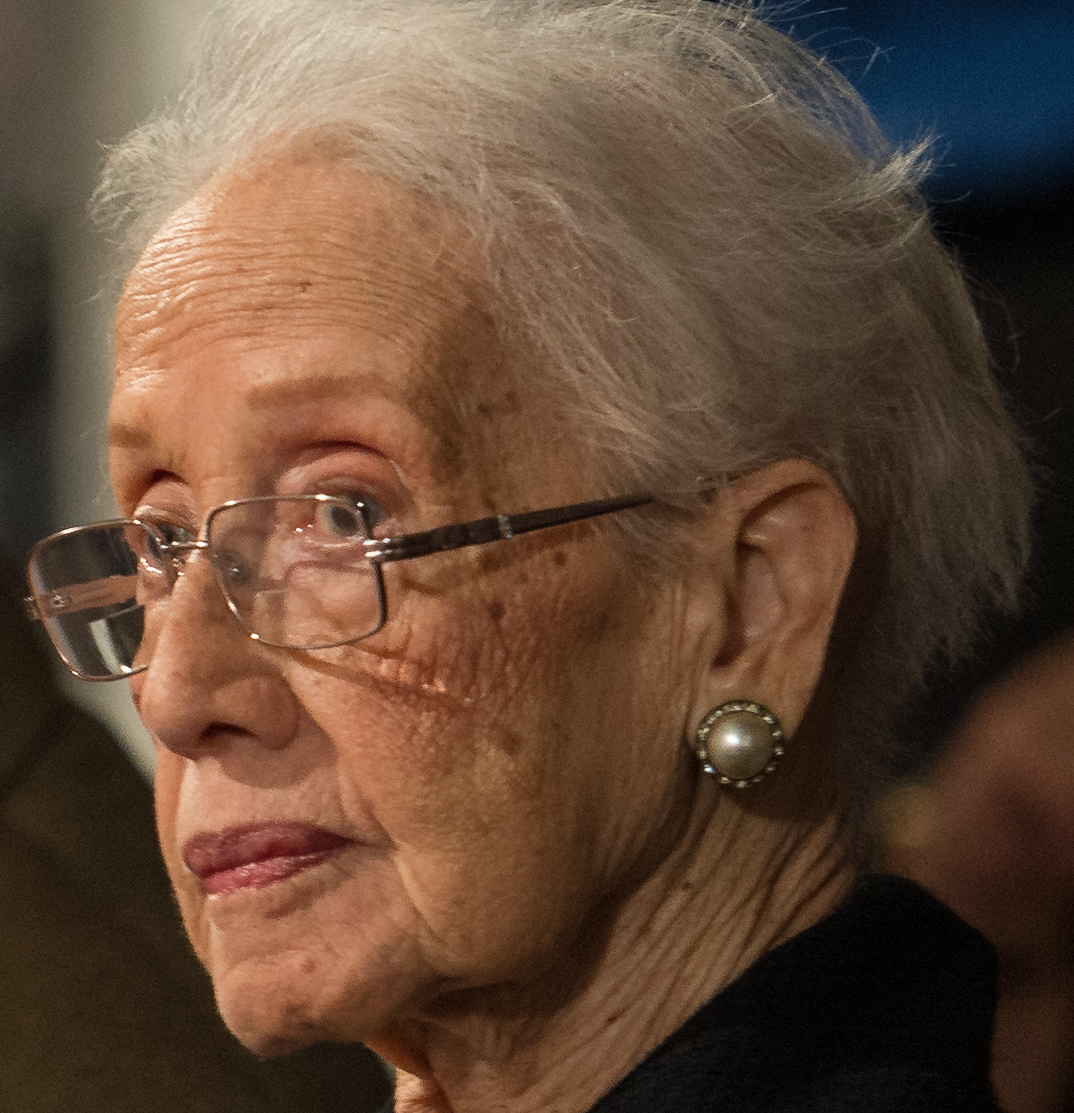
Primary source
Aubrey Gemignani · 1 December 2016
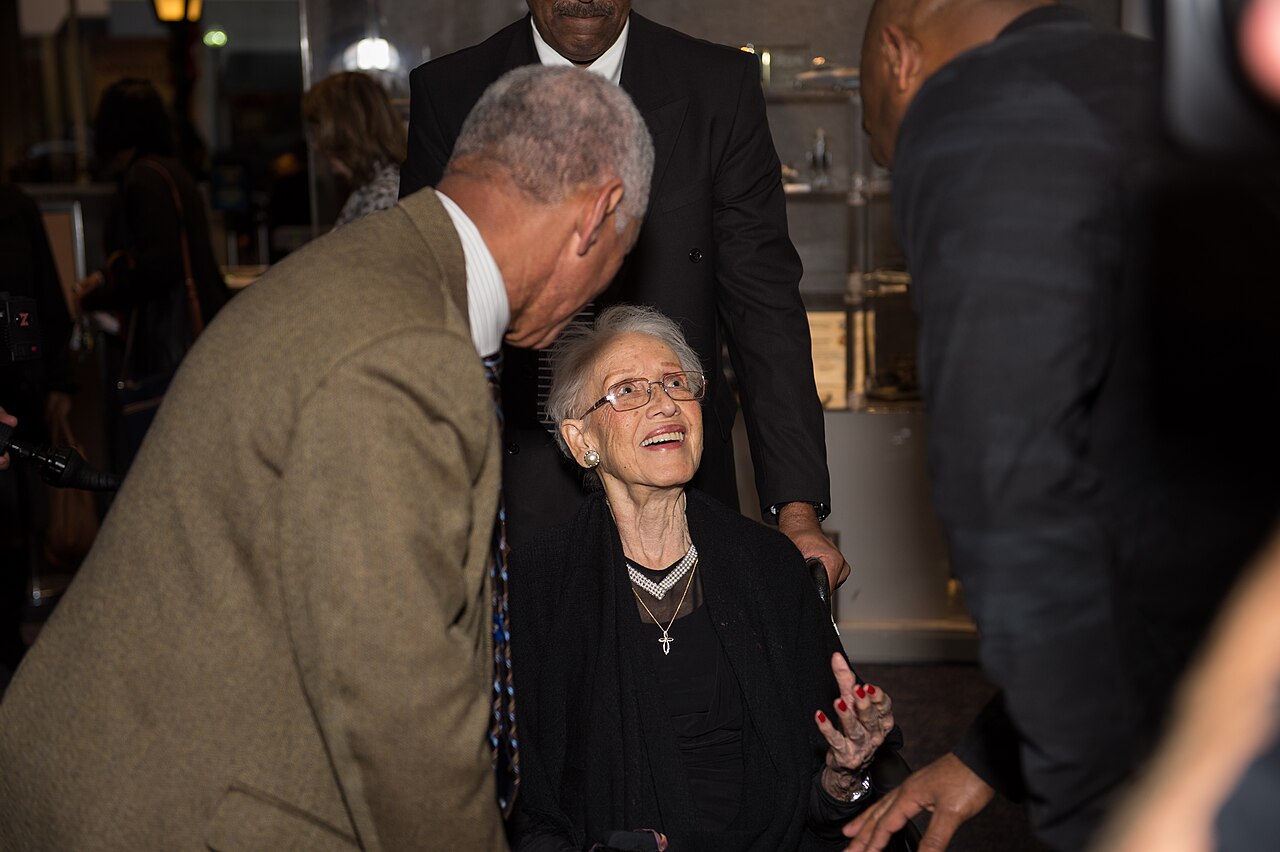
 Photograph
Primary source
Aubrey Gemignani · 1 December 2016
 Photograph
Primary source
Aubrey Gemignani · 1 December 2016
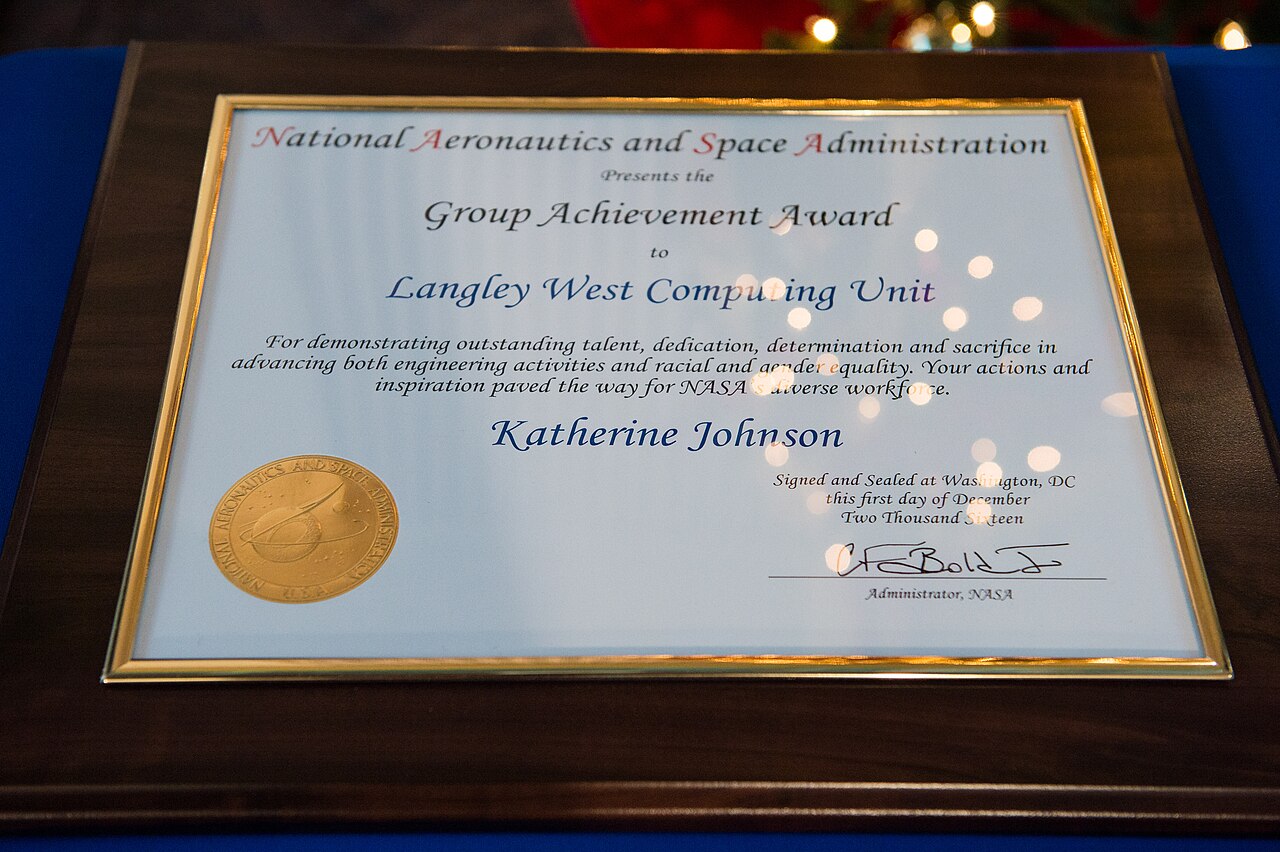 Artifact
Primary source
Aubrey Gemignani · 1 December 2016 (award displayed; original award undated in facts)
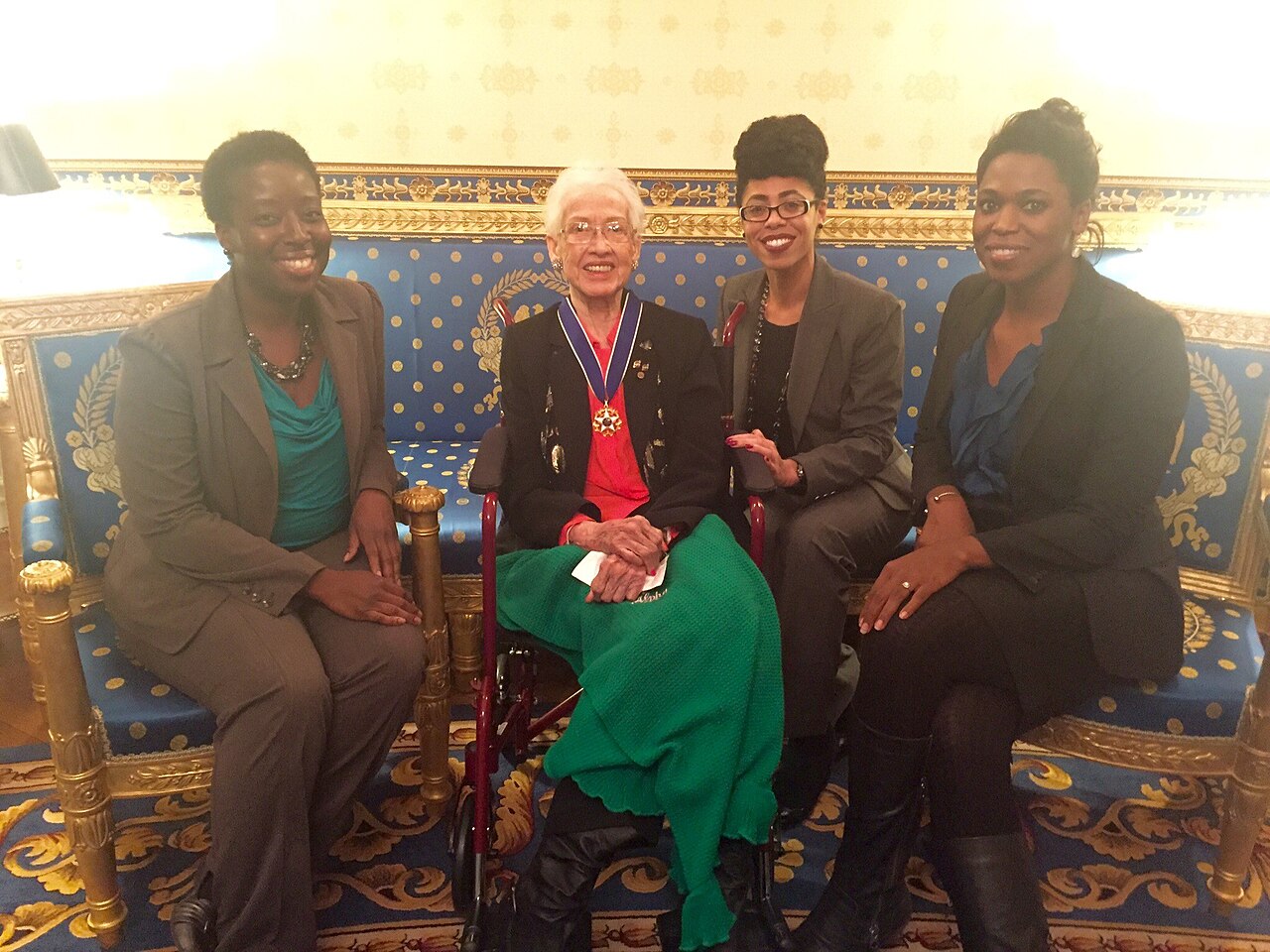 Photograph
Primary source
White House Office of Science & Technology (OSTP) · 30 November 2015
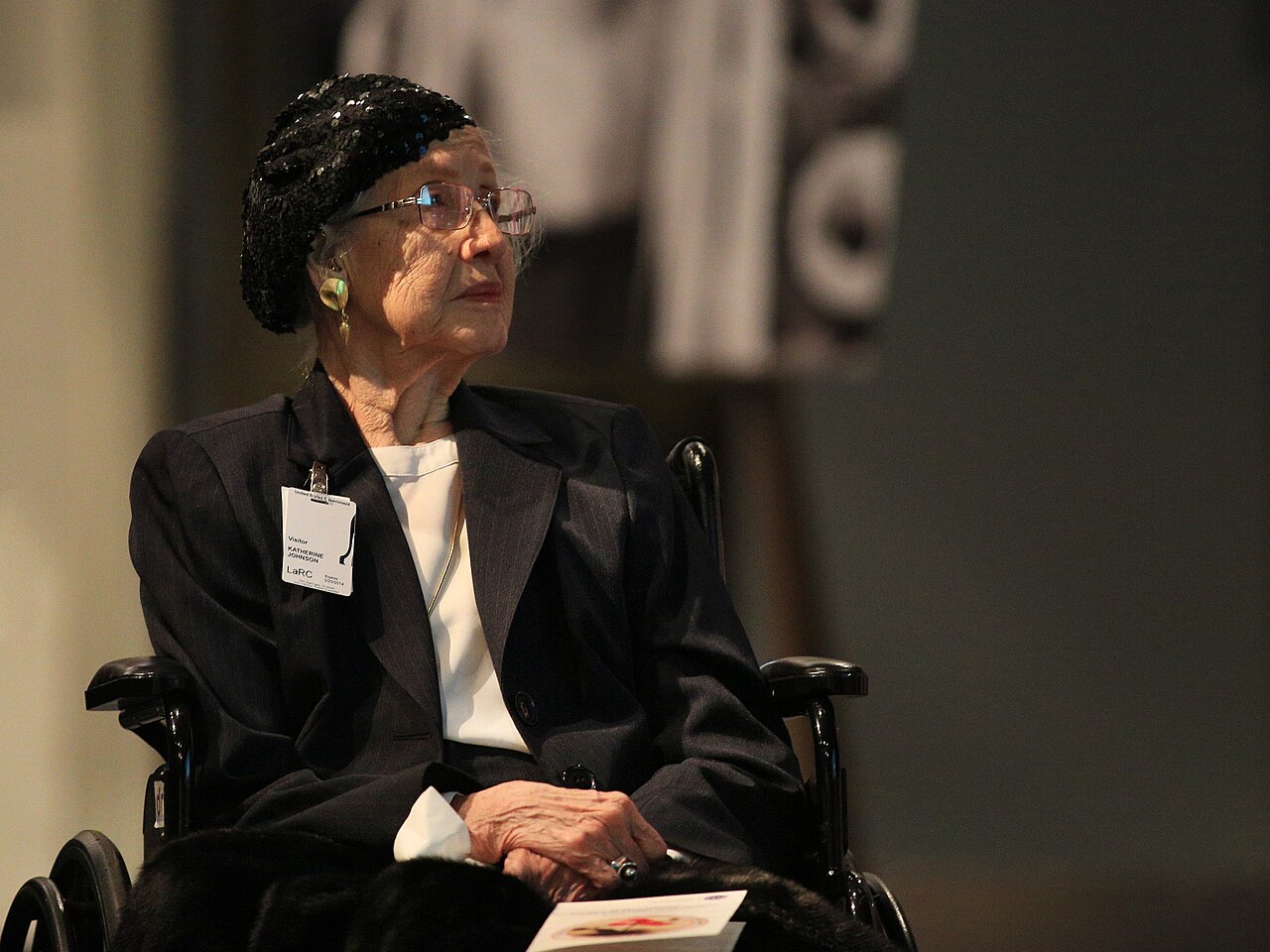 Photograph
Primary source
NASA/David C. Bowman · 20 March 2014
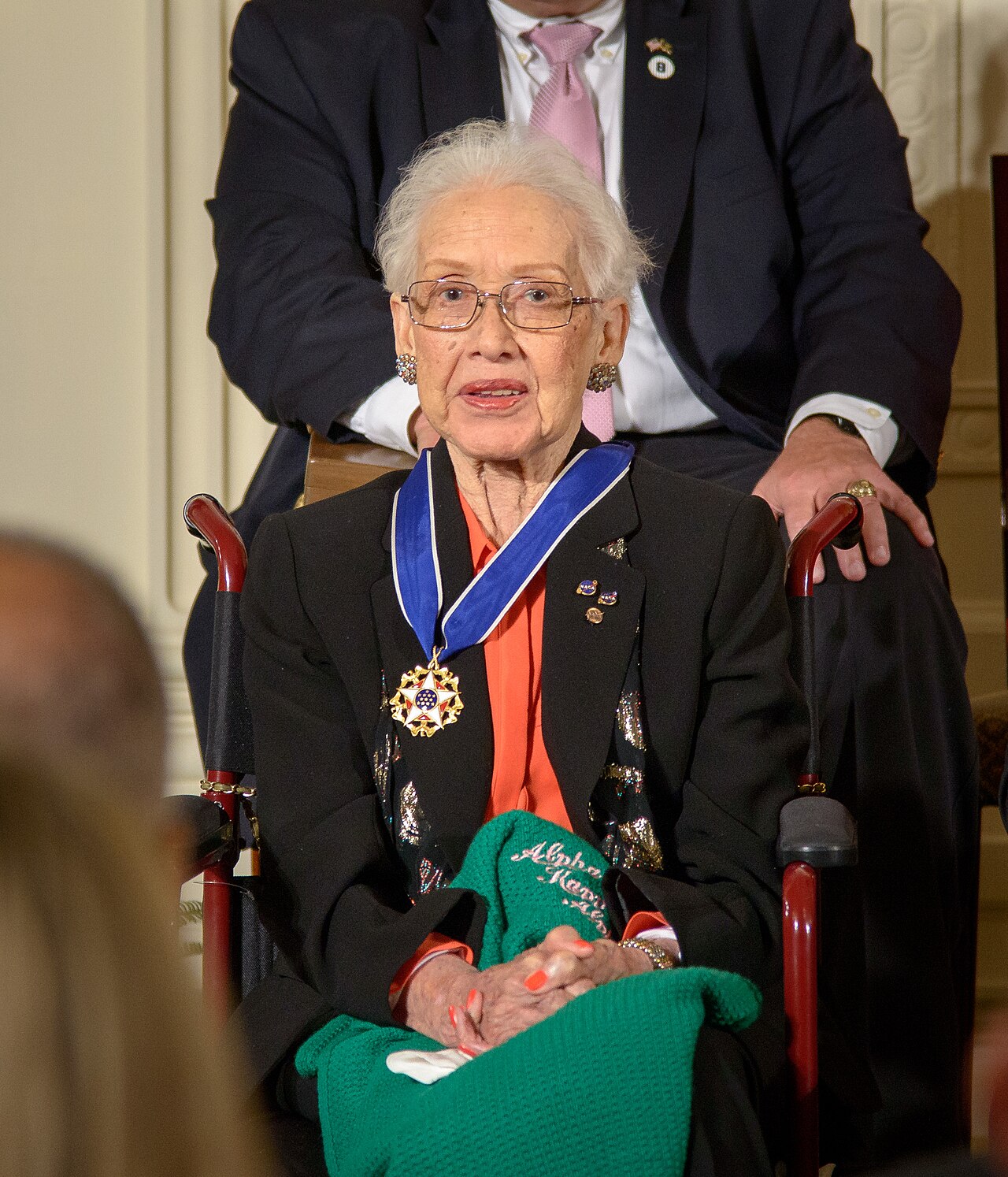 Photograph
Secondary source
Bill Ingalls · 24 November 2015
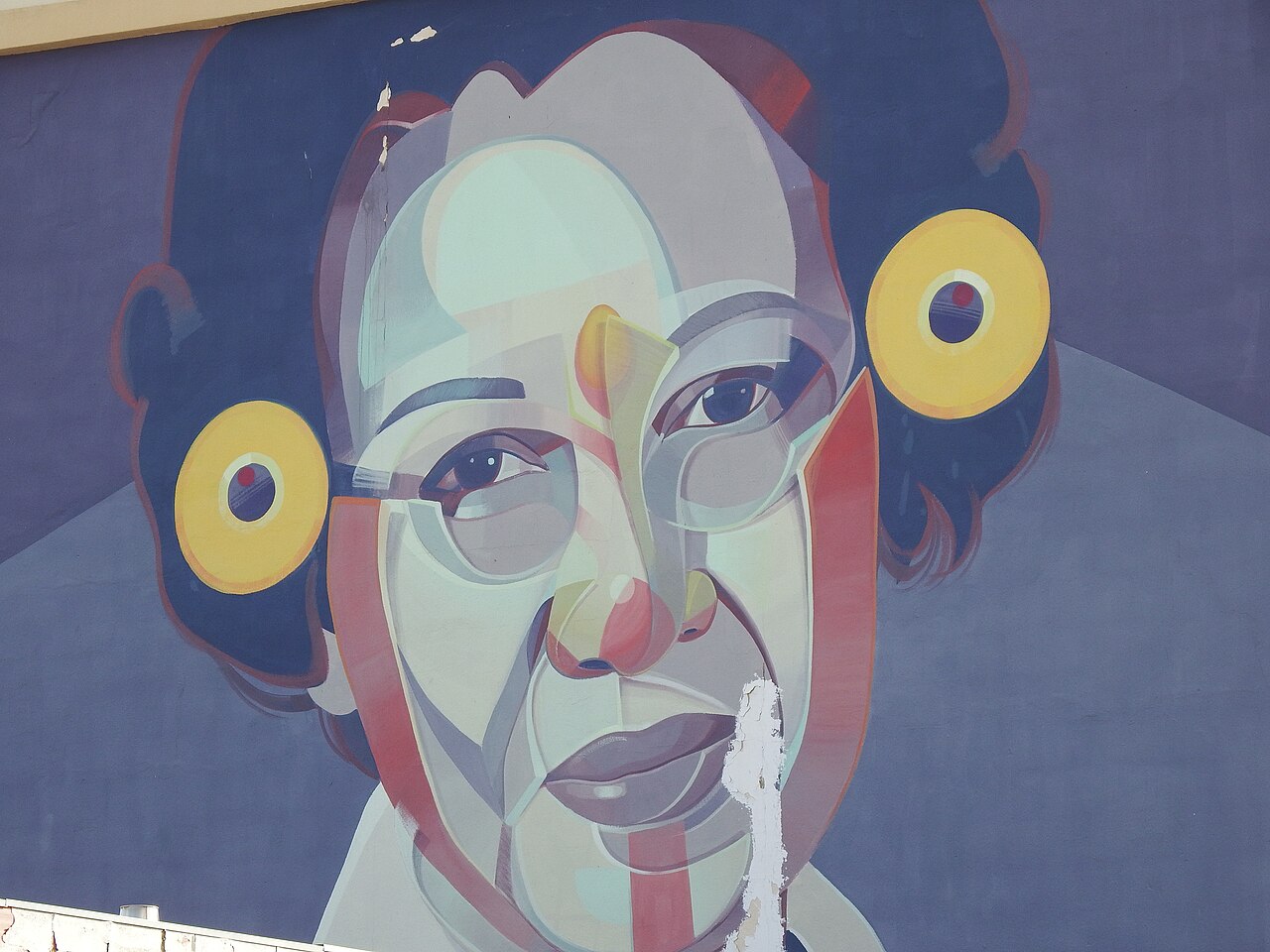 Painting
Secondary source
19Tarrestnom65 · 2023
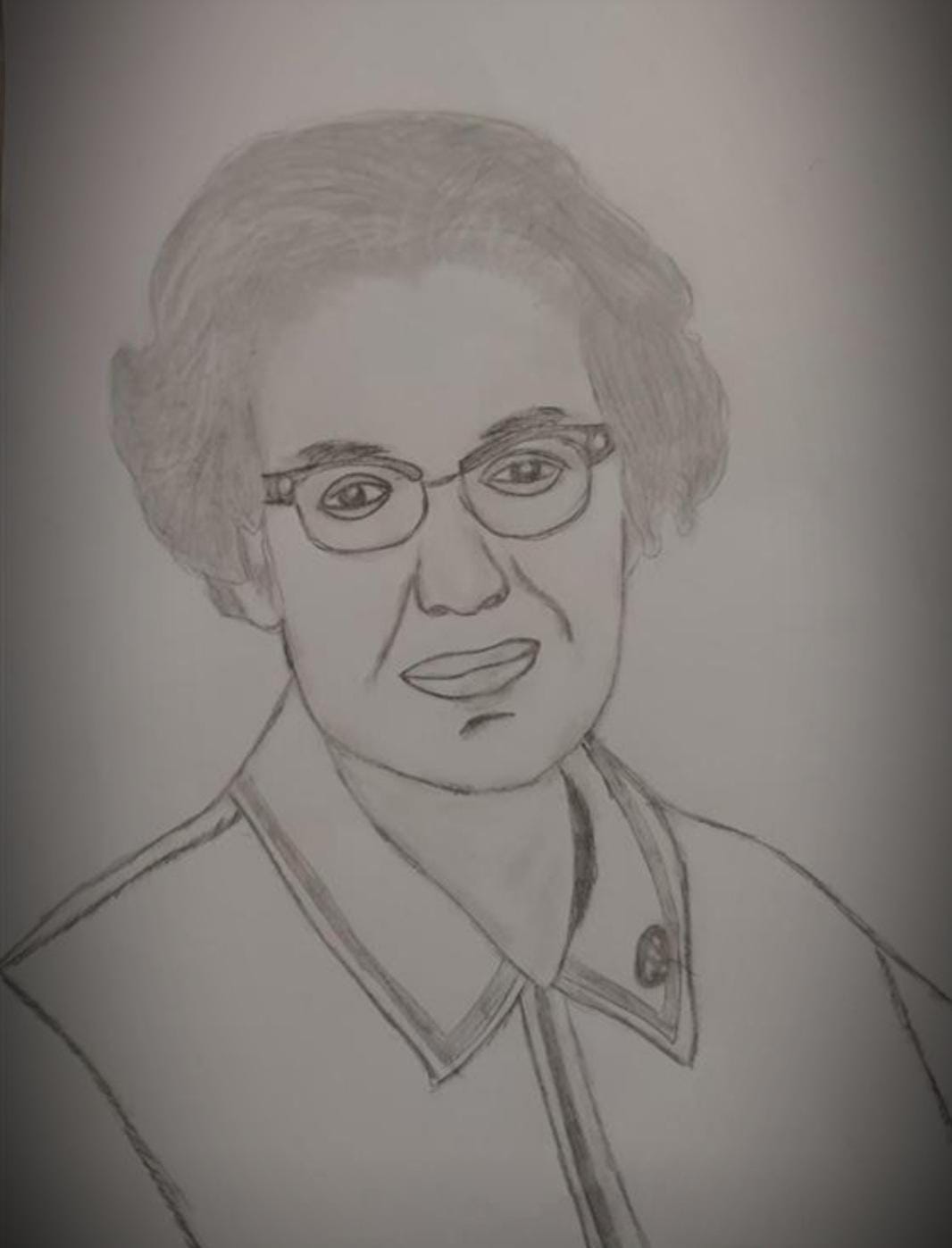 Painting
Secondary source
Caramella102 · 2022
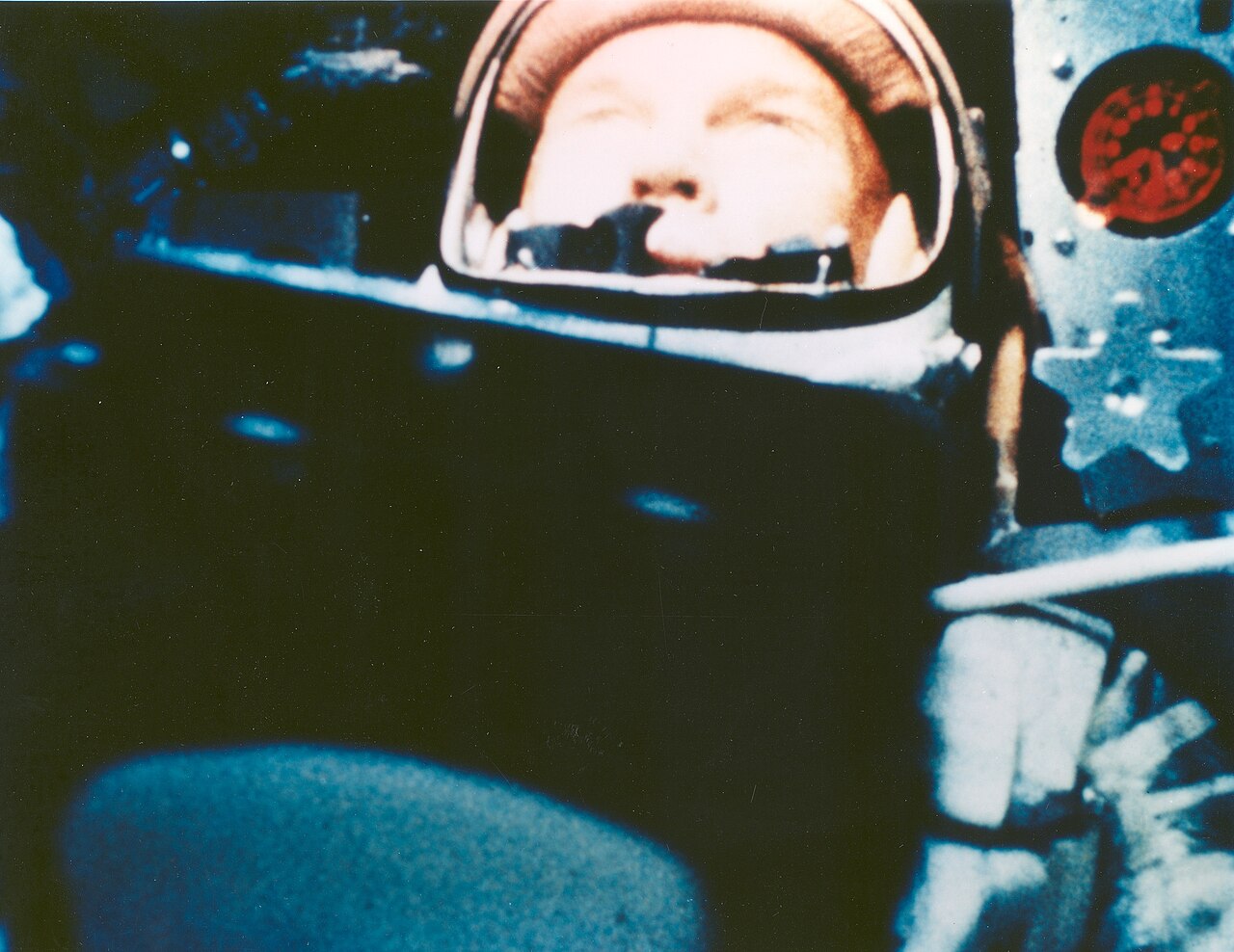 Photograph
Primary source
NASA · 20 February 1962
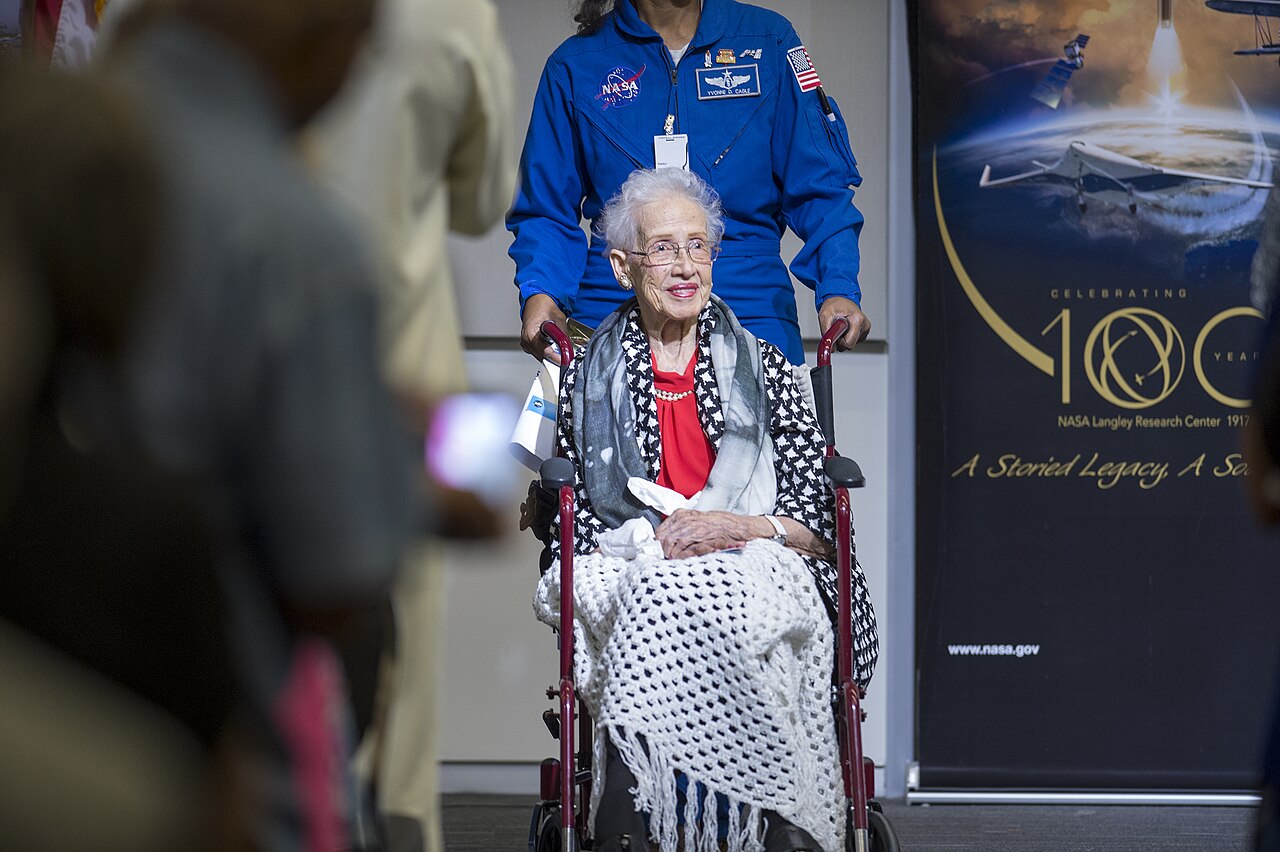 Photograph
Secondary source
George Homich / NASA · 22 September 2017
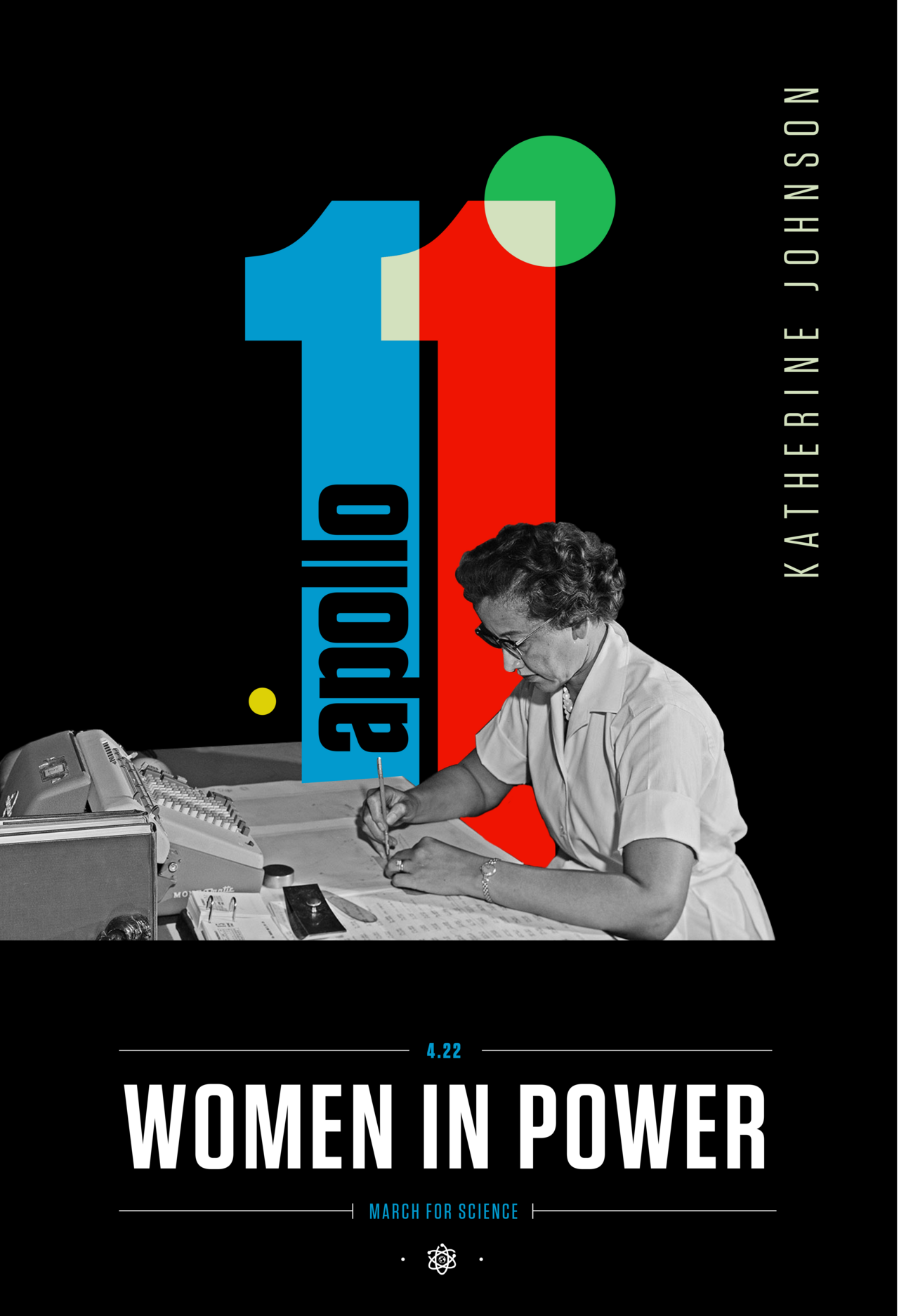 Artifact
Secondary source
Amanda Phingbodhipakkiya · 2017
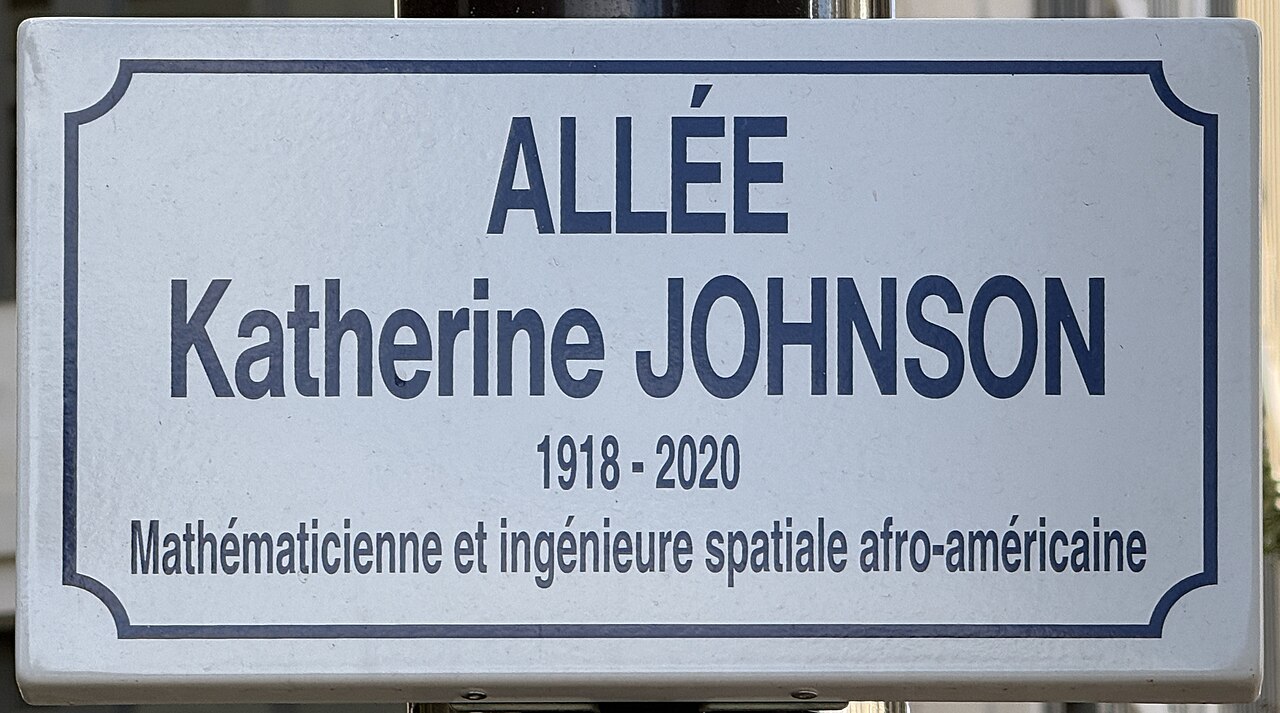 Photograph
Secondary source
Chabe01 · 2026
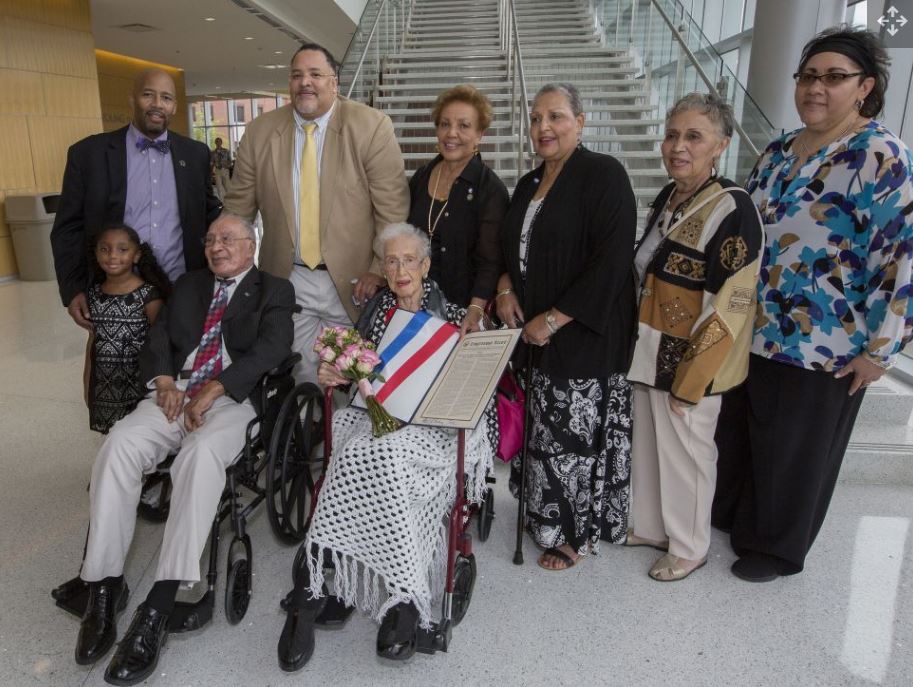 Photograph
Secondary source
NASA · 24 February 2020
 Painting
Secondary source
19Tarrestnom65 · 2023
 Document
Secondary source
B25es · 2023
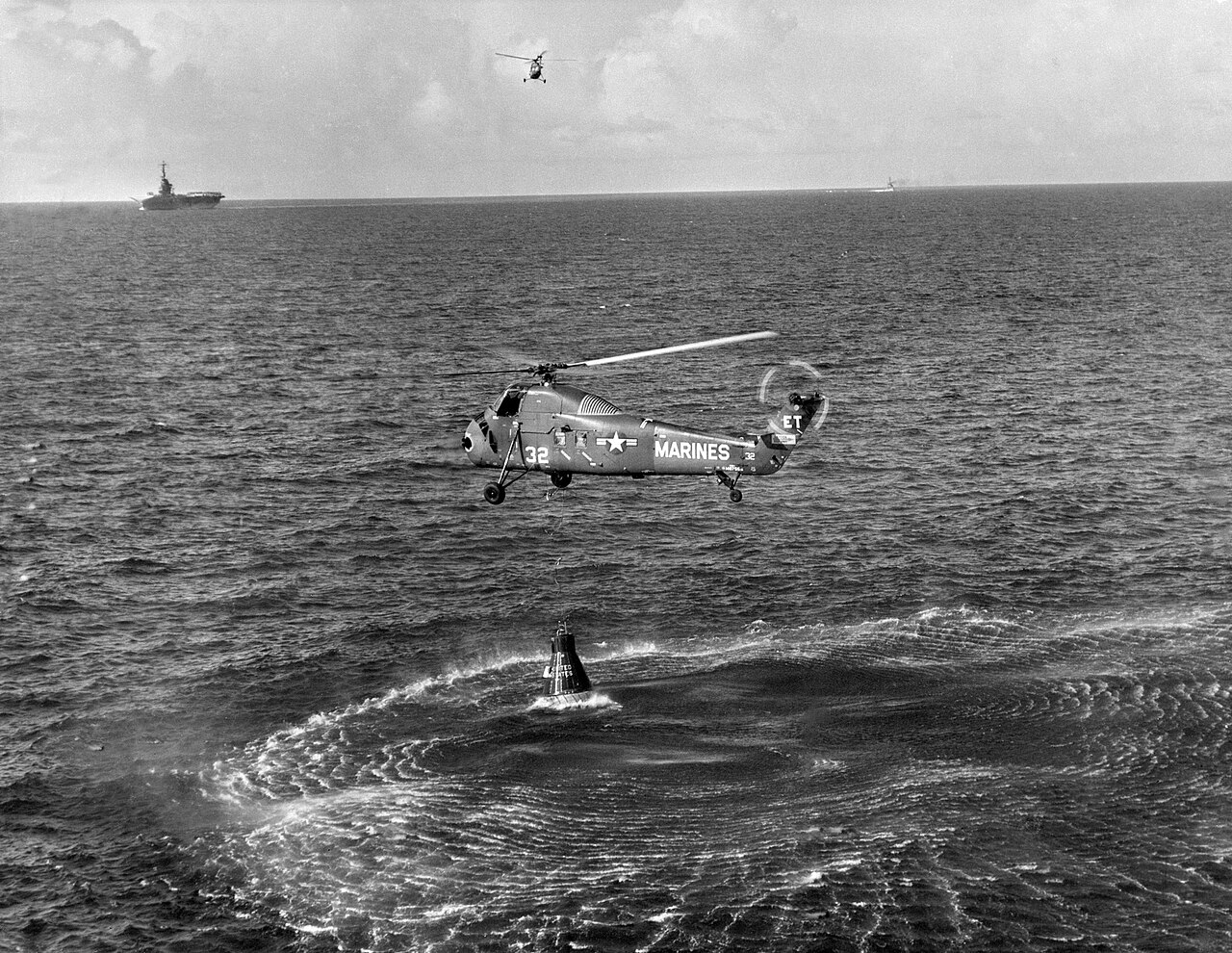 Photograph
Primary source
NASA Johnson Space Center · 27 July 1961
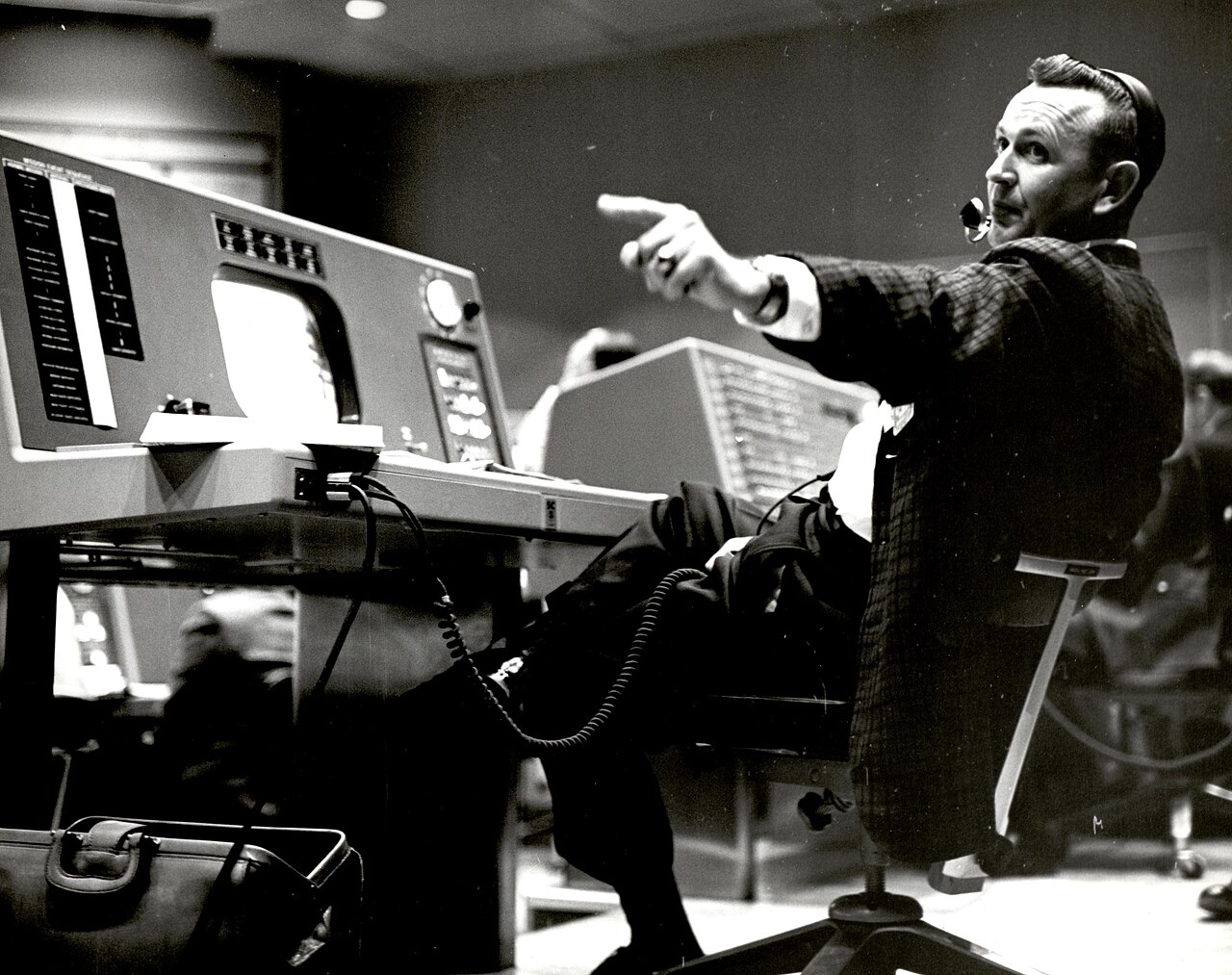
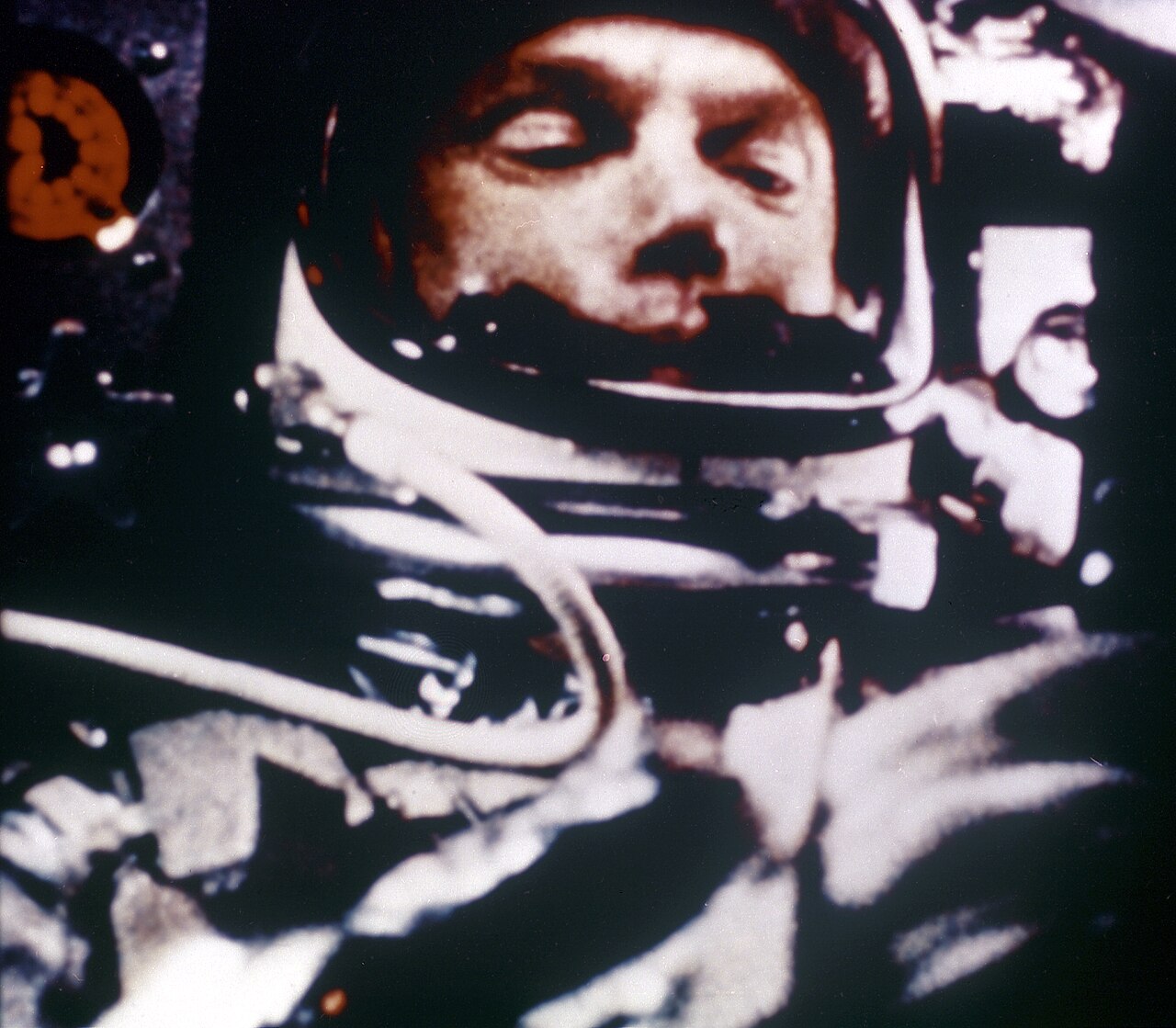 Photograph
Primary source
NASA Marshall Space Flight Center · 20 February 1962
 Photograph
Primary source
NASA
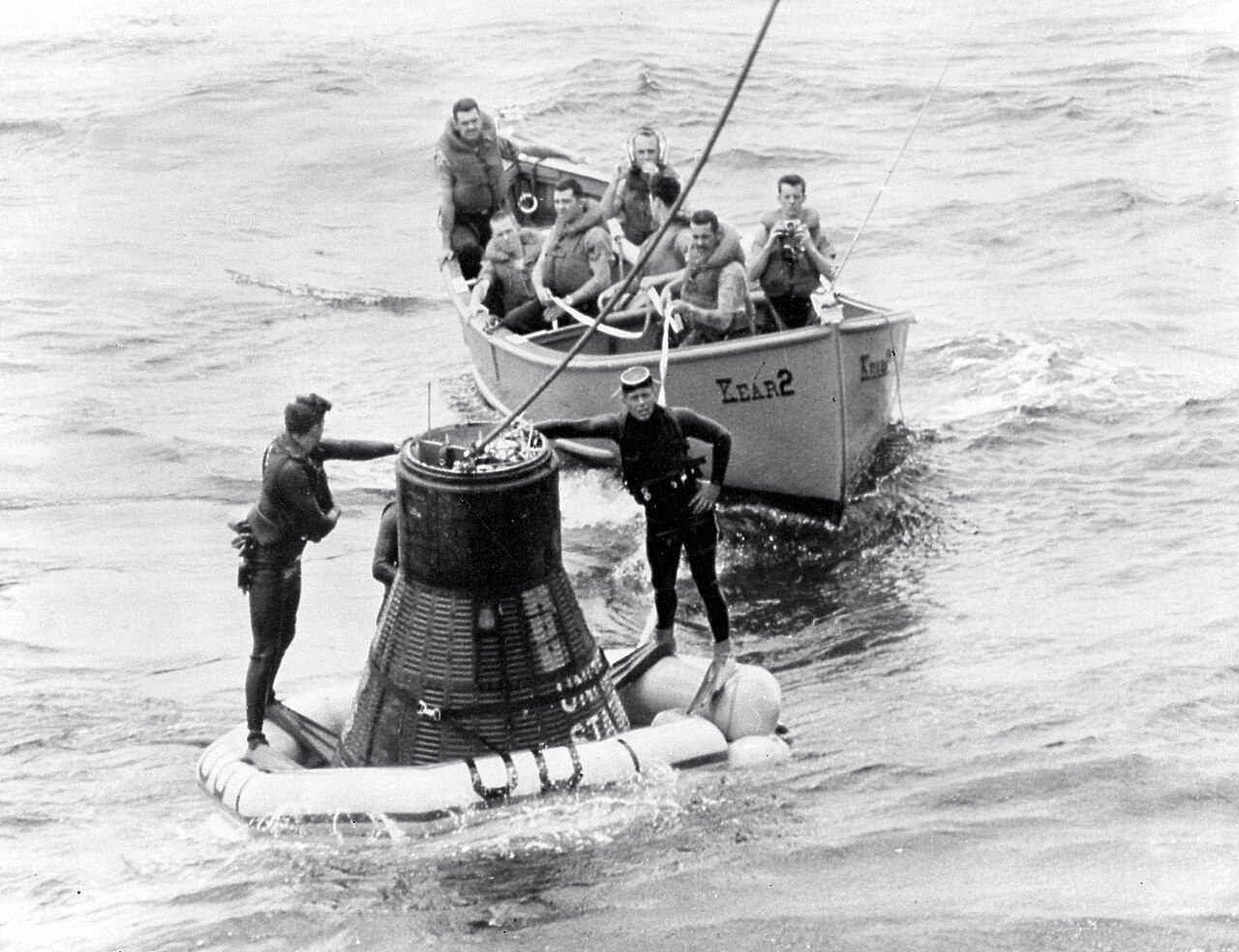 Photograph
Primary source
NASA Marshall Space Flight Center · 16 May 1963
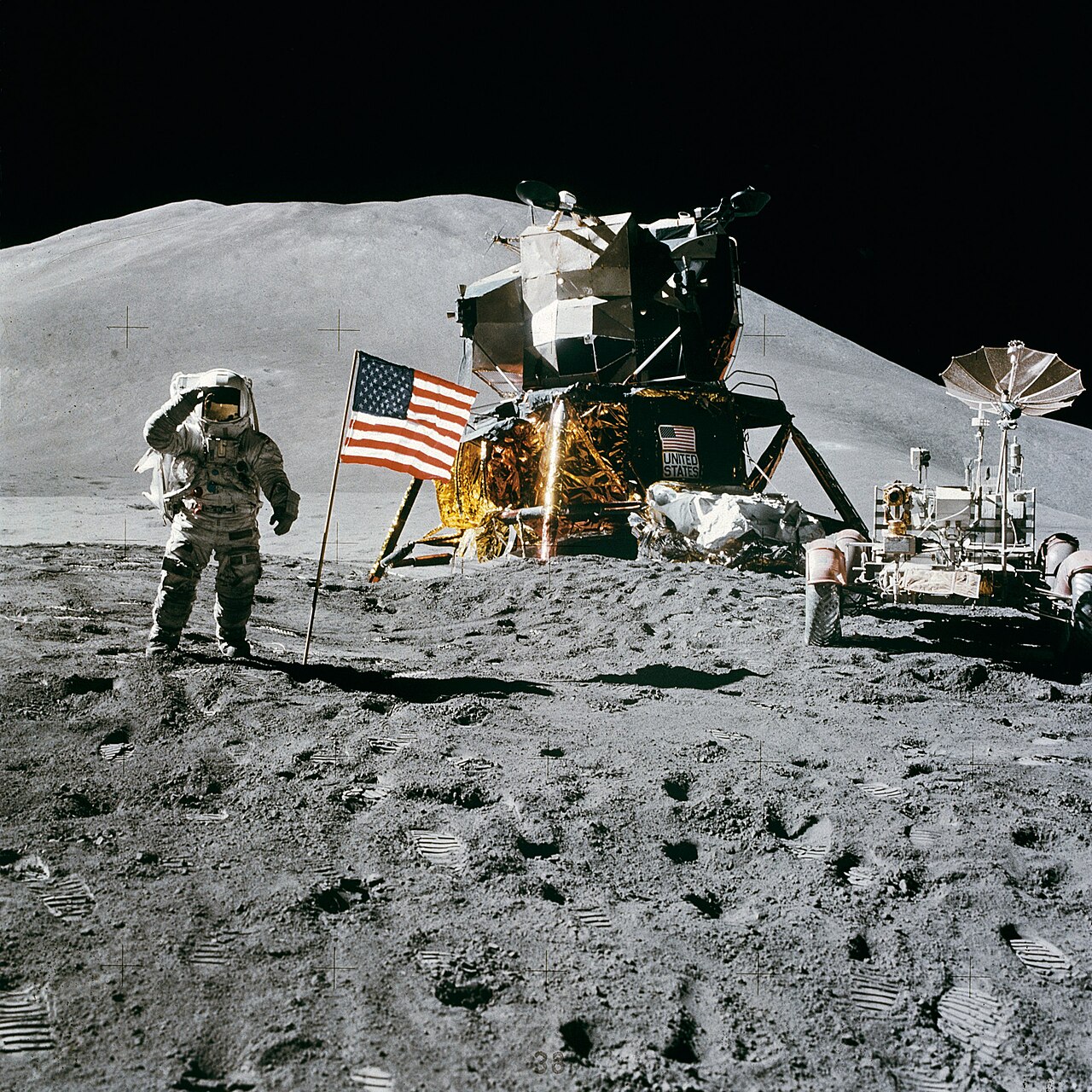 Photograph
Primary source
David R. Scott · 1 August 1971
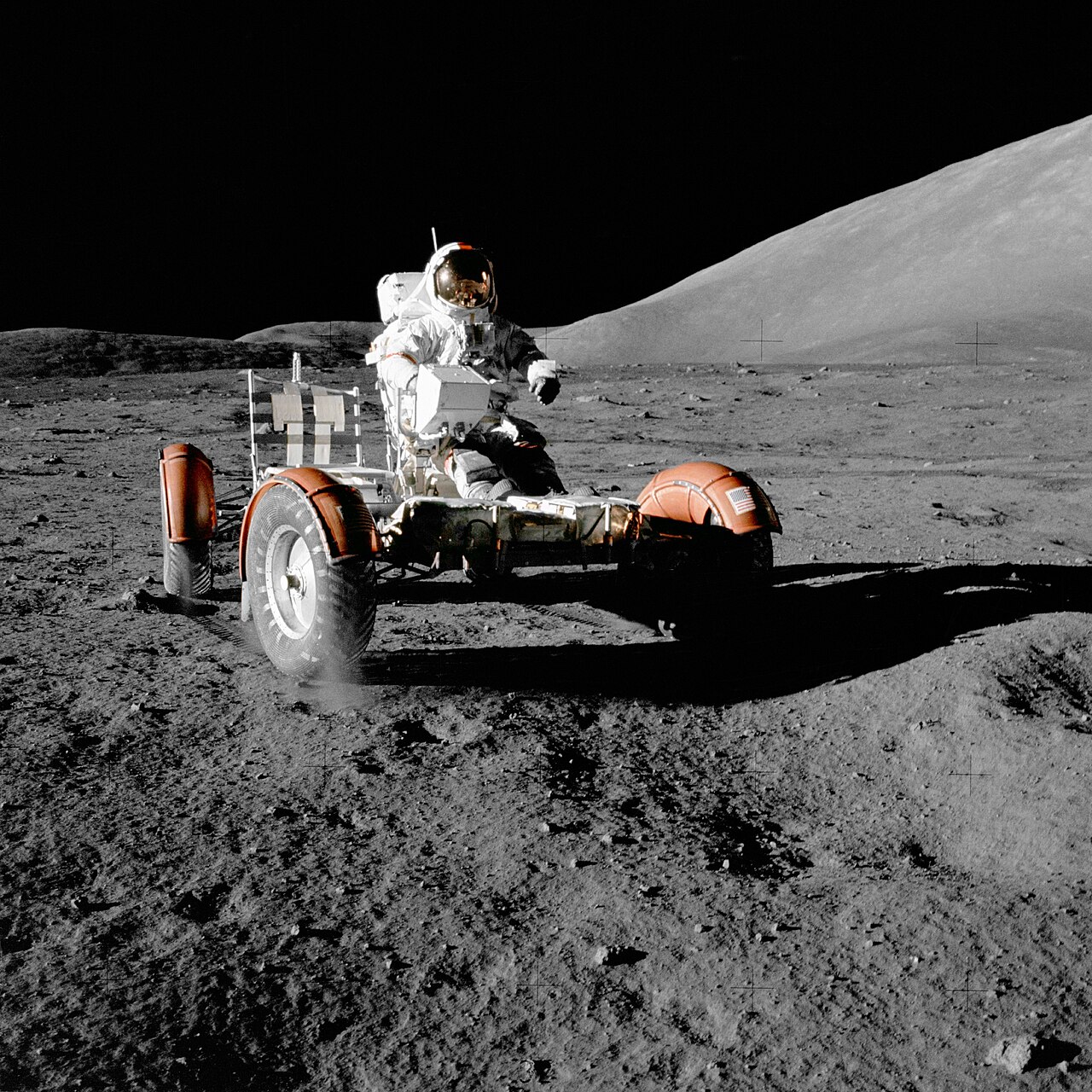 Photograph
Primary source
Harrison H. Schmitt · 12 December 1972
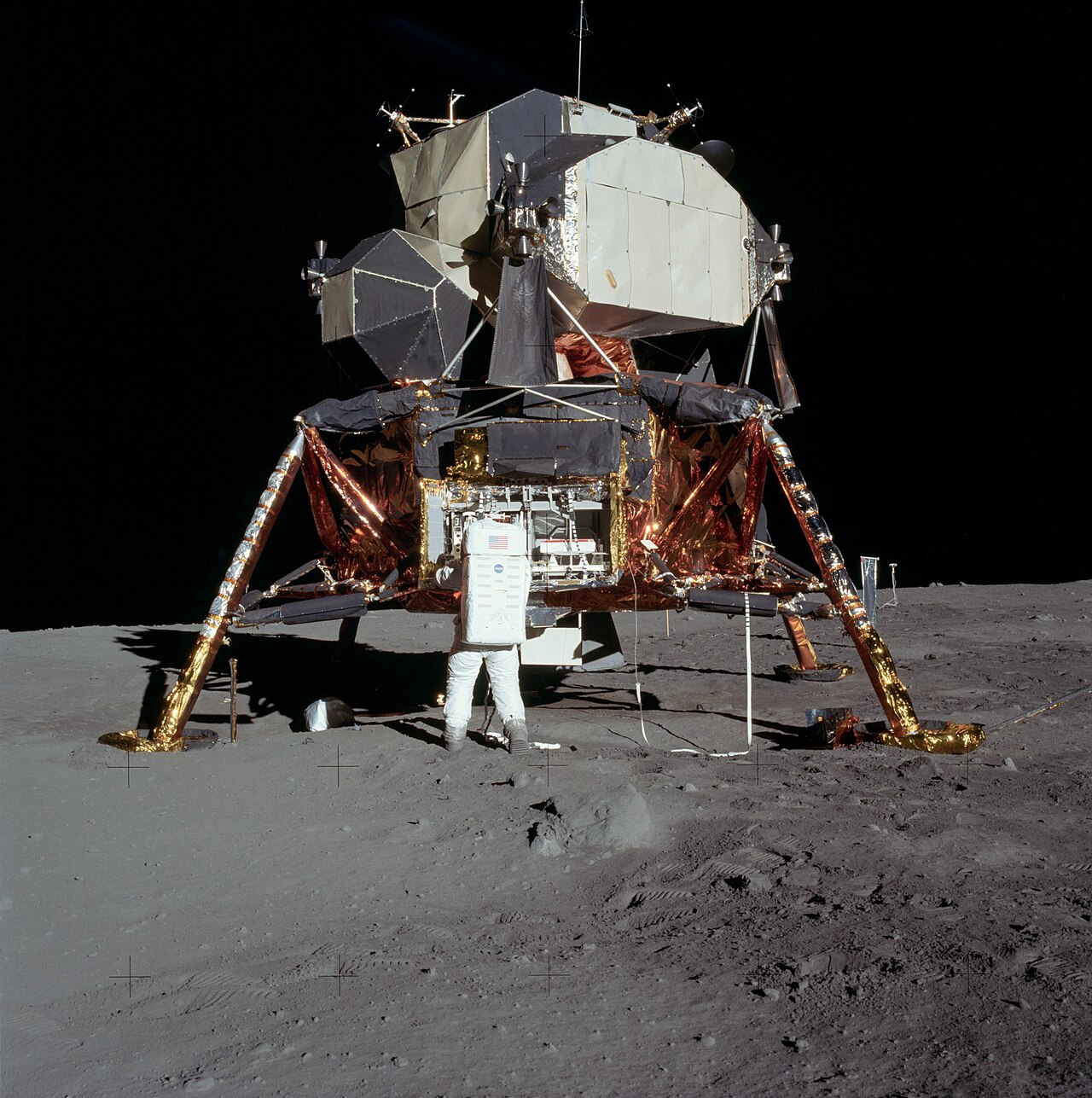 Photograph
Primary source
Neil Armstrong · 21 July 1969
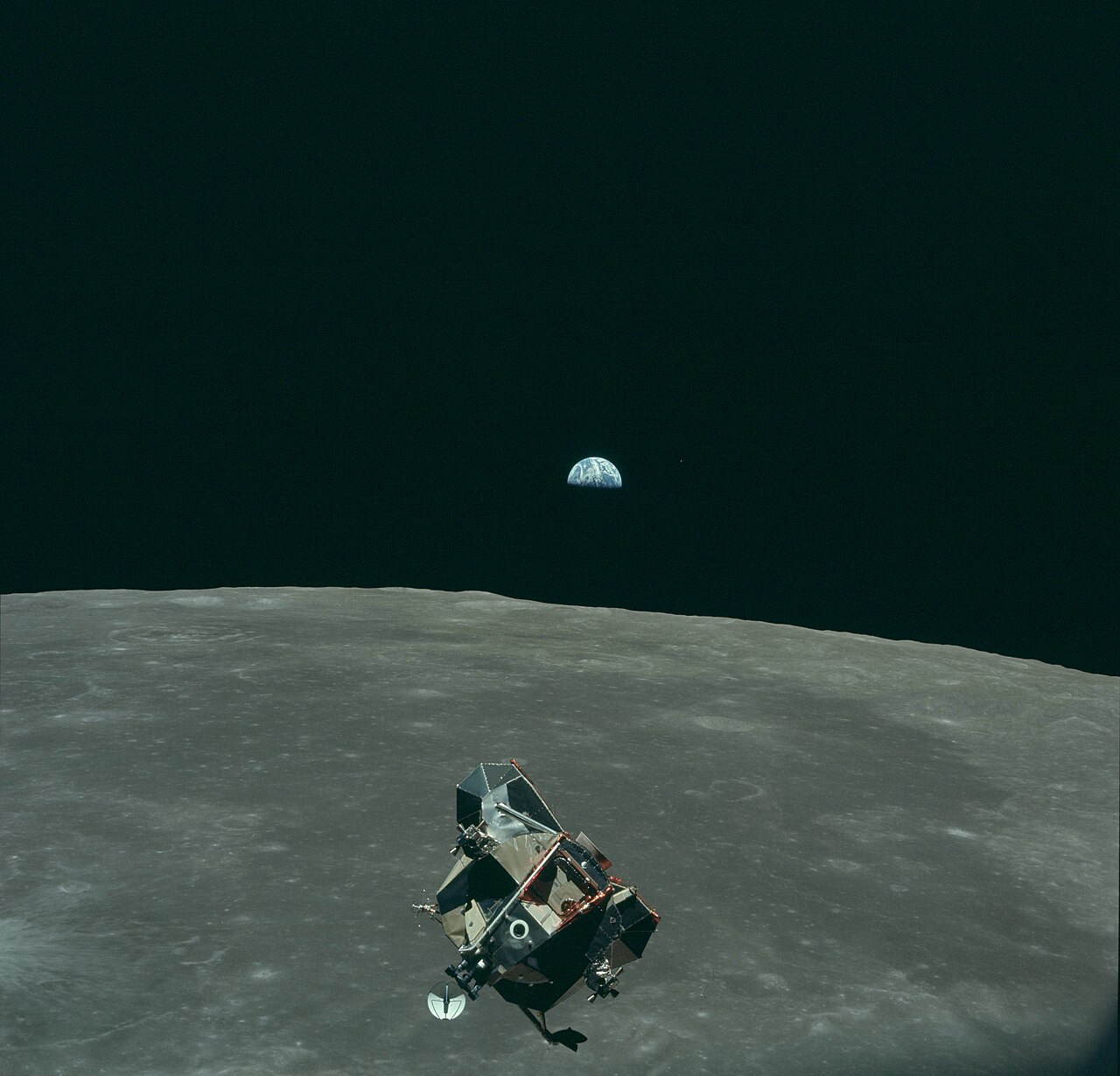 Photograph
Primary source
NASA / Apollo 11 · 21 July 1969
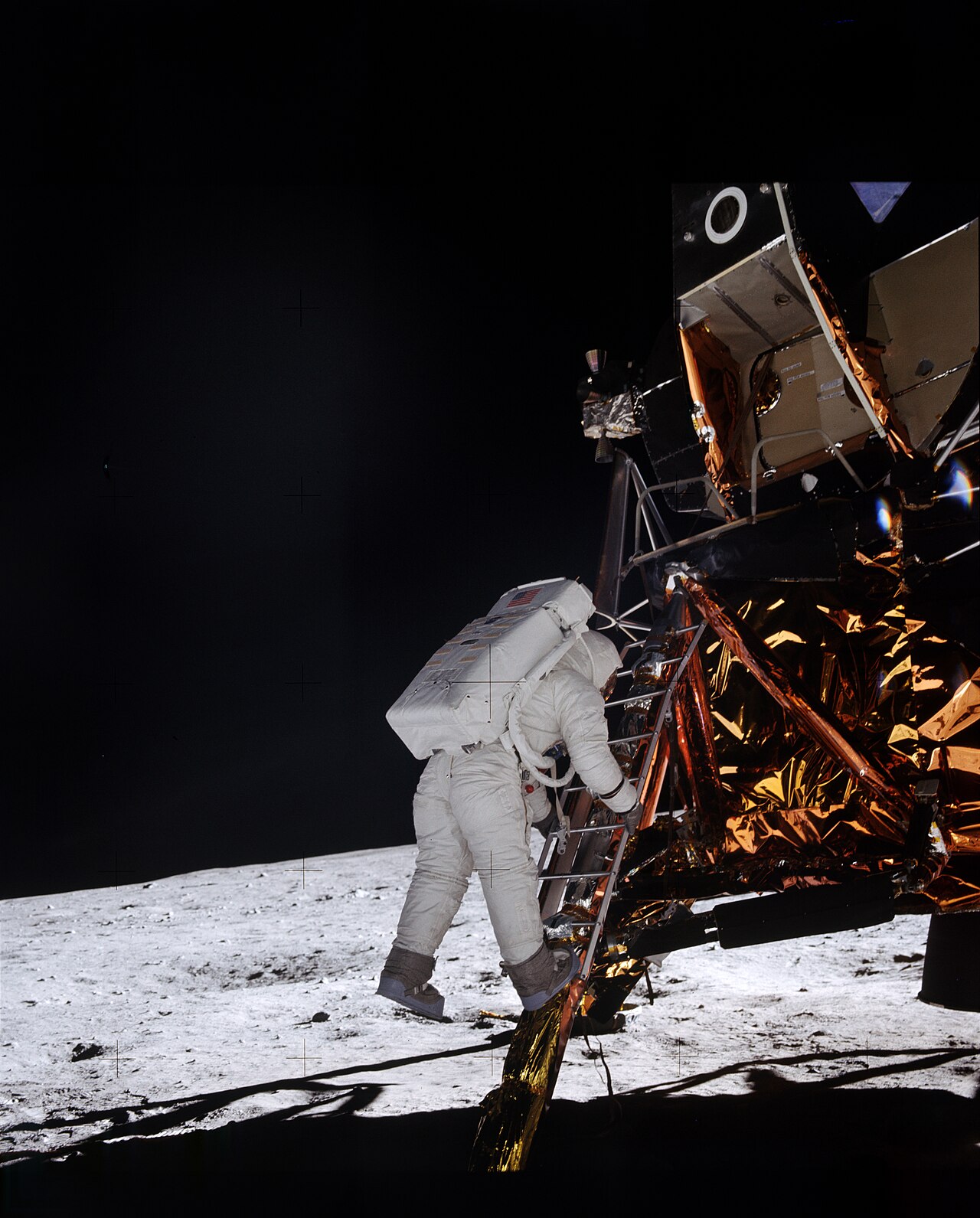 Photograph
Primary source
Neil A. Armstrong · 20 July 1969
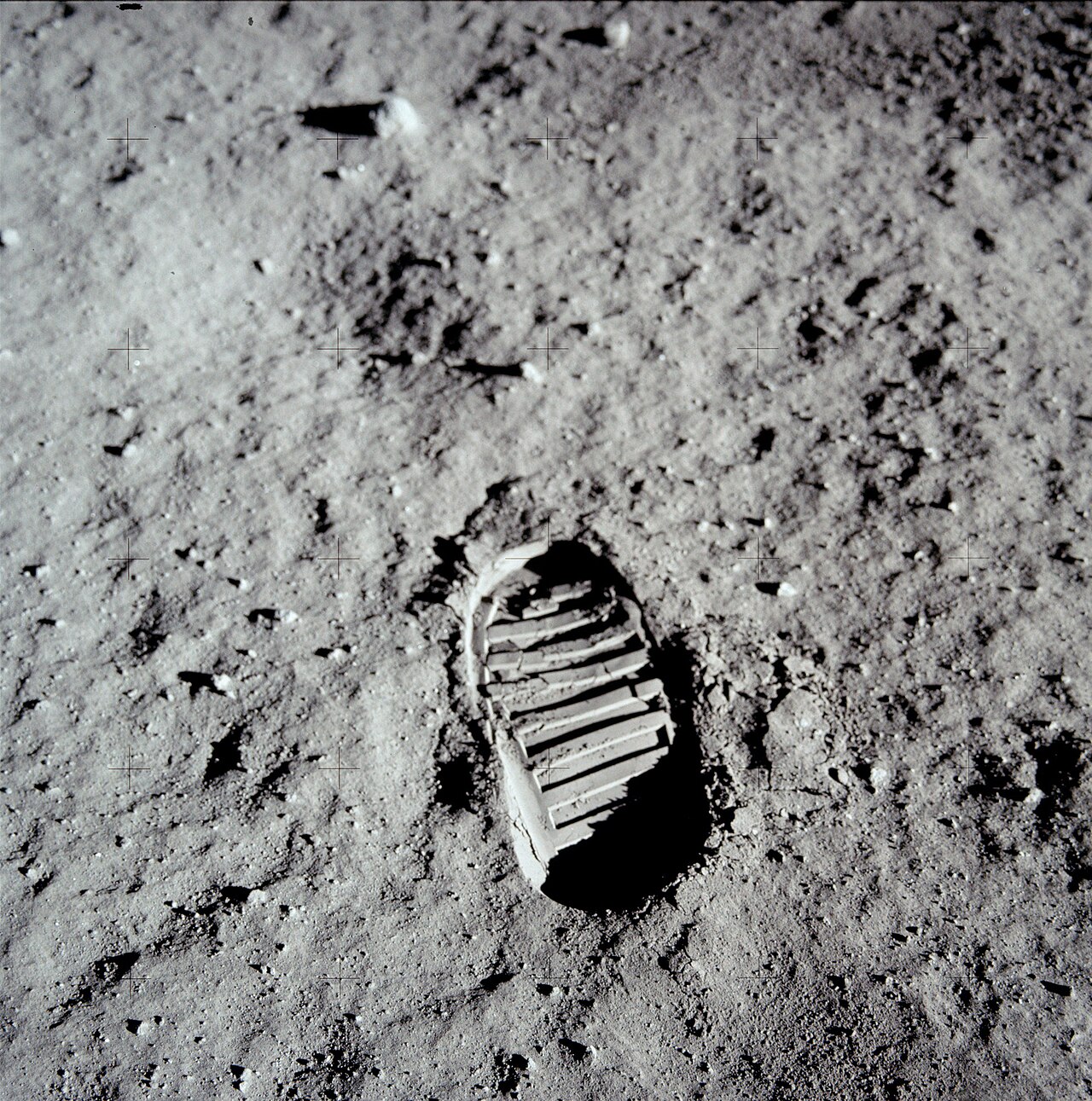 Photograph
Primary source
Buzz Aldrin · 21 July 1969
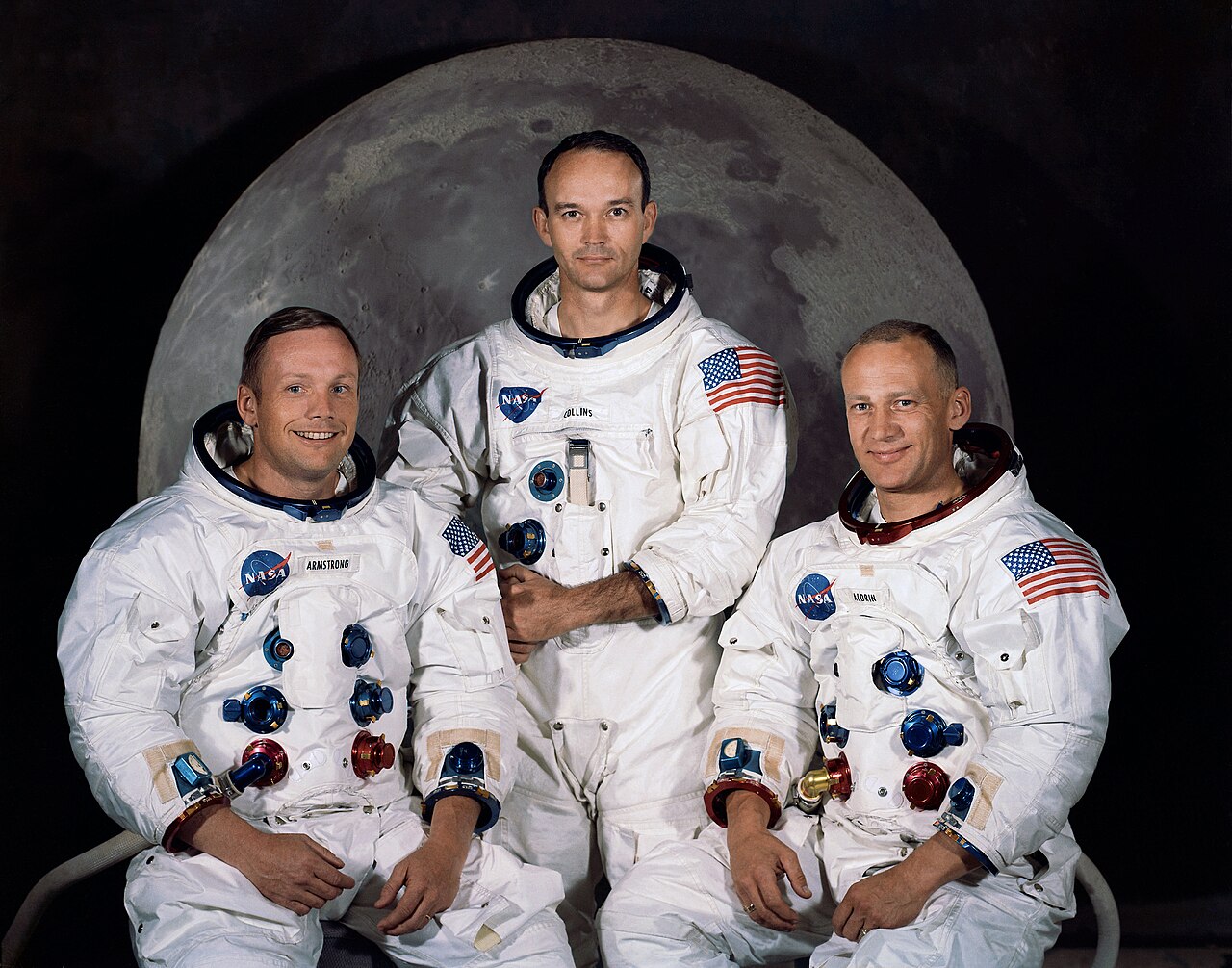 Photograph
Primary source
NASA · 14 April 1969
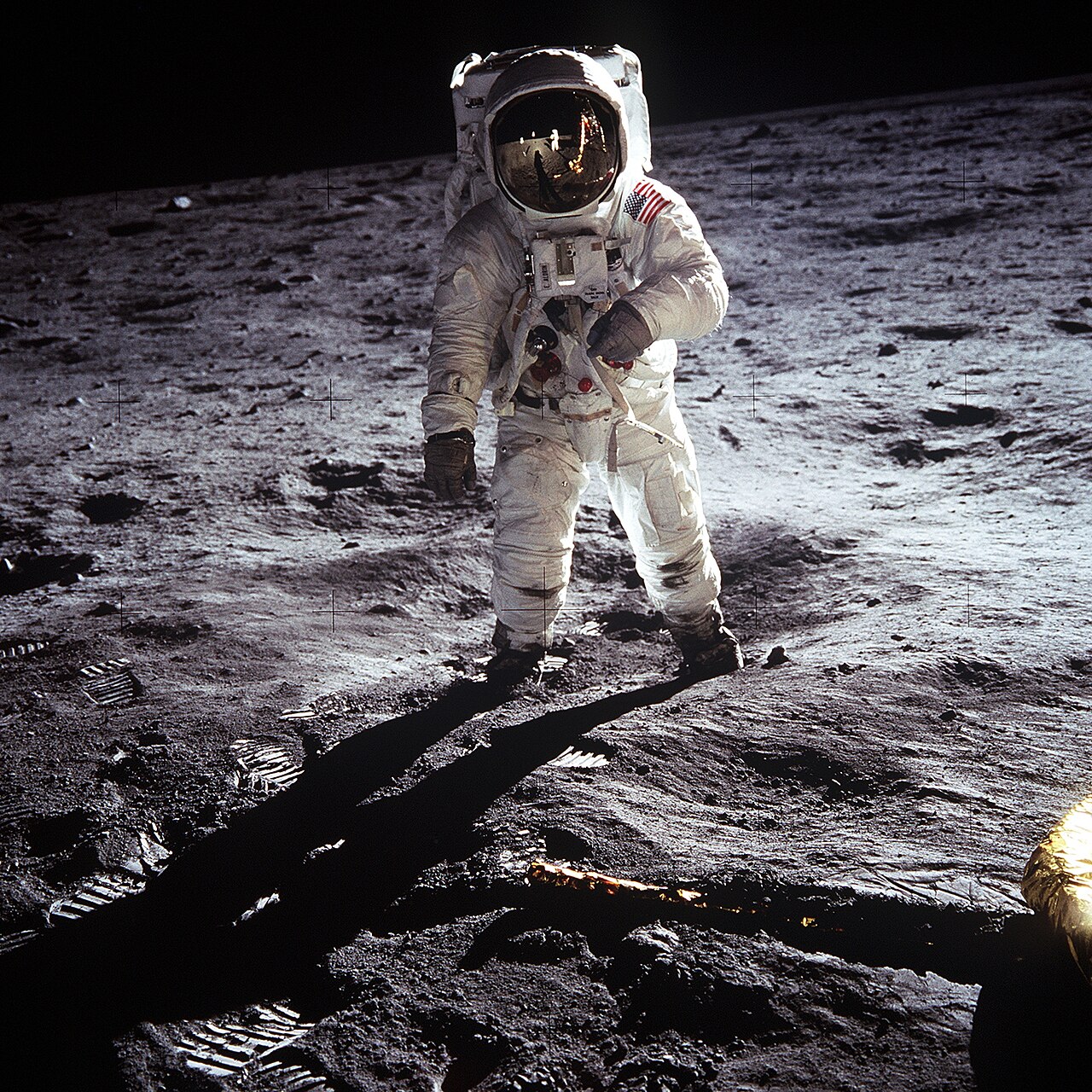 Photograph
Primary source
Neil A. Armstrong · 20 July 1969
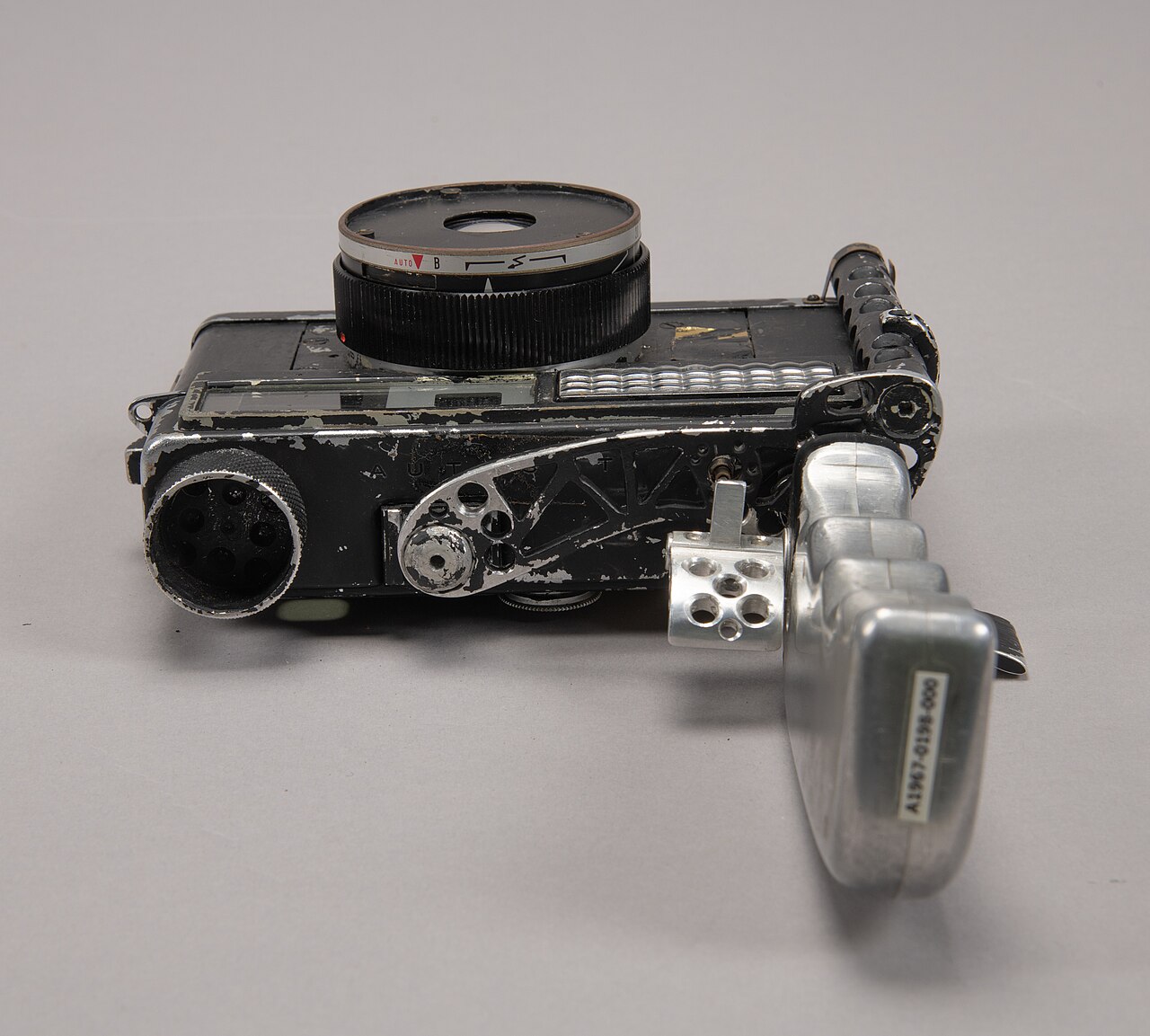 Artifact
Primary source
Ansco; Minolta · 1962
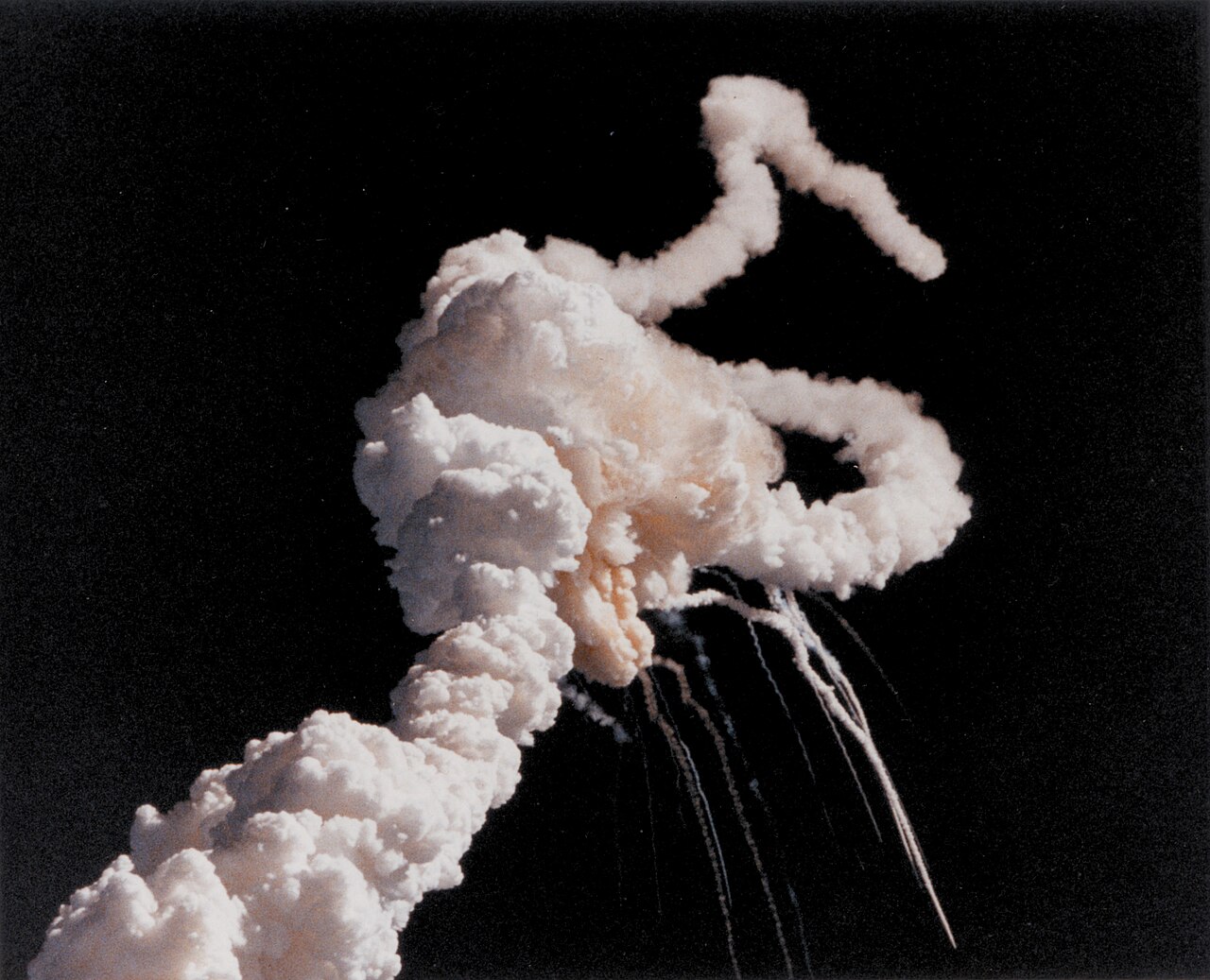 Photograph
Secondary source
Kennedy Space Center · 28 January 1986
Want the full shelf? Chat with Katherine Johnson in the app and open the Sources panel — every quote links back to the original.
1 collection
A ready-made collection from the Humy team that features Katherine Johnson. Preview it, then try it free.
Paying customers



























Dr. Michael Calvert
Assistant Superintendent, South Allegheny School District, Pennsylvania
Been using Humy in his district since 2024
“We enjoyed the program last year and used it frequently.”

Jacob Chisom
World and American History, Monticello High School, Arkansas
Been using Humy in his classroom since 2024
“My students say it’s a welcome change of pace. I’m not a fan of the “sage on the stage” model, so I try to incorporate research-oriented and self-paced activities. With Humy, students have to take charge of their learning. They’ve become more adept at critical thinking, forming better questions, and improving their reading comprehension. The interview feature has been my go-to tool. I create assignments where students must ask historical figures a set number of questions, then summarize the responses to ensure they’re truly absorbing the material. This approach lets them actively explore the past rather than passively consuming information.”
Roger Campbell
7th-grade World History, Lancaster County, Pennsylvania
Been using Humy in his classroom since 2024
“Humy has helped me bring historical figures, sometimes long past, to life. When my students interact with these figures in real-time, it eliminates some of the perceived “ancient” characteristics of my curriculum. This has shifted my students’ thinking away from viewing history as abstract or irrelevant. Real-time interactions make historical figures relatable, even allowing students to ask off-topic questions that help put historical lives in a more relevant context for 13-year-olds. The feature I use the most is the interview feature. After teaching a topic, most recently Gandhi and Joan of Arc, I have the students ask pointed, focused questions. We practice good conversation techniques beforehand, teaching them to listen (or read) carefully and formulate thoughtful follow-up questions rather than just interrogating. It helps students practice effective conversation skills.”
Dr. Michael Calvert
Assistant Superintendent, South Allegheny School District, Pennsylvania
Been using Humy in his district since 2024
“We enjoyed the program last year and used it frequently.”
Jacob Chisom
World and American History, Monticello High School, Arkansas
Been using Humy in his classroom since 2024
“My students say it’s a welcome change of pace. I’m not a fan of the “sage on the stage” model, so I try to incorporate research-oriented and self-paced activities. With Humy, students have to take charge of their learning. They’ve become more adept at critical thinking, forming better questions, and improving their reading comprehension. The interview feature has been my go-to tool. I create assignments where students must ask historical figures a set number of questions, then summarize the responses to ensure they’re truly absorbing the material. This approach lets them actively explore the past rather than passively consuming information.”
Roger Campbell
7th-grade World History, Lancaster County, Pennsylvania
Been using Humy in his classroom since 2024
“Humy has helped me bring historical figures, sometimes long past, to life. When my students interact with these figures in real-time, it eliminates some of the perceived “ancient” characteristics of my curriculum. This has shifted my students’ thinking away from viewing history as abstract or irrelevant. Real-time interactions make historical figures relatable, even allowing students to ask off-topic questions that help put historical lives in a more relevant context for 13-year-olds. The feature I use the most is the interview feature. After teaching a topic, most recently Gandhi and Joan of Arc, I have the students ask pointed, focused questions. We practice good conversation techniques beforehand, teaching them to listen (or read) carefully and formulate thoughtful follow-up questions rather than just interrogating. It helps students practice effective conversation skills.”
FAQ
Like any LLM, the AI version of Katherine Johnson can get details wrong. Open one of these sources in a new tab to verify what you’ve read.

Pioneering Russian rocket scientist and space theorist.

First African American woman in space.

Lead software engineer for the Apollo space program.

Pioneering rocket engineer.

Chief designer of the Soviet space program.

First human in space.
Ready when you are
20 messages free · No credit card · Available in 50+ languages.