


Primary sourceArtifact1961
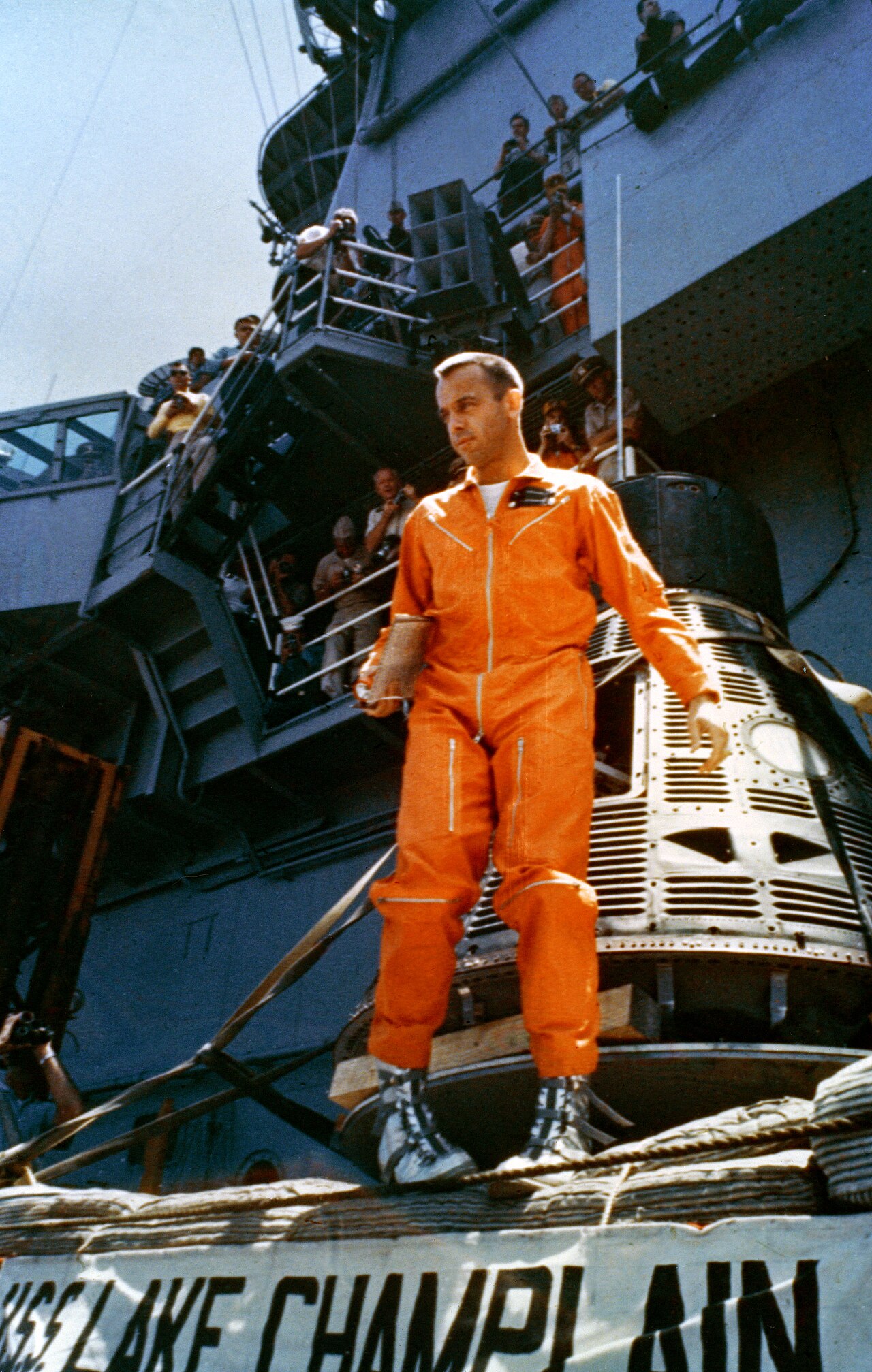
Freedom 7 Mercury Capsule
McDonnell Aircraft / NASA · 1961
The spacecraft that carried Alan Shepard on America's first human spaceflight in 1961, using a trajectory and launch window calculated by Katherine Johnson.
Johnson calculated the trajectory and launch window for this capsule's flight, enabling its safe recovery.
About this source
What it is
Freedom 7 was the Mercury capsule built by McDonnell Aircraft for NASA that carried astronaut Alan Shepard on a suborbital flight in 1961. It is now held by the John F. Kennedy Presidential Library and Museum.
Why it matters
This capsule carried the first American into space, a milestone of the early Space Race. Behind the mission was a team of engineers and mathematicians, including Katherine Johnson, whose calculations determined the capsule's trajectory and launch window, work essential to the mission's success and quick recovery.
Look closer
- Why might a spacecraft's naming matter to the astronaut who flies it?
- What kinds of calculations would be needed to make sure a capsule lands safely for recovery?
- Whose work is visible in a photograph of a capsule, and whose work is hidden?
This artifact is part of the curated material that grounds the AI version of Katherine Johnson on Humy.ai — when students ask about related events, the AI can quote it and cite it.
More Katherine Johnson sources
Meet the AI Katherine Johnson →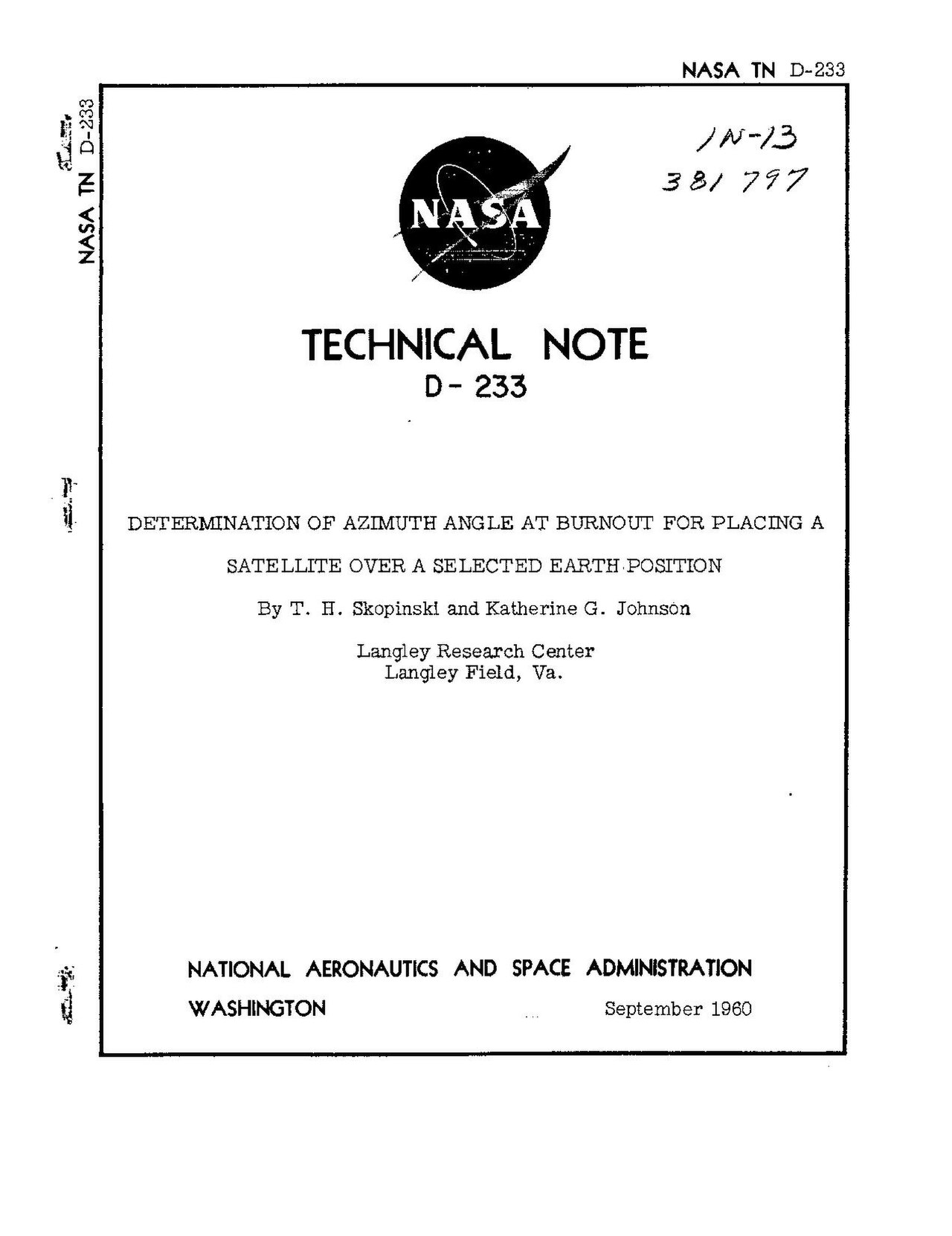 Document
Primary source
Determination of Azimuth Angle at Burnout for Placing a Satellite Over a Selected Earth Position
T. H. Skopinski and Katherine G. Johnson · September 1960
 Document
Primary source
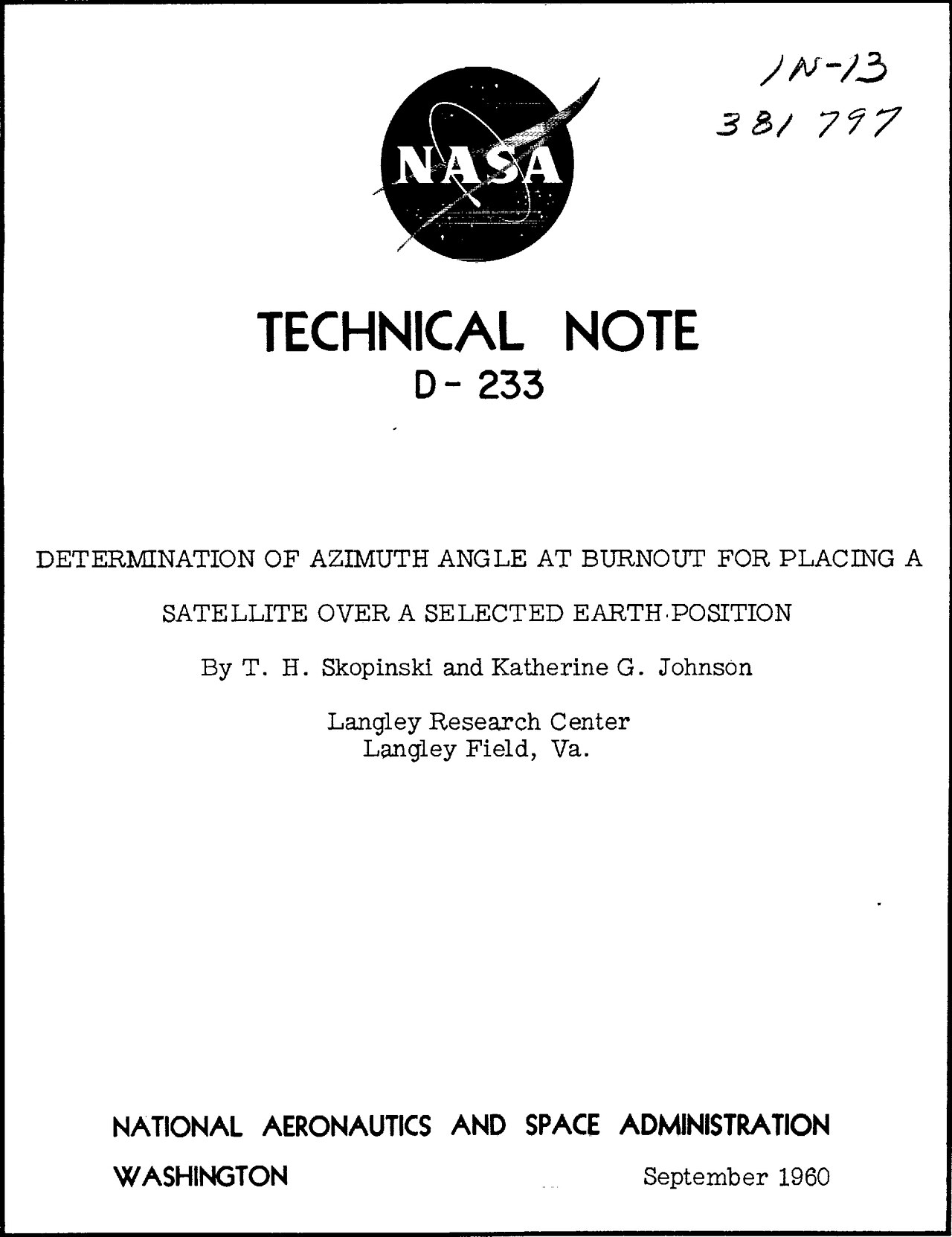
Johnson NASA Paper
NASA · September 1960
 Speech
Primary source
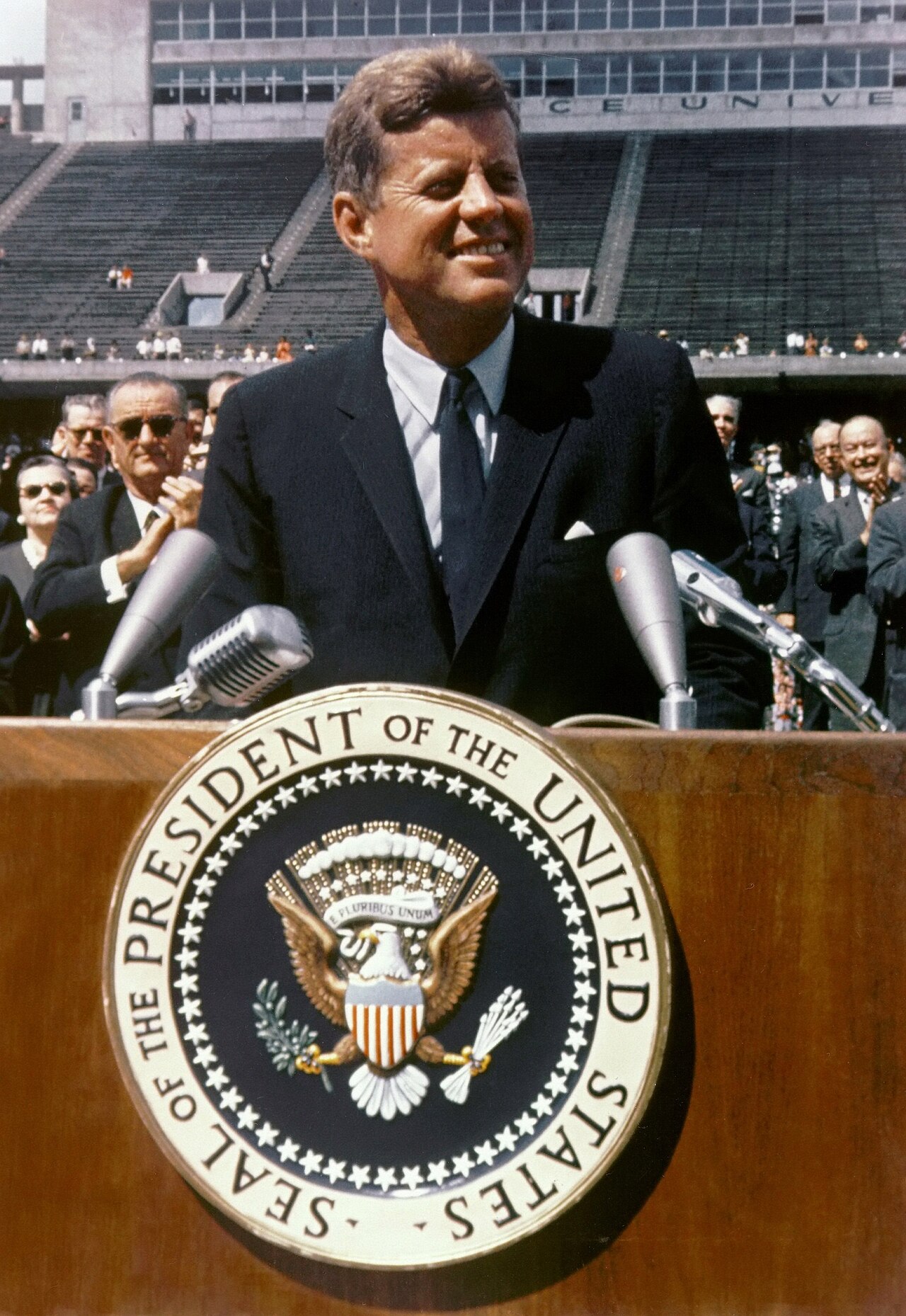
We choose to go to the Moon
John F. Kennedy · 12 September 1962
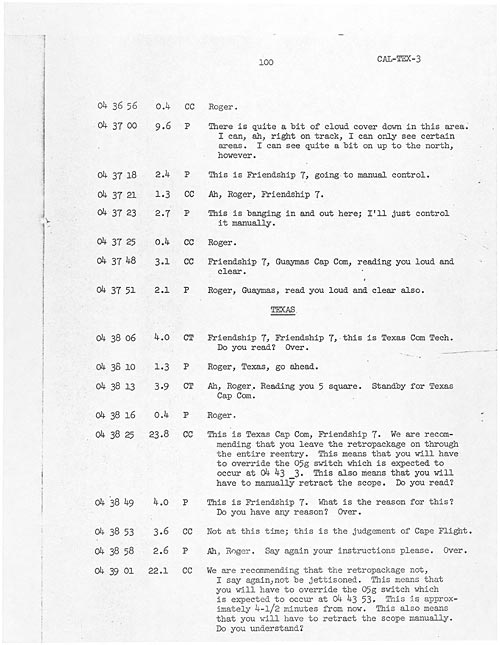 Document
Primary source
Transcript of John Glenn's Official Communication with the Command Center
28 February 1962
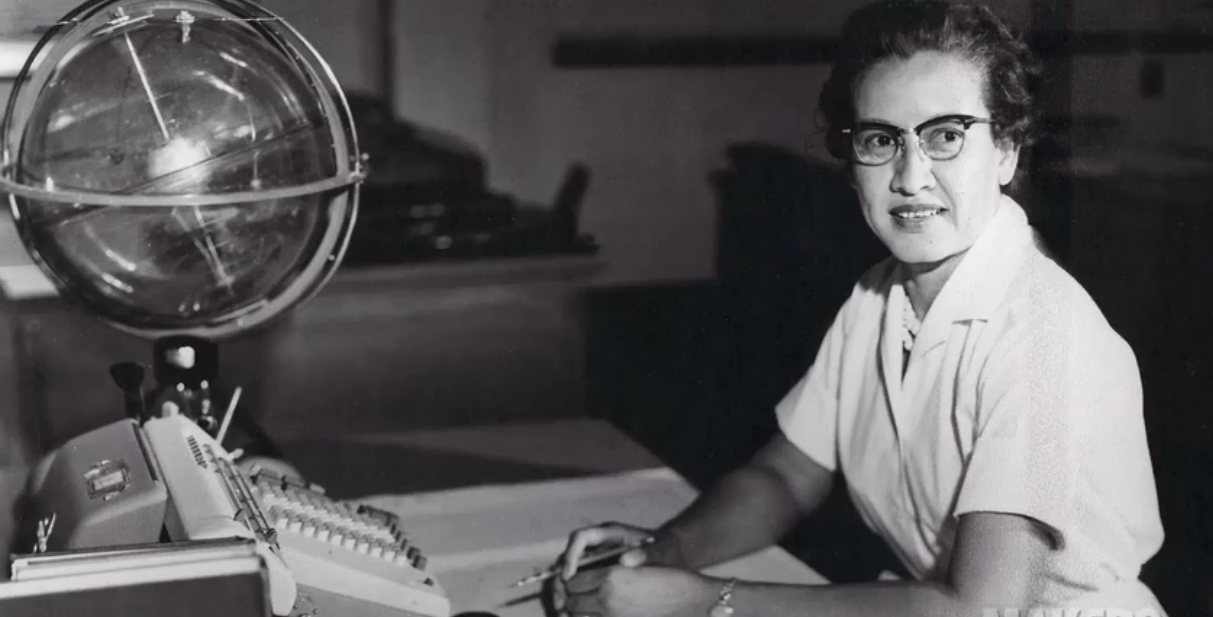 Photograph
Primary source
Katherine Johnson at Her Desk with Celestial Training Device
NASA
Ready when you are
Start chatting with Katherine Johnson now.
20 messages free · No credit card · Available in 50+ languages.