


Primary sourceDocument1913
16th Amendment to the U.S. Constitution: Federal Income Tax
61st United States Congress · 1913
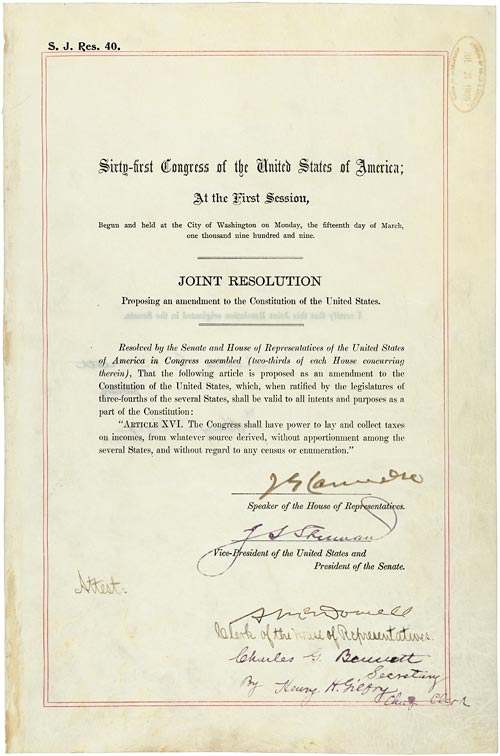
The 1913 constitutional amendment establishing the federal income tax, a Progressive Era measure responding to great fortunes like Rockefeller's.
The amendment completed the federal income tax reform Bryan had championed since pushing a similar measure through Congress in 1894.
About this source
What it is
This is the joint resolution proposing the 16th Amendment to the U.S. Constitution, passed by Congress in 1909 and ratified in 1913. It gave Congress the power to levy a federal income tax without apportionment among the states. The document is held by the U.S. National Archives and bears the signatures of the Speaker of the House, the Vice President, and clerks.
Why it matters
The amendment grew out of decades of political struggle between industrial wealth in the East and struggling farmers in the South and West, who pushed for a graduated income tax through movements like the Grange and the Populist Party. It was a direct response to the vast concentrated fortunes of the Gilded Age, including Rockefeller's, and it later shaped the tax-exempt charitable foundations he and others created.
Look closer
- Why do you think conservatives proposed this amendment expecting it to fail?
- Who benefited and who was taxed when the amendment first took effect?
- How might this law have influenced the way wealthy people like Rockefeller organized their fortunes afterward?
This document is part of the curated material that grounds the AI version of William Jennings Bryan, John D. Rockefeller, William Howard Taft and Robert M. La Follette Sr. on Humy.ai — when students ask about related events, the AI can quote it and cite it.
More William Jennings Bryan sources
Meet the AI William Jennings Bryan →Primary source
Cross of Gold Speech
William Jennings Bryan · 9 July 1896
 Document
Primary source
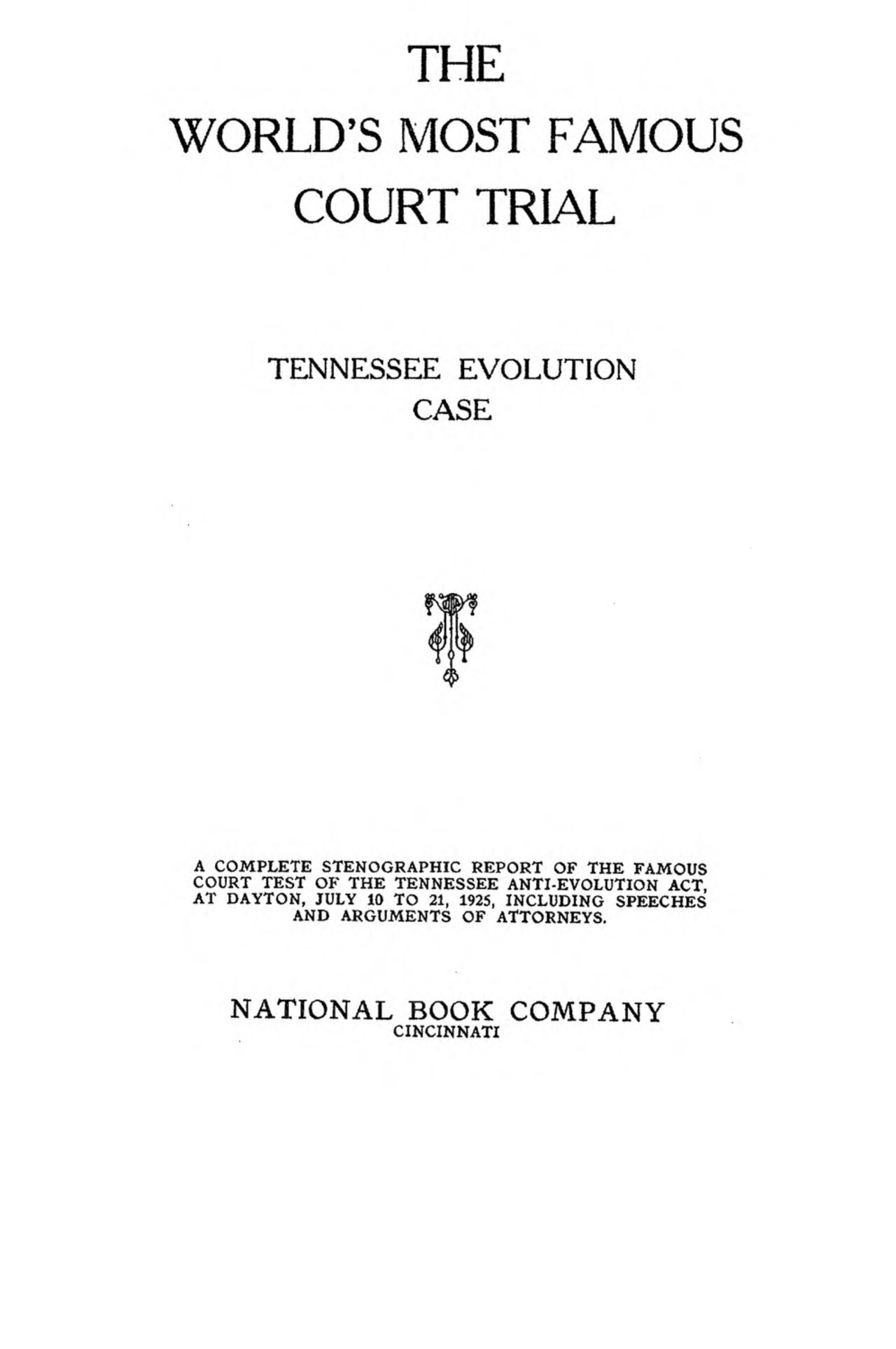
World's Most Famous Court Trial: Tennessee Evolution Case
July 1925
 Painting
Primary source
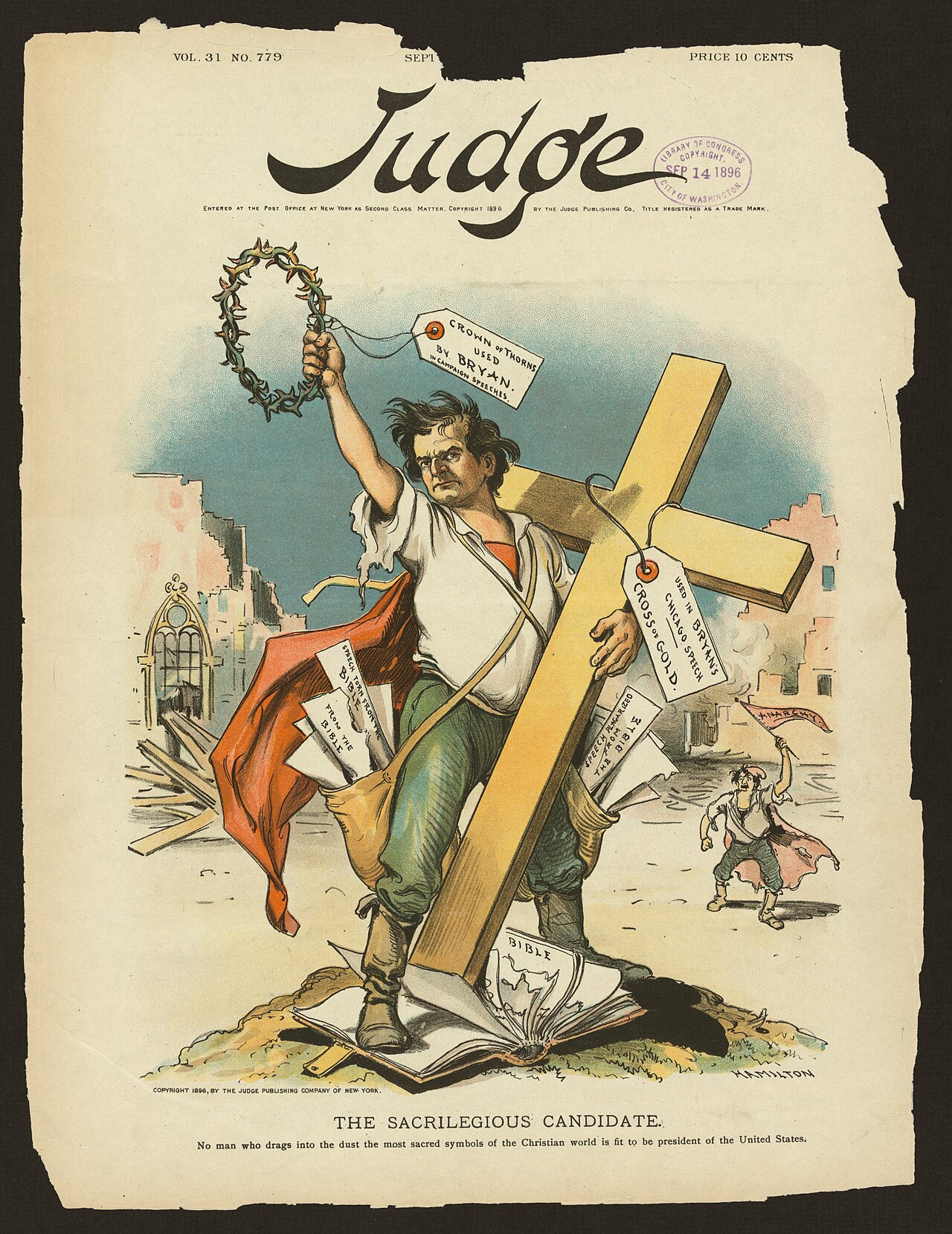
The Sacrilegious Candidate
Grant E. Hamilton · 1896
 Document
Primary source
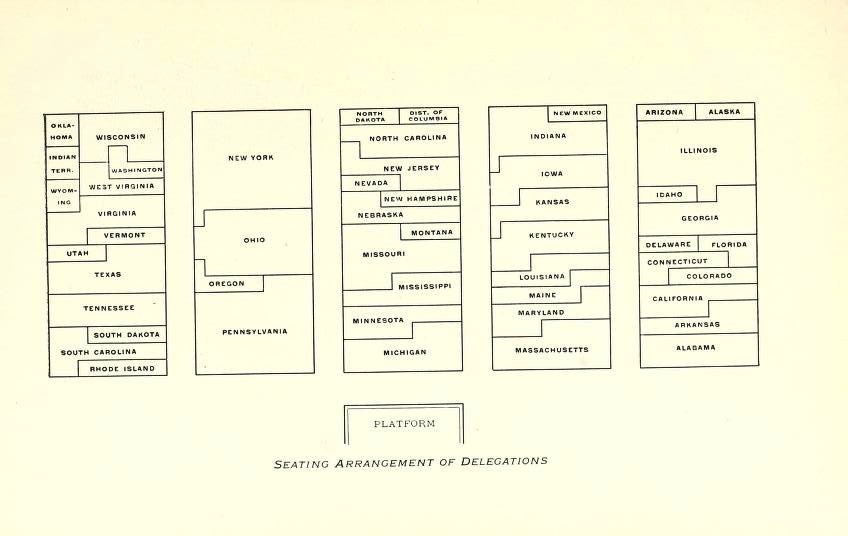
1896 Democratic National Convention Platform and Proceedings
1896
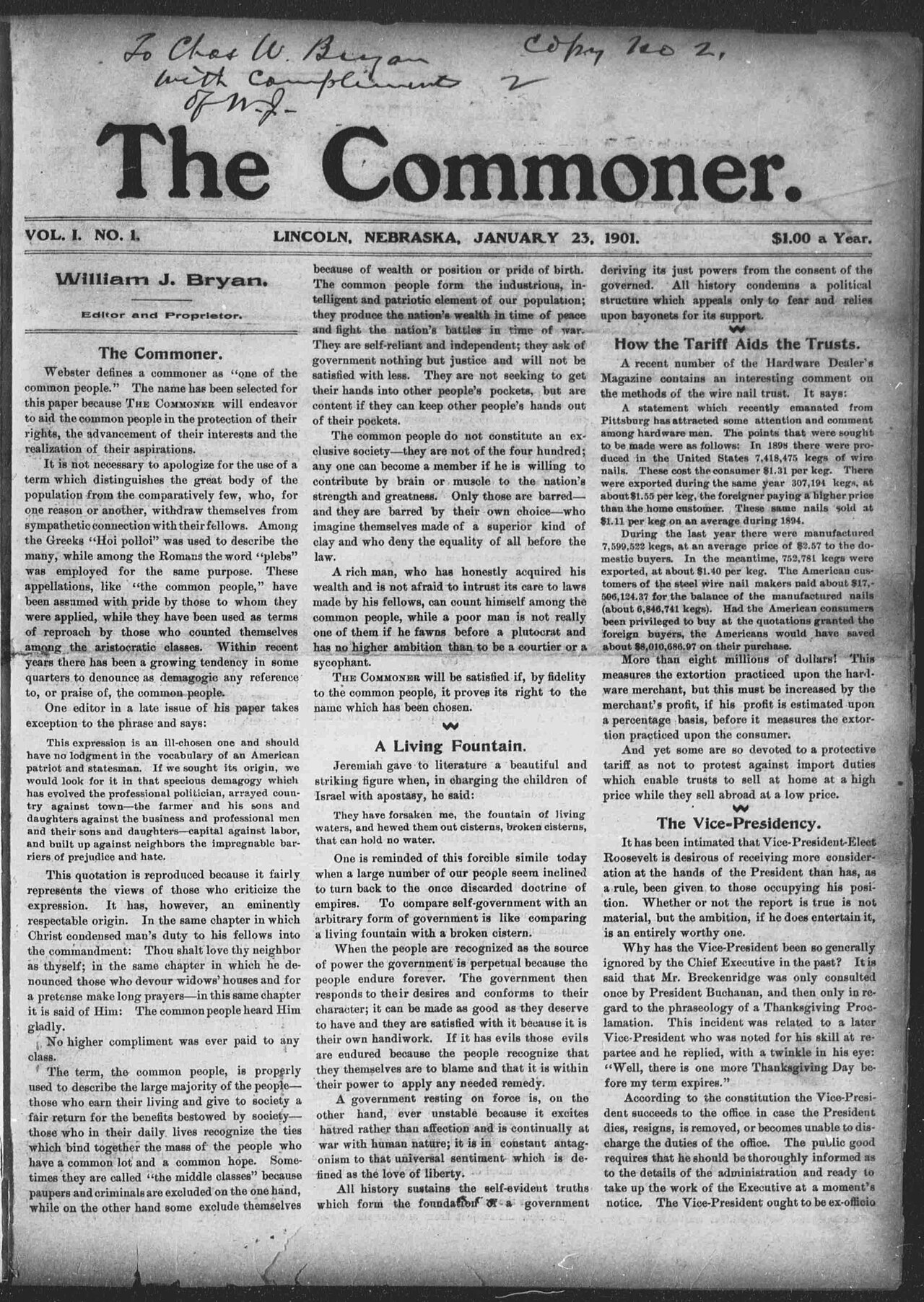 Newspaper article
Primary source
The Commoner
William Jennings Bryan · 23 January 1901 (first issue); published 1901–1923
Ready when you are
Start chatting with William Jennings Bryan now.
20 messages free · No credit card · Available in 50+ languages.