


Primary sourceSpeech9 July 1896
Cross of Gold Speech
William Jennings Bryan · 9 July 1896
The speech Bryan delivered at the 1896 Democratic National Convention attacking the gold standard, which won him the party's presidential nomination.
Bryan's speech defined the free-silver movement that McKinley's 1896 sound-money campaign defeated.
About this source
What it is
This is the text of a speech given by William Jennings Bryan at the Democratic National Convention in Chicago on July 9, 1896. In it, Bryan argued for bimetallism ("free silver") and against the gold standard, ending with the famous line about not crucifying mankind "upon a cross of gold."
Why it matters
Bryan was a little-known Nebraska politician before this speech, which electrified the convention and won him the Democratic nomination at age 36, making him the youngest presidential nominee in American history. The speech reflects the deep economic divide of the 1890s between agrarian, silver-supporting regions and the gold-standard-supporting financial East. It is remembered as one of the greatest American political speeches, even though Bryan went on to lose the election.
Look closer
- Why might Bryan's language about religion and sacrifice have appealed so strongly to his audience?
- What does the speech suggest about who Bryan saw as his supporters, and who his opponents?
- How might someone on the other side of the gold-silver debate have responded to this speech?
This speech is part of the curated material that grounds the AI version of William McKinley and William Jennings Bryan on Humy.ai — when students ask about related events, the AI can quote it and cite it.
More William McKinley sources
Meet the AI William McKinley →Primary source
William McKinley's War Message to Congress
William McKinley · 11 April 1898
 Letter
Primary source
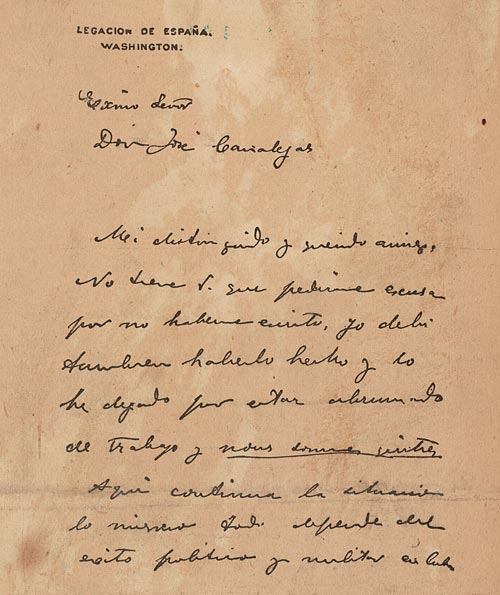
De Lôme Letter
Enrique Dupuy de Lôme · 9 February 1898
 Document
Primary source
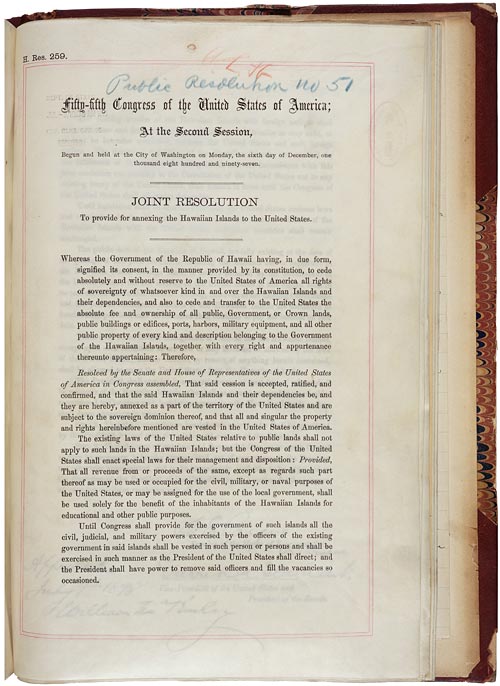
Joint Resolution to Provide for Annexing the Hawaiian Islands to the United States
United States Congress · 7 July 1898
 Document
Primary source
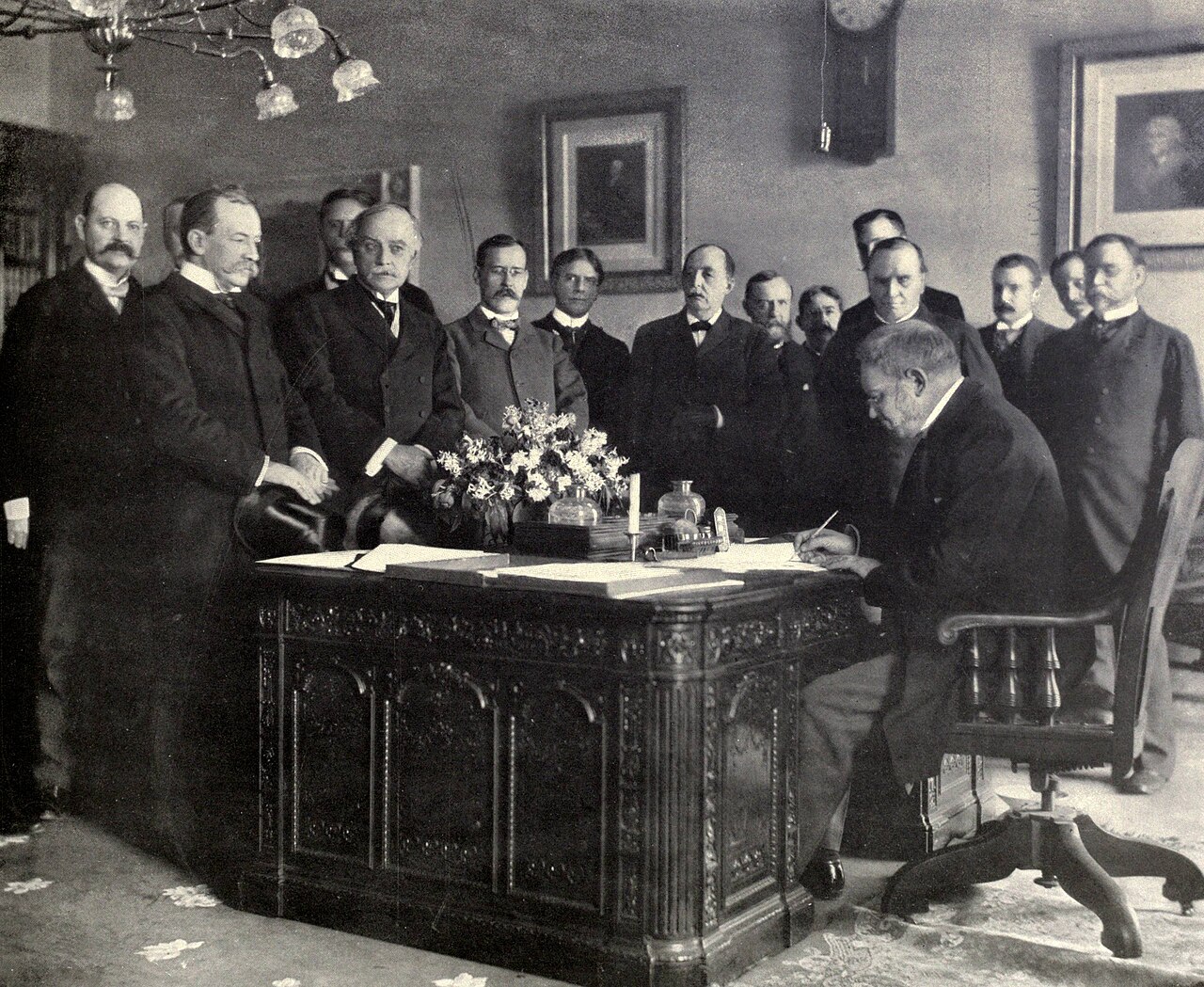
Treaty of Paris (1898)
10 December 1898
 Speech
Primary source
McKinley's Last Speech at the Pan-American Exposition
William McKinley · 5 September 1901
Ready when you are
Start chatting with William McKinley now.
20 messages free · No credit card · Available in 50+ languages.