


Primary sourceDocument1913
17th Amendment to the U.S. Constitution: Direct Election of U.S. Senators
1913
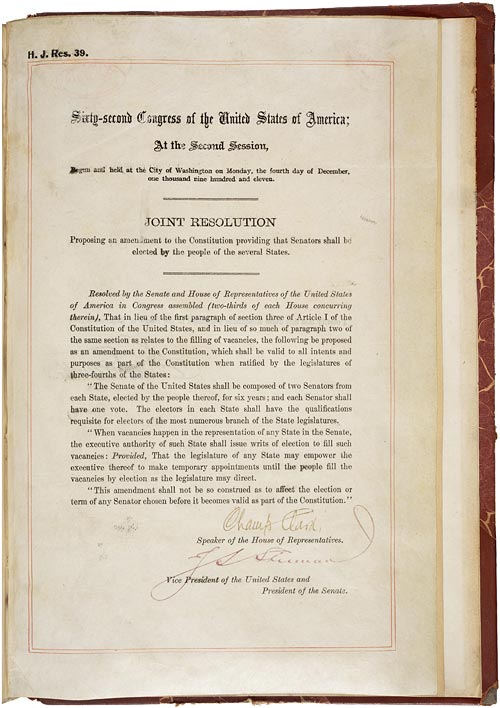
The joint resolution that became the 17th Amendment, which made U.S. senators elected by voters instead of state legislatures.
As Secretary of State, Bryan certified this amendment's ratification, a reform he had championed for years.
About this source
What it is
This is the enrolled joint resolution H.J. Res. 39 from the Sixty-second Congress, Second Session, which proposed the 17th Amendment. It was passed by Congress on May 13, 1912, and ratified on April 8, 1913. The amendment allowed voters to elect U.S. senators directly, where before state legislatures chose them. The scan is held by the U.S. National Archives and is signed by the Speaker of the House and the Vice President as President of the Senate. The text is the official record, not a modern transcription.
Why it matters
Progressive reformers had called the Senate a millionaires' club and criticized legislatures that were deadlocked or influenced by political machines. A 1912 Senate investigation into bribery in the election of William Lorimer persuaded many that a constitutional amendment was needed. The resolution also included a 'race rider' that Supporters and opponents read differently, as the National Archives explains. Harding won his 1914 Senate seat in Ohio's first direct popular election for the Senate under this amendment.
Look closer
- Who had the power to choose senators before this amendment, and who gained it afterward?
- What does the 'race rider' debate show about who the reformers were thinking of and who they were not?
- Why did reformers think a constitutional amendment was needed instead of state primaries alone?
This document is part of the curated material that grounds the AI version of William Jennings Bryan, Warren G. Harding, William Howard Taft and Robert M. La Follette Sr. on Humy.ai — when students ask about related events, the AI can quote it and cite it.
More William Jennings Bryan sources
Meet the AI William Jennings Bryan →Primary source
Cross of Gold Speech
William Jennings Bryan · 9 July 1896
 Document
Primary source
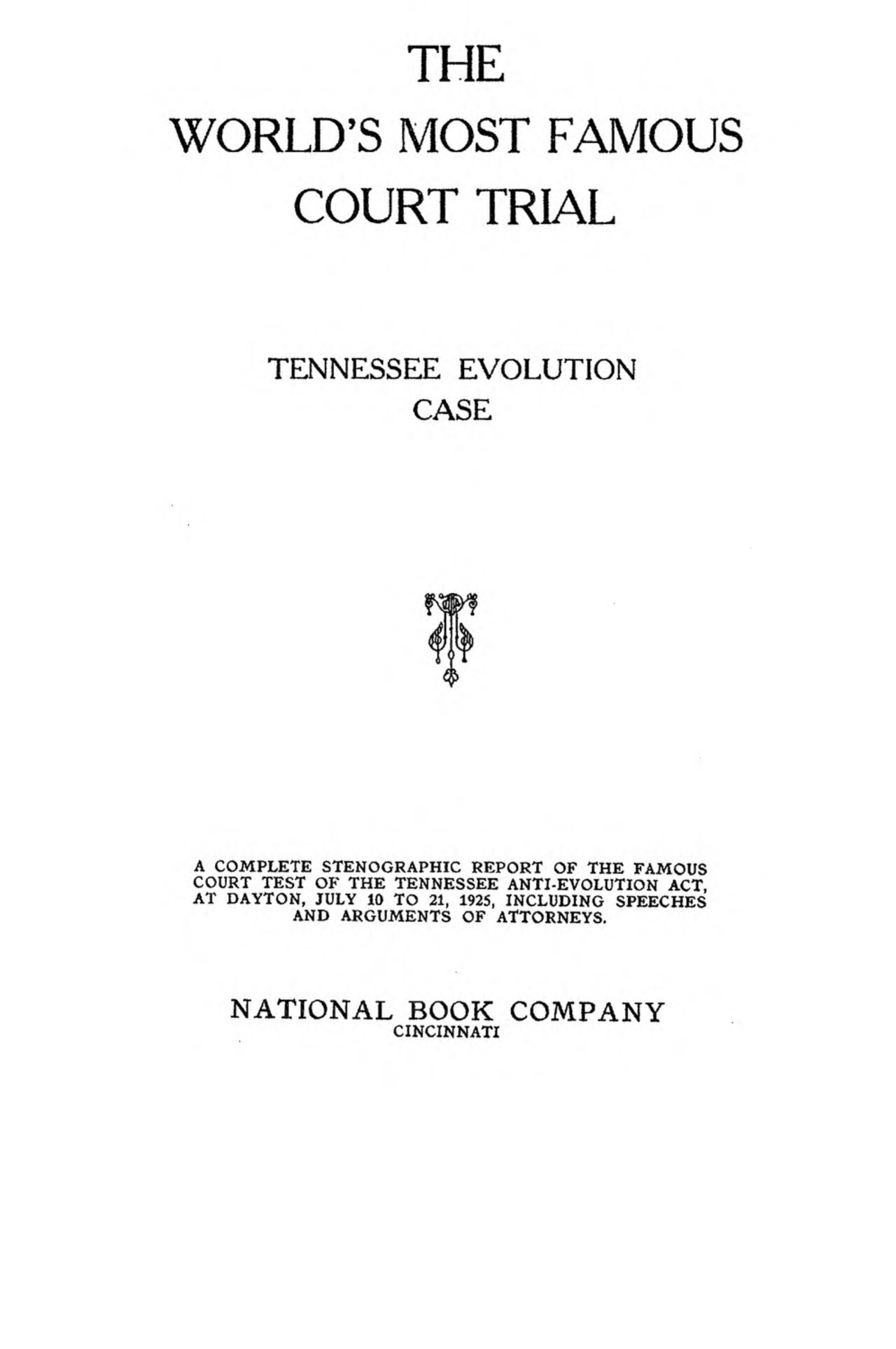
World's Most Famous Court Trial: Tennessee Evolution Case
July 1925
 Painting
Primary source
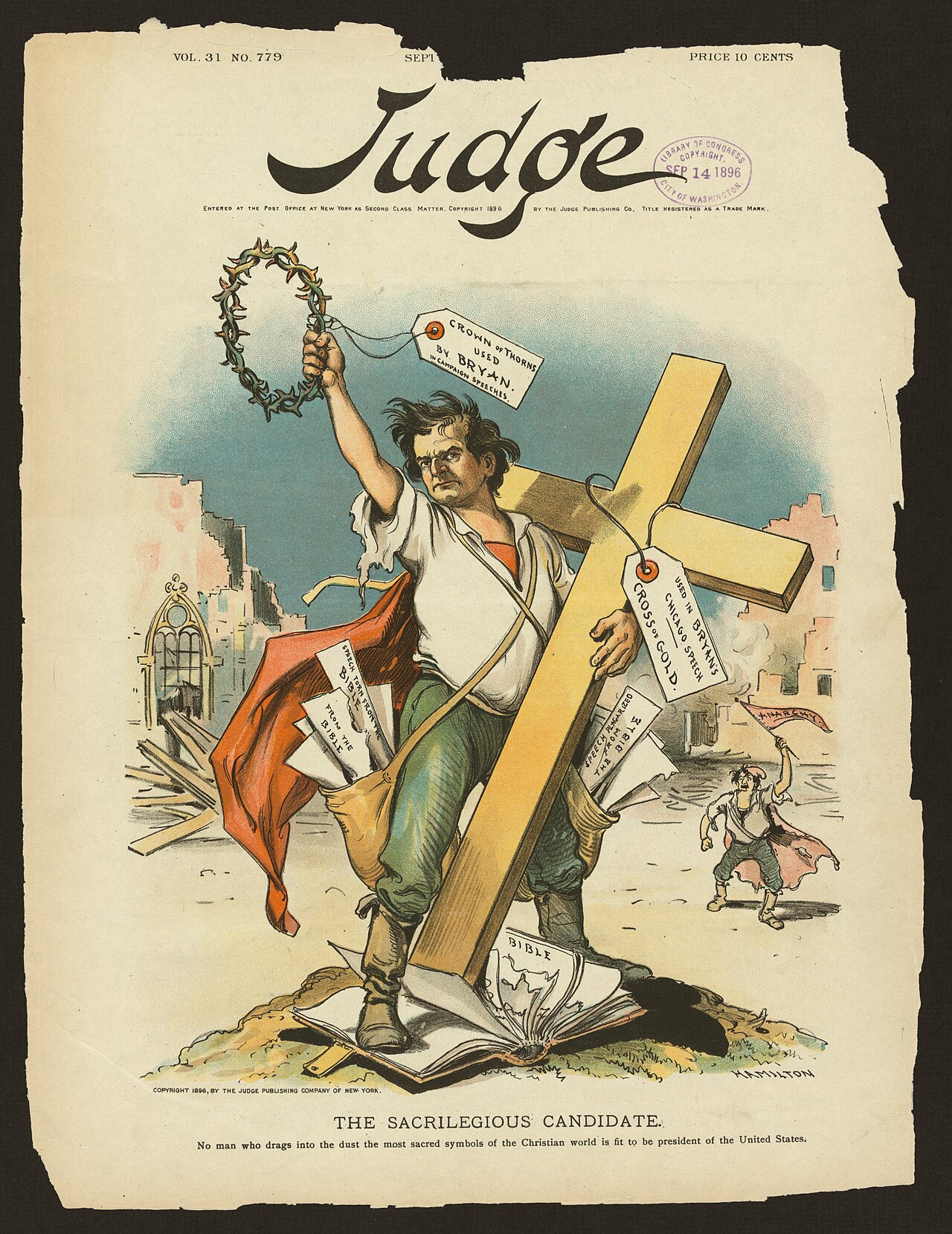
The Sacrilegious Candidate
Grant E. Hamilton · 1896
 Document
Primary source
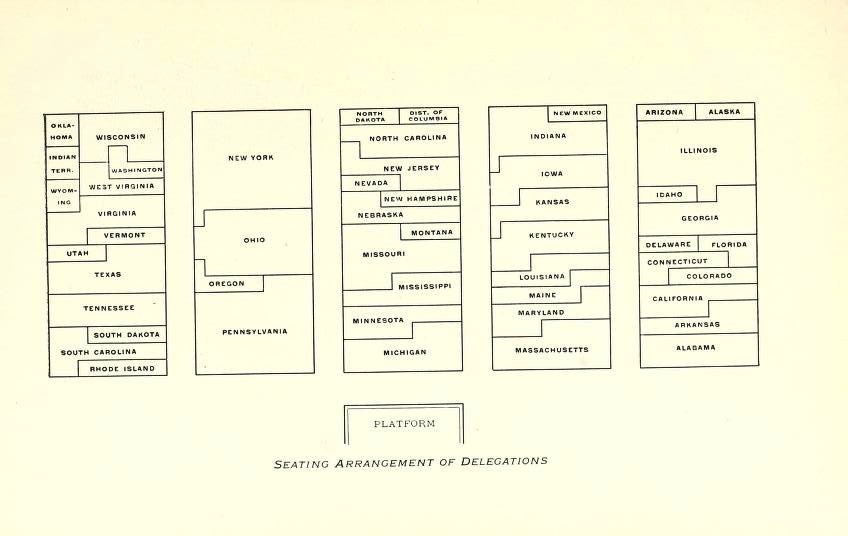
1896 Democratic National Convention Platform and Proceedings
1896
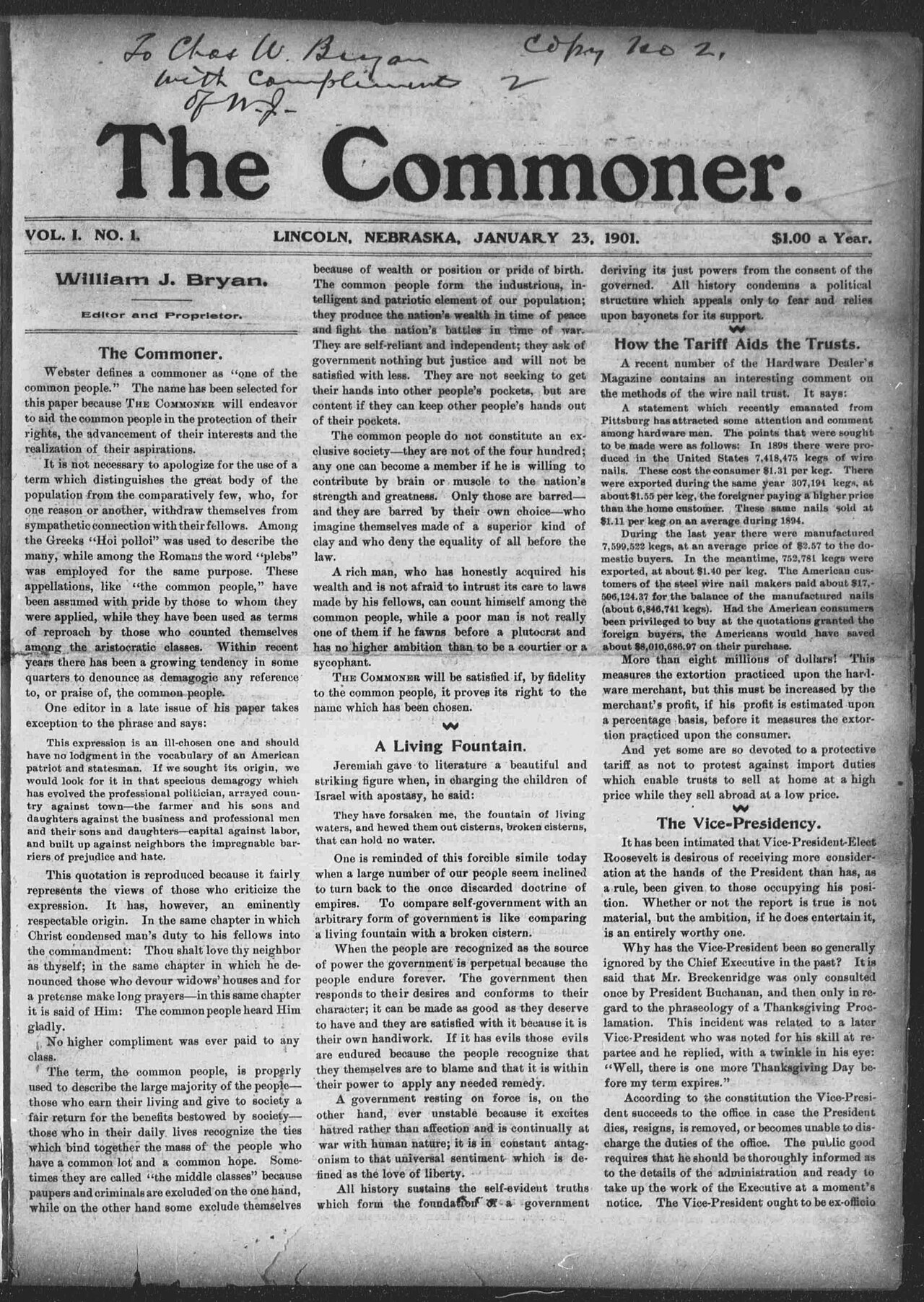 Newspaper article
Primary source
The Commoner
William Jennings Bryan · 23 January 1901 (first issue); published 1901–1923
Ready when you are
Start chatting with William Jennings Bryan now.
20 messages free · No credit card · Available in 50+ languages.