


Primary sourceBook1843
A Christmas Carol
Charles Dickens · 1843
Dickens's 1843 novella about the miser Ebenezer Scrooge's conversion, which helped shape the modern idea of a charitable Christmas.
Dickens wrote this novella, one of his best-known works and a core statement of his social concerns.
About this source
What it is
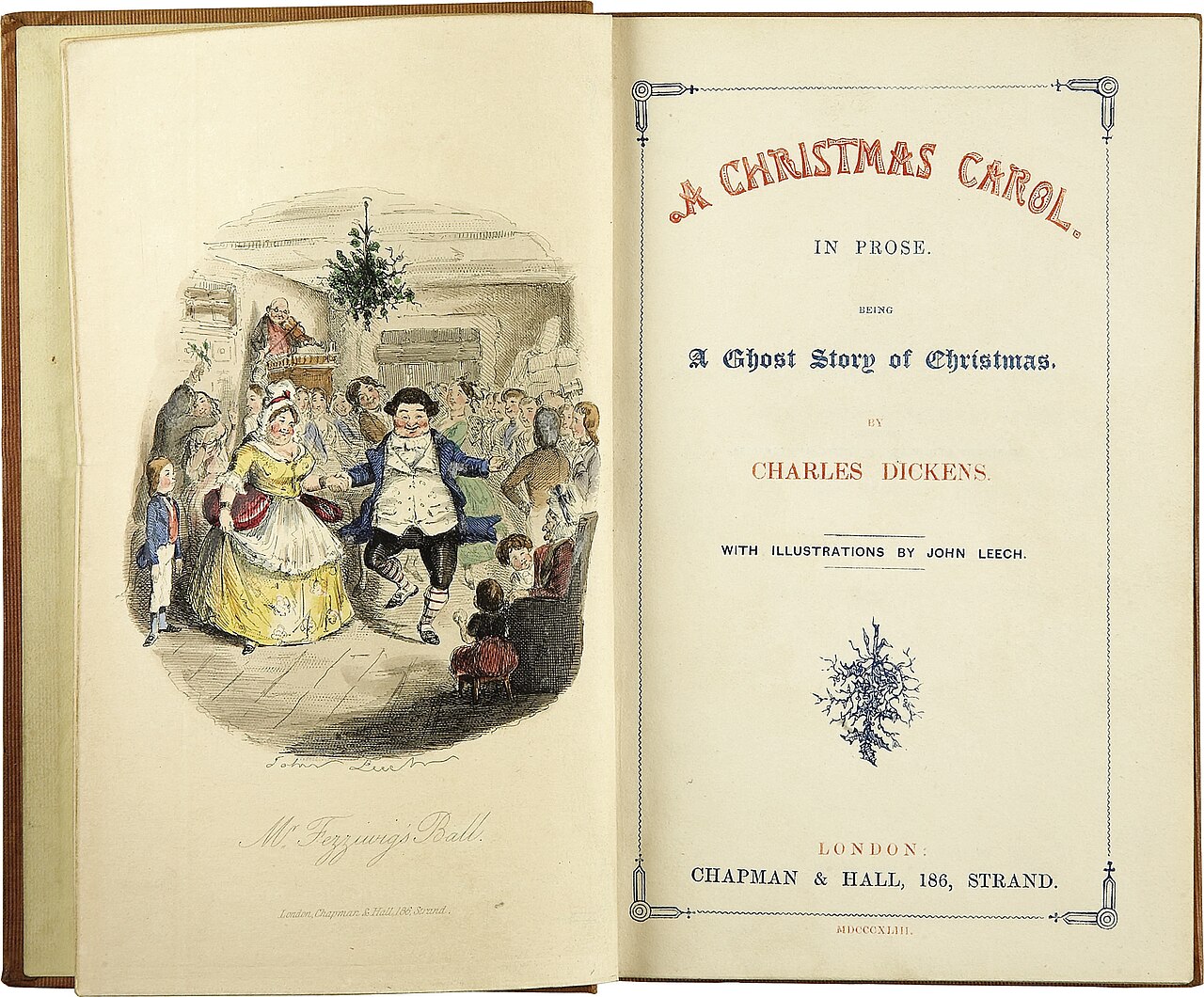
A short novel written by Charles Dickens, first published in London in 1843 with illustrations by John Leech. It tells how Ebenezer Scrooge, a miserly old man, is visited by the ghost of his former partner Jacob Marley and three further spirits who show him his past, present and possible future.
Why it matters
Dickens wrote the story after visiting a school for poor street children, and it attacks the idea that the poor deserved no help. It sold out within days and was copied illegally almost at once, showing both how popular it was and how hard it was for authors to protect their work. The book influenced how Victorians, and later generations, thought about Christmas as a time of family and generosity.
Look closer
- Why might Dickens have chosen a ghost story to make an argument about poverty?
- What does the illustration of Mr Fezziwig's Ball suggest about the kind of Christmas Dickens wanted readers to imagine?
- What does the story leave unexplained about how Scrooge's change will actually help the poor in the long run?
This book is part of the curated material that grounds the AI version of Charles Dickens on Humy.ai — when students ask about related events, the AI can quote it and cite it.
More Charles Dickens sources
Meet the AI Charles Dickens →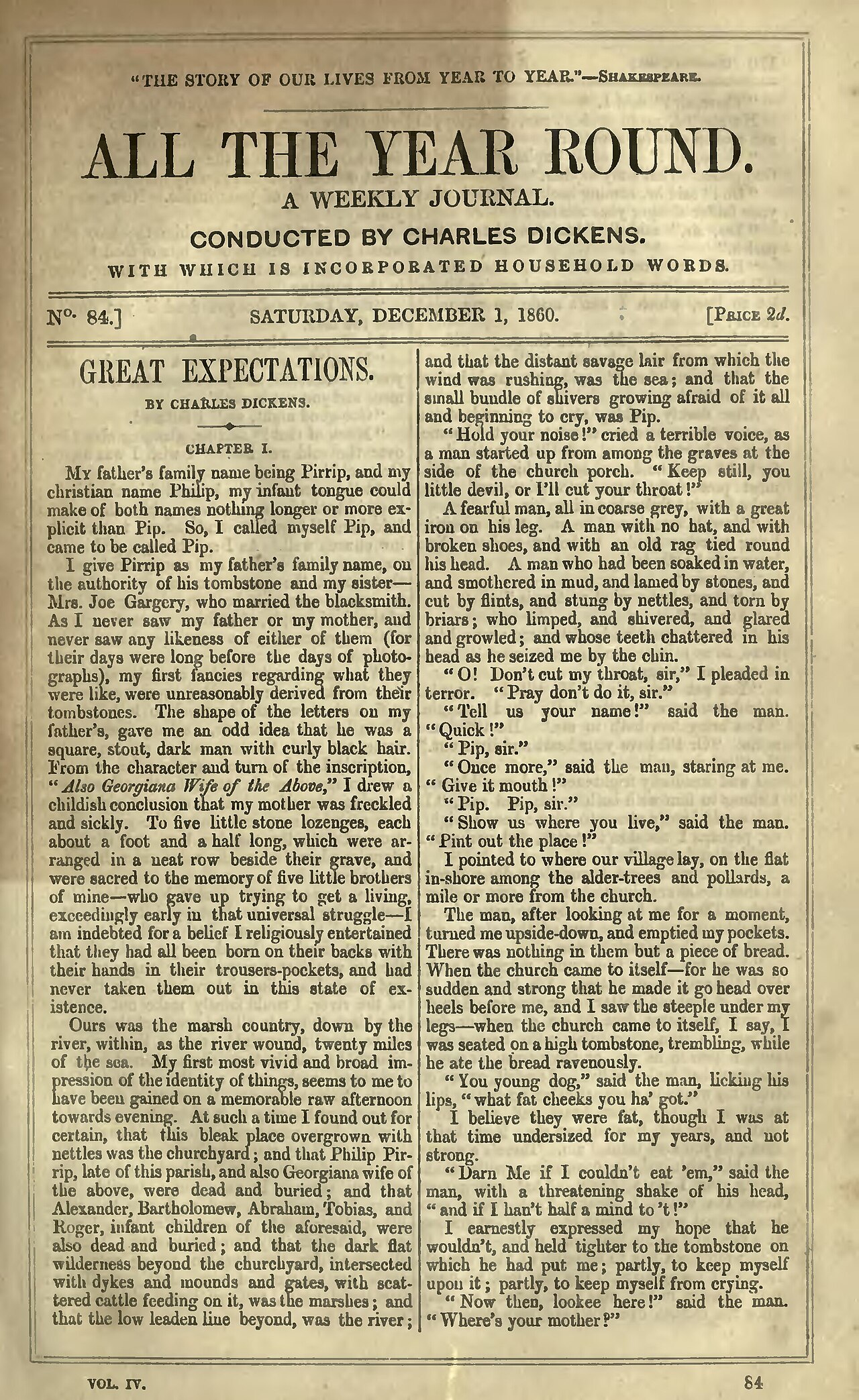 Book
Primary source
Great Expectations
Charles Dickens · 1860–1861
 Book
Primary source
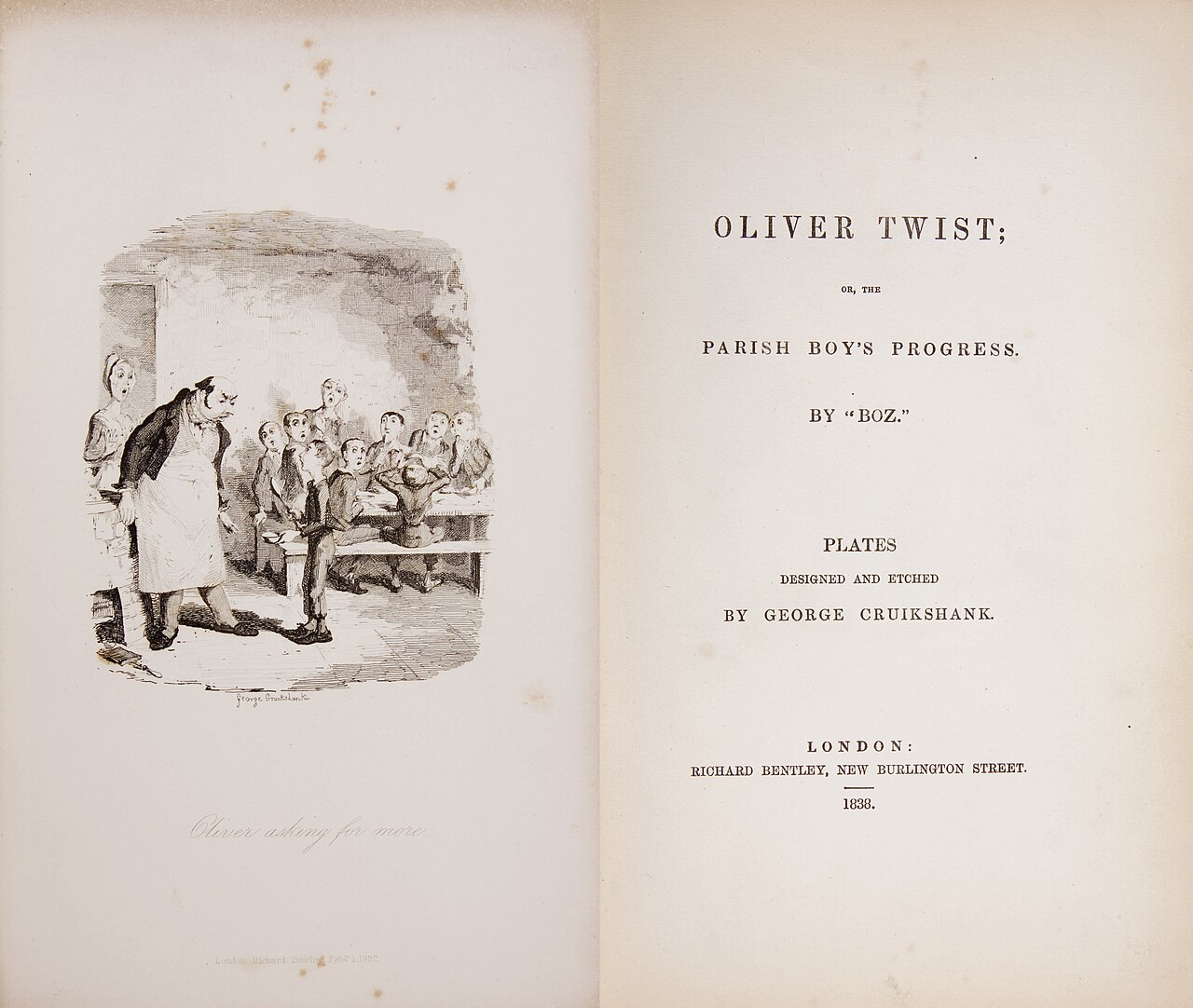
Oliver Twist
Charles Dickens · 1838 (serialised 1837–1839)
 Book
Primary source
A Tale of Two Cities
Charles Dickens · 1859
 Book
Primary source
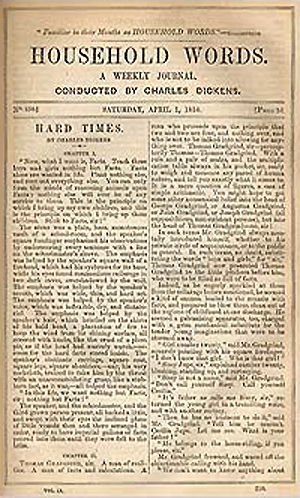
Hard Times: For These Times
Charles Dickens · 1854
 Book
Primary source
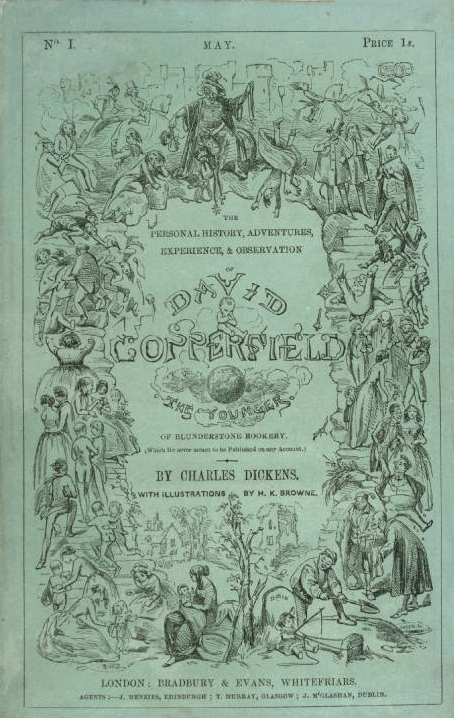
David Copperfield
Charles Dickens · 1849–1850
Ready when you are
Start chatting with Charles Dickens now.
20 messages free · No credit card · Available in 50+ languages.