


Primary sourceBook1838 (serialised 1837–1839)
Oliver Twist
Charles Dickens · 1838 (serialised 1837–1839)
Dickens's second novel, following an orphan through workhouses and London's criminal underworld, attacking the treatment of poor children.
An early novel by Dickens attacking the treatment of orphans and the poor under the New Poor Law.
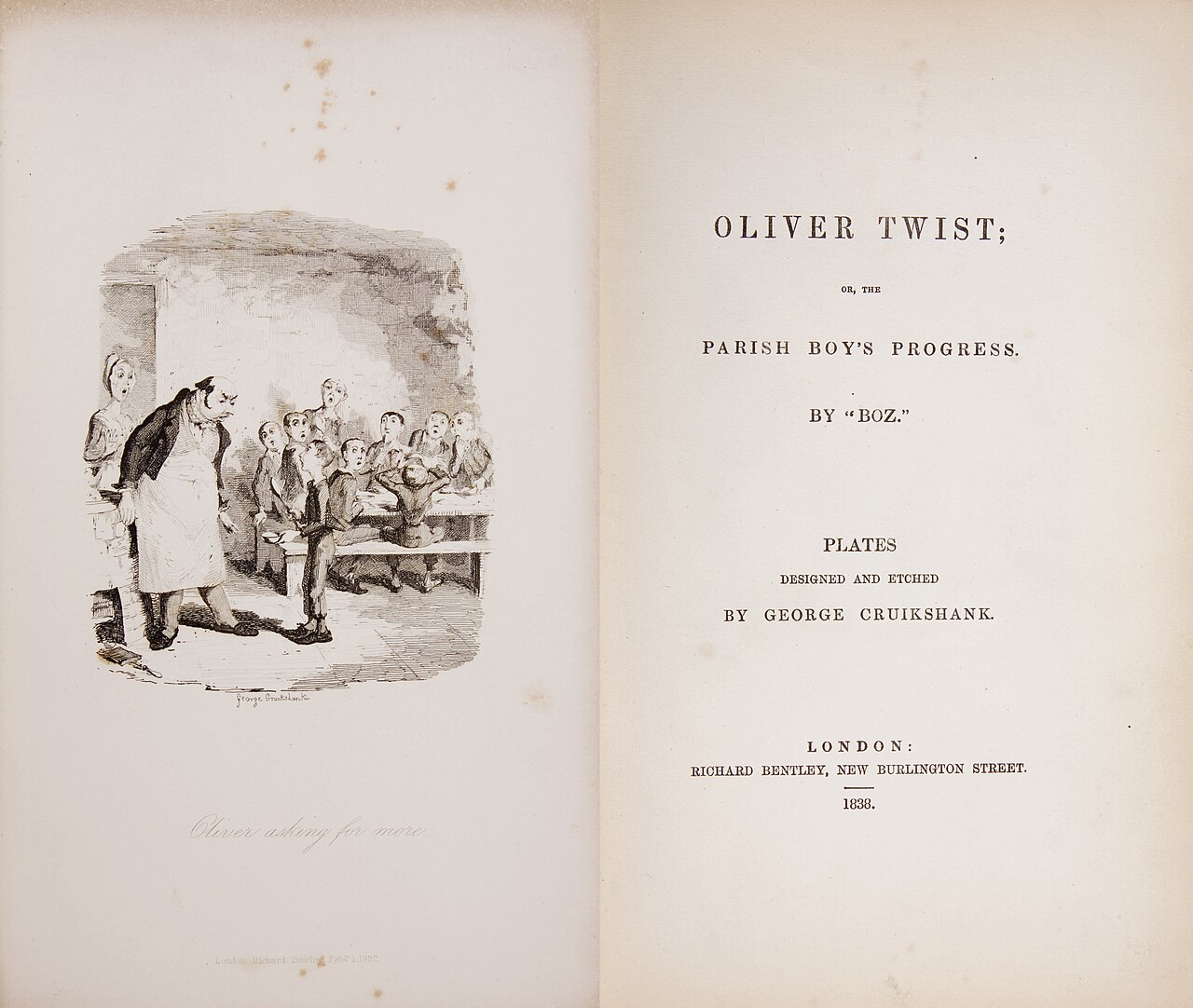
About this source
What it is
A novel by Charles Dickens, serialised from 1837 to 1839 and published as a three-volume book in 1838, with illustrations by George Cruikshank. It follows Oliver Twist, an orphan who escapes a workhouse and falls in with a gang of child pickpockets led by the criminal Fagin in London.
Why it matters
Written soon after the harsh 1834 Poor Law, the novel exposes the cruelty faced by orphans and the exploitation of children as criminals, drawing partly on accounts of child labour and, it is thought, on Dickens's own time working as a boy in a workhouse-like setting. It was an early and influential example of a novel used to argue for social reform.
Look closer
- Why does Dickens show Oliver asking for more food as such a shocking act?
- What does the illustration by Cruikshank add to the written description of the workhouse scene?
- Whose voices are missing from this story about poverty — who gets to speak, and who doesn't?
This book is part of the curated material that grounds the AI version of Charles Dickens on Humy.ai — when students ask about related events, the AI can quote it and cite it.
More Charles Dickens sources
Meet the AI Charles Dickens →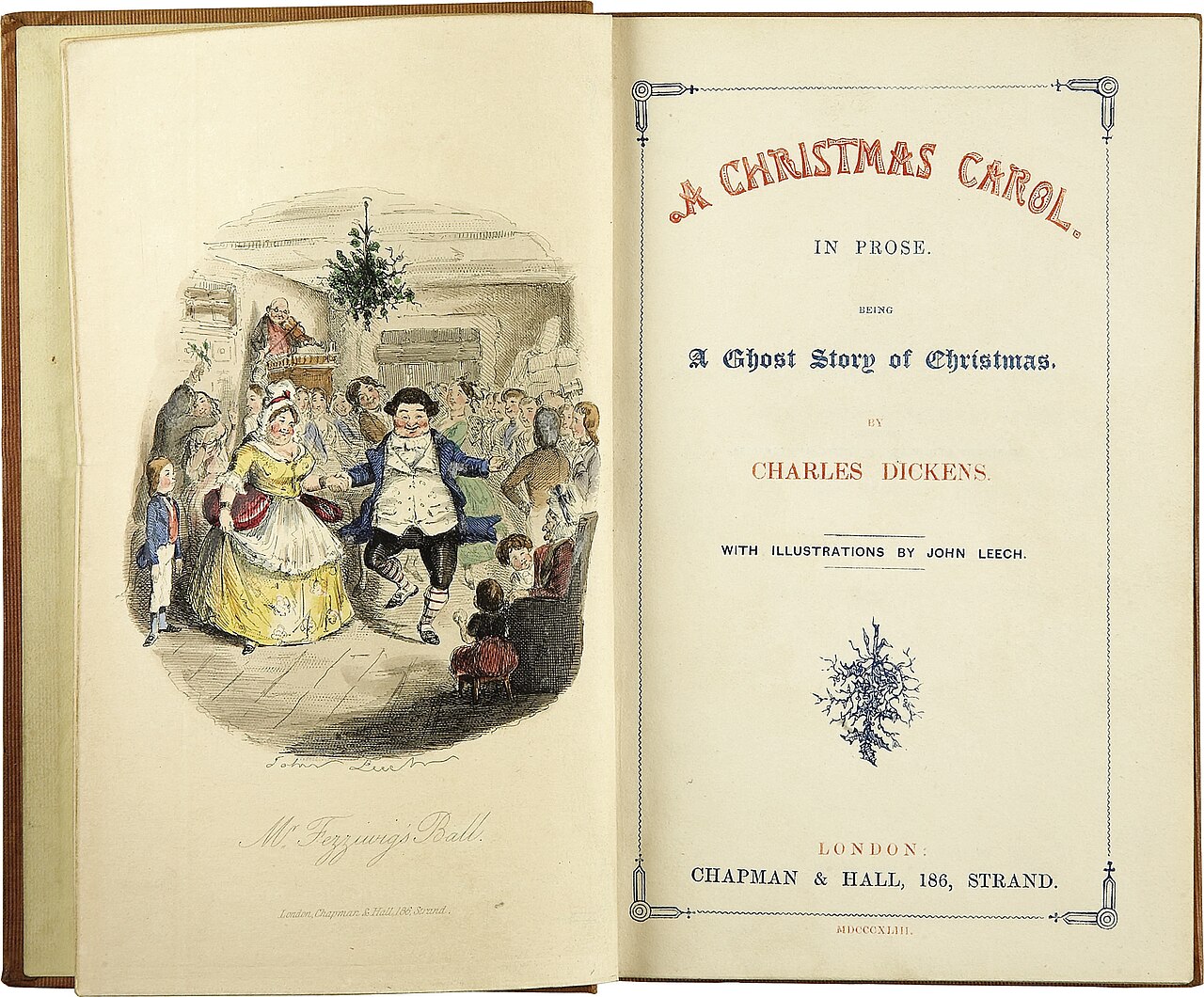 Book
Primary source
A Christmas Carol
Charles Dickens · 1843
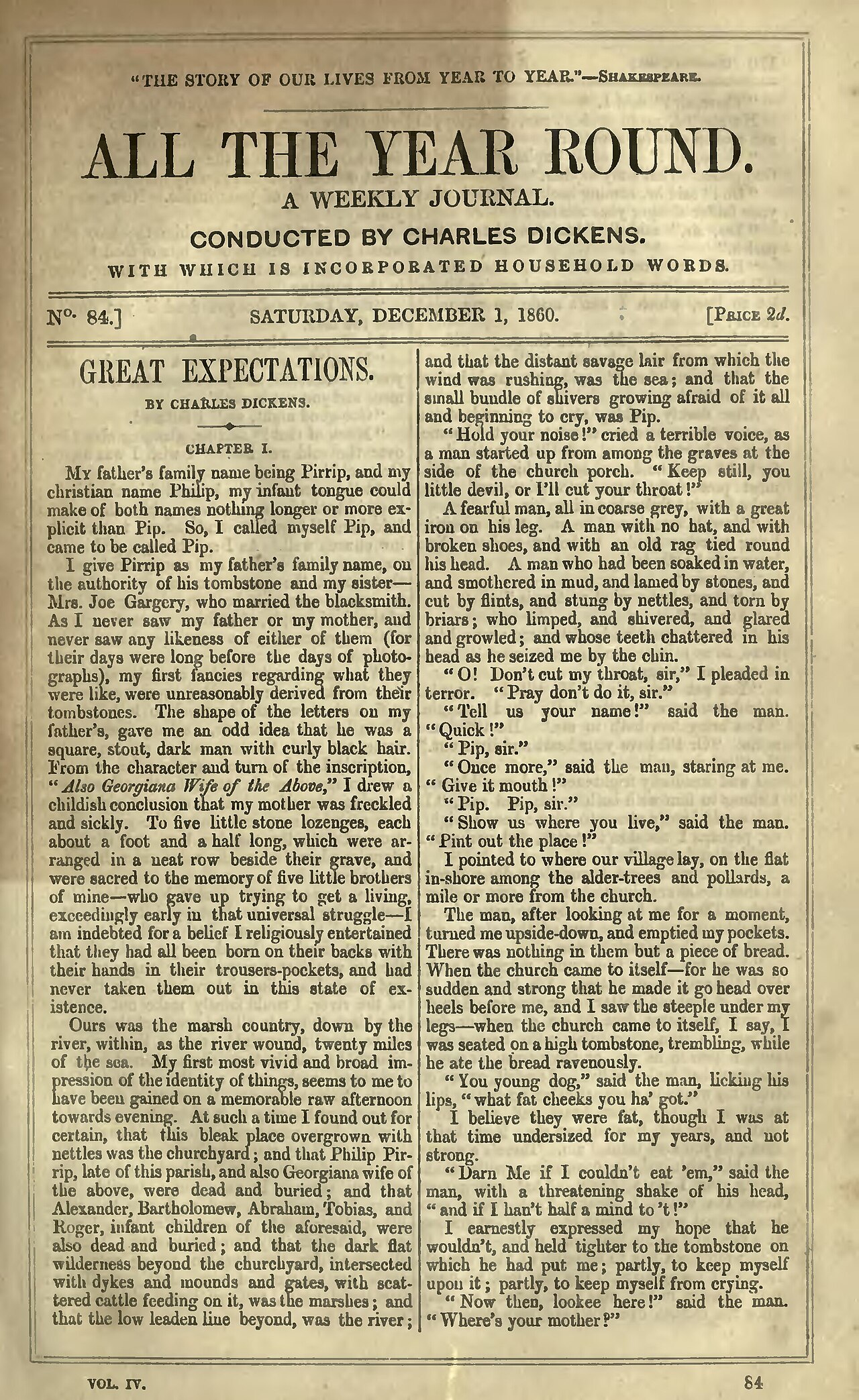 Book
Primary source
Great Expectations
Charles Dickens · 1860–1861
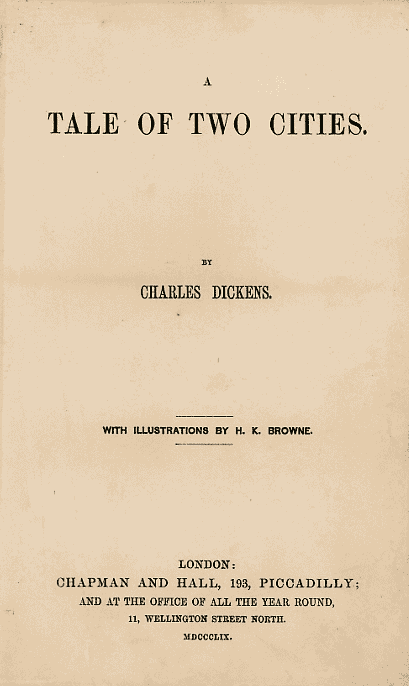 Book
Primary source
A Tale of Two Cities
Charles Dickens · 1859
 Book
Primary source
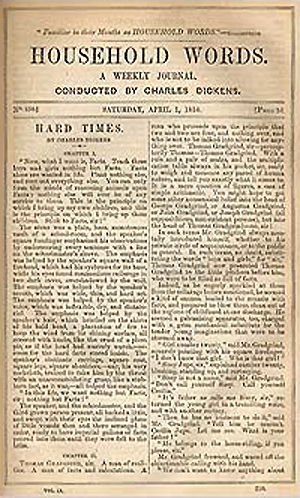
Hard Times: For These Times
Charles Dickens · 1854
 Book
Primary source
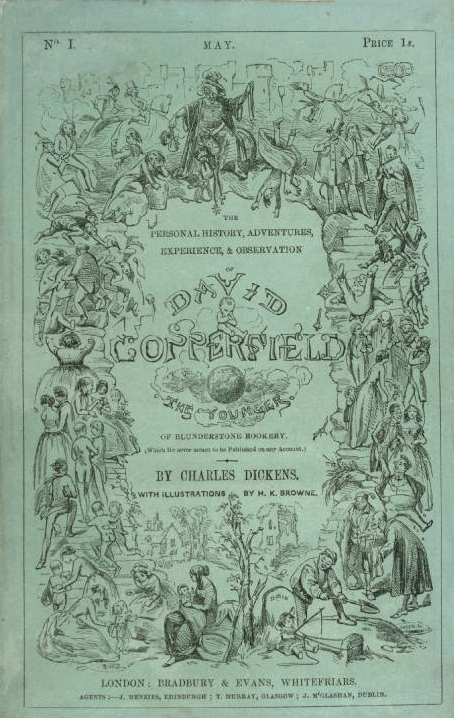
David Copperfield
Charles Dickens · 1849–1850
Ready when you are
Start chatting with Charles Dickens now.
20 messages free · No credit card · Available in 50+ languages.