


Primary sourceDocument1618
A Declaration of the Demeanor and Cariage of Sir Walter Raleigh
Government of James I (attributed to Francis Bacon) · 1618
An official 1618 government pamphlet justifying Raleigh's execution by attacking his conduct on the Guiana voyage.
The government's official justification for Raleigh's execution, attacking his conduct on the Guiana voyage.
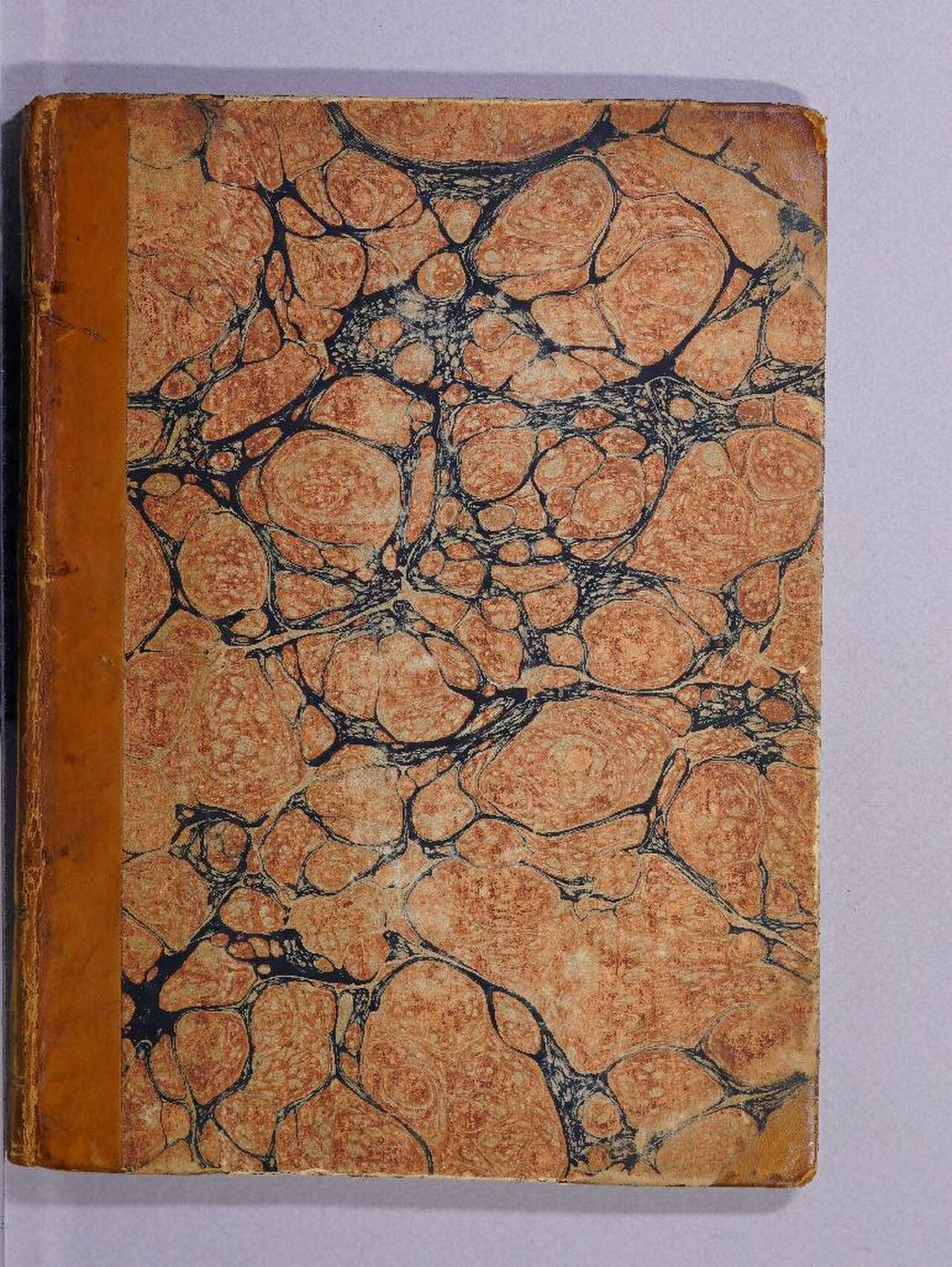
About this source
What it is
Printed in London in 1618, this pamphlet was issued by the government of James I. It is often attributed to Francis Bacon, but was actually written by the commissioners appointed to try Raleigh, including Bacon. It survives today as a bound volume held by the British Library.
Why it matters
This source shows how a government could use print to shape public opinion. After executing a popular figure, the king's officials needed to defend their decision, so they published their case against Raleigh's behaviour on his final voyage. It is a reminder that official accounts are written to persuade, not just to inform.
Look closer
- Why would the government need to publish a justification after an execution?
- How might a pamphlet written by Raleigh's judges differ from an account by Raleigh himself?
- What does the existence of this pamphlet suggest about public feeling toward Raleigh's death?
This document is part of the curated material that grounds the AI version of Sir Walter Raleigh on Humy.ai — when students ask about related events, the AI can quote it and cite it.
More Sir Walter Raleigh sources
Meet the AI Sir Walter Raleigh →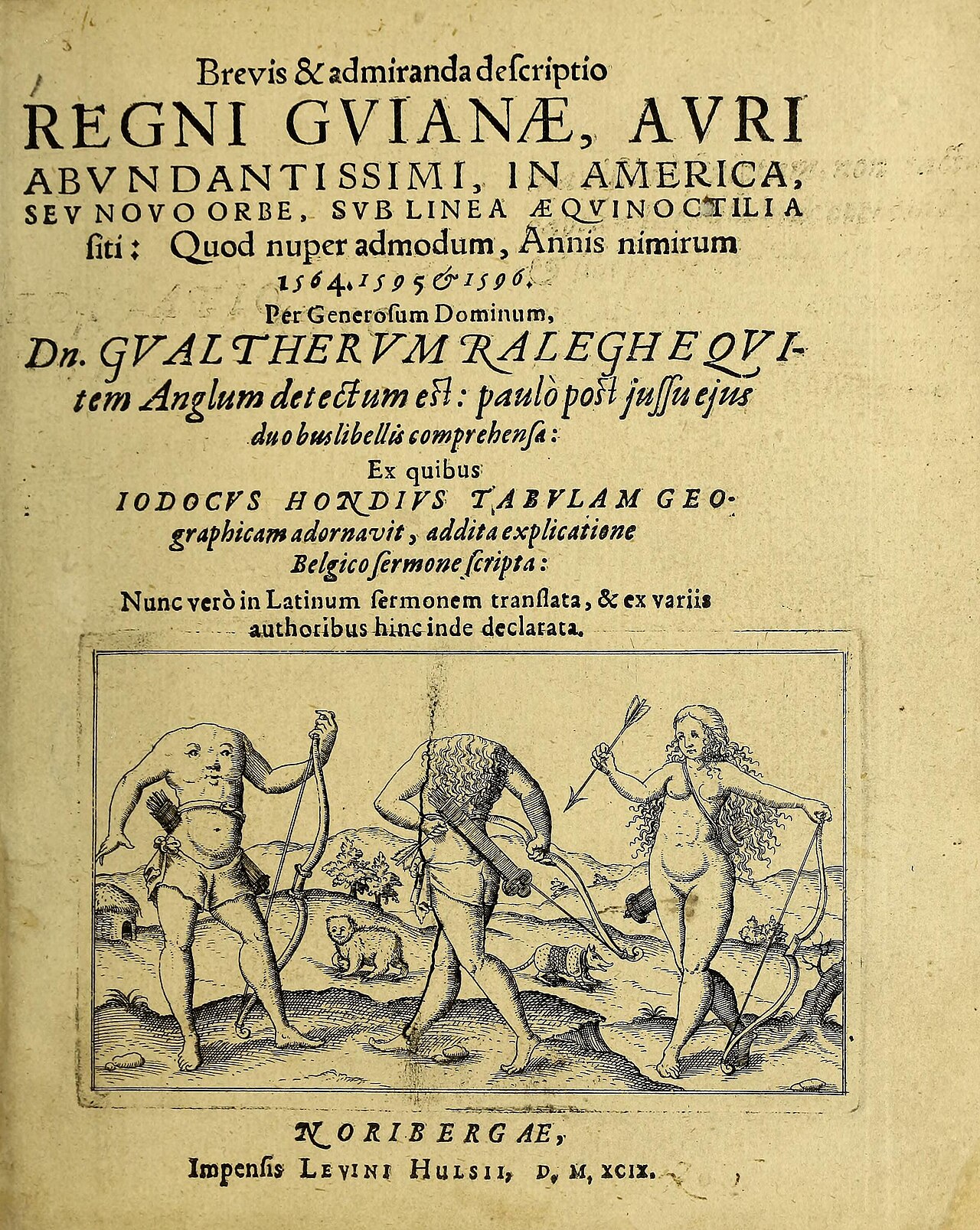 Book
Primary source
The Discovery of Guiana
Walter Raleigh · 1596
Primary source
Charter to Sir Walter Raleigh
Elizabeth I · 1584
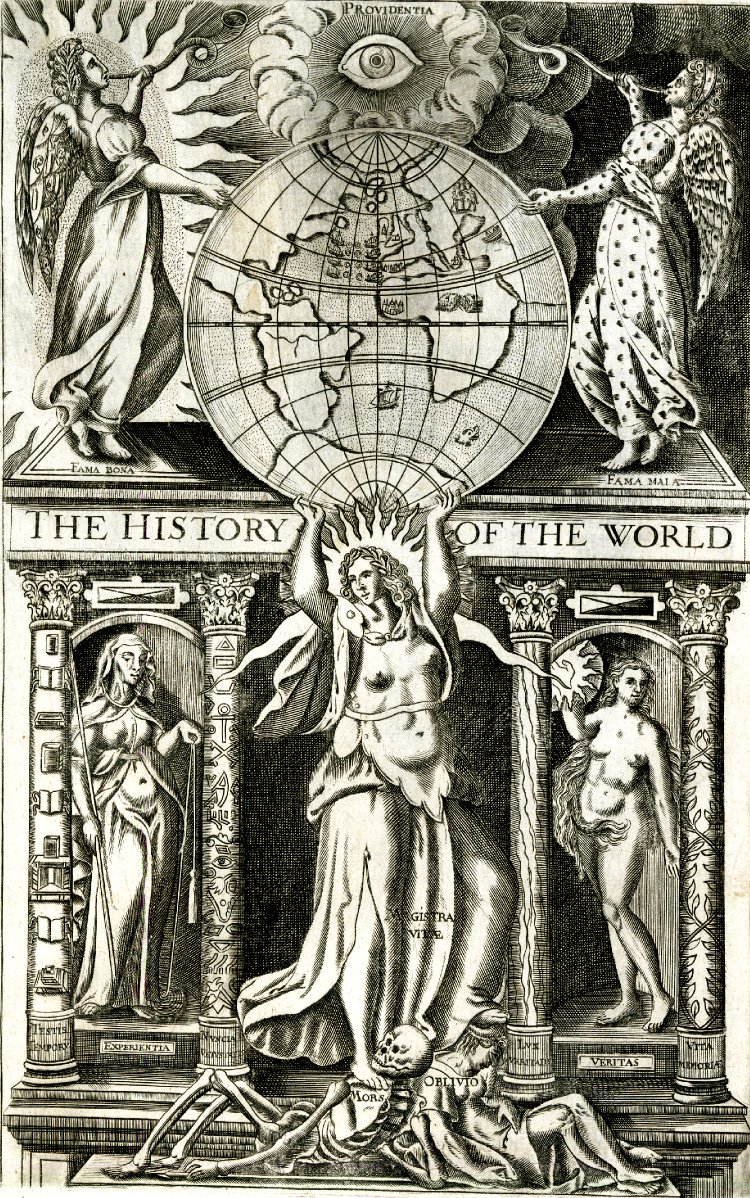 Book
Primary source
The History of the World
Walter Raleigh · 1614
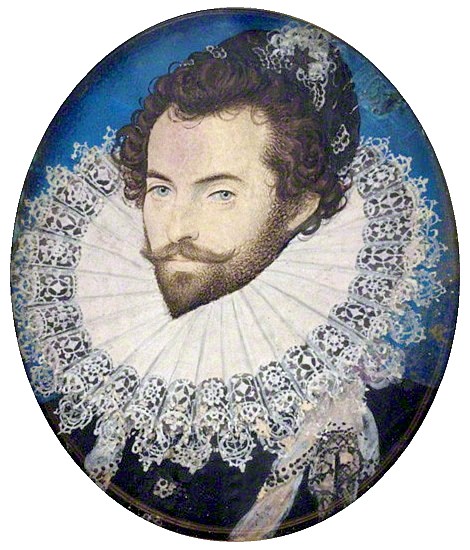 Painting
Primary source
Sir Walter Raleigh
Nicholas Hilliard · c. 1585
 Painting
Primary source
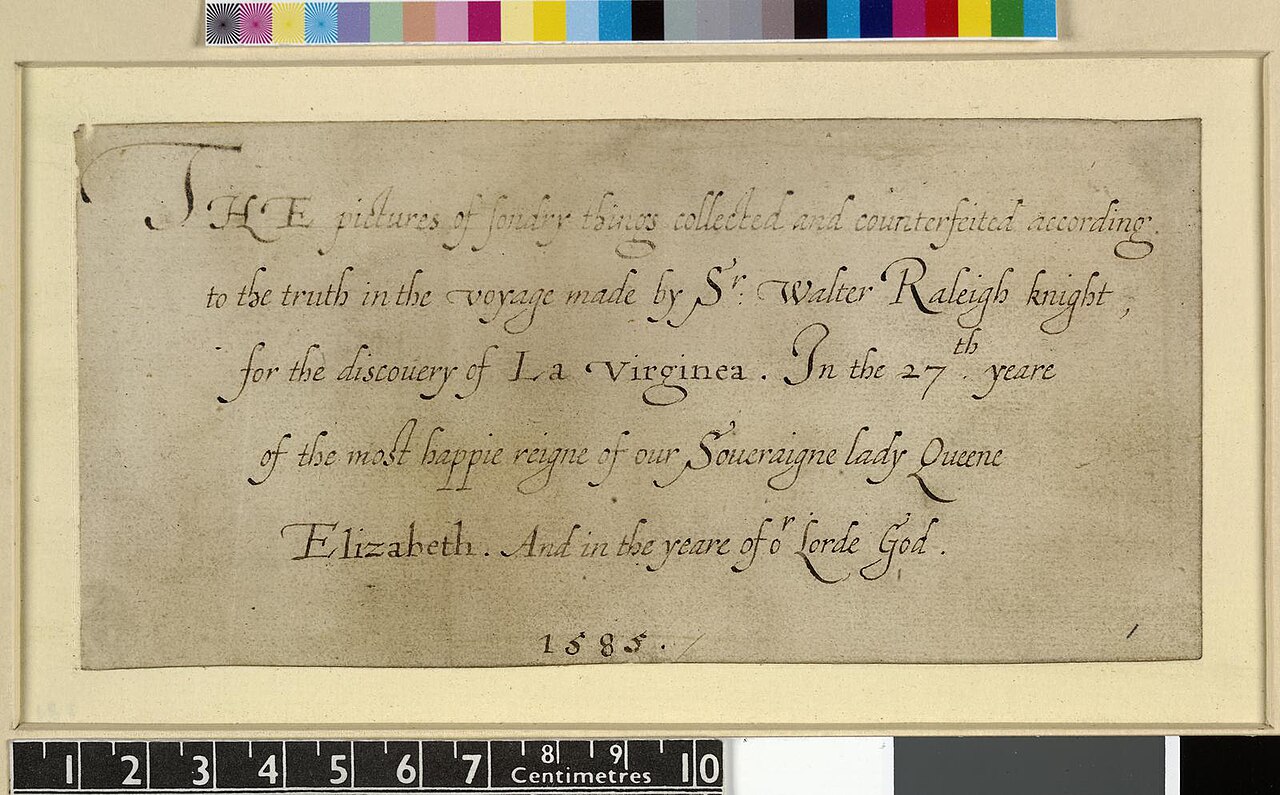
John White's watercolours of the Roanoke voyage
John White · 1585-1586
Ready when you are
Start chatting with Sir Walter Raleigh now.
20 messages free · No credit card · Available in 50+ languages.