


Primary sourceBook
A Double Acrostic
Lewis Carroll
A puzzle-poem by Lewis Carroll that follows a prose note explaining how a double acrostic is built.
Shows Carroll's own puzzle-poem and his delight in word games, a side of his work the archive presents alongside his nonsense writing.
Free Humy account · No credit card · 58,739 sources to read
About this source
What it is
This is a poem by Lewis Carroll, titled 'A Double Acrostic'. It begins with a prose note explaining the form. In a double acrostic, two column-words of the same length are chosen, and the first letters and last letters of a series of words spell them out in parallel columns. The note says the poem was made at the request of friends who had gone to a ball during an Oxford Commemoration. It is listed on Wikisource among Carroll's individual poems.
Why it matters
The poem shows Carroll's love of word games and puzzles. The note calls the puzzle form fashionable and says that many examples had already been published. It also says those examples lacked connection between their verses, and that Carroll printed his attempt to suggest how the subject might be improved. The poem therefore reveals the playful, technical side of Victorian Oxford's literary and social life.
Look closer
- How does the prose note explain the rules of the puzzle before the poem begins?
- Why might the author have printed this attempt, and what improvement does he hope to suggest?
- What does the poem gain from its puzzle structure, and what might it lose as a piece of storytelling?
This book is part of the curated material that grounds the AI version of Lewis Carroll on Humy.ai — when students ask about related events, the AI can quote it and cite it.
More Lewis Carroll sources
Browse all 91 → Book
Primary source
Alice's Adventures in Wonderland
Lewis Carroll · 1865
Primary source
Alice's Adventures Under Ground
Lewis Carroll · 1864
 Book
Primary source
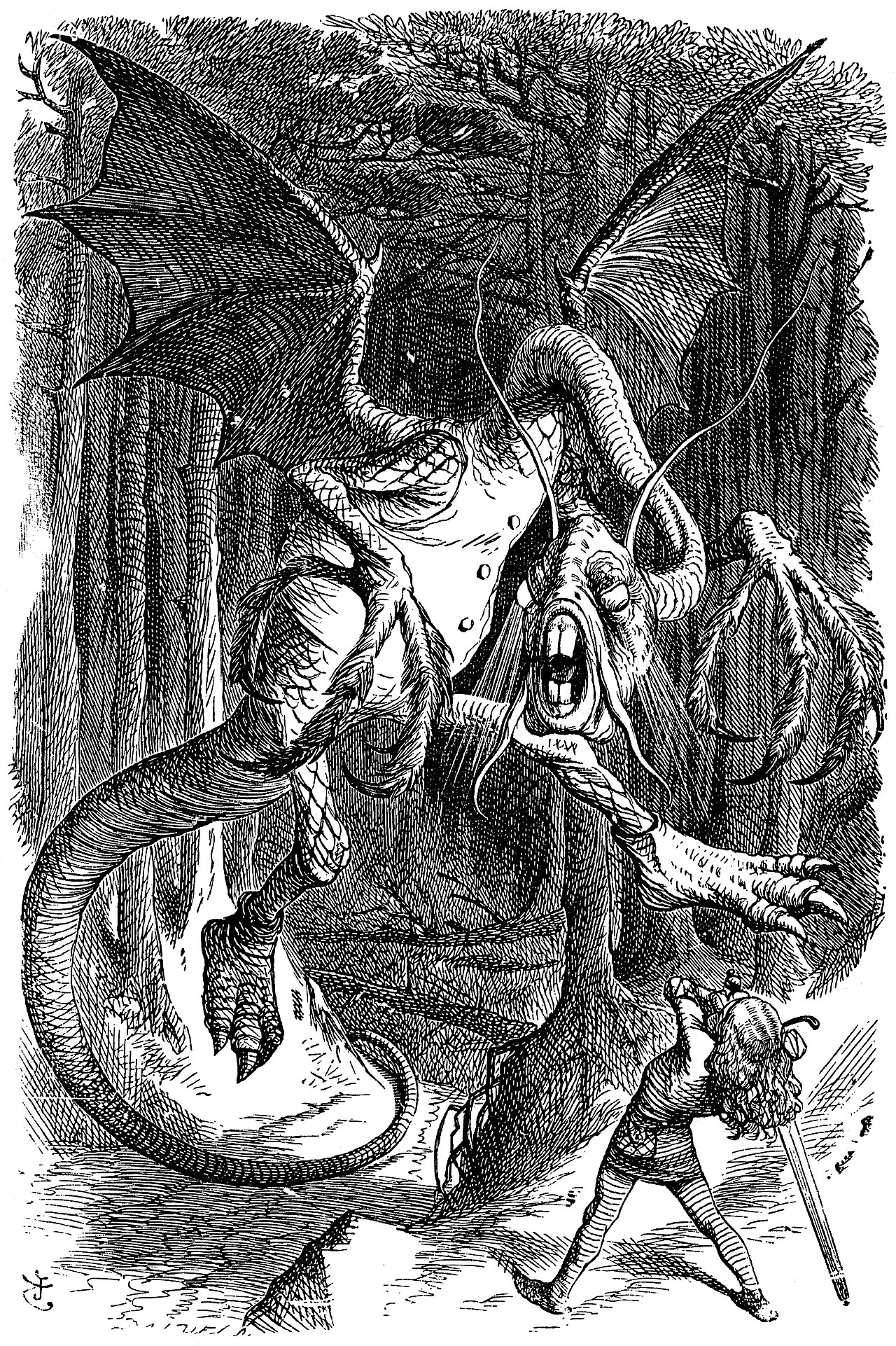
Jabberwocky
Lewis Carroll · 1871
 Book
Primary source
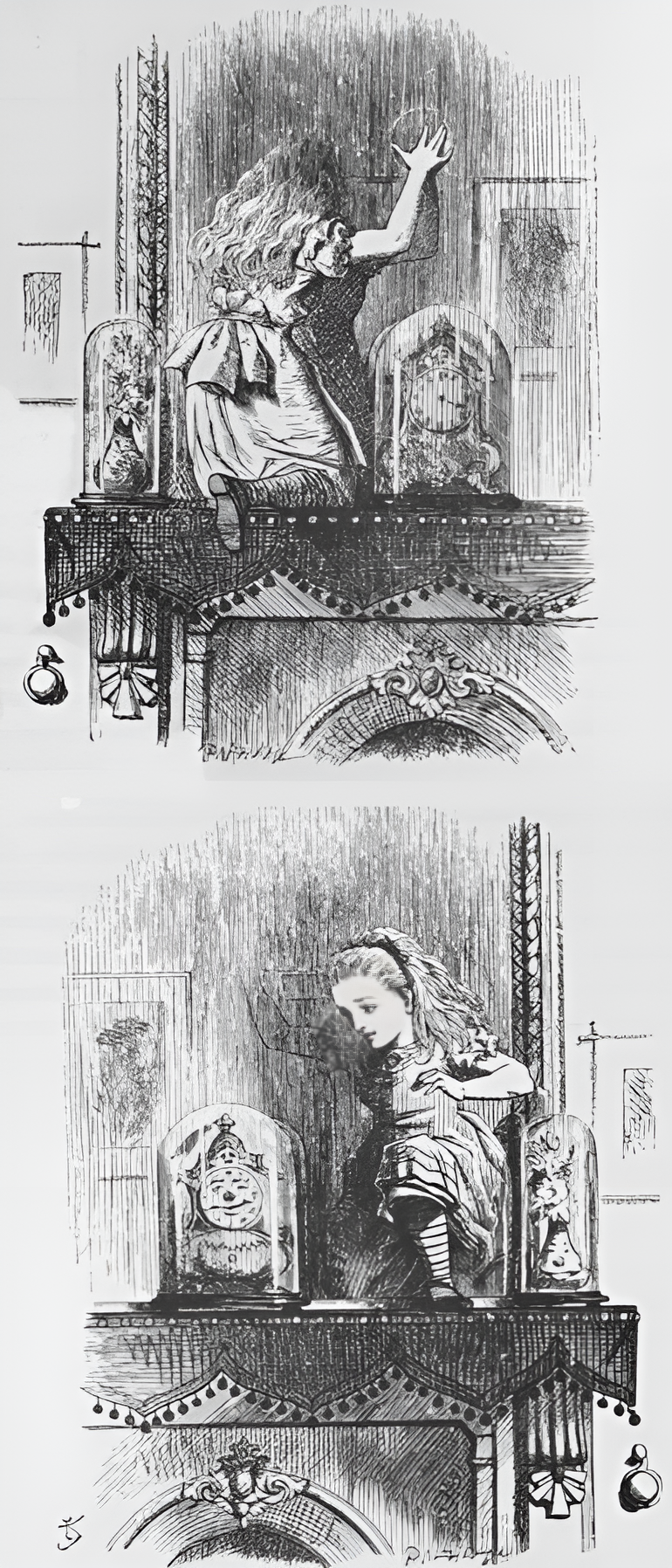
Through the Looking-Glass
Lewis Carroll · 1871
Free account
Browse every Lewis Carroll source
Sign up free →
Ready when you are
Start chatting with Lewis Carroll now.
20 messages free · No credit card · Available in 50+ languages.