


Secondary sourceSculpture16 July 2015 (photograph)
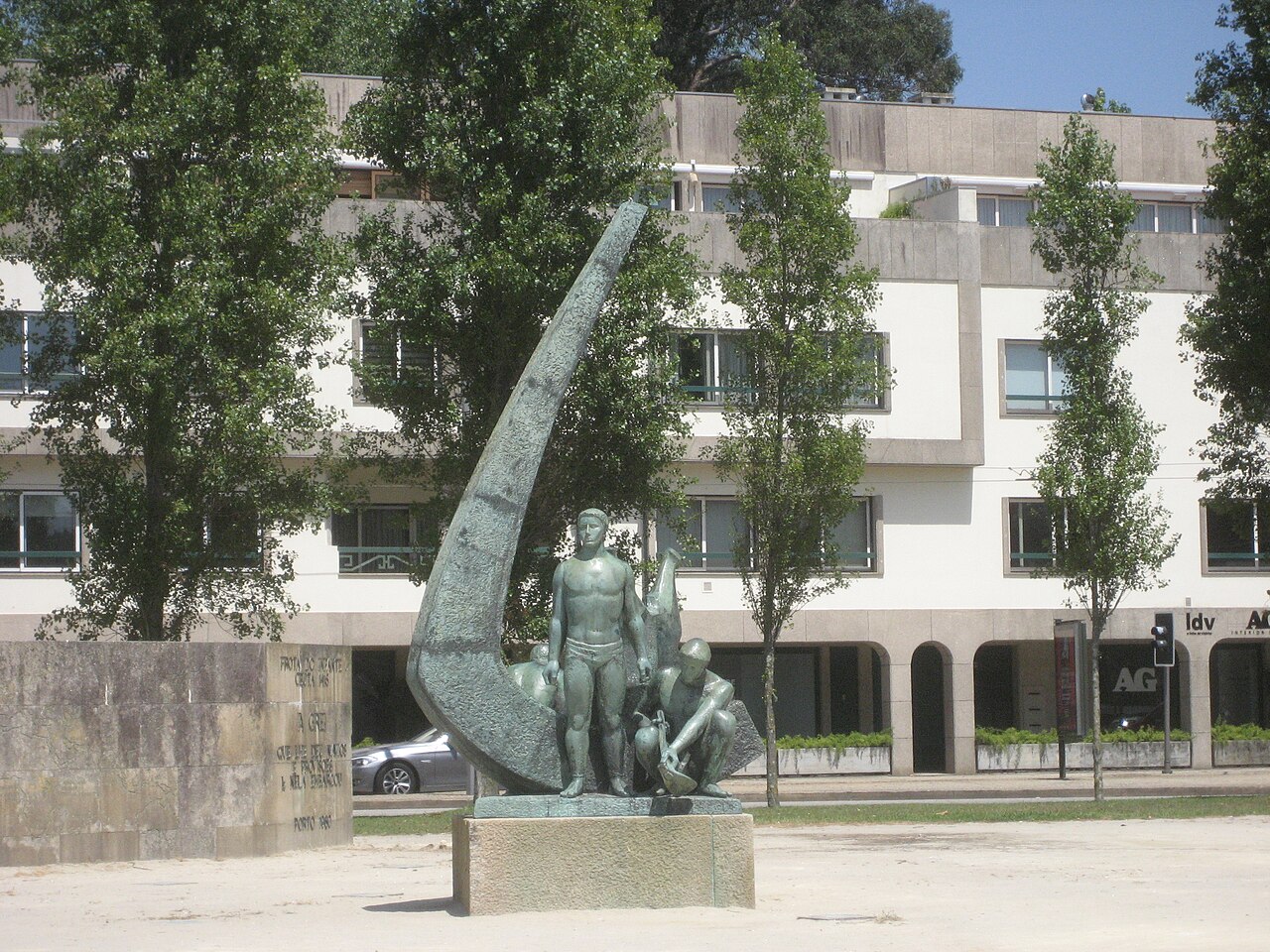
A Grei
Lagoa Henriques · 16 July 2015 (photograph)
A modern bronze statue in Porto symbolising the Portuguese conquest of Ceuta, an event associated with Henry the Navigator's era.
This statue symbolises the conquest of Ceuta, a key event of the expansion era in which Henry the Navigator was a leading figure.
About this source
What it is
This is a photograph of 'A Grei', a bronze statue on a granite plinth in Porto, designed by sculptor Lagoa Henriques. It symbolises the conquest of Ceuta rather than depicting Henry the Navigator directly.
Why it matters
The conquest of Ceuta in North Africa was a major event of early Portuguese expansion, a period in which Henry the Navigator played a leading role. This modern statue shows how later generations have used art to represent and interpret historical events, rather than giving a direct record of them.
Look closer
- What might the sail-like form and the standing and kneeling figures be meant to represent?
- Why do you think the sculptor chose a symbolic approach rather than showing a specific historical person?
- What does this statue celebrate, and what might it leave out about the conquest?
This sculpture is part of the curated material that grounds the AI version of Prince Henry the Navigator on Humy.ai — when students ask about related events, the AI can quote it and cite it.
More Prince Henry the Navigator sources
Meet the AI Prince Henry the Navigator →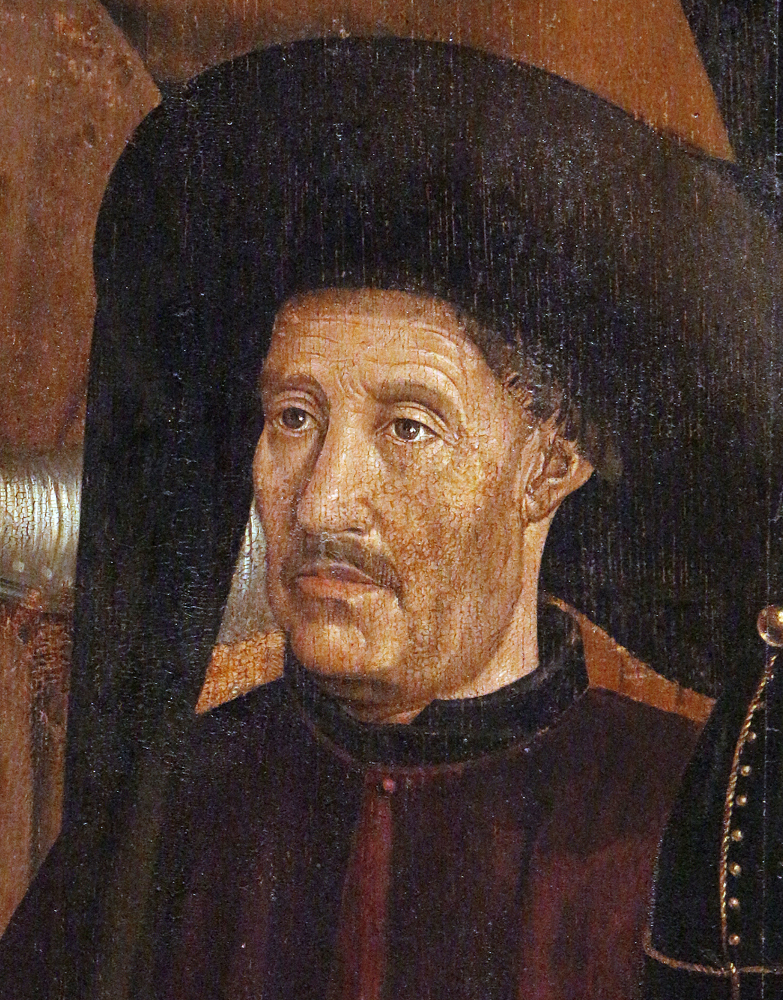 Painting
Secondary source
Panel of the Prince (Detail)
Nuno Gonçalves · c. 1470
 Artifact
Secondary source
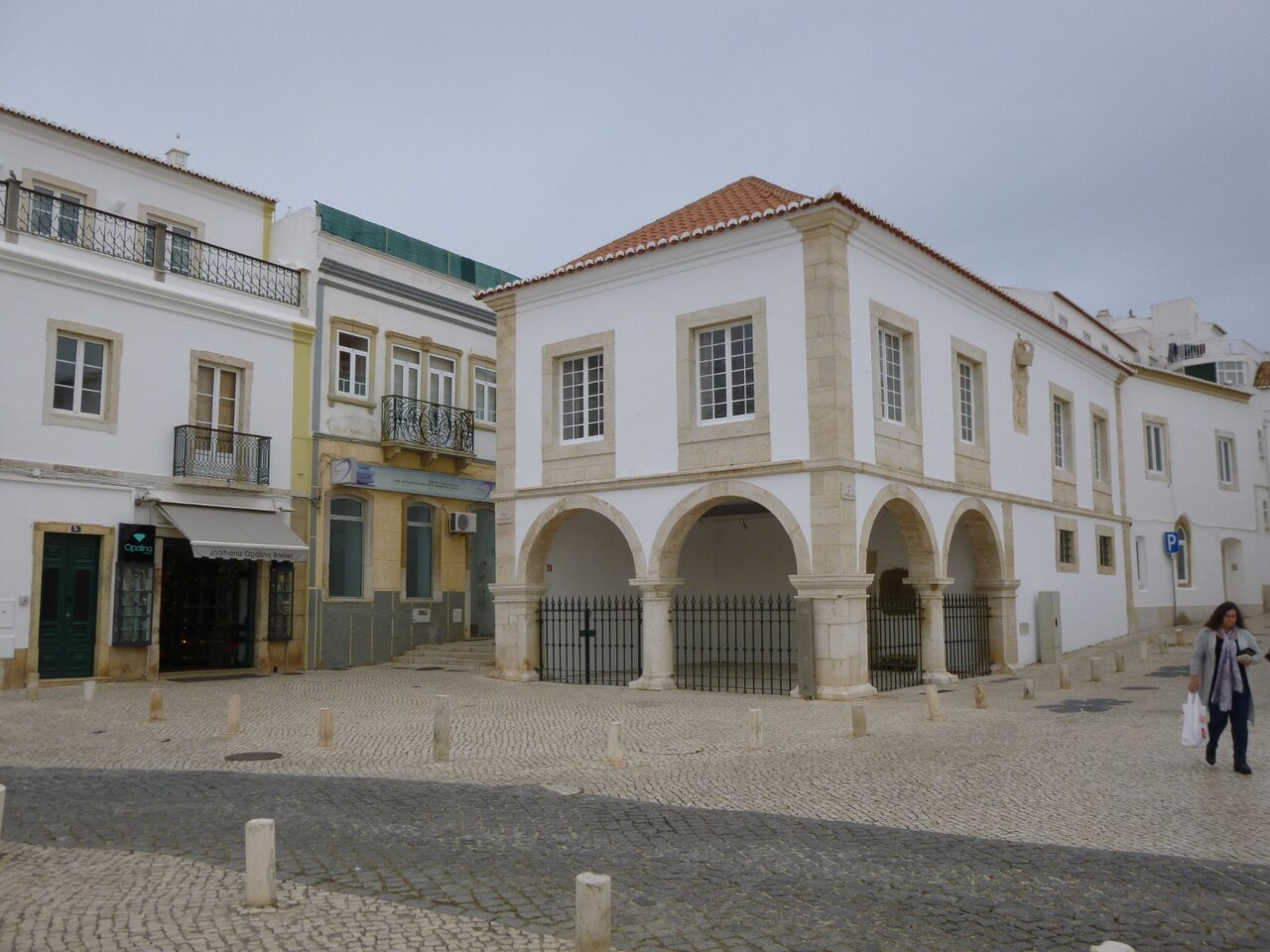
Mercado de Escravos
Built 1691; site of 1444 slave sale
 Book
Secondary source
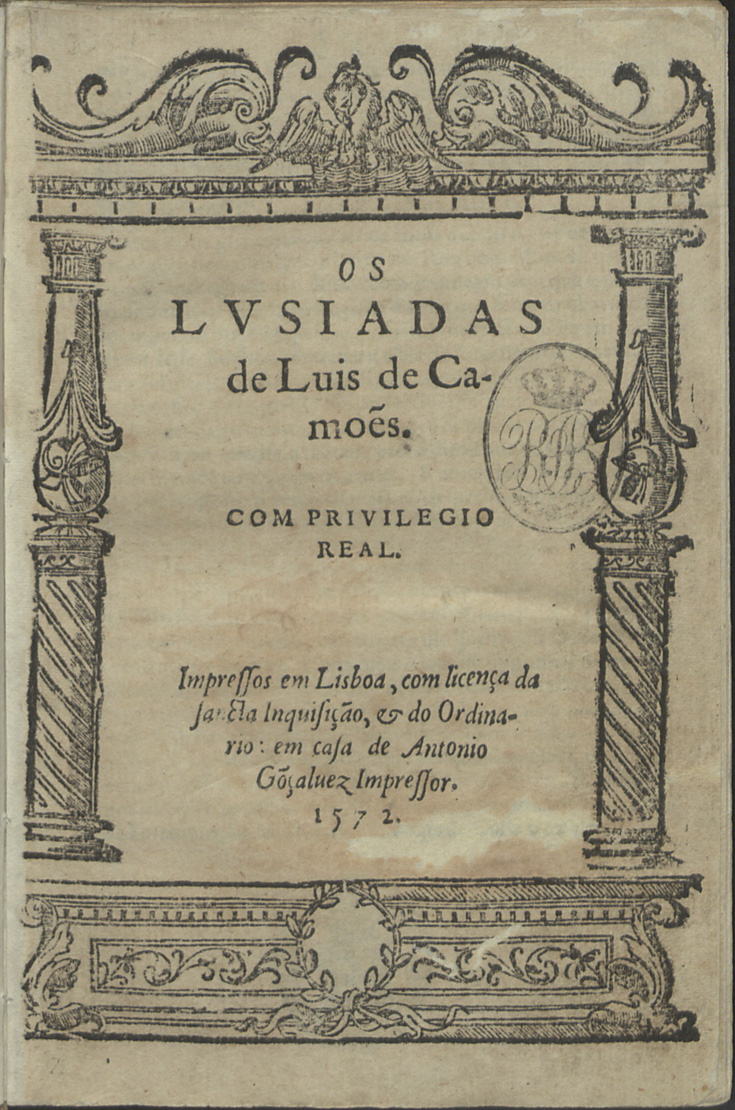
Os Lusíadas
Luís de Camões · 1572
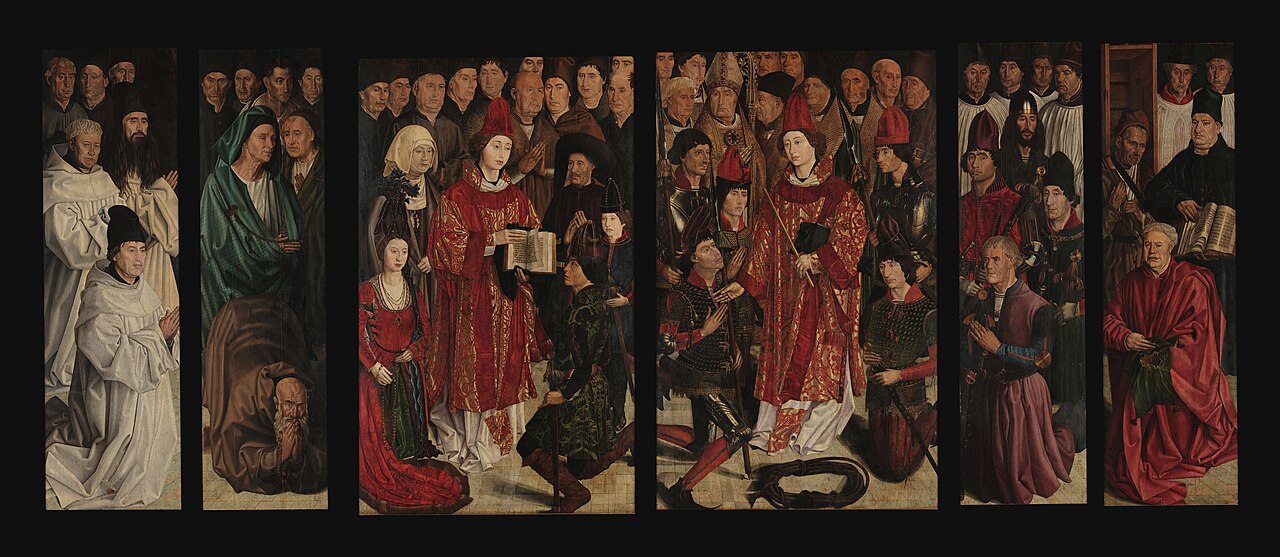 Painting
Secondary source
Saint Vincent Panels
Nuno Gonçalves · c. 1450-1480
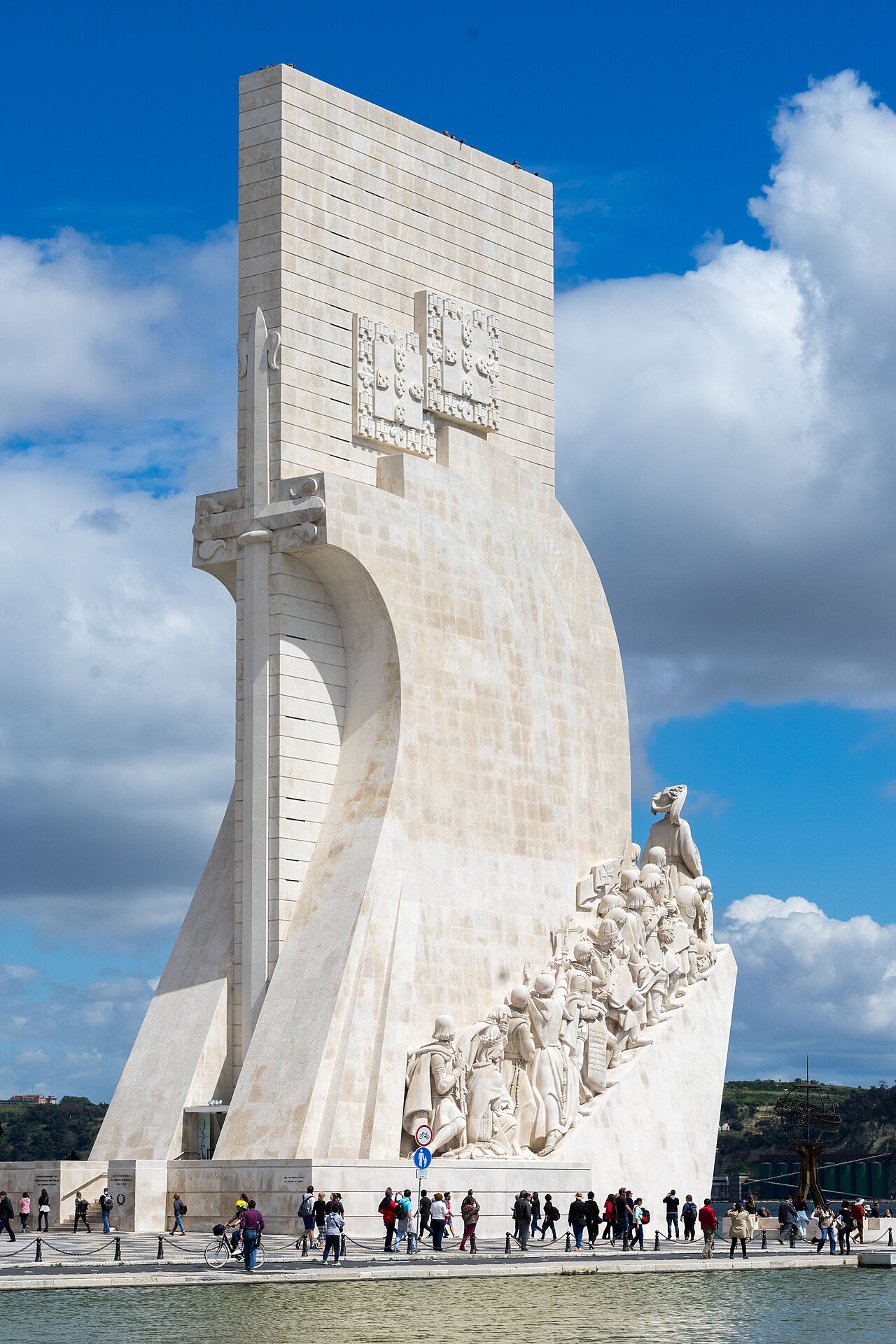 Sculpture
Secondary source
Padrão dos Descobrimentos
Leopoldo de Almeida · 1960 (inaugurated 9 August 1960)
Ready when you are
Start chatting with Prince Henry the Navigator now.
20 messages free · No credit card · Available in 50+ languages.