


Primary sourceBookMay 1888
A Lesson in Latin
Lewis Carroll · May 1888
A poem by Lewis Carroll that uses the Latin verb amare, to love, as a comic image of a school lesson turning into romance. It is dated May 1888 in the text.
Shows Carroll drawing on his own classical teaching in a comic poem, linking his scholarly work with his light verse.
Free Humy account · No credit card · 54,014 sources to read
About this source
What it is
This is a poem by Lewis Carroll titled A Lesson in Latin. Its text is listed on Wikisource among Carroll's individual poems, and the poem ends with the date May, 1888. It describes Latin books on a table and a lesson on the verb amare, meaning to love. The poem moves from sweet lessons to quarrels and then to making peace.
Why it matters
The poem draws on Carroll's background as an Oxford teacher of mathematics and his knowledge of classical texts. Its curator's note describes it as comic verse that uses his classical teaching. It shows how a Victorian scholar could turn school Latin into a light, witty subject for adult readers.
Look closer
- What does the poem suggest the students are learning, and what does it suggest they are really thinking about?
- Why does the poem use Latin authors like Horace and Cicero as a comic contrast?
- What is missing from this poem, such as the voices of teachers, and what does that choice show?
This book is part of the curated material that grounds the AI version of Lewis Carroll on Humy.ai — when students ask about related events, the AI can quote it and cite it.
More Lewis Carroll sources
Browse all 91 → Book
Primary source
Alice's Adventures in Wonderland
Lewis Carroll · 1865
Primary source
Alice's Adventures Under Ground
Lewis Carroll · 1864
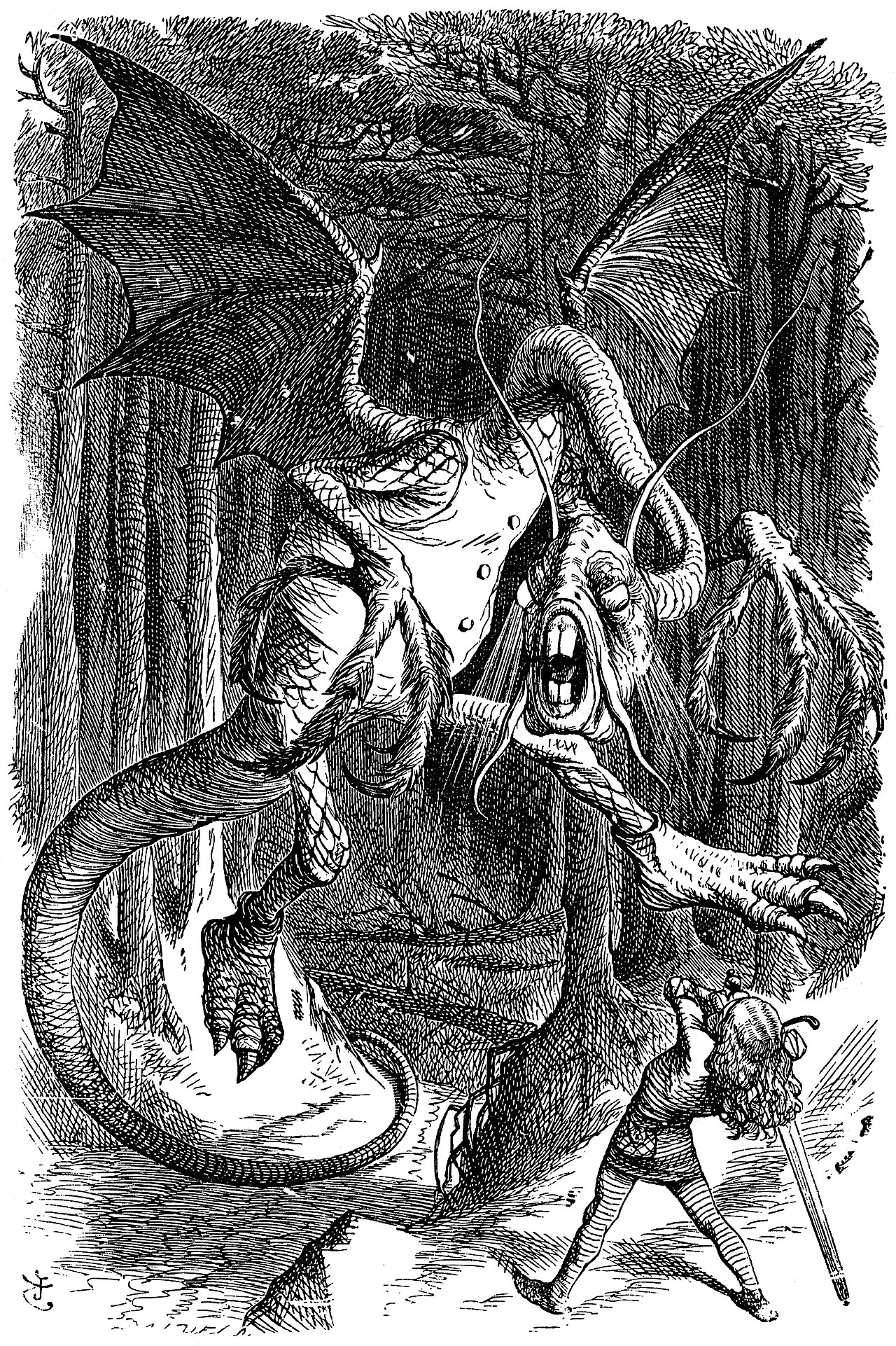 Book
Primary source
Jabberwocky
Lewis Carroll · 1871
 Book
Primary source
Through the Looking-Glass
Lewis Carroll · 1871

Free account
Browse every Lewis Carroll source
Sign up free →
Ready when you are
Start chatting with Lewis Carroll now.
20 messages free · No credit card · Available in 50+ languages.