


Primary sourceLetter14 December 1908
A Letter to a Hindu
Leo Tolstoy · 14 December 1908
Tolstoy's 1908 letter urging Indians to seek independence through nonviolent resistance rather than violence, later translated by Gandhi.
Tolstoy wrote this letter on nonviolent resistance, which Gandhi later translated and said deeply influenced him.
About this source
What it is
A Letter to a Hindu is a letter written by Leo Tolstoy to Tarak Nath Das on 14 December 1908, responding to Das's request for support for India's independence from British colonial rule. It took Tolstoy seven months and many drafts to complete.
Why it matters
Tolstoy argued that only the principle of love, expressed through nonviolent protest and resistance, could free India from colonial rule. The letter was published in an Indian newspaper, and the young activist Mohandas Gandhi read it, wrote to Tolstoy, and translated it into Gujarati, beginning a correspondence that shaped Gandhi's philosophy of nonviolent resistance later used in India's independence movement.
Look closer
- Why might Tolstoy, a Russian writer, have felt moved to write to someone seeking Indian independence?
- What religious traditions does Tolstoy draw on in this letter, and why?
- How did this single letter help connect Tolstoy's ideas to a political movement decades later?
This letter is part of the curated material that grounds the AI version of Leo Tolstoy and Mahatma Gandhi on Humy.ai — when students ask about related events, the AI can quote it and cite it.
More Leo Tolstoy sources
Meet the AI Leo Tolstoy →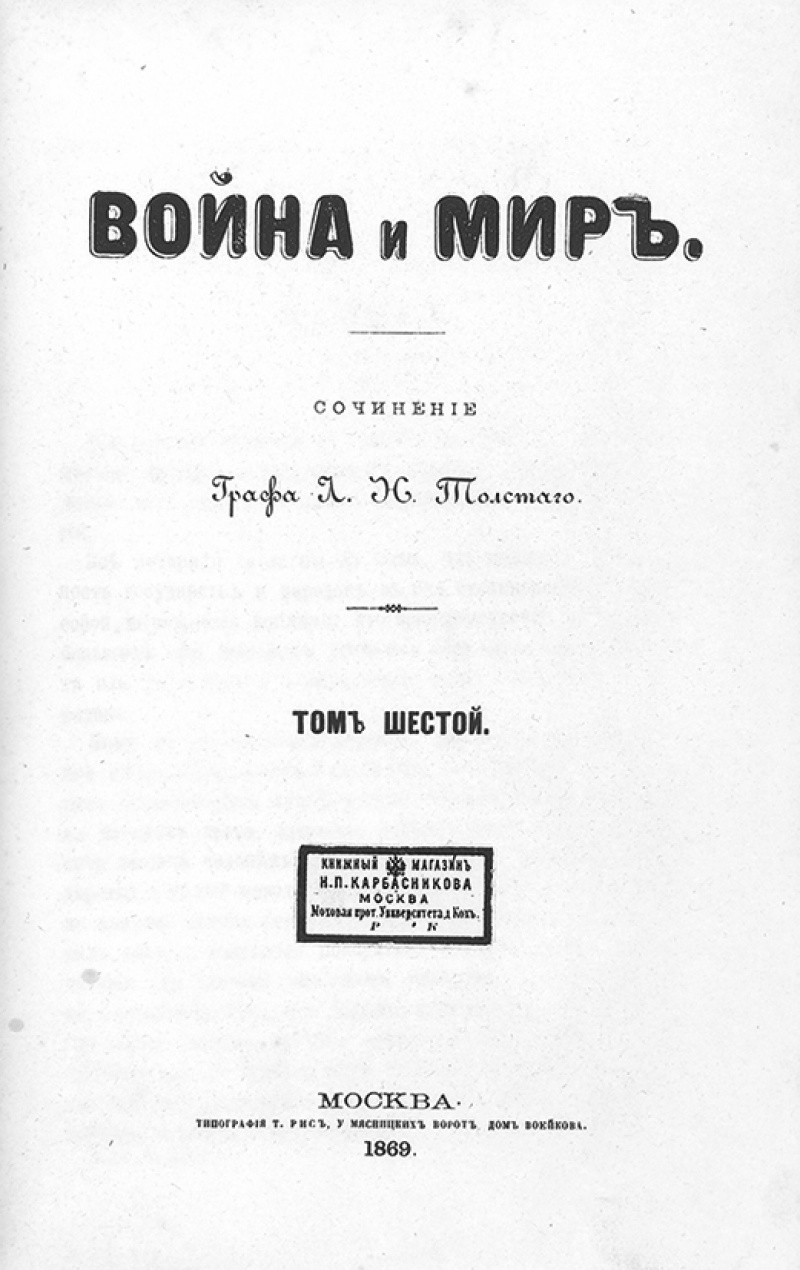 Book
Primary source
War and Peace
Leo Tolstoy · 1863–1869
 Photograph
Secondary source
Alice Verden as Lisa in The Living Corpse
Hugo Erfurth · 23 December 1913
 Book
Primary source
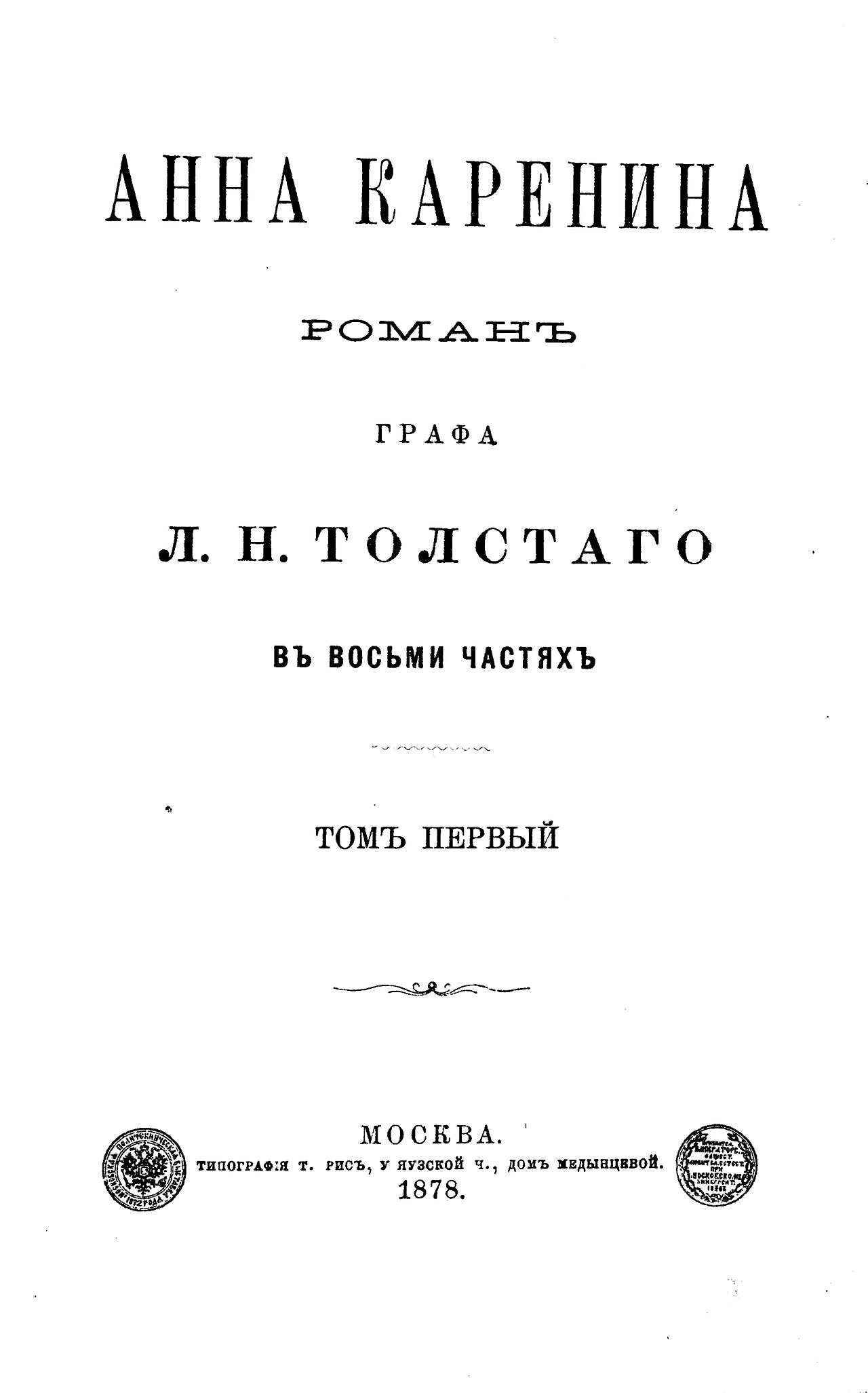
Anna Karenina
Leo Tolstoy · 1875–1878
 Book
Primary source
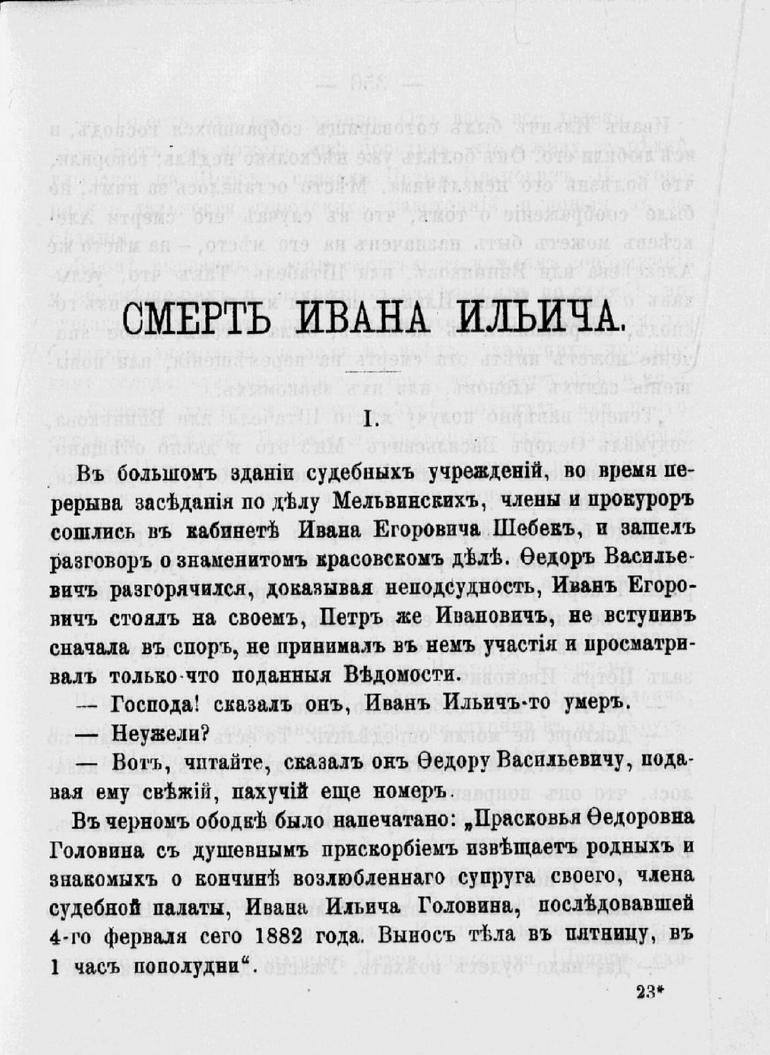
The Death of Ivan Ilyich
Leo Tolstoy · 1886 (written 1882)
Primary source
A Confession
Leo Tolstoy · written 1879–1880, published 1882
Ready when you are
Start chatting with Leo Tolstoy now.
20 messages free · No credit card · Available in 50+ languages.