


Primary sourceDocument1826
A Midsummer Night's Dream Overture
Felix Mendelssohn · 1826
A concert overture written by Felix Mendelssohn at seventeen, inspired by Shakespeare's play and later reused in his incidental music to it.
Composed by Mendelssohn at seventeen, this overture is his own original work and a landmark of his early genius.
About this source
What it is
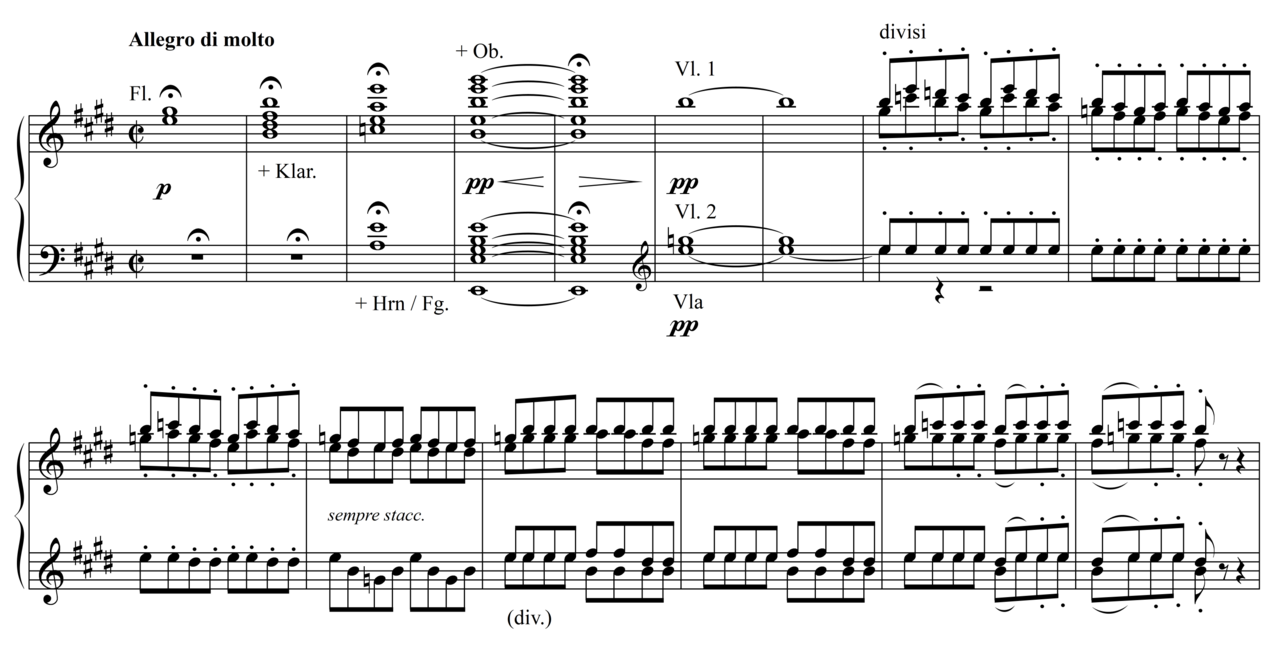
This is a concert overture composed by Felix Mendelssohn in 1826, when he was only seventeen. He wrote it after reading a German translation of Shakespeare's A Midsummer Night's Dream. Sixteen years later he wrote further incidental music for a staged production of the play, reusing this overture within it.
Why it matters
The overture is often counted among the first concert overtures ever written, and it was praised by the scholar George Grove as a marvel of early maturity. It shows Mendelssohn's precocious skill in orchestration, including his famous imitation of fairy footsteps and a donkey's bray, and his lifelong love of Shakespeare and literature.
Look closer
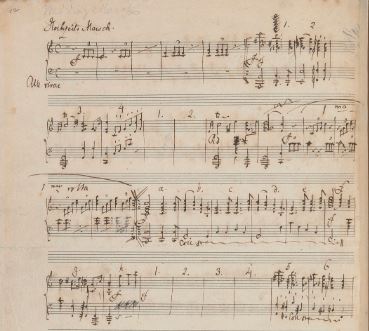
- What effects might the composer have been trying to create with the instruments described in the score excerpt?
- Why might a seventeen-year-old's work be considered remarkable for its time?
- What does the choice of subject (a play) tell us about Mendelssohn's artistic interests?
This document is part of the curated material that grounds the AI version of Felix Mendelssohn on Humy.ai — when students ask about related events, the AI can quote it and cite it.
More Felix Mendelssohn sources
Browse all 94 → Document
Primary source
Octet in E-flat Major
Felix Mendelssohn · 1825
 Document
Primary source
Violin Concerto in E minor
Felix Mendelssohn · 1844
 Document
Primary source
The Hebrides
Felix Mendelssohn · 1830, revised 1832
 Document
Primary source
Elijah
Felix Mendelssohn · 1846
Free account
Read every Felix Mendelssohn source
Sign up free →
Ready when you are
Start chatting with Felix Mendelssohn now.
20 messages free · No credit card · Available in 50+ languages.