


Primary sourceDocument1830, revised 1832
The Hebrides
Felix Mendelssohn · 1830, revised 1832
A concert overture inspired by Mendelssohn's 1829 visit to the Scottish island of Staffa and its basalt sea cave, Fingal's Cave.
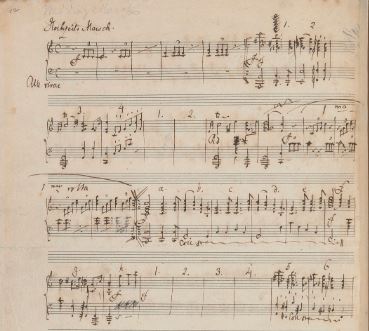
Mendelssohn's own sketch and overture, inspired by his travels, capturing his Romantic response to Scottish landscape.

About this source
What it is
This concert overture, Op. 26, was composed by Felix Mendelssohn in 1830 and revised through 1832, premiering under the composer's baton in 1833. It was inspired by his 1829 excursion to Staffa, an island off Scotland, where he reportedly jotted down the opening theme after seeing Fingal's Cave. The autograph manuscript is held in the Bodleian Library, Oxford.
Why it matters
The piece is an early example of a tone poem, depicting mood and scene rather than telling a story, and is considered one of Mendelssohn's masterpieces. Composers such as Johannes Brahms and Richard Wagner praised it highly. It reflects Mendelssohn's travels through Britain and his fascination with landscape and legend.
Look closer
- What does the handwritten sketch, sent in a letter to his sister, tell us about how Mendelssohn's ideas took shape?
- Why might a composer want to capture a place in music rather than words?
- How does the choice of title (changed more than once) affect how listeners understand the piece?
This document is part of the curated material that grounds the AI version of Felix Mendelssohn on Humy.ai — when students ask about related events, the AI can quote it and cite it.
More Felix Mendelssohn sources
Browse all 94 →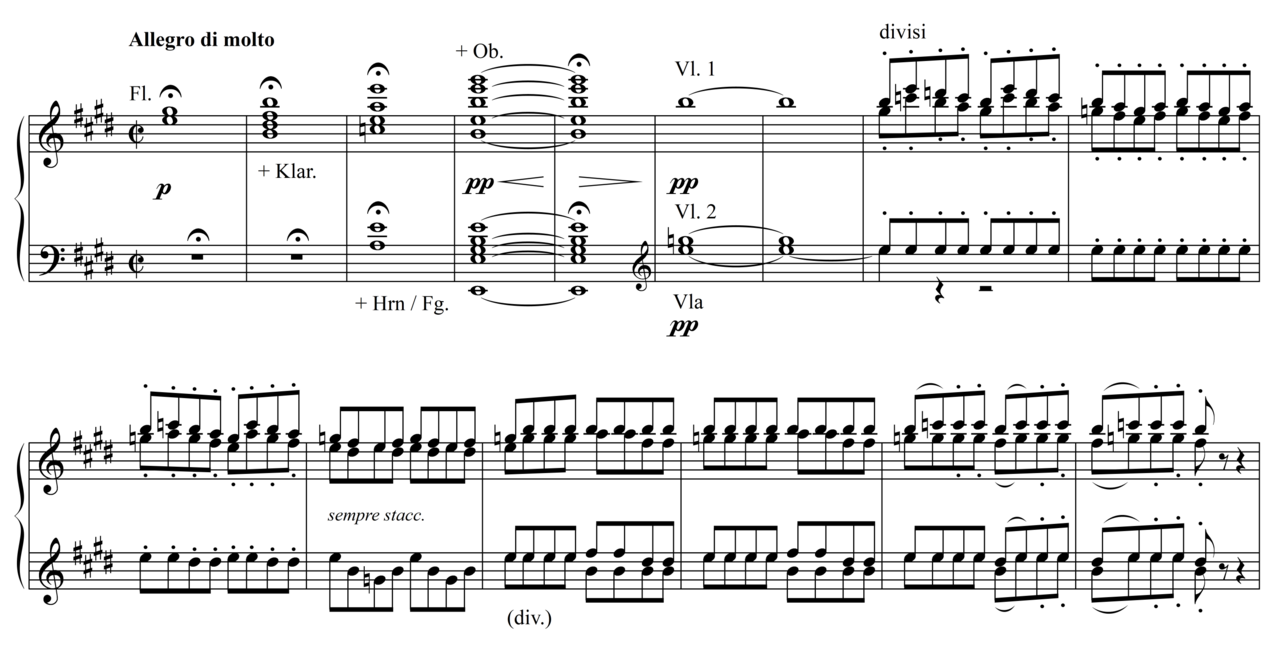 Document
Primary source
A Midsummer Night's Dream Overture
Felix Mendelssohn · 1826
 Document
Primary source
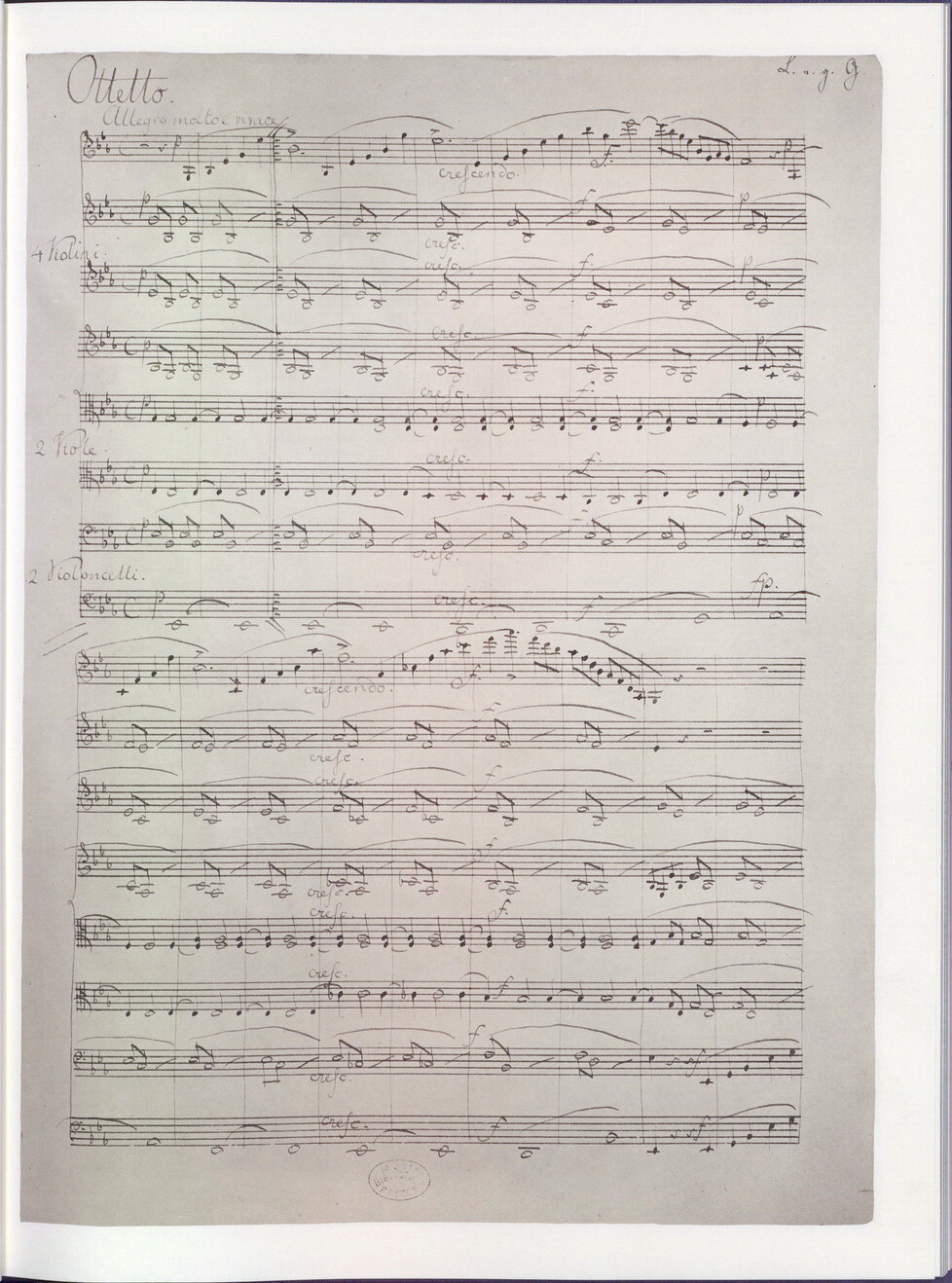
Octet in E-flat Major
Felix Mendelssohn · 1825
 Document
Primary source
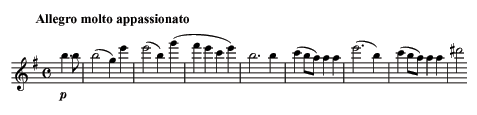
Violin Concerto in E minor
Felix Mendelssohn · 1844
 Document
Primary source
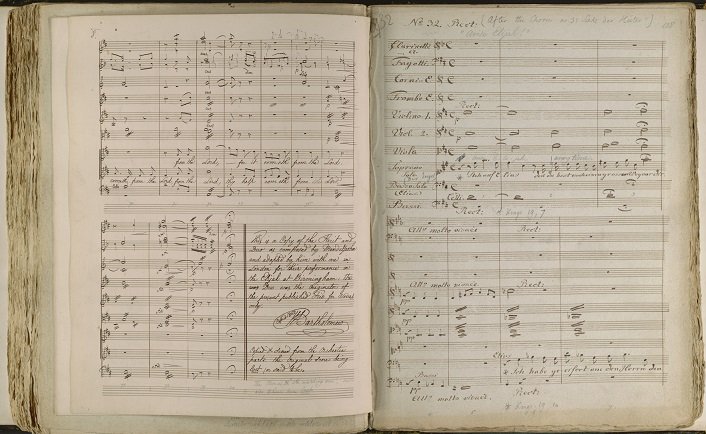
Elijah
Felix Mendelssohn · 1846
Free account
Read every Felix Mendelssohn source
Sign up free →
Ready when you are
Start chatting with Felix Mendelssohn now.
20 messages free · No credit card · Available in 50+ languages.