


Primary sourceDocument1764
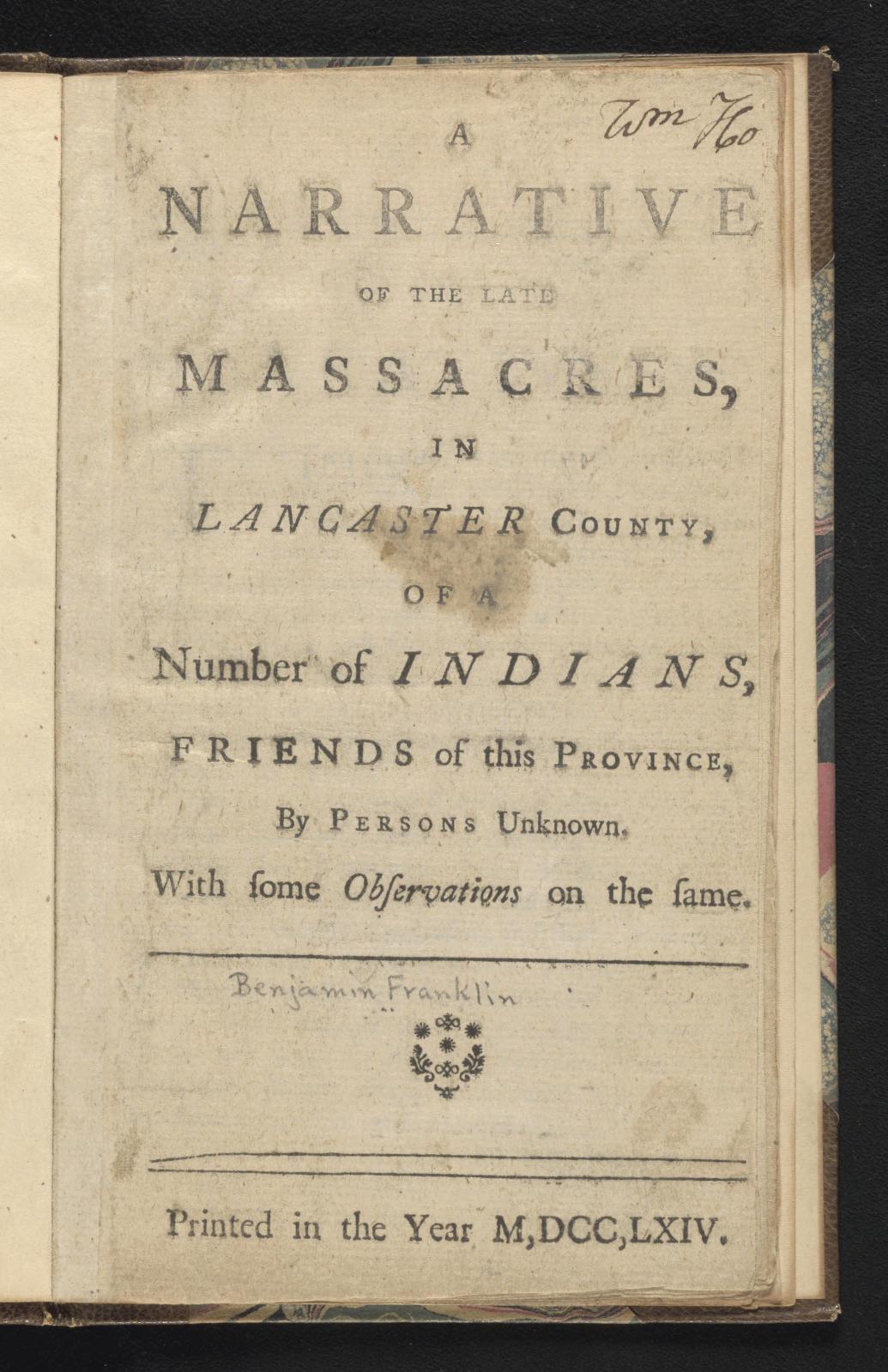
A Narrative of the Late Massacres in Lancaster County
Benjamin Franklin · 1764
Franklin's 1764 pamphlet condemning the killing of Conestoga Indians by the Paxton Boys in Pennsylvania.
Franklin is the attributed author, condemning the killing of Native Americans by the Paxton Boys.
About this source
What it is
This 1764 pamphlet is generally attributed to Benjamin Franklin and describes the killing of a group of Conestoga Indians in Lancaster County, Pennsylvania, by unidentified attackers later known as the Paxton Boys. It was reprinted in British magazines the same year and is held today by the Library of Congress.
Why it matters
The massacre became a major political controversy in Pennsylvania, and many pamphlets were written about it, most connected in some way to Franklin. By writing this account, Franklin took a public stand against frontier violence toward Native Americans and defended the rule of law over mob action, at a time when settler-Indigenous relations were violent and unsettled.
Look closer
- Why might Franklin, a leading colonial figure, choose to write publicly against fellow colonists?
- What does the pamphlet's title tell you about how Franklin wanted readers to view the victims?
- What does this source reveal about the limits of law and order on the colonial frontier?
This document is part of the curated material that grounds the AI version of Benjamin Franklin on Humy.ai — when students ask about related events, the AI can quote it and cite it.
More Benjamin Franklin sources
Meet the AI Benjamin Franklin →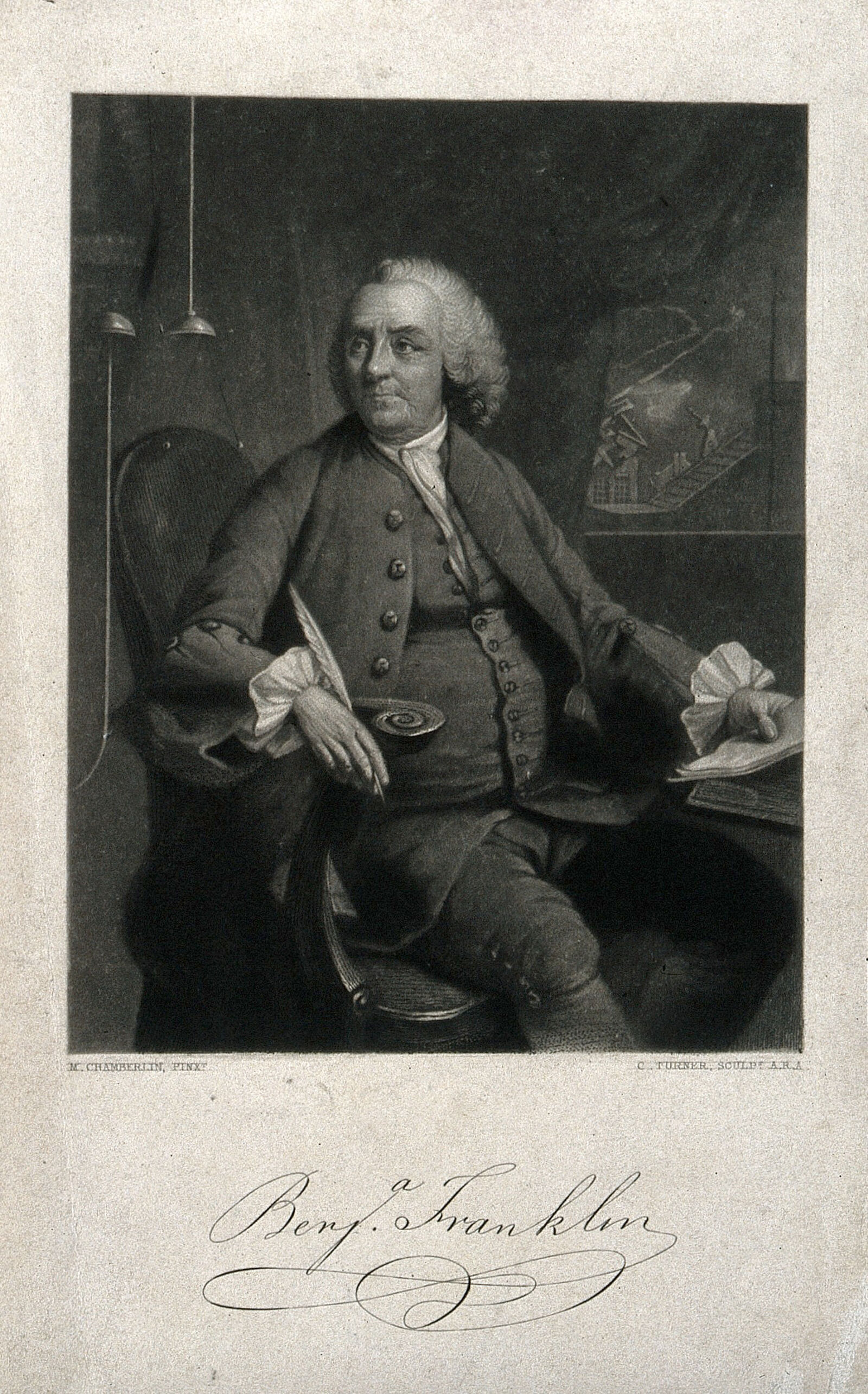 Painting
Primary source
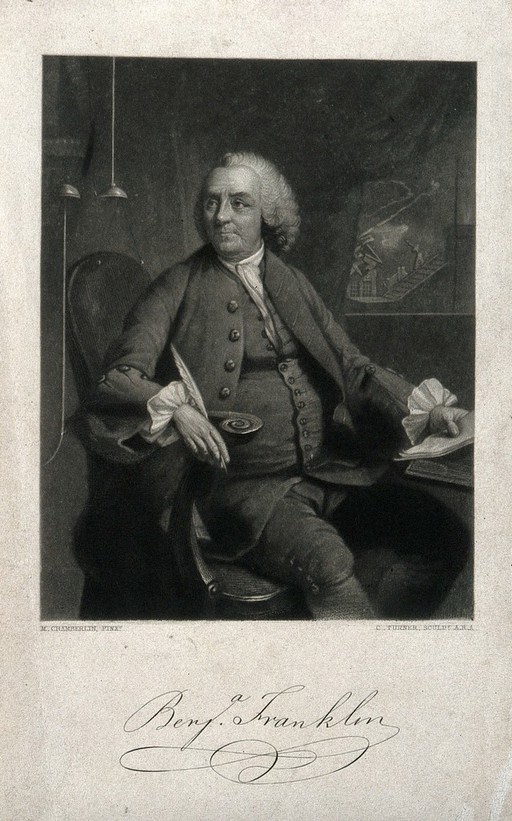
Benjamin Franklin, mezzotint by C. Turner after M. Chamberlin
Mason Chamberlin · 1762
 Document
Primary source
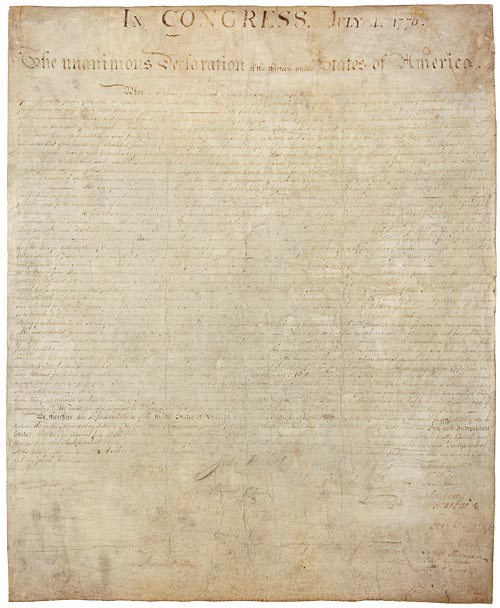
Declaration of Independence
Continental Congress (drafted by Thomas Jefferson) · 1776
 Artifact
Primary source
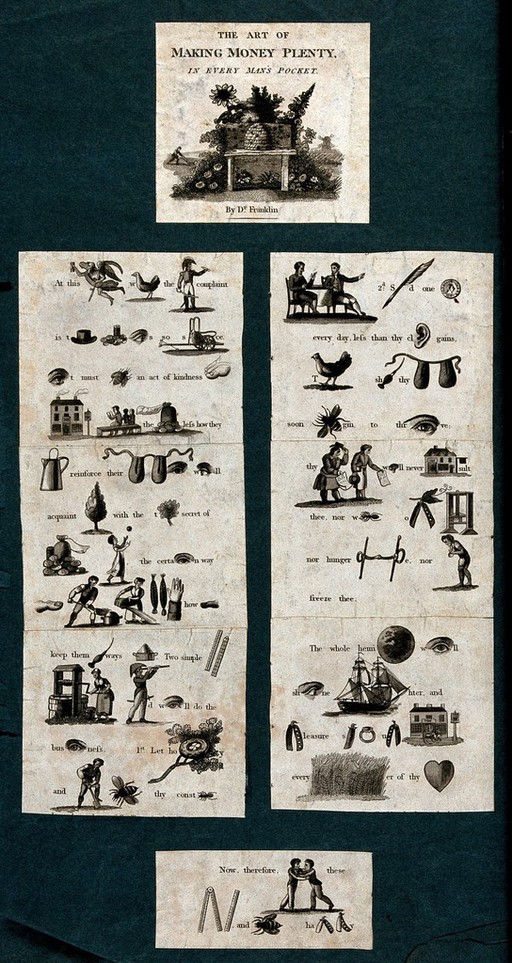
The Art of Making Money Plenty, In Every Man's Pocket
Benjamin Franklin
 Painting
Primary source
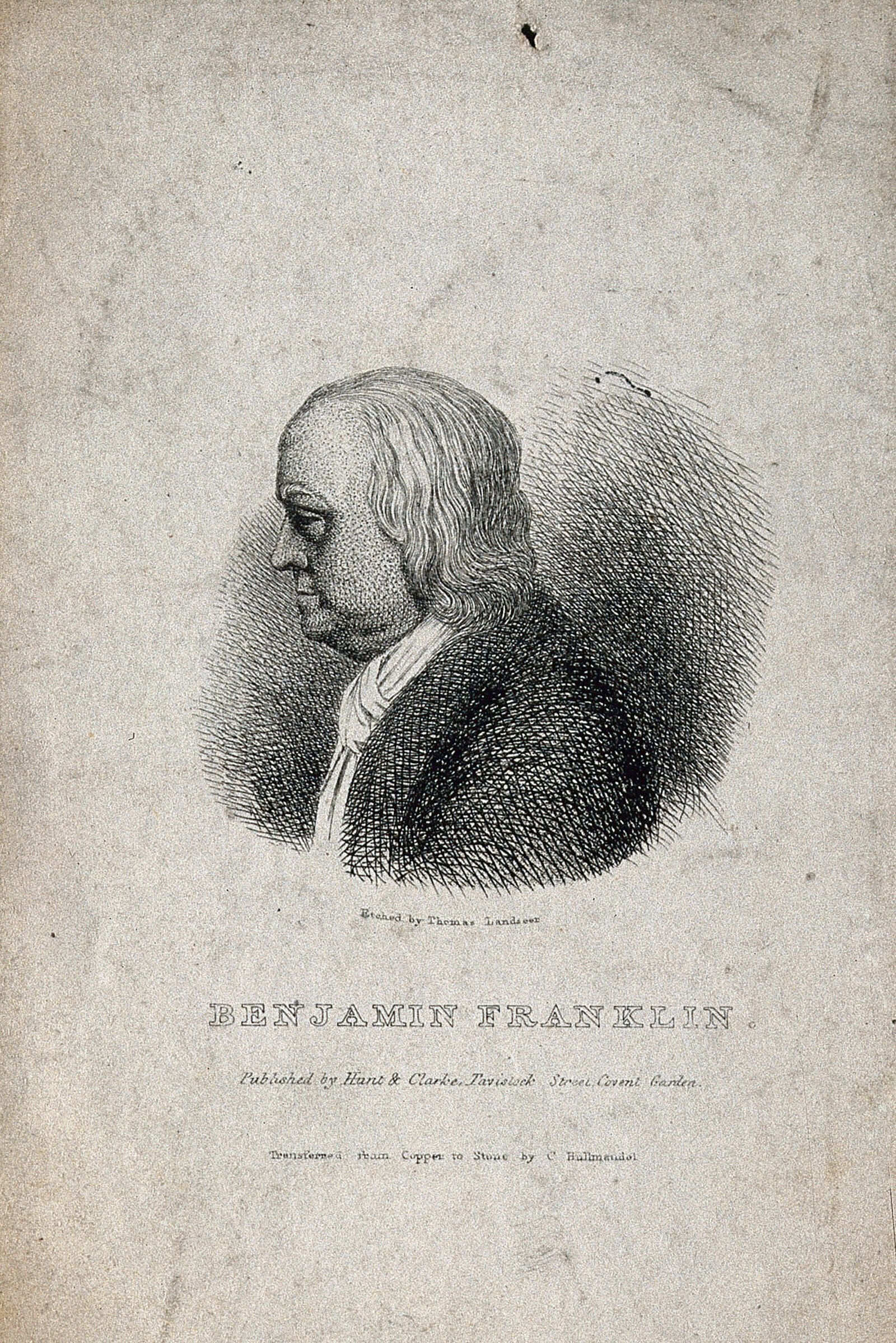
Benjamin Franklin, engraving after Mason Chamberlin
Mason Chamberlin · 1762
 Painting
Primary source
Benjamin Franklin, after J. J. Caffieri
Jean-Jacques Caffieri · 1777 (bust); print later
Ready when you are
Start chatting with Benjamin Franklin now.
20 messages free · No credit card · Available in 50+ languages.