


Primary sourceDocument1776
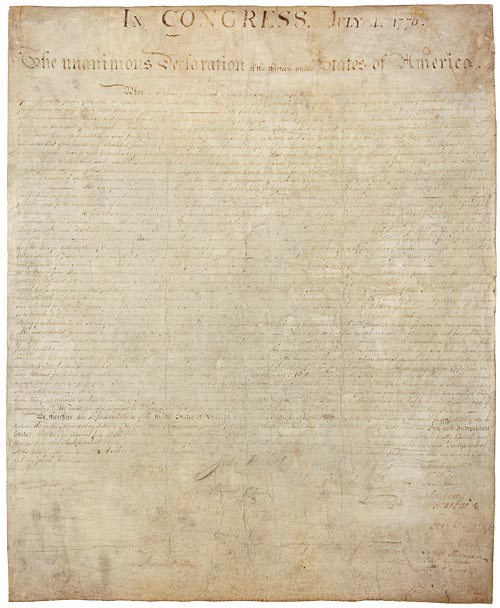
Declaration of Independence
Continental Congress (drafted by Thomas Jefferson) · 1776
The engrossed 1776 parchment declaring American independence, which Adams helped draft and signed.
Adams served on the drafting committee, argued for adoption on the floor, and signed the engrossed parchment.
About this source
What it is
This is the Declaration of Independence, adopted by the Continental Congress on July 4, 1776, and engrossed on parchment for signing beginning August 2, 1776. It is held by the U.S. National Archives.
Why it matters
A committee of five, including John Adams, Thomas Jefferson, and Benjamin Franklin, prepared the statement, with Jefferson doing the actual writing and Adams and Franklin reviewing his drafts. Fifty-six delegates eventually signed the engrossed copy, declaring the thirteen colonies independent states. It shows how a group of political leaders worked together—and argued—to put their ideas into one founding document.
Look closer
- Why do you think the delegates signed by state, from north to south?
- What does the careful handwriting and formal language tell you about how seriously they treated this document?
- Whose voices are missing from a document written entirely by men serving in Congress?
This document is part of the curated material that grounds the AI version of John Adams, Thomas Jefferson, Benjamin Franklin, Samuel Adams, John Locke, George III and Patrick Henry on Humy.ai — when students ask about related events, the AI can quote it and cite it.
More John Adams sources
Meet the AI John Adams →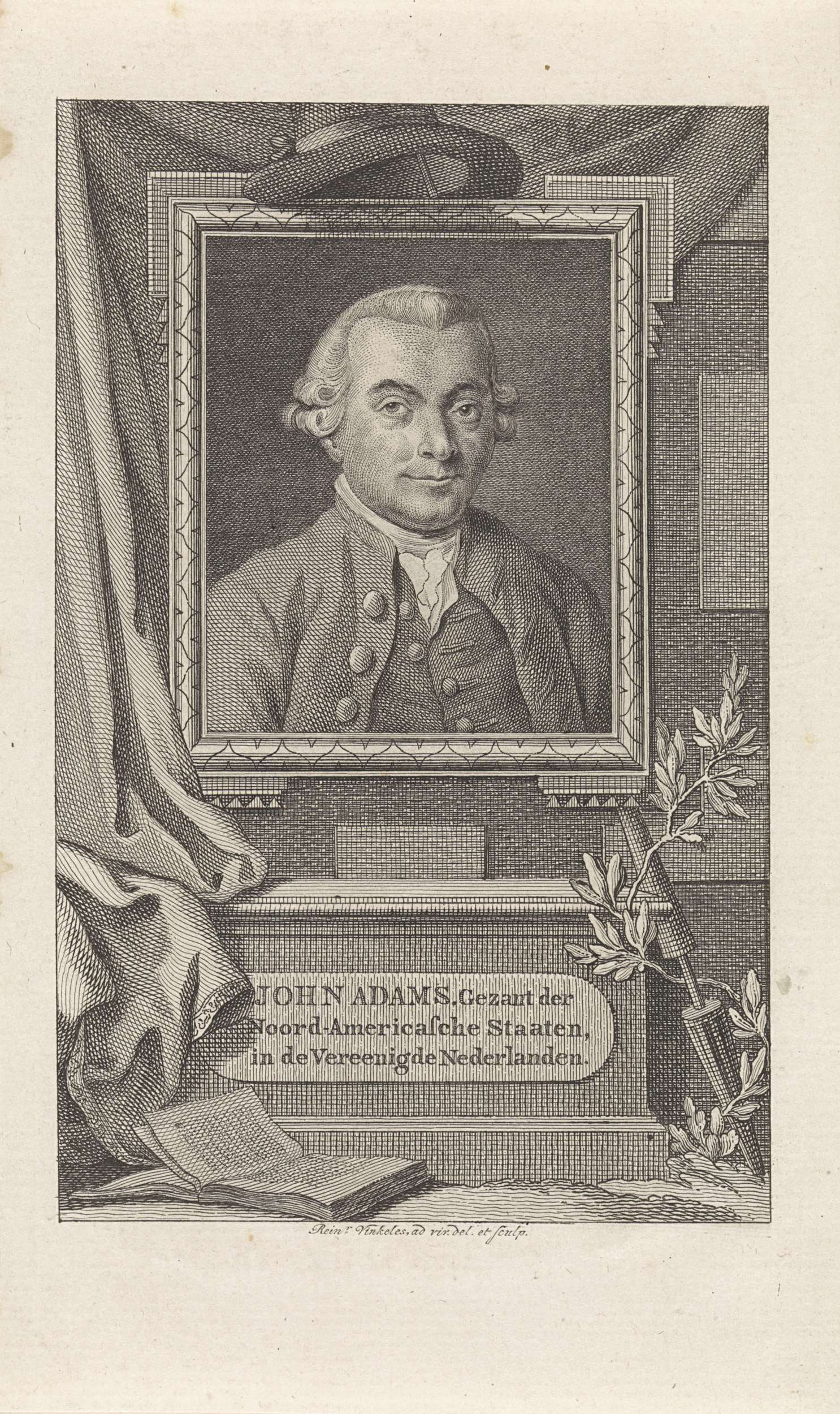 Painting
Primary source
Portrait of John Adams, American Diplomat
1790
 Painting
Primary source
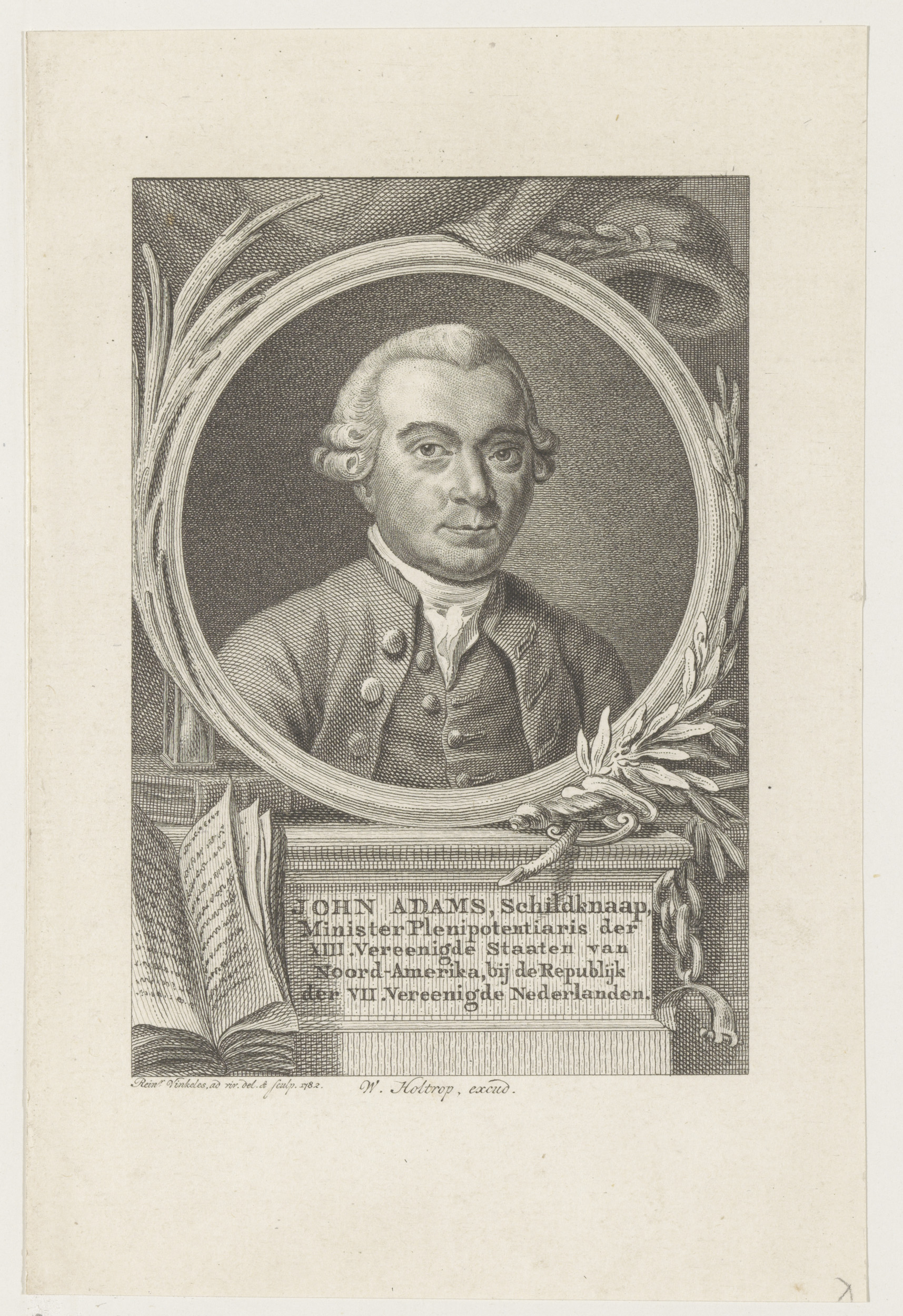
Allegorical Portrait of John Adams
1782
 Painting
Primary source
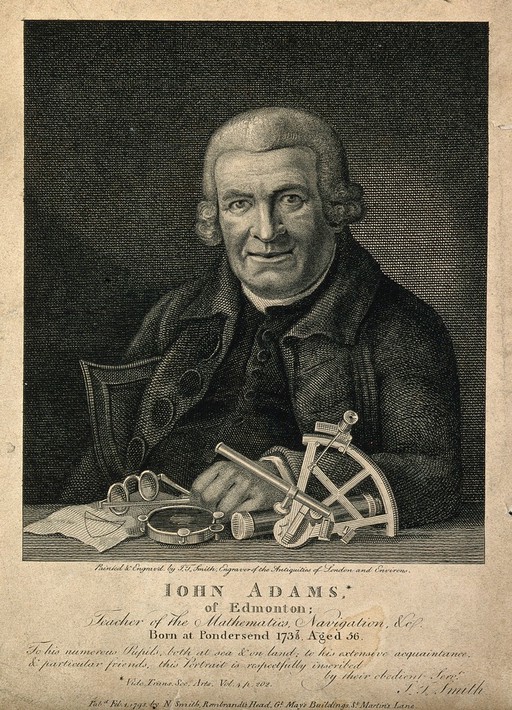
Engraving of John Adams by J. T. Smith
J. T. Smith · 1795
 Document
Primary source
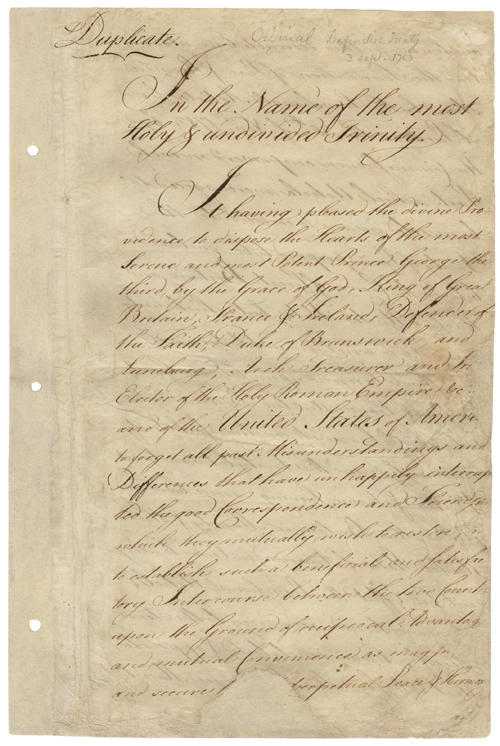
Treaty of Paris
3 September 1783
 Painting
Secondary source
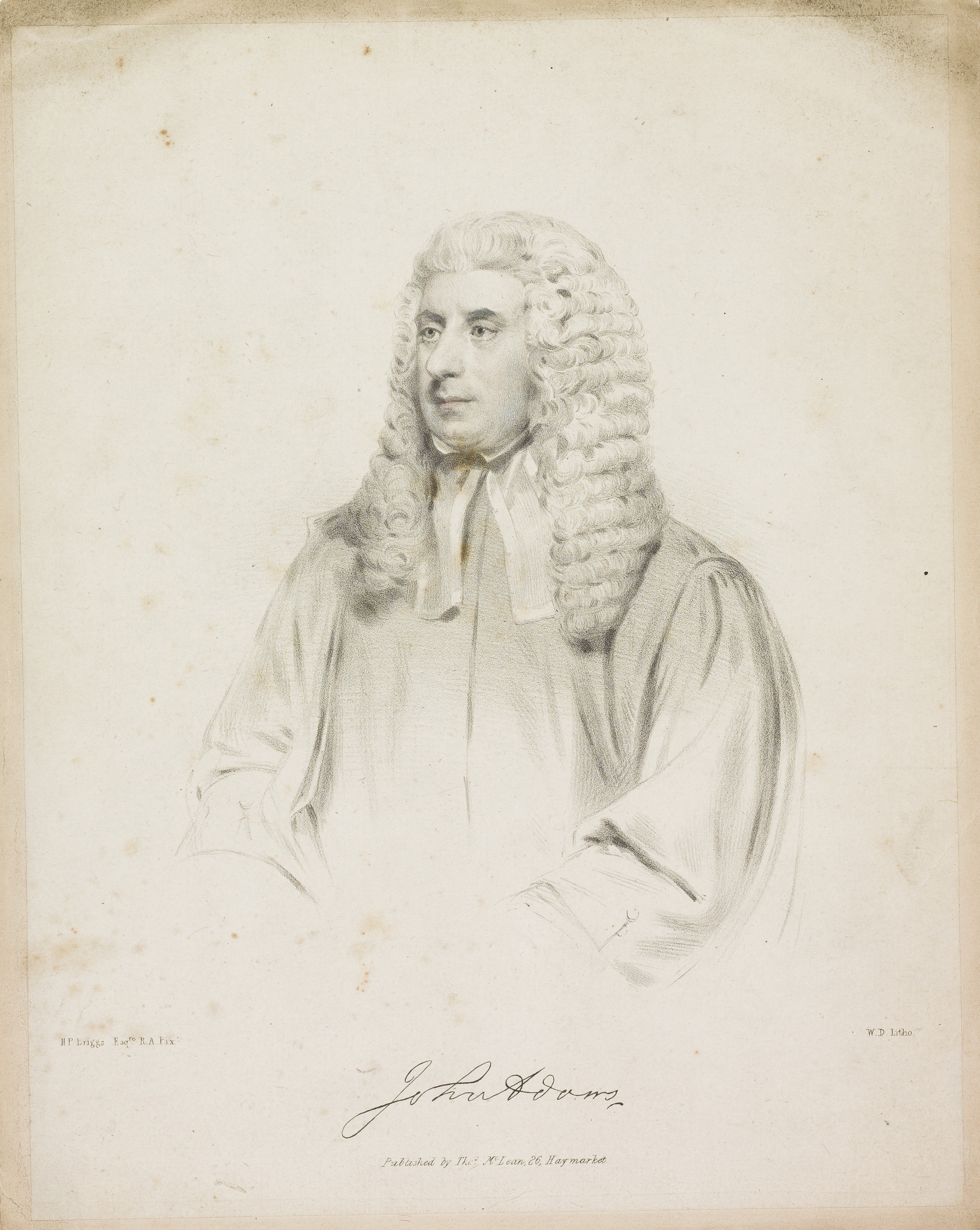
Engraved Portrait of John Adams Published by Thomas McLean
W.D., after H.P. Briggs
Ready when you are
Start chatting with John Adams now.
20 messages free · No credit card · Available in 50+ languages.