


Primary sourceDocument3 September 1783
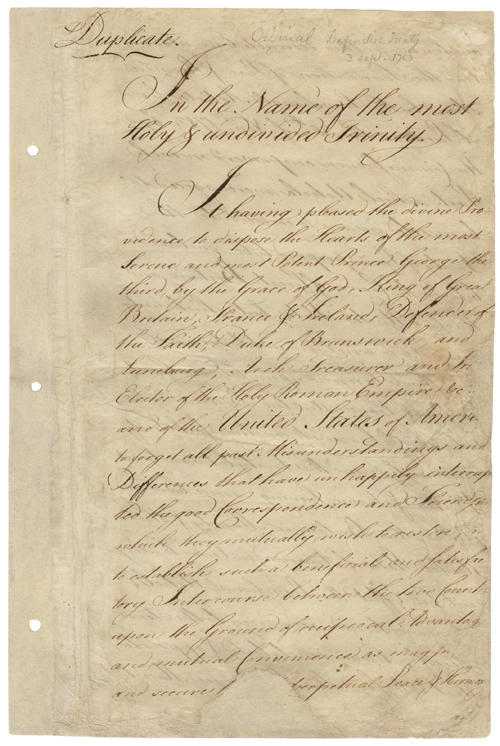
Treaty of Paris
3 September 1783
The 1783 treaty ending the Revolutionary War and recognizing American independence, negotiated and signed by Adams.
Adams was one of three American negotiators and signers who secured independence and favorable borders.
About this source
What it is
This is the Treaty of Paris, signed on September 3, 1783, between representatives of Great Britain and the United States, held by the U.S. National Archives. It ended the American Revolutionary War and formally recognized the United States as independent.
Why it matters
John Adams, Benjamin Franklin, and John Jay negotiated the treaty for the United States against established European powers, winning recognition of independence and generous boundaries for westward expansion. The treaty shows how the new nation had to prove itself on the world stage through diplomacy, not just on the battlefield.
Look closer
- Why do you think the American negotiators signed their names in alphabetical order?
- What does the treaty's language about 'the most Holy and undivided Trinity' tell you about the era it was written in?
- Whose interests—Native American nations, for instance—are left out of a treaty about land and borders?
This document is part of the curated material that grounds the AI version of John Adams, Benjamin Franklin, George III, Patrick Henry, Friedrich von Steuben, Deborah Sampson and Tadeusz Kościuszko on Humy.ai — when students ask about related events, the AI can quote it and cite it.
More John Adams sources
Meet the AI John Adams →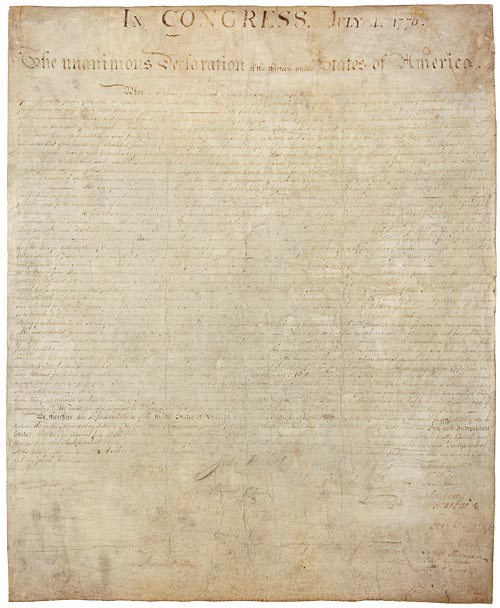 Document
Primary source
Declaration of Independence
Continental Congress (drafted by Thomas Jefferson) · 1776
 Painting
Primary source
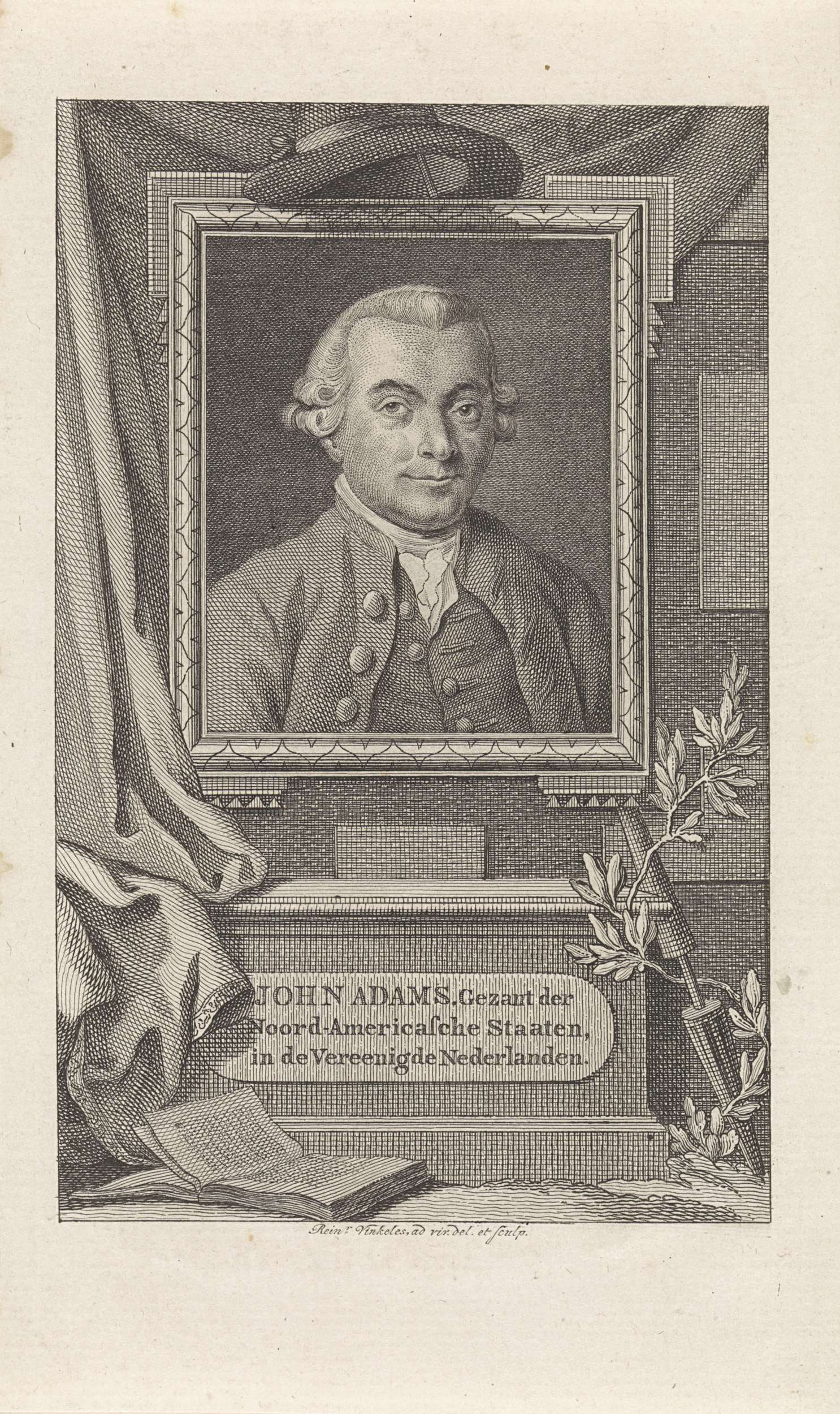
Portrait of John Adams, American Diplomat
1790
 Painting
Primary source
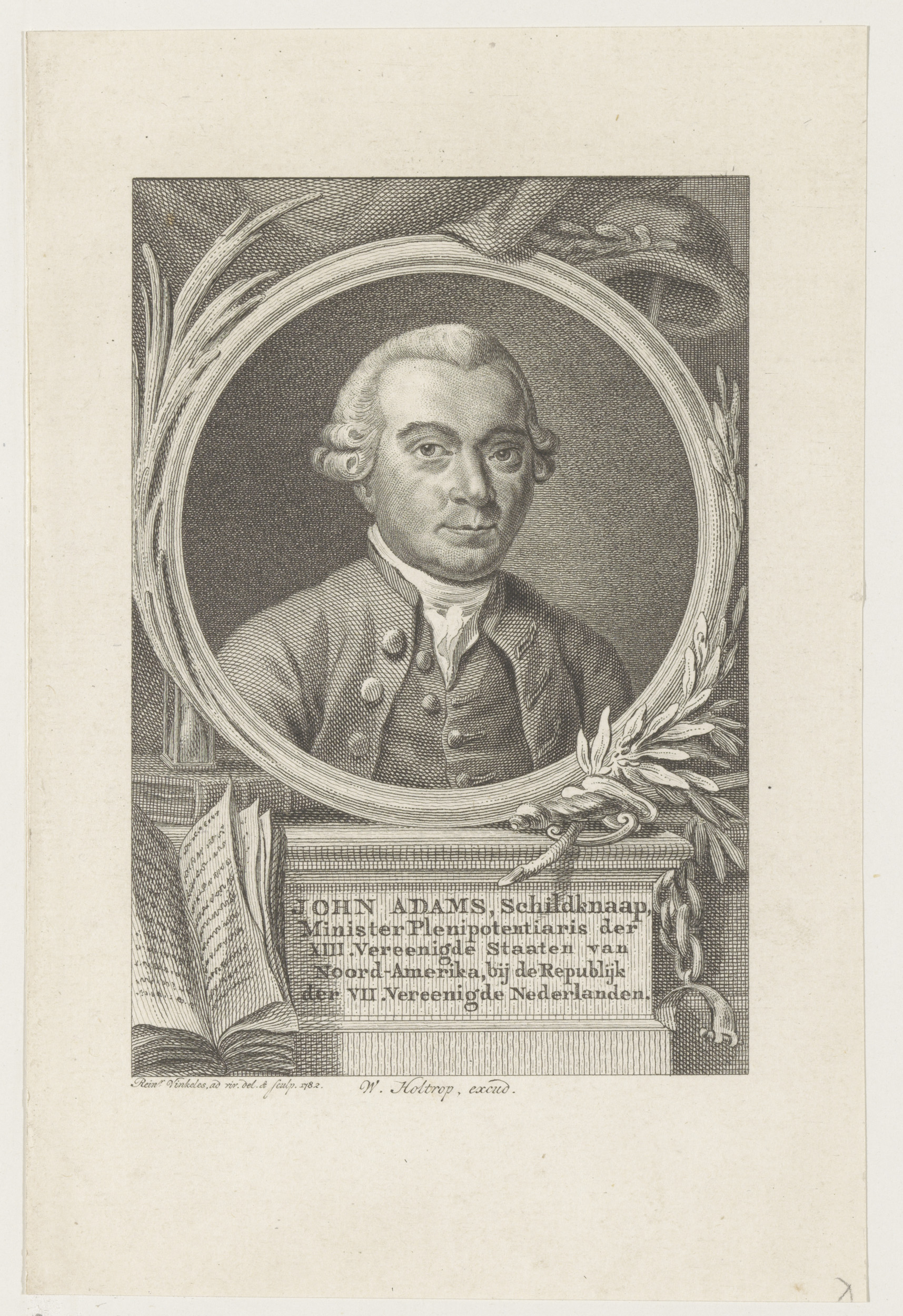
Allegorical Portrait of John Adams
1782
 Painting
Primary source
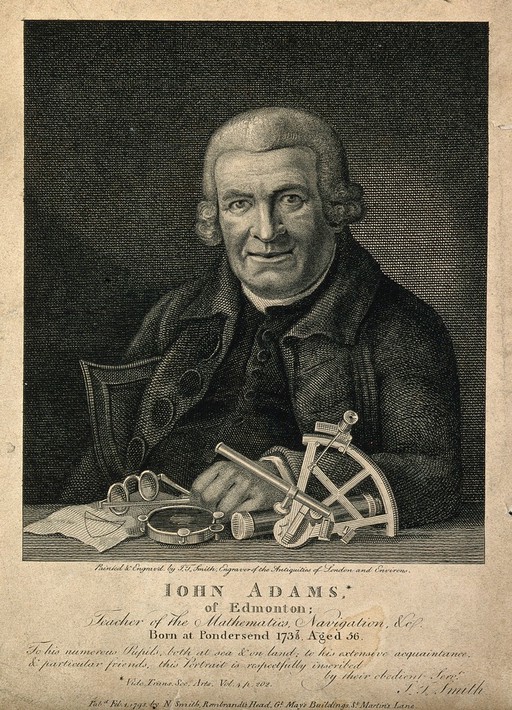
Engraving of John Adams by J. T. Smith
J. T. Smith · 1795
 Painting
Secondary source
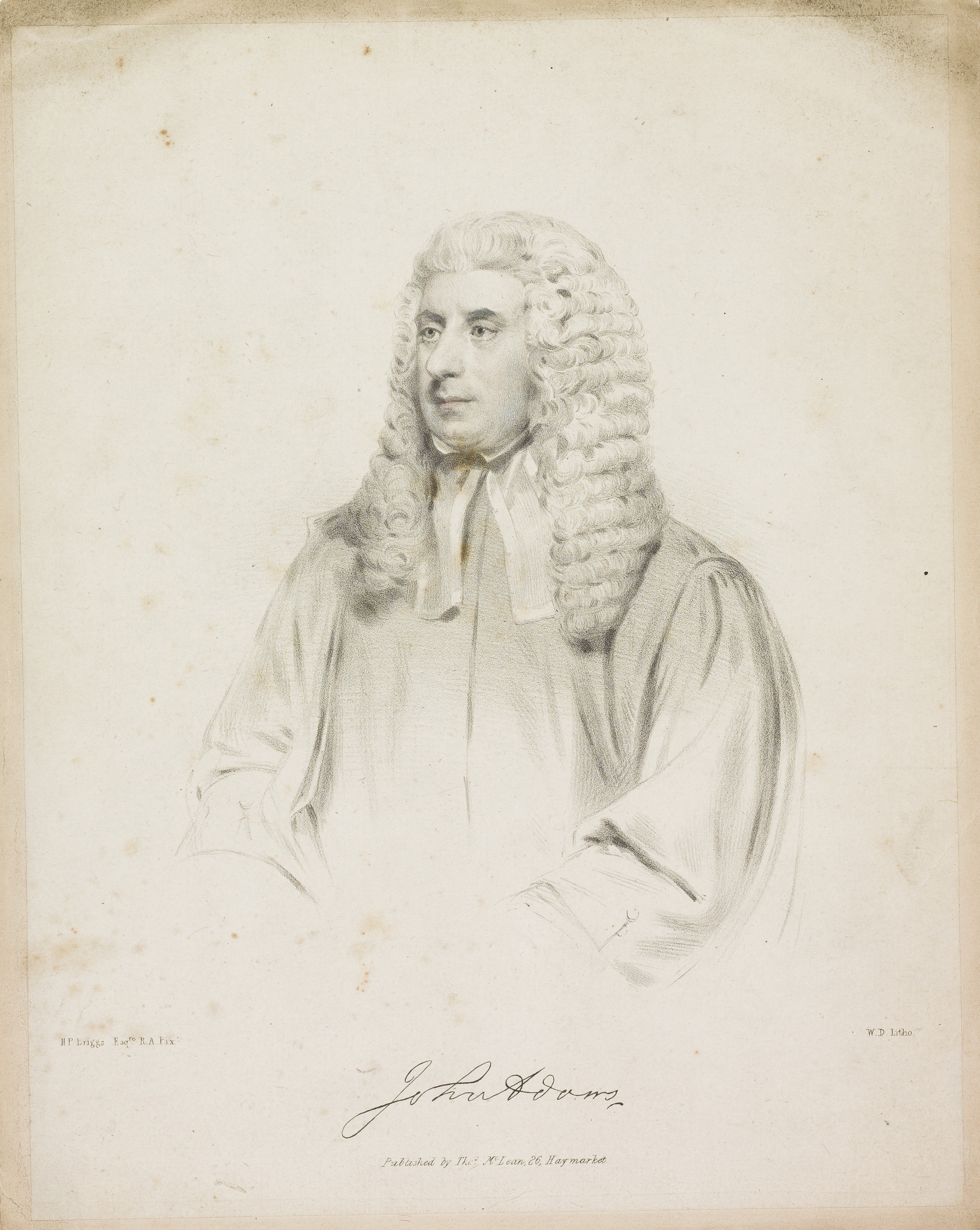
Engraved Portrait of John Adams Published by Thomas McLean
W.D., after H.P. Briggs
Ready when you are
Start chatting with John Adams now.
20 messages free · No credit card · Available in 50+ languages.