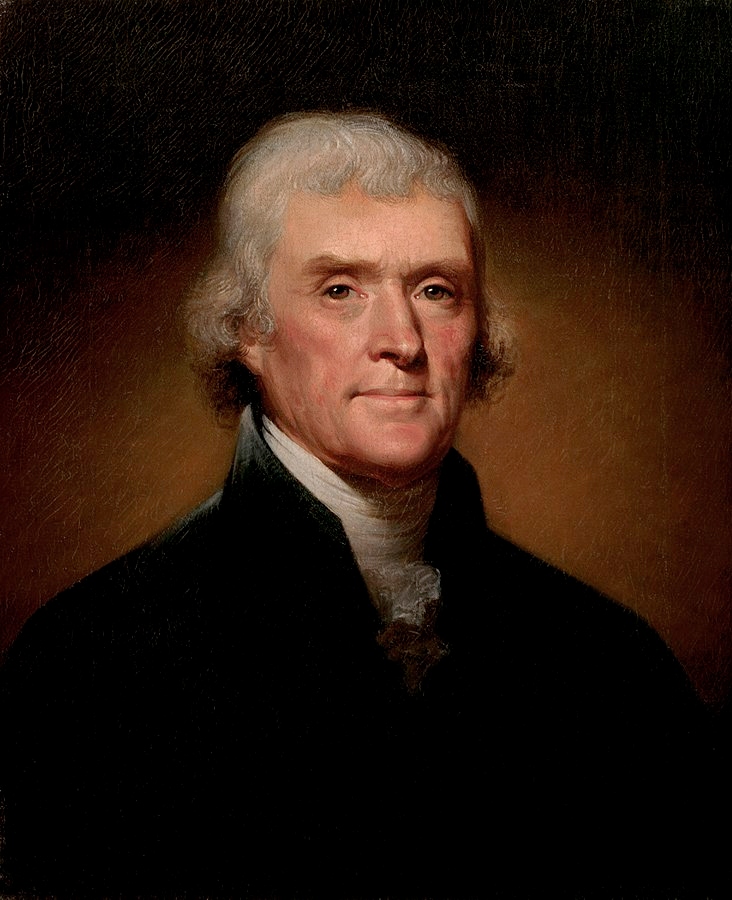

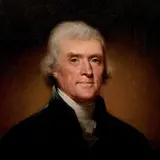
Portrait of Thomas Jefferson

AI Historical Figure

Thomas Jefferson

Third President of the United States, principal author of the Declaration of Independence, and advocate for individual rights and limited government.

Chat with Thomas Jefferson via text or voice — in 42 languages, drawing on a curated biography and 85 historical sources. Available 24/7.

Start chatting with Thomas Jefferson20 messages free · No credit card
Lived
1743–1826
From
United States
Known for
Politics & governmentPhilosophy
Thomas Jefferson

Thomas Jefferson

Online · responds in seconds

Hello — I'm Thomas Jefferson. Third President of the United States, principal author of the Declaration of Independence, and advocate for individual rights and limited government. What would you like to ask me?

20 messages free · No credit card · Powered by Humy.ai

Live preview · Switch between 42 languages above · Send a message to continue in the app

Multilingual

Talk to Thomas Jefferson in 42 languages

Ask Thomas Jefferson questions in any language below, and the rest of Humy's app speaks it too. Pick yours to open the chat in that language.

Also in German (Austria), German (Switzerland), English (UK), English (Australia), English (Canada).

The sources behind this AI

85 sources · 18 letters · 17 paintings · 16 documents · 15 books · 8 artifacts · 5 newspaper articles · 2 sculptures · 2 speeches · 1 interview · 1 photograph

Thomas Jefferson doesn’t improvise from thin air. The AI is grounded in 85 curated historical sources students can inspect. Open any of them to see what informs the conversation.

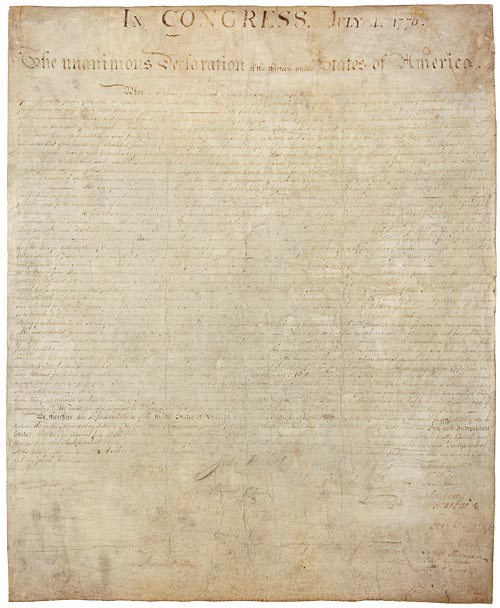
Scan of the engrossed Declaration of Independence on aged parchment. Heading reads 'In Congress, July 4, 1776' with the title 'The unanimous Declaration of the thirteen United States of America' below. Dense handwritten text fills the page; signatures appear at the bottom.Document

Primary source

Declaration of Independence

Continental Congress (drafted by Thomas Jefferson) · 1776

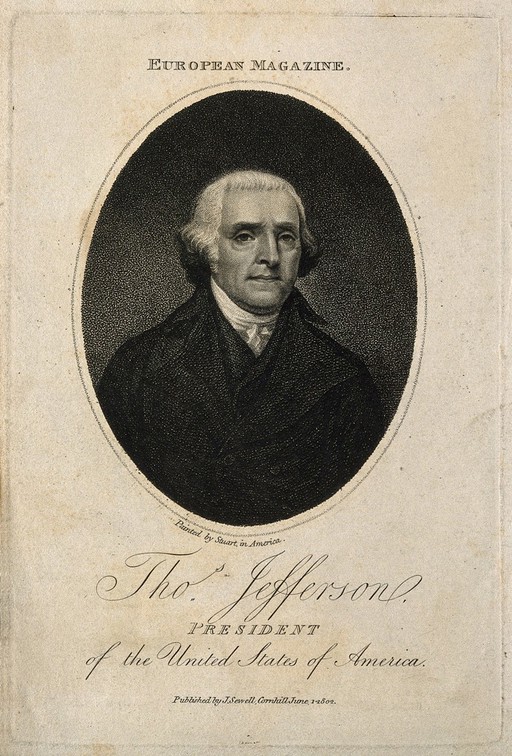
Oval stipple engraving portrait of a man with white hair, dark coat and white cravat, titled 'Tho.s Jefferson, President of the United States of America', with 'European Magazine' above and publication line below.Painting

Primary source

Thomas Jefferson Stipple Engraving after Gilbert Stuart

After Gilbert Stuart · 1802

Document

Primary source

Virginia Statute for Religious Freedom

Thomas Jefferson · written 1777, enacted 16 January 1786

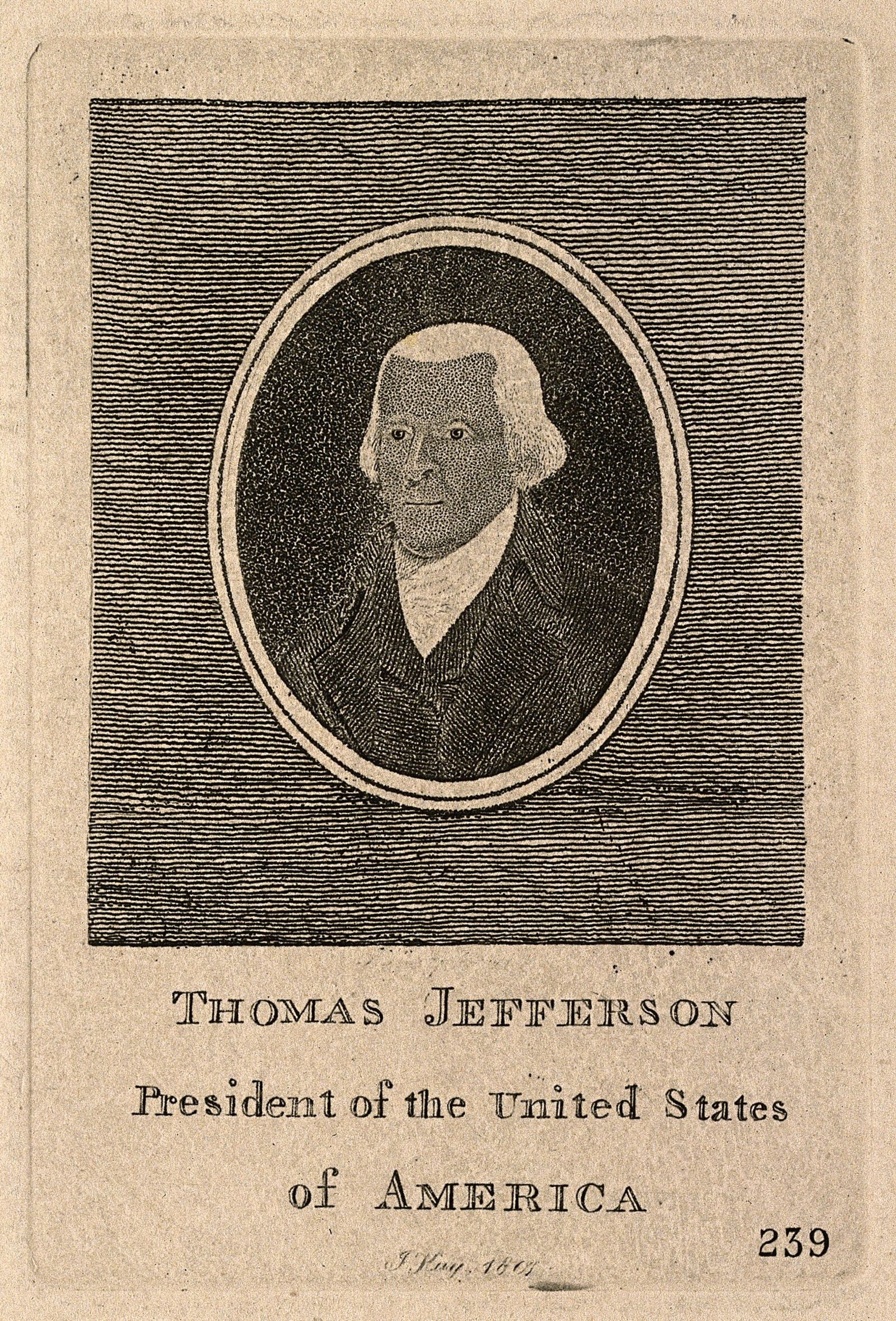
Engraved print of a man with white powdered hair in an oval frame, wearing a dark coat and cravat, set against horizontal line hatching. Below: 'Thomas Jefferson, President of the United States of America', number 239, and 'J. Kay 1801' signature.Painting

Primary source

Thomas Jefferson Etching by John Kay, 1807

Gilbert Stuart · 1807

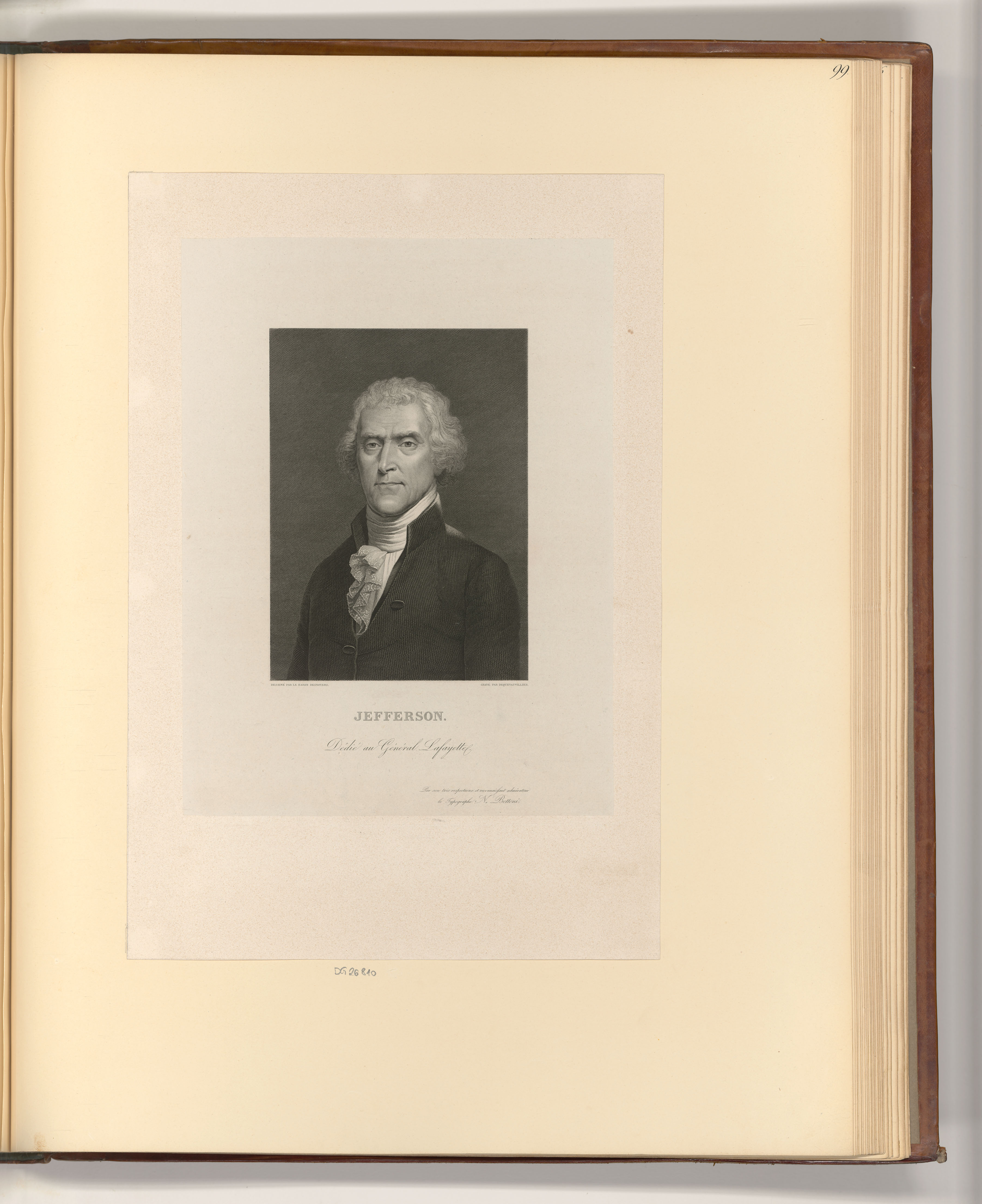
Engraved portrait print of Thomas Jefferson, a man with curly white hair in a dark coat, high white collar and lace jabot, shown on a page of a bound album. Caption below reads JEFFERSON, Dédié au Général Lafayette.Painting

Secondary source

Porträt Thomas Jefferson

Auguste Gaspard Louis Boucher Desnoyers

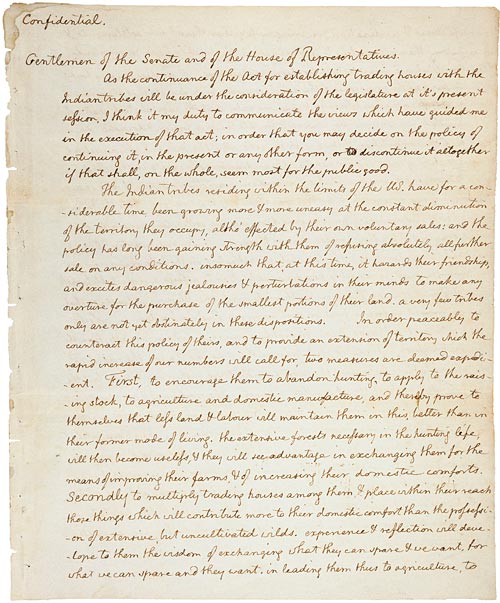
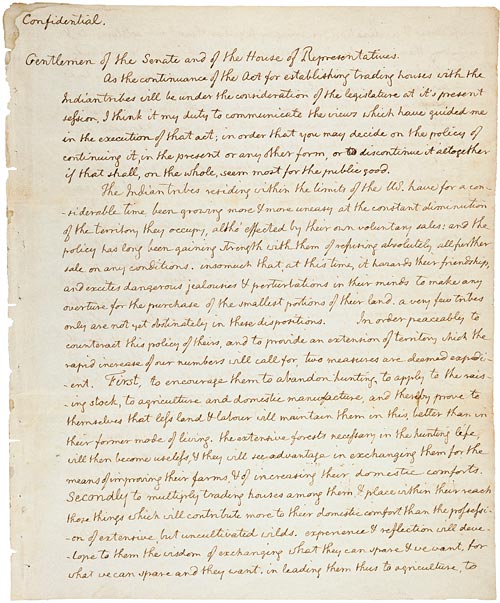
Handwritten manuscript page headed 'Confidential' and 'Gentlemen of the Senate and of the House of Representatives', written in brown ink on aged paper, discussing trading houses with Indian tribes and federal policy.Document

Primary source

Jefferson's Secret Message to Congress Regarding the Lewis and Clark Expedition

Thomas Jefferson · 18 January 1803

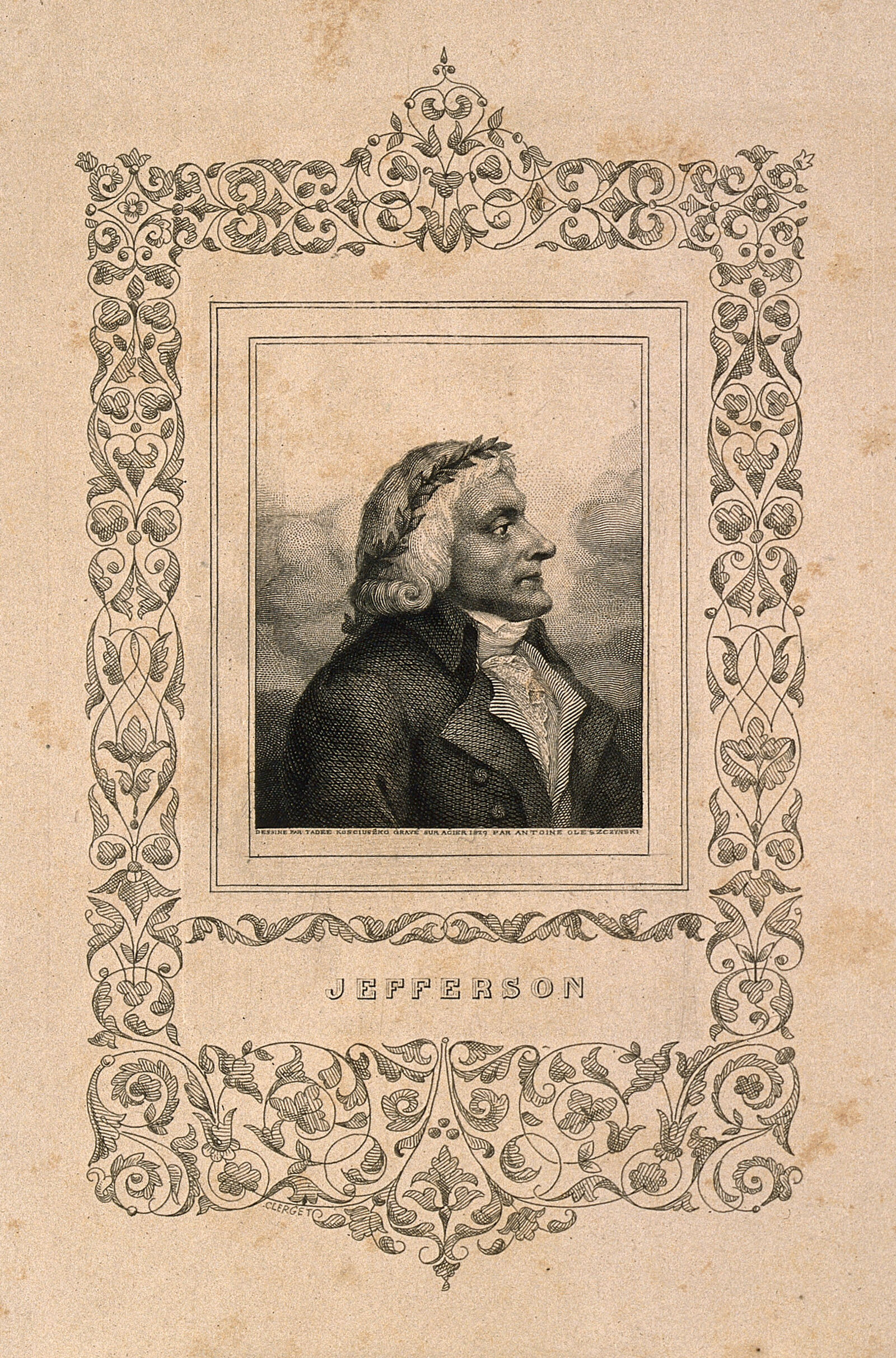
Ornate decorative border engraving framing a small oval-less portrait engraving of a man in profile facing right, wearing a laurel wreath in his powdered hair, dark coat and cravat. Text beneath the portrait reads JEFFERSON. Inscription in the lower portrait margin reads: dessiné par Tadeé Kosciuszko, gravé sur acier 1829 par Antoine Oleszczynski.Painting

Secondary source

Thomas Jefferson Line Engraving by Oleszczynski after Kościuszko

Tadeusz Kościuszko · 1829

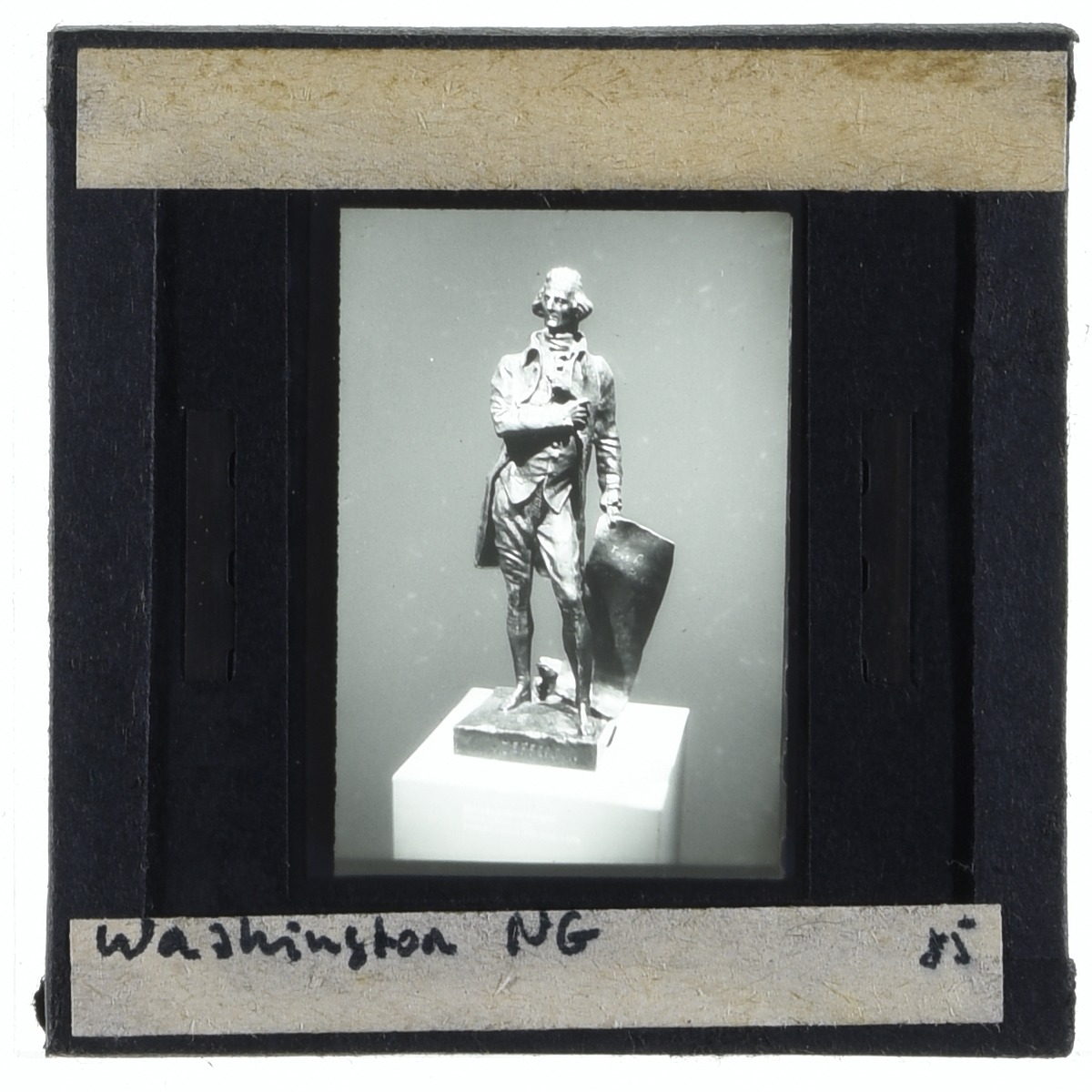
Black-and-white glass lantern slide photograph of a bronze statuette of a standing man in 18th-century dress, with hair in curls, a coat, and one arm across his chest, resting on a white pedestal. Label reads 'Washington NG'.Sculpture

Secondary source

David d'Angers Bronze Statuette of Thomas Jefferson

Pierre-Jean David d'Angers

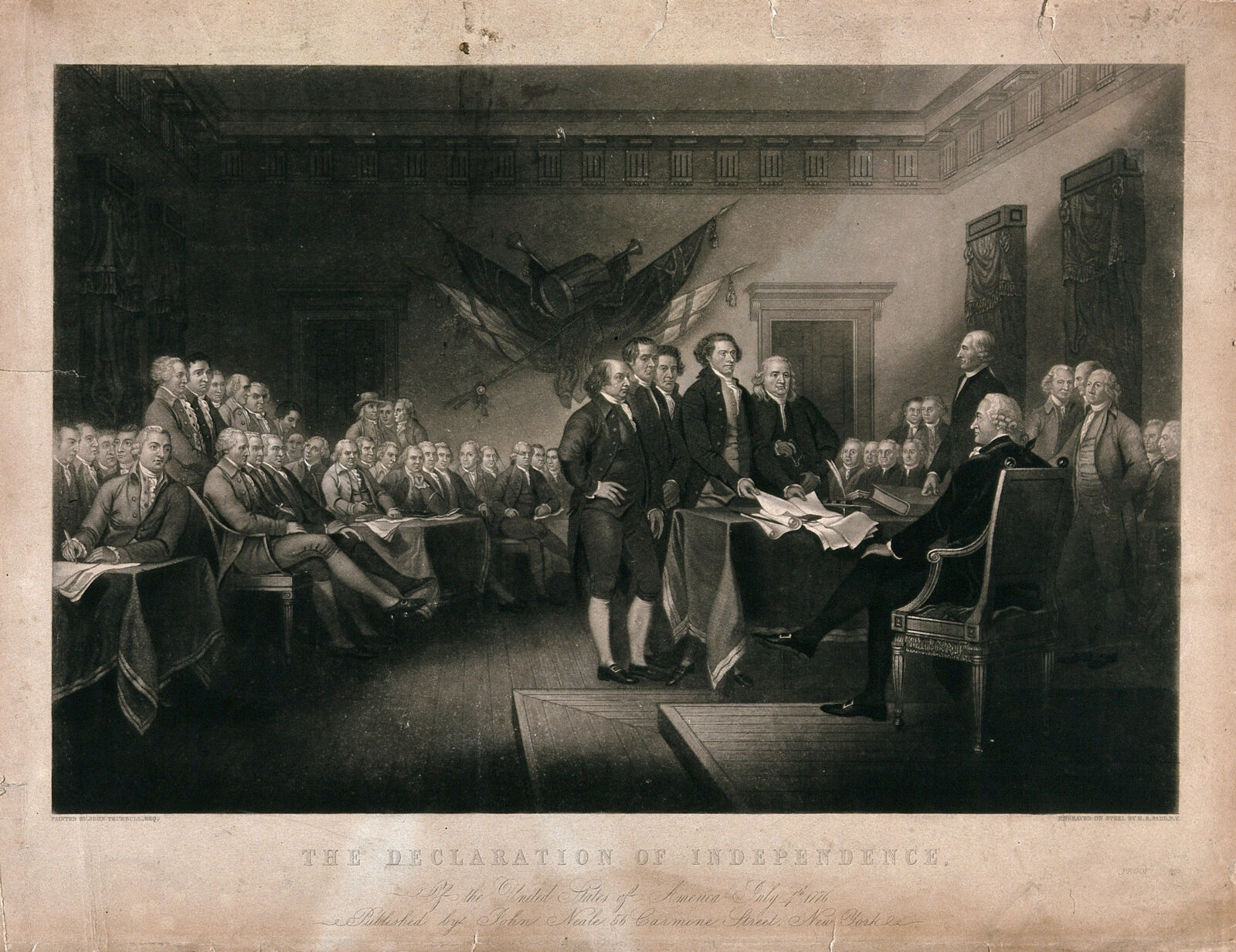
Black and white engraved print of a crowded colonial meeting room with a draped table and a seated man in a high-backed chair beside a group of standing men in 18th-century dress. A flag and drums hang on the wall. Title below reads The Declaration of Independence, July 4 1776, published by John Neale.Painting

Secondary source

Signing of the Declaration of Independence

John Trumbull · between 1800 and 1899

Document

Primary source

Louisiana Purchase Treaty

30 April 1803

Book

Primary source

Notes on the State of Virginia

Thomas Jefferson · written 1781-1783, published 1785

Speech

Primary source

Thomas Jefferson's First Inaugural Address

Thomas Jefferson · 4 March 1801

Letter

Primary source

Letter to the Danbury Baptist Association

Thomas Jefferson · January 1, 1802

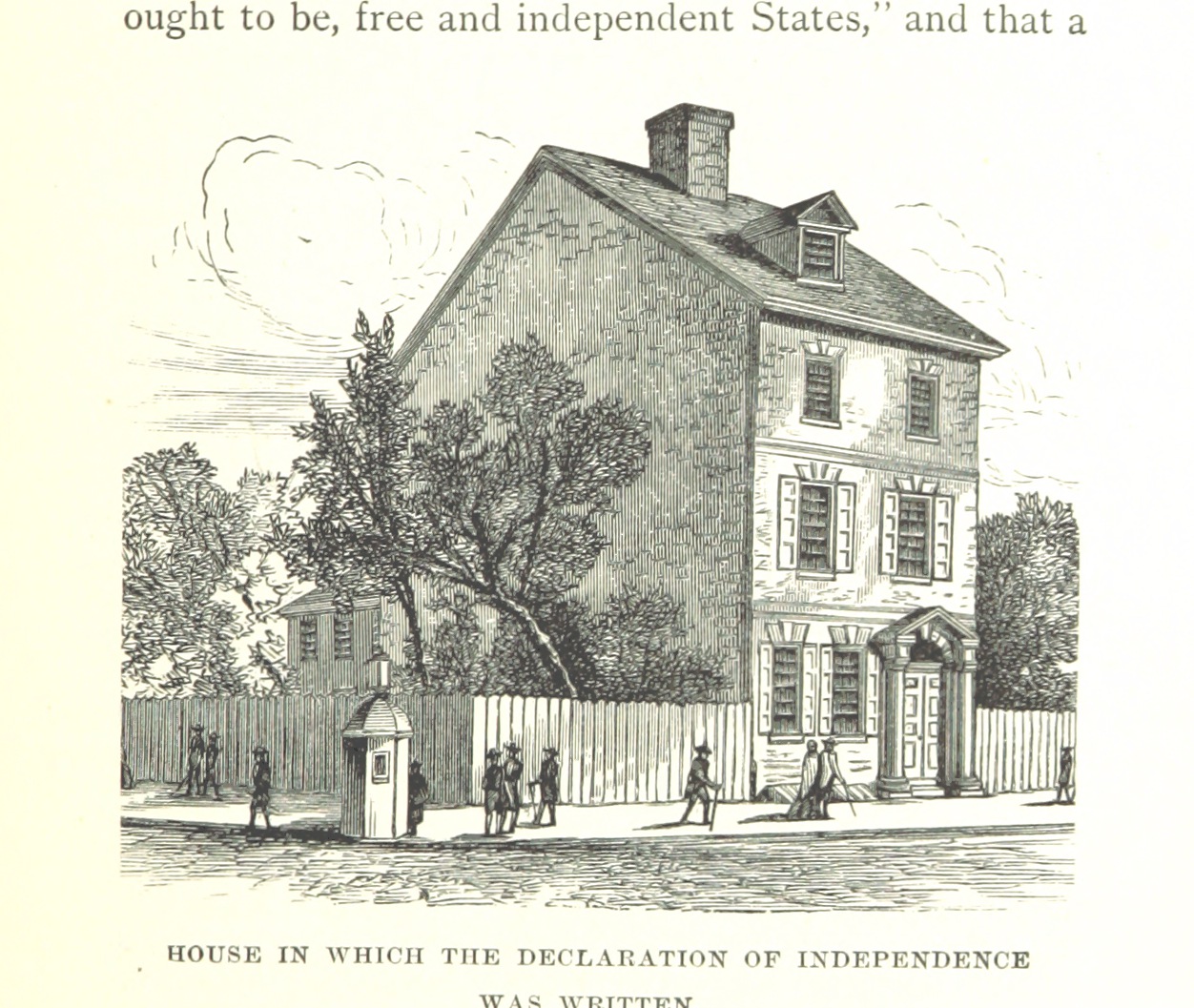
Engraved illustration of a three-story brick house with a steep roof, dormer window, and chimney, shown on a street corner with a wooden fence, a small sentry box, and several figures in period dress walking nearby. Caption below reads: House in which the Declaration of Independence was written.Painting

Secondary source

Declaration House Illustration

1883

Handwritten manuscript page headed 'Confidential' and 'Gentlemen of the Senate and of the House of Representatives', written in brown ink in cursive script on aged, yellowed paper, discussing Indian trading houses and policy.Document

Primary source

Jefferson's Secret Message to Congress Regarding the Lewis and Clark Expedition

Thomas Jefferson · January 18, 1803

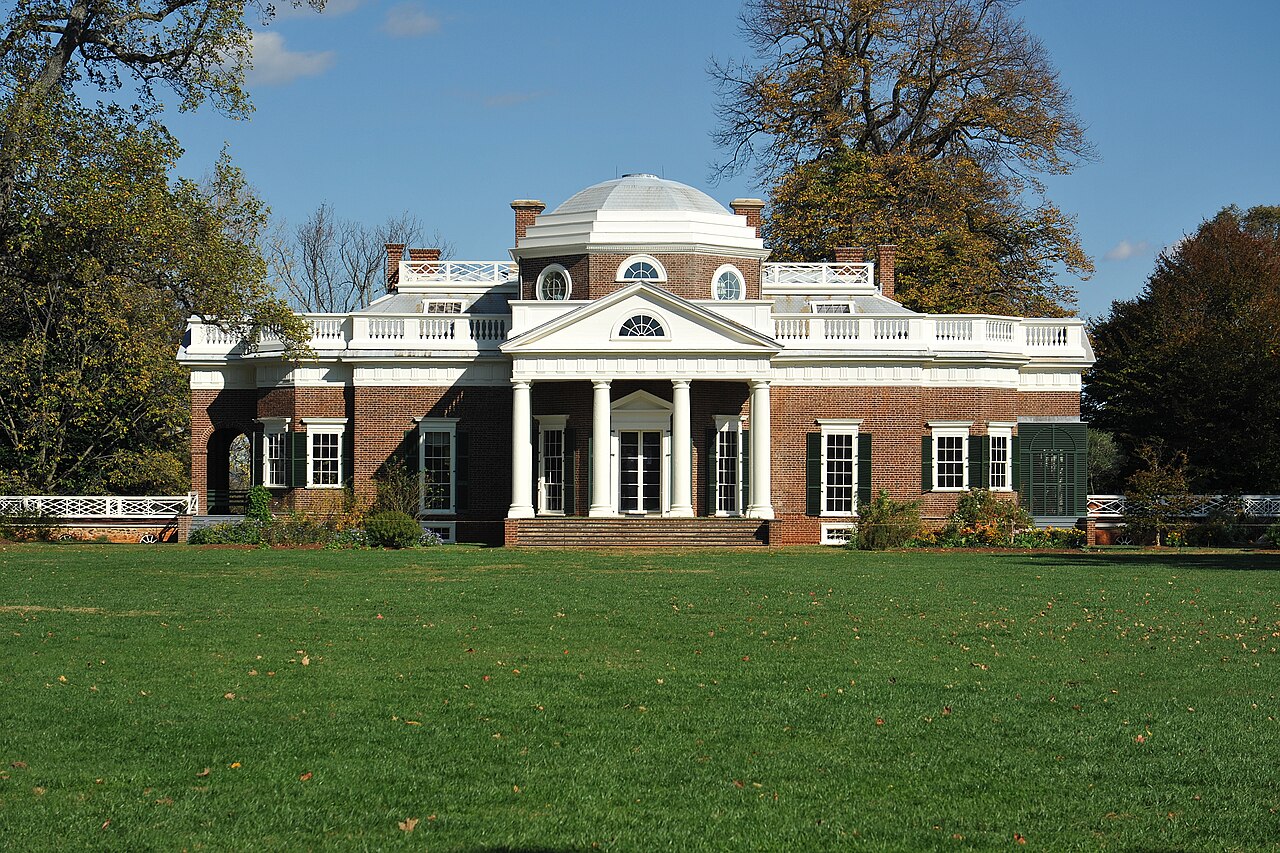
Front view of Monticello, a two-story red brick mansion with a white-columned portico, a central dome with a skylight, white balustrade railings along the roofline, and green shutters, set on a wide green lawn under a blue sky with autumn trees.Artifact

Primary source

Monticello

Thomas Jefferson

Front cover of a dark green or black bound book with a fine diagonal grain texture, featuring a small gold-stamped floral sprig design centered on the cover. The book sits on a tan background.Document

Primary source

A Summary View of the Rights of British America

Thomas Jefferson · 1774

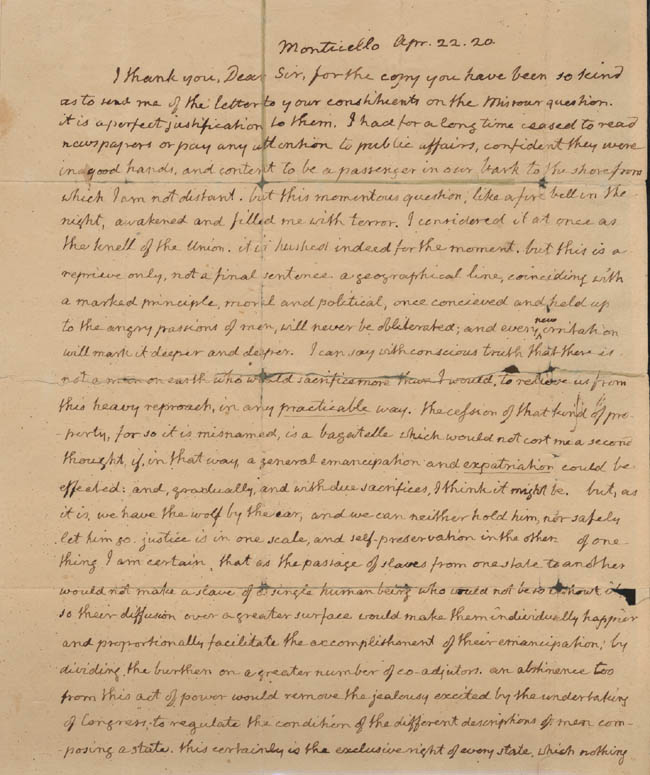
Handwritten letter on aged paper, dated Monticello Apr. 22. 20 at the top, in brown ink cursive. The text thanks the recipient for a copy of his letter on the Missouri question and discusses slavery and emancipation. Creases and a few dark marks are visible.Letter

Primary source

Letter to John Holmes

Thomas Jefferson · April 22, 1820

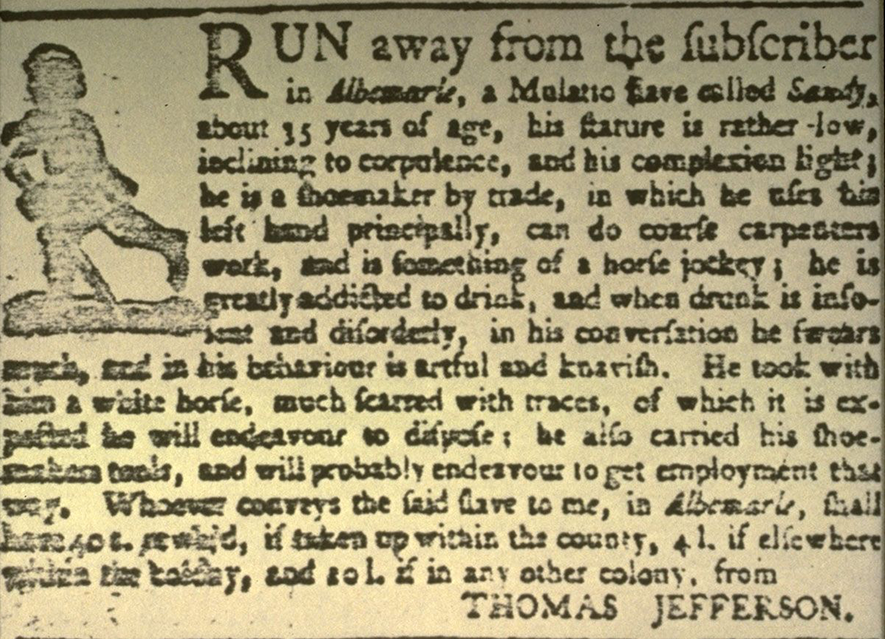
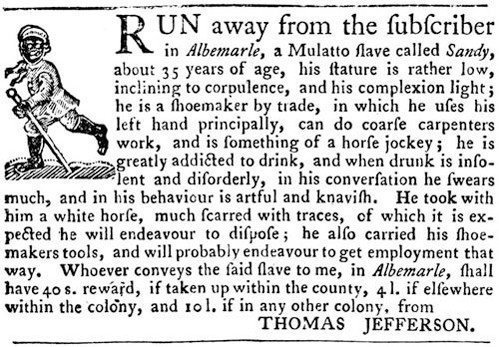
Scan of a 1769 newspaper runaway slave advertisement signed Thomas Jefferson, offering a reward for an enslaved man named Sandy. A small woodcut figure of a man with a bundle appears at left. The text describes his height, complexion, trade as a shoemaker, and habits.Newspaper article

Primary source

Run away from the subscriber

Thomas Jefferson · 1769

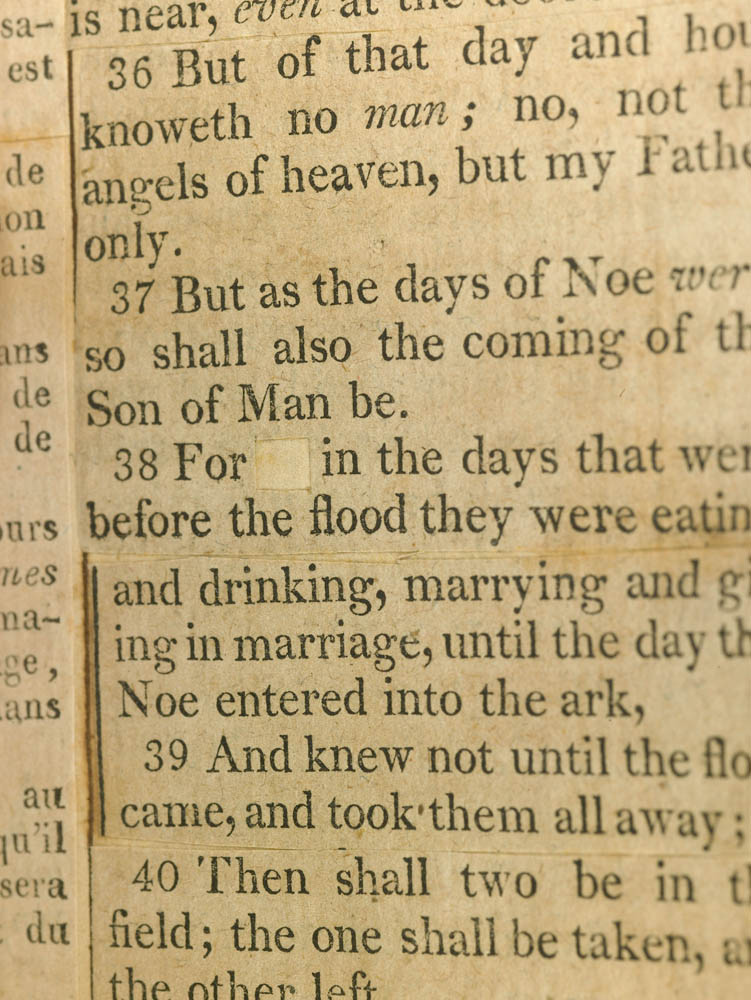
Close-up photograph of a printed page of biblical text, with numbered verses 36 to 40 visible in a serif typeface on yellowed paper. Verse 38 has a blank rectangular gap where a word has been removed. Fragments of text from a facing page appear at the left edge in French.Book

Primary source

Jefferson Bible

Thomas Jefferson · 1819-1820

Document

Primary source

Embargo Act of 1807

22 December 1807

Document

Primary source

Act Prohibiting Importation of Slaves

2 March 1807

Letter

Primary source

Letter to James Madison - January 30

Thomas Jefferson · 30 January 1787

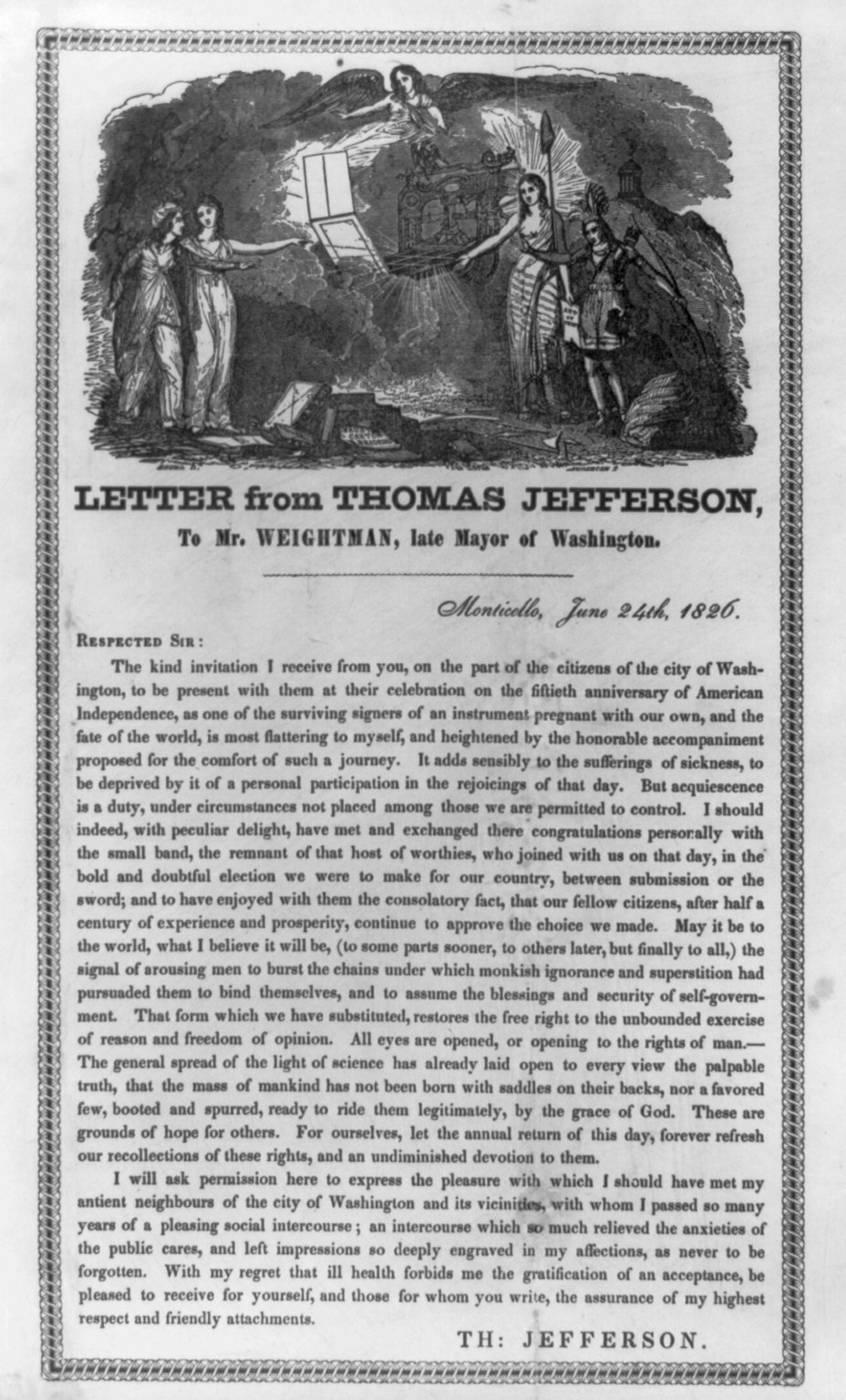
Printed broadside of Thomas Jefferson's letter to Mr. Weightman. Top has a wood engraving of allegorical figures, clouds, an angel, and a chariot; below is the title, date Monticello June 24th 1826, and printed letter text.Letter

Primary source

Letter to Roger C. Weightman

Thomas Jefferson · June 24, 1826

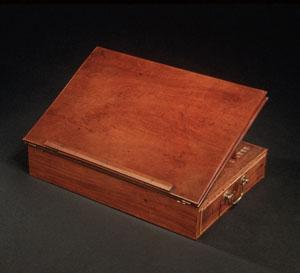
A wooden lap desk with a sloped, reddish-brown lid propped open, set on a dark background. The box has brass hardware and a latch at the front corner.Artifact

Primary source

Jefferson's Lap Desk

Thomas Jefferson · 1776 (desk); note added 1825

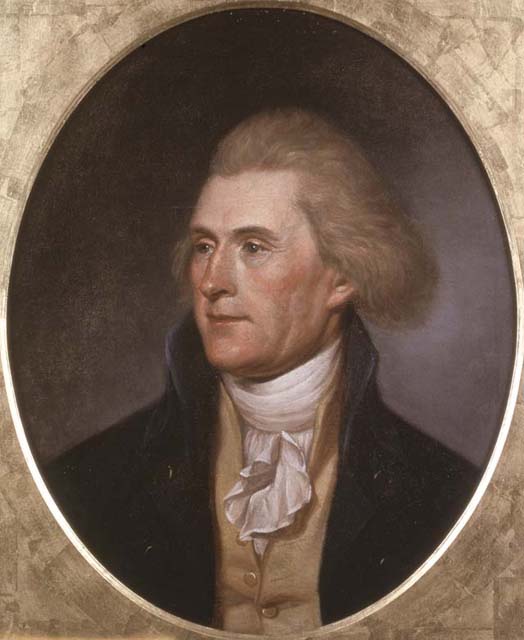
Oval painted portrait of a man with light reddish-blond hair, dark eyes, and a dark coat over a tan waistcoat and white cravat, shown in three-quarter view facing left against a dark background, in a silver-toned frame.Painting

Primary source

Portrait of Thomas Jefferson

Charles Willson Peale · 1791

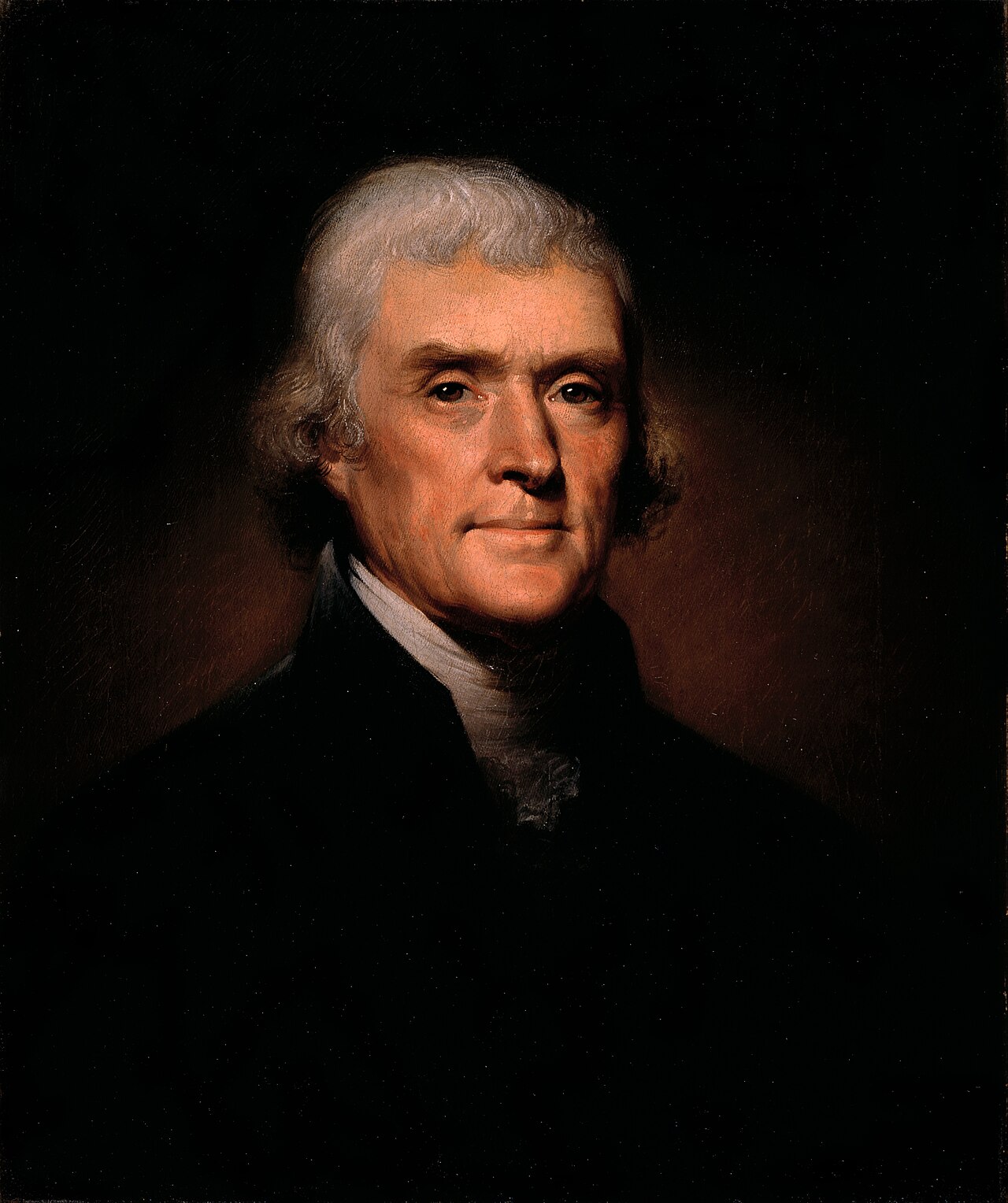
Oil portrait of an older man with white hair swept back at the sides, wearing a dark coat and white high collar, against a dark background with a reddish-brown glow behind his right shoulder. He has a slight closed-mouth expression.Painting

Primary source

Thomas Jefferson

Rembrandt Peale · 1800

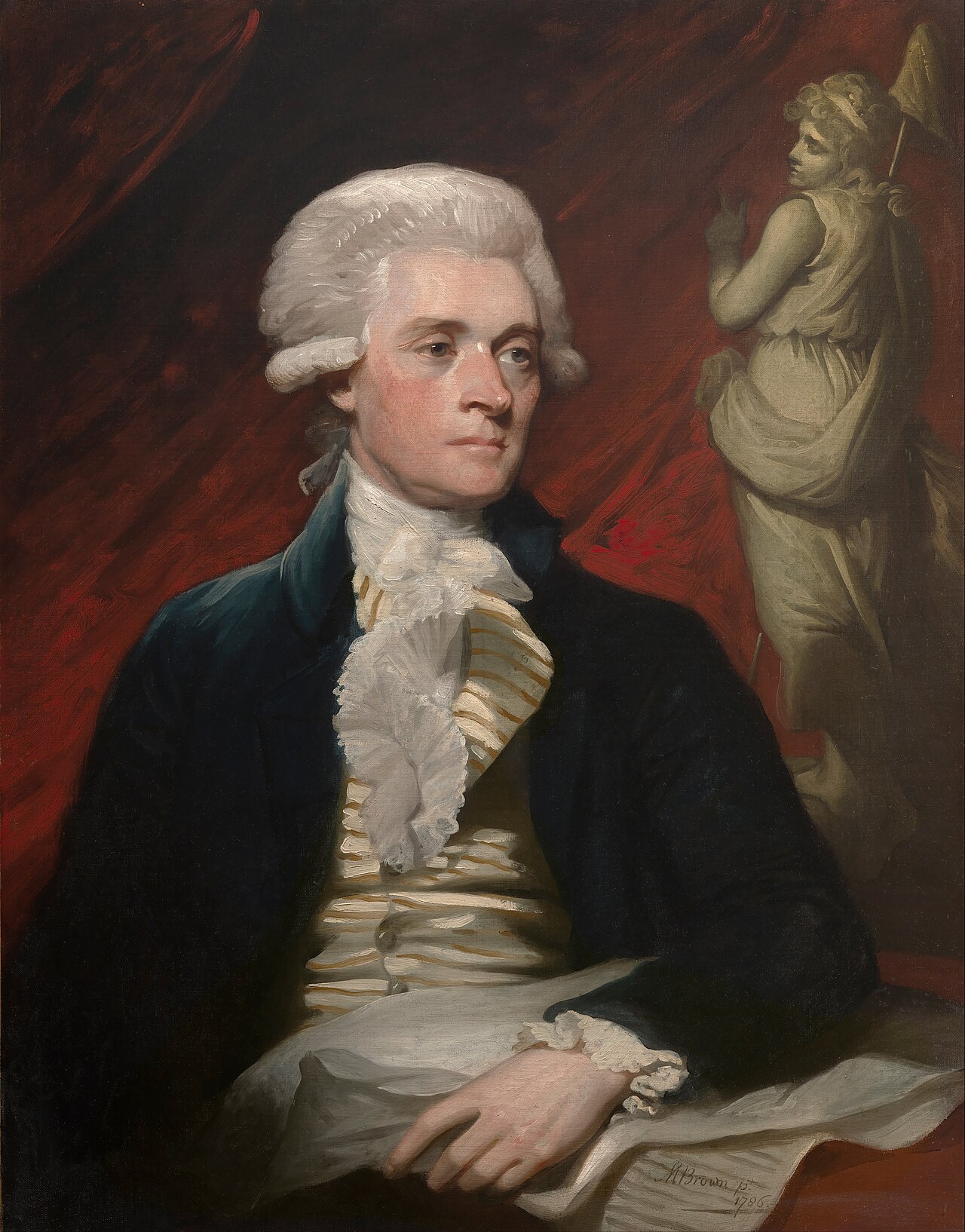
Oil painting of a man with a white powdered wig and dark blue coat with a white ruffled jabot and yellow-striped waistcoat. He rests one hand on papers on a table and looks to the left. Behind him, a pale classical statue of a woman holding a staff stands before dark red drapery. The artist's signature and date are at lower right.Painting

Primary source

Thomas Jefferson

Mather Brown · 1786

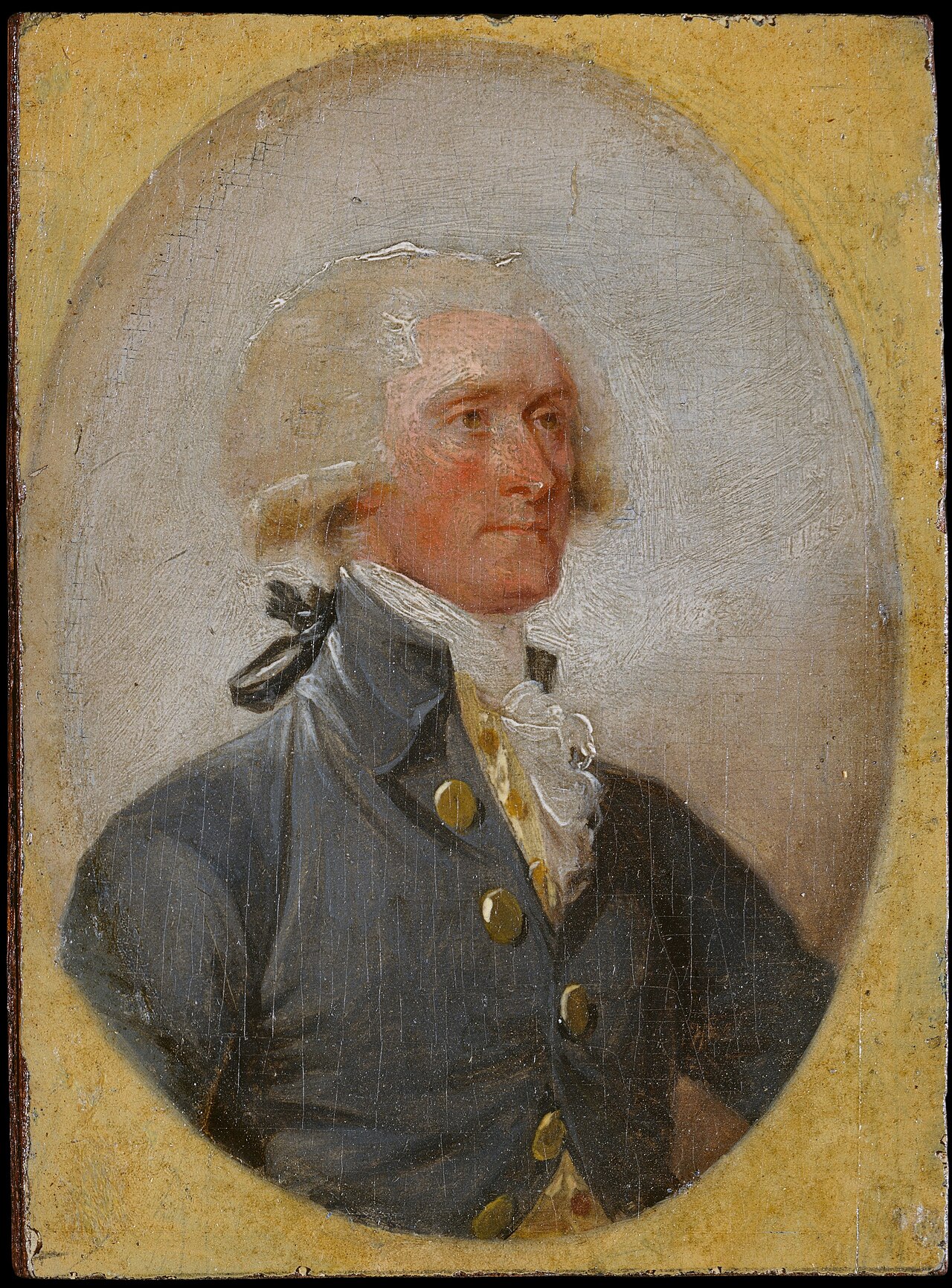
Oval portrait painting of a man with powdered light hair tied back with a black ribbon, wearing a gray-blue coat with gold buttons, a yellow patterned waistcoat, and a white cravat, against a pale gray background within a yellow-ochre frame.Painting

Primary source

Thomas Jefferson

John Trumbull · 1788

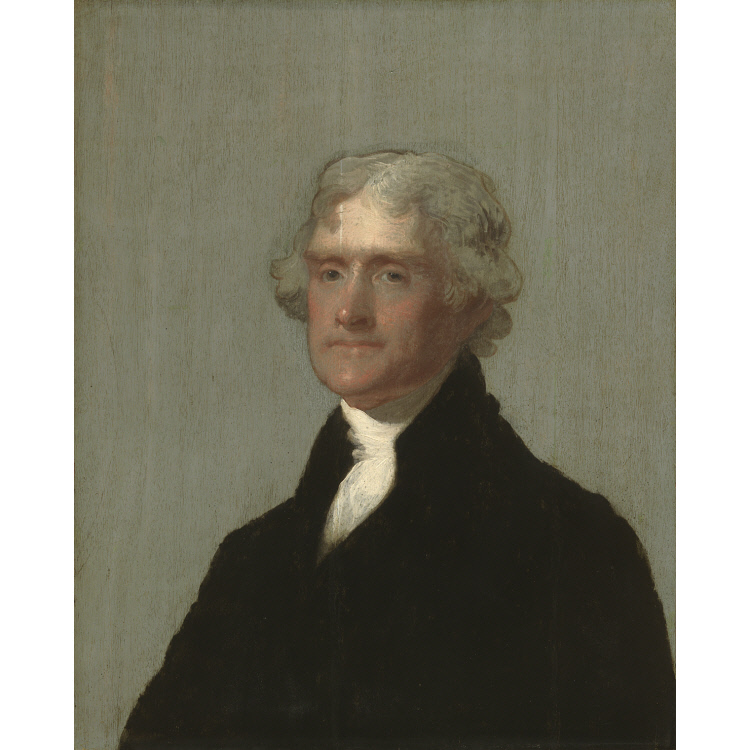
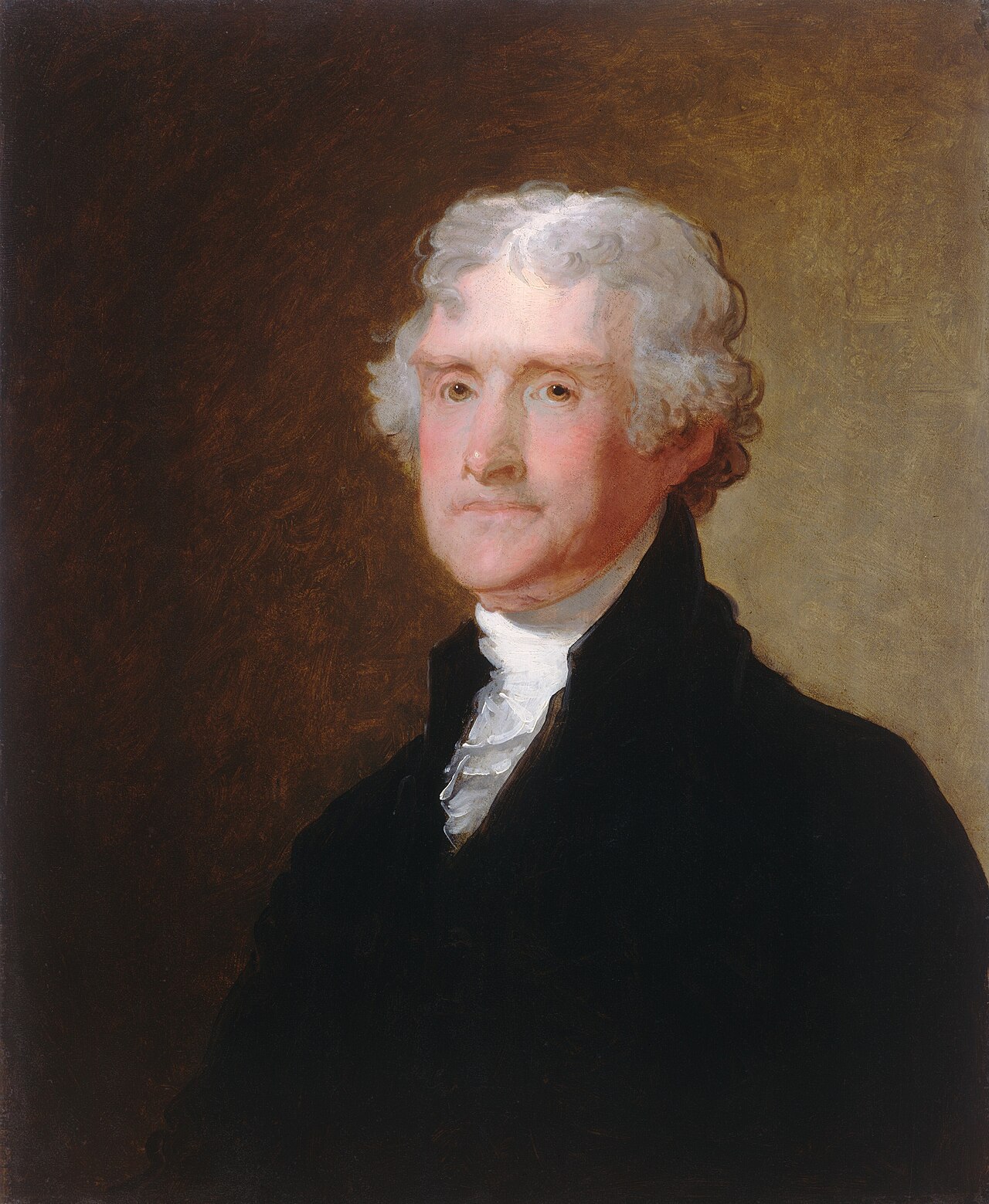
Oil portrait of an older man with white curly hair, dark coat and white cravat, set against a grey background. He faces slightly to the viewer's left with a calm expression.Painting

Primary source

The Edgehill Portrait

Gilbert Stuart · 1811

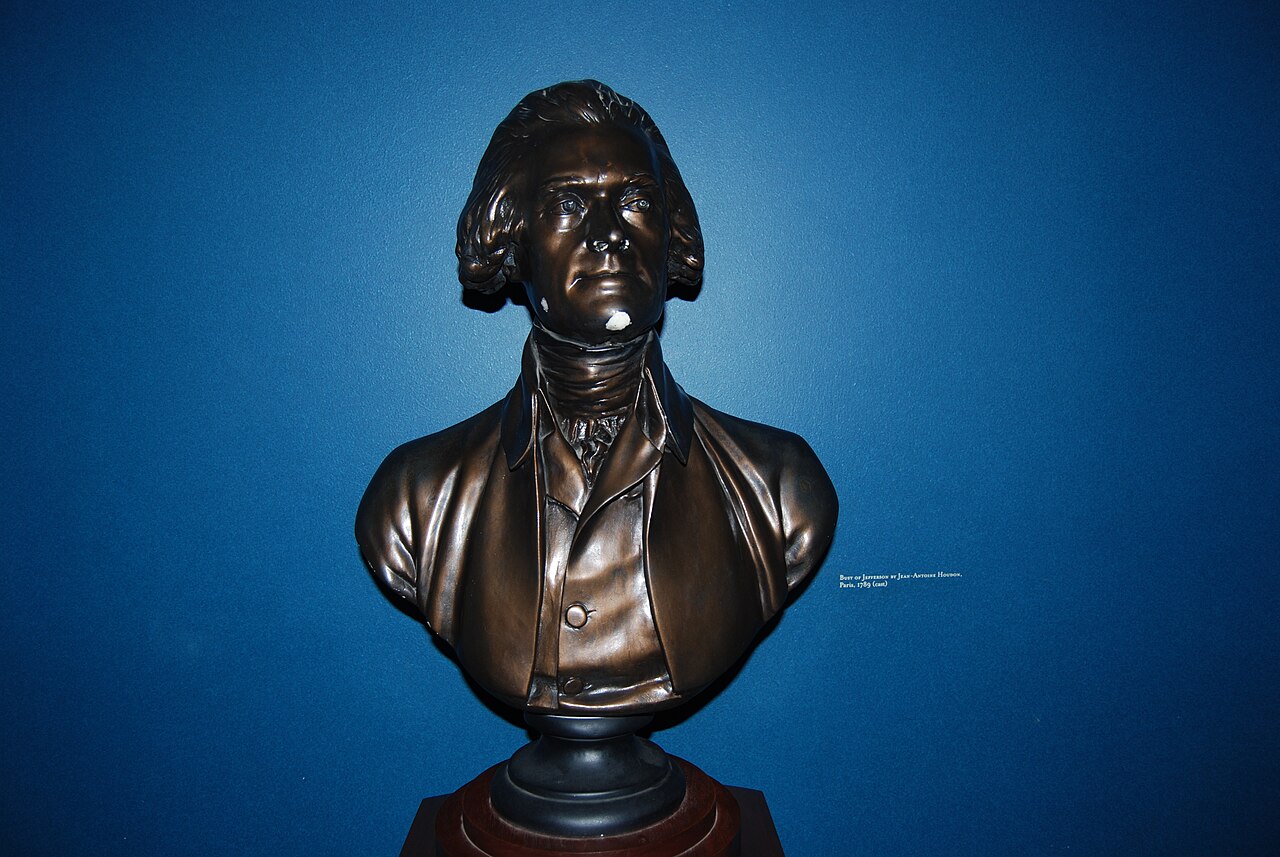
Bronze bust sculpture of a man with curled hair and a high cravat, mounted on a dark pedestal with a wooden base, against a deep blue wall. A small label is visible at the lower right.Sculpture

Primary source

Bust of Thomas Jefferson

Jean-Antoine Houdon · 1789

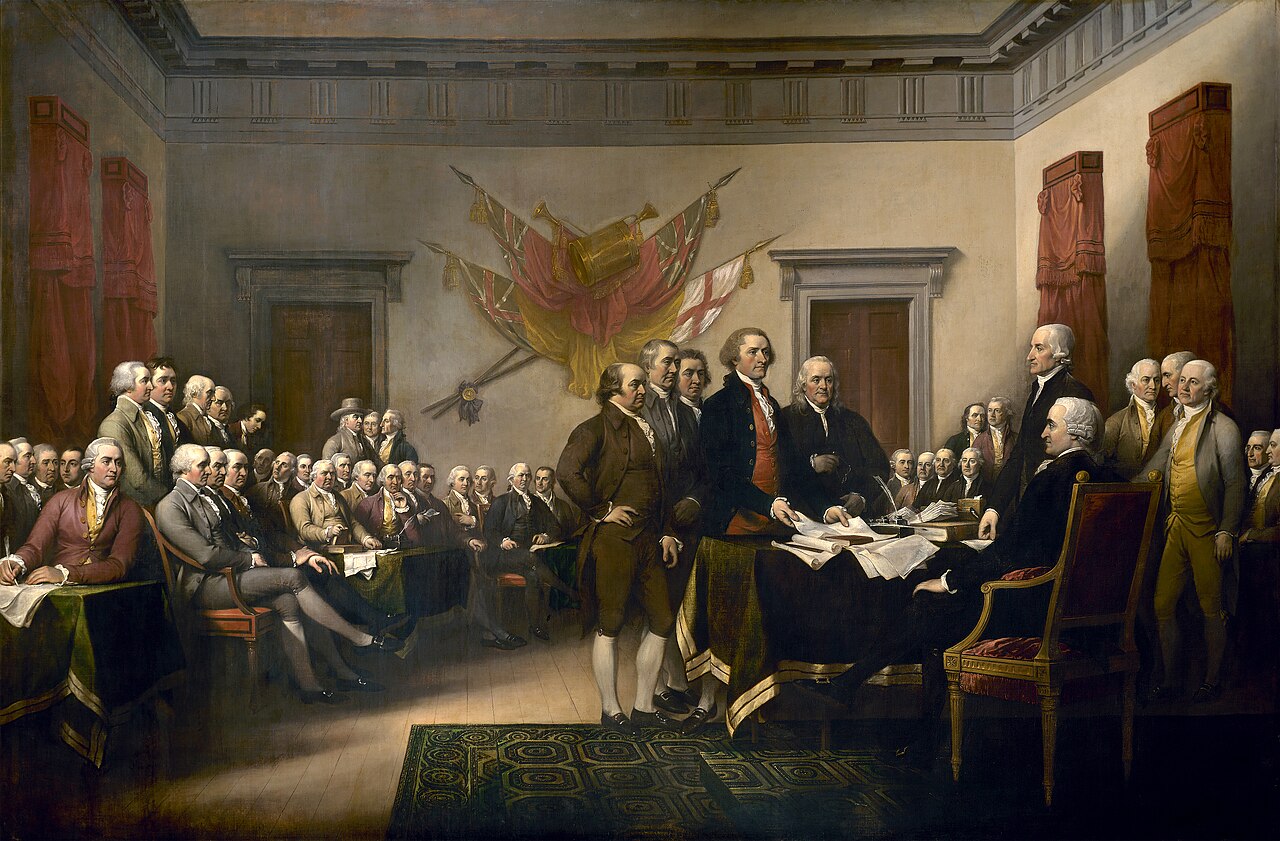
Large painting of the Continental Congress in a wood-paneled room. Men in 18th-century clothing stand and sit around a central table where five men present documents. Red curtains frame the room, and flags hang on the back wall.Painting

Secondary source

Declaration of Independence

John Trumbull · 1818

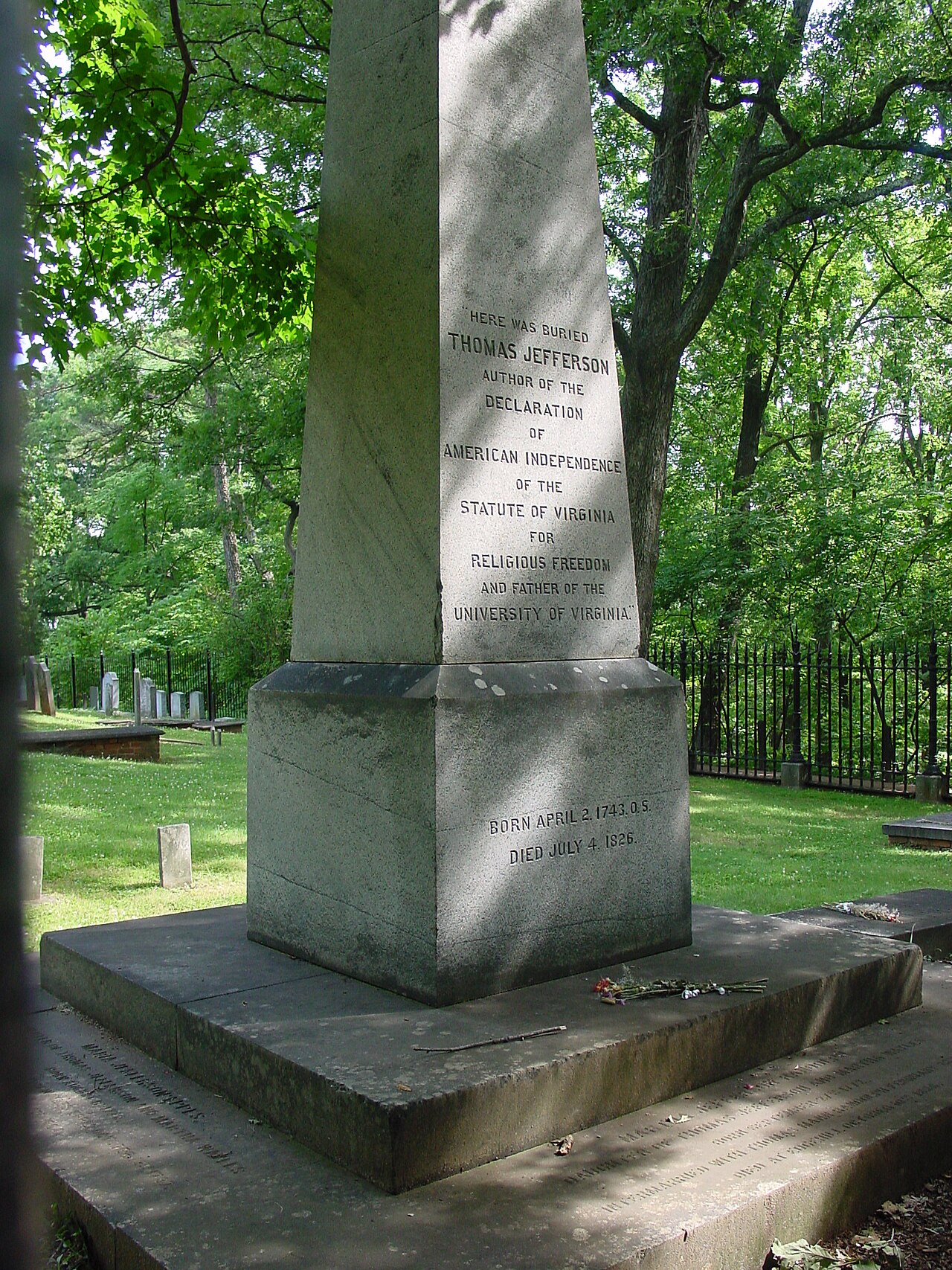
Photograph of Thomas Jefferson's grave monument: a tall granite obelisk on a stepped base, inscribed 'Here was buried Thomas Jefferson' with his titles, and dates of birth and death, in a green wooded cemetery.Artifact

Primary source

Grave of Thomas Jefferson

Thomas Jefferson

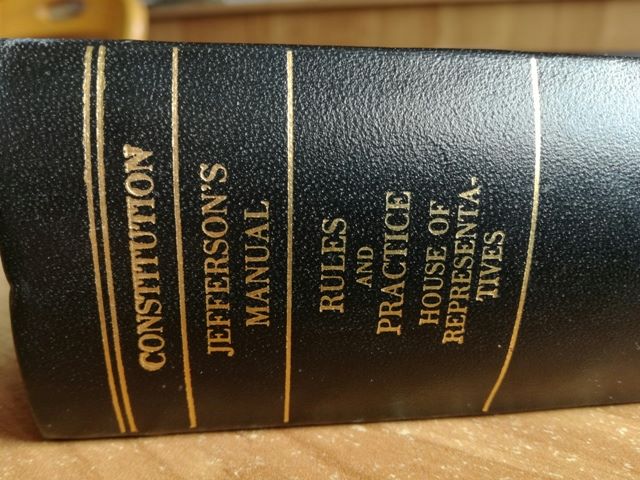
Spine of a dark blue leather-bound book with gold lettering reading 'Constitution', 'Jefferson's Manual', and 'Rules and Practice House of Representatives'. Gold rules run along the spine on a wooden surface.Book

Primary source

Jefferson's Manual

Thomas Jefferson · 1801

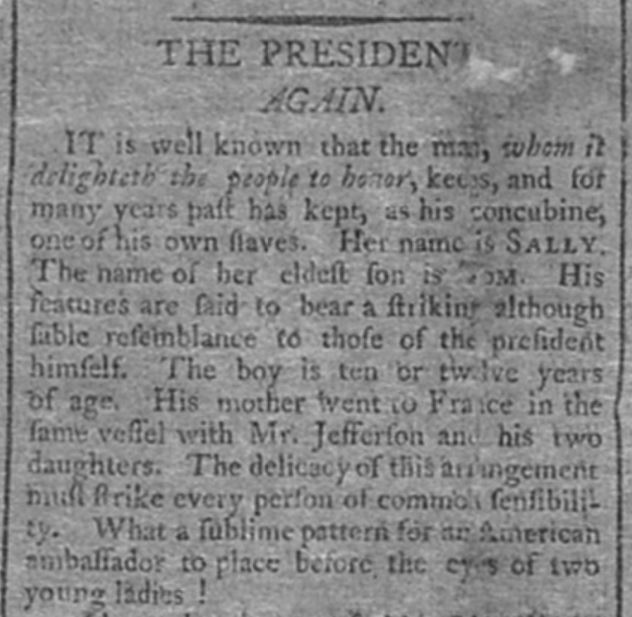
Scan of a newspaper column headed 'THE PRESIDENT AGAIN' in old-style printed type, with a paragraph beginning 'IT is well known that the man, whom it delighteth the people to honor, keeps, and for many years past has kept, as his concubine, one of his own slaves.' The text names Sally and describes her features and sons.Newspaper article

Primary source

"The President Again" in the Richmond Recorder

James T. Callender · September 1, 1802

Book

Primary source

Autobiography of Thomas Jefferson

Thomas Jefferson · 1821

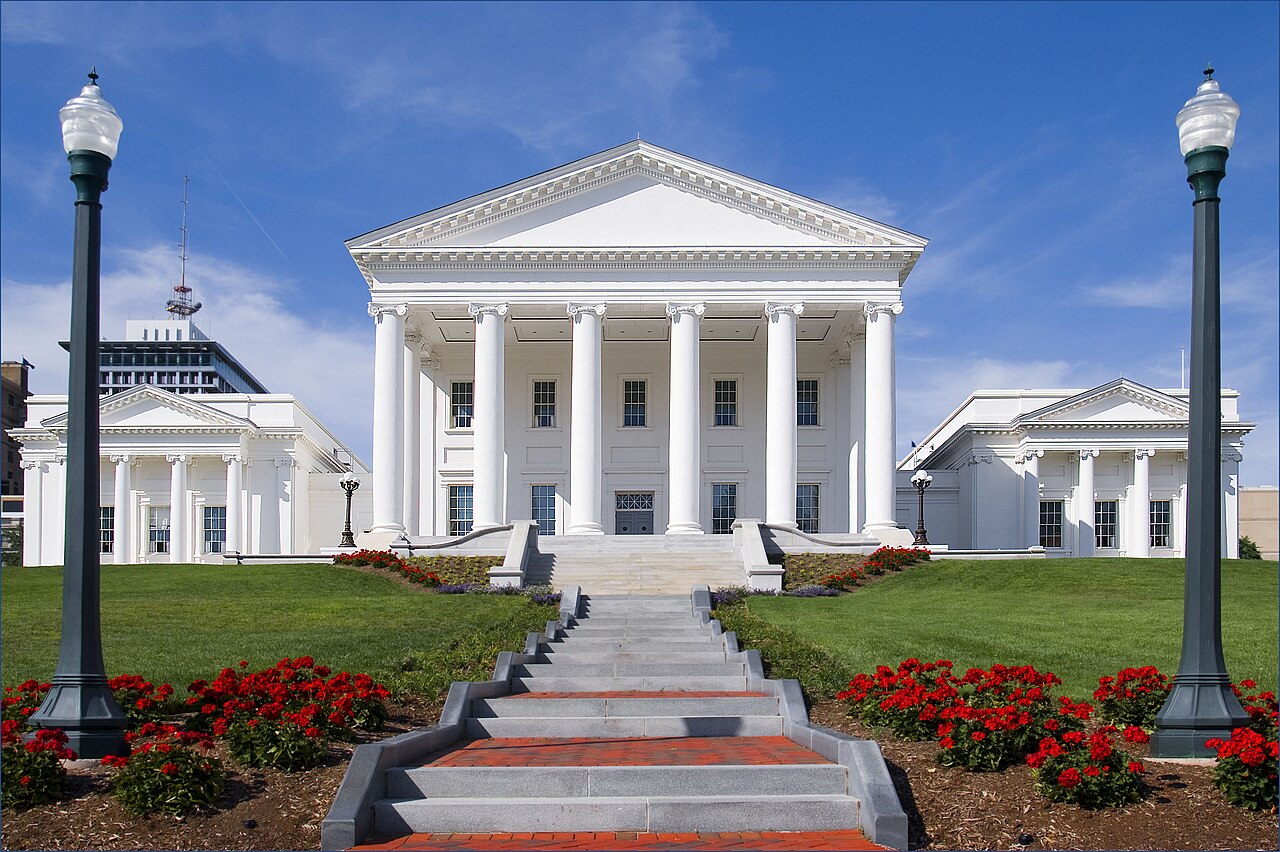
Front view of the white neoclassical Virginia State Capitol under a blue sky. A pedimented portico with tall columns rises above a grey stone staircase flanked by red flowers and tall street lamps. Wings extend to either side.Artifact

Primary source

Virginia State Capitol

Thomas Jefferson and Charles-Louis Clérisseau · 1785

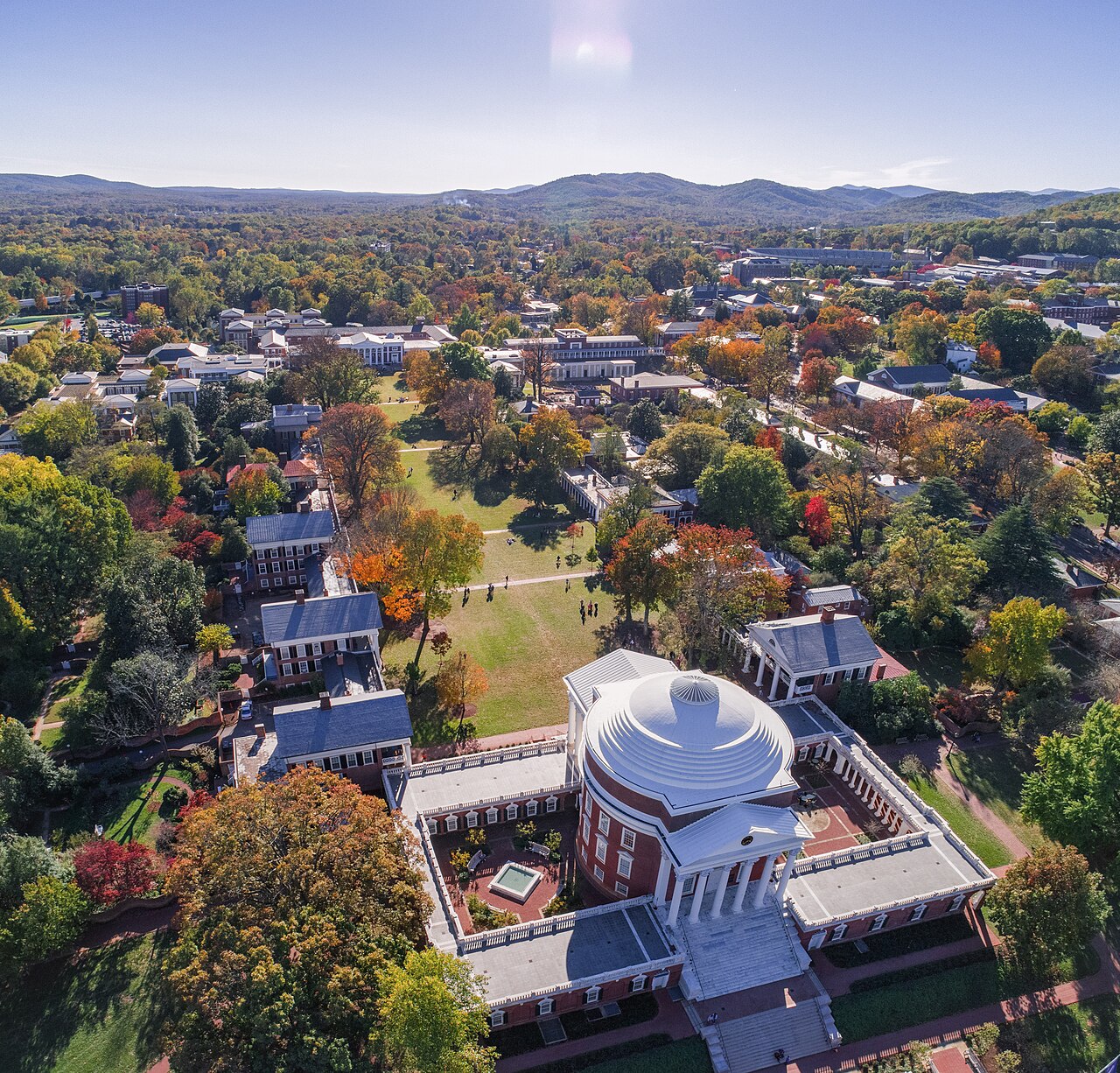
Aerial view of the University of Virginia campus in autumn. The white domed Rotunda, with its red brick walls and columned portico, sits at center beside the surrounding brick buildings and green lawn. Trees with orange and red foliage surround the campus, with a town and mountain ridge behind.Artifact

Primary source

University of Virginia Historic District

Thomas Jefferson · 1817

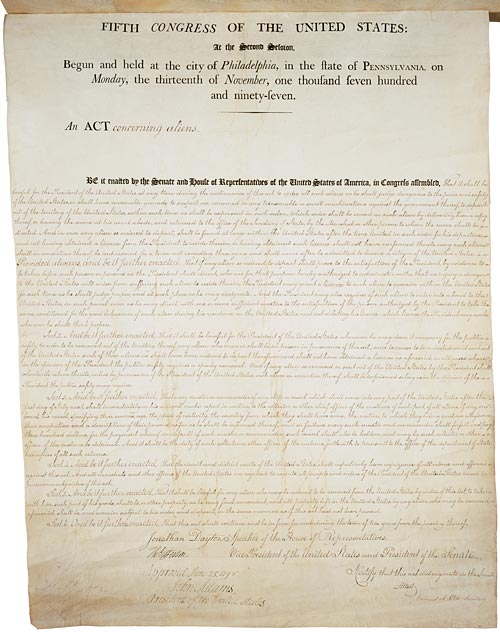
Scan of the enrolled manuscript of the 1798 Alien and Sedition Acts, headed Fifth Congress of the United States, with the Act Concerning Aliens text in dense handwritten lines and signature lines at the bottom.Document

Primary source

Alien and Sedition Acts

Fifth Congress of the United States · 1798

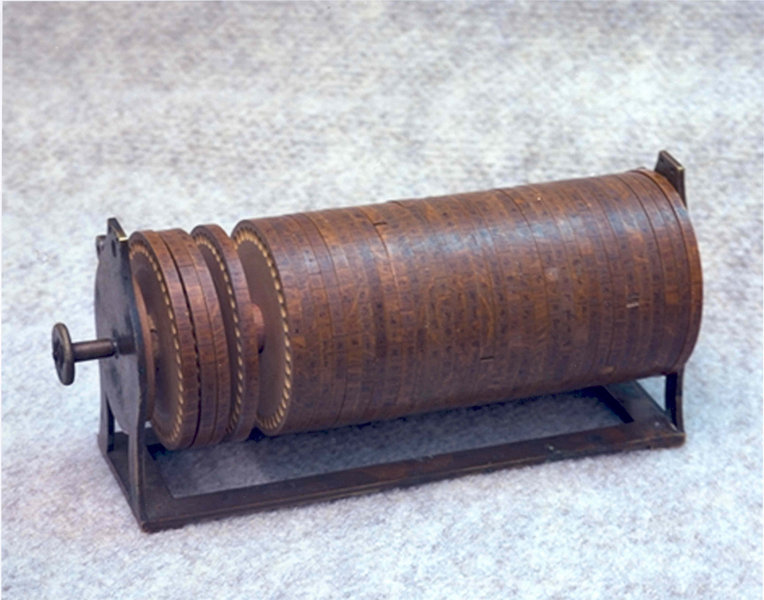
A wooden cylinder device made of many thin rotating disks mounted on a metal axle with a crank handle on the left, resting on a dark metal stand on a grey background.Artifact

Secondary source

Jefferson Disk

1790s

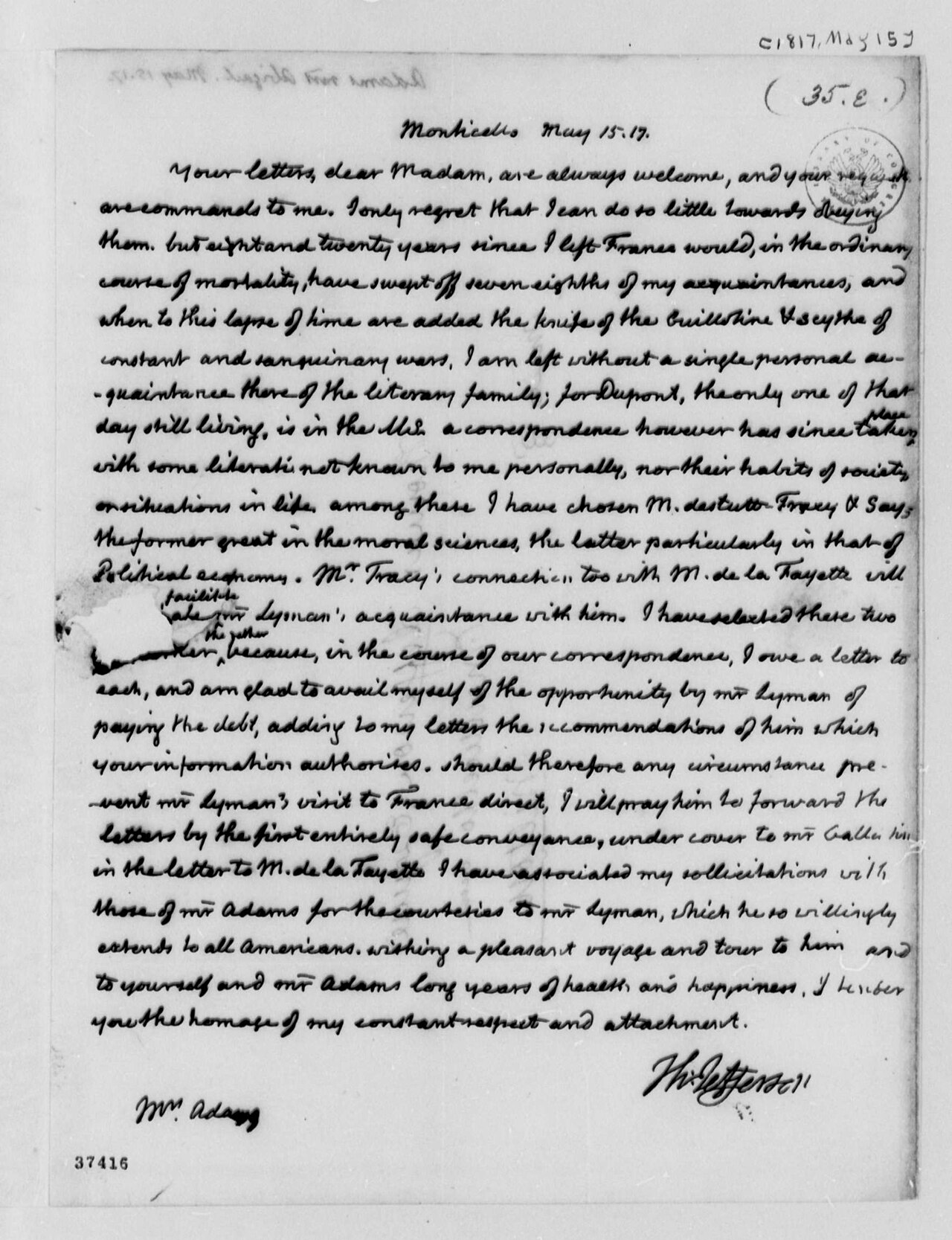
Handwritten letter by Thomas Jefferson, dated Monticello, May 15, 1817, addressed to Madam (Abigail Adams), with a signature 'Th: Jefferson' at the bottom and 'Mrs. Adams' written at lower left. Dense cursive text across the page.Letter

Primary source

Letter to Abigail Adams

Thomas Jefferson · May 15, 1817

Letter

Primary source

Letter to James Madison - September 20

Thomas Jefferson · 20 September 1785

Letter

Primary source

Letter from President Thomas Jefferson to William Henry Harrison

Thomas Jefferson · 1803

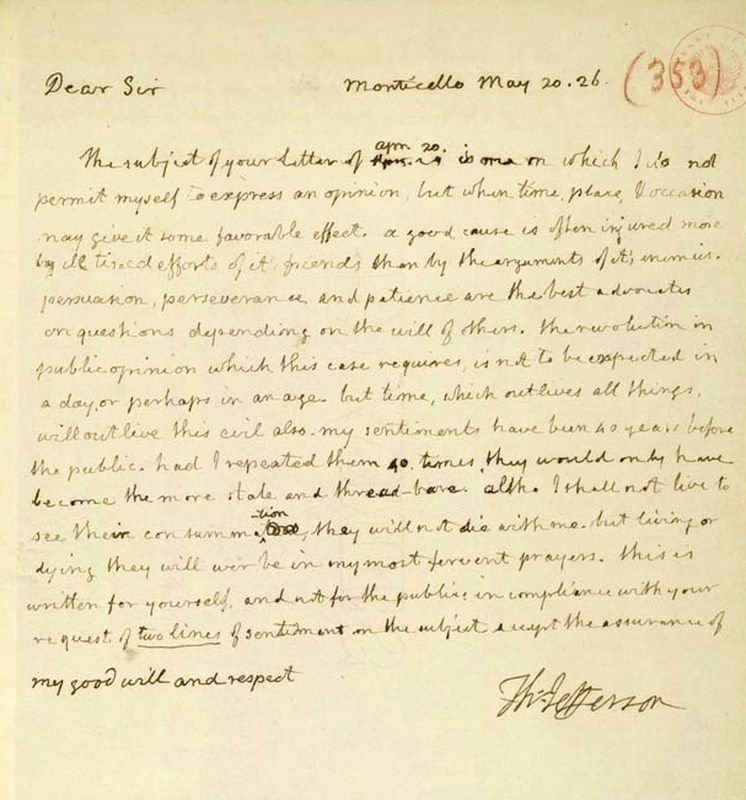
Handwritten letter on aged paper, dated Monticello May 20, 1826, signed Th: Jefferson. Text states the writer will not express an opinion on the subject raised, and discusses public opinion and persuasion. A red circular stamp reads 363.Letter

Primary source

Letter from Thomas Jefferson to James Heaton, 1826

Thomas Jefferson · 20 May 1826

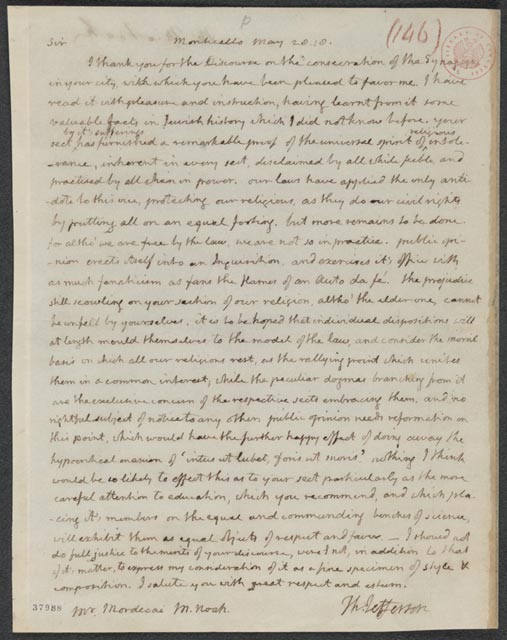
Handwritten letter on aged paper dated Monticello, May 28, 1818, addressed to Mr. Mordecai M. Noah and signed Th: Jefferson. Page number 146 appears in red and blue in the upper right corner, with a red library stamp near the top right. The letter thanks the recipient for a discourse on the consecration of a synagogue and discusses religious freedom and tolerance.Letter

Primary source

Letter from Thomas Jefferson to Mordecai Noah, 1818

Thomas Jefferson · 28 May 1818

Letter

Primary source

Letter to John Harvie

Thomas Jefferson · 4 January 1760

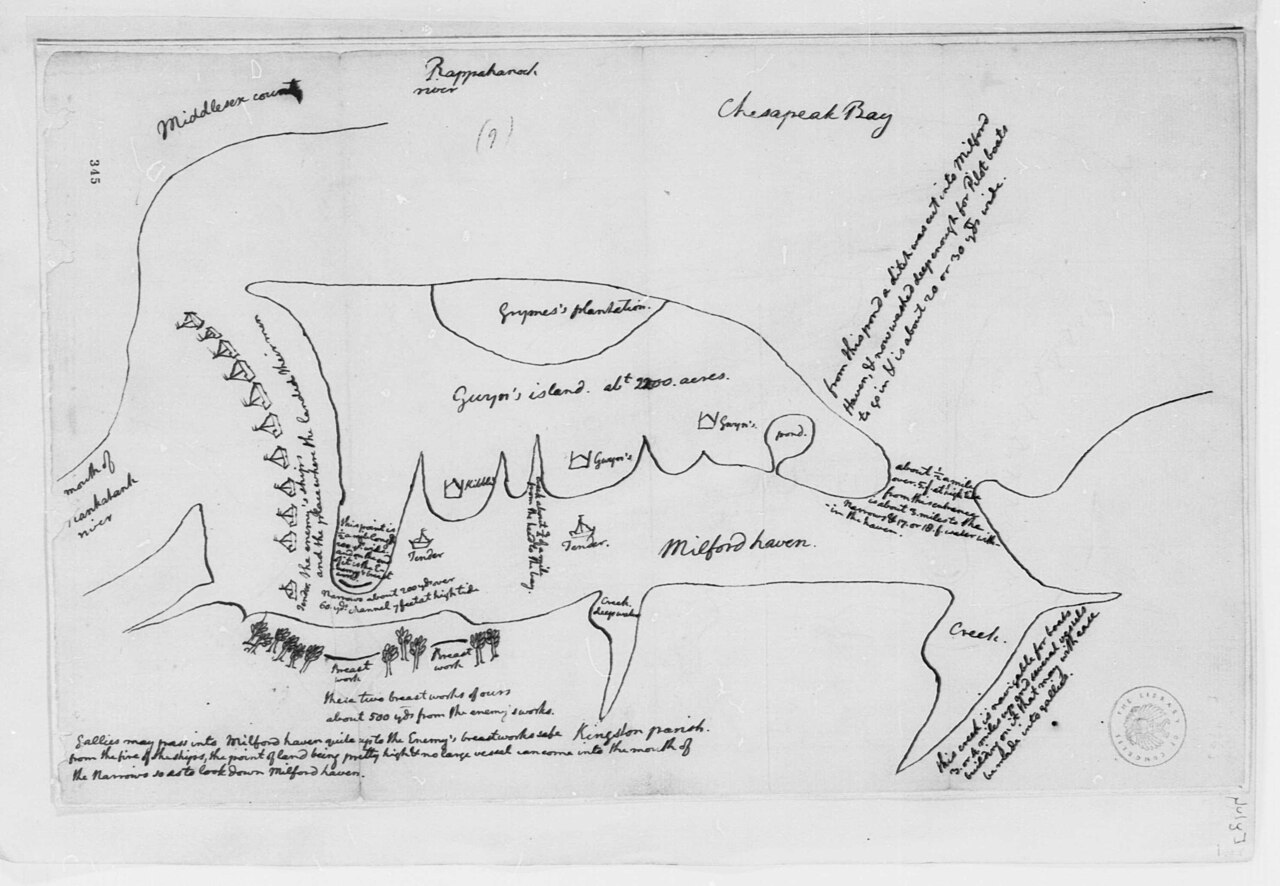
Hand-drawn manuscript map in ink on paper showing Gwynn's Island and nearby waters in Chesapeake Bay, with labeled features including Rappahannock River, Chesapeake Bay, Milford Haven, Gwynn's plantation, batteries, and handwritten notes along the margins.Document

Primary source

Map of Action at Gwynn's Island, Chesapeake Bay

Thomas Jefferson · June-July 1776

Letter

Primary source

Letter to Patsy Jefferson

Thomas Jefferson · 1783

Letter

Primary source

To Brother Handsome Lake

Thomas Jefferson · 1802

Book

Secondary source

The Life of Thomas Jefferson

Henry Stephens Randall · 1865

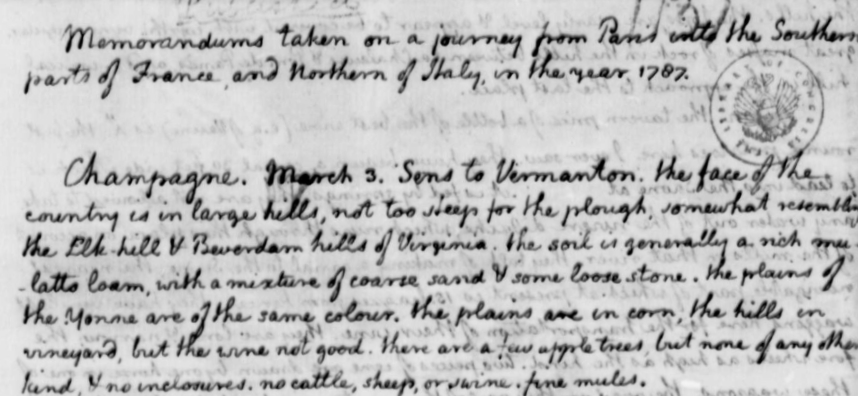
Handwritten manuscript page in ink showing the title 'Memorandums taken on a journey from Paris into the southern parts of France and Northern Italy, in the year 1787' followed by the first paragraph beginning 'Champagne. March 3. Sons to Vermanton...' with a circular embossed seal at upper right.Book

Primary source

Memorandums taken on a journey from Paris into the southern parts of France and Northern Italy

Thomas Jefferson · 1787

Letter

Primary source

Letter to Benjamin Banneker

Thomas Jefferson · August 30, 1791

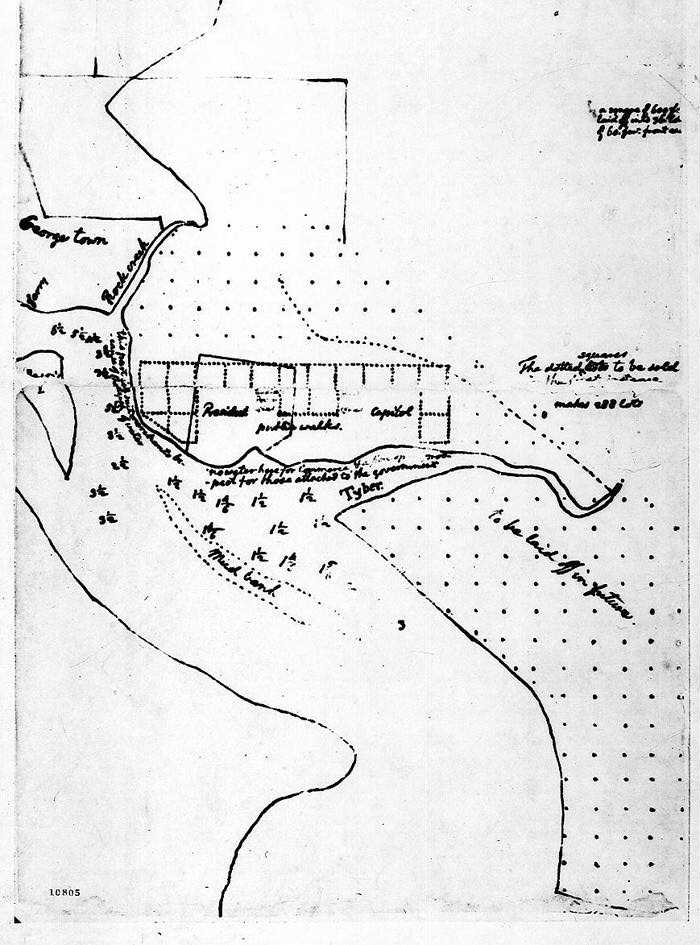
Hand-drawn ink sketch map on paper of the proposed federal city on the Potomac, showing Georgetown, Rock Creek, the Tiber, a grid of dotted lots, labeled Capitol and President's Walks, and handwritten notes.Artifact

Primary source

Sketch of Washington, March 1791

Thomas Jefferson · March 1791

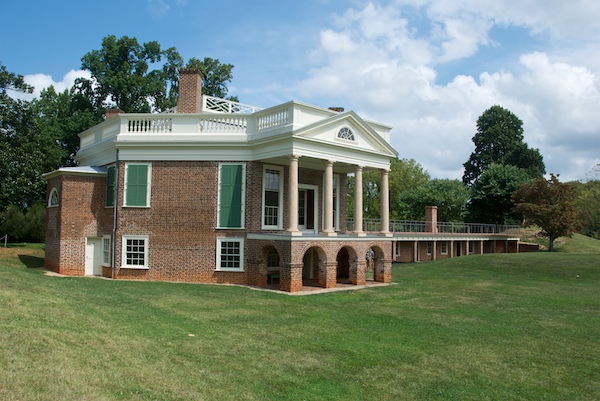
Exterior of a two-story brick house with white columned portico and pediment, green shutters, and a long low wing extending to the right across a green lawn under a blue sky with clouds.Artifact

Primary source

Poplar Forest

Thomas Jefferson · begun 1806

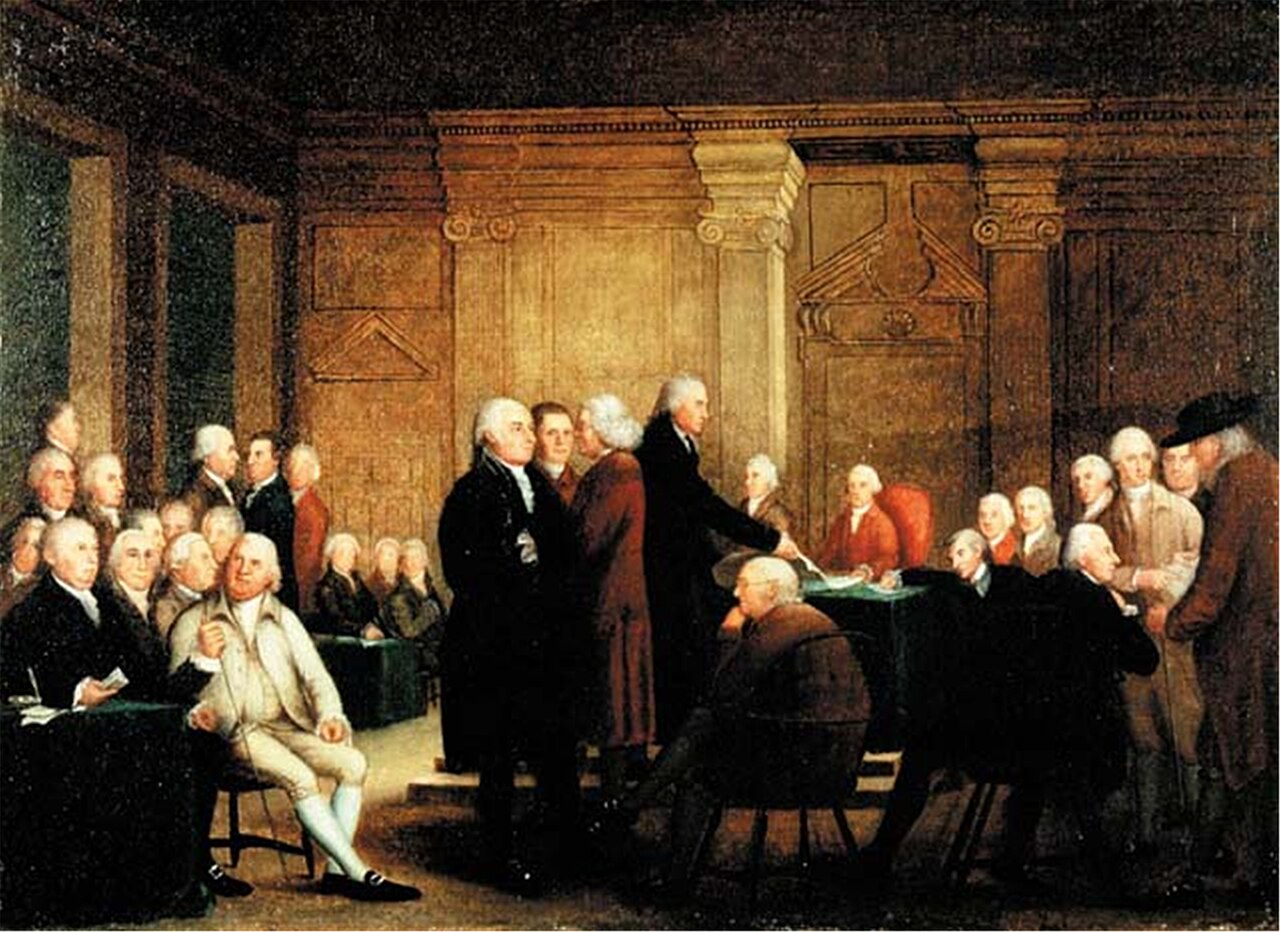
A painting of an interior with wood-paneled walls and columns, where men in 18th-century dress are gathered. In the center, a man in dark clothing and a man in a red coat stand near a table, while a figure reaches toward a desk. Many seated and standing men look on.Painting

Secondary source

Congress Voting Independence

Robert Edge Pine · 1784 (unfinished)

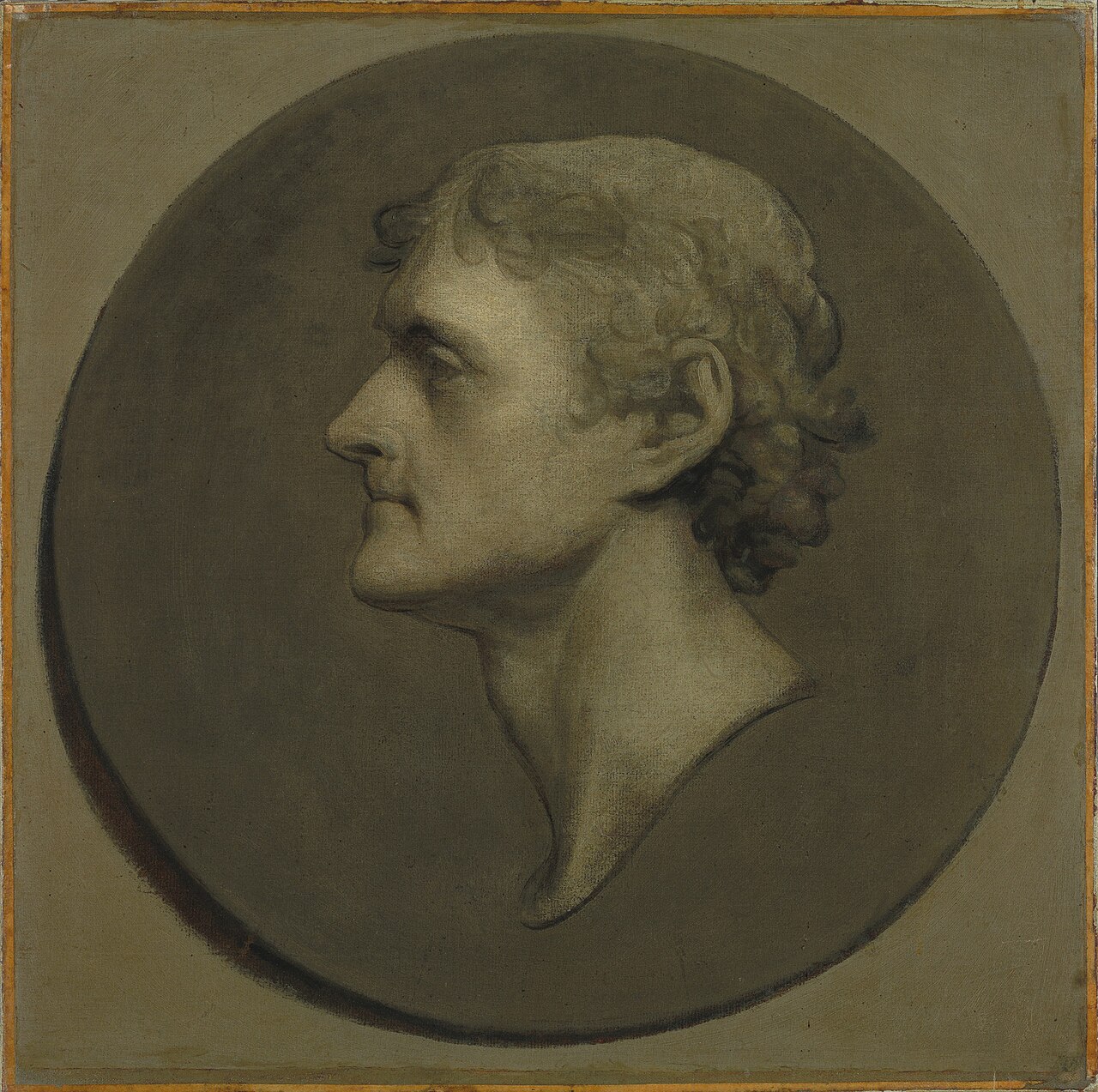
Painting in grisaille-like muted tones of a man's head and neck in left profile, with curly hair tied back, set inside a dark circular medallion on a greenish-gray square background with a gold-edged frame.Painting

Primary source

Thomas Jefferson (The Medallion Portrait)

Gilbert Stuart · 1805

Document

Primary source

Kentucky Resolutions of 1798

Thomas Jefferson · 1798

Letter

Primary source

Memoir, Correspondence, and Miscellanies from the Papers of Thomas Jefferson, Vol. 2

Thomas Jefferson · 1786 (letter dated); published 1829

Book

Primary source

The Writings of Thomas Jefferson, Vol. 2

Thomas Jefferson · 1784-1790 (letters); published 1861

Speech

Primary source

State of the Union Addresses by Thomas Jefferson

Thomas Jefferson · 1801-1808

Book

Primary source

A Summary View of the Rights of British America

Thomas Jefferson · 1774

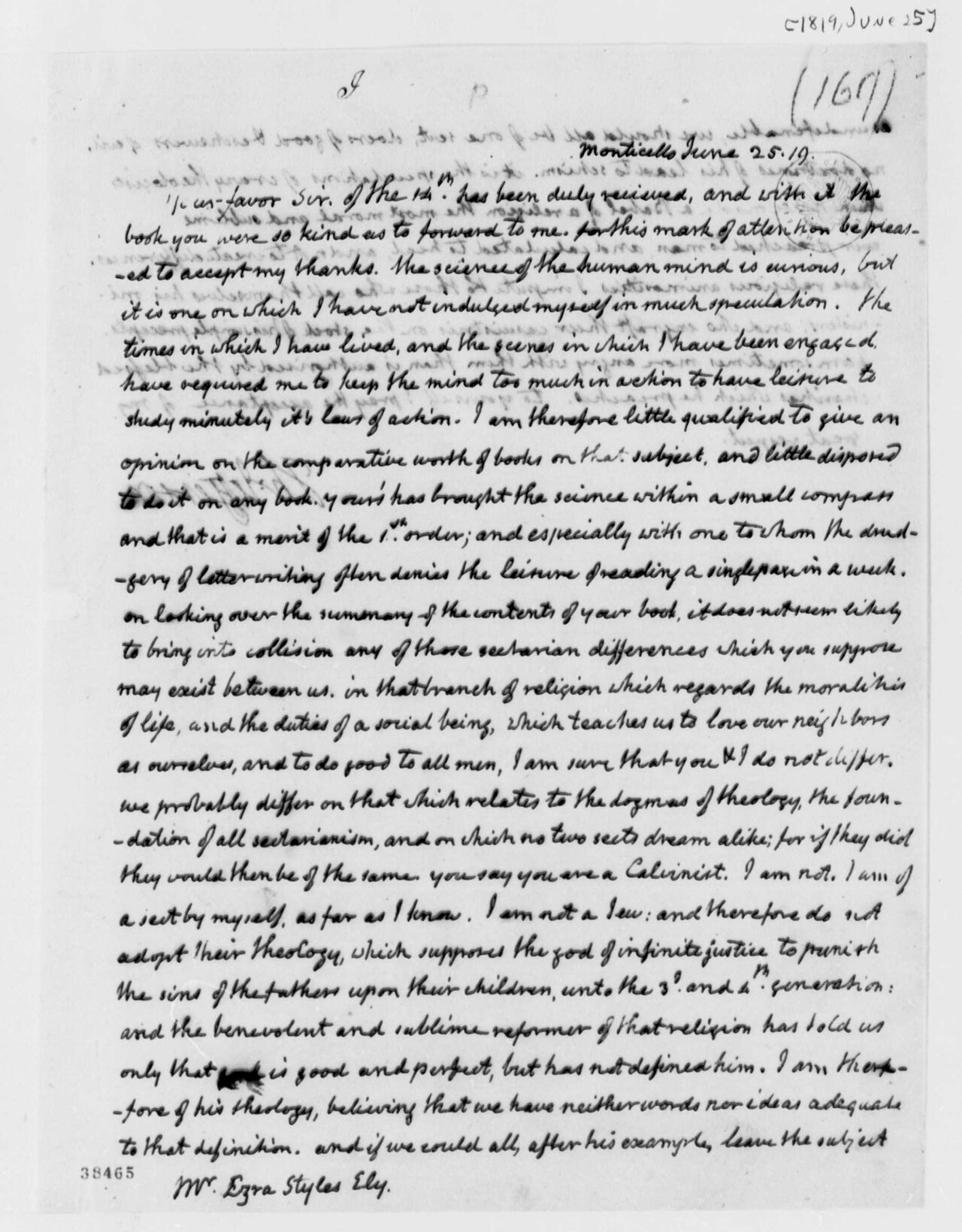
Handwritten letter in brown ink on aged paper, dated Monticello June 25, 1819, addressed to Mr. Ezra Styles Ely. The cursive text discusses religion and sectarian differences. A '(167)' page number appears at top right.Letter

Primary source

Letter from Thomas Jefferson to Ezra Stiles Ely

Thomas Jefferson · 25 June 1819

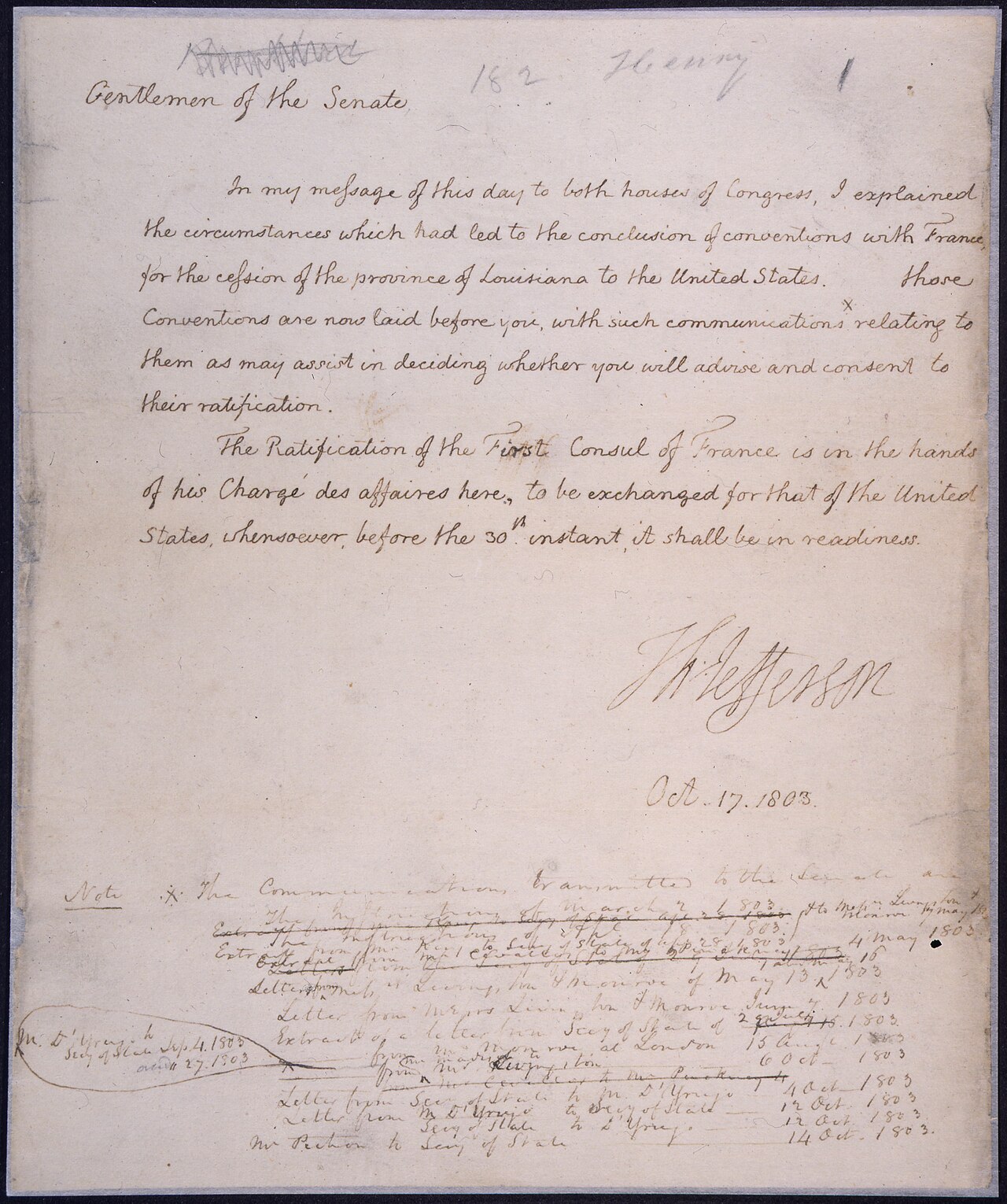
Handwritten letter from Thomas Jefferson to the Senate, dated Oct. 17, 1803, signed with his signature. It begins 'Gentlemen of the Senate' and discusses Louisiana cession conventions with France. A list of enclosed communications appears at the bottom.Document

Primary source

Message of President Jefferson to the Senate on the Louisiana Cession Treaties

Thomas Jefferson · 17 October 1803

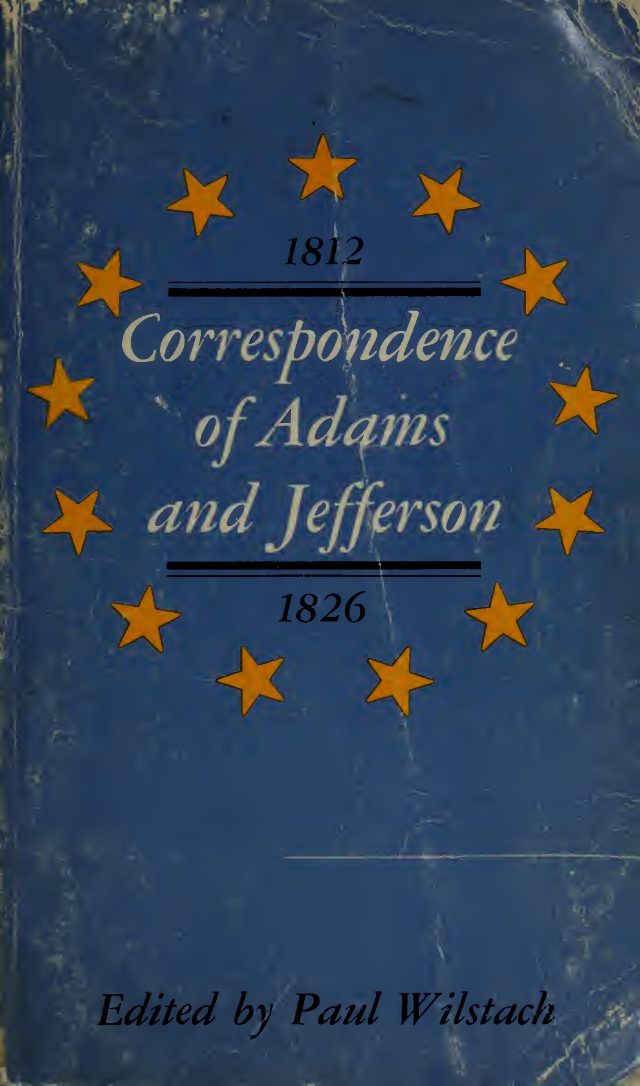
Correspondence of John Adams and Thomas JeffersonLetter

Primary source

Correspondence of John Adams and Thomas Jefferson

John Adams · 1812-1826 (published 1925)

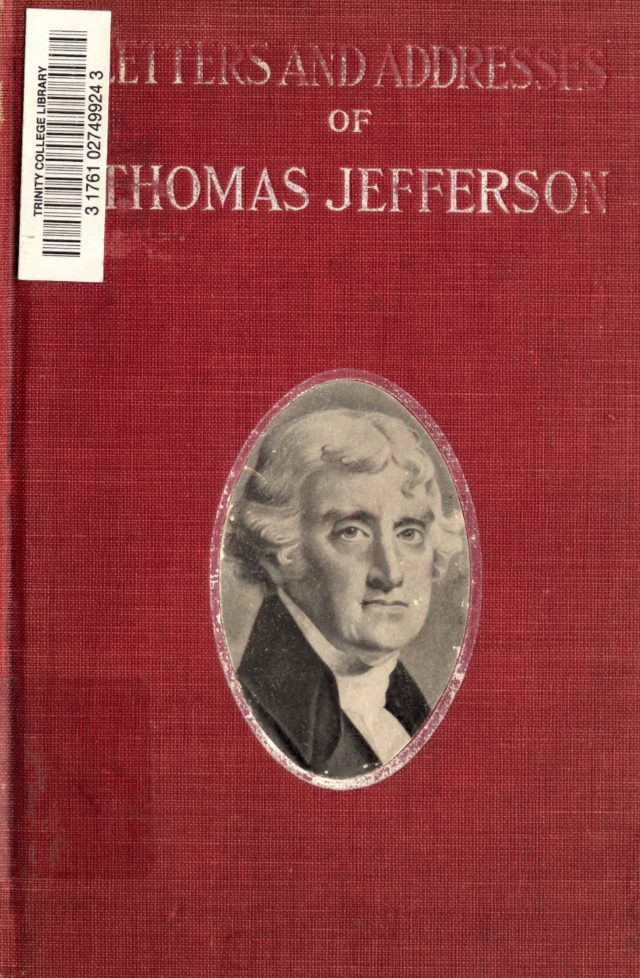
Letters and Addresses of Thomas JeffersonLetter

Primary source

Letters and Addresses of Thomas Jefferson

Thomas Jefferson · 1905 (letters from Jefferson's lifetime)

A blank cream-colored page with a black border and a slightly darker strip along the right edge, likely the gutter of a bound book. No text or markings are clearly visible.Book

Primary source

A Summary View of the Rights of British America

Thomas Jefferson · 1774

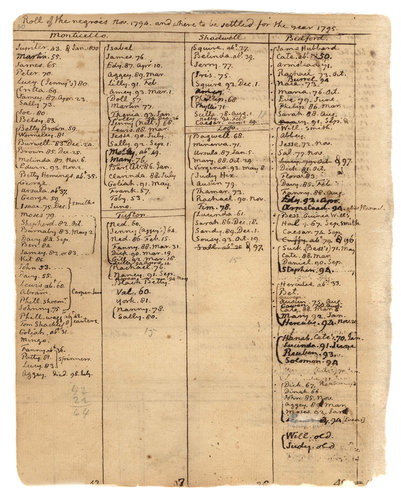
Handwritten manuscript page headed 'Roll of the negroes Nov. 1792 and ... settled for the year 1795', with names and ages in columns under headings such as Monticello, Shadwell, and Bedford, written in brown ink on aged, yellowed paper.Document

Primary source

Page from Jefferson's Record Book Listing Enslaved People

Thomas Jefferson · 1795

History of the United States during the First Administration of JeffersonBook

Secondary source

History of the United States during the First Administration of Jefferson

Henry Adams · 1889

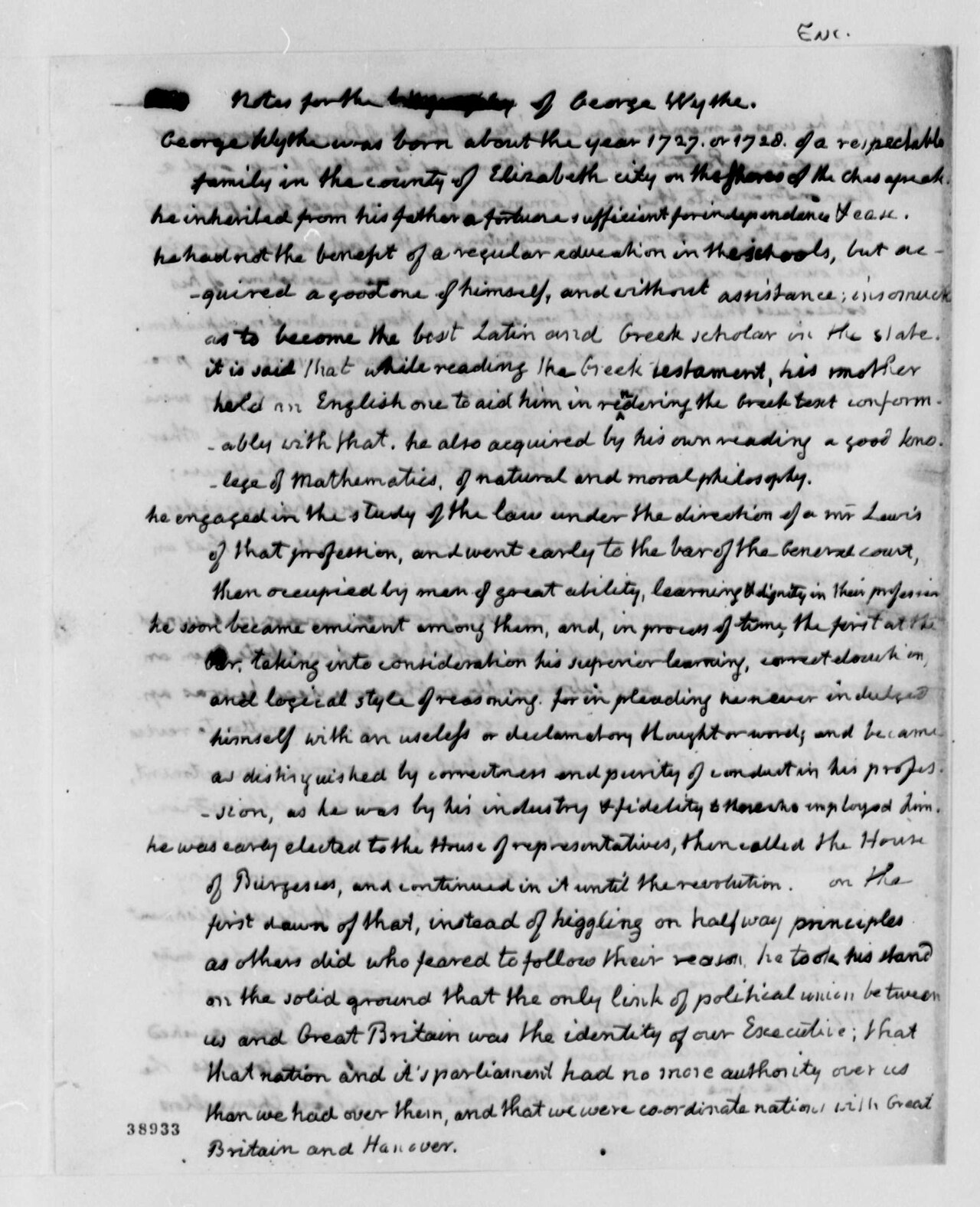
Handwritten manuscript page headed 'Notes for the biography of George Wythe,' in cursive ink on aged paper, with 'Enc.' written at the top right and the number 38933 at the lower left. The text describes Wythe's birth, education, legal career, and political stance.Document

Primary source

Notes for a Biography of George Wythe

Thomas Jefferson · 31 August 1820

Document

Primary source

Opinion Against the Constitutionality of a National Bank

Thomas Jefferson · 15 February 1791

Letter

Primary source

Letter to Richard Price

Thomas Jefferson · 1 February 1785

Document

Primary source

Messages and Papers of the Presidents, Vol. 1 part 3: Thomas Jefferson

James D. Richardson · 1801-1809 (compiled later)

Book

Secondary source

History of the United States 1801-09

Henry Adams · 1889-90

Newspaper article

Secondary source

Thomas Jefferson (beginning)

November 1858

Newspaper article

Secondary source

Thomas Jefferson (conclusion)

December 1858

Book

Secondary source

Thomas Jefferson, the Apostle of Americanism

Gilbert Chinard

Book

Secondary source

The Domestic Life of Thomas Jefferson

Sarah N. Randolph · 1871

Oil painting of a man with white hair, wearing a dark jacket, high white collar and cravat, against a dark brown background. He faces forward with a calm, slight expression.Painting

Primary source

Rembrandt Peale portrait of Thomas Jefferson

Rembrandt Peale · 1800

Oil portrait of an older man with curly white hair, pink cheeks, and a dark coat with a white cravat, set against a brown and olive background. He faces the viewer with a calm expression.Painting

Primary source

Thomas Jefferson by Gilbert Stuart

Gilbert Stuart · circa 1821

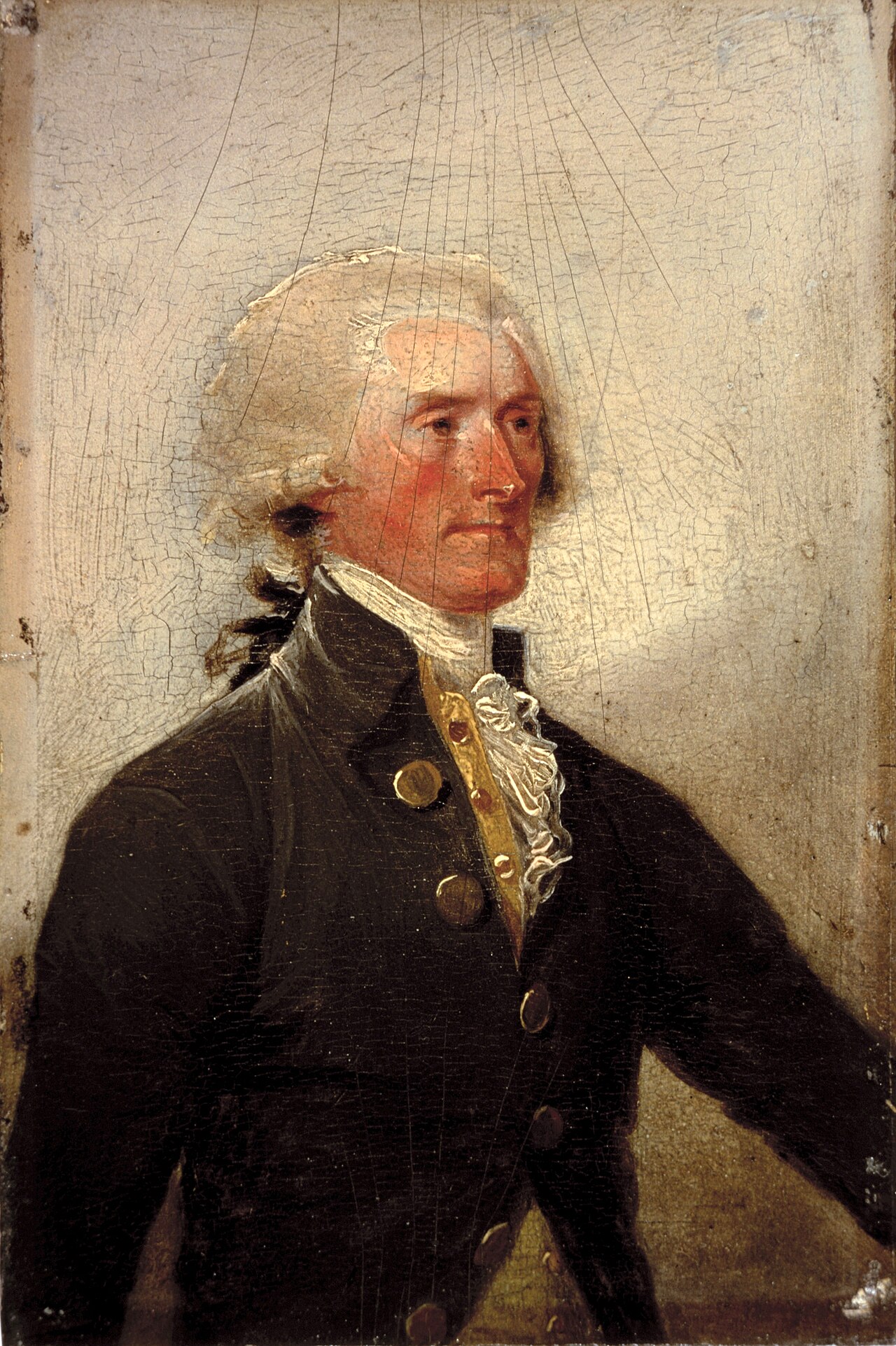
Oil painting of a man in profile-three-quarter view wearing a powdered white wig, dark black coat with brass buttons, gold waistcoat, and white frilled cravat against a pale background. The painting surface shows fine cracks.Painting

Primary source

Thomas Jefferson by John Trumbull

John Trumbull · 1788

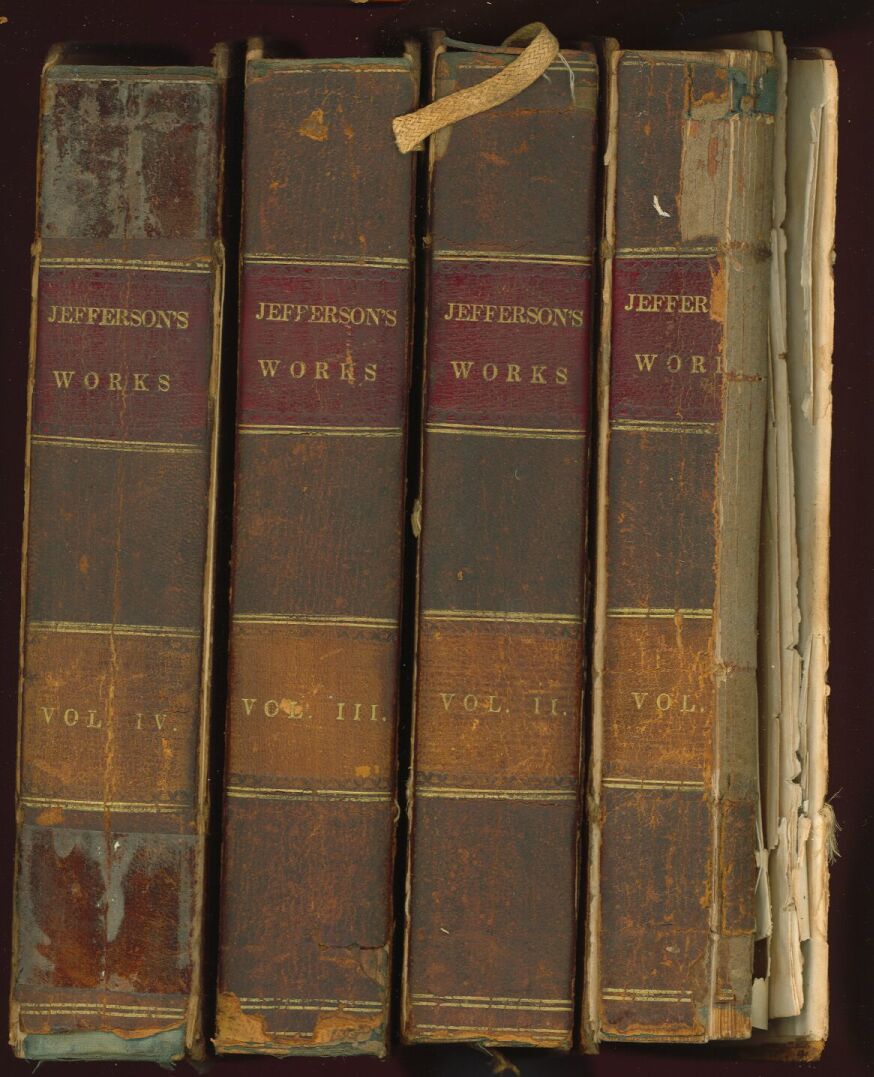
Four worn leather-bound volumes of Jefferson's Works standing side by side on a dark background. Spines show gilt titles, maroon labels, and volume numbers IV, III, II, and a partly visible volume. Cloth tab hangs from the top of the second spine.Book

Primary source

Jefferson's Works

Thomas Jefferson

Life of Thomas JeffersonBook

Secondary source

Life of Thomas Jefferson

B. L. Rayner · 1834

Interview

Primary source

Memoir, Correspondence and Miscellanies, Volume I (audiobook)

Thomas Jefferson

Scan of an 1769 newspaper advertisement offering a reward for the capture of a runaway Mulatto slave named Sandy, about 35 years old, a shoemaker, described as taking a white horse. Signed Thomas Jefferson. A woodcut figure of a man appears at left.Newspaper article

Primary source

Jefferson's Advertisement for Runaway Slave Sandy

Thomas Jefferson · 14 September 1769

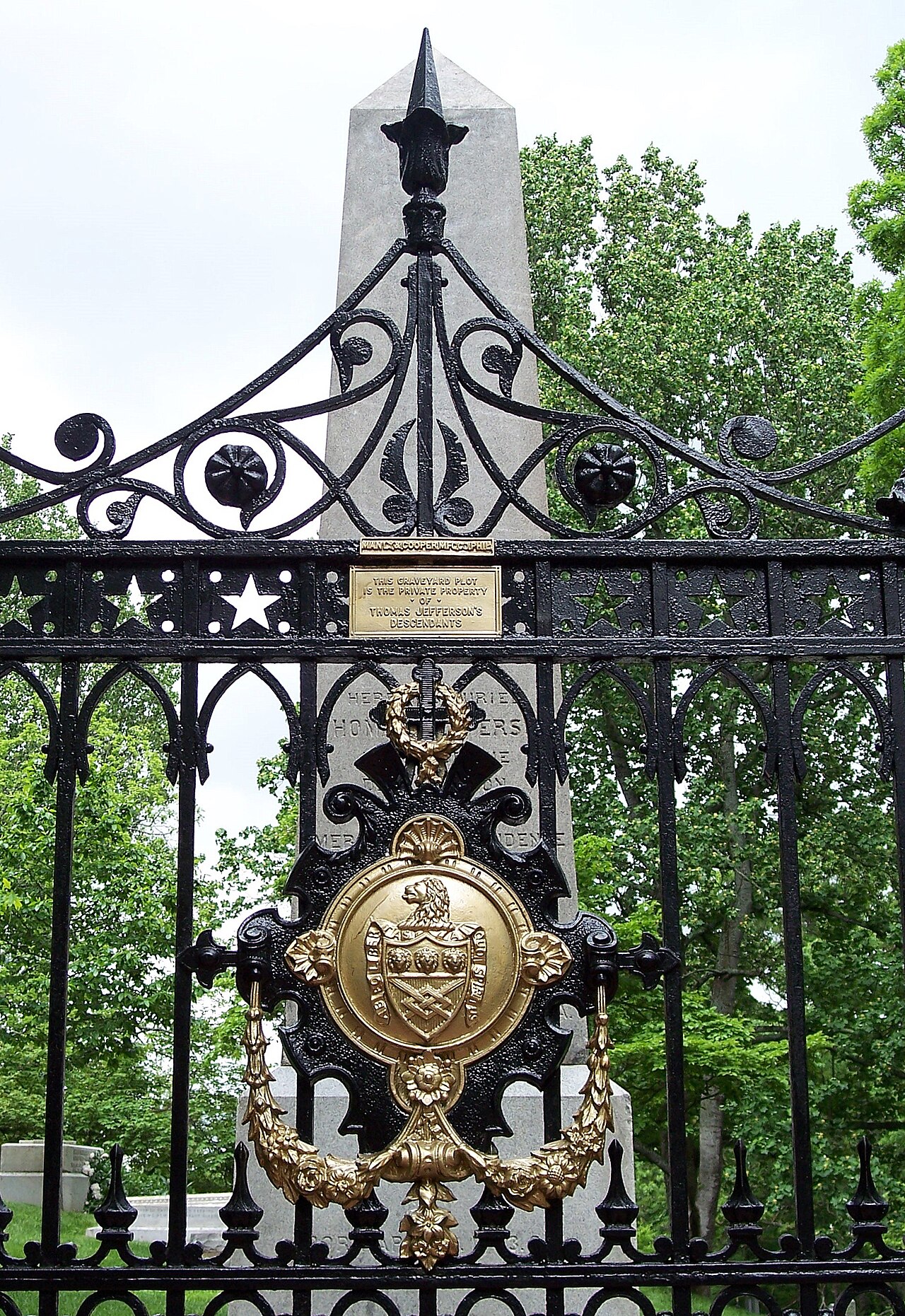
Black wrought-iron gate with scrollwork and star cutouts, with a brass plaque reading 'This graveyard plot is the private property of Thomas Jefferson's descendants' and a gold seal with a lion crest. A gray stone obelisk rises behind the gate against green trees.Photograph

Secondary source

Thomas Jefferson's Gravesite at Monticello

Queerbubbles · 10 May 2008

Want the full shelf? Chat with Thomas Jefferson in the app and open the Sources panel — every quote links back to the original.

Trusted by educators worldwide

Conversations
375,000+
Real exchanges between students and historical figures
Messages exchanged
4,142,000+
Across every figure, classroom and language
Historical figures
100,000+
Each informed by a curated biography and selected sources
Languages supported
50+
From English and Spanish to Arabic and Korean

Paying customers

Used by 98 schools and universities

Partner school logo
Tecnológico de Monterrey logo
Hyper Island logo
Partner school logo
Chambersburg Area School District logo
Broward County Public Schools logo
Nebo School District logo
National Louis University logo
South Florida PBS logo
Punahou School logo
University of Wisconsin–River Falls logo
Partner school logo
Partner school logo
Archbishop Mitty High School logo
Kingsburg High School logo
Norwalk Public Schools logo
Partner school logo
Connections logo
Partner school logo
Moore Public Schools logo
Partner school logo
Partner school logo
Partner school logo
Partner school logo
Robbinsville Public Schools logo
Partner school logo
Partner school logo
Partner school logo
Tecnológico de Monterrey logo
Hyper Island logo
Partner school logo
Chambersburg Area School District logo
Broward County Public Schools logo
Nebo School District logo
National Louis University logo
South Florida PBS logo
Punahou School logo
University of Wisconsin–River Falls logo
Partner school logo
Partner school logo
Archbishop Mitty High School logo
Kingsburg High School logo
Norwalk Public Schools logo
Partner school logo
Connections logo
Partner school logo
Moore Public Schools logo
Partner school logo
Partner school logo
Partner school logo
Partner school logo
Robbinsville Public Schools logo
Partner school logo
Partner school logo

What educators are saying

“We enjoyed the program last year and used it frequently.”
“My students say it’s a welcome change of pace. I’m not a fan of the “sage on the stage” model, so I try to incorporate research-oriented and self-paced activities. With Humy, students have to take charge of their learning. They’ve become more adept at critical thinking, forming better questions, and improving their reading comprehension. The interview feature has been my go-to tool. I create assignments where students must ask historical figures a set number of questions, then summarize the responses to ensure they’re truly absorbing the material. This approach lets them actively explore the past rather than passively consuming information.”
“Humy has helped me bring historical figures, sometimes long past, to life. When my students interact with these figures in real-time, it eliminates some of the perceived “ancient” characteristics of my curriculum. This has shifted my students’ thinking away from viewing history as abstract or irrelevant. Real-time interactions make historical figures relatable, even allowing students to ask off-topic questions that help put historical lives in a more relevant context for 13-year-olds. The feature I use the most is the interview feature. After teaching a topic, most recently Gandhi and Joan of Arc, I have the students ask pointed, focused questions. We practice good conversation techniques beforehand, teaching them to listen (or read) carefully and formulate thoughtful follow-up questions rather than just interrogating. It helps students practice effective conversation skills.”

FAQ

Frequently asked questions

Who is Thomas Jefferson?
Third President of the United States, principal author of the Declaration of Independence, and advocate for individual rights and limited government. On Humy.ai you can chat with an AI version of Thomas Jefferson that draws on a short biography and 85 historical sources during the conversation — by text or voice, in 42 languages.
Is Thomas Jefferson AI free?
Yes. Thomas Jefferson is in Humy's free library: a free account includes 20 messages a month with Thomas Jefferson and the other free figures, by text or voice. No credit card is needed.
What sources does the Thomas Jefferson AI use?
It draws on a short biography and 85 historical sources (letters, paintings and documents), including “Declaration of Independence”, “Thomas Jefferson Stipple Engraving after Gilbert Stuart” and “Virginia Statute for Religious Freedom”. Each source has its own page on Humy.ai.
How historically accurate is the AI version of Thomas Jefferson?
Each figure uses a short biography and a small set of selected historical sources as context (retrieval-augmented generation), so answers stay closer to known material than the model's general knowledge alone. It isn't a citation-grade research tool — like any LLM, the AI can get details wrong or extrapolate. Treat it as a strong starting point for inquiry and cross-reference important claims.
Can I talk to Thomas Jefferson by voice?
Yes. In addition to text chat, you can call Thomas Jefferson and hear their voice respond in real time — useful for auditory learners, interview practice and Socratic dialogue.
Is Humy.ai safe and compliant for schools?
Yes. Humy.ai is used by more than 100 schools, universities and organisations. The platform is FERPA- and GDPR-aligned, supports SSO, and offers an IT-approval pack tailored for school procurement teams.

Cross-reference Thomas Jefferson

Like any LLM, the AI version of Thomas Jefferson can get details wrong. Open one of these sources in a new tab to verify what you’ve read.

Ready when you are

Start chatting with Thomas Jefferson now.

20 messages free · No credit card · Available in 50+ languages.