


Primary sourceLetter20 May 1826
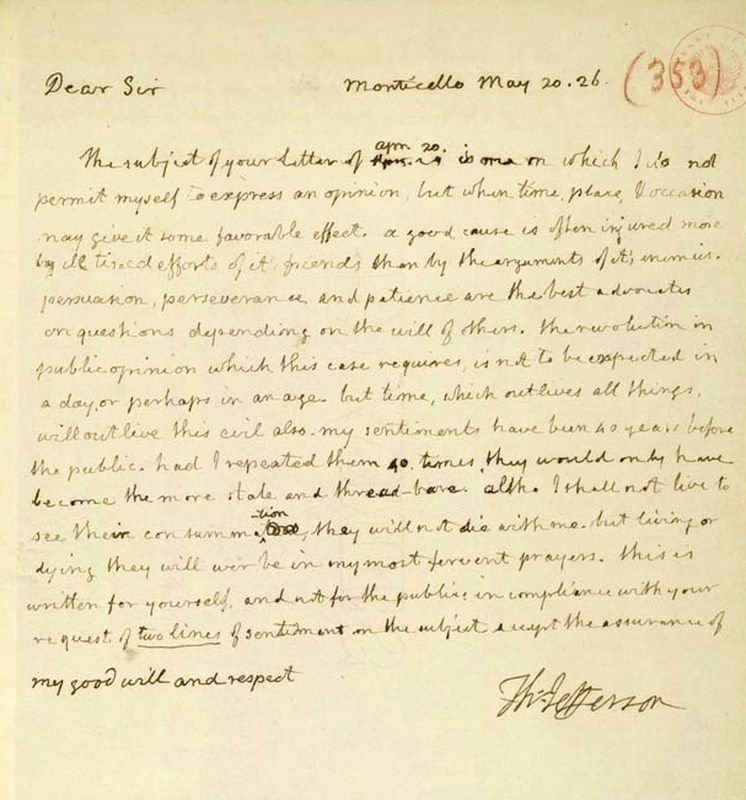
Letter from Thomas Jefferson to James Heaton, 1826
Thomas Jefferson · 20 May 1826
A letter written weeks before Jefferson's death in which he explains, but does not defend, his silence on ending slavery.
Jefferson wrote this letter himself, admitting his lifelong public silence on ending slavery.
About this source
What it is
This is a handwritten letter signed by Thomas Jefferson, dated Monticello, May 20, 1826, and addressed to James Heaton, a Whig state representative from Ohio. It responds to Heaton's request for a statement of sentiment on slavery.
Why it matters
In the letter, Jefferson explains that he never publicly expressed his opinion on slavery during his lifetime, arguing that persuasion and patience, not forceful statements, were the way to change public opinion over time. He admits he will not live to see slavery ended but says his views will outlive him. Written only weeks before his death, the letter shows Jefferson acknowledging, near the end of his life, that he left the problem of slavery unresolved for future generations.
Look closer
- Why might Jefferson have asked that this letter not be made public?
- What reasons does he give for his lifelong silence on slavery, and do you find them convincing?
- How does this private explanation compare with his public image as a champion of liberty?
This letter is part of the curated material that grounds the AI version of Thomas Jefferson on Humy.ai — when students ask about related events, the AI can quote it and cite it.
More Thomas Jefferson sources
Meet the AI Thomas Jefferson →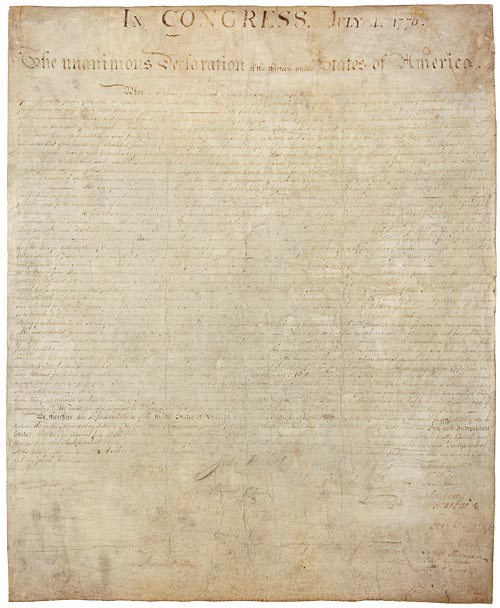 Document
Primary source
Declaration of Independence
Continental Congress (drafted by Thomas Jefferson) · 1776
 Painting
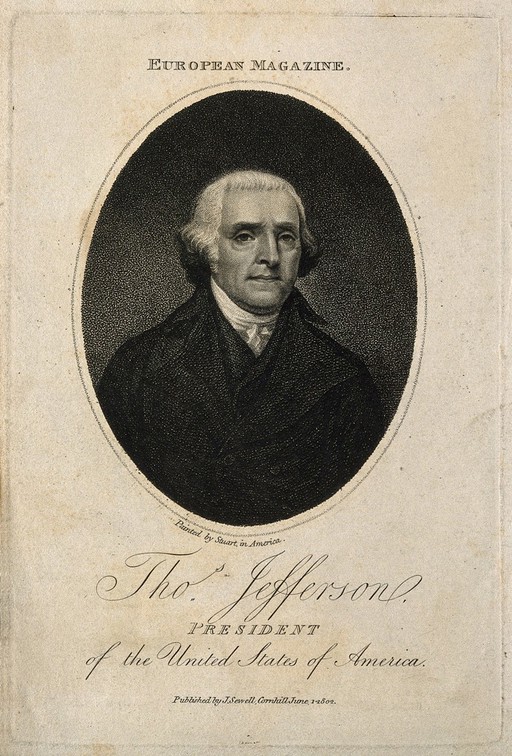
Primary source
Thomas Jefferson Stipple Engraving after Gilbert Stuart
After Gilbert Stuart · 1802
Primary source
Virginia Statute for Religious Freedom
Thomas Jefferson · written 1777, enacted 16 January 1786
 Painting
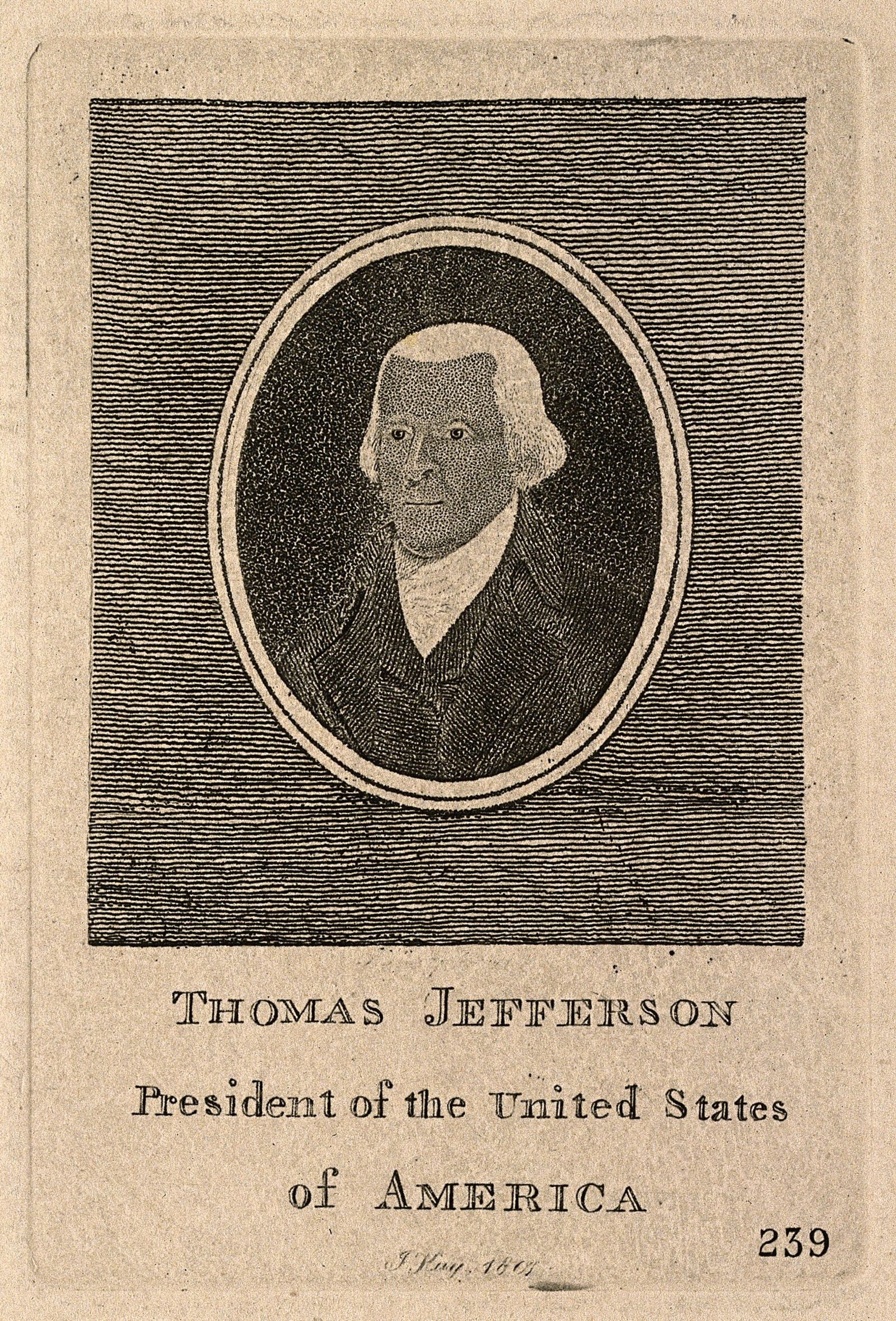
Primary source
Thomas Jefferson Etching by John Kay, 1807
Gilbert Stuart · 1807
 Painting
Secondary source
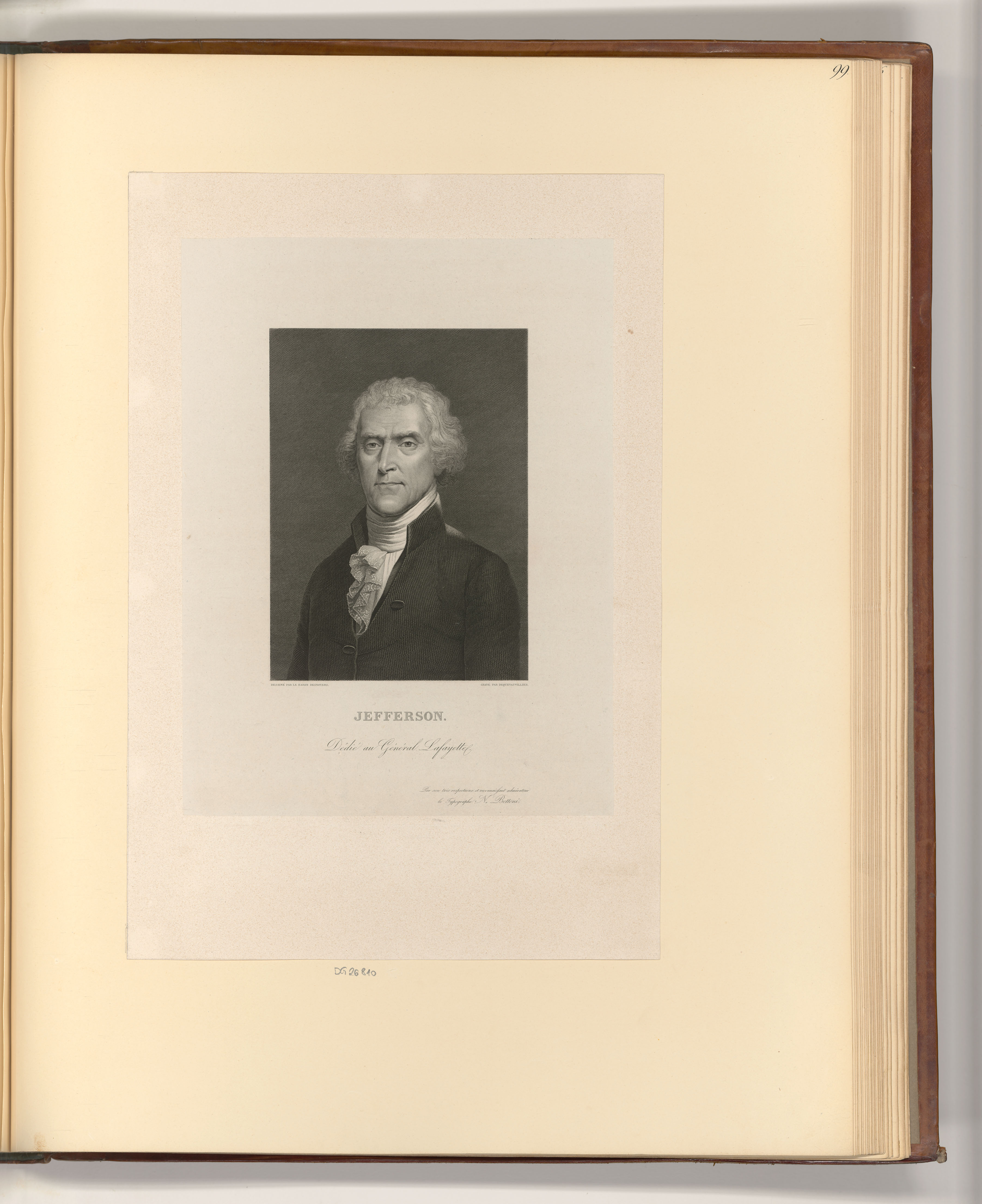
Porträt Thomas Jefferson
Auguste Gaspard Louis Boucher Desnoyers
Ready when you are
Start chatting with Thomas Jefferson now.
20 messages free · No credit card · Available in 50+ languages.