


Primary sourceDocumentwritten 1777, enacted 16 January 1786
Virginia Statute for Religious Freedom
Thomas Jefferson · written 1777, enacted 16 January 1786
A Virginia law written by Thomas Jefferson that ended the state-established church and guaranteed freedom of religion for people of all faiths.
Jefferson wrote this statute, which he considered one of his three greatest life achievements.
About this source
What it is
This document is the Virginia Statute for Religious Freedom, drafted by Thomas Jefferson in 1777 and enacted into law by the Virginia General Assembly on January 16, 1786. It ended the official status of the Church of England in Virginia and protected freedom of religion for Christians of all denominations as well as other faiths.
Why it matters
The statute influenced the First Amendment's protections for religion in the U.S. Constitution. James Madison helped guide it to passage after opposing a rival bill by Patrick Henry. Jefferson considered it one of his three greatest accomplishments and asked that it be mentioned on his gravestone.
Look closer
- Why might Jefferson have argued that forcing people to pay for religion they disbelieve is "sinful and tyrannical"?
- What does it tell you about the time that this law had to specifically name Christians, Jews, Muslims, and Hindus?
- Why do you think this statute took years to pass, even though Jefferson wrote it in 1777?
This document is part of the curated material that grounds the AI version of Thomas Jefferson and Patrick Henry on Humy.ai — when students ask about related events, the AI can quote it and cite it.
More Thomas Jefferson sources
Meet the AI Thomas Jefferson →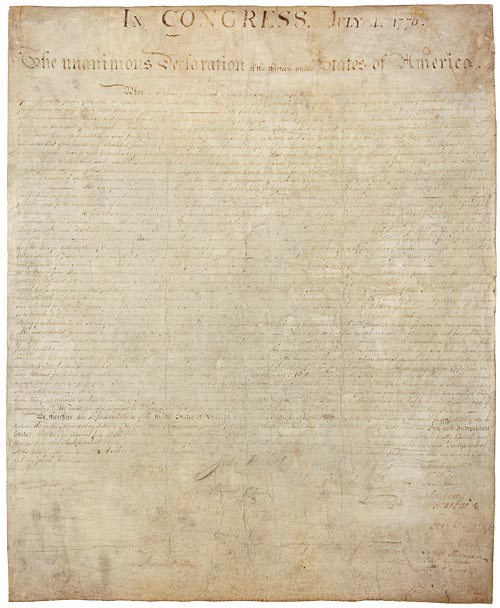 Document
Primary source
Declaration of Independence
Continental Congress (drafted by Thomas Jefferson) · 1776
 Painting
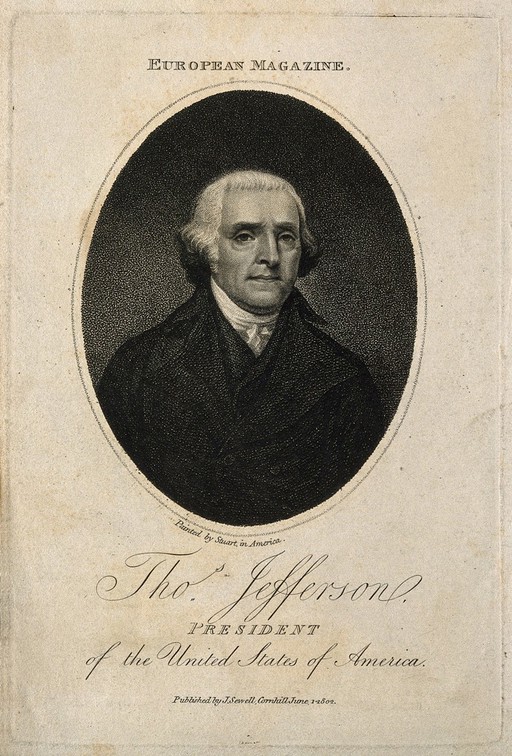
Primary source
Thomas Jefferson Stipple Engraving after Gilbert Stuart
After Gilbert Stuart · 1802
 Painting
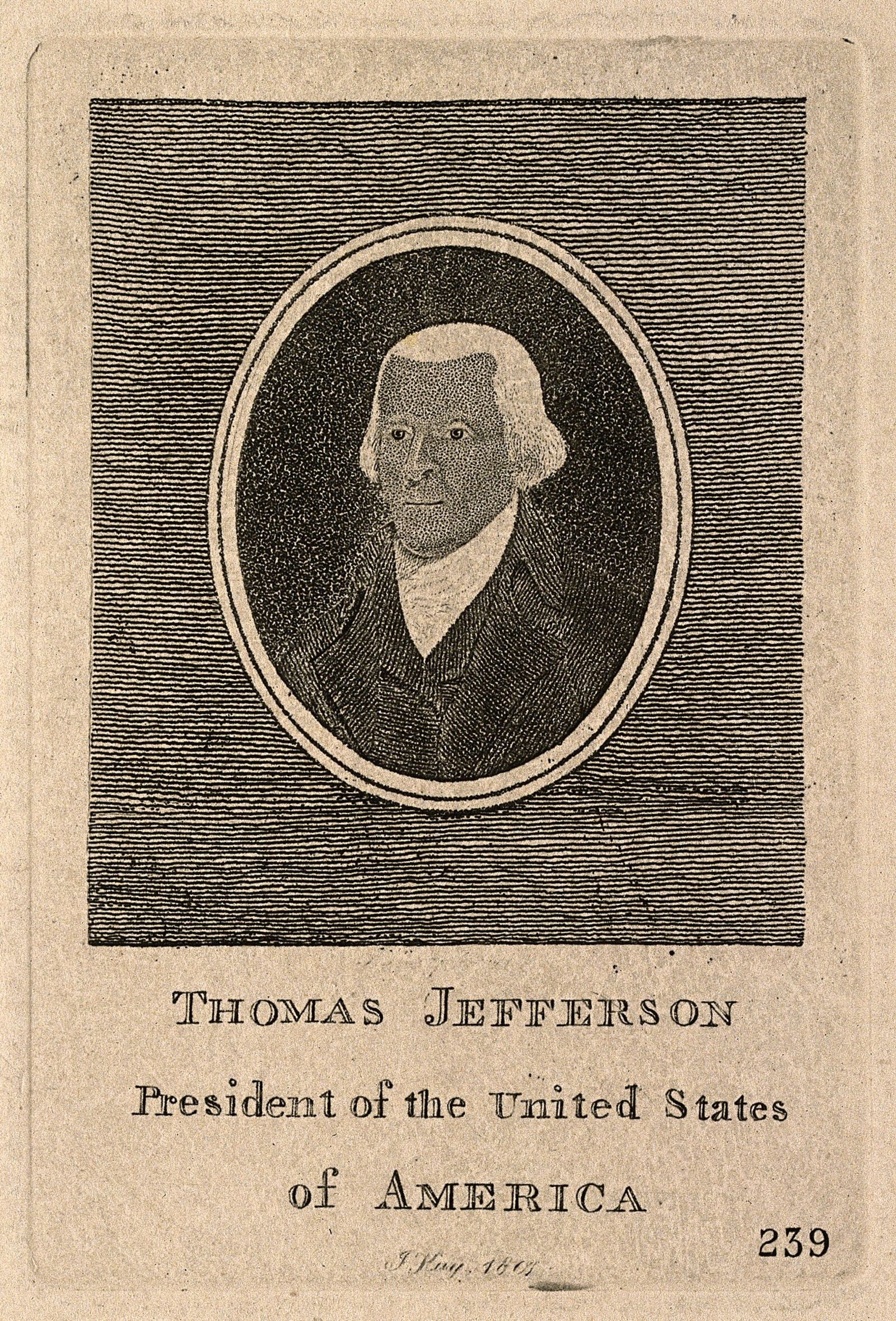
Primary source
Thomas Jefferson Etching by John Kay, 1807
Gilbert Stuart · 1807
 Painting
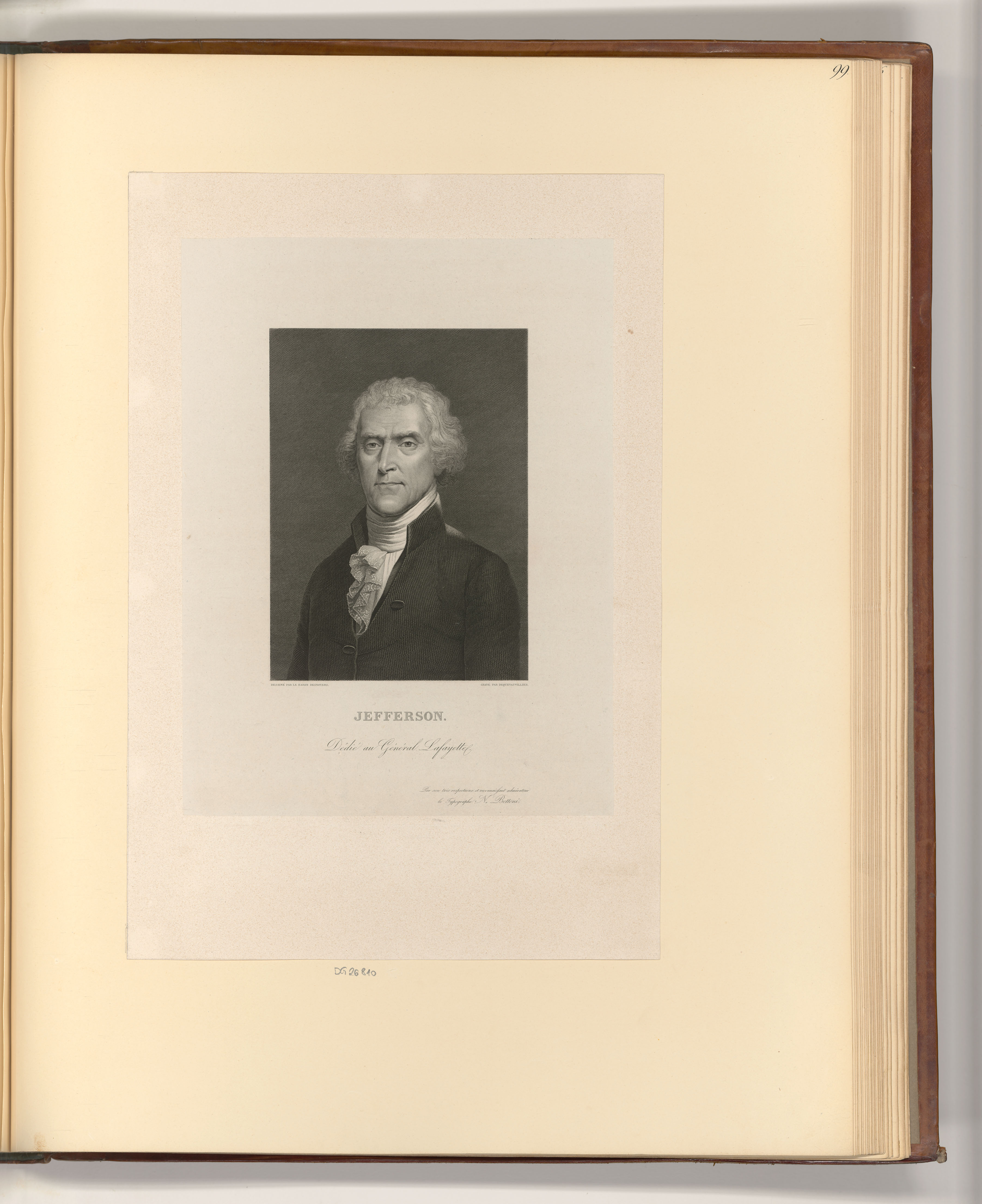
Secondary source
Porträt Thomas Jefferson
Auguste Gaspard Louis Boucher Desnoyers
 Document
Primary source
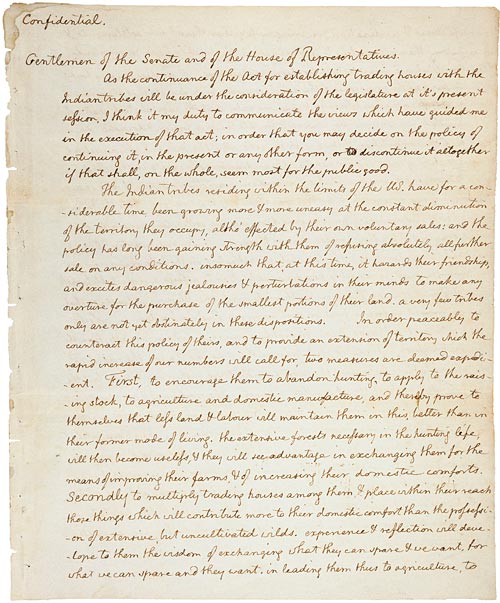
Jefferson's Secret Message to Congress Regarding the Lewis and Clark Expedition
Thomas Jefferson · 18 January 1803
Ready when you are
Start chatting with Thomas Jefferson now.
20 messages free · No credit card · Available in 50+ languages.