


Primary sourceDocument22 December 1807
Embargo Act of 1807
22 December 1807
A law signed by President Jefferson banning foreign trade in an attempt to pressure Britain and France without going to war.
Jefferson championed and signed this embargo, and its failure marked a low point of his second term.
About this source
What it is
The Embargo Act of 1807 was passed by Congress and signed into law on December 22, 1807. It placed a general trade embargo on all foreign nations, forbidding American ships from trading abroad.
Why it matters
President Thomas Jefferson pushed for this response to British and French interference with American shipping, including the seizure of ships and impressment of sailors, worsened by incidents like the Chesapeake-Leopard affair. Jefferson favored economic pressure over war, believing the United States was too weak militarily to fight Britain or France. The embargo badly hurt American trade, especially in New England, and ultimately failed to change British or French behavior, becoming one of the most damaging policies of his presidency.
Look closer
- Why might a president choose economic pressure instead of military action?
- Who in America benefited and who suffered from this law?
- What does the Act's failure reveal about the limits of Jefferson's foreign policy?
This document is part of the curated material that grounds the AI version of Thomas Jefferson on Humy.ai — when students ask about related events, the AI can quote it and cite it.
More Thomas Jefferson sources
Meet the AI Thomas Jefferson →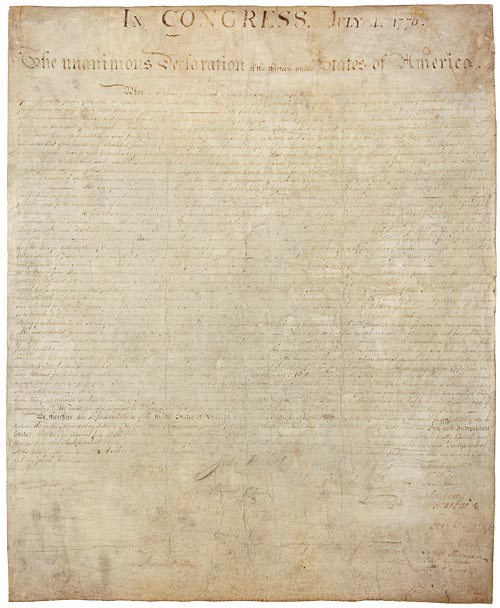 Document
Primary source
Declaration of Independence
Continental Congress (drafted by Thomas Jefferson) · 1776
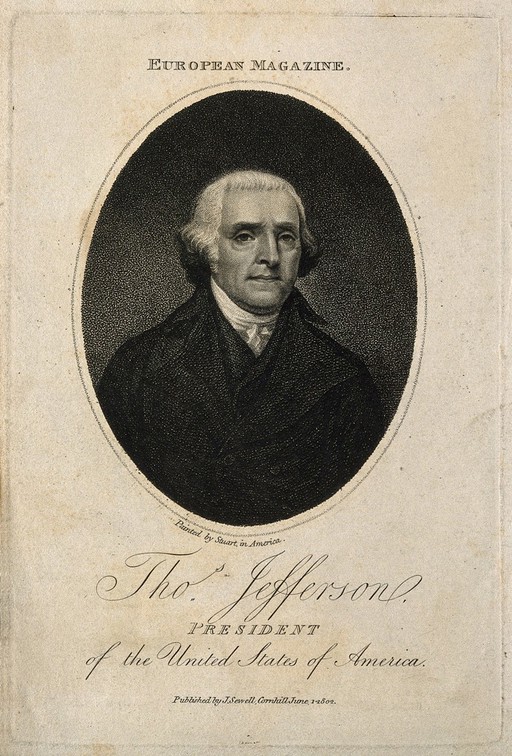 Painting
Primary source
Thomas Jefferson Stipple Engraving after Gilbert Stuart
After Gilbert Stuart · 1802
Primary source
Virginia Statute for Religious Freedom
Thomas Jefferson · written 1777, enacted 16 January 1786
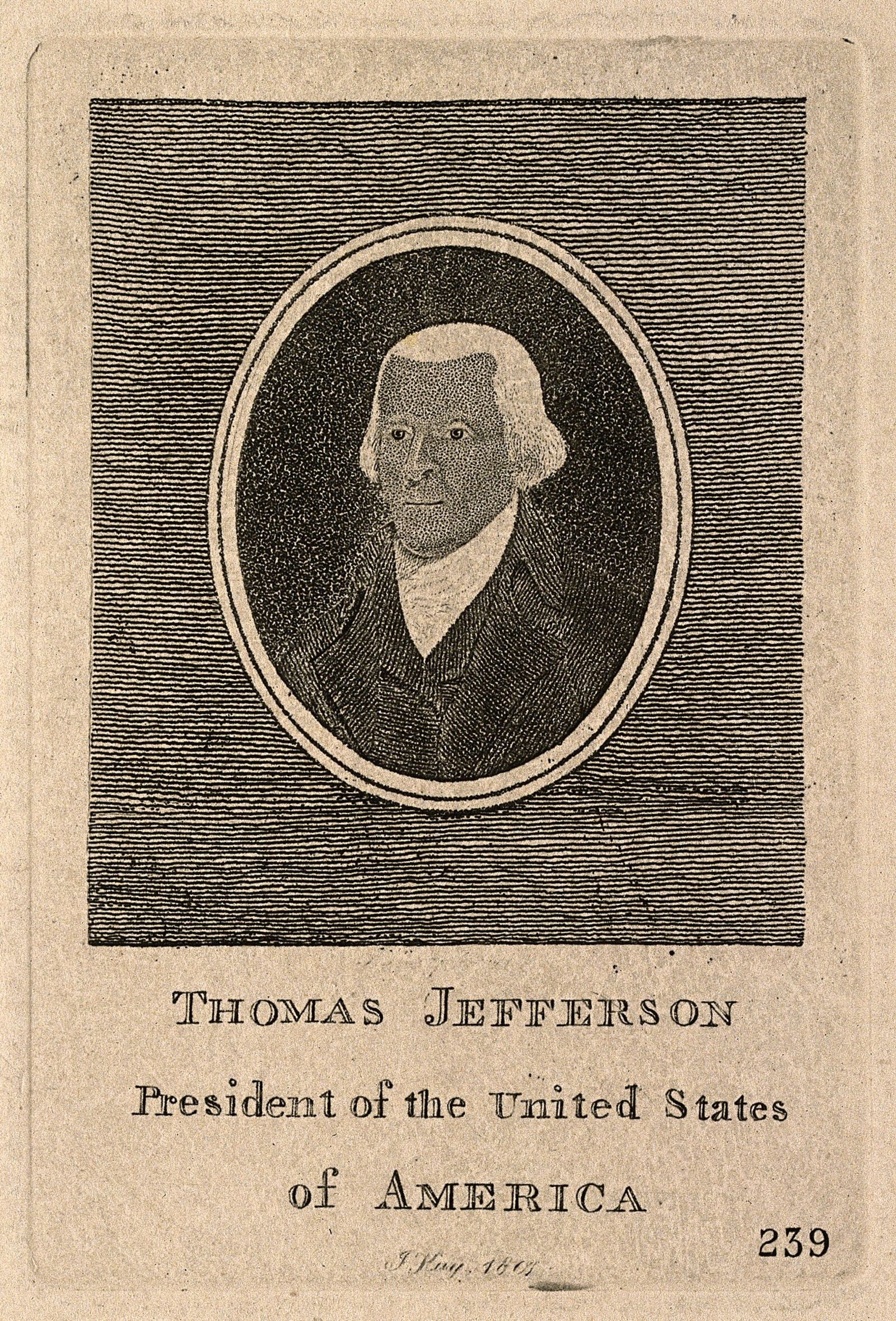 Painting
Primary source
Thomas Jefferson Etching by John Kay, 1807
Gilbert Stuart · 1807
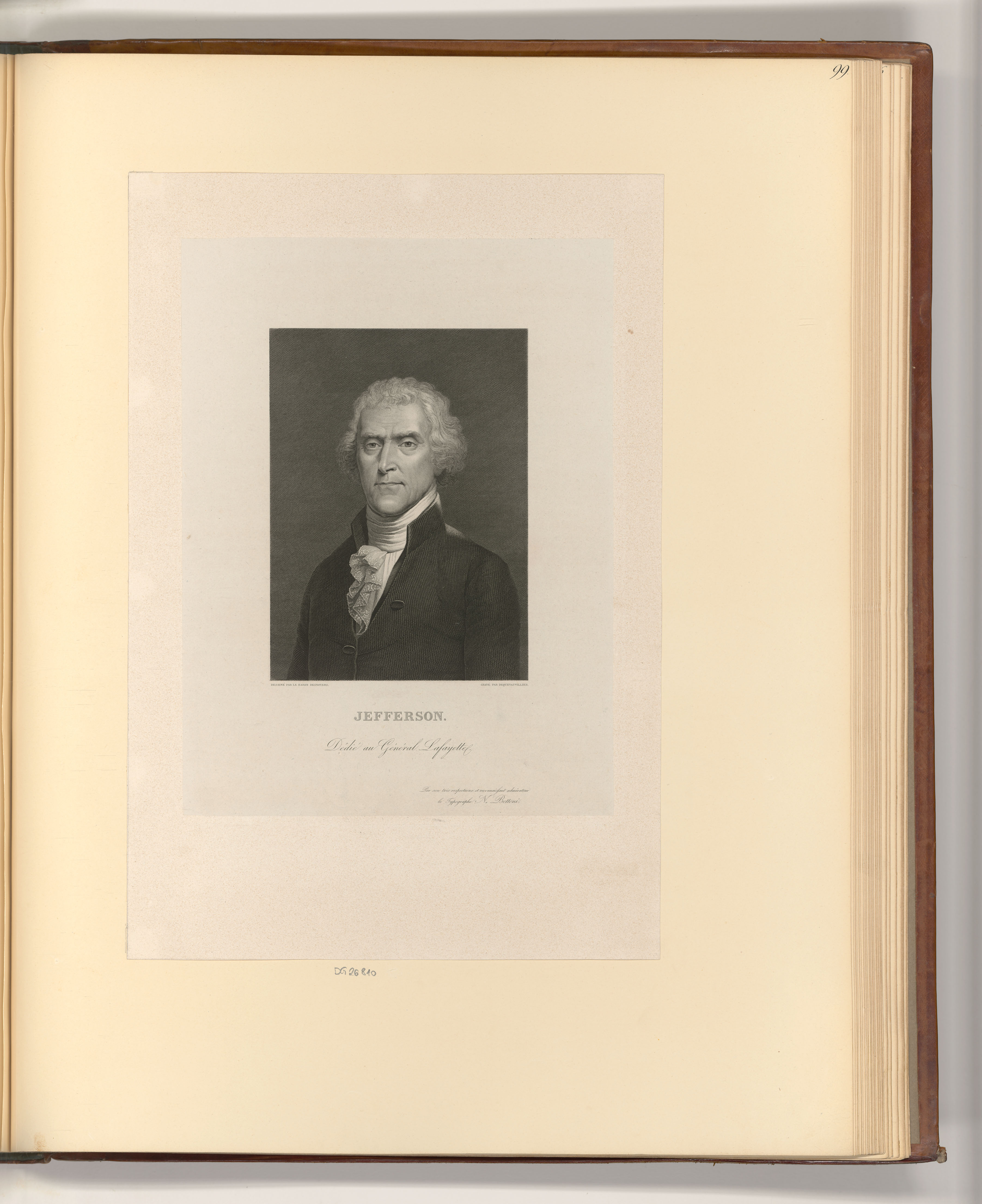 Painting
Secondary source
Porträt Thomas Jefferson
Auguste Gaspard Louis Boucher Desnoyers
Ready when you are
Start chatting with Thomas Jefferson now.
20 messages free · No credit card · Available in 50+ languages.