


Secondary sourcePaintingbetween 1800 and 1899
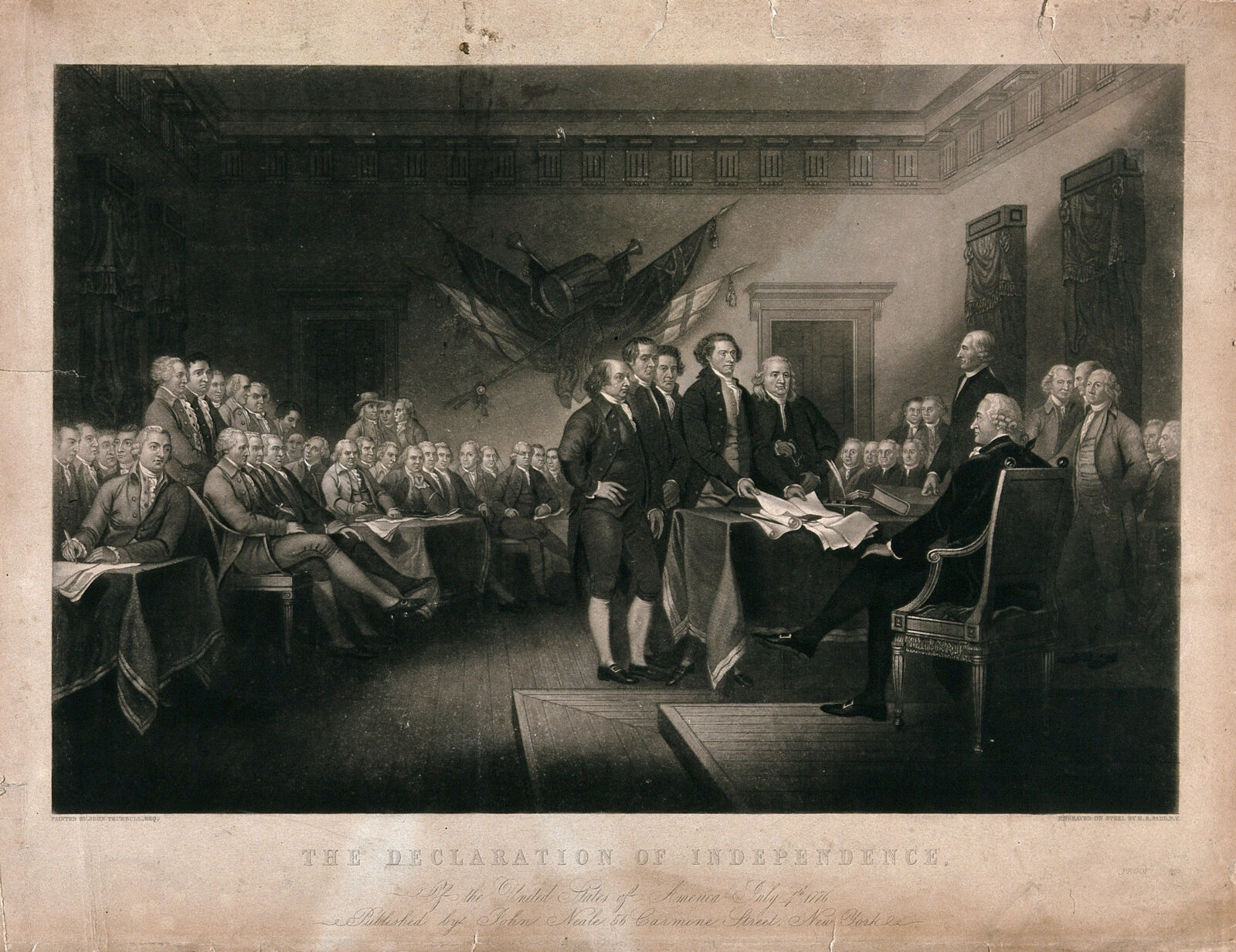
Signing of the Declaration of Independence
John Trumbull · between 1800 and 1899
A 19th-century mezzotint after John Trumbull's painting showing Thomas Jefferson presenting the draft Declaration of Independence to Congress in 1776.
This image shows Jefferson presenting his draft of the Declaration of Independence to Congress in 1776.
About this source
What it is
This mezzotint print, made sometime in the 1800s by H. S. Sadd, reproduces John Trumbull's famous painting of the presentation of the Declaration of Independence in Philadelphia on July 4, 1776. It shows the drafting committee—John Adams, Roger Sherman, Thomas Jefferson, and Benjamin Franklin—standing before John Hancock, President of the Continental Congress, with Jefferson presenting the document. Trumbull sketched many individuals and the room from life, though this print was made decades later. It is held by the Wellcome Collection in London.
Why it matters
This image is one of the most famous visual representations of American independence, showing Jefferson's central role as the Declaration's principal author alongside other Founding Fathers. Because it is a later print copying an earlier painting, it is a secondary source shaped by how later generations wanted to remember this moment.
Look closer
- Who is placed at the center of the image, and what does that suggest about who the artist wanted viewers to notice?
- The painting includes 42 of 56 signers—who might be missing, and why?
- How might an idealized historical painting differ from what the event actually looked like?
This painting is part of the curated material that grounds the AI version of Thomas Jefferson on Humy.ai — when students ask about related events, the AI can quote it and cite it.
More Thomas Jefferson sources
Meet the AI Thomas Jefferson →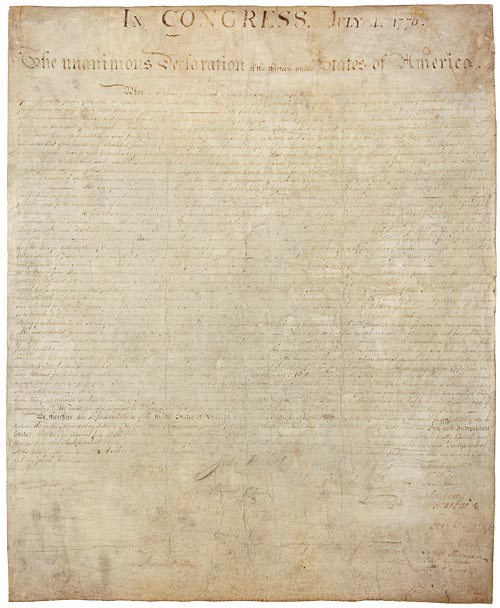 Document
Primary source
Declaration of Independence
Continental Congress (drafted by Thomas Jefferson) · 1776
 Painting
Primary source
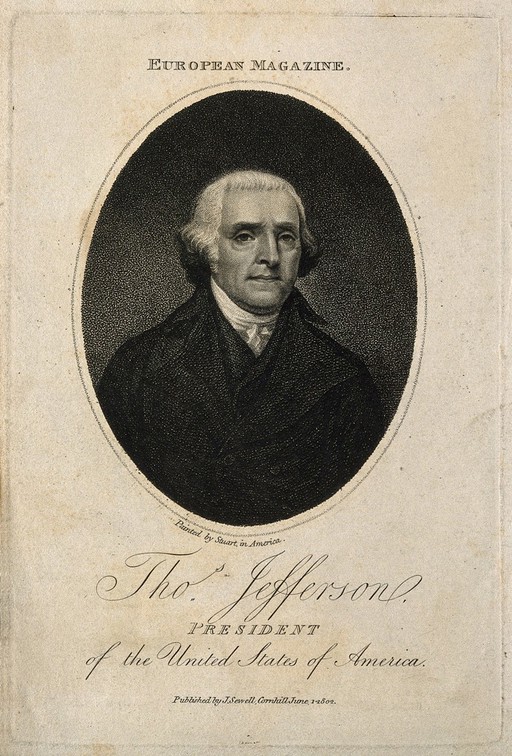
Thomas Jefferson Stipple Engraving after Gilbert Stuart
After Gilbert Stuart · 1802
Primary source
Virginia Statute for Religious Freedom
Thomas Jefferson · written 1777, enacted 16 January 1786
 Painting
Primary source
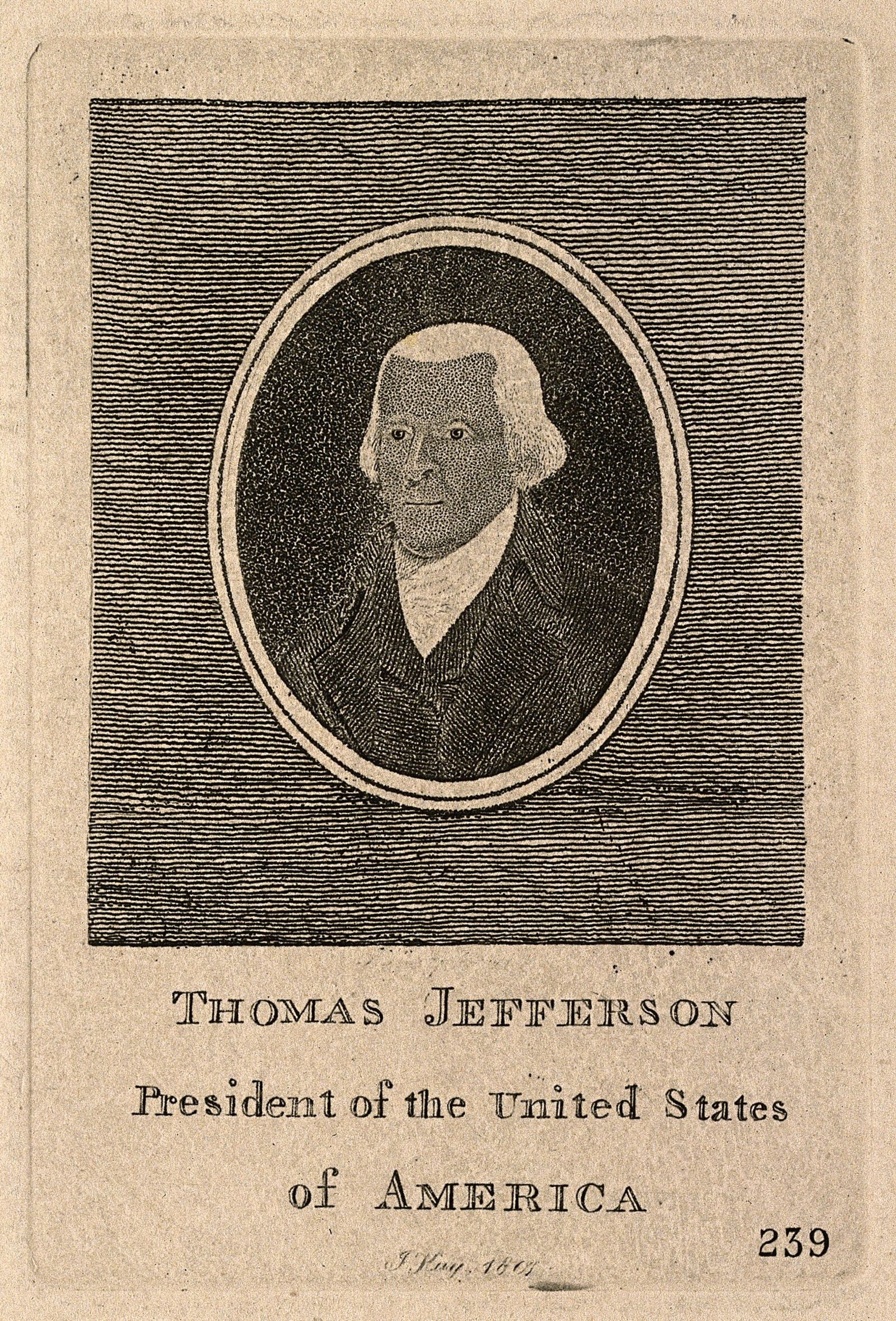
Thomas Jefferson Etching by John Kay, 1807
Gilbert Stuart · 1807
 Painting
Secondary source
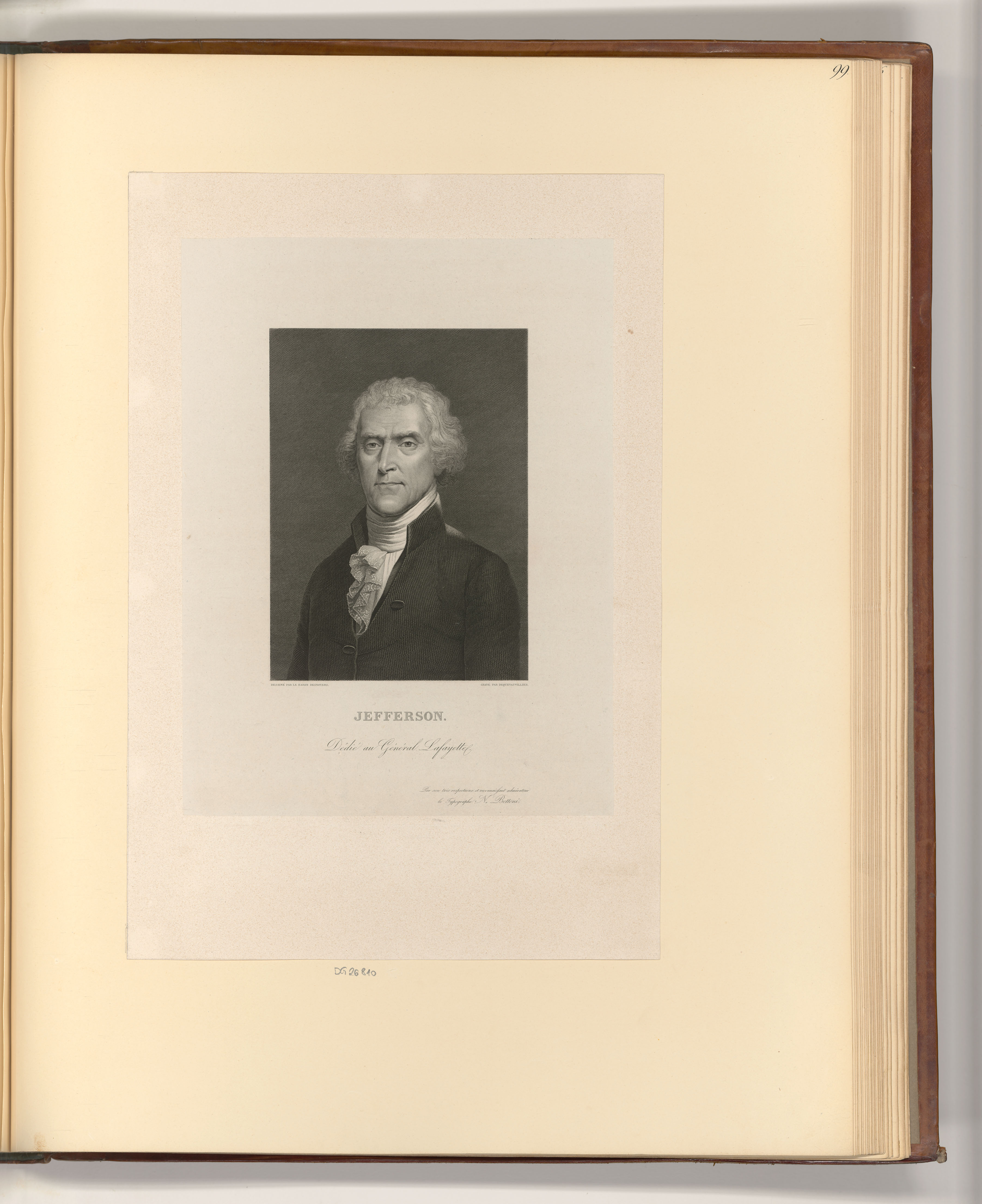
Porträt Thomas Jefferson
Auguste Gaspard Louis Boucher Desnoyers
Ready when you are
Start chatting with Thomas Jefferson now.
20 messages free · No credit card · Available in 50+ languages.