


Primary sourceBook1819-1820
Jefferson Bible
Thomas Jefferson · 1819-1820
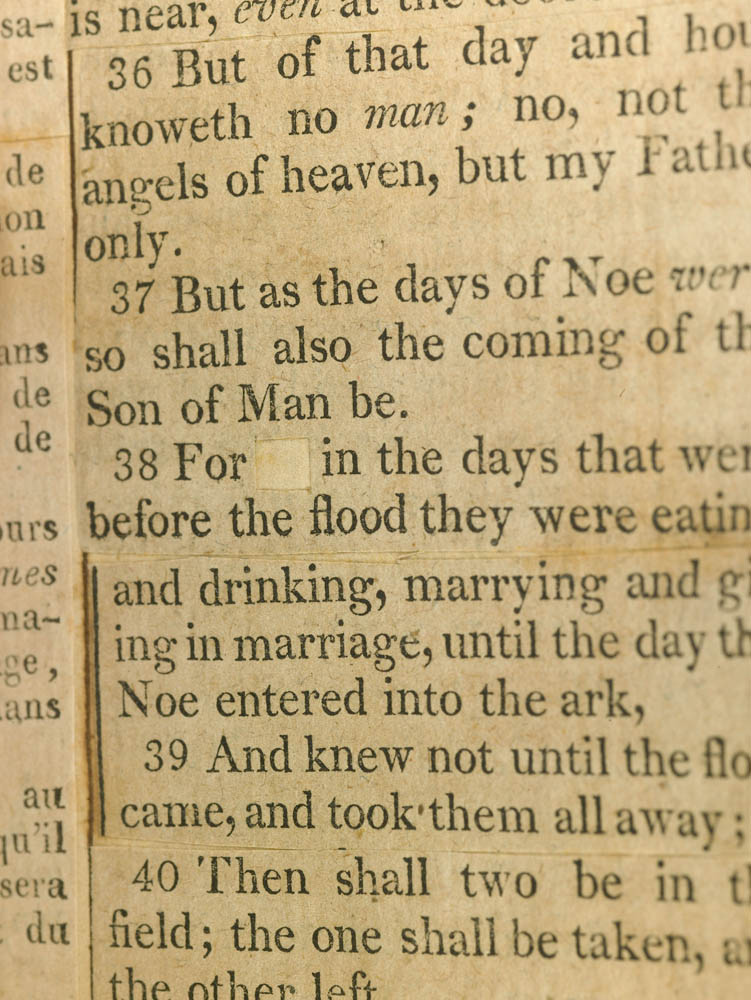
A manuscript Jefferson assembled by cutting and pasting Gospel passages, removing miracles and supernatural claims to leave only Jesus's moral teachings.
Jefferson personally cut and pasted this manuscript, revealing his private rationalist religious views.
About this source
What it is
This is a book Thomas Jefferson made himself in 1819-1820 by cutting passages from the Gospels of Matthew, Mark, Luke and John with a razor and pasting them together in order. It is held today by the National Museum of American History.
Why it matters
Jefferson never published this work or called it a "Bible." By removing miracles, the Resurrection, and passages suggesting Jesus was divine, he kept only what he saw as Jesus's moral teaching. It shows Jefferson's private religious views, shaped by Enlightenment rationalism, which he kept largely hidden from the public during his political career.
Look closer
- Why might Jefferson have wanted to keep this project private?
- What does cutting out miracles tell you about what Jefferson valued in religion?
- What is left out of this version of the Gospels, and why might that matter?
This book is part of the curated material that grounds the AI version of Thomas Jefferson on Humy.ai — when students ask about related events, the AI can quote it and cite it.
More Thomas Jefferson sources
Meet the AI Thomas Jefferson →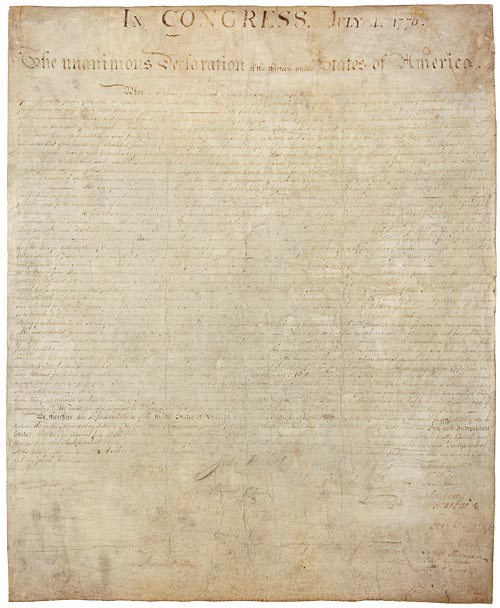 Document
Primary source
Declaration of Independence
Continental Congress (drafted by Thomas Jefferson) · 1776
 Painting
Primary source
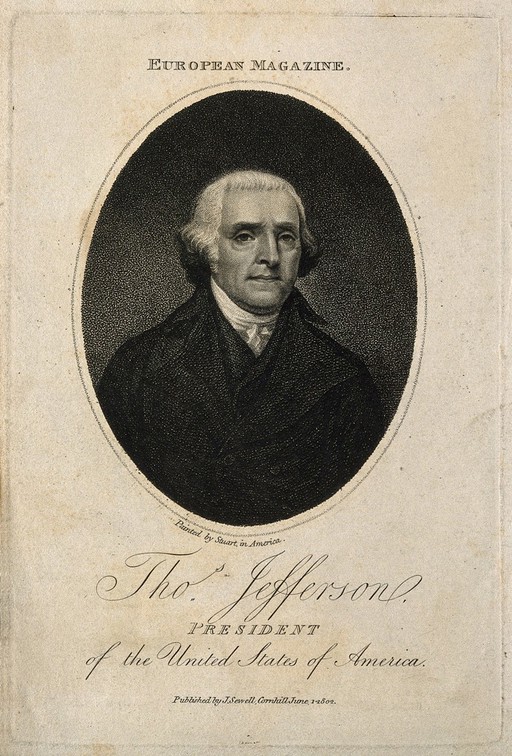
Thomas Jefferson Stipple Engraving after Gilbert Stuart
After Gilbert Stuart · 1802
Primary source
Virginia Statute for Religious Freedom
Thomas Jefferson · written 1777, enacted 16 January 1786
 Painting
Primary source
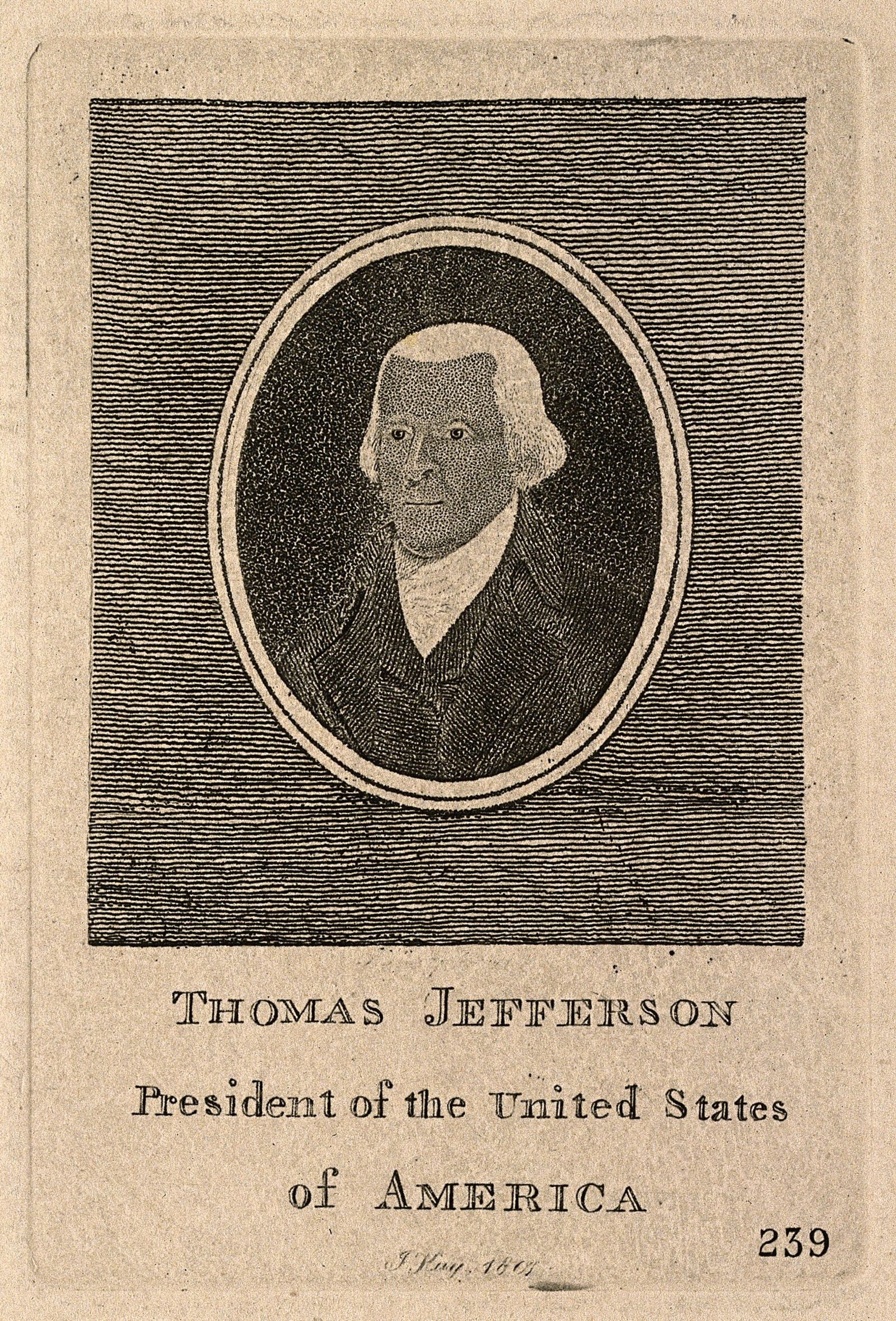
Thomas Jefferson Etching by John Kay, 1807
Gilbert Stuart · 1807
 Painting
Secondary source
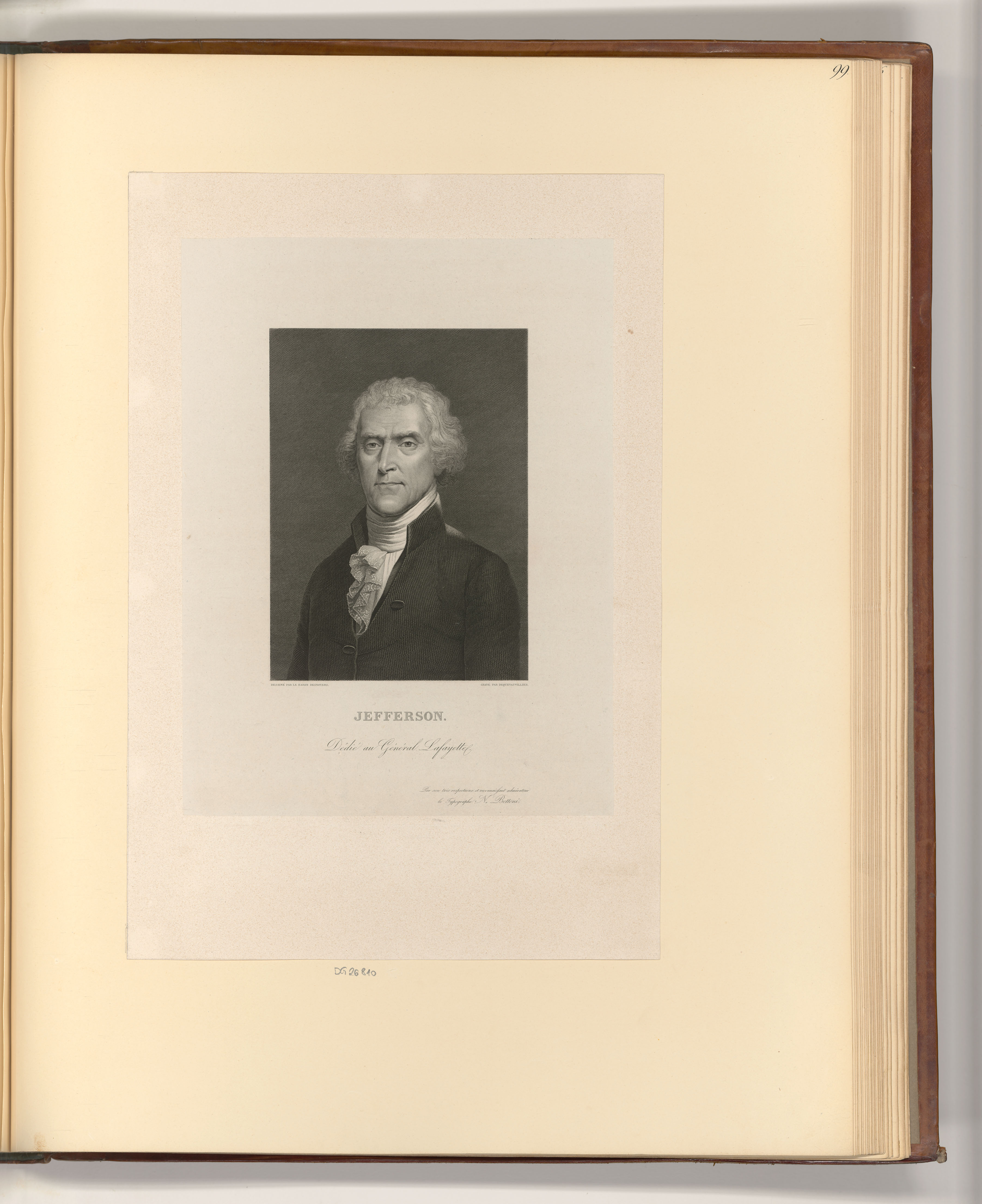
Porträt Thomas Jefferson
Auguste Gaspard Louis Boucher Desnoyers
Ready when you are
Start chatting with Thomas Jefferson now.
20 messages free · No credit card · Available in 50+ languages.