


Primary sourceDocument1798
Alien and Sedition Acts
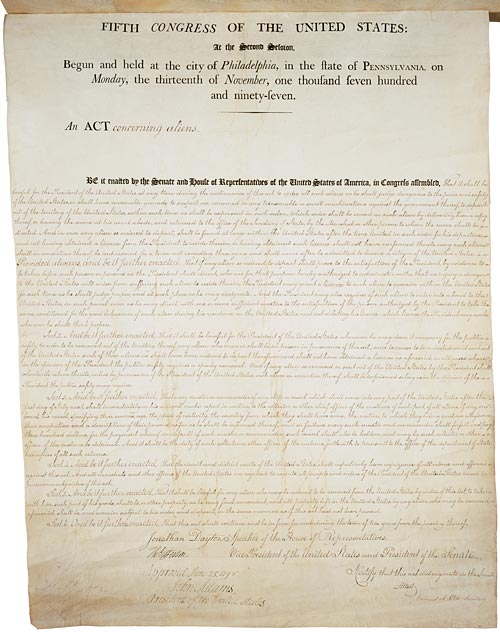
Fifth Congress of the United States · 1798
Controversial 1798 laws signed by President John Adams restricting immigrants' rights and speech critical of government.
Gallatin, himself foreign-born, led Republican opposition in Congress to these acts targeting immigrants like him.
About this source
What it is
These are the Alien and Sedition Acts, passed by Congress and signed into law in 1798, held by the U.S. National Archives. They were enacted amid fears of war with France.
Why it matters
The laws raised citizenship requirements, allowed the president to deport non-citizens, and made it a crime to publish 'false, scandalous, and malicious' criticism of the government. Signed by President John Adams, they were used mainly against newspapers favoring his political opponents, and became one of the most controversial acts of his presidency, raising early questions about the limits of free speech.
Look closer
- Why did the Sedition Act target only newspapers that criticized the government?
- What does the backlash against these laws suggest about how Americans understood free speech at the time?
- How might signing these laws have affected Adams's reputation and his chances of re-election?
This document is part of the curated material that grounds the AI version of Albert Gallatin, John Adams, Thomas Jefferson, James Madison, Patrick Henry, Abigail Adams, John Marshall, Mercy Otis Warren and Henry Clay on Humy.ai — when students ask about related events, the AI can quote it and cite it.
More Albert Gallatin sources
Meet the AI Albert Gallatin →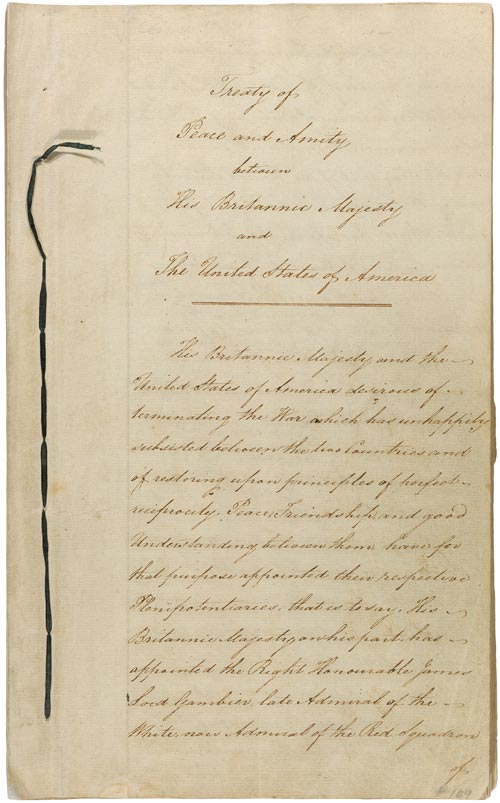 Document
Primary source
Treaty of Ghent
24 December 1814
 Document
Primary source
Report of the Secretary of the Treasury on the Subject of Public Roads and Canals
Albert Gallatin · 12 April 1808
Primary source
Louisiana Purchase Treaty
30 April 1803
 Painting
Primary source
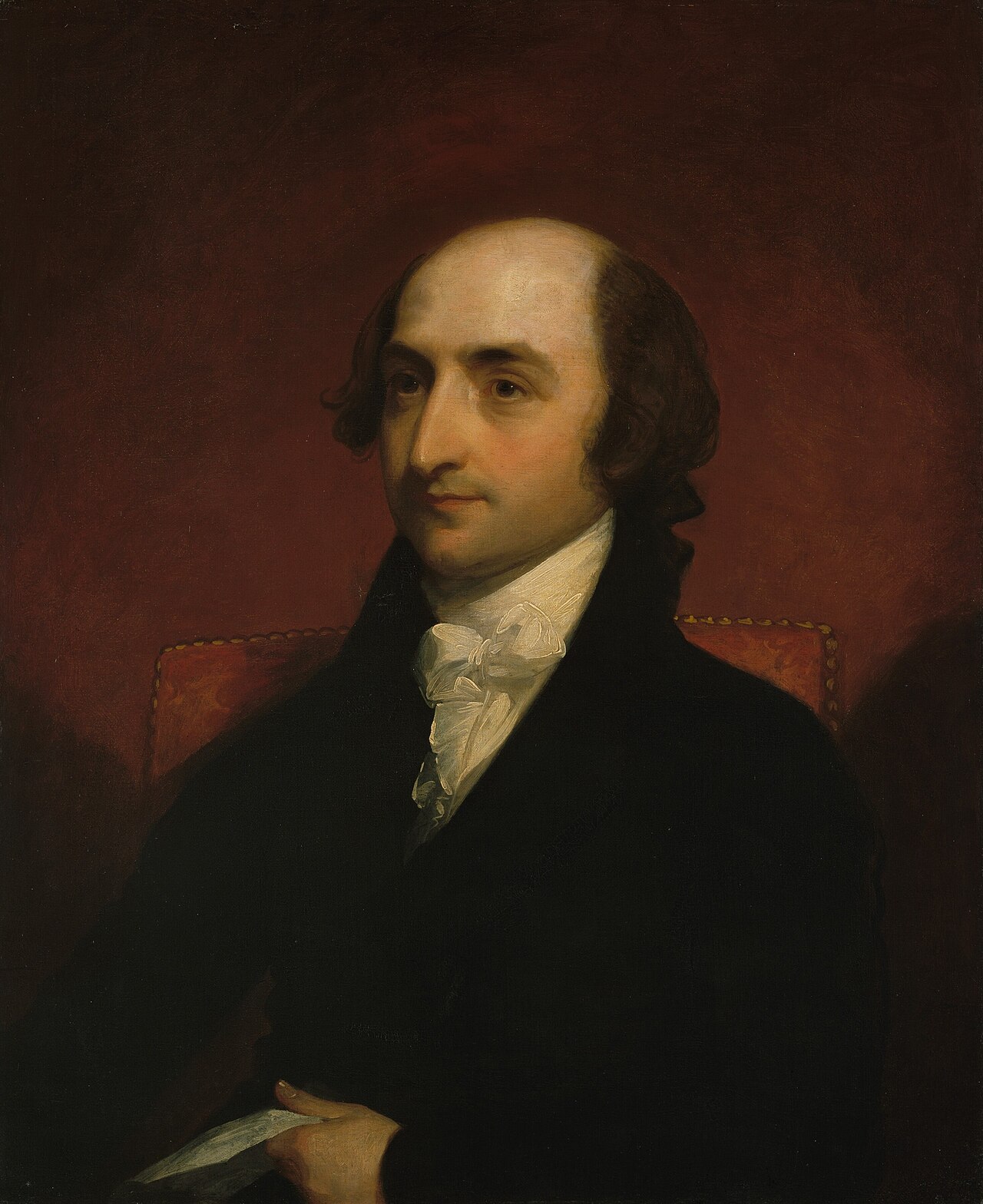
Albert Gallatin
Gilbert Stuart · 1803
Primary source
A Sketch of the Finances of the United States
Albert Gallatin · 1796
Ready when you are
Start chatting with Albert Gallatin now.
20 messages free · No credit card · Available in 50+ languages.