


Primary sourceBookMarch–April 1518
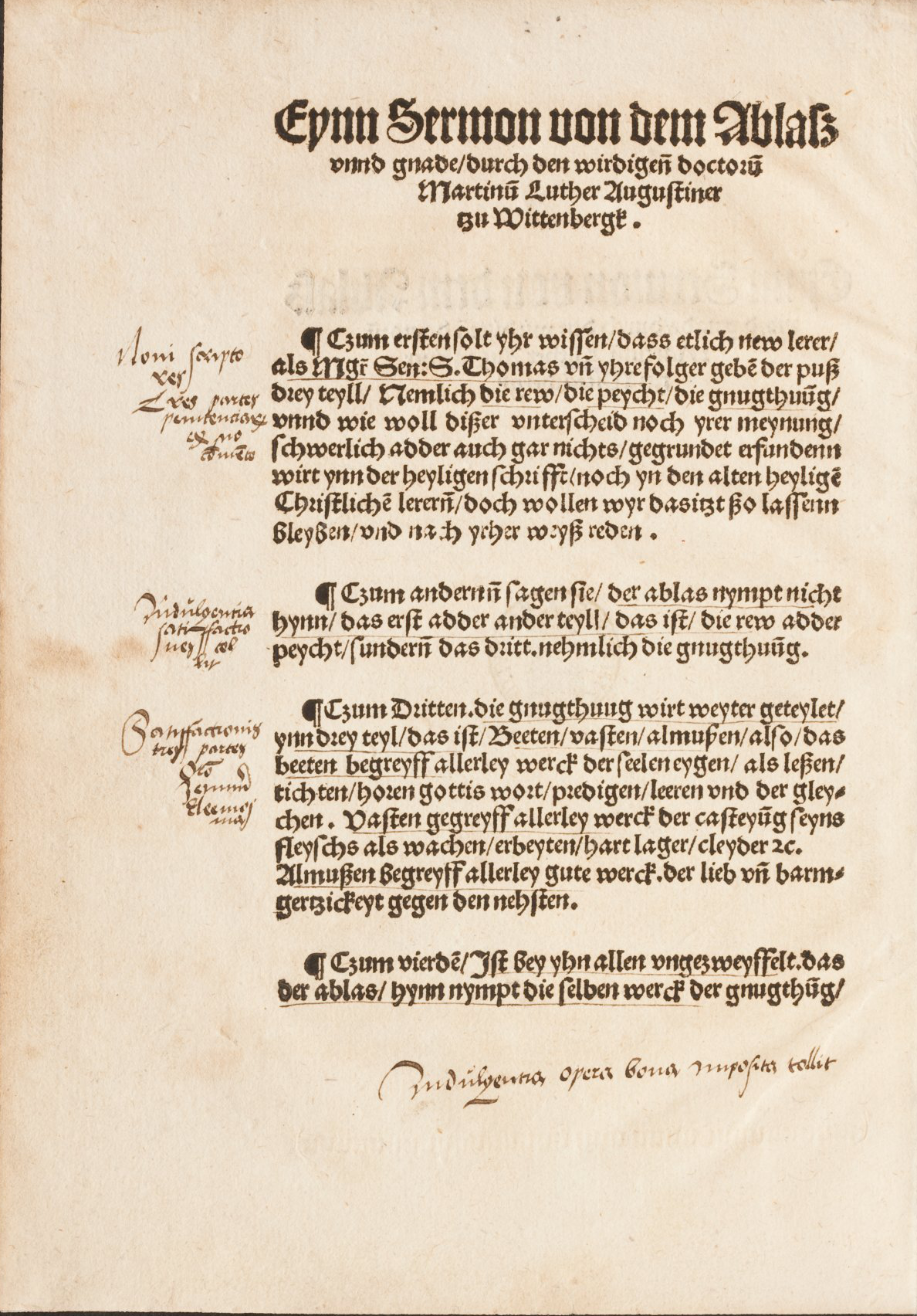
A Sermon on Indulgences and Grace
Martin Luther · March–April 1518
Luther's 1518 German pamphlet criticising indulgences, which spread his ideas far beyond the Latin-reading clergy and became an early bestseller.
Luther's own German-language sermon that spread his critique of indulgences to a mass audience.
About this source
What it is
A pamphlet written by Martin Luther in Wittenberg in March 1518 and published that April, under the German title Eynn Sermon von dem Ablasz und Gnade. Unlike his Ninety-Five Theses, which were in Latin, Luther wrote this sermon in plain German aimed at ordinary readers.
Why it matters
The sermon stressed good works and sincere repentance over buying indulgences, and criticised the clergy for spending money on St Peter's Basilica rather than on the poor. It was reprinted many times within the year and reached a huge audience, helping spread Luther's name and ideas to people who had never read his Latin theses. Some historians see it as the true starting point of the Reformation. It also provoked a direct reply from the preacher Johann Tetzel.
Look closer
- Why might writing in German rather than Latin have mattered so much for how widely this text spread?
- What does the handwritten marginal notes on this copy tell us about how readers engaged with it?
- Why would criticising spending on St Peter's Basilica be so controversial?
This book is part of the curated material that grounds the AI version of Martin Luther on Humy.ai — when students ask about related events, the AI can quote it and cite it.
More Martin Luther sources
Meet the AI Martin Luther →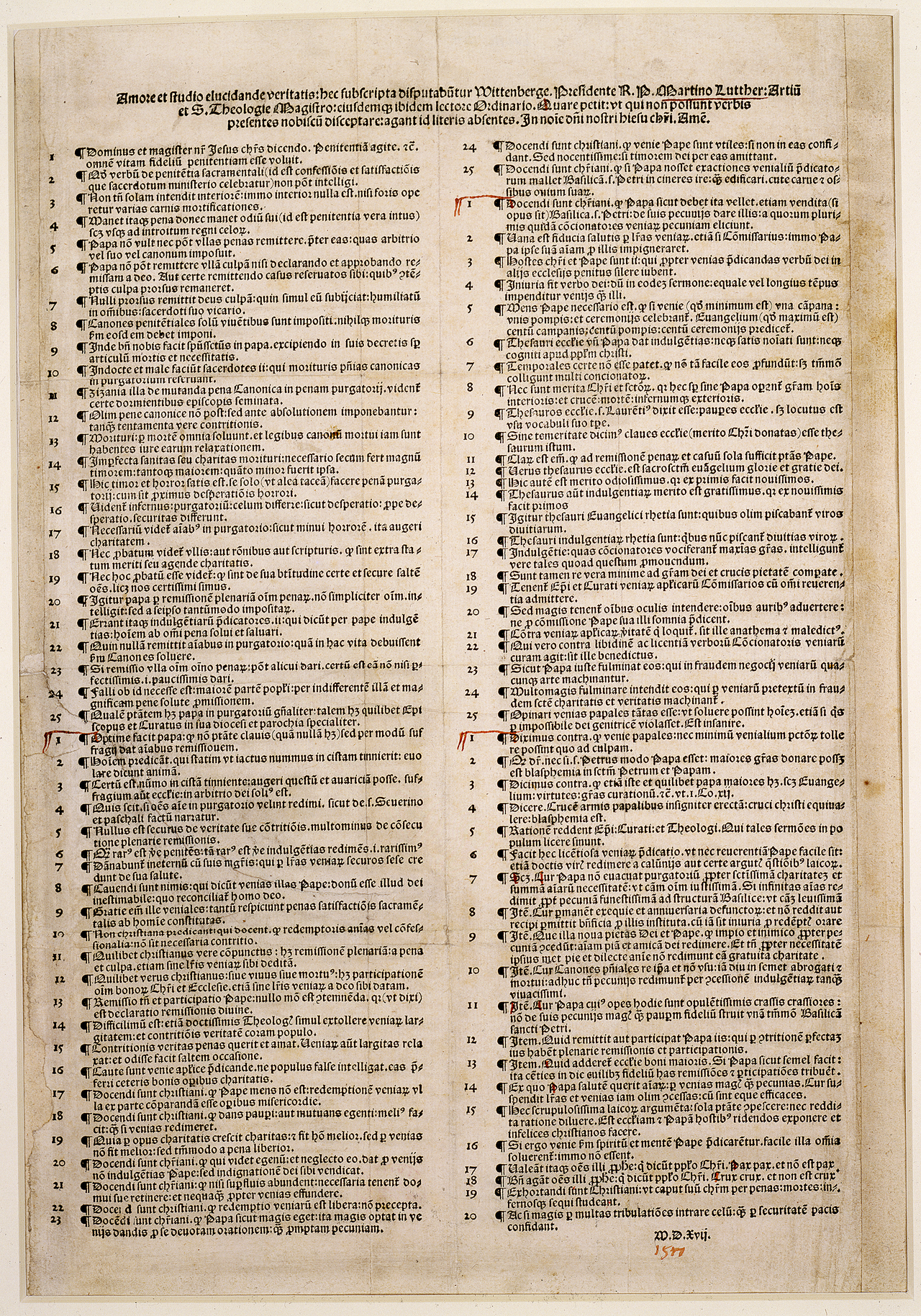 Document
Primary source
Ninety-five Theses
Martin Luther · 1517
 Painting
Secondary source
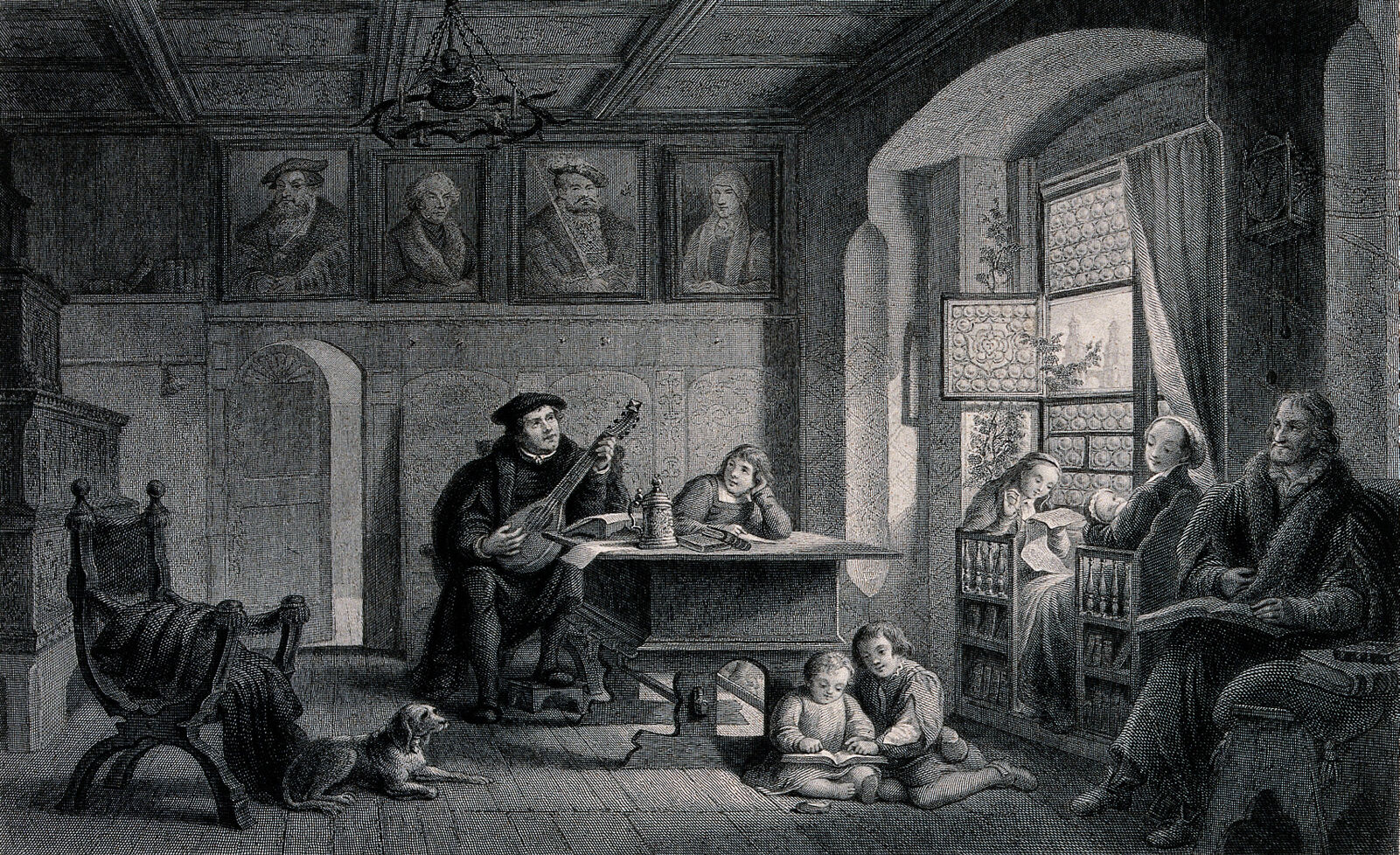
Domestic Life of Martin Luther at Wittenberg
Pierre-Antoine Labouchère (design); J. D. Nargeot (engraving) · 1800-1899
 Painting
Primary source
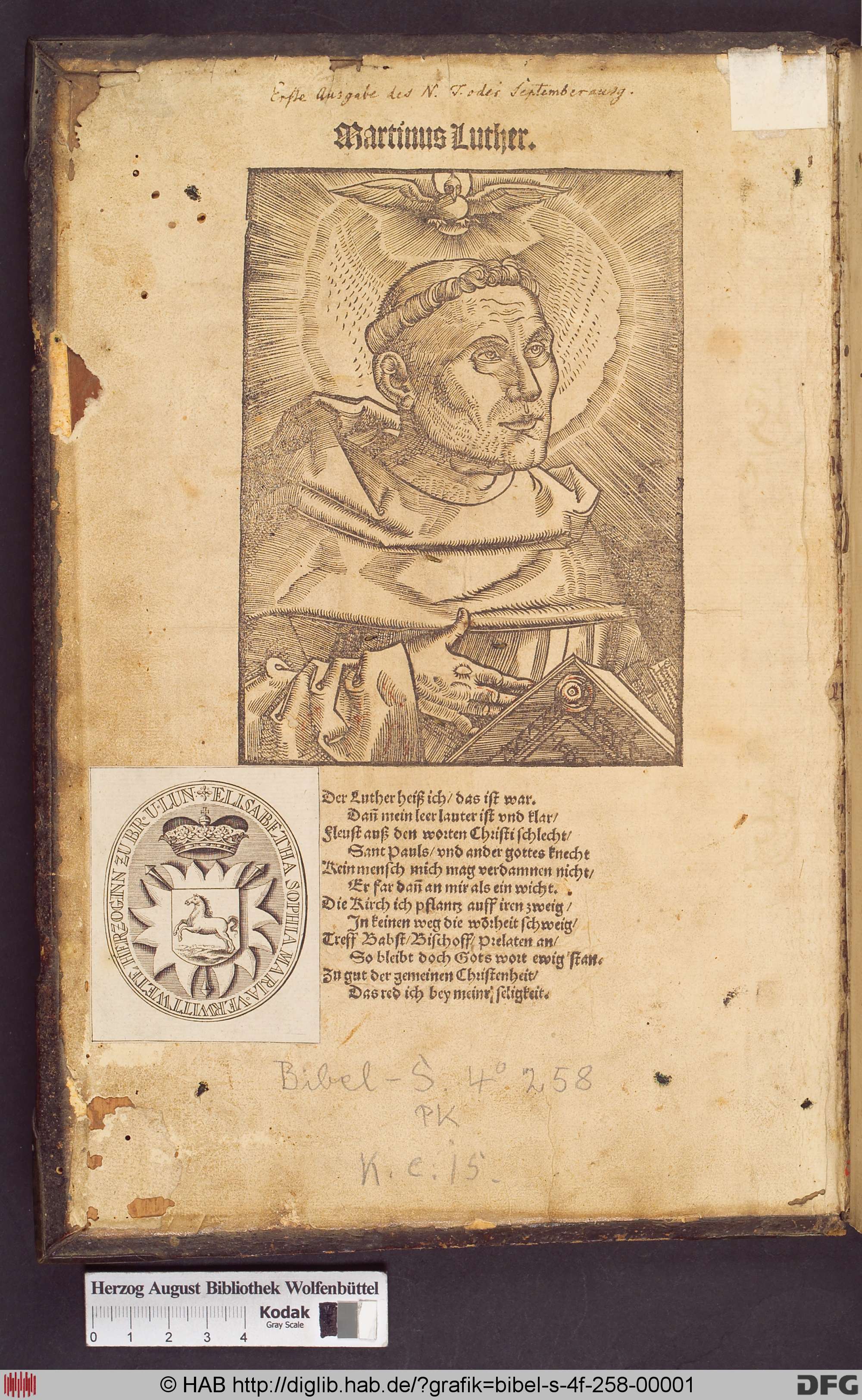
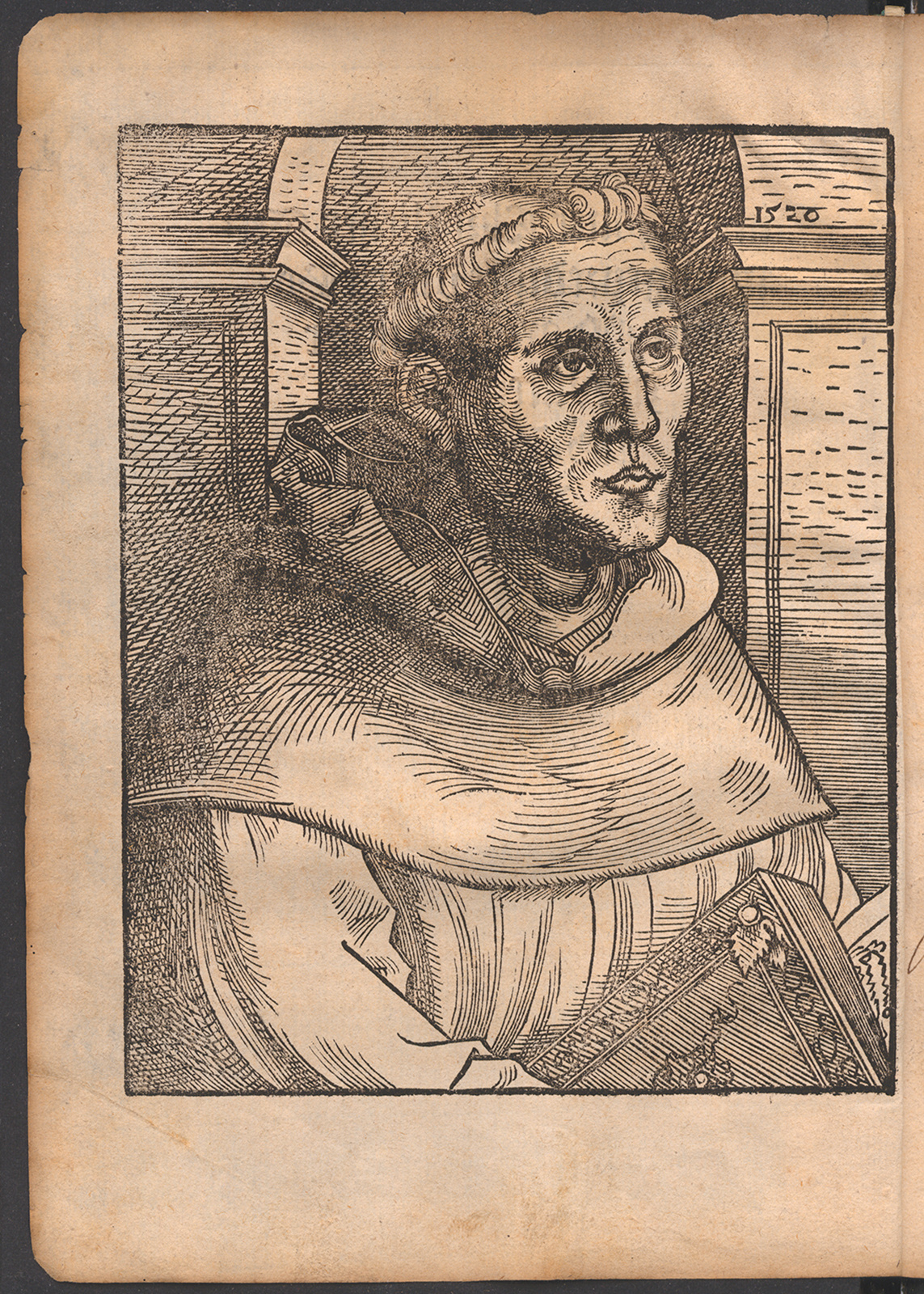
Martinus Luther Woodcut Portrait
Unbekannt (Formschneider)
 Painting
Primary source
Woodcut Portrait of Luther in Sermon Pamphlet
1523
 Book
Secondary source
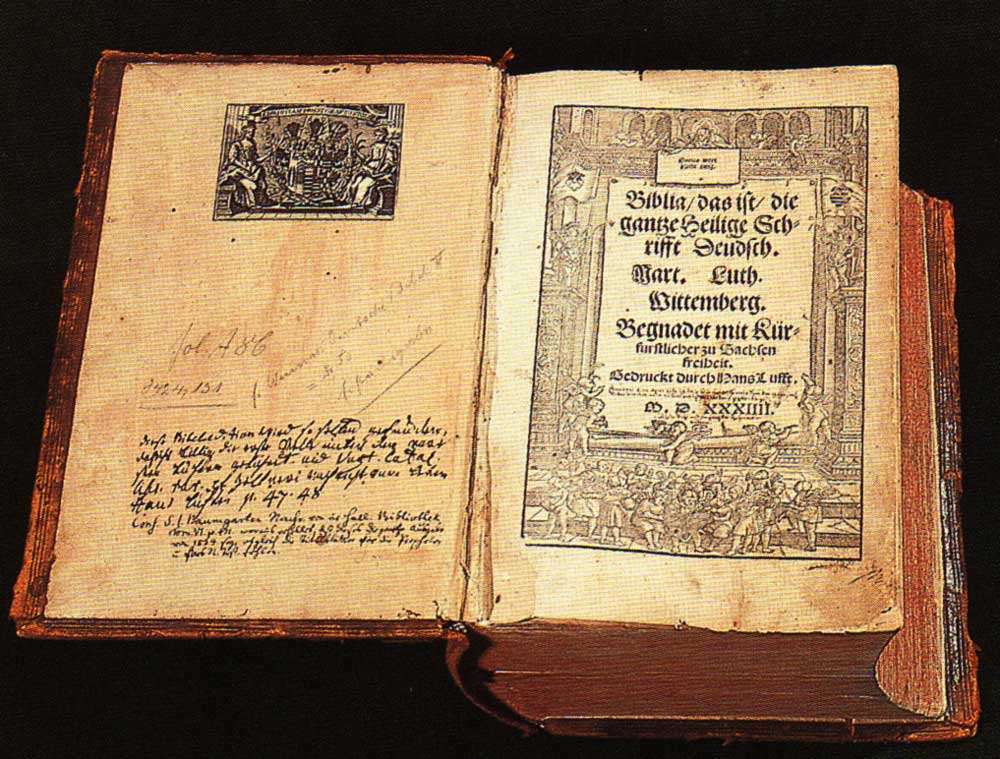
Luther Bible
Martin Luther · 1534
Ready when you are
Start chatting with Martin Luther now.
20 messages free · No credit card · Available in 50+ languages.