


Secondary sourceBook1917
A Short History of England, Chapter 7: The Problem of the Plantagenets
1917
A chapter from a 1917 history of England that comments on Becket's theocracy and the historical riddle of his life and death.
Offers a 1917 interpretation of Becket's theocracy, showing how a later historian judged the archbishop's ambitions.
About this source
What it is
This is chapter 7 of A Short History of England, published in 1917. The chapter is titled The Problem of the Plantagenets. It is an interpretive essay, not a plain record of events. It argues that later critics often judge older sources as unreliable, and that medieval life is better understood by reading history backwards from later writers. Its treatment of Becket is short and focuses on his audacious theocracy, which the author calls a riddle for history.
Why it matters
Becket was archbishop of Canterbury under Henry II and died in 1170. Writers in the early twentieth century often judged him in different ways, and this chapter shows one such view. Its opinions say as much about the author and his time as about Becket and the Plantagenet kings. It reminds students that a history is shaped by the questions and assumptions of the person who writes it.
Look closer
- What does the author mean by calling Becket's theocracy a riddle, and what claims does he make about Becket's ideas?
- Which parts of this argument are opinion, and which could be checked against earlier sources?
- What would a medieval writer have said about Becket that this chapter does not include?
This book is part of the curated material that grounds the AI version of Thomas Becket on Humy.ai — when students ask about related events, the AI can quote it and cite it.
More Thomas Becket sources
Meet the AI Thomas Becket →Primary source
Constitutions of Clarendon
Henry II of England · 1164
 Artifact
Primary source
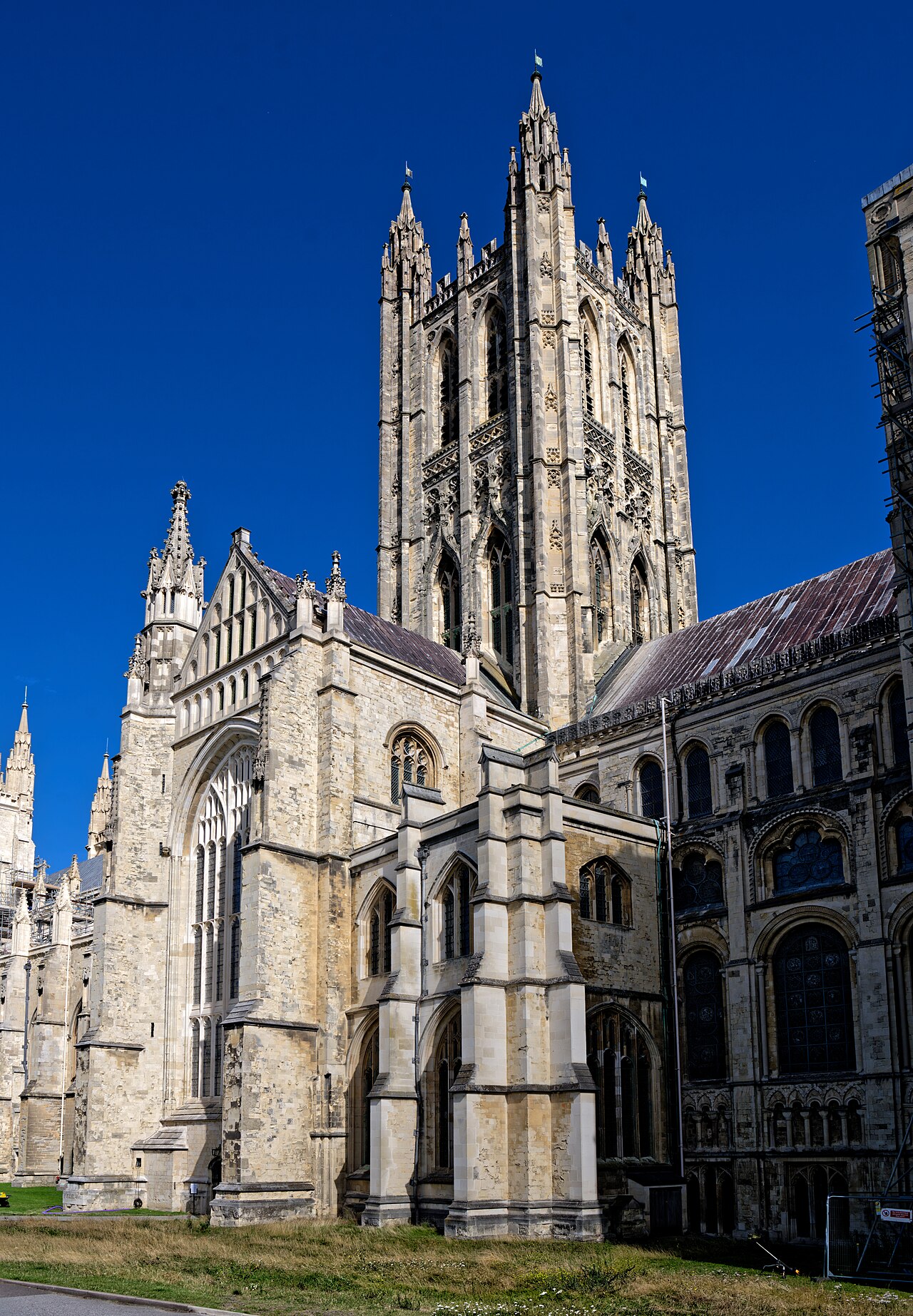
Canterbury Cathedral
founded 597
 Artifact
Secondary source
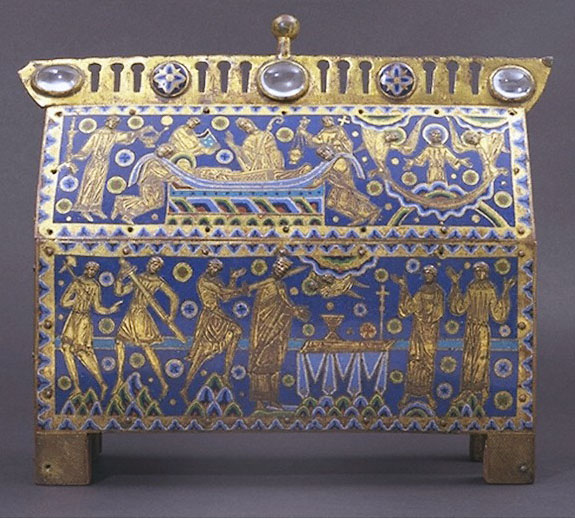
Becket Casket
c. 1180-1190
 Artifact
Secondary source
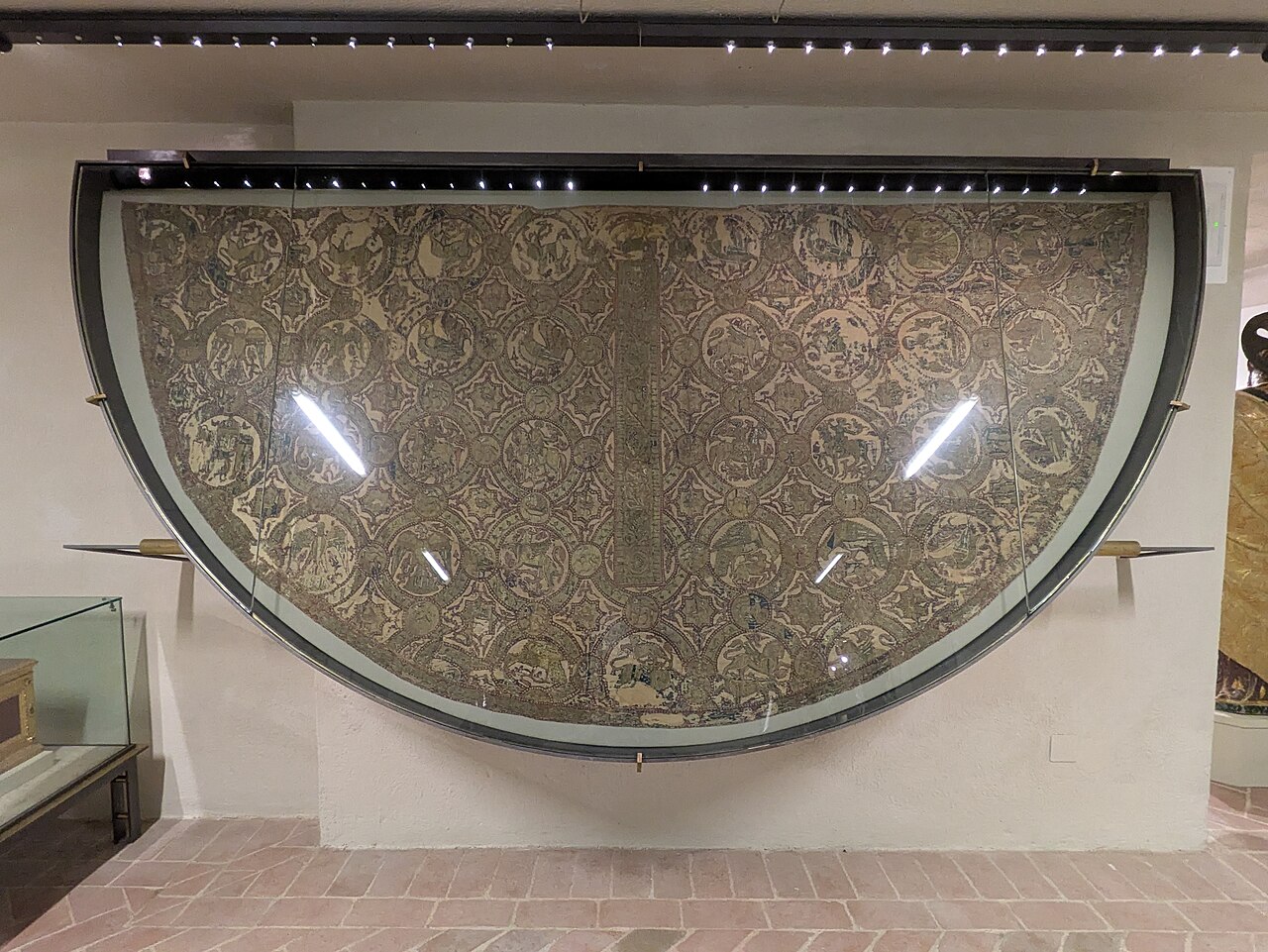
Fermo Chasuble of St. Thomas Becket
12th century
 Artifact
Secondary source
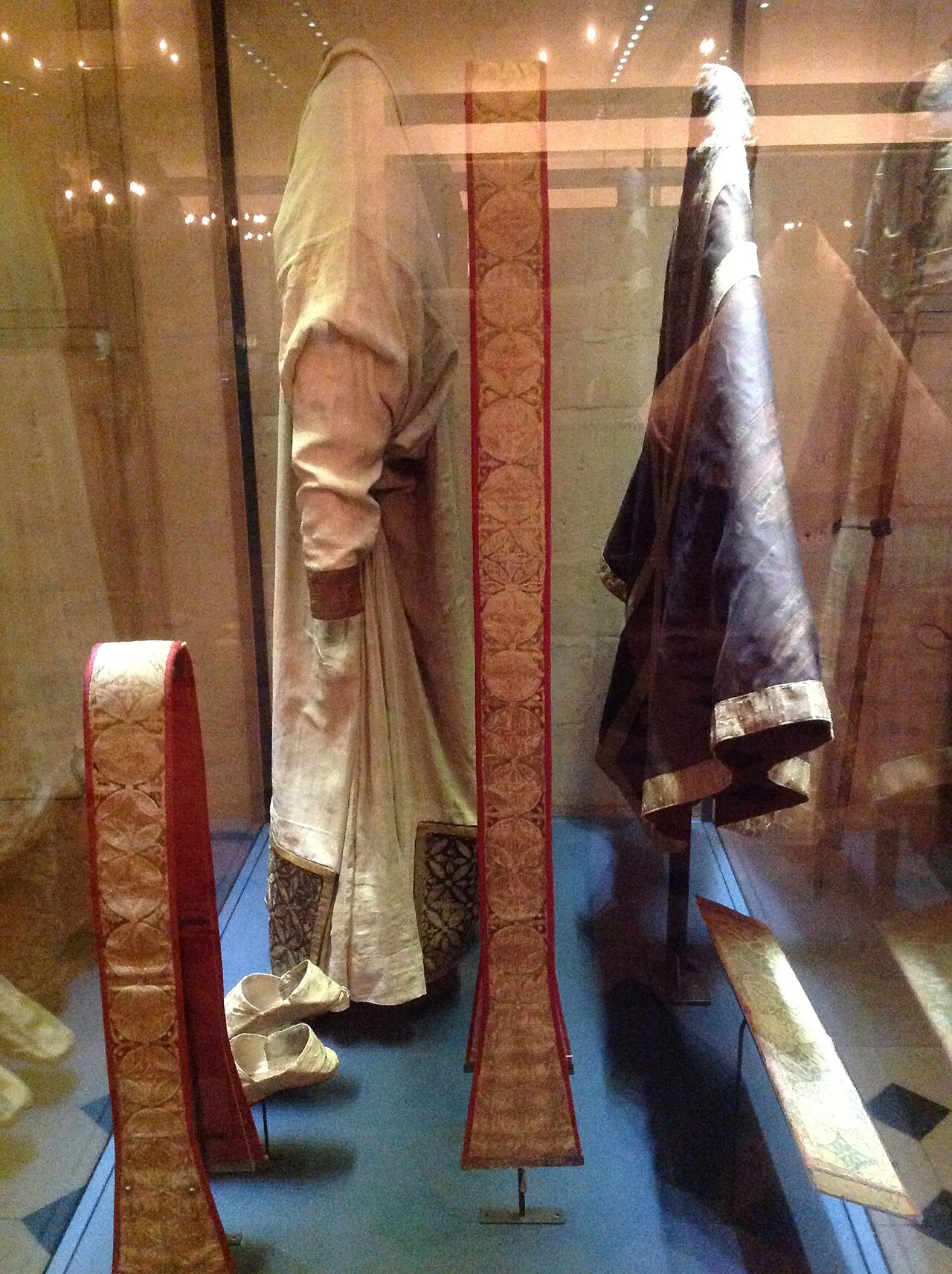
Becket Liturgical Garments, Sens Cathedral
12th century
Ready when you are
Start chatting with Thomas Becket now.
20 messages free · No credit card · Available in 50+ languages.