


Primary sourceBook1734
A Treatise on Metaphysics
Voltaire · 1734
A philosophical treatise written by Voltaire at Cirey in 1734, reflecting discussions he shared with Émilie du Châtelet on God, free will and the soul.
Voltaire wrote this treatise at Cirey during his years with du Châtelet, reflecting the philosophical discussions they shared.
About this source
What it is
This is a manuscript treatise written by Voltaire in 1734 while staying at the Château de Cirey. It opens with doubts about human nature, comparing how different people (peasants, kings, a young Parisian woman, a young Turk) understand what a human being is.
Why it matters
Voltaire wrote this work during his long stay with Émilie du Châtelet at Cirey, where the two held intense philosophical discussions. The treatise reflects the kind of exchange on metaphysics, God, free will and the soul that shaped both their thinking, showing du Châtelet as an active partner in Enlightenment philosophical debate, not just a hostess.
Look closer
- Why might Voltaire open a treatise on metaphysics with examples of ordinary people's limited views of humanity?
- What does the setting at Cirey tell you about how Enlightenment ideas were developed, through conversation as well as solitary writing?
- How might du Châtelet's own scientific training have shaped the discussions behind this text?
This book is part of the curated material that grounds the AI version of Émilie du Châtelet on Humy.ai — when students ask about related events, the AI can quote it and cite it.
More Émilie du Châtelet sources
Meet the AI Émilie du Châtelet →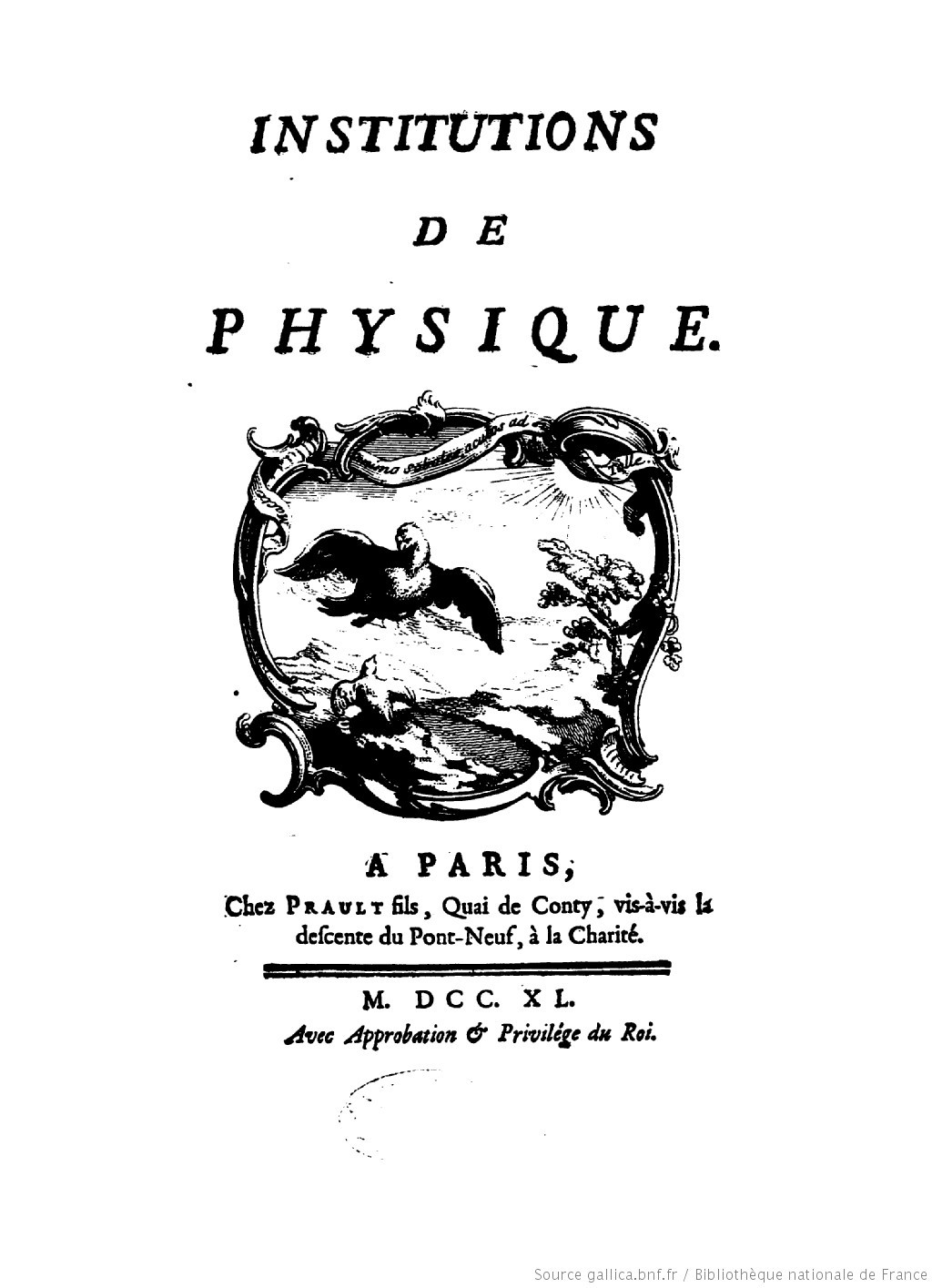 Book
Primary source
Institutions de Physique
Émilie du Châtelet · 1740
 Document
Primary source
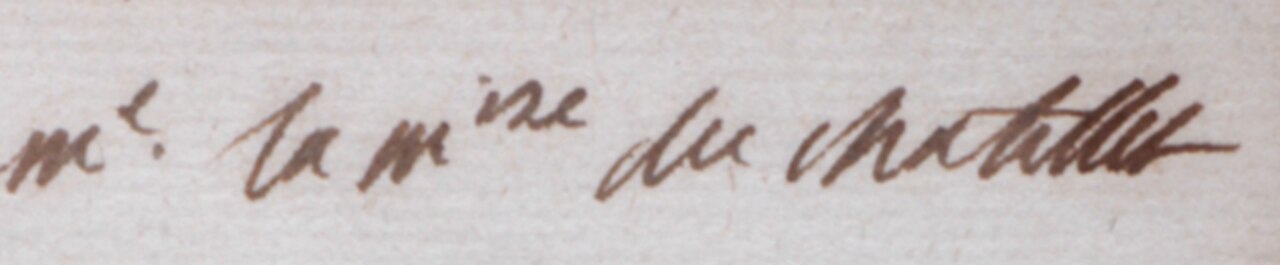
Signature of Émilie du Châtelet
Émilie du Châtelet · 1744
 Book
Primary source
Dissertation sur la nature et la propagation du feu
Émilie du Châtelet · 1744 (written 1738)
Secondary source
Frauen auf akademischem Lehrstuhle der Mathematik
Julius Löwenberg · 1885
 Painting
Secondary source
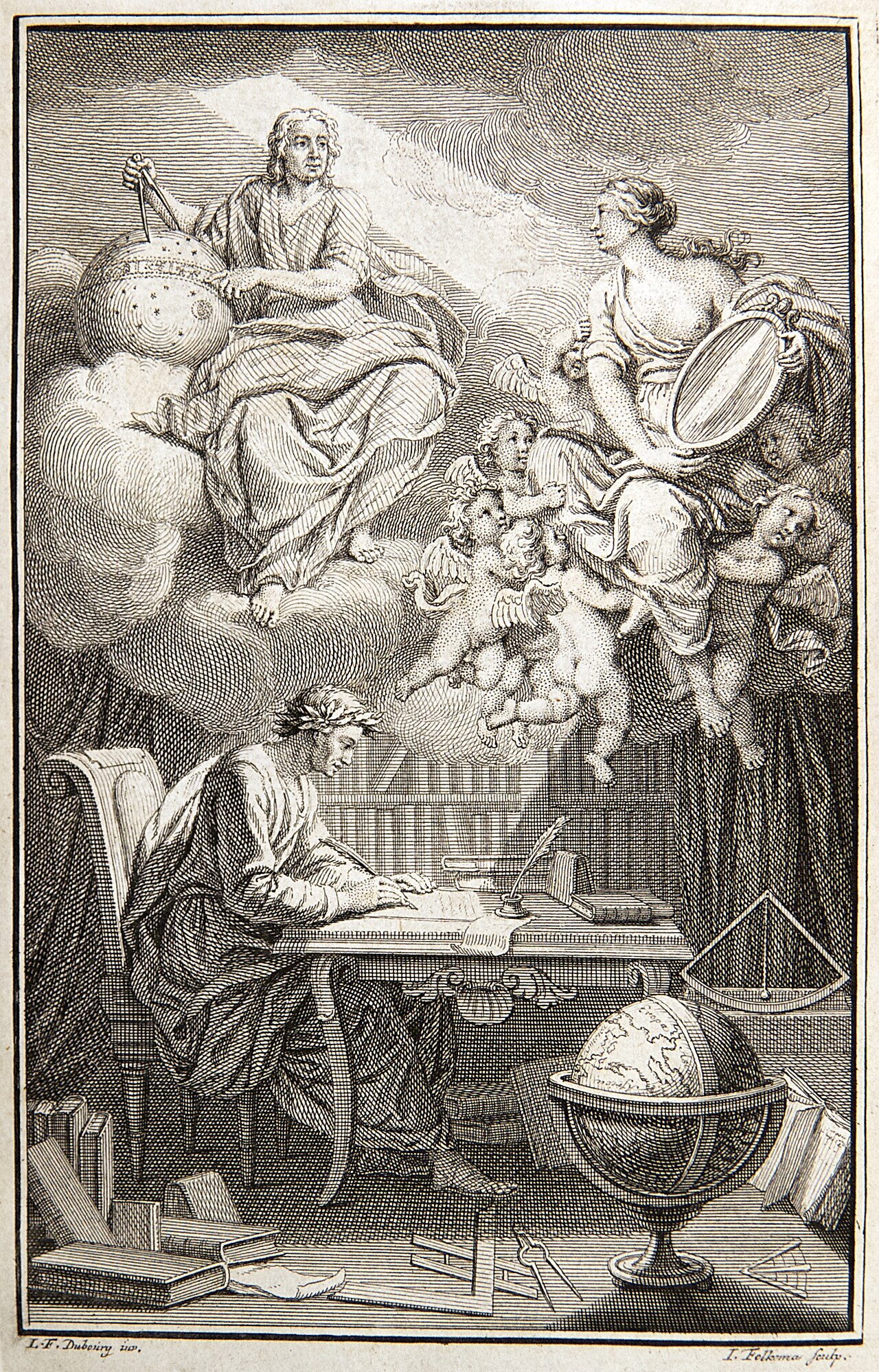
Frontispiece of Voltaire's Elemens de la philosophie de Newton
c. 1738
Ready when you are
Start chatting with Émilie du Châtelet now.
20 messages free · No credit card · Available in 50+ languages.