


Secondary sourceBook1728
A View of Sir Isaac Newton's Philosophy
Henry Pemberton · 1728
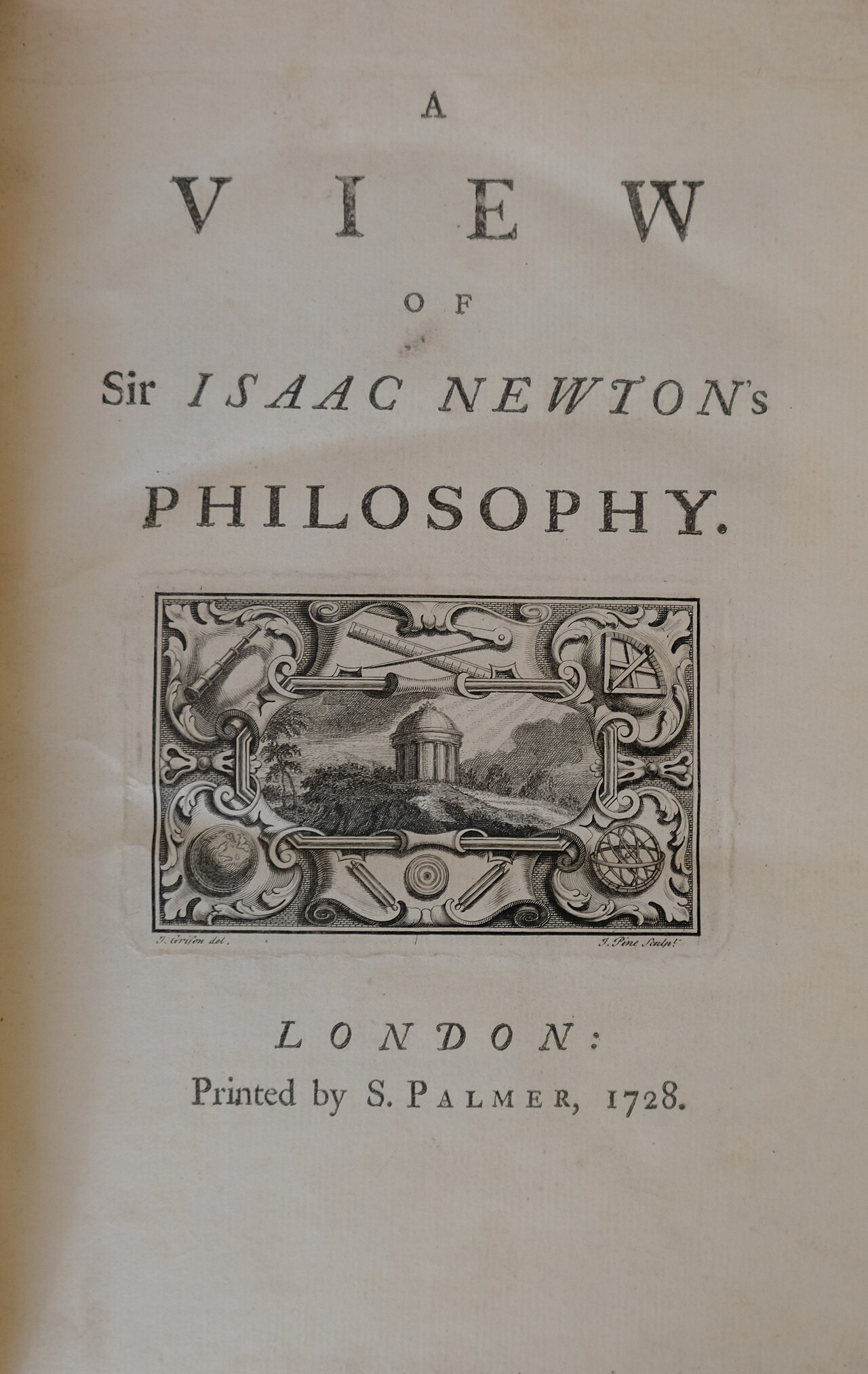
Title page of Henry Pemberton's 1728 book explaining Newton's scientific philosophy to a general audience.
Written by a man who knew Newton personally, this book explains and popularises Newton's scientific philosophy soon after his death.
About this source
What it is
This is the title page of A View of Sir Isaac Newton's Philosophy, written by Henry Pemberton and printed in London in 1728. The page has a decorative engraving of a domed building surrounded by scientific instruments such as a compass, globes, and an armillary sphere. A surviving copy is kept at the Niels Bohr Library & Archives in Maryland.
Why it matters
Henry Pemberton knew Newton personally and wrote this book to explain Newton's ideas to readers who could not follow the original mathematics. It shows how, soon after Newton's death, his admirers worked to spread and simplify his discoveries for a wider public.
Look closer
- Why might Pemberton have wanted to make Newton's work easier to understand?
- What do the instruments in the illustration suggest about how people pictured science at the time?
- What does the dedication at the start of the book tell us about who the author hoped would read it?
This book is part of the curated material that grounds the AI version of Isaac Newton on Humy.ai — when students ask about related events, the AI can quote it and cite it.
More Isaac Newton sources
Meet the AI Isaac Newton →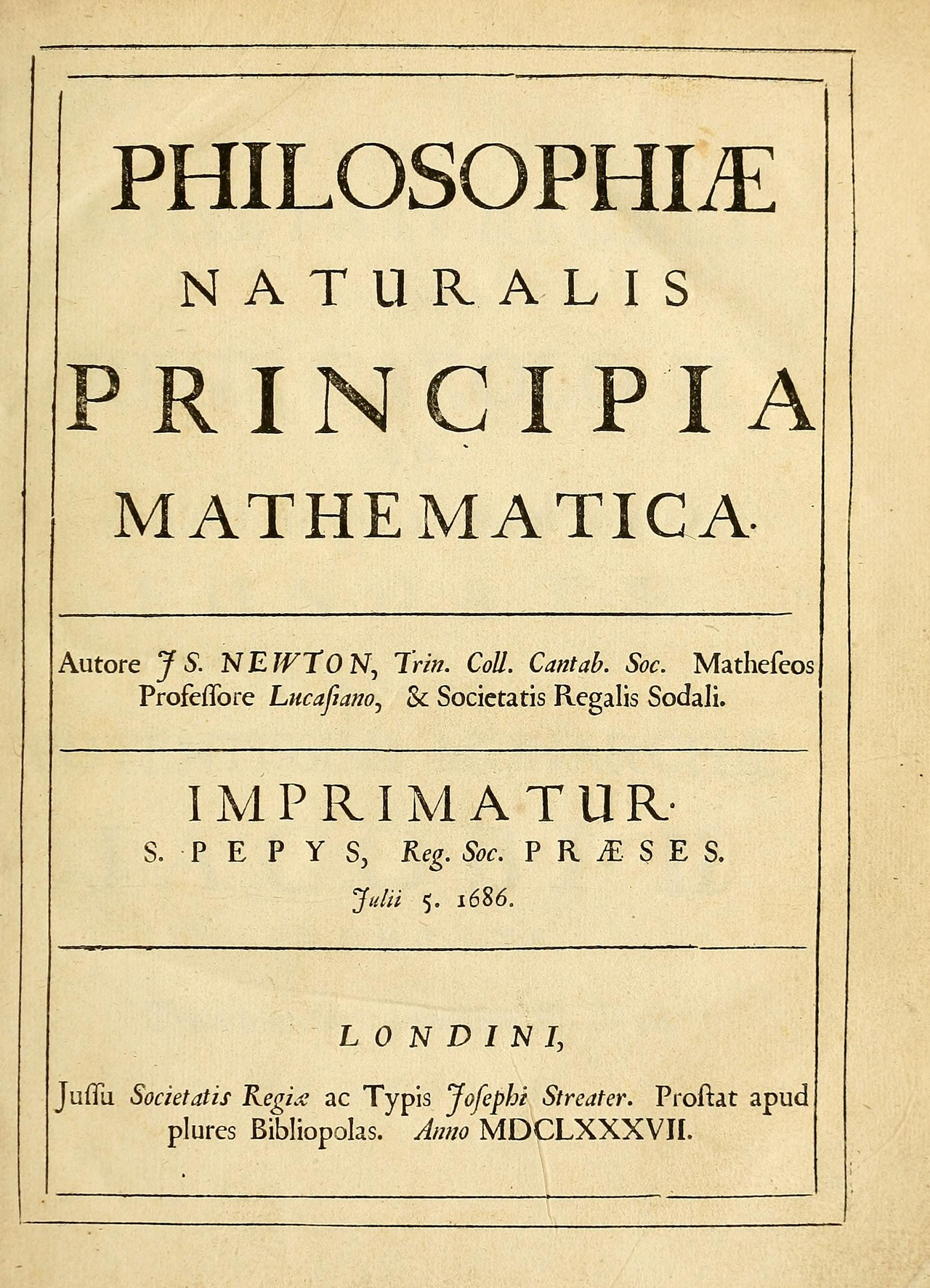 Book
Primary source
Philosophiæ Naturalis Principia Mathematica
Isaac Newton · 1687
 Book
Primary source
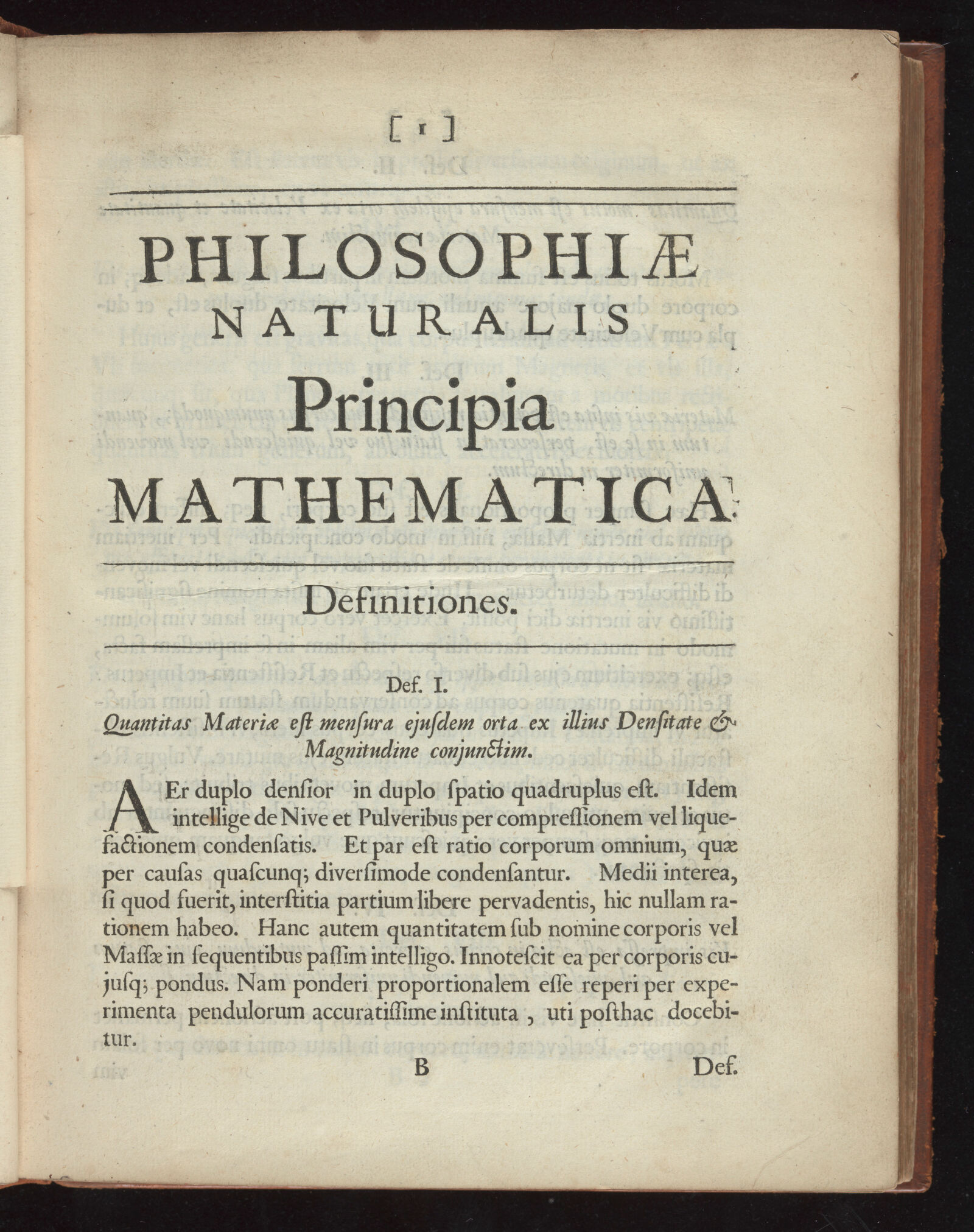
Principia Mathematica, Page 1: Definitions
Isaac Newton · 1687
 Painting
Primary source
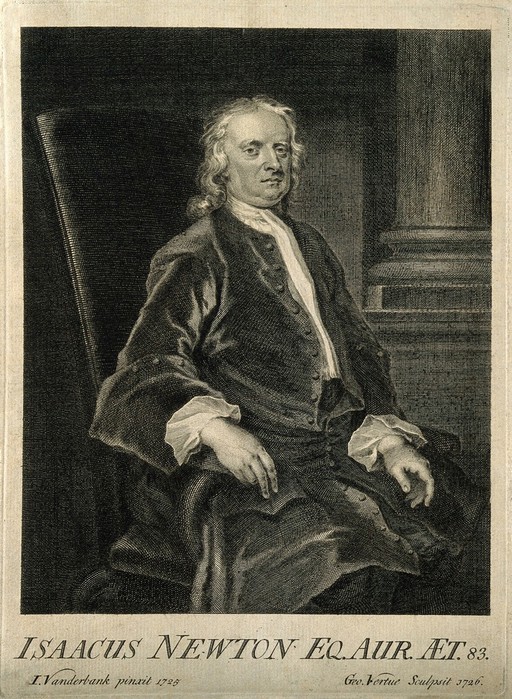
Sir Isaac Newton, line engraving by Vertue, 1726
George Vertue · 1726
 Document
Primary source
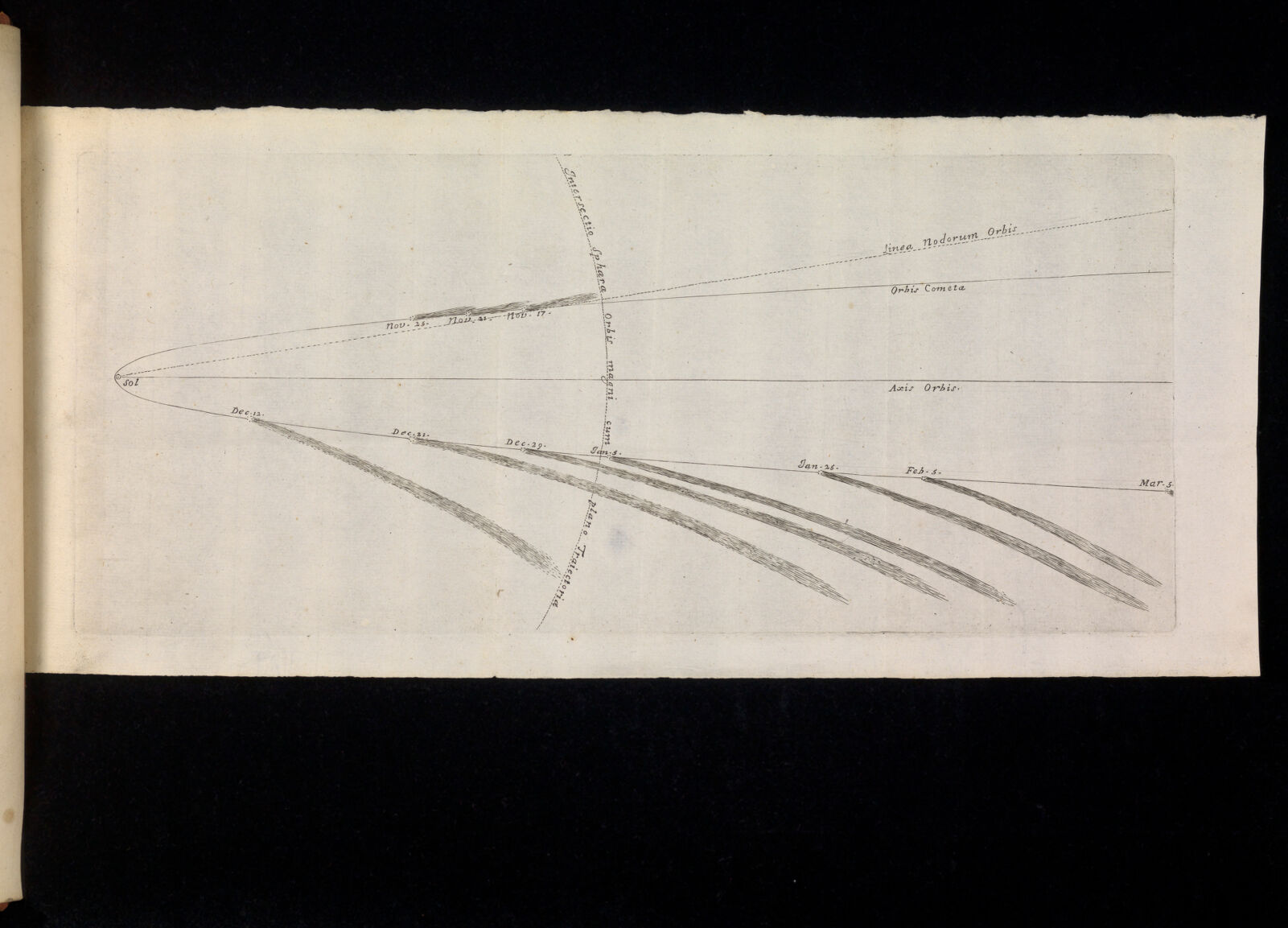
Principia Mathematica, Fold-out Diagram
Isaac Newton · 1687
 Painting
Primary source
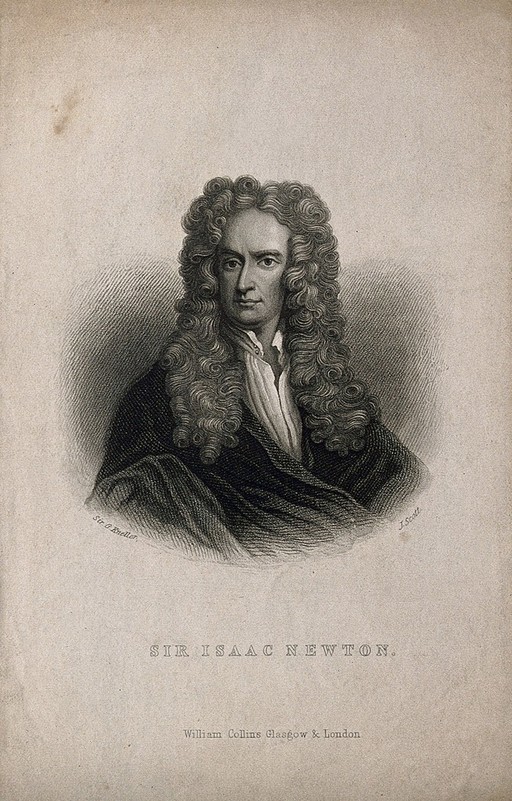
Sir Isaac Newton, stipple engraving by J. Scott after Kneller, 1702
J. Scott, after Sir Godfrey Kneller · 1702 (print made later)
Ready when you are
Start chatting with Isaac Newton now.
20 messages free · No credit card · Available in 50+ languages.