


Primary sourceBook1525
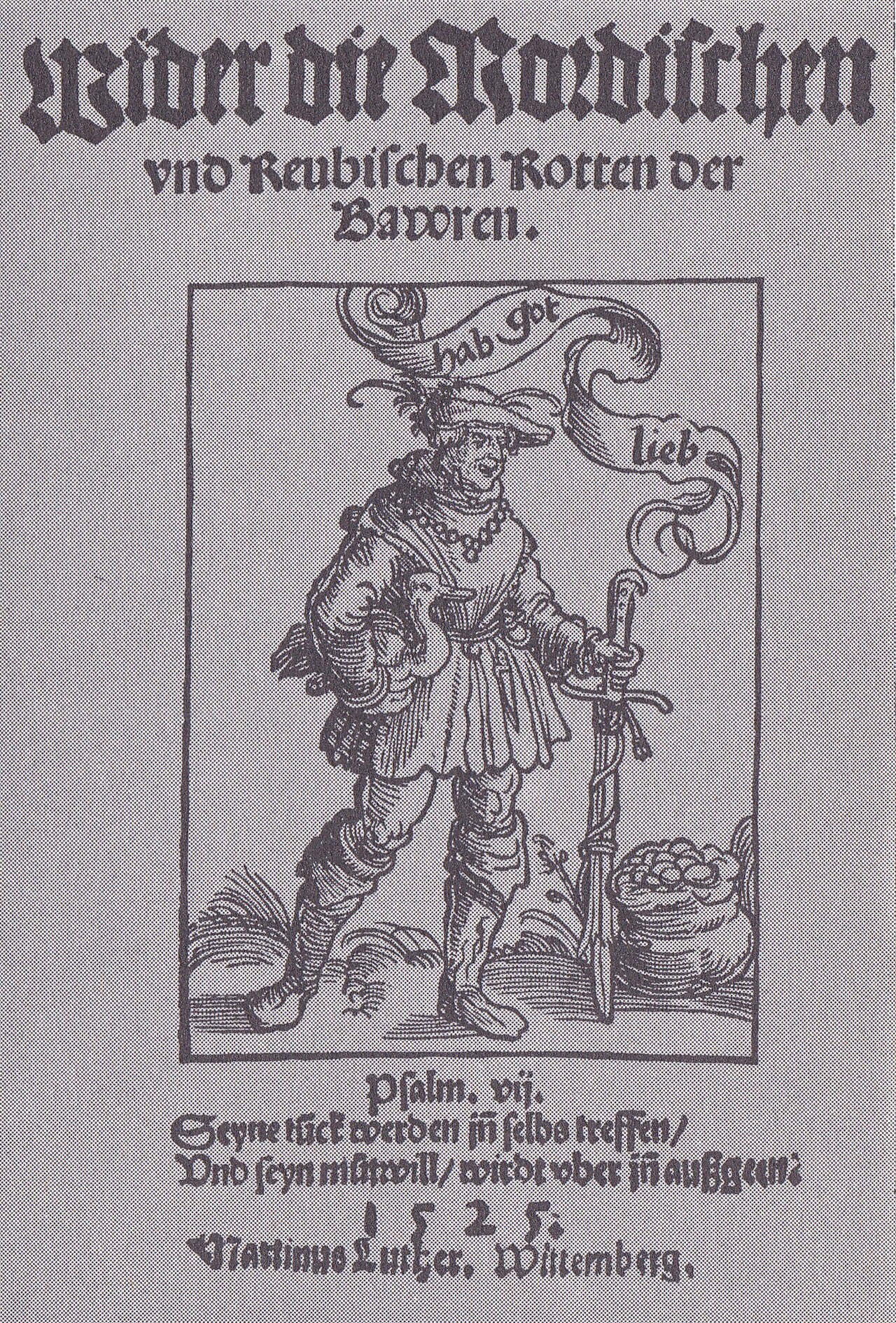
Against the Murderous, Thieving Hordes of Peasants
Martin Luther · 1525
Luther's 1525 pamphlet urging princes to crush the Peasants' War violently, distancing himself from the rebels he had once inspired.
Luther wrote this pamphlet himself, revealing his political conservatism during the Peasants' War.
About this source
What it is
This is a 1525 pamphlet written by Martin Luther, printed in Nuremberg, responding to the German Peasants' War. Its title page shows a woodcut of a peasant with a sword.
Why it matters
Luther's ideas about Christian freedom had helped inspire the peasants' revolt, but when the uprising turned violent he urged the princes to suppress it mercilessly. The pamphlet reveals the limits of Luther's radicalism: though he broke with the Catholic Church, he remained loyal to secular rulers like Frederick III of Saxony, who protected him.
Look closer
- Why might Luther want to distance himself publicly from a revolt his own ideas had helped encourage?
- What does the woodcut on the title page suggest about how the pamphlet wanted peasants to be seen?
- What does this pamphlet leave out about the peasants' own grievances?
This book is part of the curated material that grounds the AI version of Martin Luther on Humy.ai — when students ask about related events, the AI can quote it and cite it.
More Martin Luther sources
Meet the AI Martin Luther →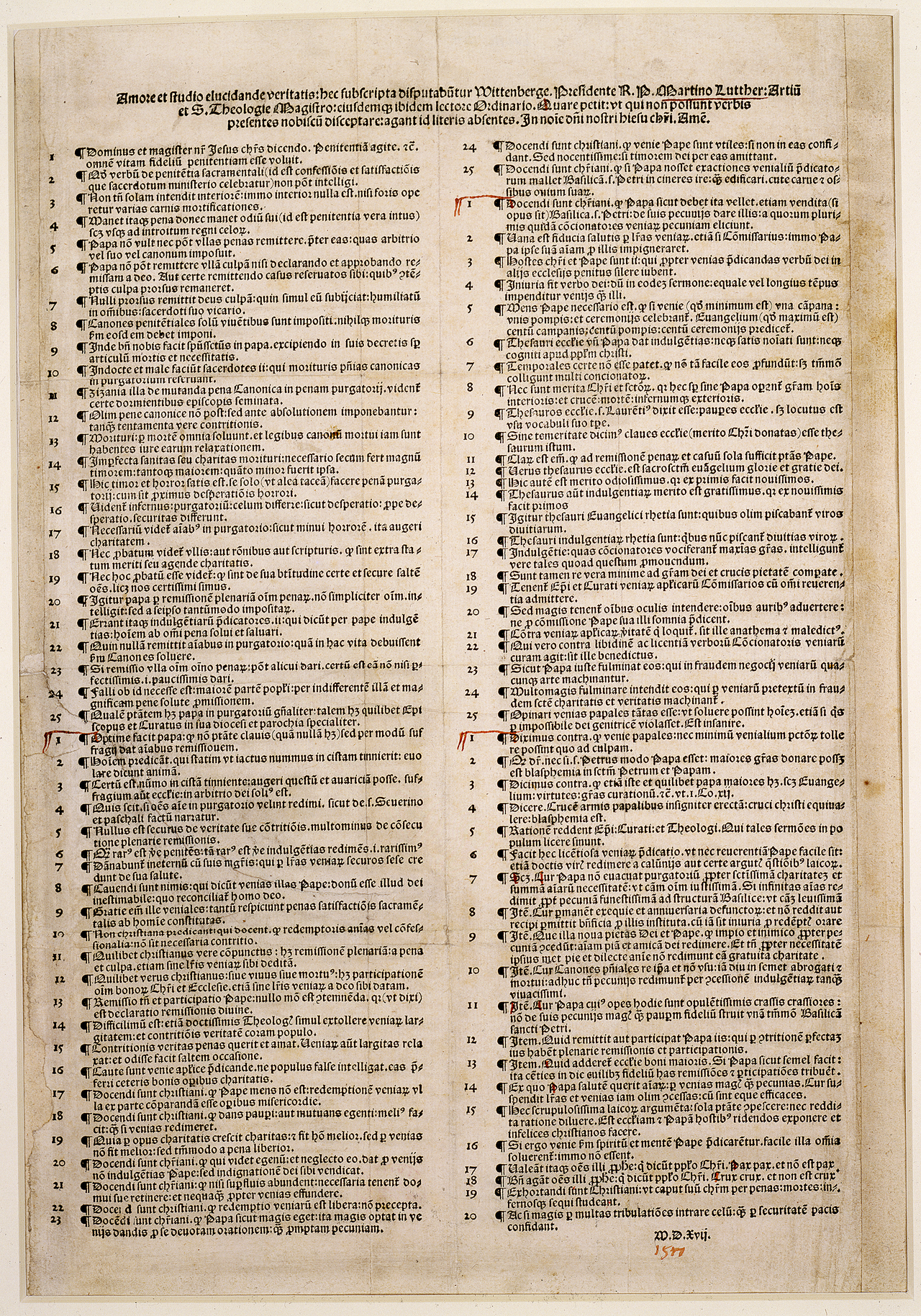 Document
Primary source
Ninety-five Theses
Martin Luther · 1517
 Painting
Secondary source
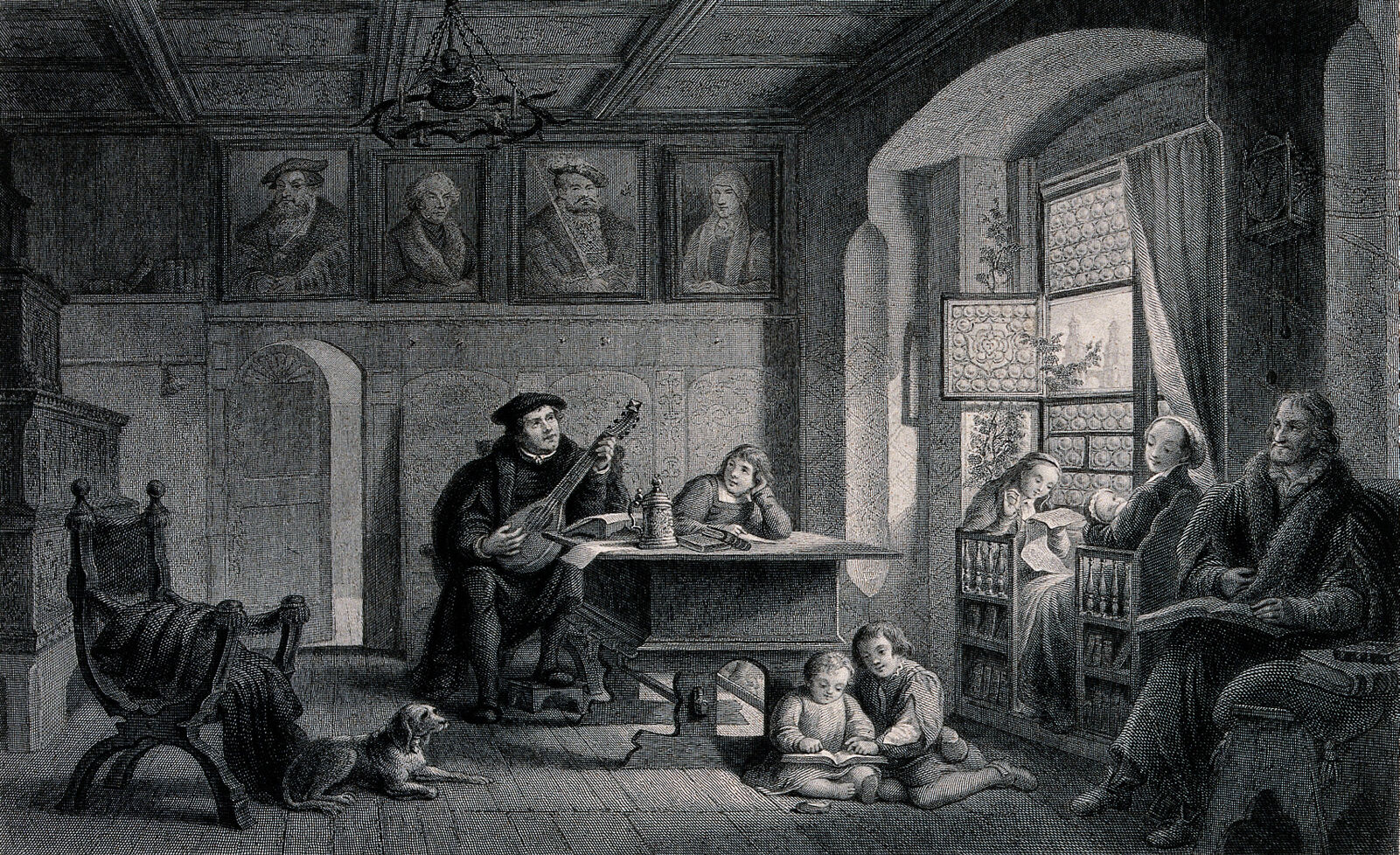
Domestic Life of Martin Luther at Wittenberg
Pierre-Antoine Labouchère (design); J. D. Nargeot (engraving) · 1800-1899
 Painting
Primary source
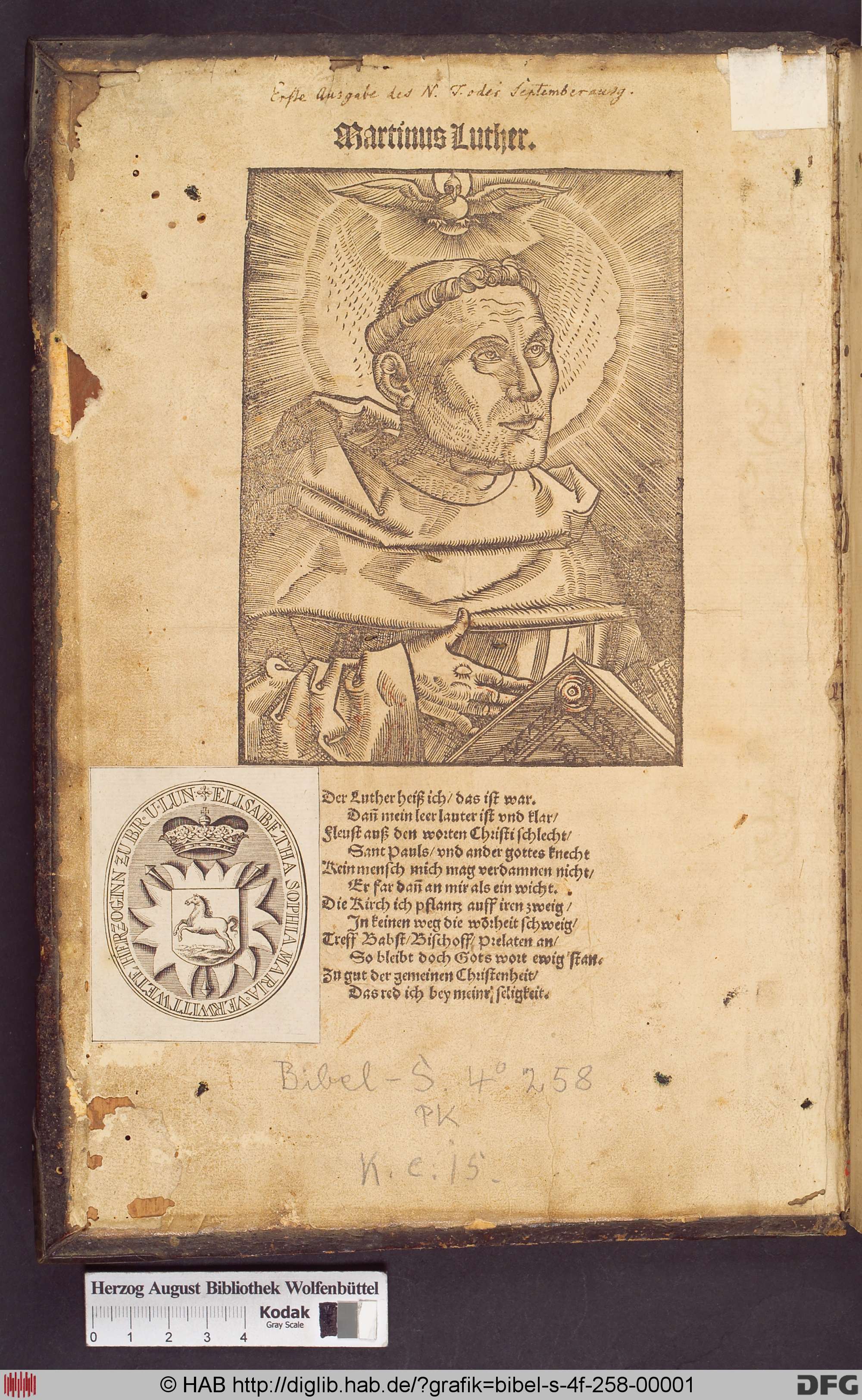
Martinus Luther Woodcut Portrait
Unbekannt (Formschneider)
 Painting
Primary source
Woodcut Portrait of Luther in Sermon Pamphlet
1523
 Book
Secondary source
Luther Bible
Martin Luther · 1534
Ready when you are
Start chatting with Martin Luther now.
20 messages free · No credit card · Available in 50+ languages.