


Secondary sourceSculpturec. 1450-1500
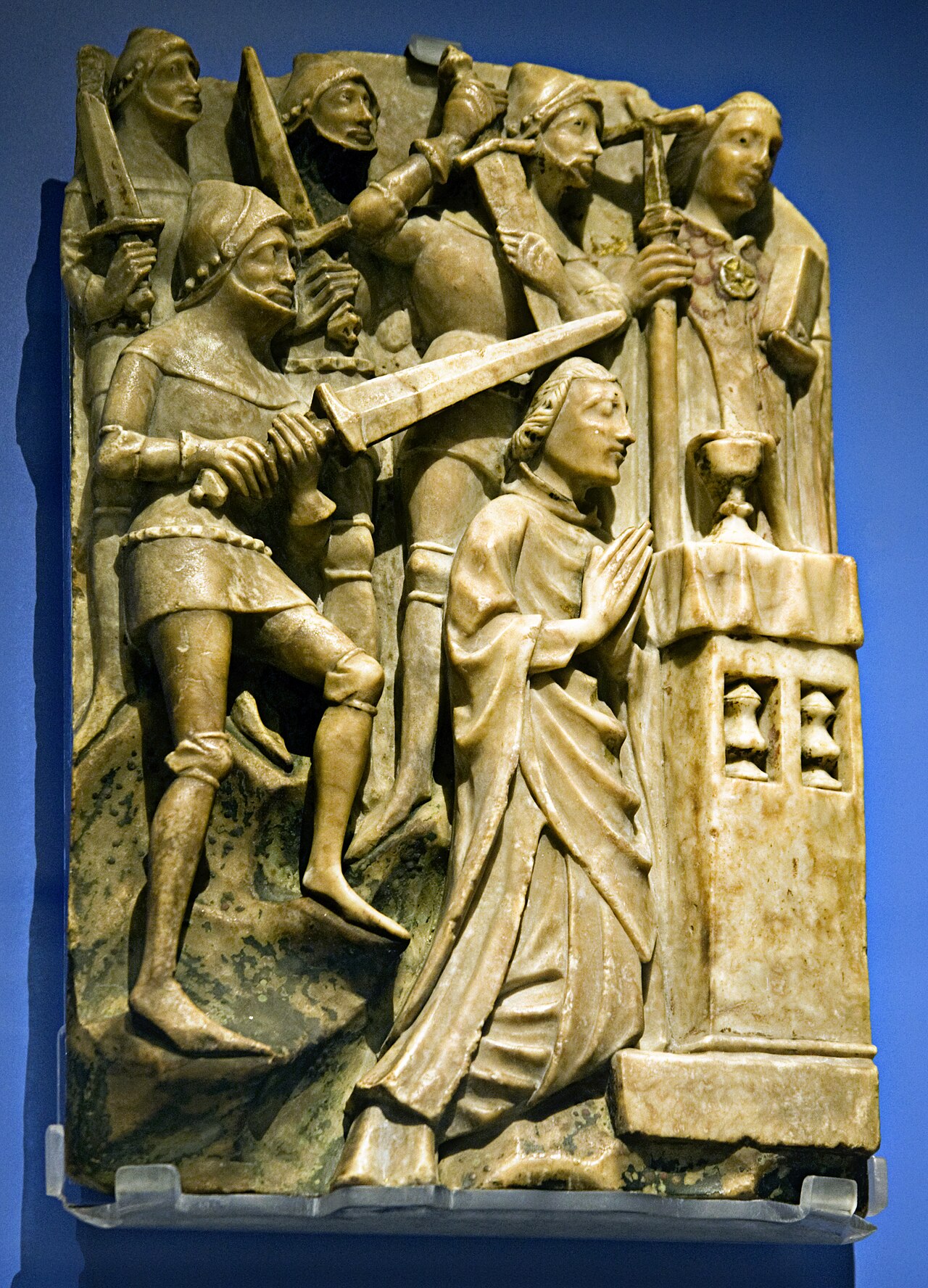
Alabaster Relief of Becket's Martyrdom
c. 1450-1500
An English alabaster carving from about 1450-1500 showing knights attacking Becket as he kneels at the altar.
A later medieval carving depicting Becket's murder, showing how his martyrdom was remembered in English religious art.
About this source
What it is
This is a carved alabaster relief made in England around 1450-1500, now held in the British Museum. It shows the martyrdom of Thomas Becket: a kneeling robed figure before an altar, attacked by armored knights with swords, while a clergyman stands nearby.
Why it matters
Made nearly 300 years after Becket's death, this object shows how his martyrdom remained a powerful subject for religious art long afterward. Alabaster carvings like this were often made for altarpieces or private devotion, showing how important Becket's story was to later medieval English religious life.
Look closer
- What details in the carving tell you this is a violent, dramatic moment?
- Why might artists centuries later still want to carve this scene?
- What is left out of the carving that a written account might include?
This sculpture is part of the curated material that grounds the AI version of Thomas Becket on Humy.ai — when students ask about related events, the AI can quote it and cite it.
More Thomas Becket sources
Meet the AI Thomas Becket →Primary source
Constitutions of Clarendon
Henry II of England · 1164
 Artifact
Primary source
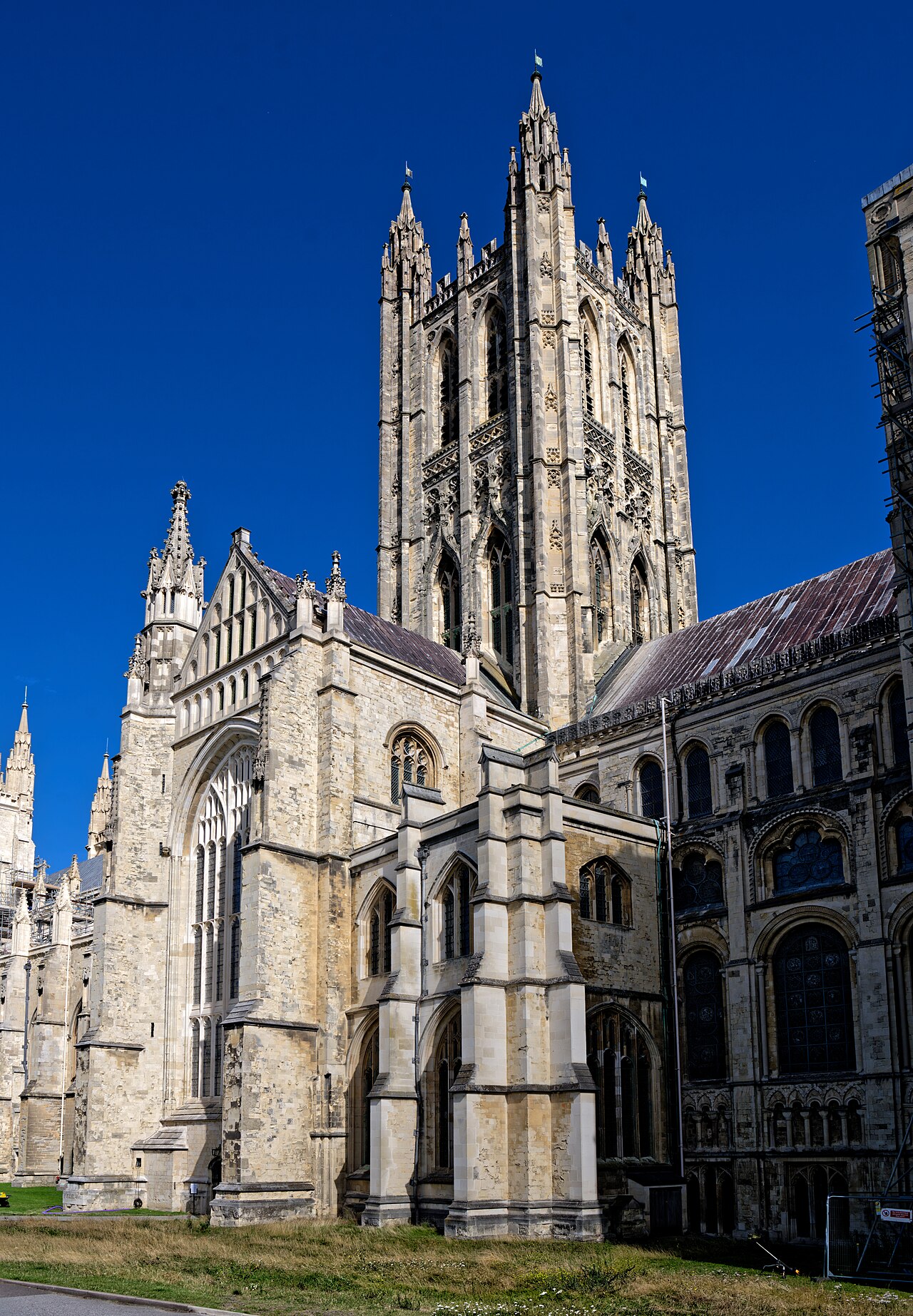
Canterbury Cathedral
founded 597
 Artifact
Secondary source
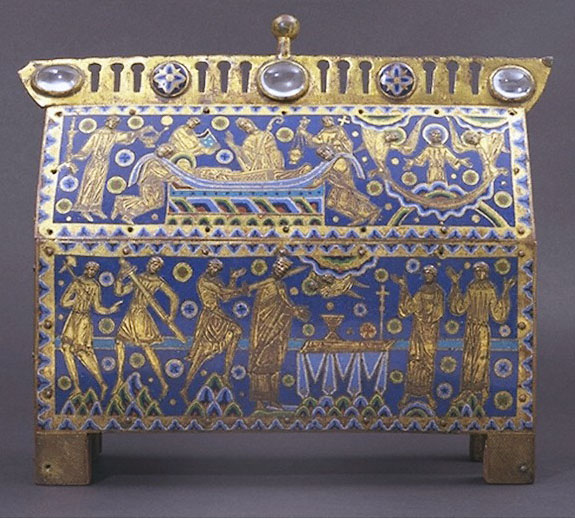
Becket Casket
c. 1180-1190
 Artifact
Secondary source
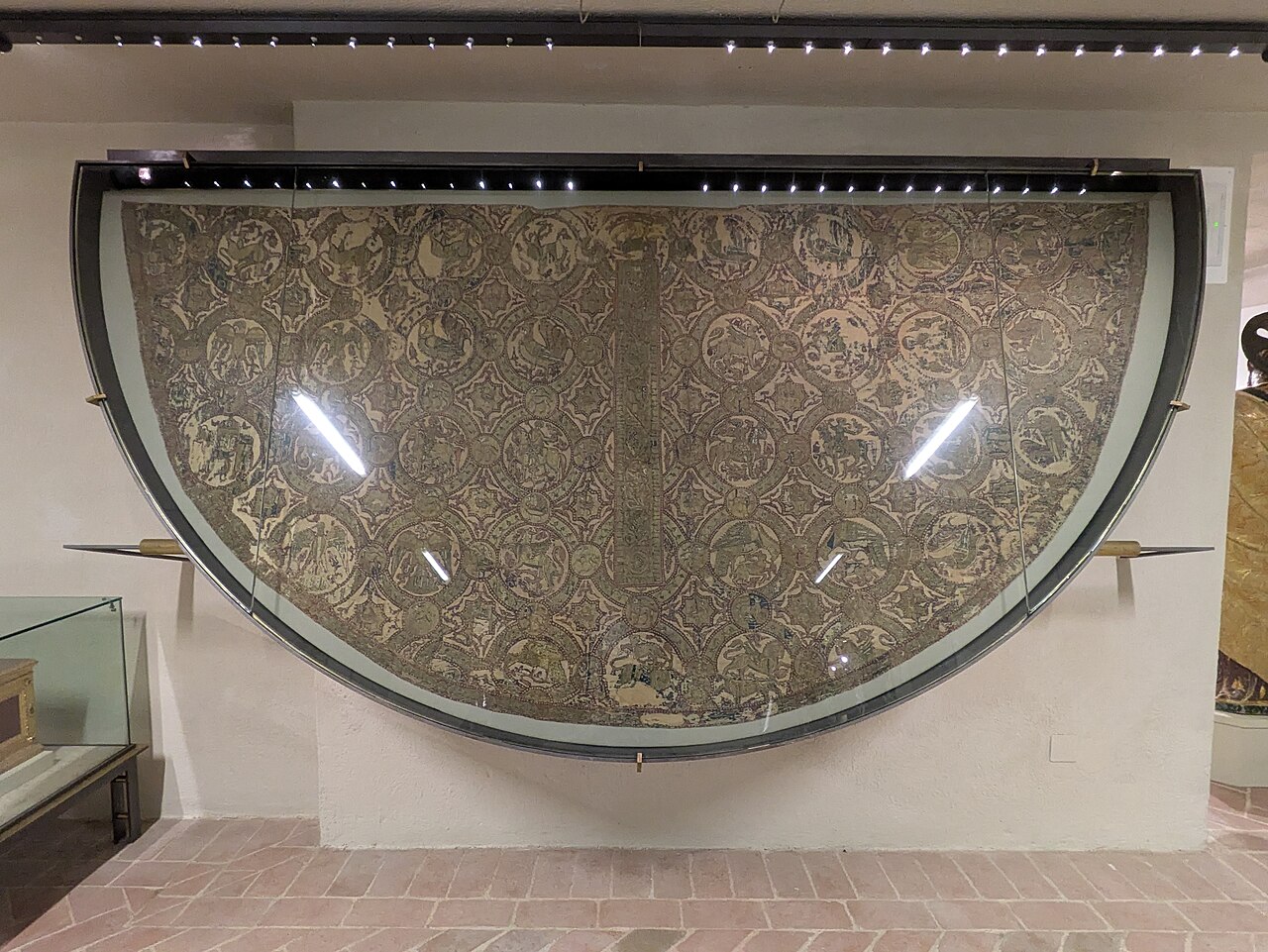
Fermo Chasuble of St. Thomas Becket
12th century
 Artifact
Secondary source
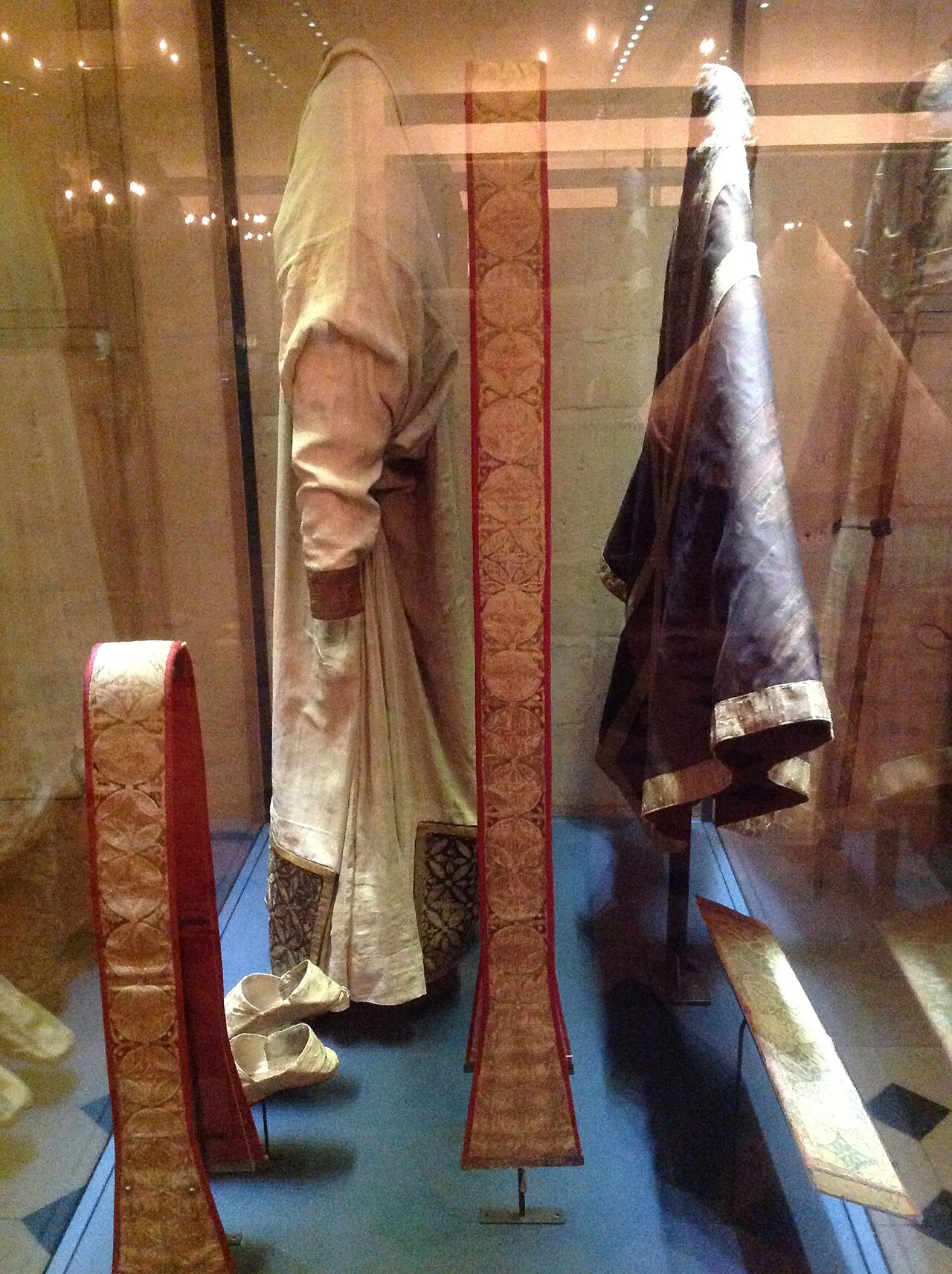
Becket Liturgical Garments, Sens Cathedral
12th century
Ready when you are
Start chatting with Thomas Becket now.
20 messages free · No credit card · Available in 50+ languages.