


Secondary sourcePaintingMid-16th century
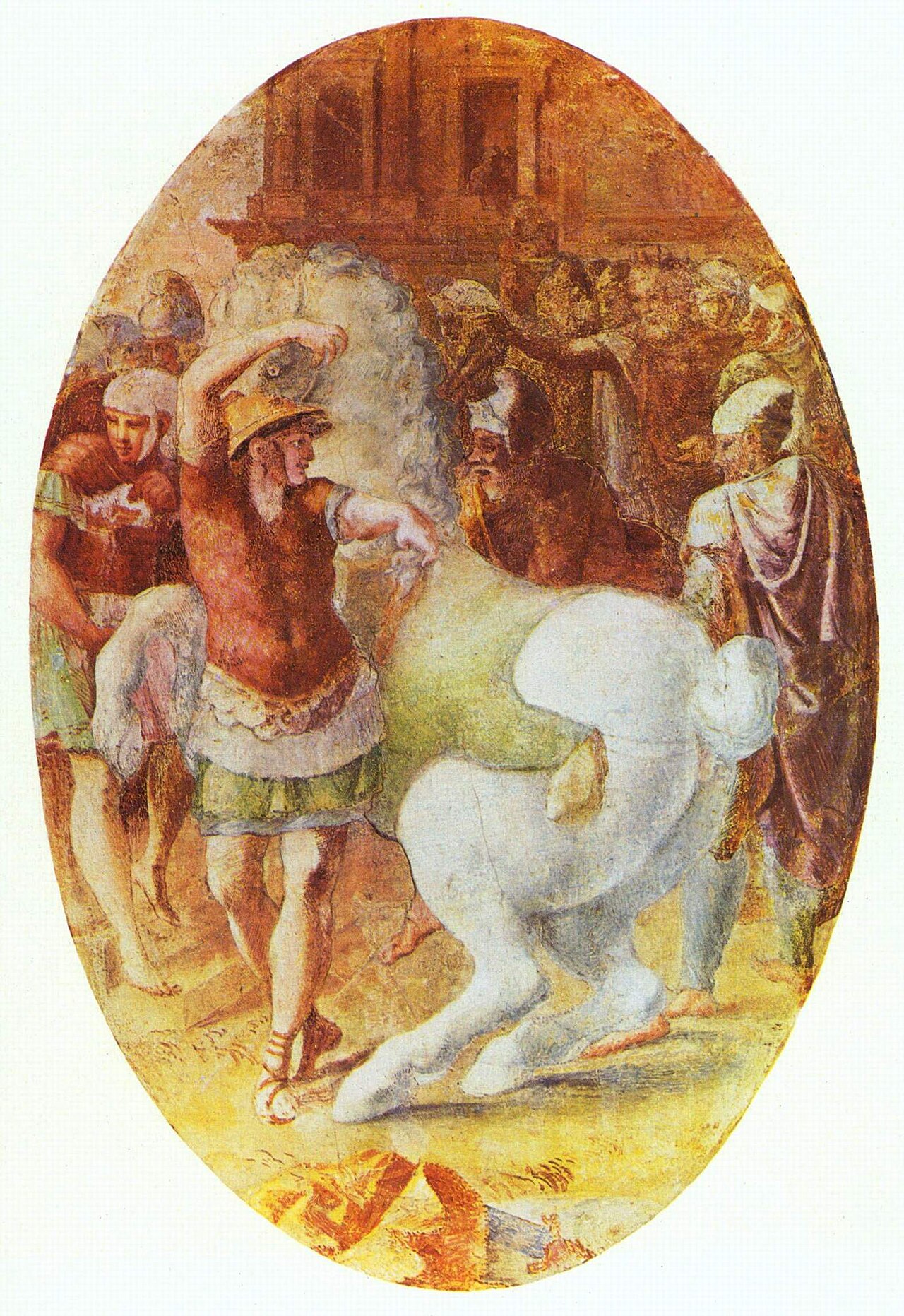
Alexander Taming Bucephalus
Francesco Primaticcio · Mid-16th century
A mid-16th-century oval painting imagining young Alexander subduing his famous horse Bucephalus before onlookers.
A Renaissance imagining of the legendary young Alexander taming his horse Bucephalus.
About this source
What it is
This oval painting was made by the Renaissance artist Francesco Primaticcio in the mid-16th century. It shows a helmeted young man in a red tunic raising his arm beside a white horse, watched by armored and robed figures in a columned courtyard.
Why it matters
The painting does not come from Alexander's own time. It shows how, centuries later, artists like Primaticcio imagined one of the most famous legends about Alexander: his taming of his horse Bucephalus as a youth. Stories like this helped build Alexander's reputation as an extraordinary leader even before he became king.
Look closer
- What details make the young man look heroic or special?
- Why might artists centuries later still want to paint scenes from Alexander's childhood?
- What does the setting (columns, onlookers) tell you about how the artist pictured ancient Macedonia?
This painting is part of the curated material that grounds the AI version of Alexander the Great on Humy.ai — when students ask about related events, the AI can quote it and cite it.
More Alexander the Great sources
Meet the AI Alexander the Great →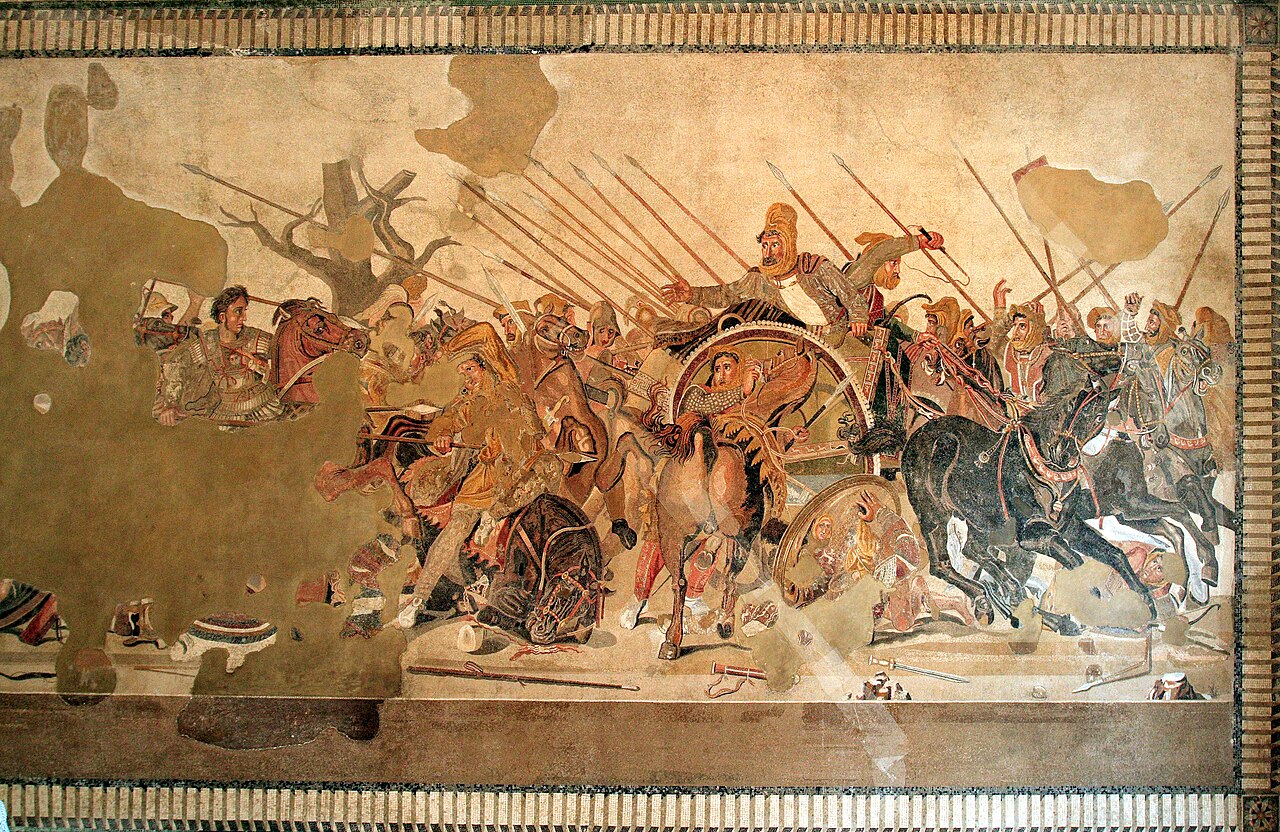 Artifact
Secondary source
Alexander Mosaic
Philoxenus of Eretria · c. 120-100 BCE (copy of an earlier Hellenistic painting)
 Painting
Secondary source
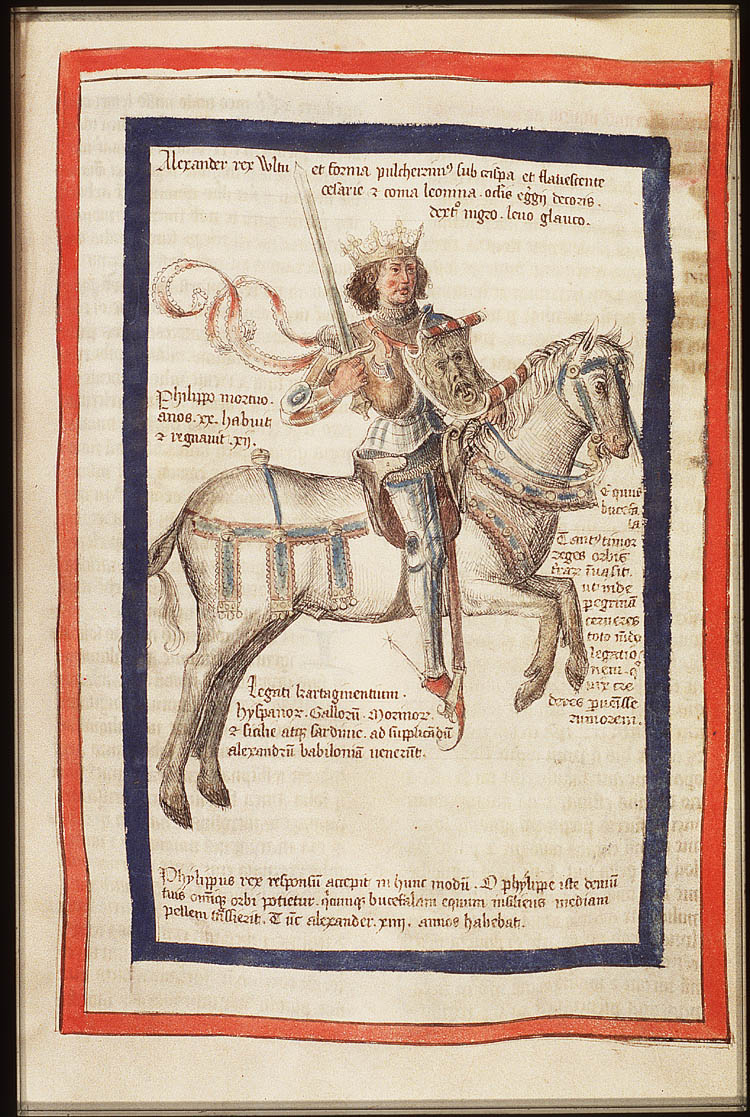
Alexander the Great riding Bucephalus
1460
 Artifact
Primary source
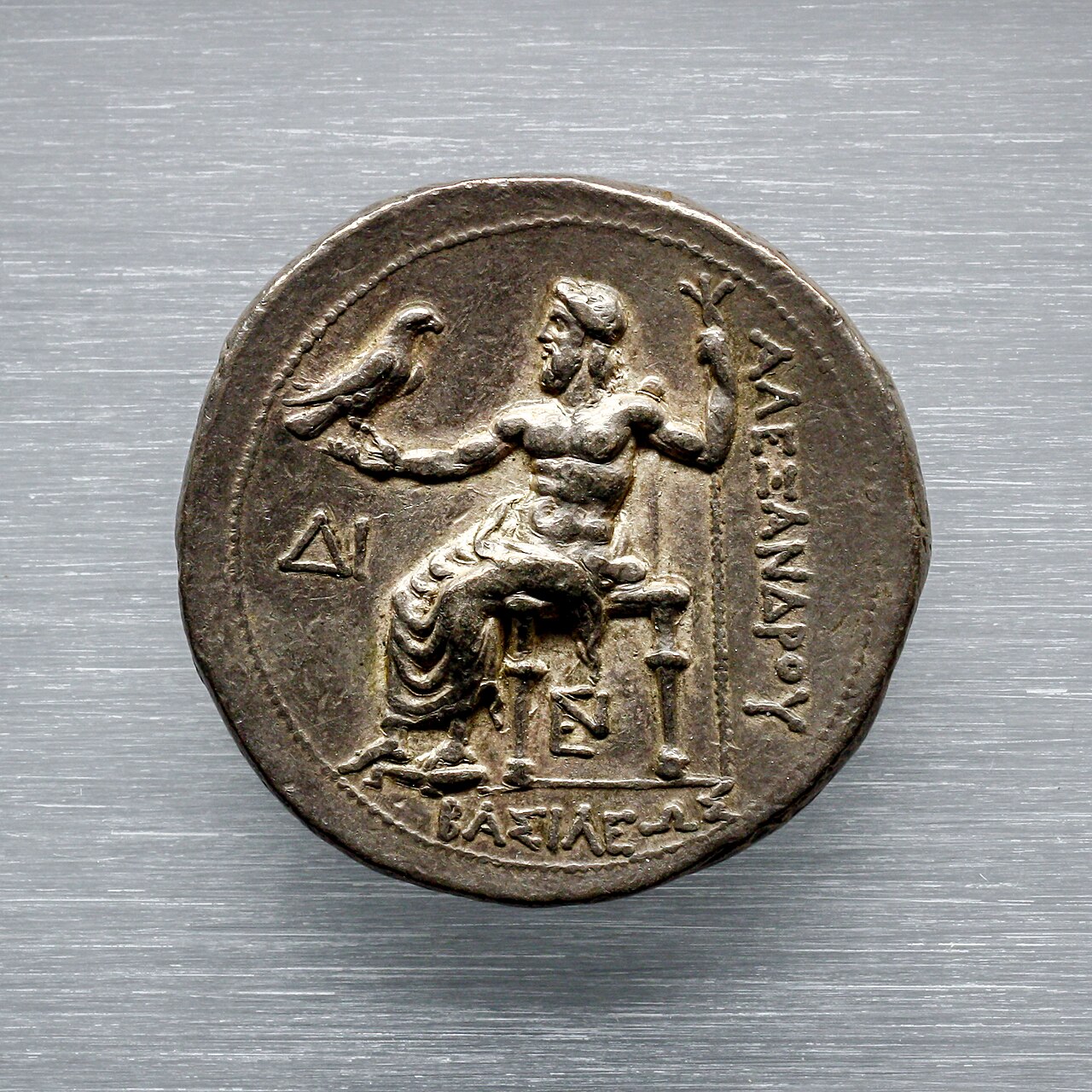
Silver Tetradrachm of Alexander the Great
Royal mints of Alexander III · c. 336-323 BCE
 Painting
Secondary source
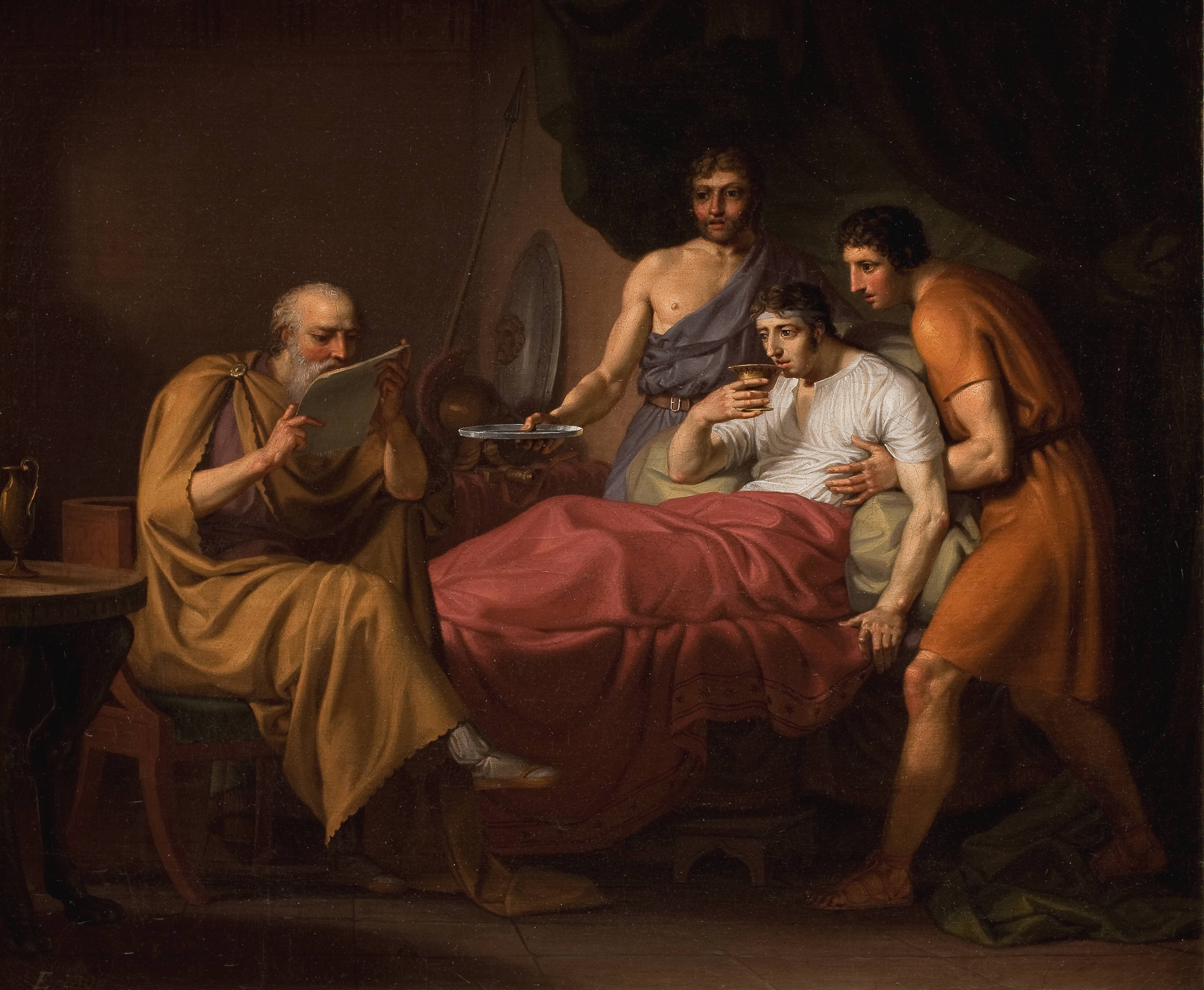
Alexander the Great on his Sickbed
1806
 Book
Secondary source
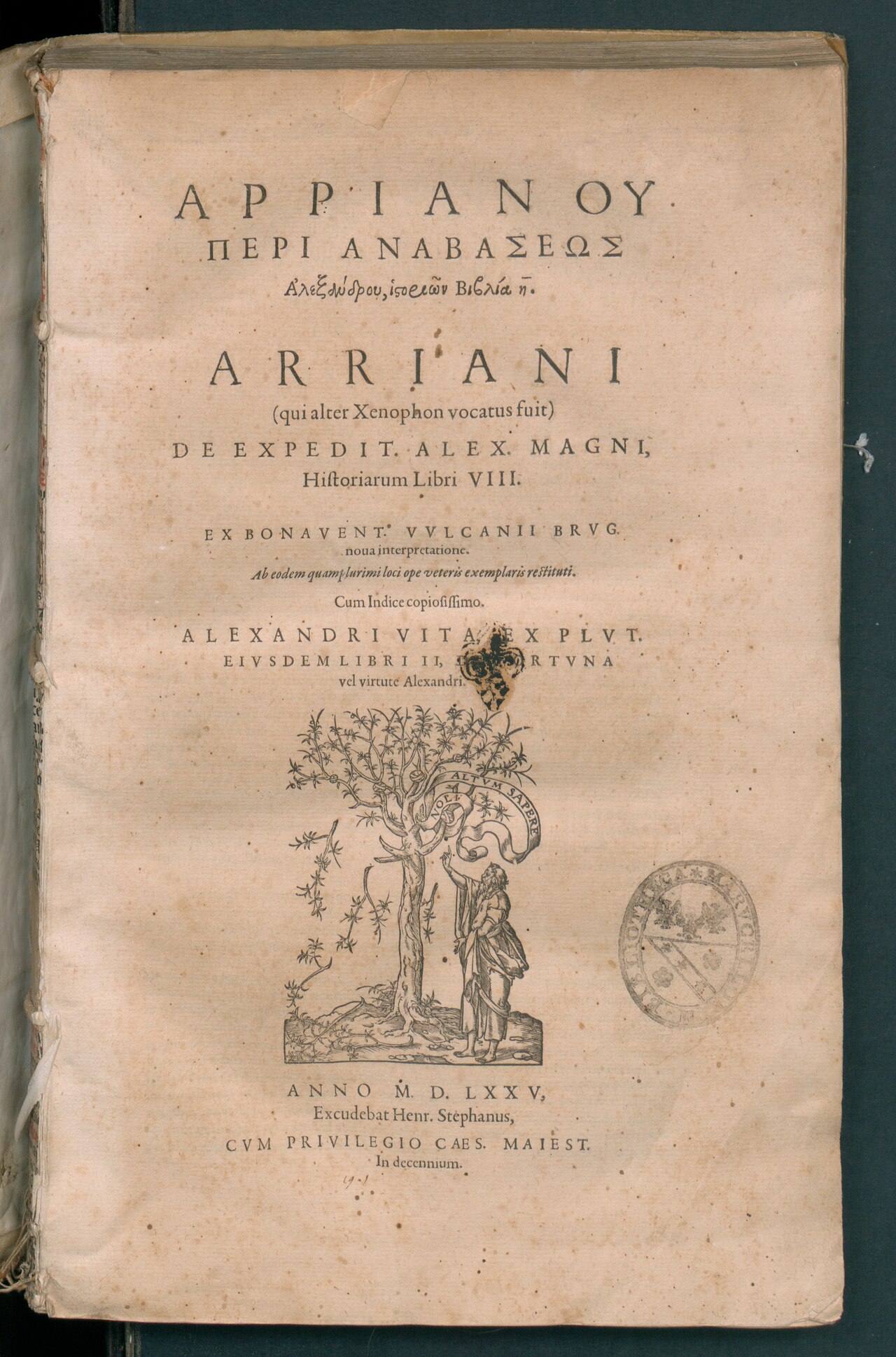
Anabasis of Alexander
Arrian · c. 150 AD
Ready when you are
Start chatting with Alexander the Great now.
20 messages free · No credit card · Available in 50+ languages.