


Secondary sourceSculpture1670
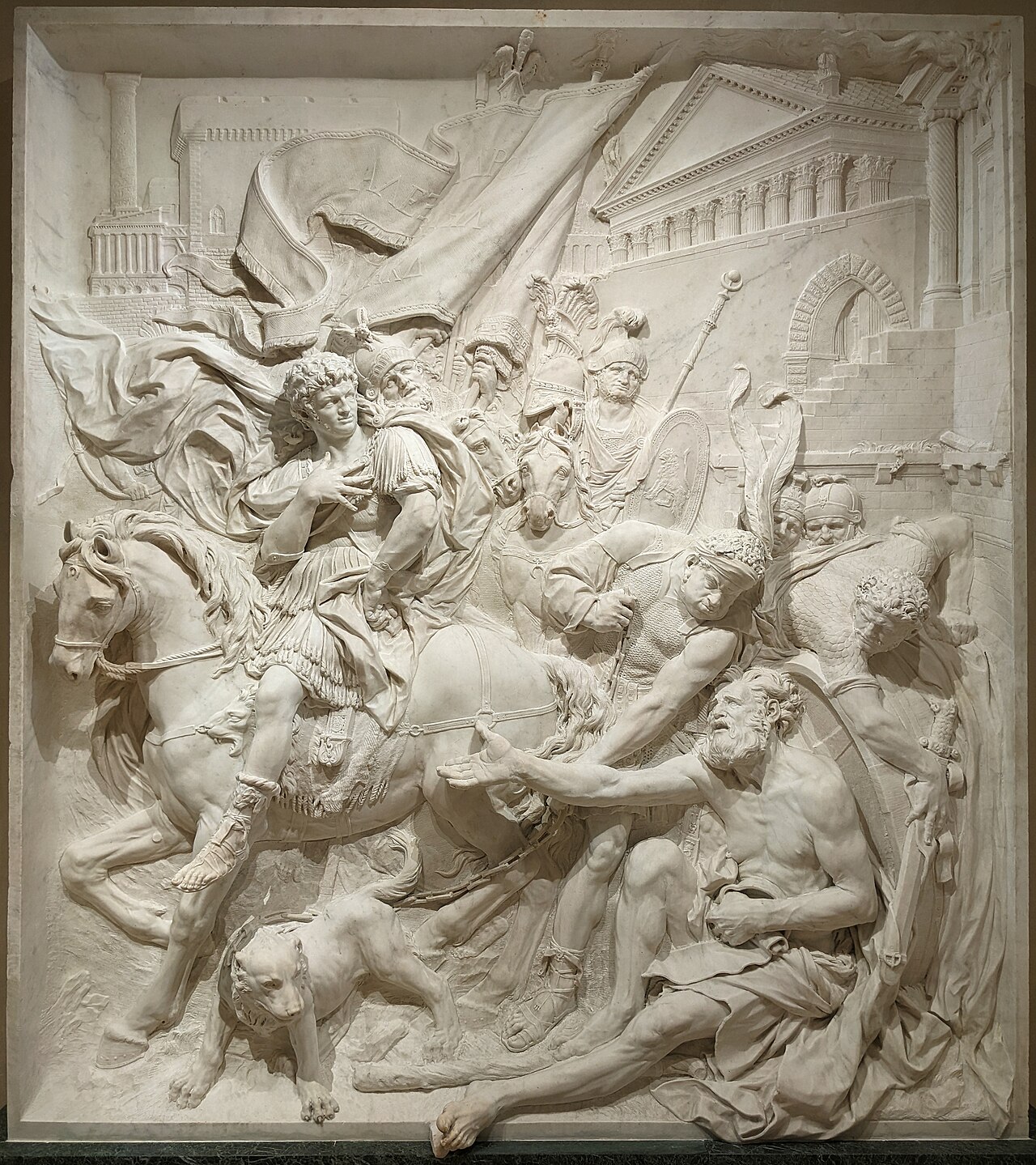
Alexandre et Diogène
Pierre Puget · 1670
A marble relief by Pierre Puget depicting the legendary meeting between Alexander the Great and the philosopher Diogenes.
Depicts the legendary encounter between Alexander and the philosopher Diogenes, contrasting power with wisdom.
About this source
What it is
This marble relief was carved in 1670 by the French sculptor Pierre Puget. It shows a mounted figure, understood to be Alexander the Great, reaching toward an elderly man lying on the ground, representing the philosopher Diogenes. The sculpture is held in the Department of Sculptures of the Louvre.
Why it matters
The meeting between Alexander and Diogenes was a popular ancient anecdote used for centuries to contrast worldly power with philosophical simplicity. By choosing this subject, Puget placed Alexander within a long tradition of art and storytelling that questioned whether military conquest or wisdom mattered more.
Look closer
- What does the contrast between the mounted rider and the reclining man suggest about power versus philosophy?
- Why do you think artists kept returning to this particular story about Alexander?
- What is left out of the sculpture that a written account might include?
This sculpture is part of the curated material that grounds the AI version of Alexander the Great on Humy.ai — when students ask about related events, the AI can quote it and cite it.
More Alexander the Great sources
Meet the AI Alexander the Great →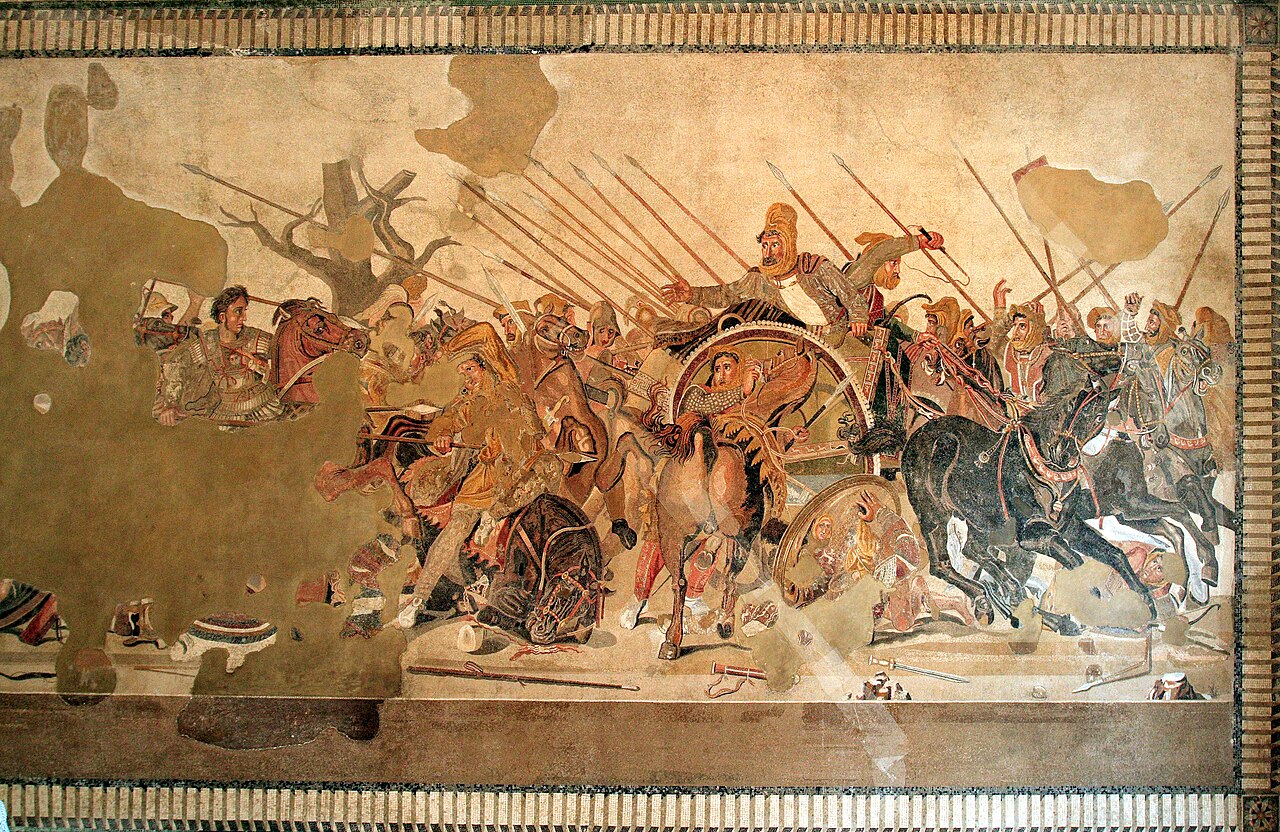 Artifact
Secondary source
Alexander Mosaic
Philoxenus of Eretria · c. 120-100 BCE (copy of an earlier Hellenistic painting)
 Painting
Secondary source
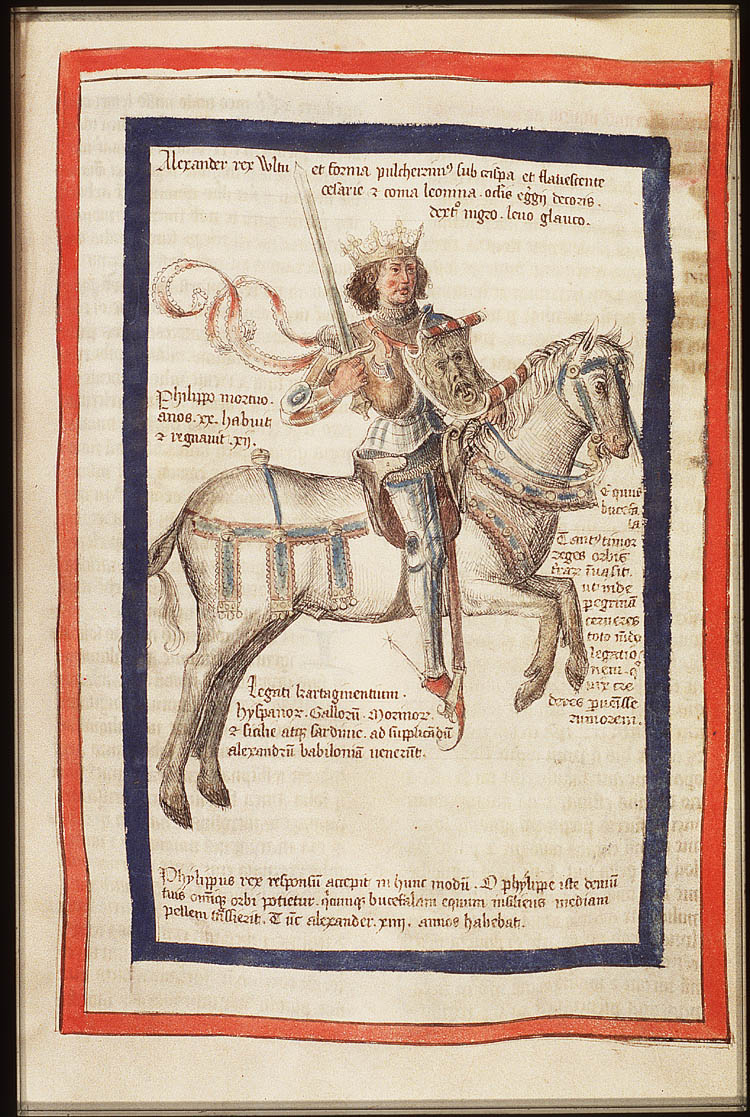
Alexander the Great riding Bucephalus
1460
 Artifact
Primary source
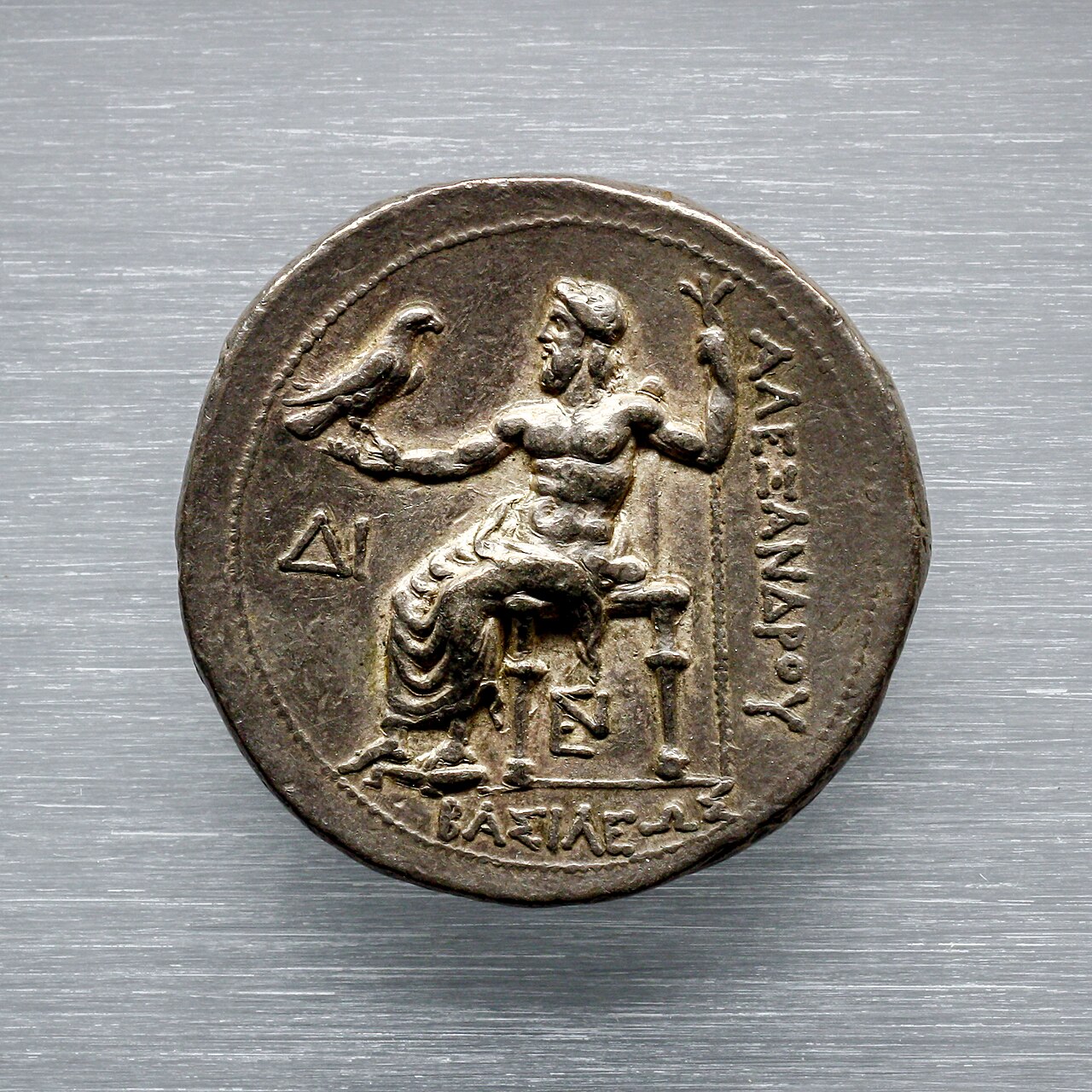
Silver Tetradrachm of Alexander the Great
Royal mints of Alexander III · c. 336-323 BCE
 Painting
Secondary source
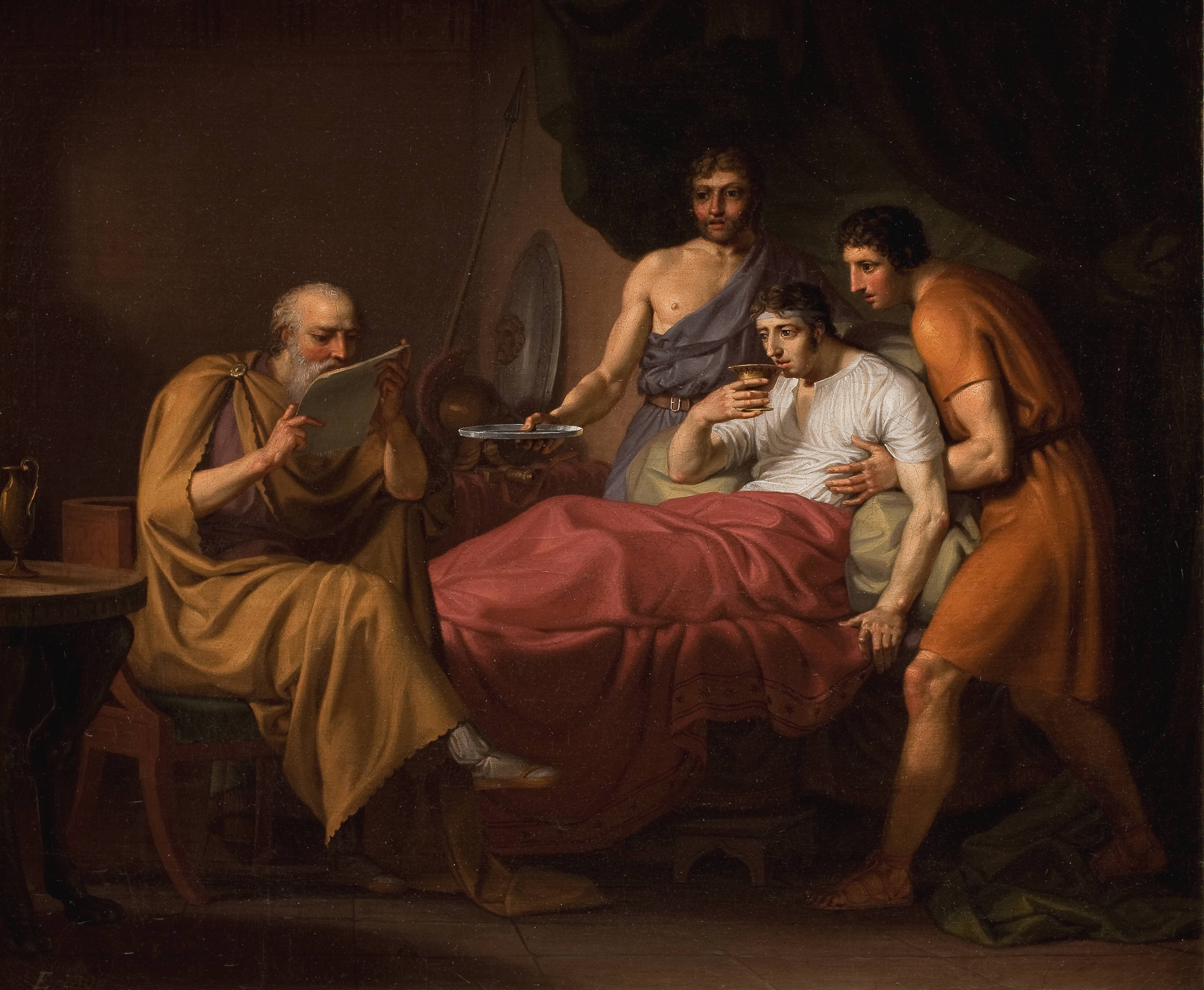
Alexander the Great on his Sickbed
1806
 Book
Secondary source
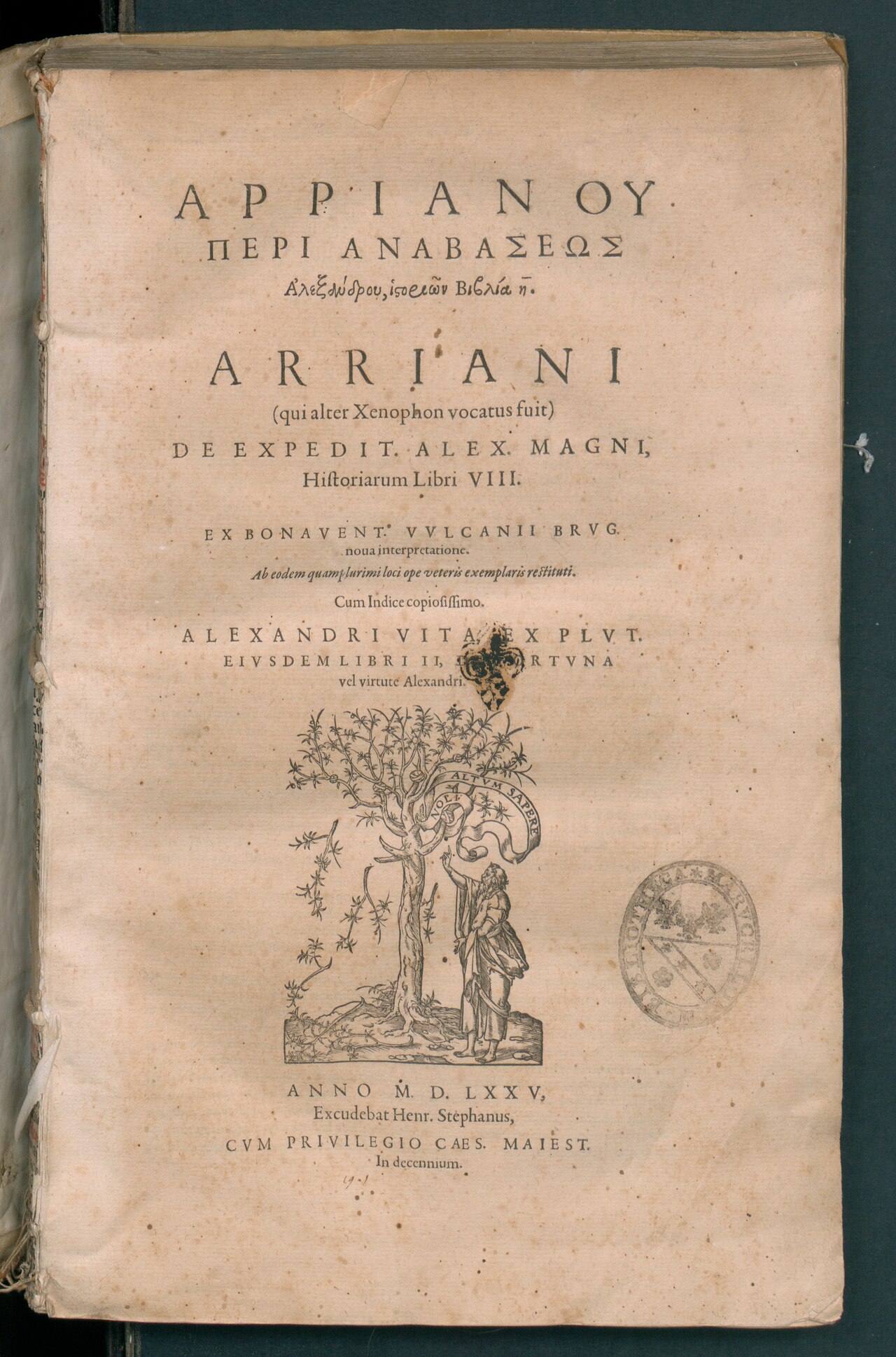
Anabasis of Alexander
Arrian · c. 150 AD
Ready when you are
Start chatting with Alexander the Great now.
20 messages free · No credit card · Available in 50+ languages.