


Secondary sourcePaintingbetween 1727 and 1729
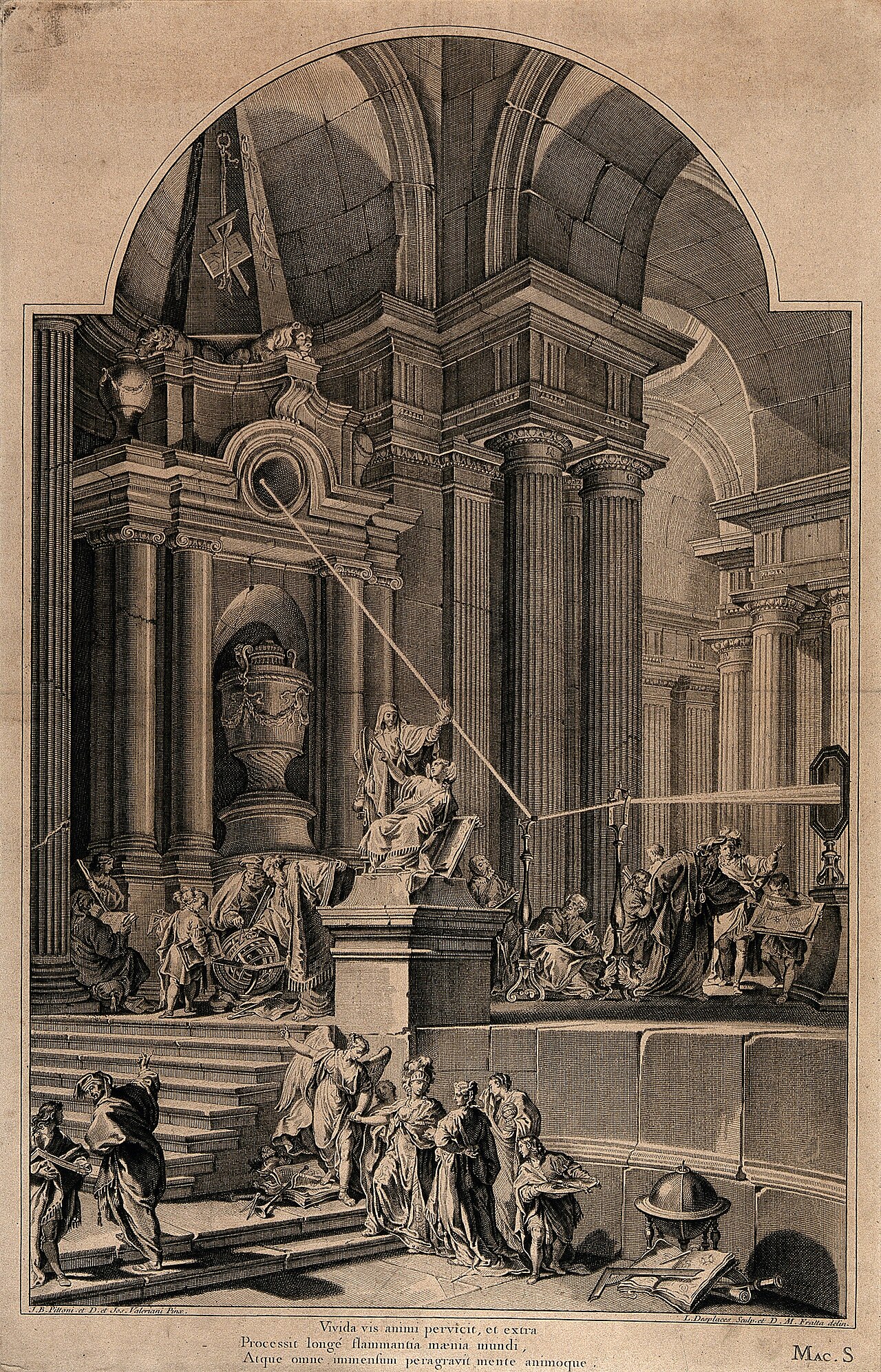
Allegorical Monument to Newton and His Theory of Prisms
Louis Desplaces, after D. M. Fratta, J. B. Pittoni, D. Valeriani, and G. Valeriani · between 1727 and 1729
A 1727-1729 engraving of an imagined monument celebrating Newton's work on light and prisms, made soon after his death.
An allegorical tribute to Newton's theory of light and prisms, created soon after his death.
About this source
What it is
This line engraving by Louis Desplaces, based on designs by Domenico Maria Fratta, Giovanni Battista Pittoni, and Domenico and Giuseppe Valeriani, shows an imagined, grand monument to Newton. It was made between 1727 and 1729, shortly after Newton's death, and depicts a classical hall with a beam of light passing through a prism, scholars, books, and a globe.
Why it matters
This engraving was produced by a team of Italian artists soon after Newton died, showing how quickly his reputation as a great scientist spread across Europe. The imagery celebrates his discoveries about light and optics using classical symbols of learning, reflecting the Enlightenment admiration for Newton's scientific achievements.
Look closer
- What symbols in the image represent Newton's scientific work on light and prisms?
- Why might several artists collaborate to create a single commemorative image?
- What does the choice of a classical architectural setting suggest about how Newton was regarded?
This painting is part of the curated material that grounds the AI version of Isaac Newton on Humy.ai — when students ask about related events, the AI can quote it and cite it.
More Isaac Newton sources
Meet the AI Isaac Newton →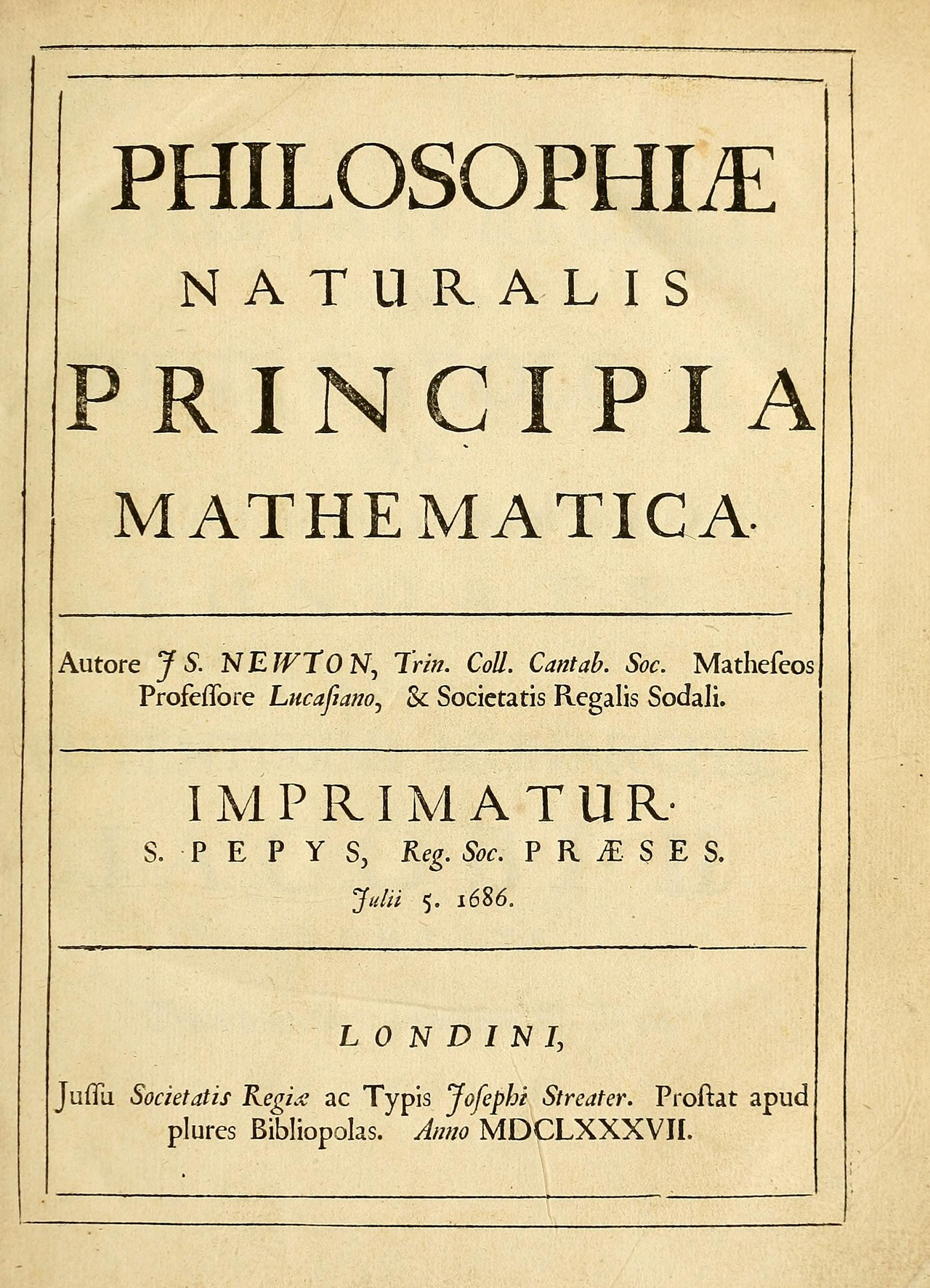 Book
Primary source
Philosophiæ Naturalis Principia Mathematica
Isaac Newton · 1687
 Book
Primary source
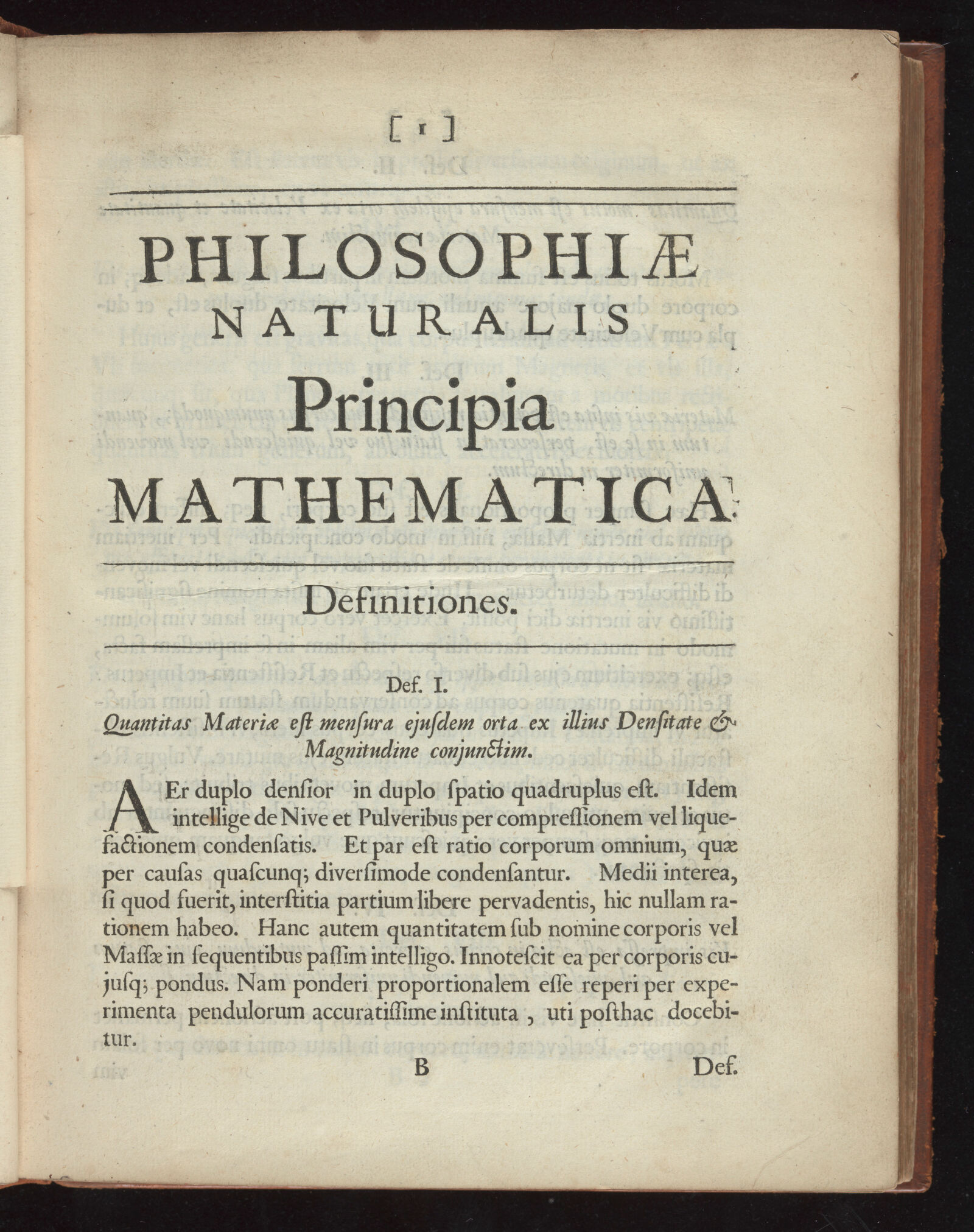
Principia Mathematica, Page 1: Definitions
Isaac Newton · 1687
 Painting
Primary source
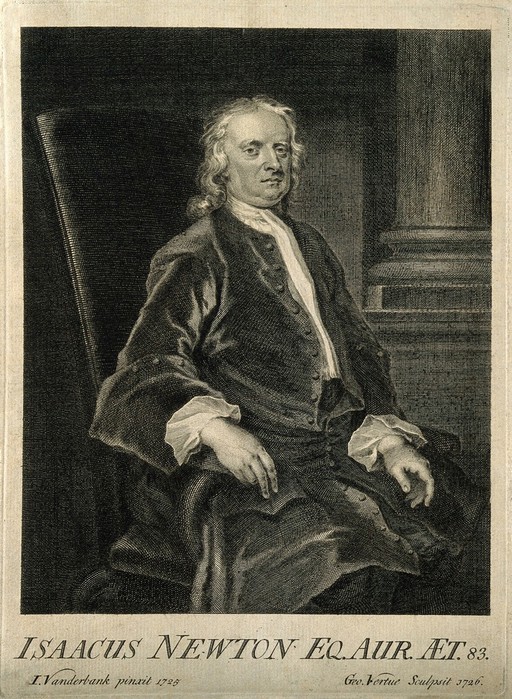
Sir Isaac Newton, line engraving by Vertue, 1726
George Vertue · 1726
 Document
Primary source
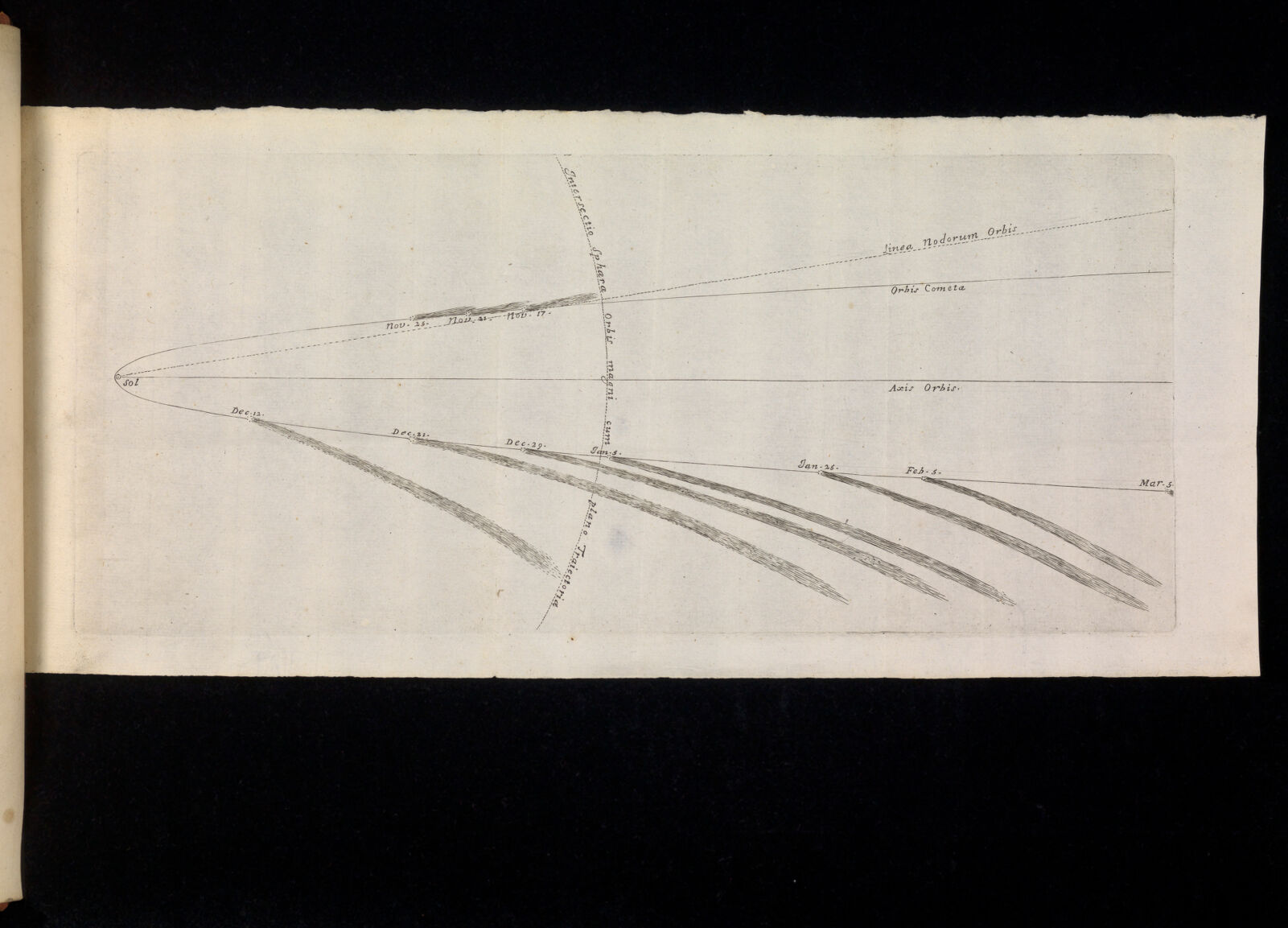
Principia Mathematica, Fold-out Diagram
Isaac Newton · 1687
 Painting
Primary source
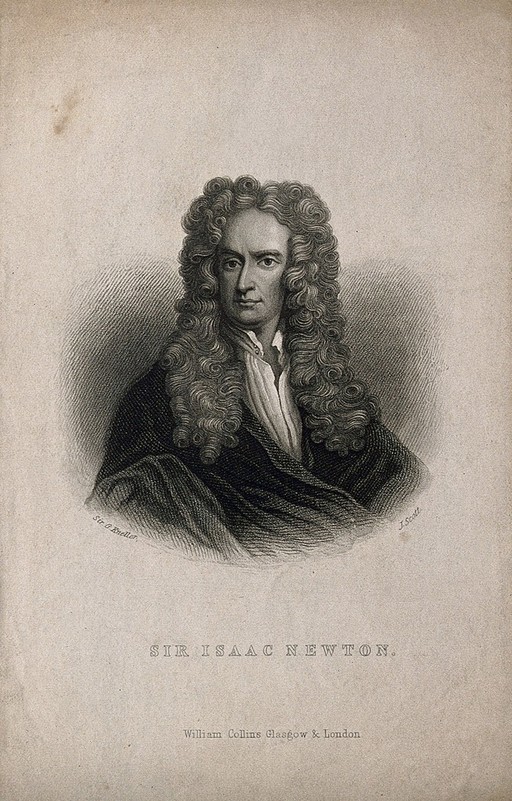
Sir Isaac Newton, stipple engraving by J. Scott after Kneller, 1702
J. Scott, after Sir Godfrey Kneller · 1702 (print made later)
Ready when you are
Start chatting with Isaac Newton now.
20 messages free · No credit card · Available in 50+ languages.