


Primary sourceBook1821
Almansor
Heinrich Heine · 1821
An early tragedy by Heinrich Heine set in Moorish Spain, containing the famous warning about book burning leading to the burning of people.
Heine wrote this tragedy, whose famous line about book burning was later inscribed at the 1933 Nazi book-burning site.
Free Humy account · No credit card · 120,912 sources to read
About this source
What it is
This is an early tragedy written by Heinrich Heine in 1821, set during the era of Moorish Spain. It was one of his first major dramatic works.
Why it matters
The play contains a line that became tragically prophetic: a warning that where books are burned, people will eventually be burned too. More than a century later, that very line was inscribed at the site where the Nazis staged a public book burning in Berlin in 1933—a burning that included works by Heine himself, since he was a Jewish writer. The play shows how literature can anticipate and warn against the dangers of censorship and persecution long before they occur.
Look closer
- Why do you think this line from a play about medieval Spain felt so relevant more than a century later?
- What does it mean that Heine's own books were later burned by the regime that quoted his warning?
- How can a writer's words outlive their original context and take on new meaning?
This book is part of the curated material that grounds the AI version of Heinrich Heine on Humy.ai — when students ask about related events, the AI can quote it and cite it.
More Heinrich Heine sources
Browse all 98 →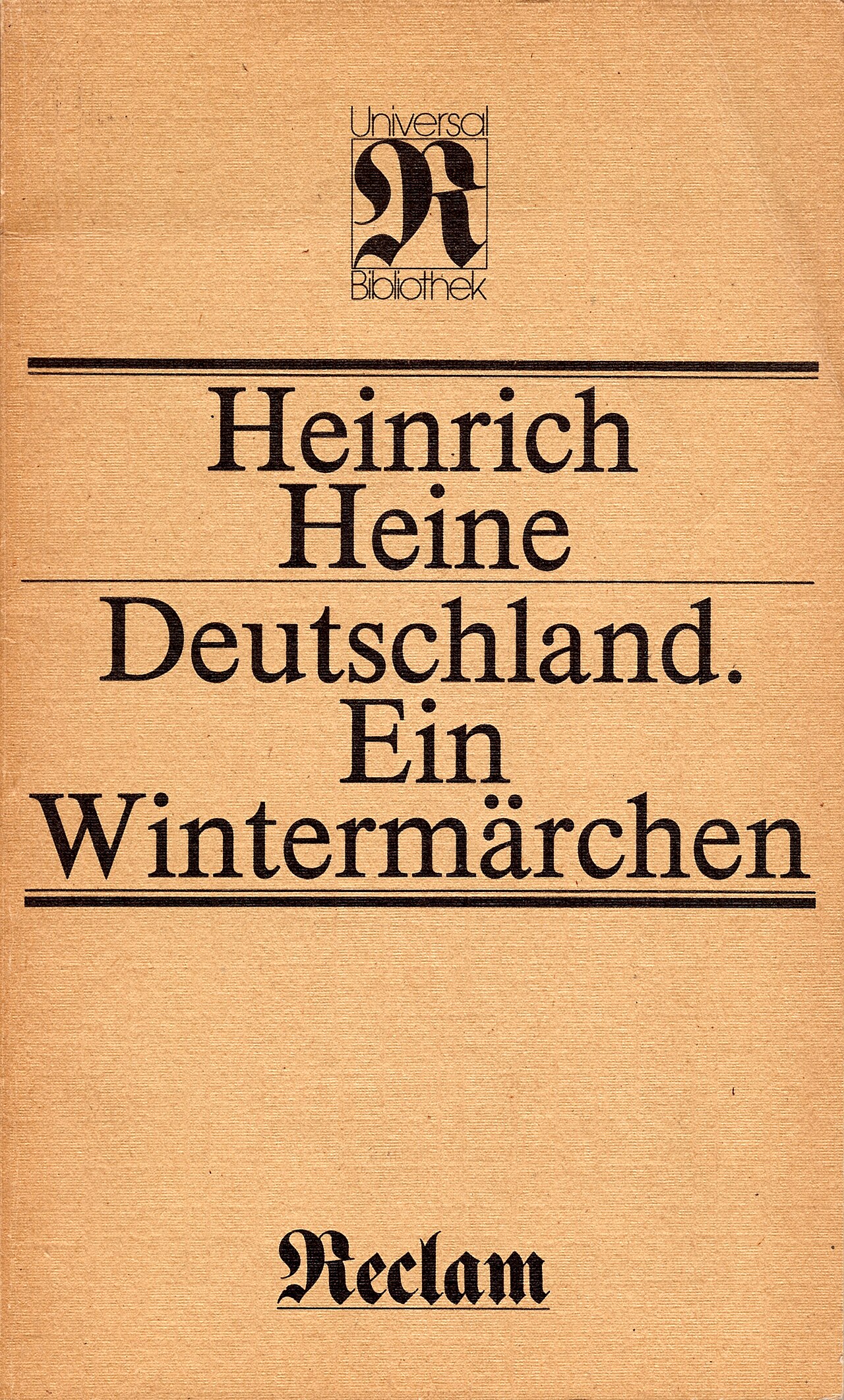 Book
Primary source
Germany. A Winter's Tale
Heinrich Heine · 1844
Primary source
The Lorelei
Heinrich Heine · 1823
Primary source
The Silesian Weavers
Heinrich Heine · 1847
Primary source
Die Harzreise
Heinrich Heine · 1824 (published 1826)
Free account
Read every Heinrich Heine source
Sign up free →
Ready when you are
Start chatting with Heinrich Heine now.
20 messages free · No credit card · Available in 50+ languages.