


Primary sourceBook1847
The Silesian Weavers
Heinrich Heine · 1847
Heine's 1844 political poem about the Silesian weavers' uprising, cursing God, King, and Fatherland for workers' suffering.
Heine wrote this poem after the Silesian weavers' uprising, marking his turn toward openly political verse.
Free Humy account · No credit card · 120,288 sources to read
About this source
What it is
This poem was written by Heinrich Heine in 1844 and first published in Karl Marx's newspaper Vorwärts! under the title 'The Poor Weavers'. It was distributed as a leaflet in the rebel areas after the Silesian weavers' uprising against exploitation and wage cuts.
Why it matters
The poem goes beyond complaining about factory owners to directly attack God, King, and Fatherland—the very words of the loyalty oath required of Prussian soldiers. The Prussian Supreme Court banned it for its rebellious tone, and reciting it publicly could even lead to prison. It shows Heine's shift toward politically engaged poetry and his sympathy for industrial workers, years before the revolutions of 1848.
Look closer
- Why might cursing 'God, King, and Fatherland' have been especially shocking to Prussian authorities?
- What effect does the repeated refrain 'We are weaving!' have on the reader?
- How did distributing the poem as a leaflet change its role from literature to political action?
This book is part of the curated material that grounds the AI version of Heinrich Heine on Humy.ai — when students ask about related events, the AI can quote it and cite it.
More Heinrich Heine sources
Browse all 98 →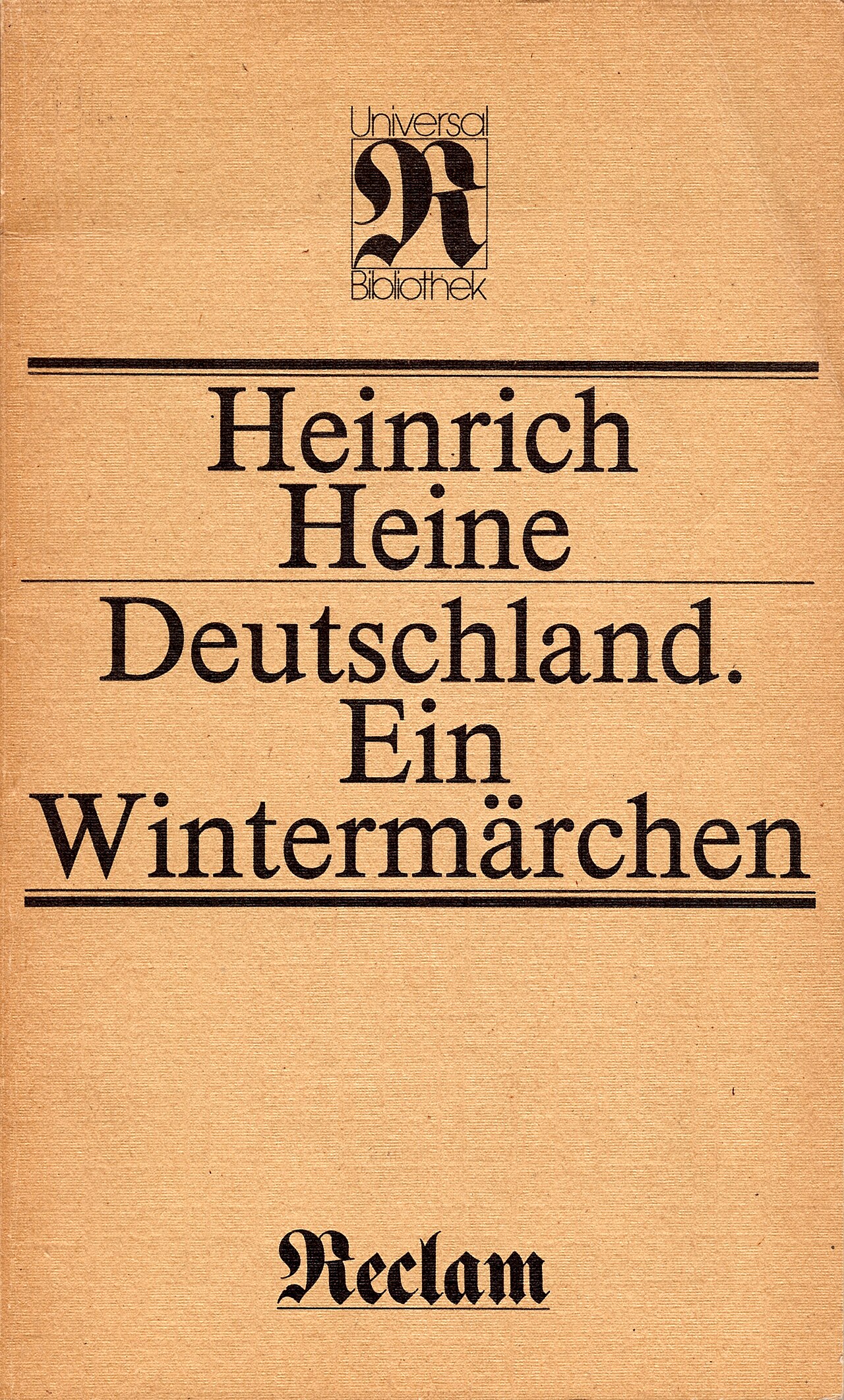 Book
Primary source
Germany. A Winter's Tale
Heinrich Heine · 1844
Primary source
The Lorelei
Heinrich Heine · 1823
Primary source
Almansor
Heinrich Heine · 1821
Primary source
Die Harzreise
Heinrich Heine · 1824 (published 1826)
Free account
Read every Heinrich Heine source
Sign up free →
Ready when you are
Start chatting with Heinrich Heine now.
20 messages free · No credit card · Available in 50+ languages.