


Primary sourceDocument1896
Also sprach Zarathustra
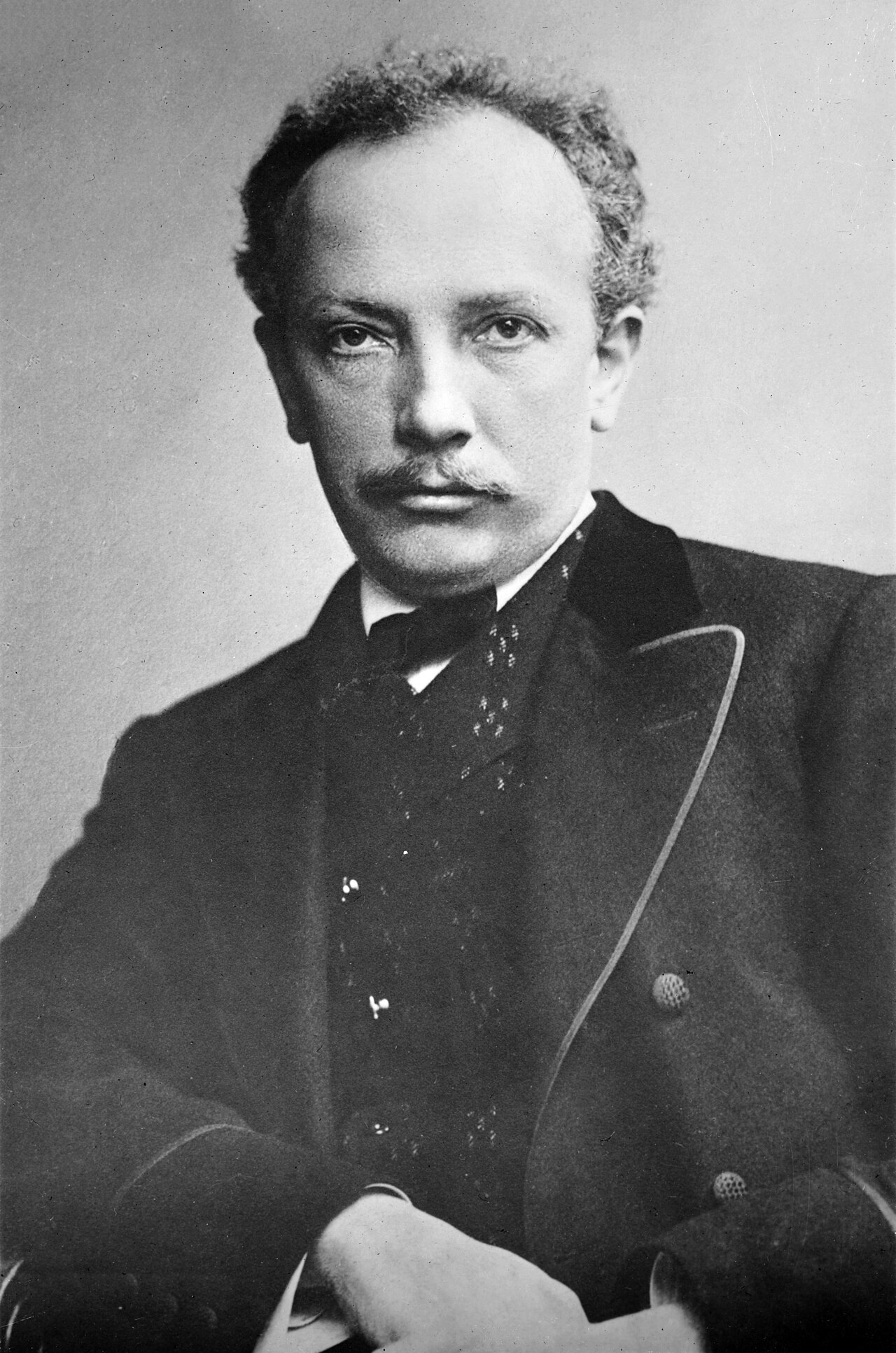
Richard Strauss · 1896
A tone poem by Richard Strauss inspired by Nietzsche's philosophical novel, famous for its sunrise fanfare.
This tone poem, composed and premiered by Strauss himself, is one of his most famous orchestral works.
About this source
What it is
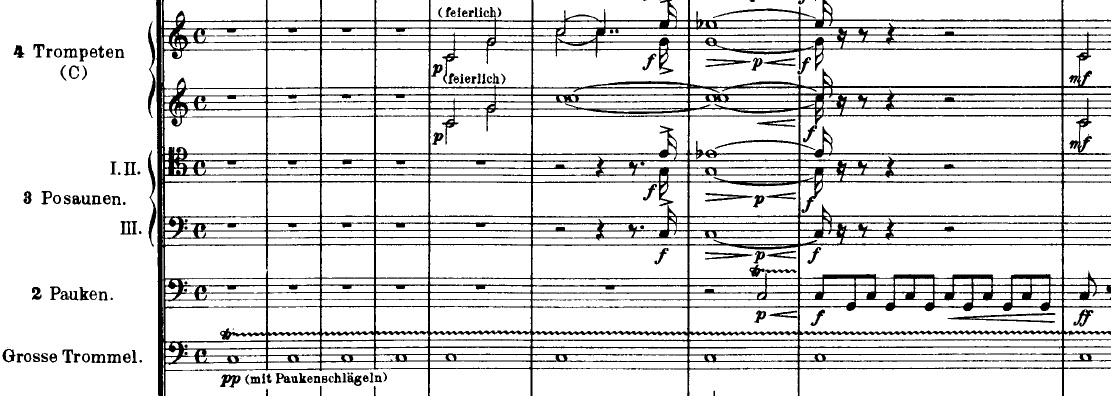
Also sprach Zarathustra is a tone poem for large orchestra composed by Richard Strauss in 1896, inspired by Friedrich Nietzsche's philosophical novel of the same name. Strauss himself conducted its first performance in Frankfurt that year.
Why it matters
The piece shows Strauss's ambition to turn philosophical ideas into orchestral sound, structuring the music around chapters of Nietzsche's book. Its famous opening fanfare, the 'Sunrise', became one of the best-known pieces of orchestral music in the world, later used in film and popular music, which shows how far Strauss's work reached beyond the concert hall.
Look closer
- Why might a composer choose to write music inspired by a philosophy book rather than a story?
- What does the enormous orchestra required for this piece tell you about Strauss's ambitions?
- How might the fanfare's later use in films change how people understand the original music?
This document is part of the curated material that grounds the AI version of Richard Strauss on Humy.ai — when students ask about related events, the AI can quote it and cite it.
More Richard Strauss sources
Browse all 96 →
Ready when you are
Start chatting with Richard Strauss now.
20 messages free · No credit card · Available in 50+ languages.