


Primary sourceDocument1909
Elektra
Richard Strauss · 1909
Strauss's radically dissonant 1909 opera based on Hofmannsthal's drama, retelling the Greek myth of Elektra's revenge.
Strauss's first collaboration with Hofmannsthal and his most dissonant score, composed by him in 1908-1909.
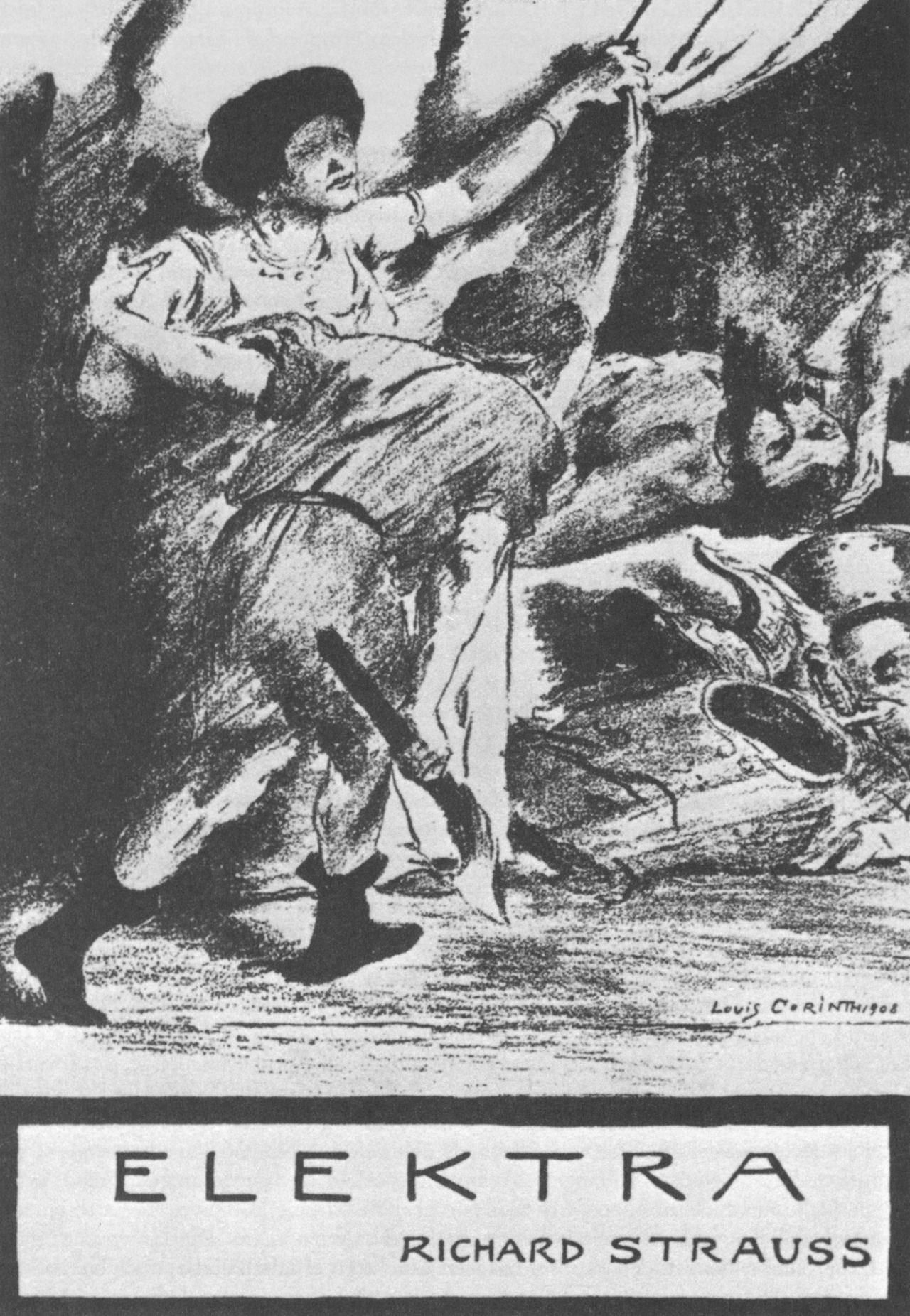
About this source
What it is
Elektra is a one-act opera composed by Richard Strauss to a German libretto by Hugo von Hofmannsthal, adapted from his own 1903 drama. It premiered in Dresden in 1909 and was the first of many collaborations between Strauss and Hofmannsthal.
Why it matters
Based on ancient Greek mythology and Sophocles's tragedy, the opera is intensely modernist, focusing tightly on Elektra's obsession with revenging her father's murder. Its cacophonous, atonal passages pushed tonality to its limits and divided German-speaking audiences between traditionalists and modernists, marking a turning point in Strauss's career and in opera itself.
Look closer
- Why might Strauss and Hofmannsthal have chosen to focus so tightly on one character's psychology?
- What does the violent imagery on the libretto's title page suggest about the opera's tone?
- How does retelling an ancient myth in a modern, dissonant style change its meaning for new audiences?
This document is part of the curated material that grounds the AI version of Richard Strauss on Humy.ai — when students ask about related events, the AI can quote it and cite it.
More Richard Strauss sources
Browse all 96 →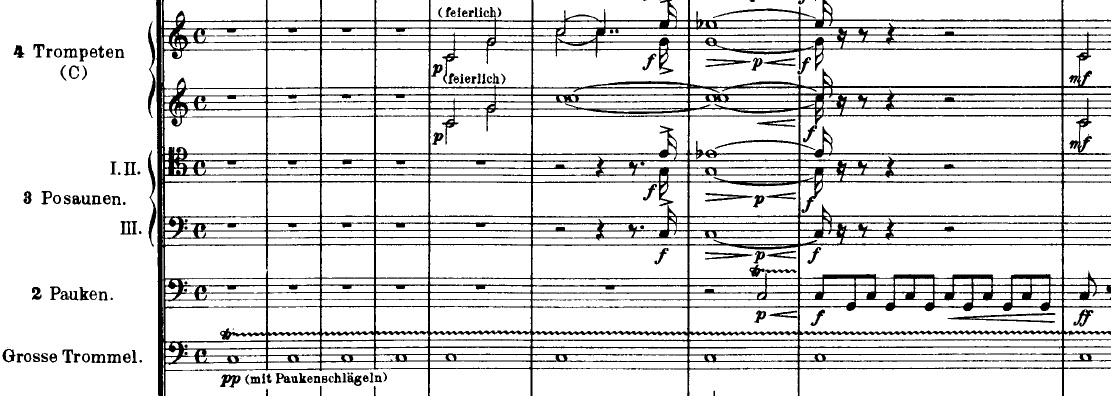 Document
Primary source
Also sprach Zarathustra
Richard Strauss · 1896
 Document
Primary source
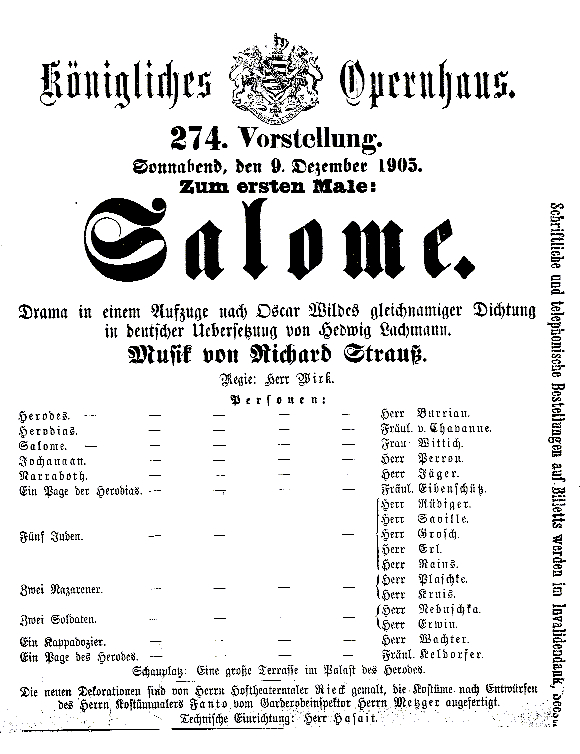
Salome
Richard Strauss · 1905
 Document
Primary source
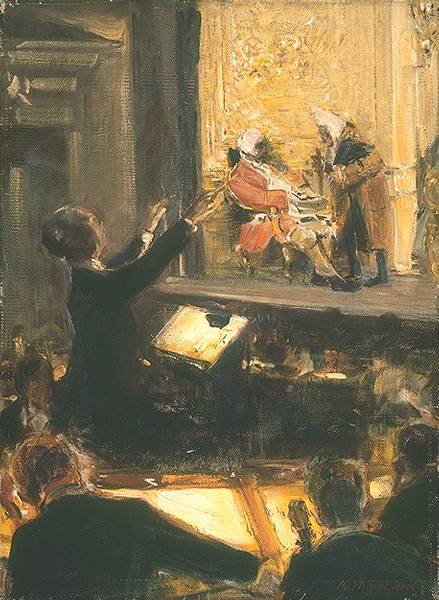
Der Rosenkavalier
Richard Strauss · 1910-1911
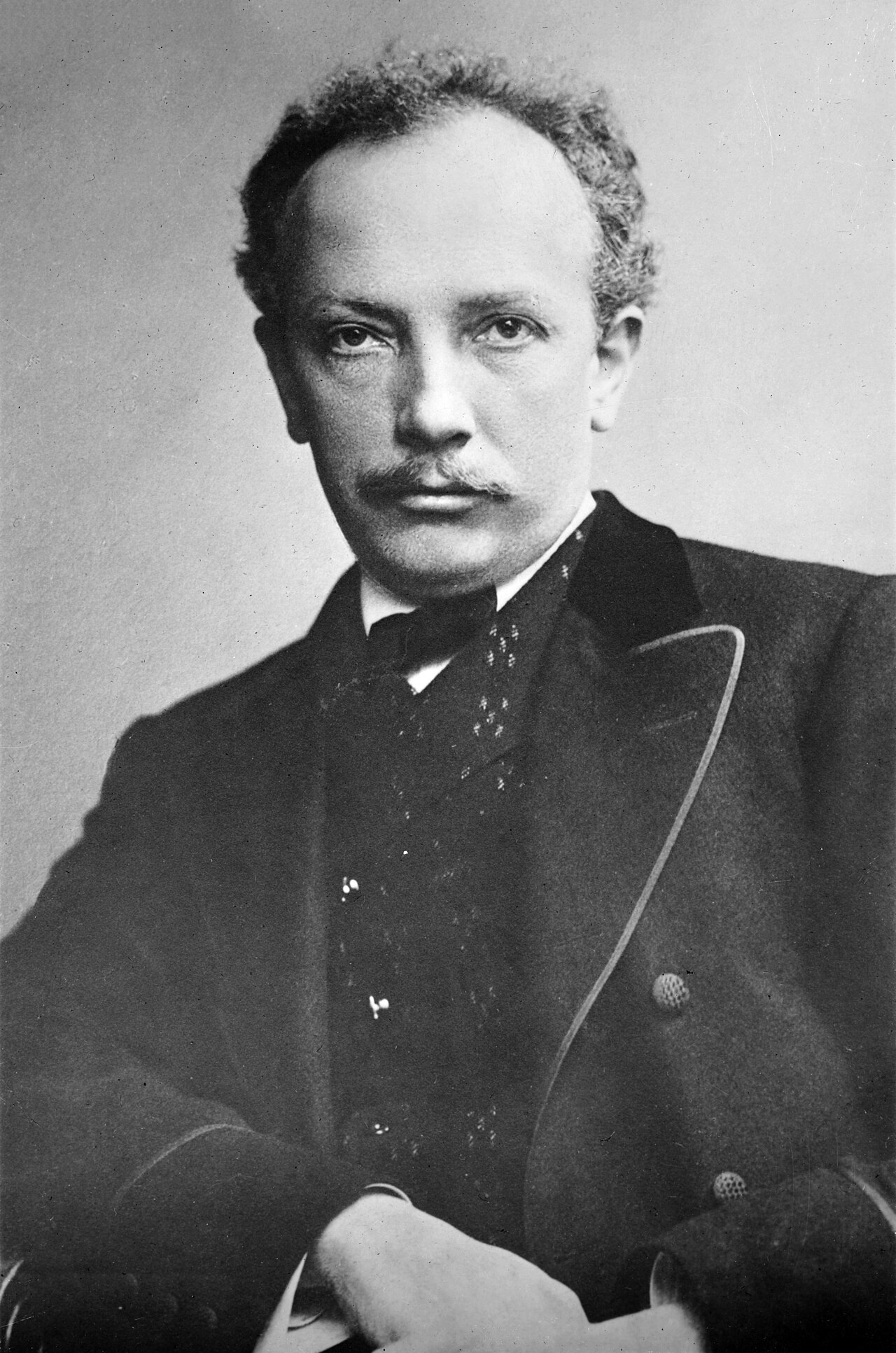 Photograph
Primary source
Portrait of Richard Strauss
c. 1910
Free account
Read every Richard Strauss source
Sign up free →
Ready when you are
Start chatting with Richard Strauss now.
20 messages free · No credit card · Available in 50+ languages.