


Primary sourcePainting1837
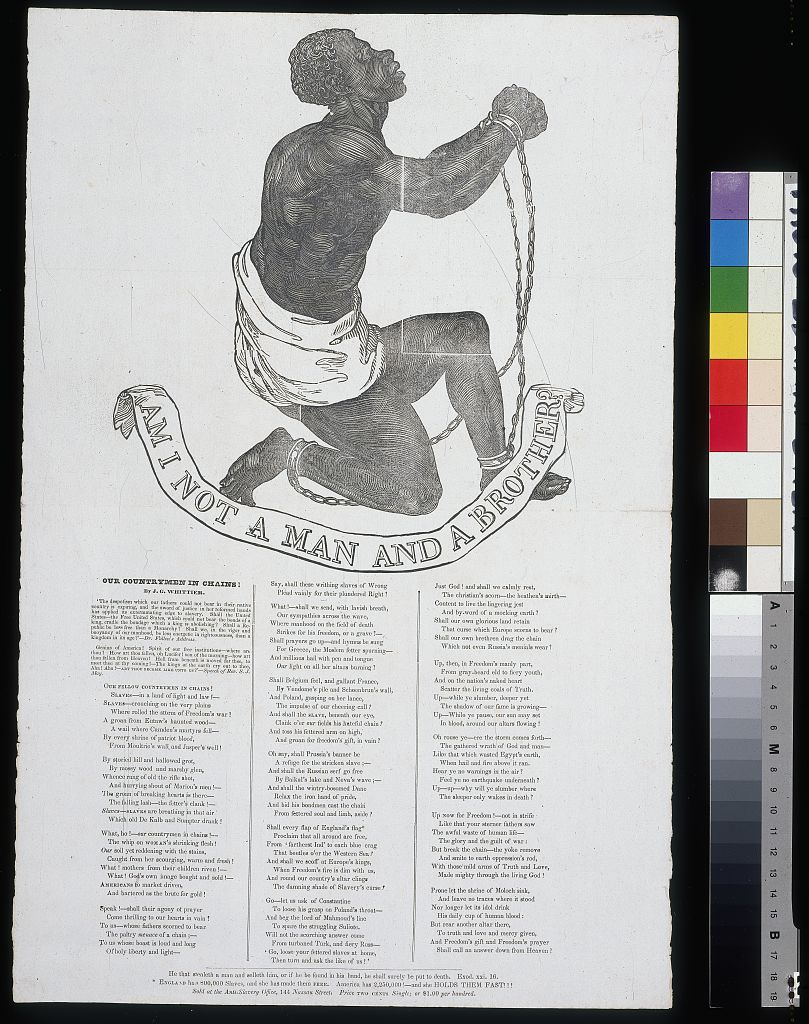
Am I Not a Man and a Brother?
American Anti-Slavery Society · 1837
An 1837 antislavery woodcut depicting a shackled enslaved man, published by the American Anti-Slavery Society.
This 1837 image shows the abolitionist visual culture Forten's activism was part of, though he is not depicted.
About this source
What it is
This is a woodcut print titled Am I Not a Man and a Brother?, published in 1837 by the American Anti-Slavery Society. It shows a kneeling, chained Black man beneath a banner bearing that question, with a poem printed below.
Why it matters
This image became one of the most widely used symbols of the transatlantic abolitionist movement. It represents the visual persuasion tactics used by antislavery societies during the period when James Forten was active as a Black abolitionist leader in Philadelphia.
Look closer
- Why might abolitionists choose this image and question as a symbol?
- Who is shown in the image, and who created it?
- What does the image ask the viewer to feel or do?
This painting is part of the curated material that grounds the AI version of James Forten on Humy.ai — when students ask about related events, the AI can quote it and cite it.
More James Forten sources
Meet the AI James Forten →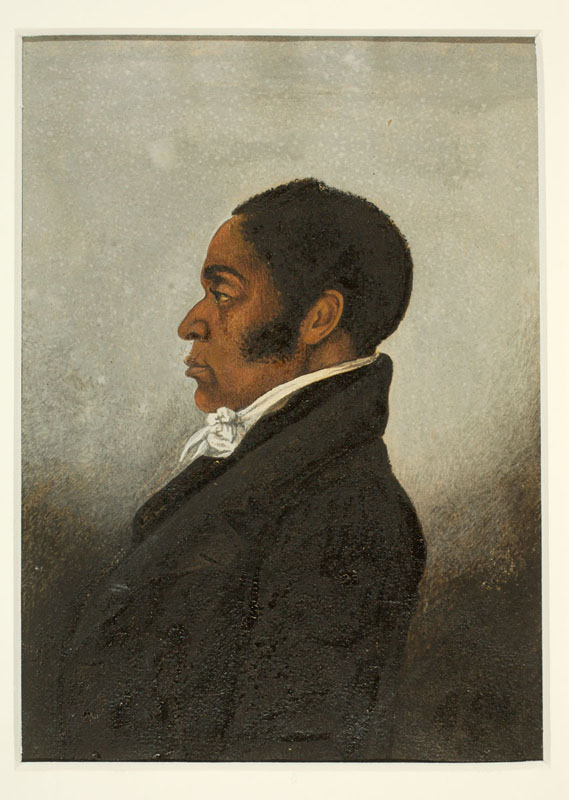 Painting
Primary source
Watercolor portrait of James Forten
Robert Douglass Jr. (probable) · 18th or 19th century, before 1842
 Painting
Primary source
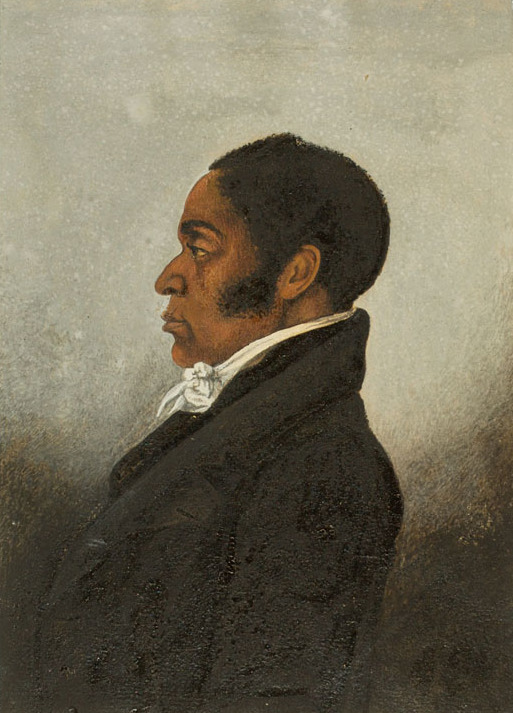
James Forten
Robert Douglass Jr. (probable) · probably during Forten's lifetime (1766-1842)
 Newspaper article
Primary source
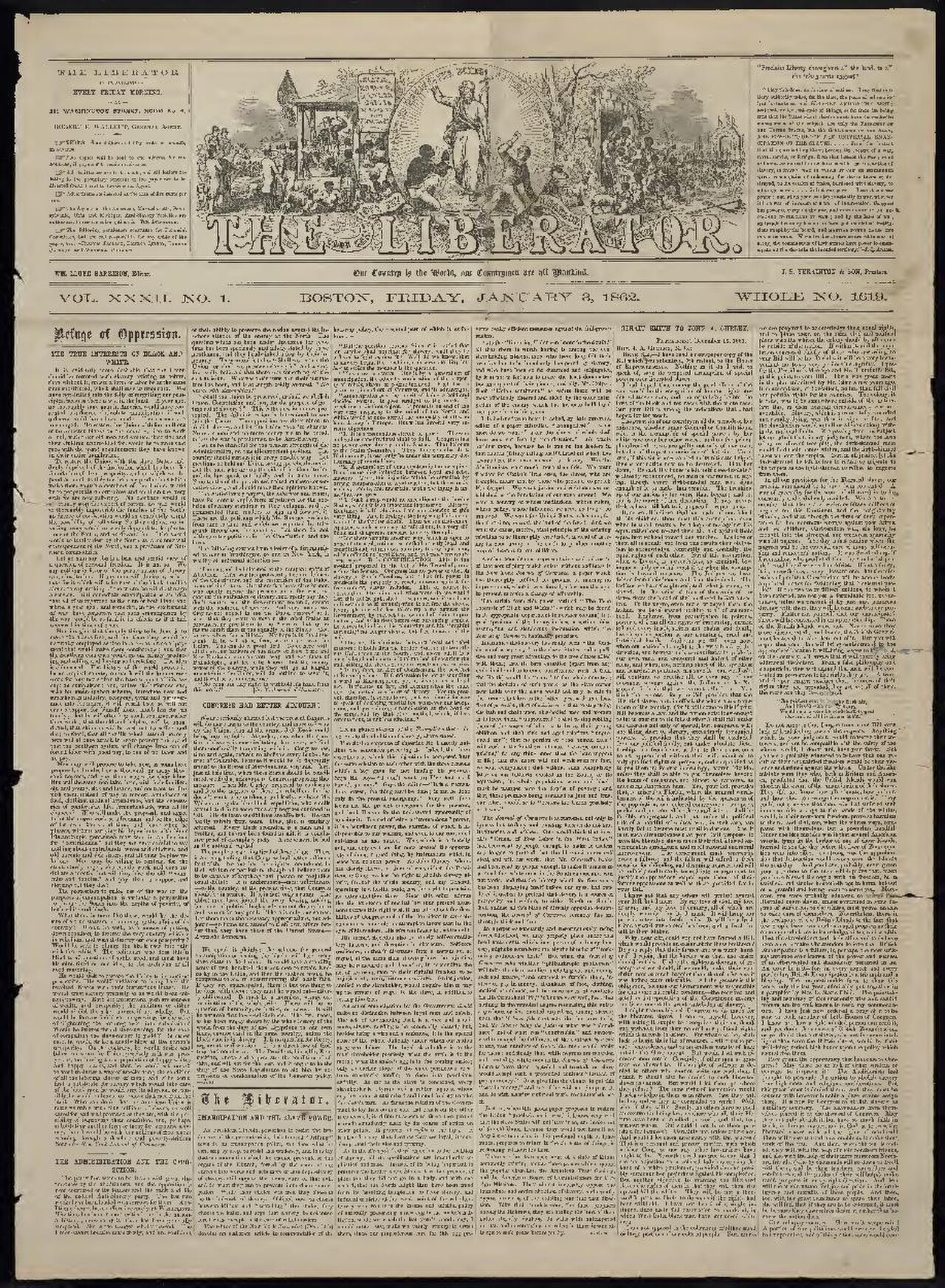
The Liberator
William Lloyd Garrison · 1831-1865
 Newspaper article
Primary source
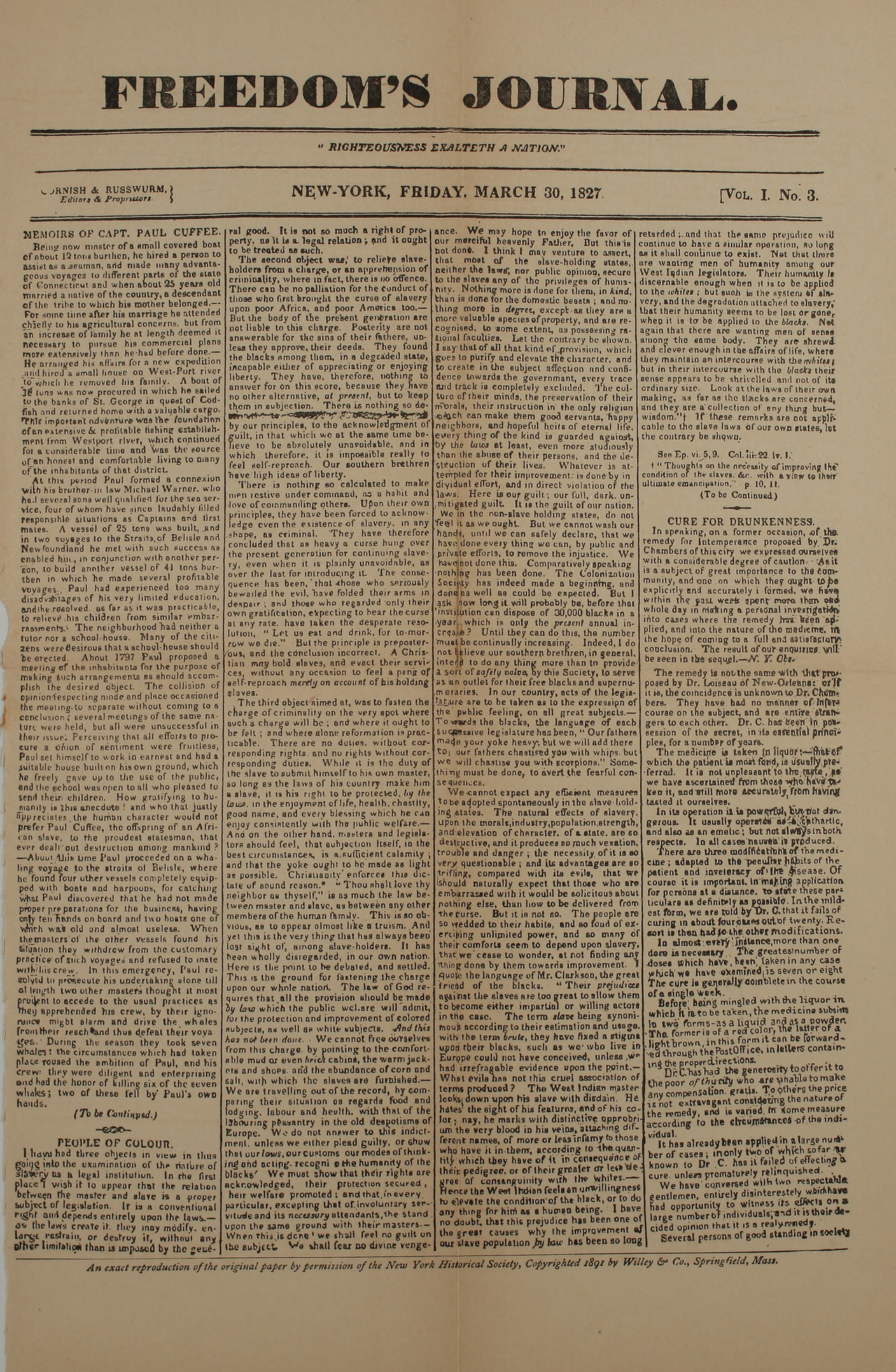
Freedom's Journal
Samuel Cornish and John Brown Russwurm (editors) · 30 March 1827
 Newspaper article
Primary source
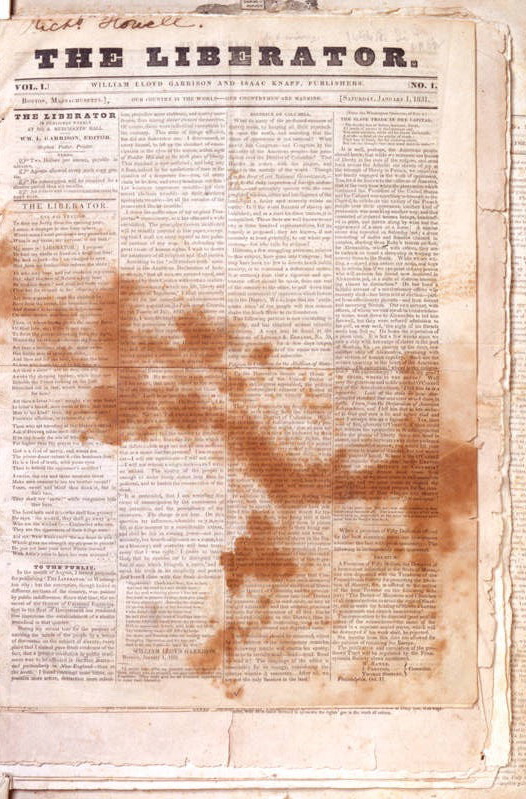
The Liberator, Issue No. 1
William Lloyd Garrison and Isaac Knapp · 1 January 1831
Ready when you are
Start chatting with James Forten now.
20 messages free · No credit card · Available in 50+ languages.