



Dr. Michael Calvert
Assistant Superintendent, South Allegheny School District, Pennsylvania
Been using Humy in his district since 2024
“We enjoyed the program last year and used it frequently.”

AI Historical Figure
African-American abolitionist and businessman.
Chat with James Forten via text or voice — in 42 languages, drawing on a curated biography and 41 historical sources. Available 24/7.

James Forten
Online · responds in seconds
Hello — I'm James Forten. African-American abolitionist and businessman. What would you like to ask me?
20 messages free · No credit card · Powered by Humy.ai
Live preview · Switch between 42 languages above · Send a message to continue in the app
Multilingual
Ask James Forten questions in any language below, and the rest of Humy's app speaks it too. Pick yours to open the chat in that language.
Also in German (Austria), German (Switzerland), English (UK), English (Australia), English (Canada).
41 sources · 9 documents · 9 books · 8 paintings · 6 newspaper articles · 5 artifacts · 2 speeches · 1 letter · 1 photograph
James Forten doesn’t improvise from thin air. The AI is grounded in 41 curated historical sources students can inspect. Open any of them to see what informs the conversation.
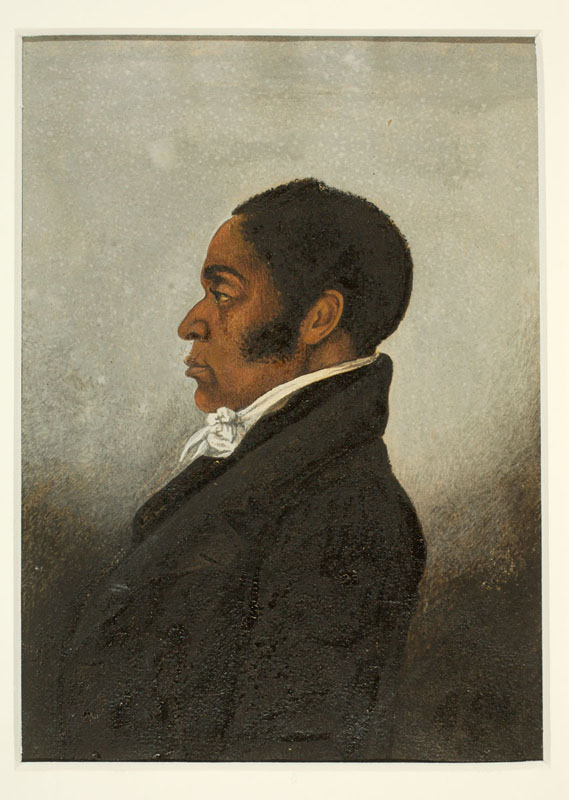 Painting
Primary source
Robert Douglass Jr. (probable) · 18th or 19th century, before 1842
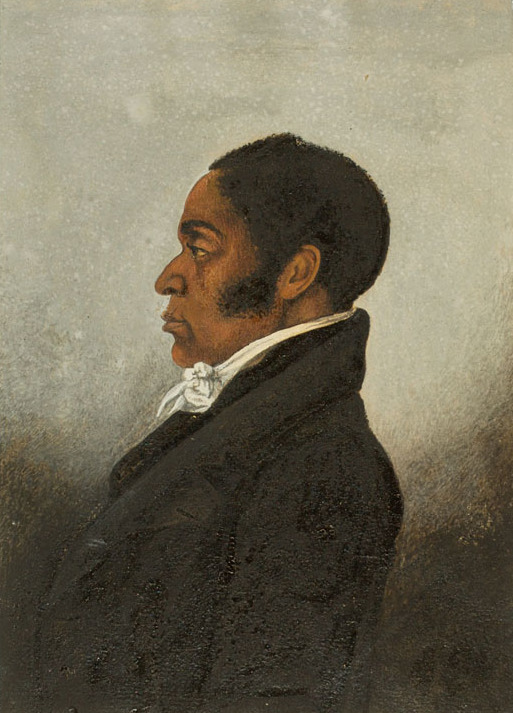 Painting
Primary source
Robert Douglass Jr. (probable) · probably during Forten's lifetime (1766-1842)
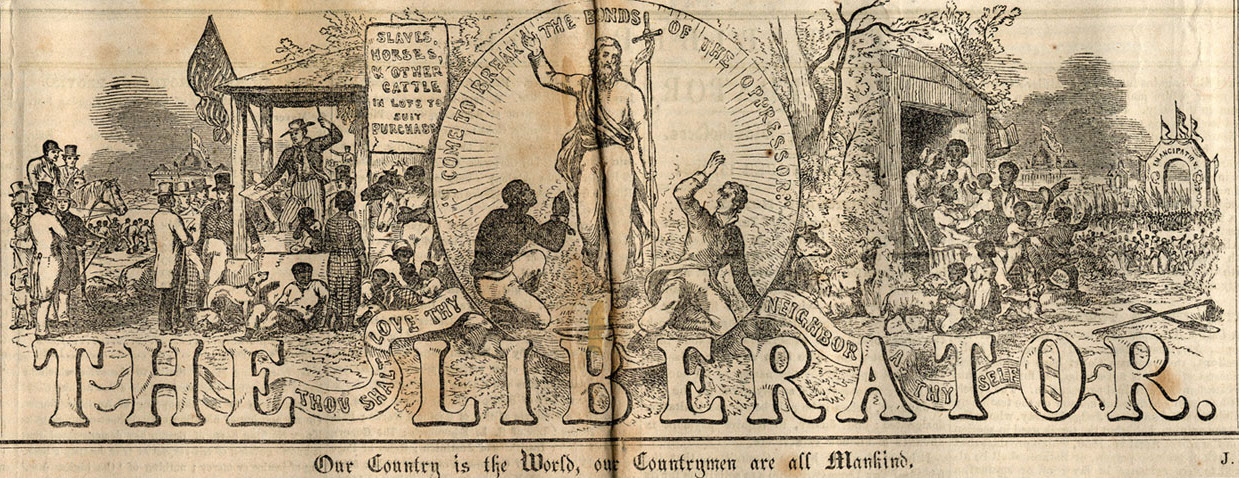
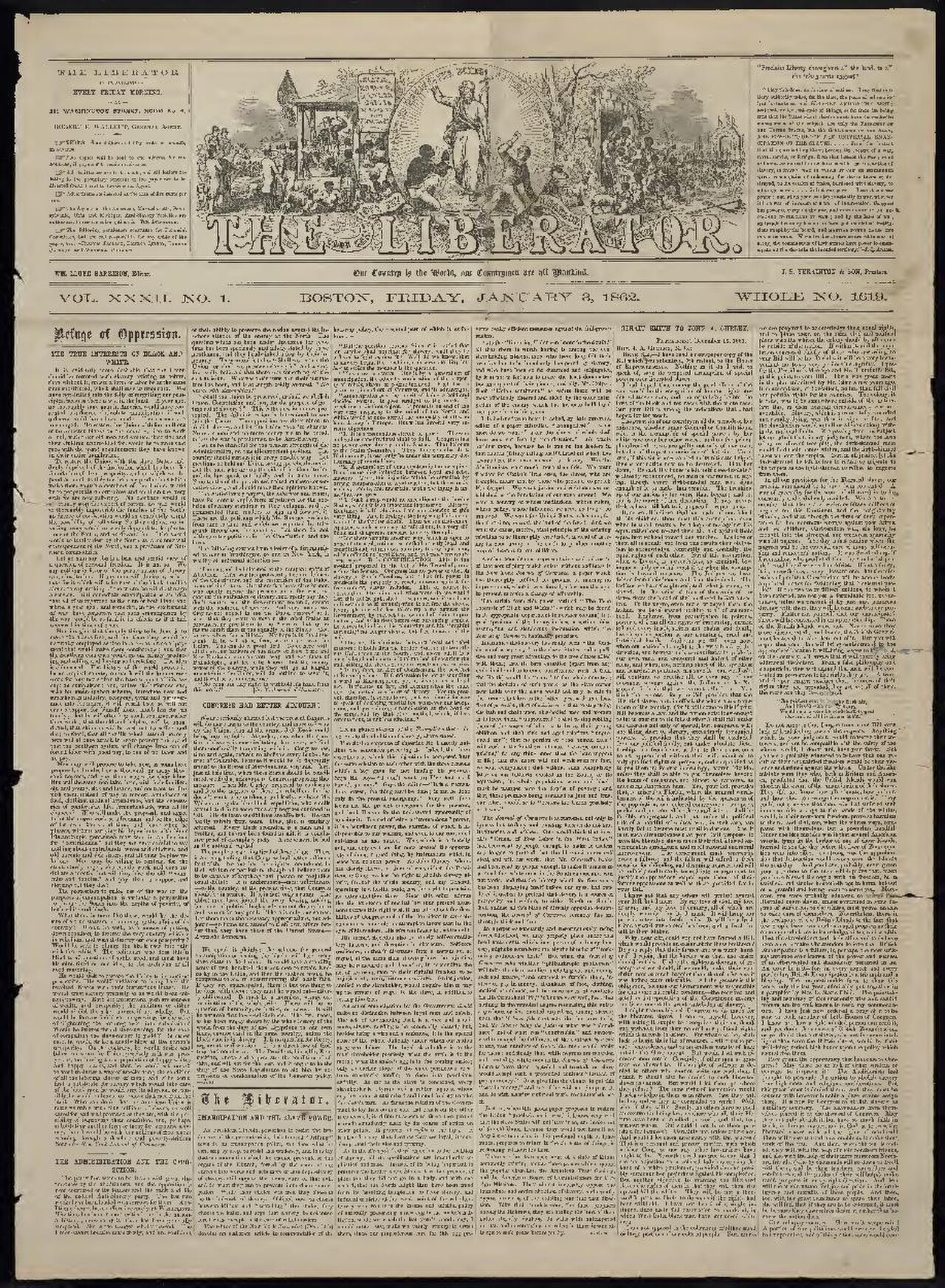 Newspaper article
Primary source
William Lloyd Garrison · 1831-1865
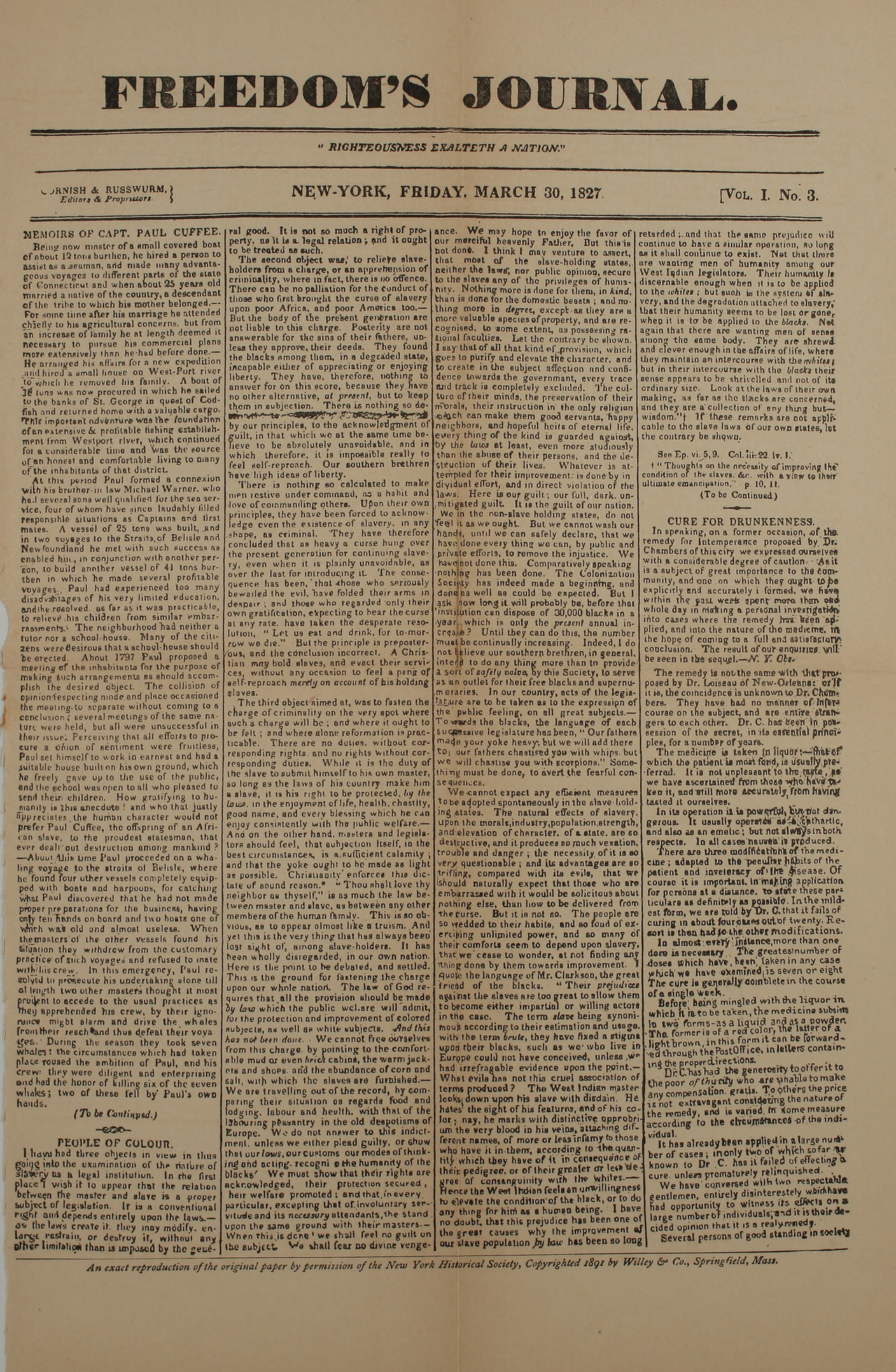 Newspaper article
Primary source
Samuel Cornish and John Brown Russwurm (editors) · 30 March 1827
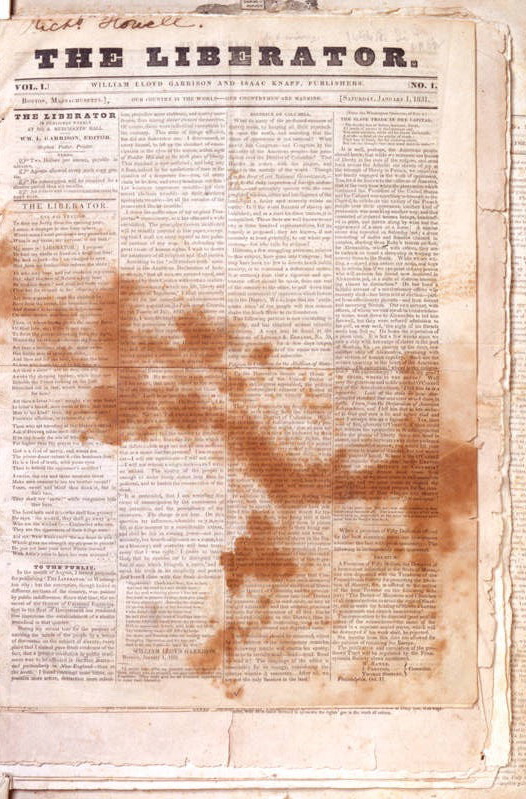 Newspaper article
Primary source
William Lloyd Garrison and Isaac Knapp · 1 January 1831
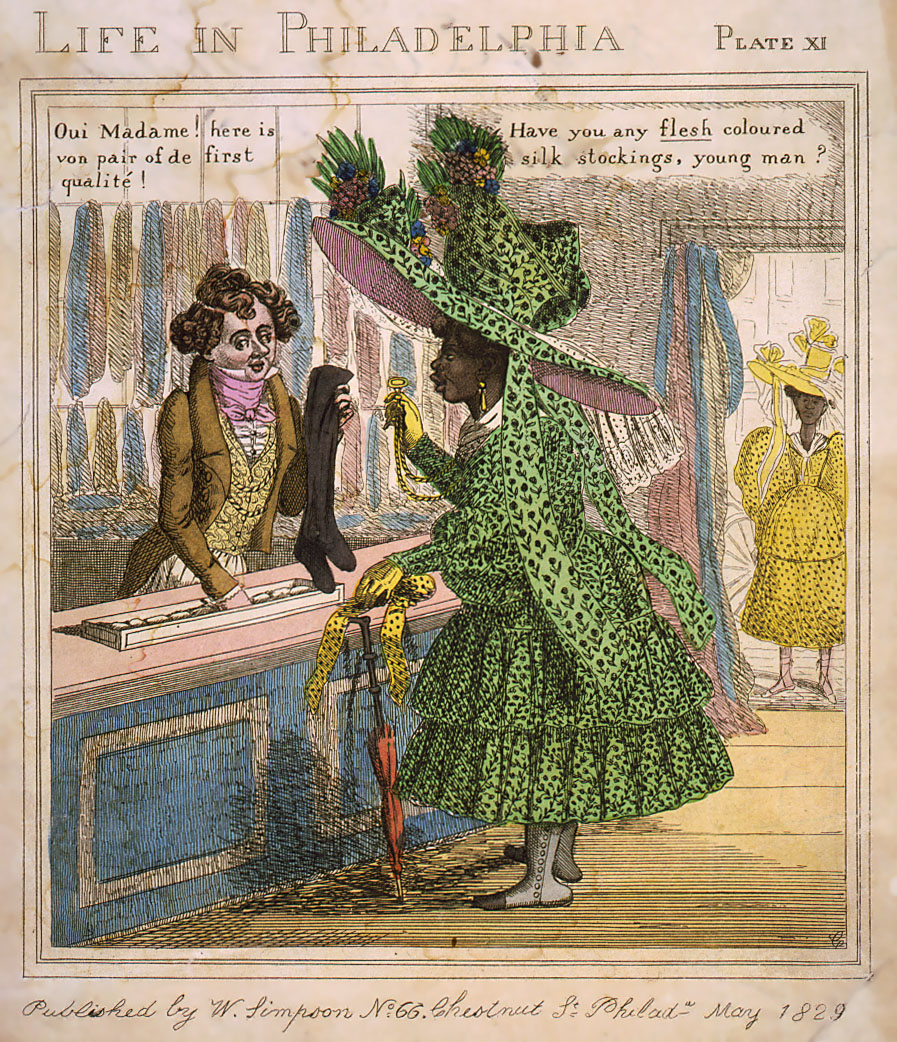 Artifact
Primary source
Edward Williams Clay · May 1829
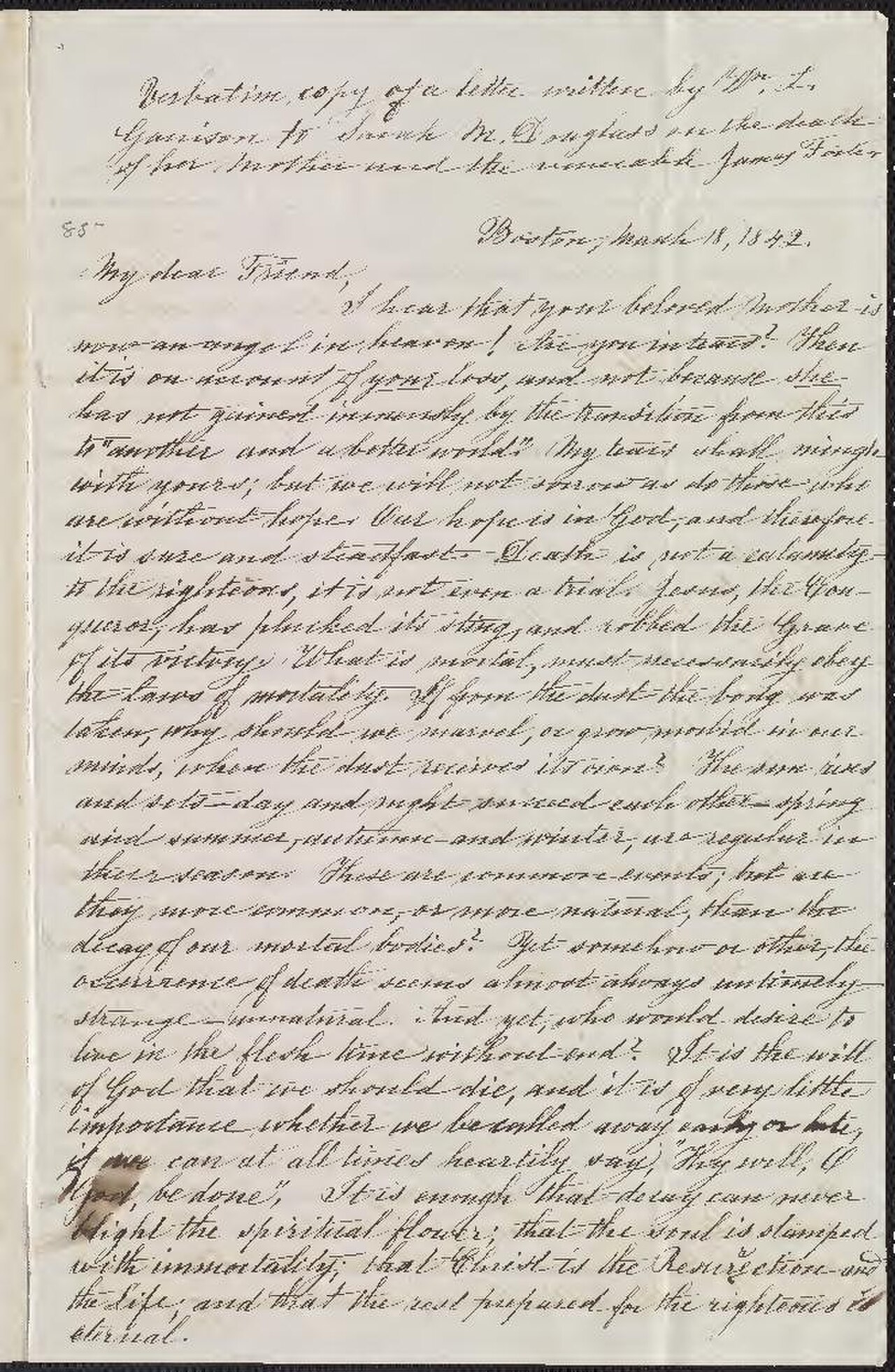 Letter
Primary source
William Lloyd Garrison · 18 March 1842
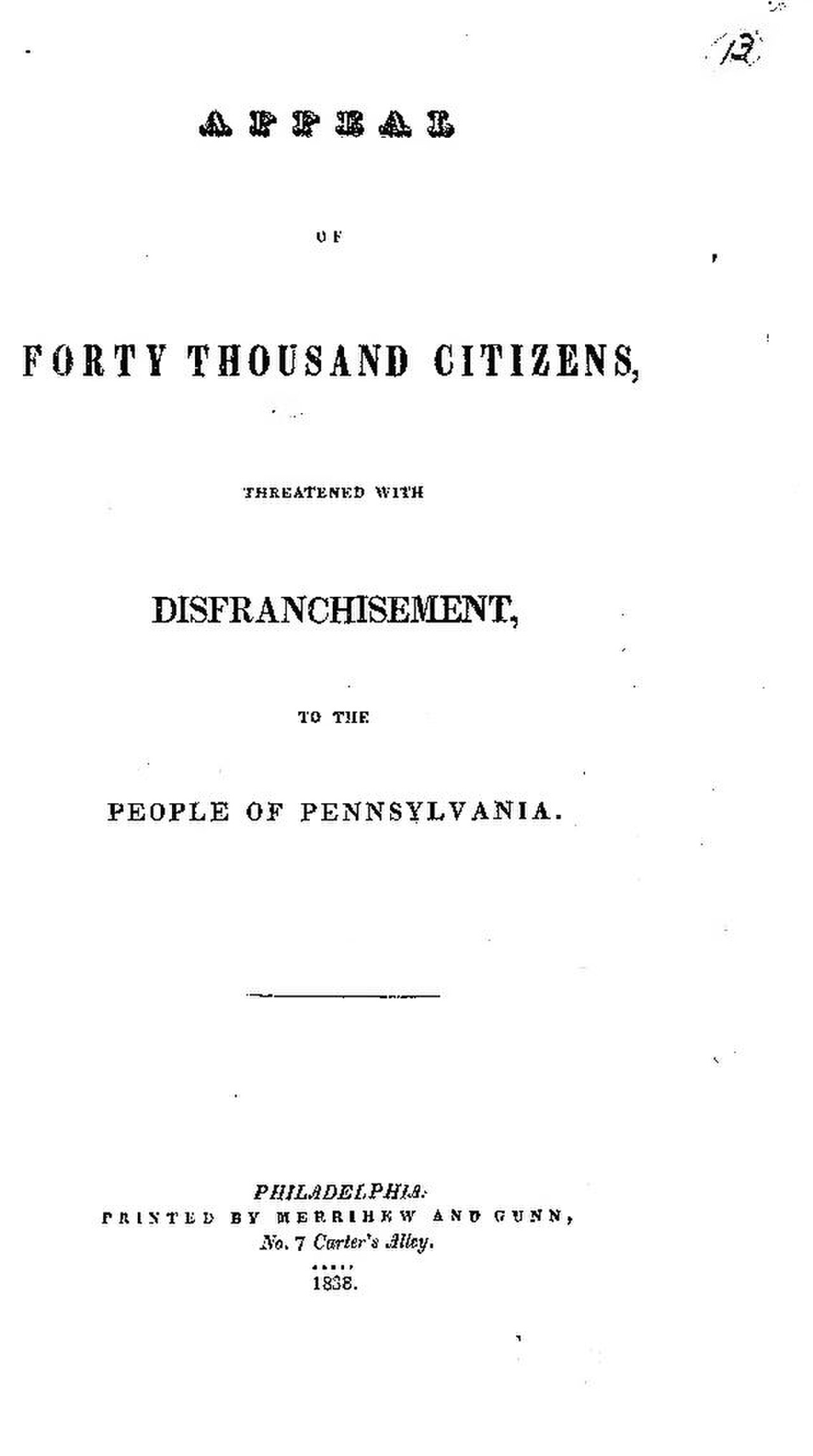 Document
Primary source
Robert Purvis and others · 14 March 1838
 Newspaper article
Primary source
Hammatt Billings · 15 December 1854
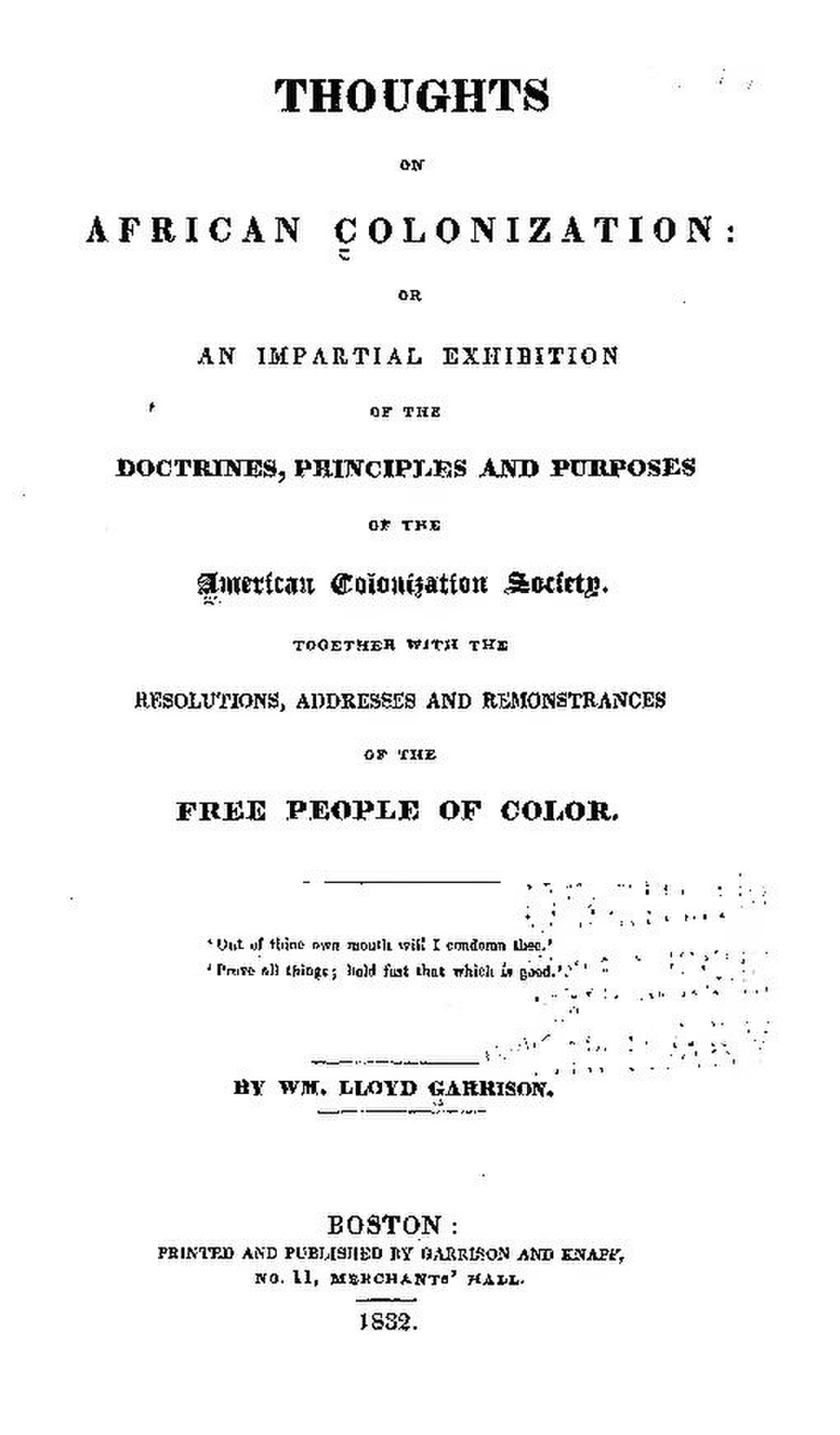 Book
Primary source
William Lloyd Garrison · 1832
Primary source
David Walker · 1829
 Book
Primary source
Leonard Bacon · 1833
Primary source
Loring D. Dewey and Jean-Pierre Boyer · 1824
Primary source
1838
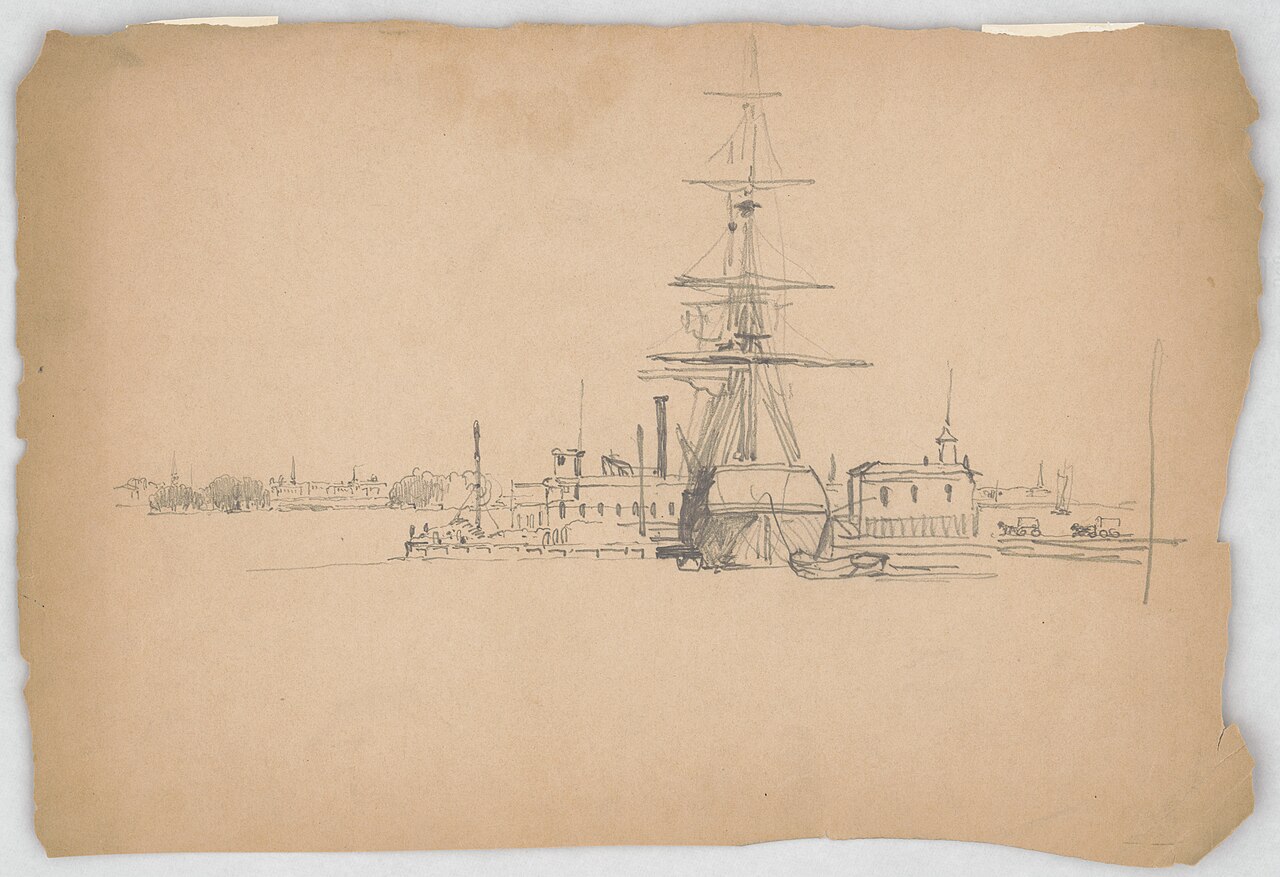 Painting
Primary source
James Fuller Queen · 1840
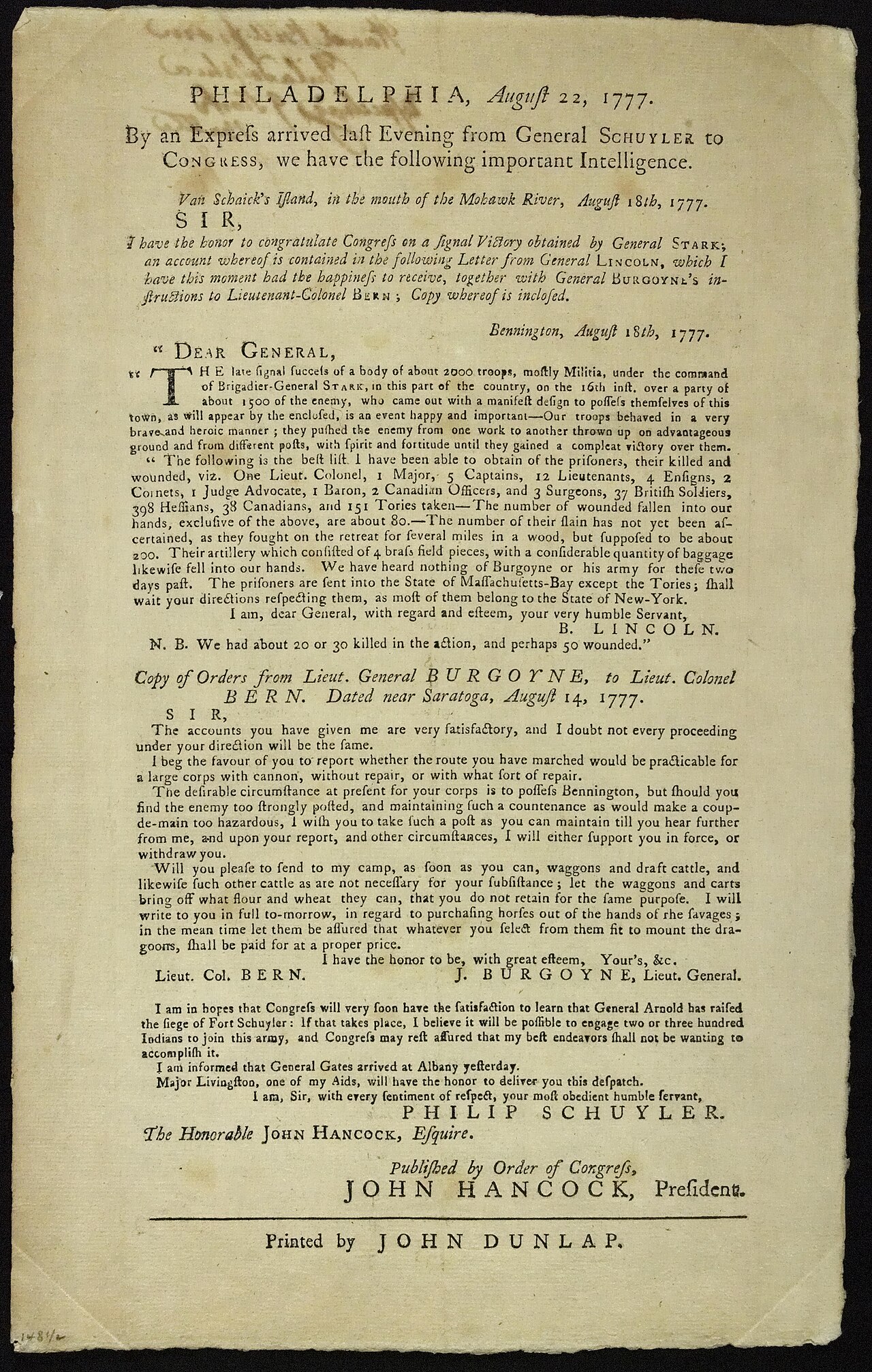 Document
Primary source
22 August 1777
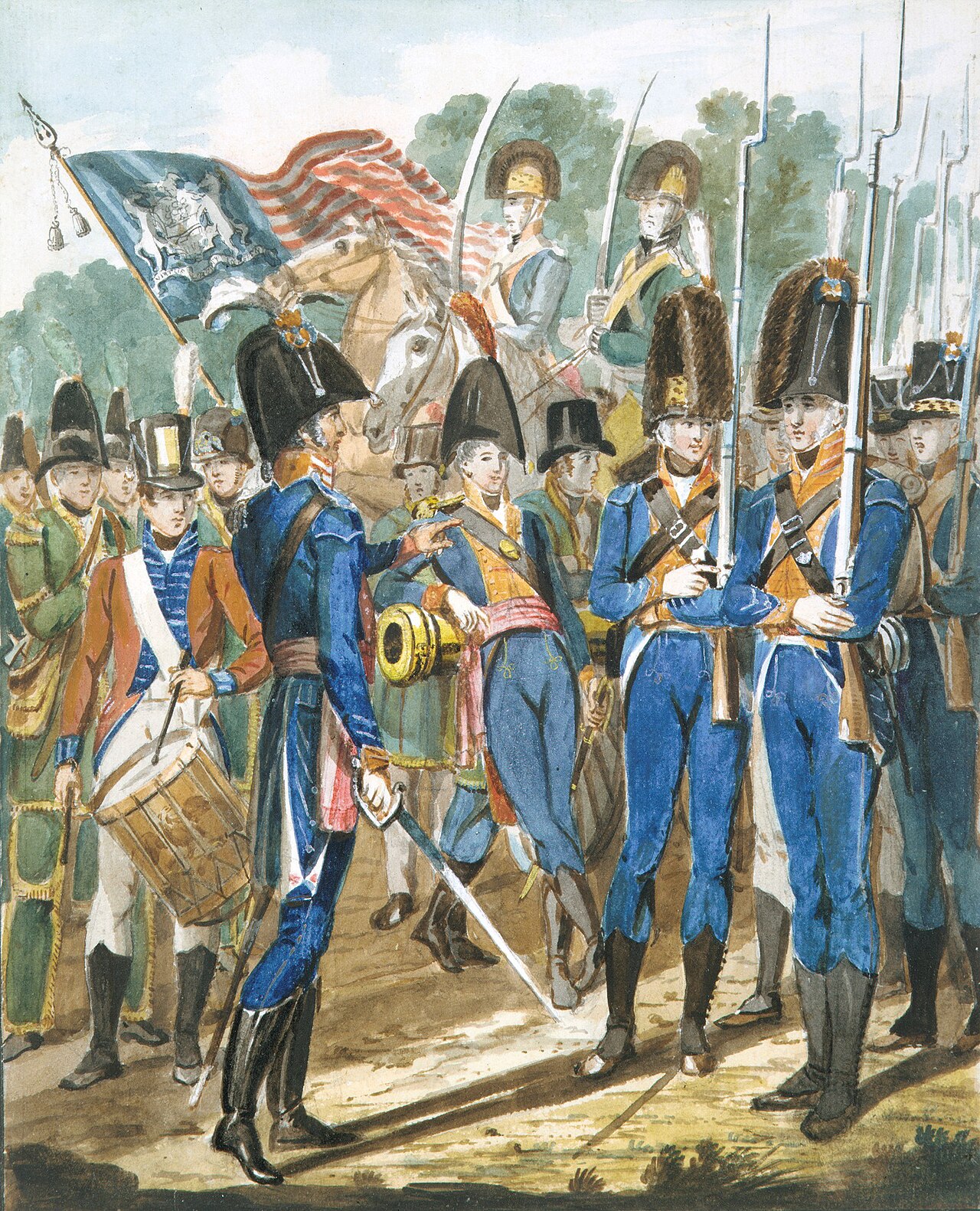 Painting
Primary source
John Lewis Krimmel; Pavel Svinyin · between circa 1811 and circa 1813
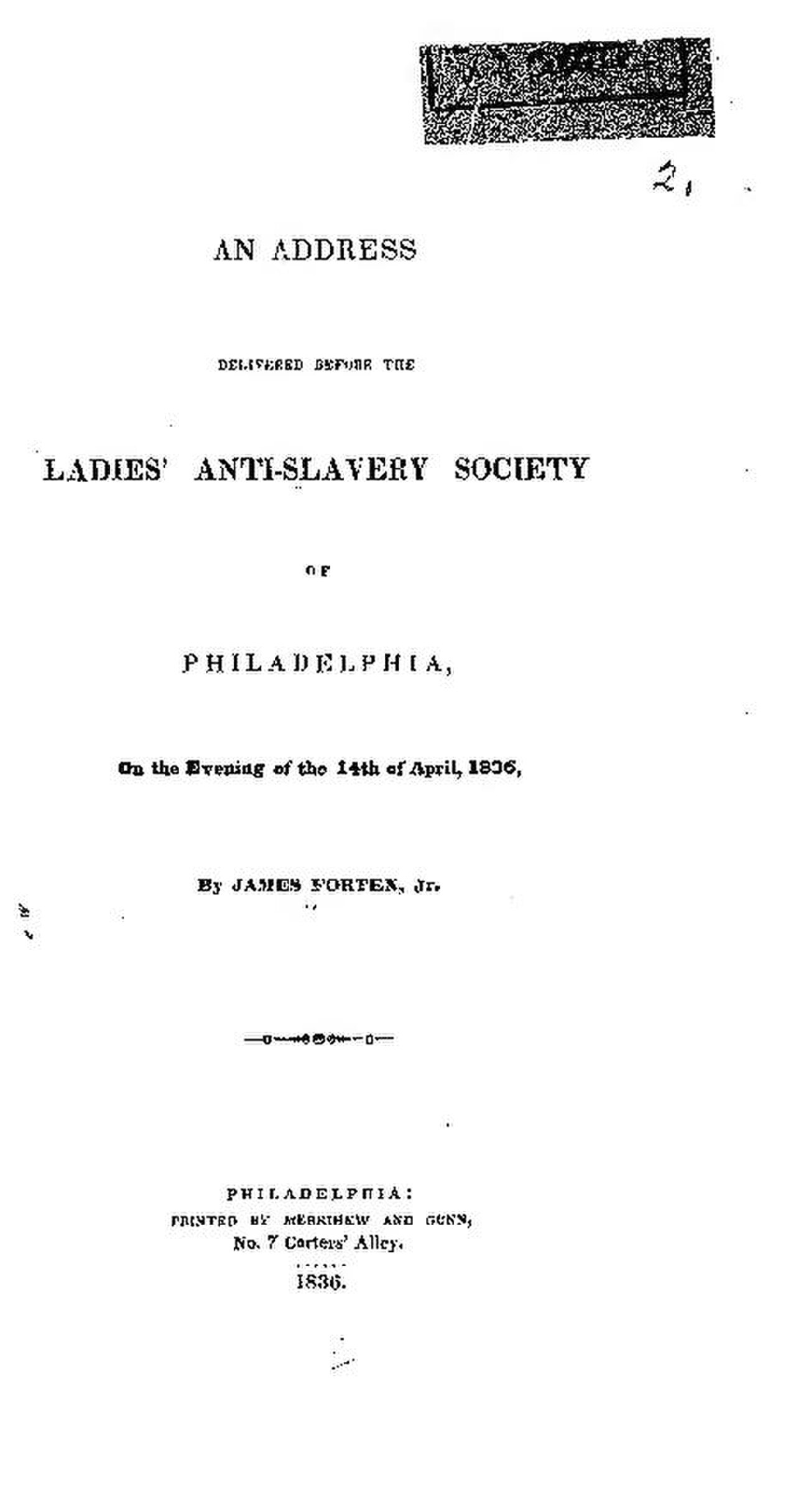 Speech
Primary source
James Forten Jr. · 14 April 1836
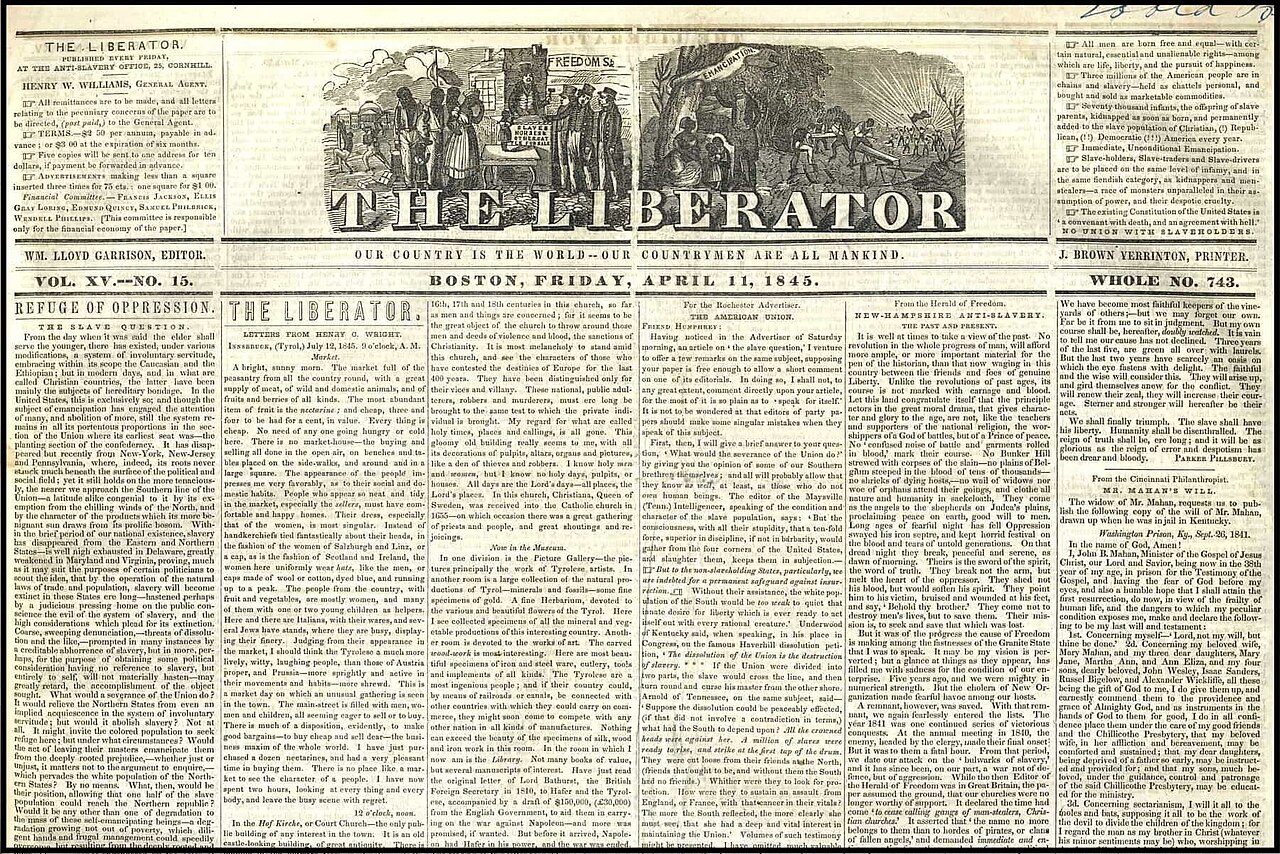 Newspaper article
Primary source
William Lloyd Garrison · 11 April 1845
 Book
Secondary source
William Cooper Nell · 1855
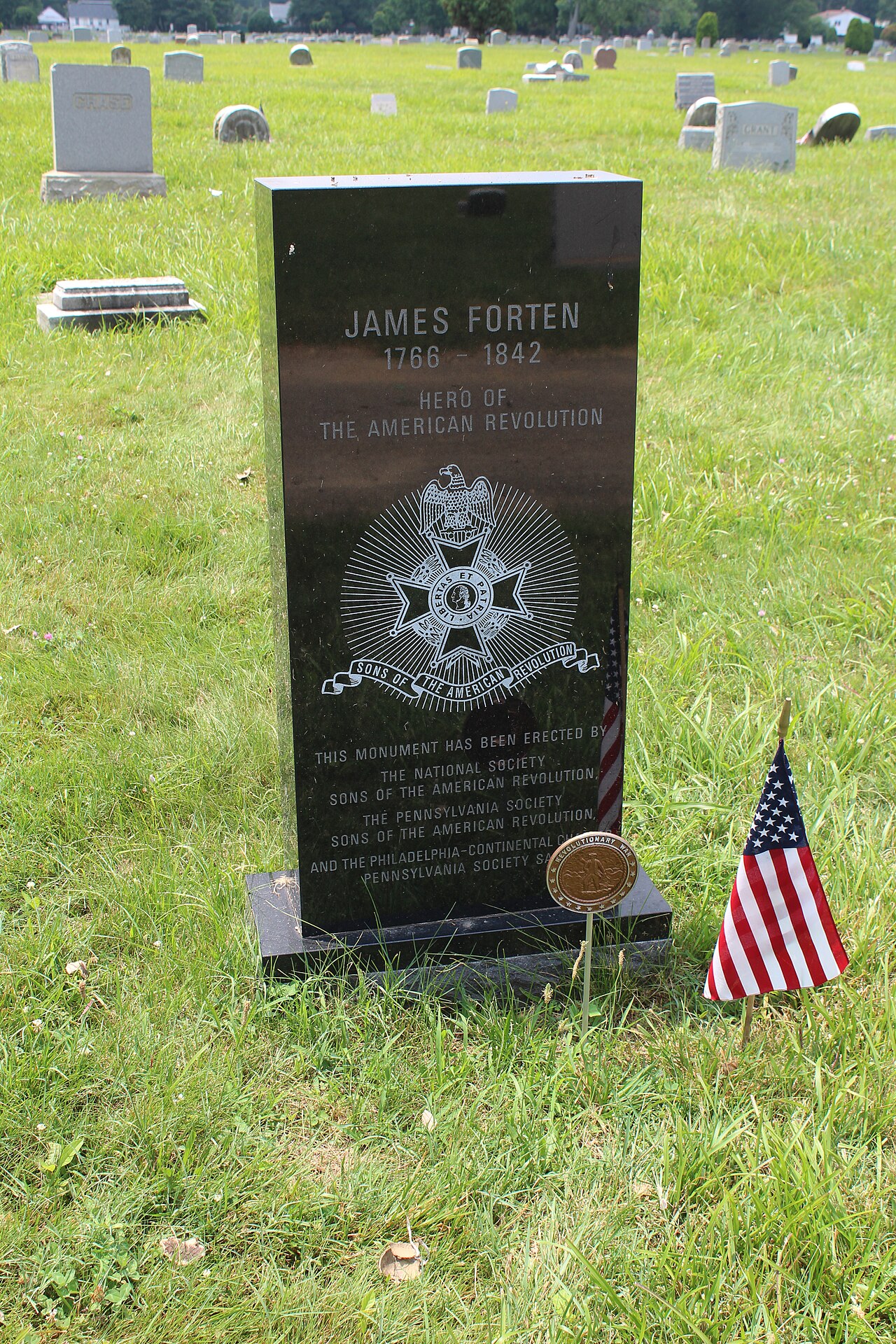 Photograph
Secondary source
photographed July 2019
Primary source
William Lloyd Garrison · 1831
Primary source
Anthony Benezet · 1771
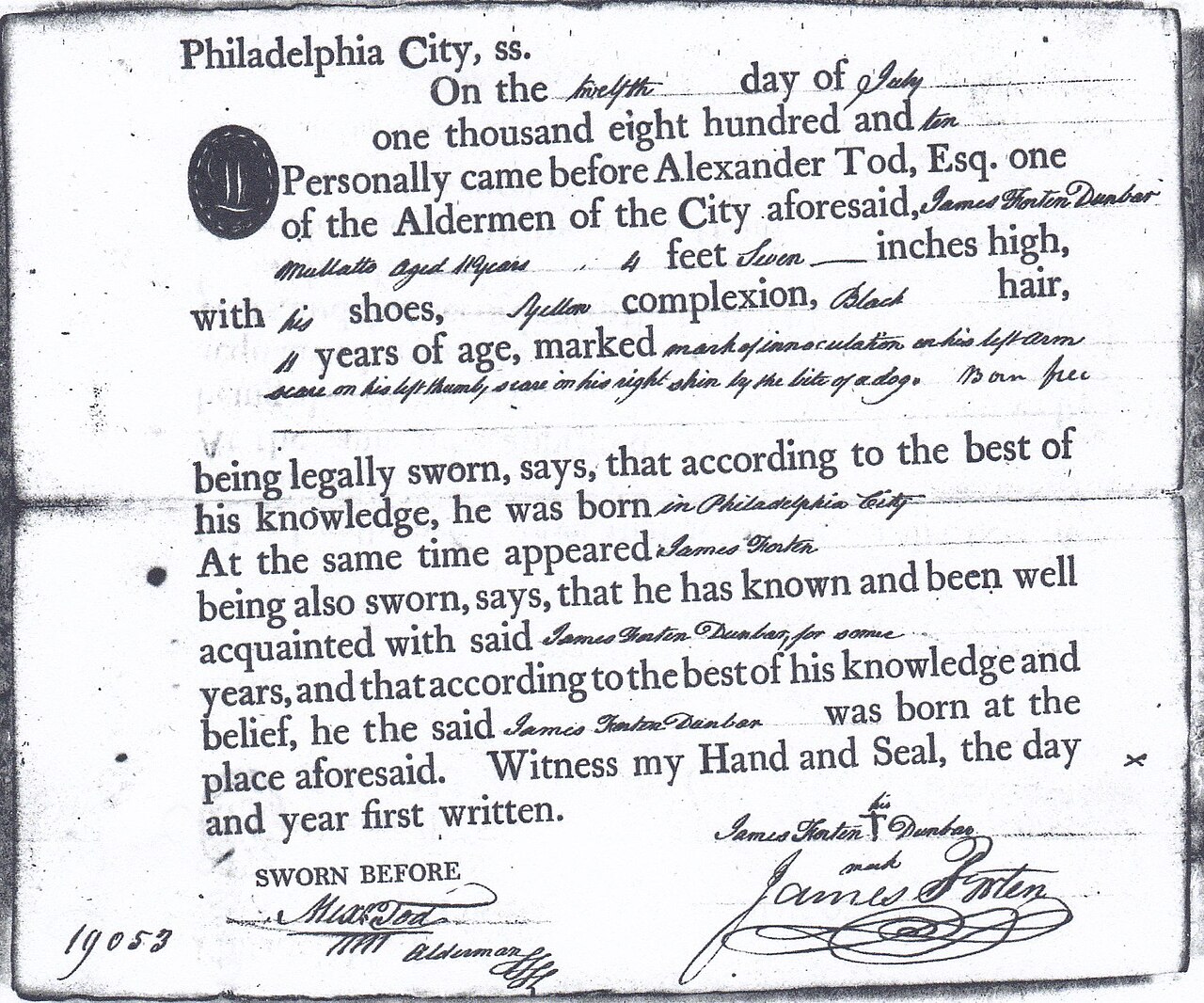 Document
Primary source
12 July 1810
Primary source
1893
Secondary source
W. E. B. Du Bois · 1924
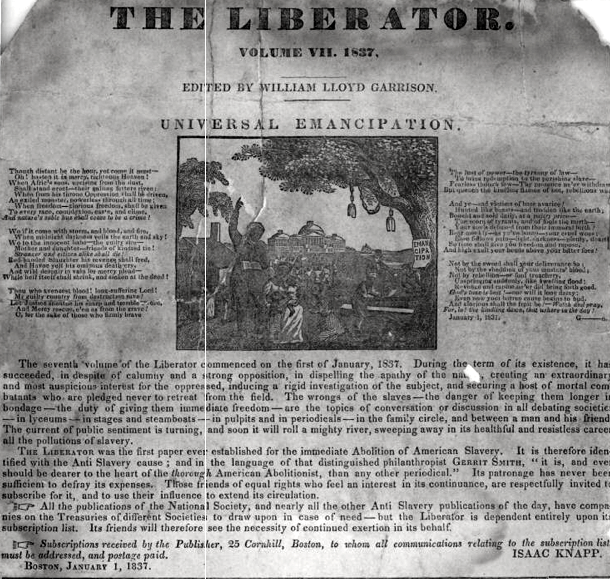 Newspaper article
Primary source
William Lloyd Garrison · 1837
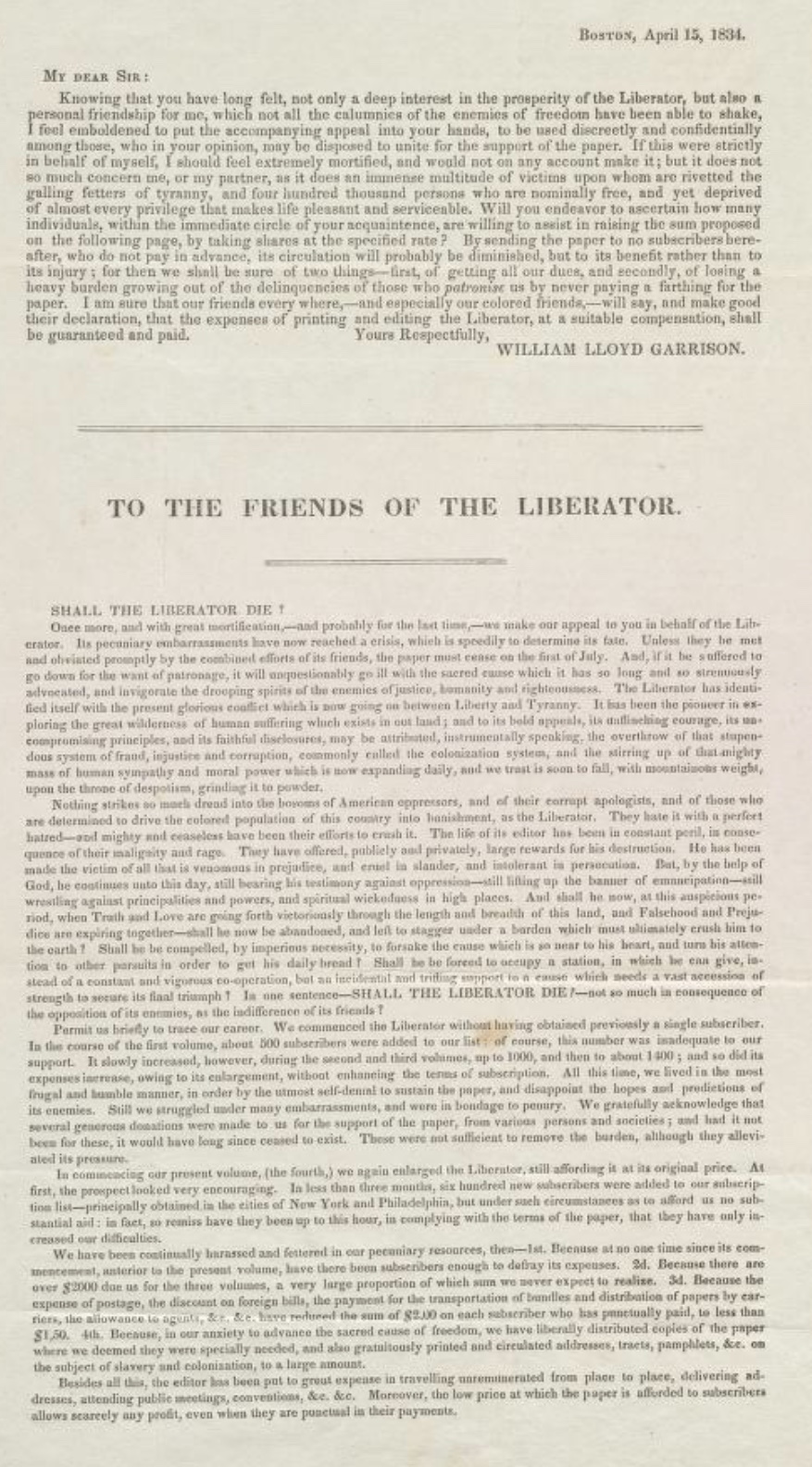 Document
Primary source
William Lloyd Garrison · 15 April 1834
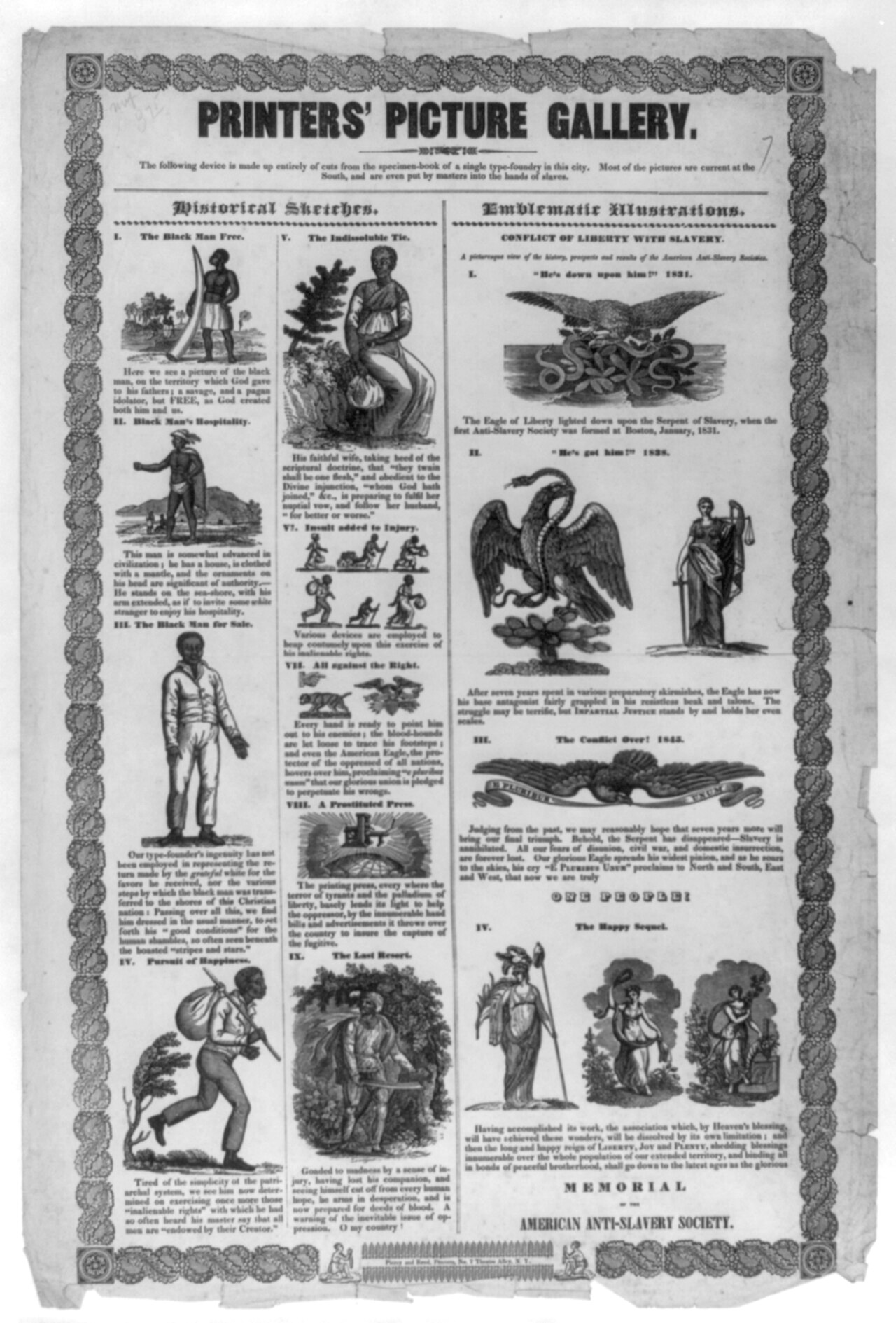 Artifact
Primary source
1838
 Book
Primary source
American Colonization Society · 1830
Primary source
William Still · 1872
 Artifact
Secondary source
NPS image · 2023
 Artifact
Secondary source
NPS image · 2024
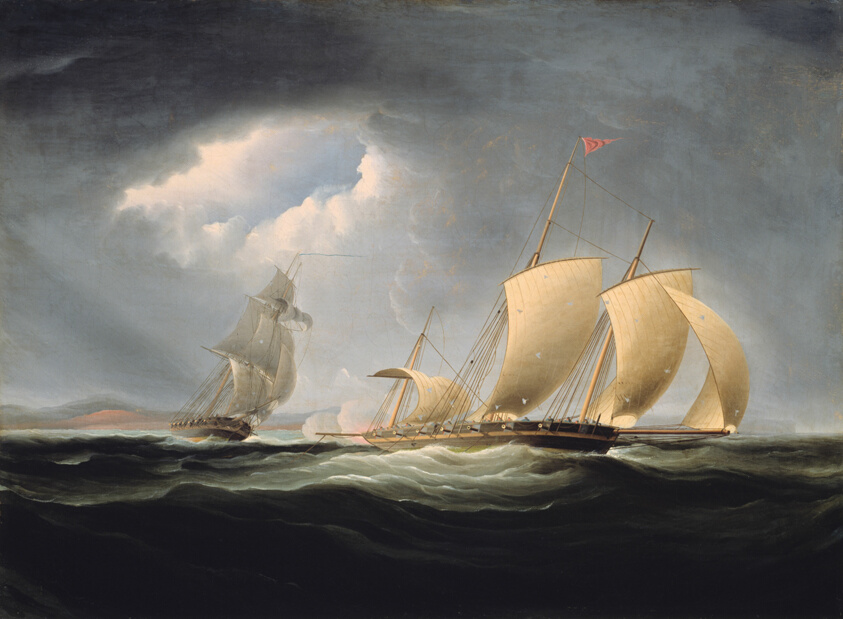 Painting
Primary source
Thomas Birch · 1806–1812
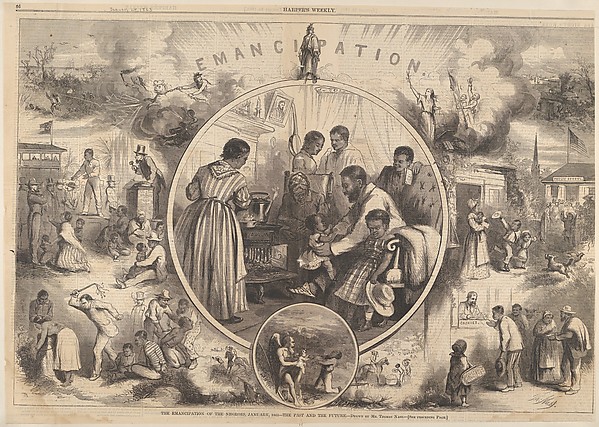 Painting
Primary source
Thomas Nast · January 24, 1863
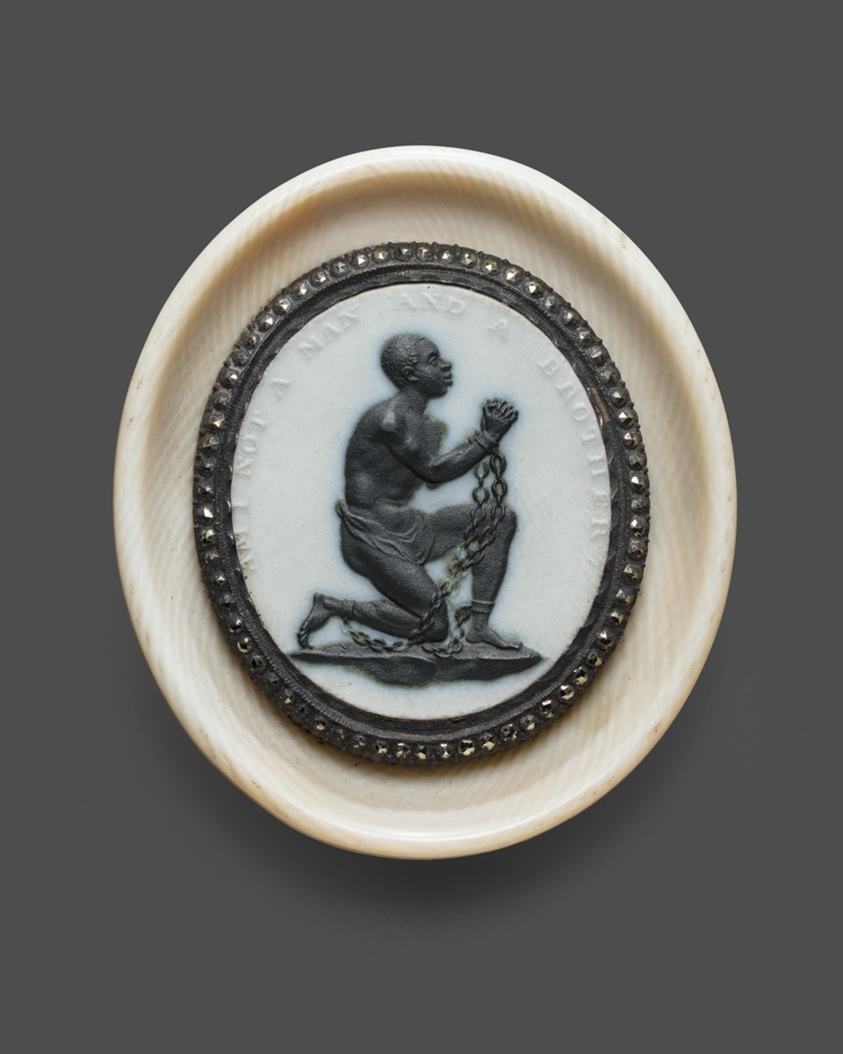 Artifact
Primary source
Wedgwood Manufactory · 1787
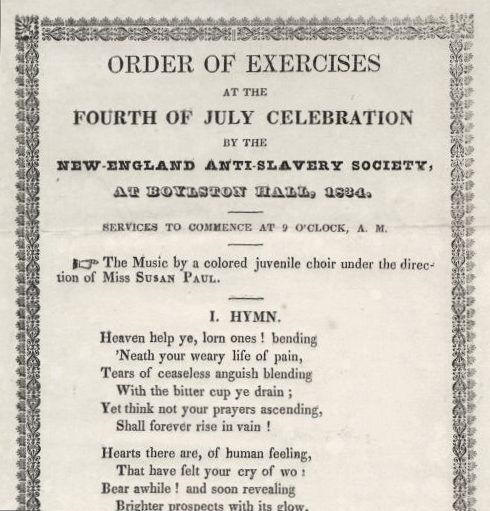 Document
Primary source
1834
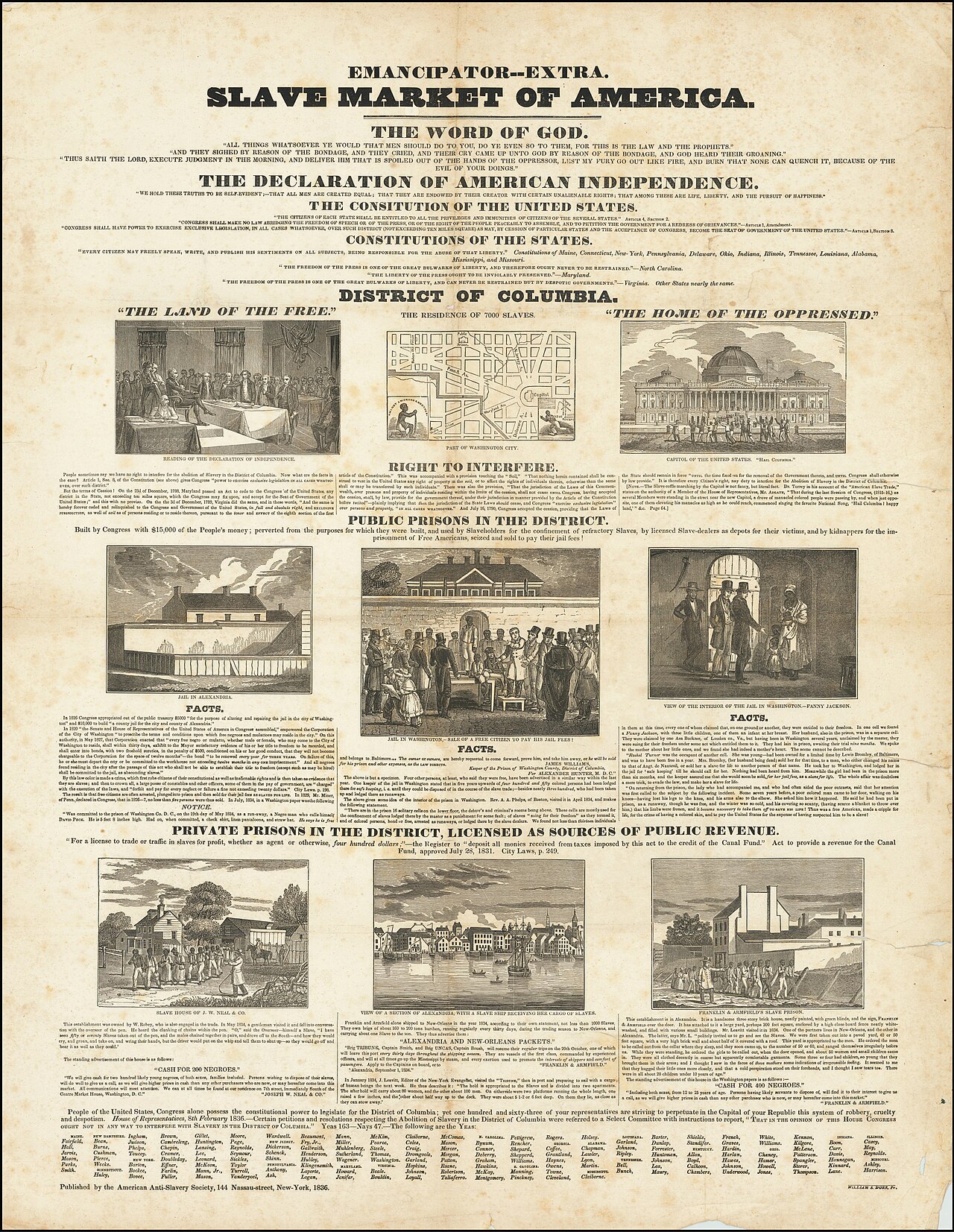 Document
Primary source
American Anti-Slavery Society · 1836
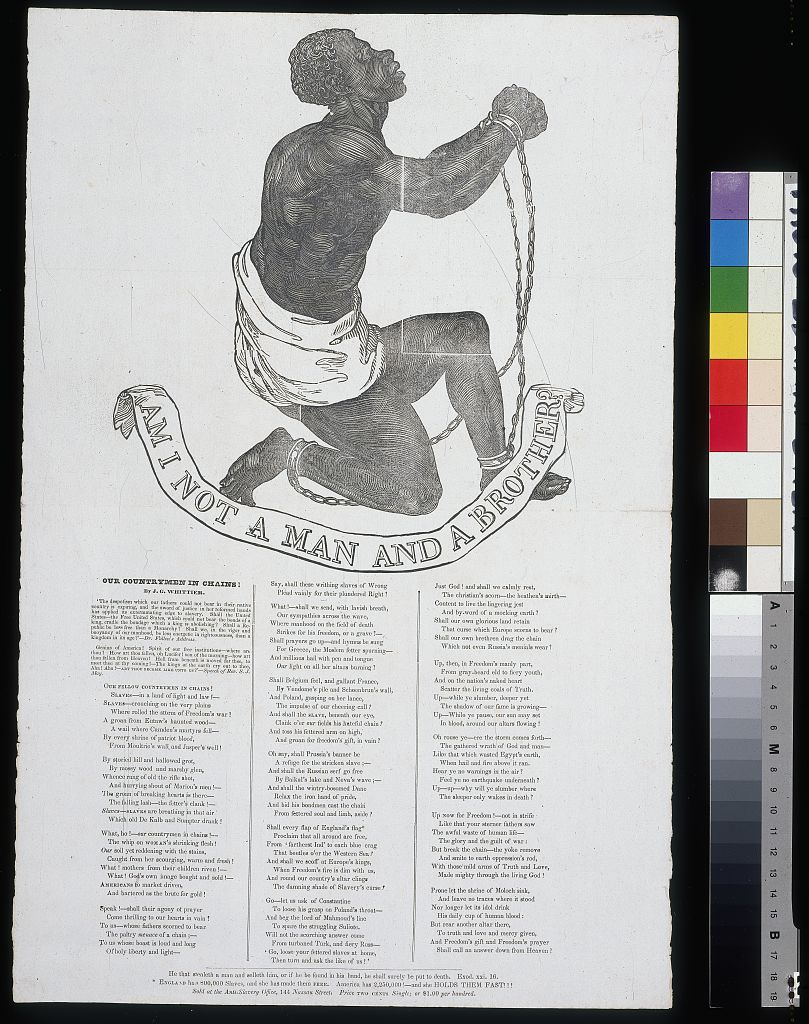 Painting
Primary source
American Anti-Slavery Society · 1837
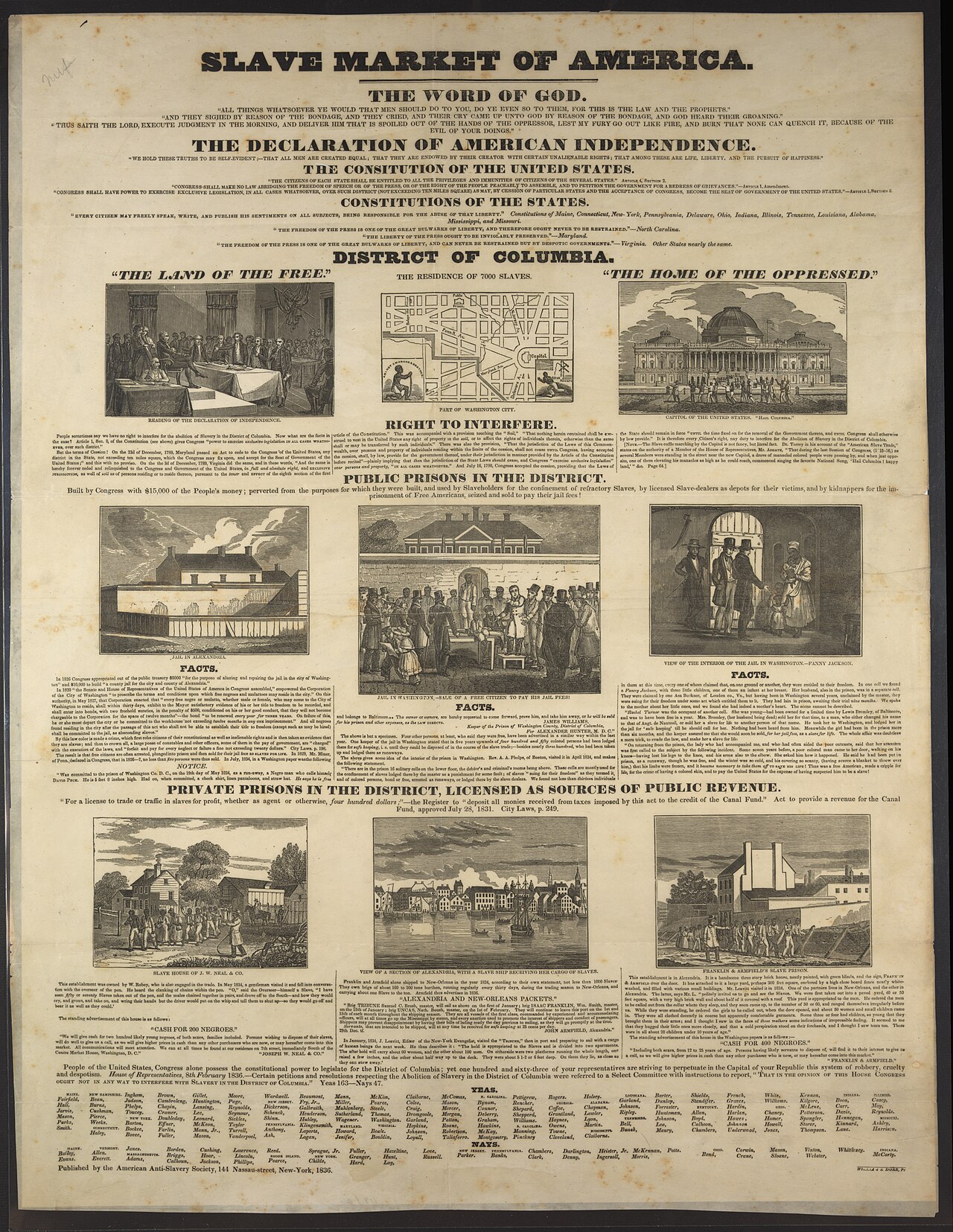 Document
Primary source
William S. Dorr · 1836
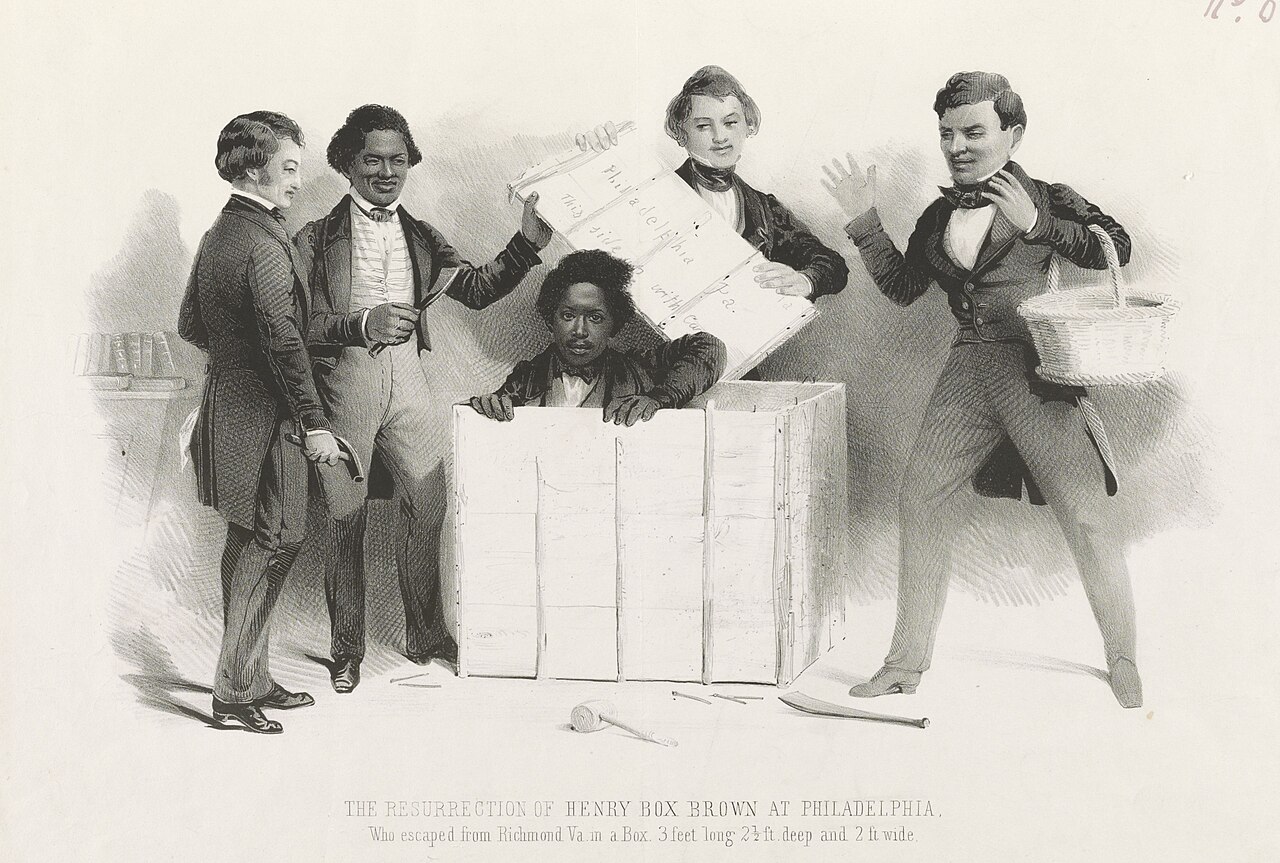 Painting
Primary source
Samuel W. Rowse · 1850
Want the full shelf? Chat with James Forten in the app and open the Sources panel — every quote links back to the original.
2 collections
Ready-made collections from the Humy team that feature James Forten. Preview any of them, then try it free.
Paying customers



























Dr. Michael Calvert
Assistant Superintendent, South Allegheny School District, Pennsylvania
Been using Humy in his district since 2024
“We enjoyed the program last year and used it frequently.”

Jacob Chisom
World and American History, Monticello High School, Arkansas
Been using Humy in his classroom since 2024
“My students say it’s a welcome change of pace. I’m not a fan of the “sage on the stage” model, so I try to incorporate research-oriented and self-paced activities. With Humy, students have to take charge of their learning. They’ve become more adept at critical thinking, forming better questions, and improving their reading comprehension. The interview feature has been my go-to tool. I create assignments where students must ask historical figures a set number of questions, then summarize the responses to ensure they’re truly absorbing the material. This approach lets them actively explore the past rather than passively consuming information.”
Roger Campbell
7th-grade World History, Lancaster County, Pennsylvania
Been using Humy in his classroom since 2024
“Humy has helped me bring historical figures, sometimes long past, to life. When my students interact with these figures in real-time, it eliminates some of the perceived “ancient” characteristics of my curriculum. This has shifted my students’ thinking away from viewing history as abstract or irrelevant. Real-time interactions make historical figures relatable, even allowing students to ask off-topic questions that help put historical lives in a more relevant context for 13-year-olds. The feature I use the most is the interview feature. After teaching a topic, most recently Gandhi and Joan of Arc, I have the students ask pointed, focused questions. We practice good conversation techniques beforehand, teaching them to listen (or read) carefully and formulate thoughtful follow-up questions rather than just interrogating. It helps students practice effective conversation skills.”
Dr. Michael Calvert
Assistant Superintendent, South Allegheny School District, Pennsylvania
Been using Humy in his district since 2024
“We enjoyed the program last year and used it frequently.”
Jacob Chisom
World and American History, Monticello High School, Arkansas
Been using Humy in his classroom since 2024
“My students say it’s a welcome change of pace. I’m not a fan of the “sage on the stage” model, so I try to incorporate research-oriented and self-paced activities. With Humy, students have to take charge of their learning. They’ve become more adept at critical thinking, forming better questions, and improving their reading comprehension. The interview feature has been my go-to tool. I create assignments where students must ask historical figures a set number of questions, then summarize the responses to ensure they’re truly absorbing the material. This approach lets them actively explore the past rather than passively consuming information.”
Roger Campbell
7th-grade World History, Lancaster County, Pennsylvania
Been using Humy in his classroom since 2024
“Humy has helped me bring historical figures, sometimes long past, to life. When my students interact with these figures in real-time, it eliminates some of the perceived “ancient” characteristics of my curriculum. This has shifted my students’ thinking away from viewing history as abstract or irrelevant. Real-time interactions make historical figures relatable, even allowing students to ask off-topic questions that help put historical lives in a more relevant context for 13-year-olds. The feature I use the most is the interview feature. After teaching a topic, most recently Gandhi and Joan of Arc, I have the students ask pointed, focused questions. We practice good conversation techniques beforehand, teaching them to listen (or read) carefully and formulate thoughtful follow-up questions rather than just interrogating. It helps students practice effective conversation skills.”
FAQ
Like any LLM, the AI version of James Forten can get details wrong. Open one of these sources in a new tab to verify what you’ve read.

American silversmith and Patriot, best known for his "Midnight Ride" to warn the colonial militia of British troop movements and his role as a leader in the Sons of Liberty

American Revolutionary War activist and organizer of the Edenton Tea Party.

American statesman and Founding Father, known for his role in the American Revolution and his advocacy for independence from Great Britain.

Early advocate for women's rights and the second First Lady of the United States.

Founding father, first Secretary of the Treasury, and key figure in the creation of the United States' financial system.

African American man considered to be the first casualty of the American Revolution.
Ready when you are
20 messages free · No credit card · Available in 50+ languages.