


Primary sourceBook1839
American Slavery As It Is: Testimony of a Thousand Witnesses
Theodore Dwight Weld · 1839
A compilation of eyewitness testimonies documenting the cruelties of slavery, showing the abolitionist print culture Jacobs wrote within.
Shows the abolitionist literary world and testimony-gathering tradition within which Jacobs later wrote her own narrative.

About this source
What it is
Published in 1839 by the American Anti-Slavery Society, this book was compiled by Theodore Dwight Weld and gathered testimonies and newspaper reports, many drawn from the words of slaveholders themselves, documenting the abuses of slavery.
Why it matters
This collection was a major piece of abolitionist propaganda, used to expose the realities of slavery to Northern readers. It represents the wider abolitionist literary world that Harriet Jacobs later wrote within, though it is not about her directly.
Look closer
- Why might Weld have relied on slaveholders' own words rather than those of enslaved people?
- What does the title's emphasis on
This book is part of the curated material that grounds the AI version of Harriet Jacobs and Samuel Cornish on Humy.ai — when students ask about related events, the AI can quote it and cite it.
More Harriet Jacobs sources
Meet the AI Harriet Jacobs →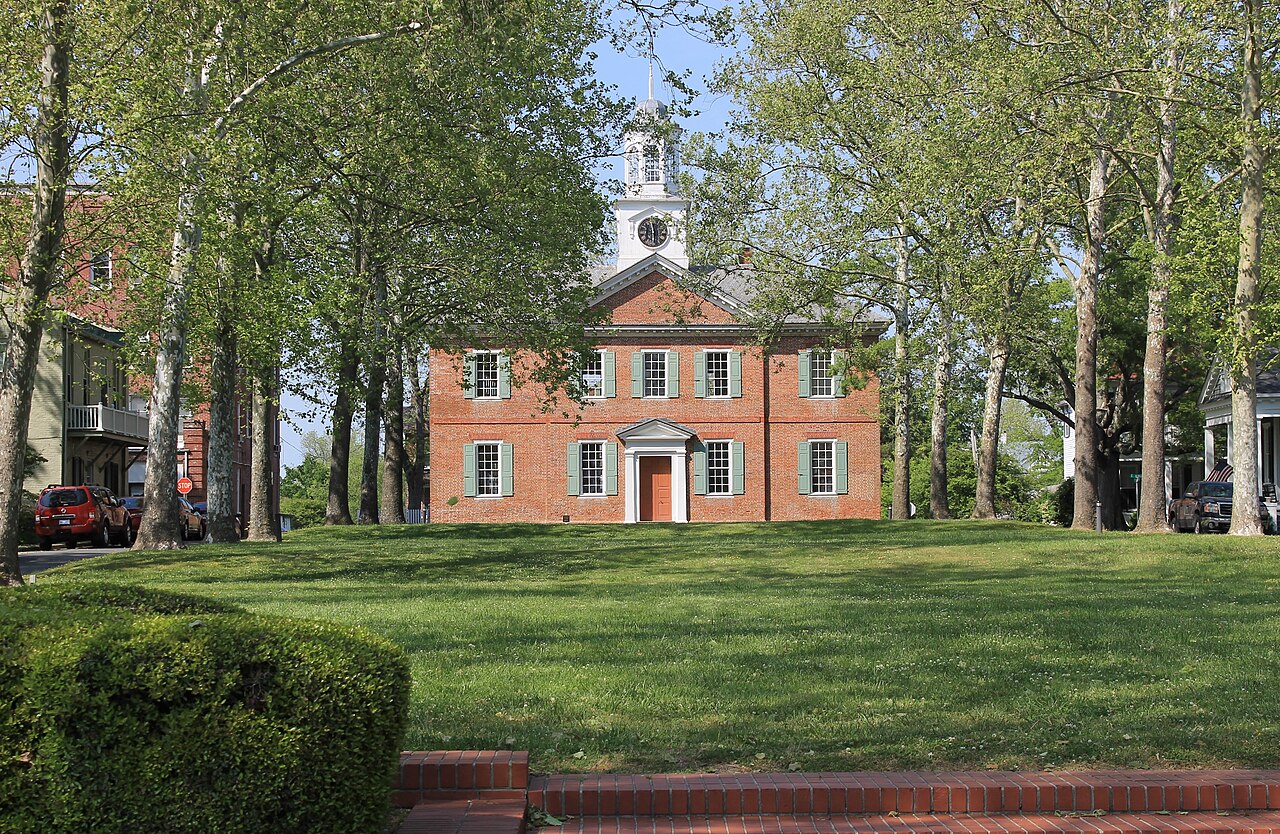 Artifact
Secondary source
Chowan County Courthouse
1767
 Book
Primary source
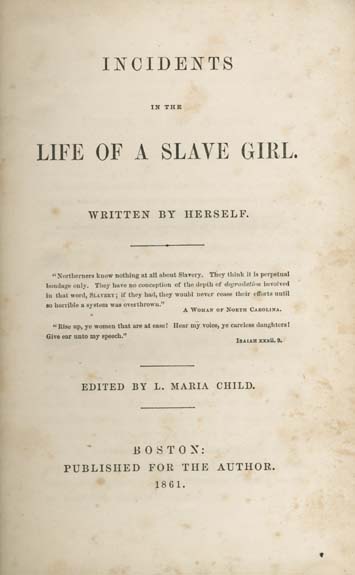
Incidents in the Life of a Slave Girl
Harriet Jacobs · 1861
 Photograph
Primary source
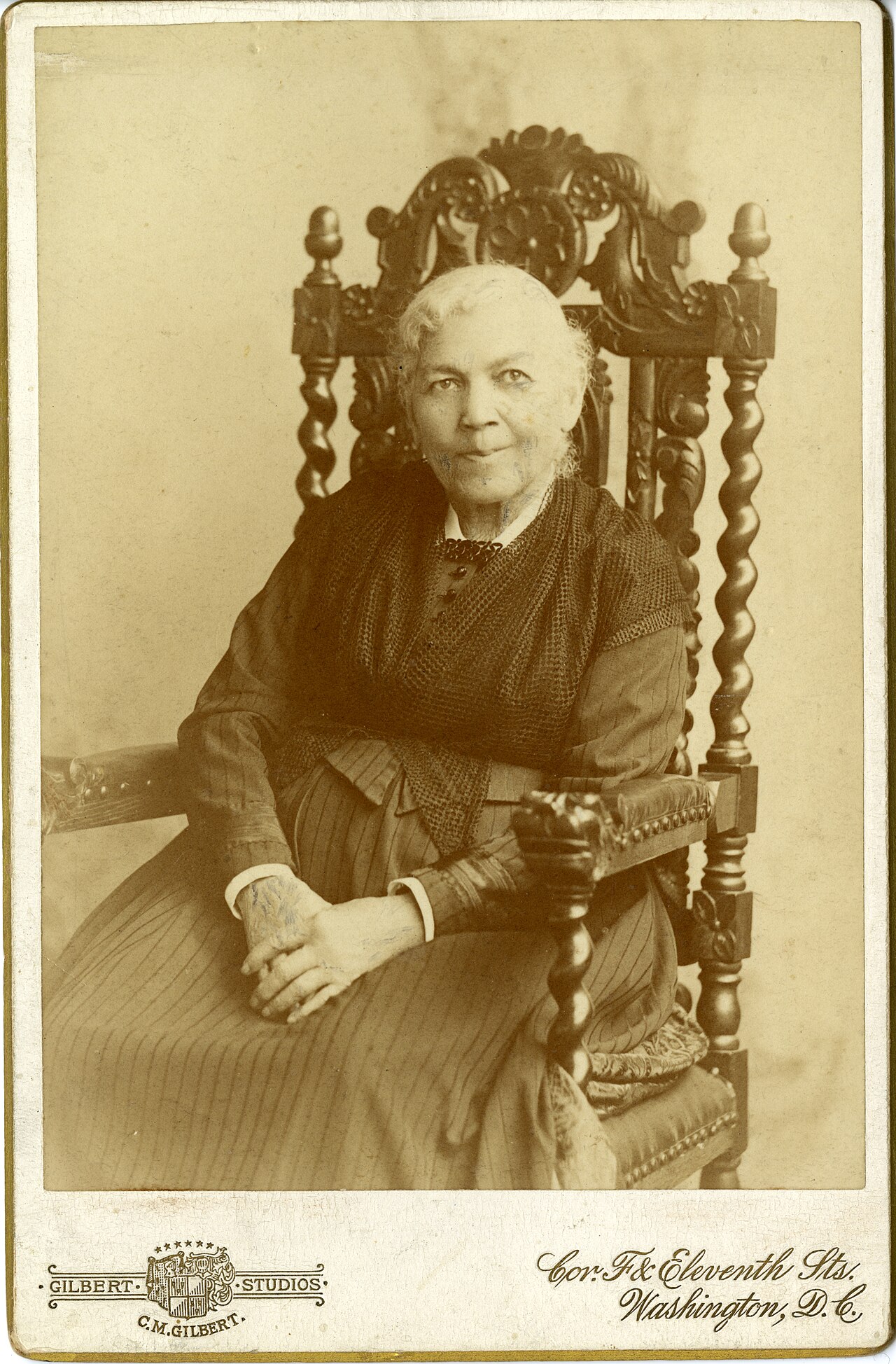
Gilbert Studios Photograph of Harriet Jacobs
Gilbert Studios (C. M. Gilbert)
 Newspaper article
Primary source
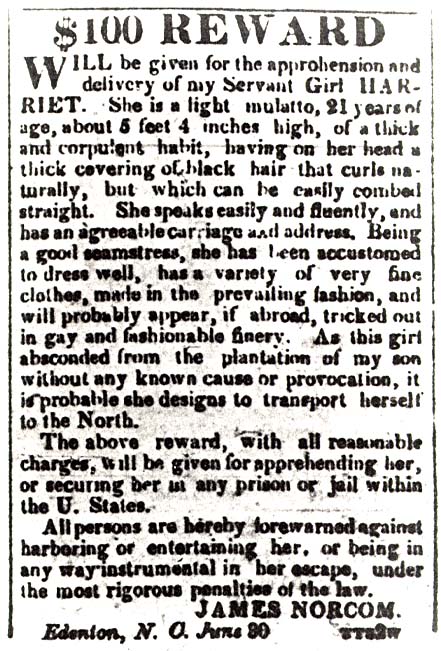
$100 Reward Advertisement for Harriet Jacobs
James Norcom · 30 June 1835
 Document
Primary source
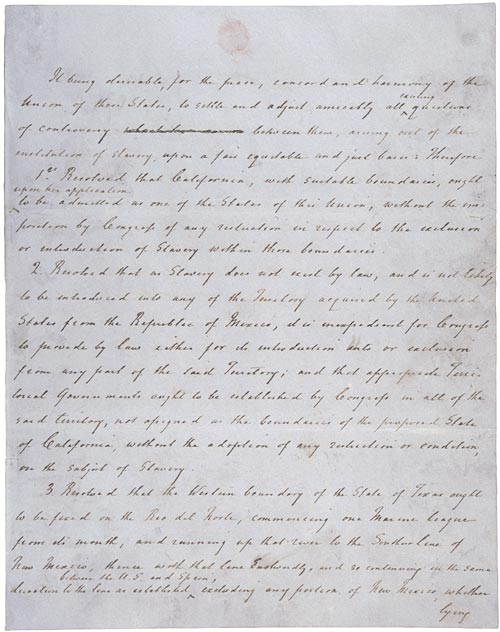
Compromise of 1850
Henry Clay · 29 January 1850 (resolutions); statutes enacted September 1850
Ready when you are
Start chatting with Harriet Jacobs now.
20 messages free · No credit card · Available in 50+ languages.