


Primary sourceBookwritten 1690, published 1754
An Historical Account of Two Notable Corruptions of Scripture
Isaac Newton · written 1690, published 1754
Newton's scholarly dissertation arguing that two Bible passages used to support the Trinity were later corruptions, published after his death.
Newton's own hidden scholarship, revealing his private rejection of the Trinity doctrine.
About this source
What it is
This is a written dissertation by Isaac Newton, sent as a letter to the philosopher John Locke in 1690 but not published until 1754, long after Newton's death. It examines two biblical verses, 1 John 5:7 and 1 Timothy 3:16.
Why it matters
Using early manuscripts and the writings of Church Fathers, Newton argued that both verses had been altered over the centuries to strengthen support for the doctrine of the Trinity, a doctrine he privately rejected. He accused the Roman church of spreading such changes. Because such views were dangerous to express openly, Newton kept this research hidden during his lifetime. The work shows Newton as a serious biblical scholar and reveals his secret, unorthodox religious beliefs.
Look closer
- Why might Newton have been afraid to publish this work while he was alive?
- What kind of evidence did he use to argue that the verses had been changed?
- What does this text tell you about the relationship between science and religion in Newton's era?
This book is part of the curated material that grounds the AI version of Isaac Newton on Humy.ai — when students ask about related events, the AI can quote it and cite it.
More Isaac Newton sources
Meet the AI Isaac Newton →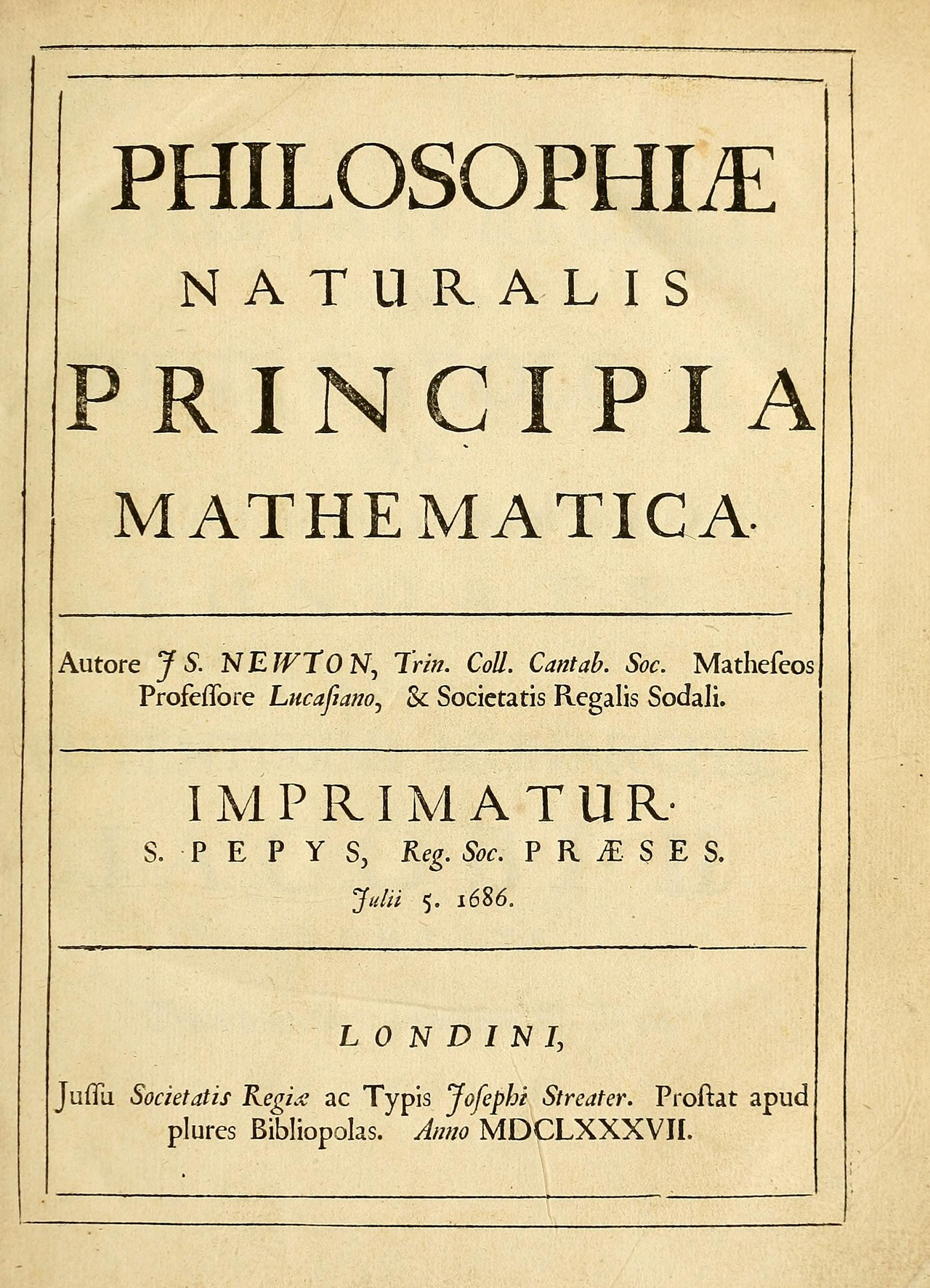 Book
Primary source
Philosophiæ Naturalis Principia Mathematica
Isaac Newton · 1687
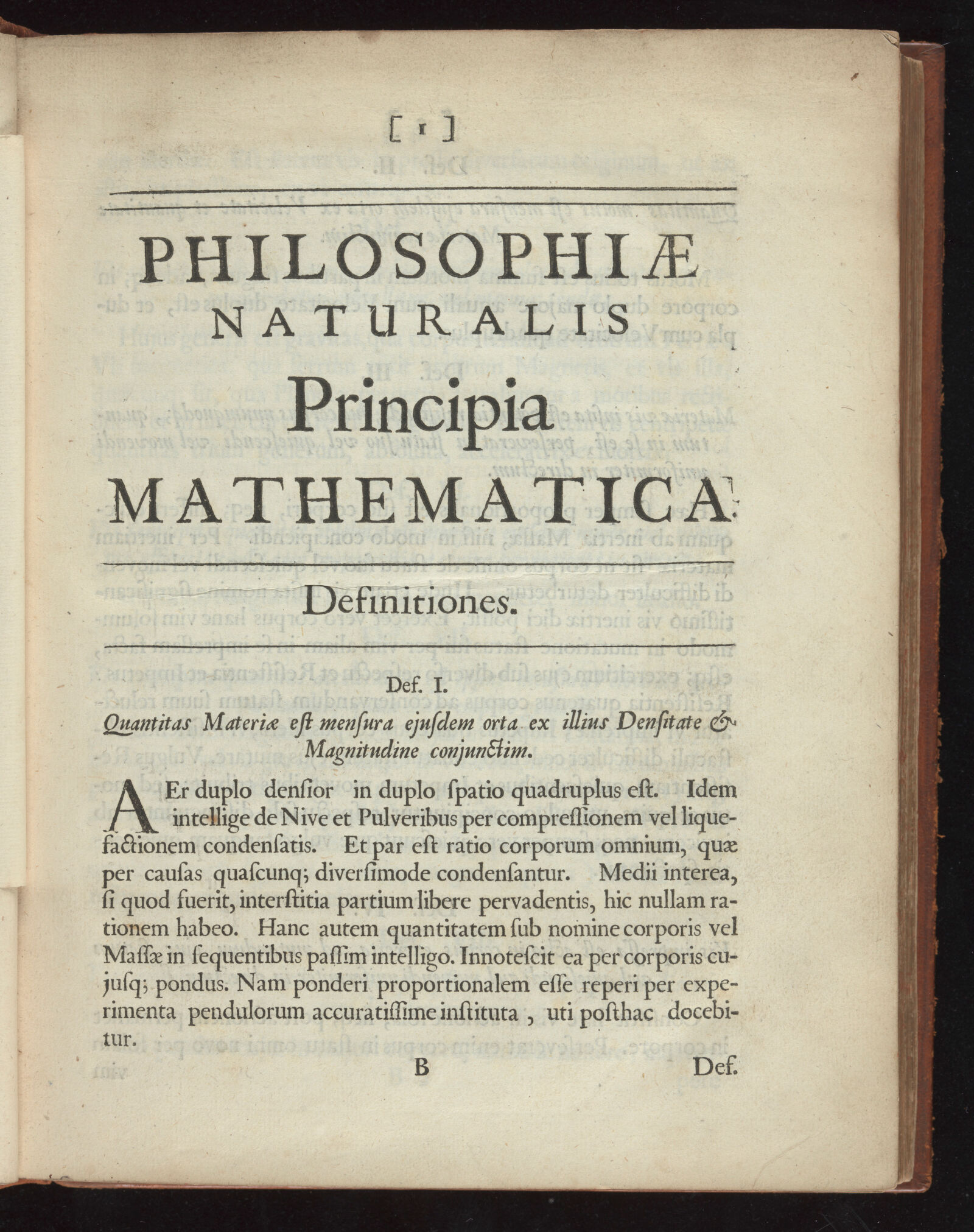 Book
Primary source
Principia Mathematica, Page 1: Definitions
Isaac Newton · 1687
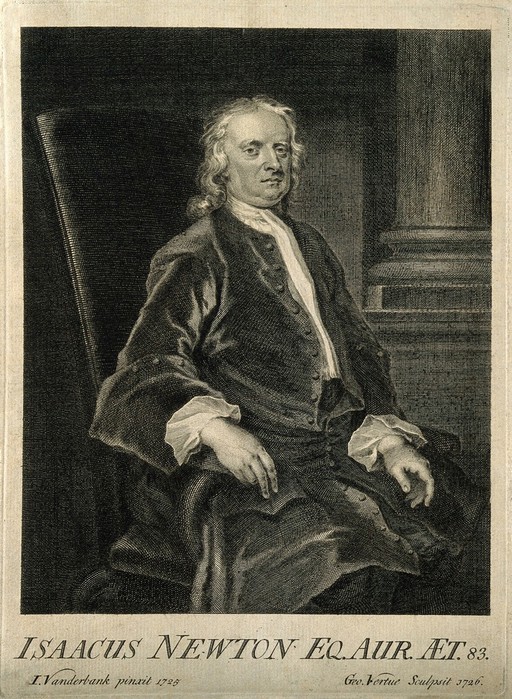 Painting
Primary source
Sir Isaac Newton, line engraving by Vertue, 1726
George Vertue · 1726
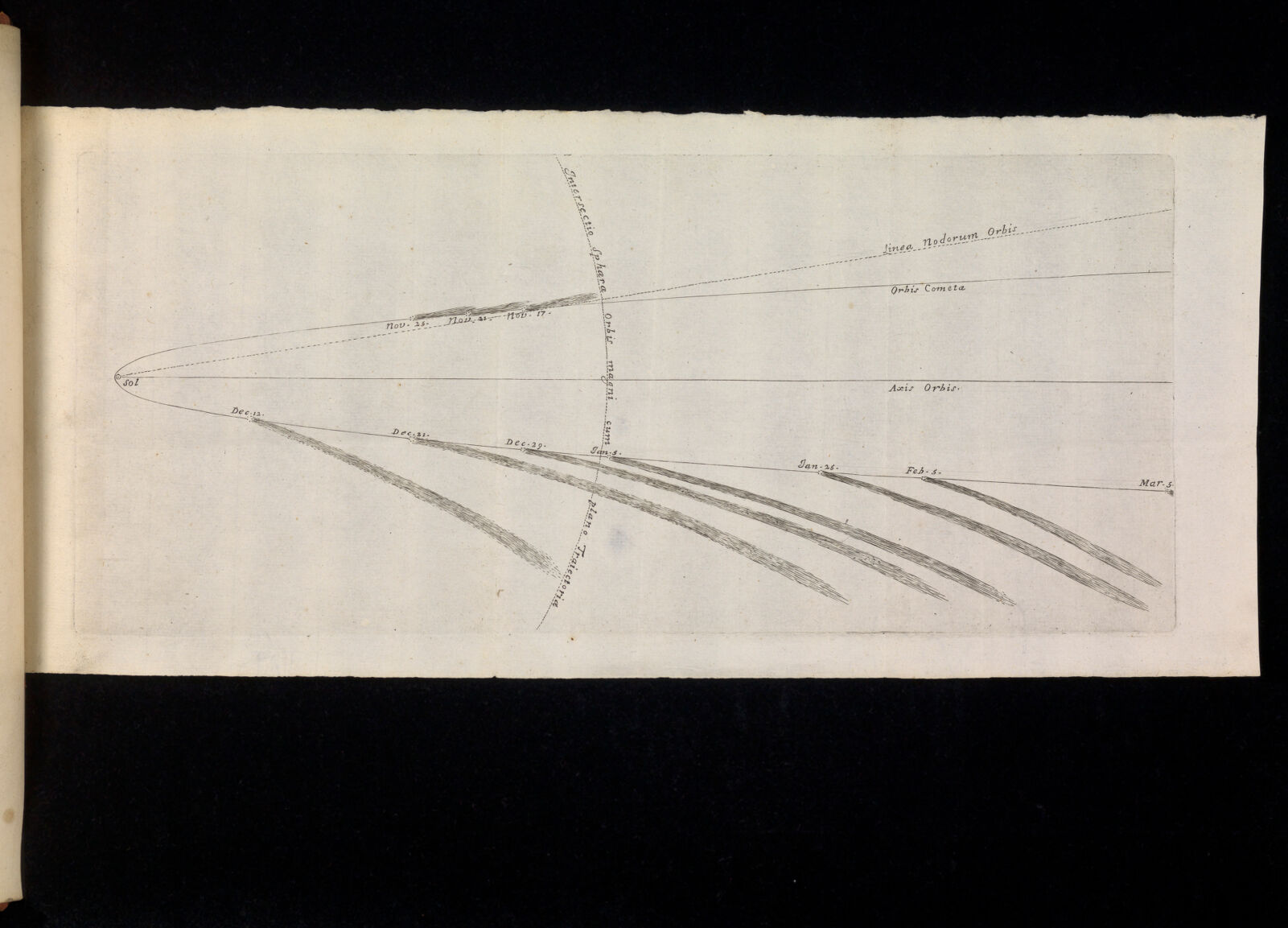 Document
Primary source
Principia Mathematica, Fold-out Diagram
Isaac Newton · 1687
 Painting
Primary source
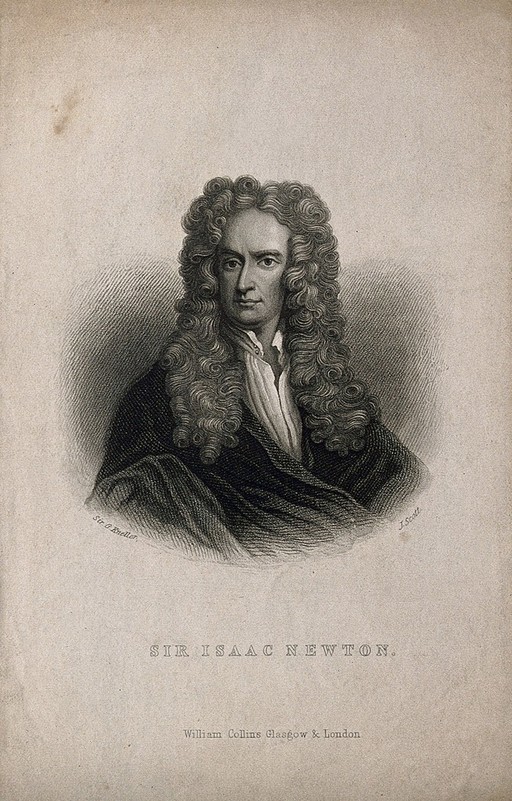
Sir Isaac Newton, stipple engraving by J. Scott after Kneller, 1702
J. Scott, after Sir Godfrey Kneller · 1702 (print made later)
Ready when you are
Start chatting with Isaac Newton now.
20 messages free · No credit card · Available in 50+ languages.