


Primary sourceArtifactc. 1790
Andiron
Paul Revere · c. 1790
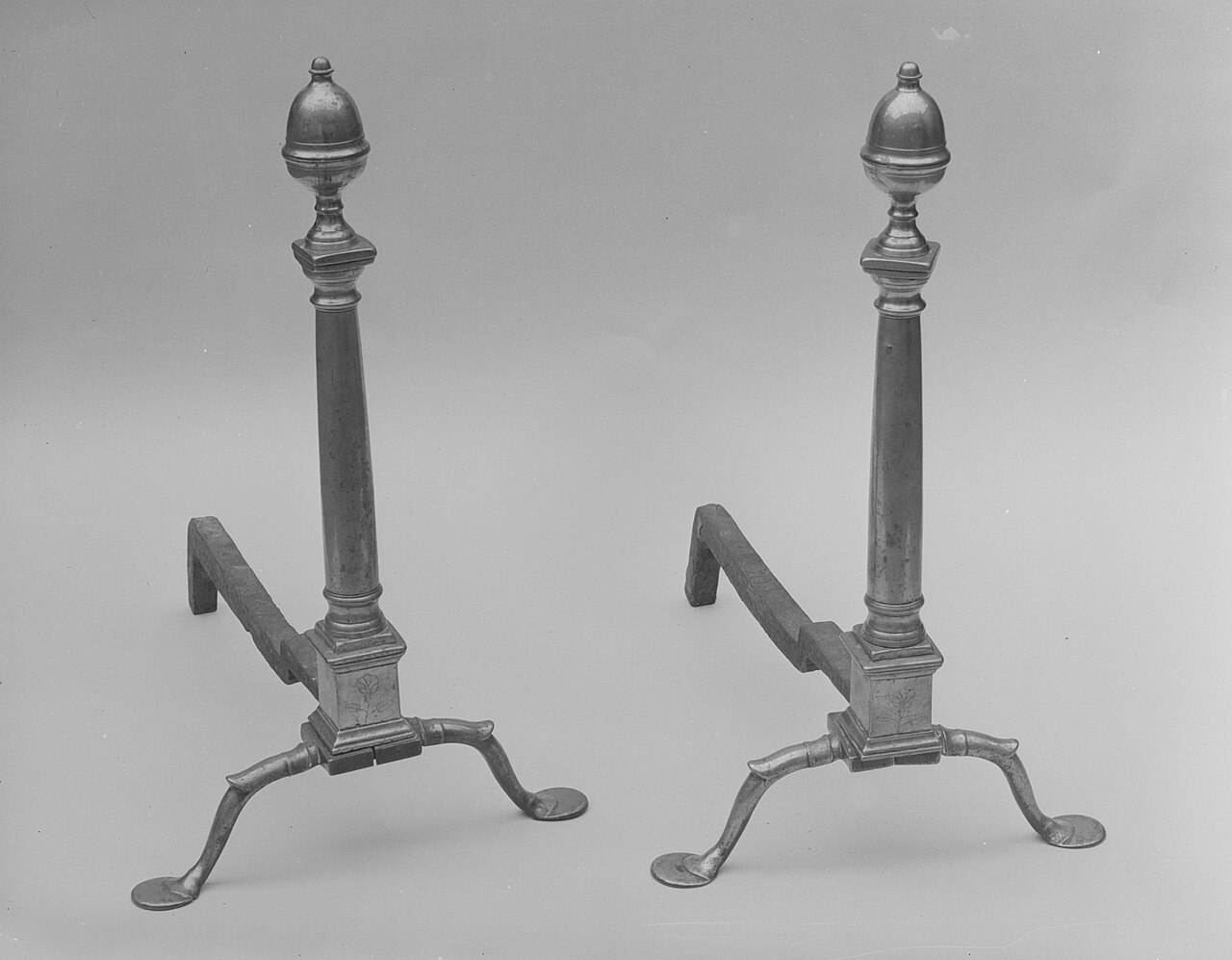
A brass andiron attributed to Paul Revere's metalworking shop, made around 1790, showing his craft beyond silver.
This andiron, attributed to Revere's shop, shows his metalworking craft extended beyond silver to household items.
About this source
What it is
This black-and-white photograph shows a pair of brass andirons attributed to Paul Revere, made around 1790. Each andiron has an urn-shaped finial, a fluted column, a square base, a curved front arm, and three splayed feet.
Why it matters
Revere's workshop is best known for silver, but metalworkers of his time often produced a range of household items in different metals. These andirons, used to hold logs in a fireplace, show the broader range of practical and decorative metalwork that came out of his shop.
Look closer
- What details in the design, like the urn-shaped finial, suggest these andirons were meant to be decorative as well as useful?
- Why might a craftsman known for silver also produce objects in brass?
- What does an everyday object like this tell us about daily life that a political document might not?
This artifact is part of the curated material that grounds the AI version of Paul Revere on Humy.ai — when students ask about related events, the AI can quote it and cite it.
More Paul Revere sources
Meet the AI Paul Revere →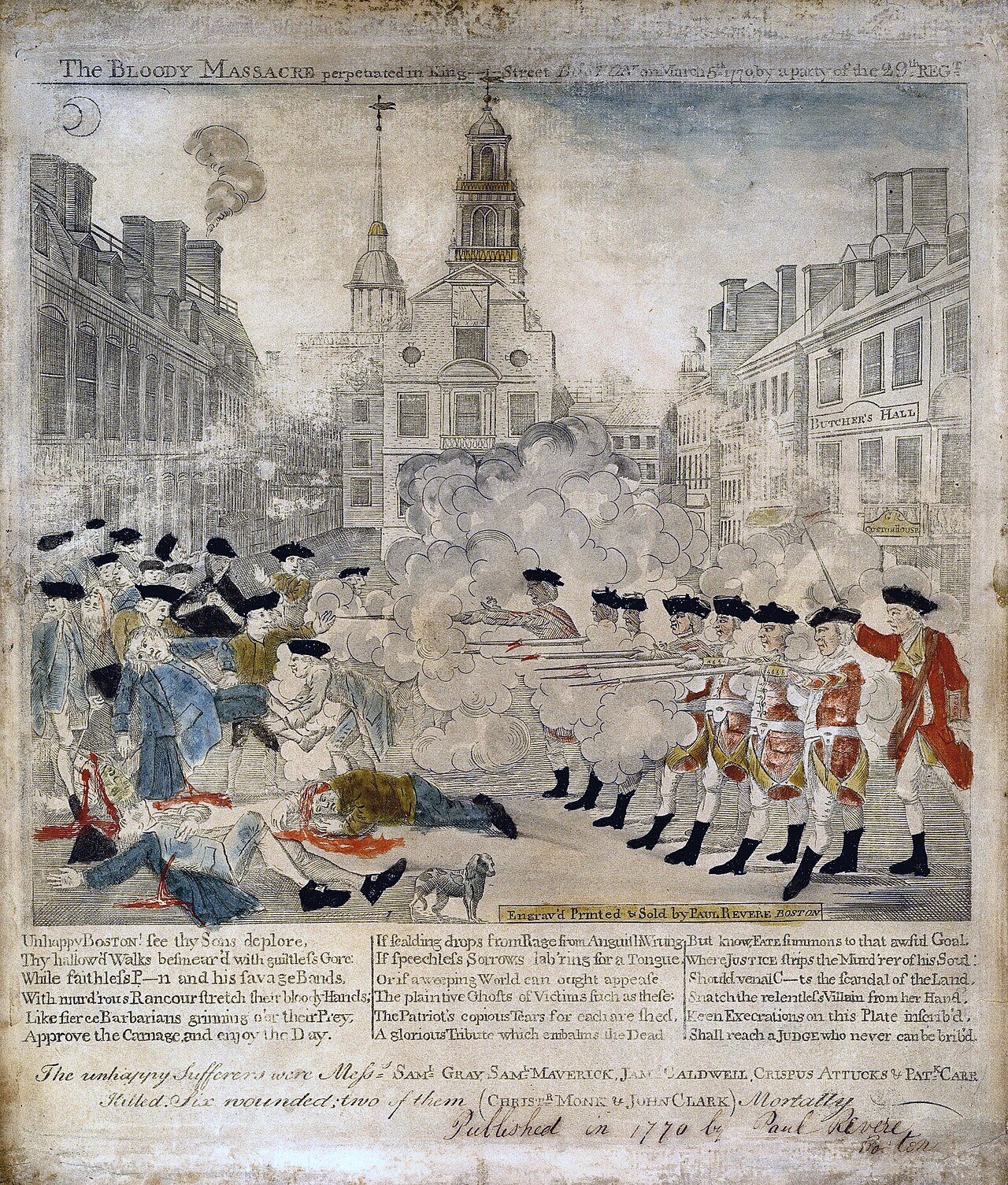 Painting
Primary source
The Bloody Massacre
Paul Revere · 1770
 Painting
Primary source
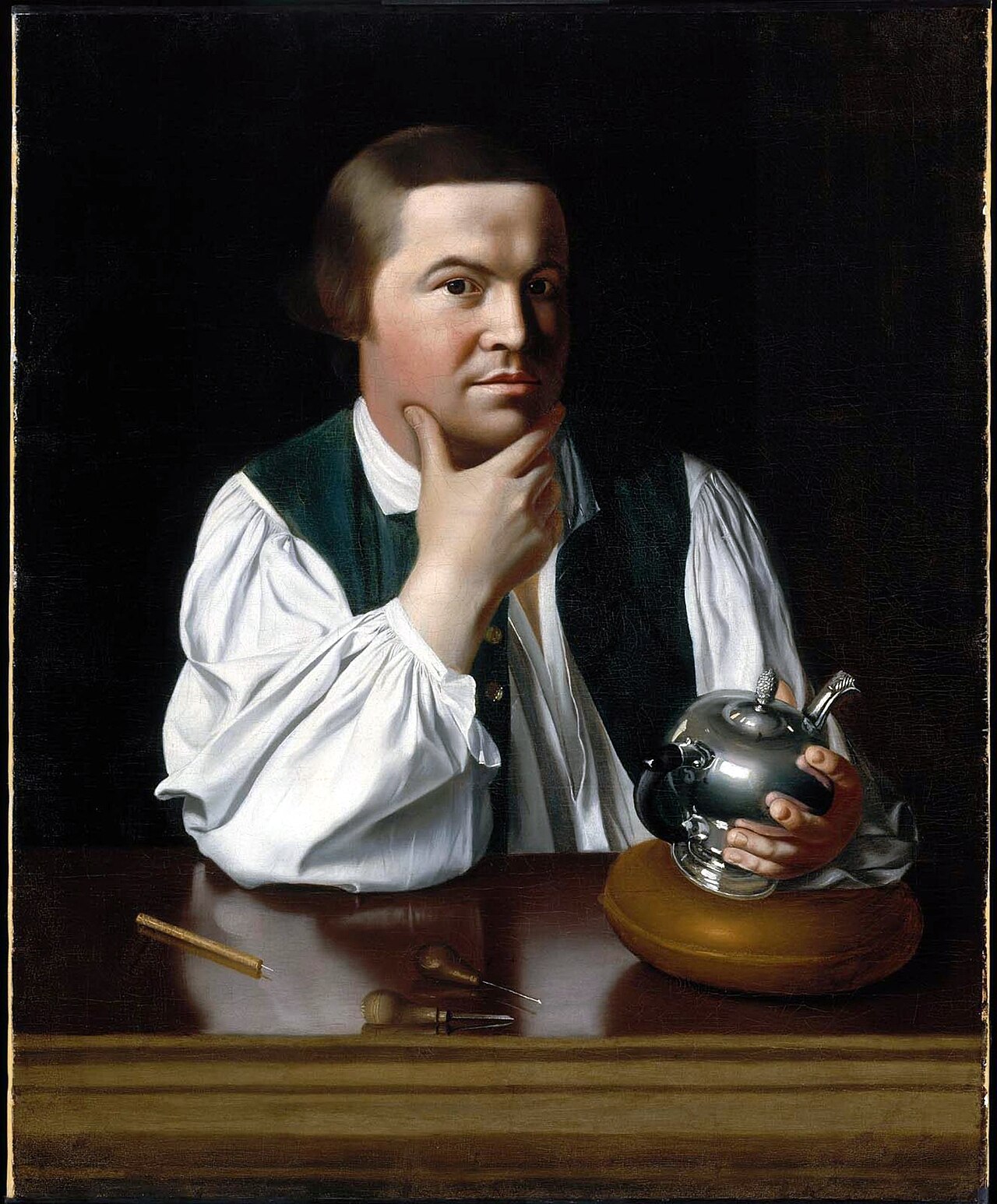
Portrait of Paul Revere
John Singleton Copley · 1768
 Artifact
Primary source
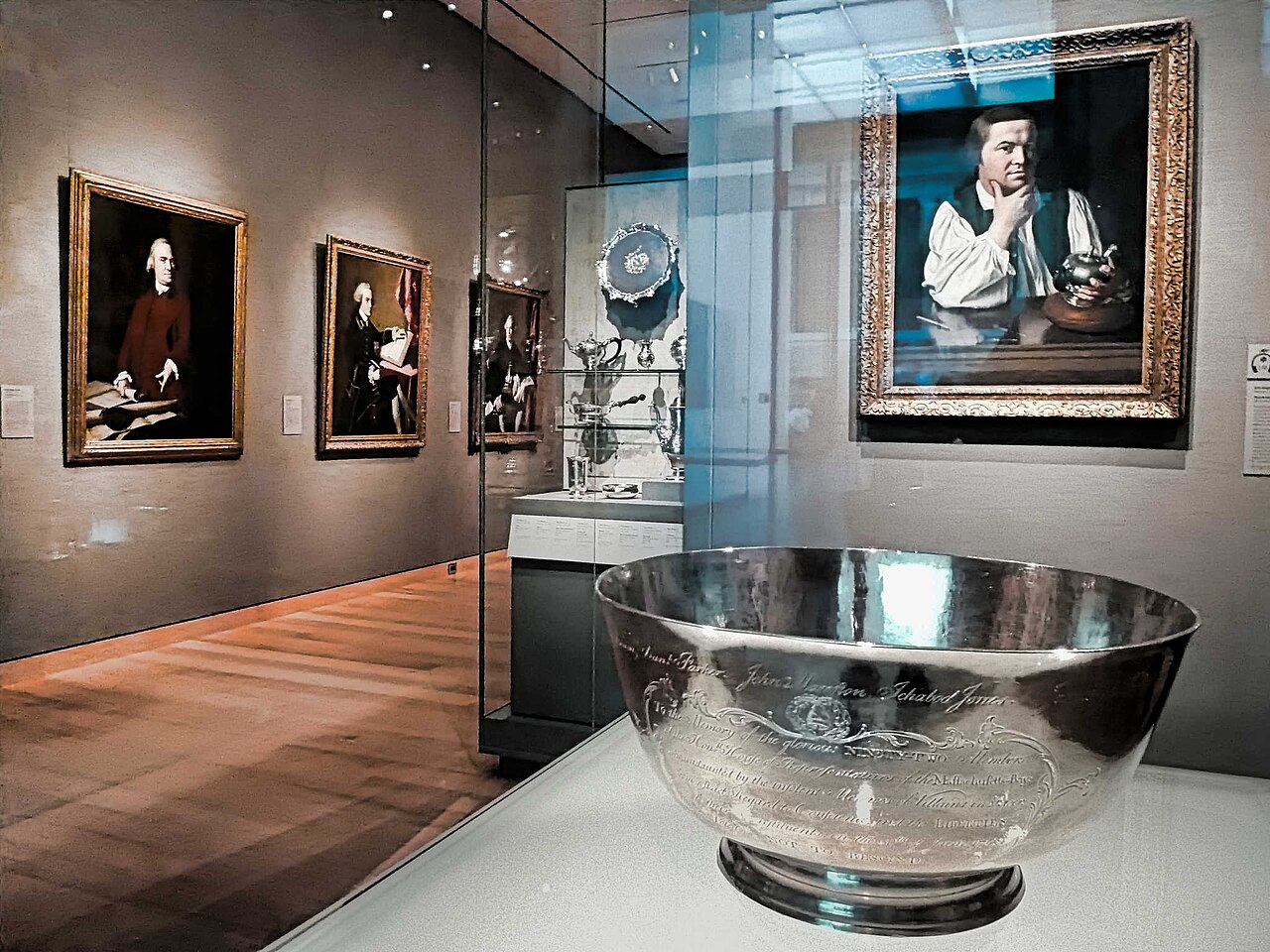
Sons of Liberty Bowl
Paul Revere · 1768
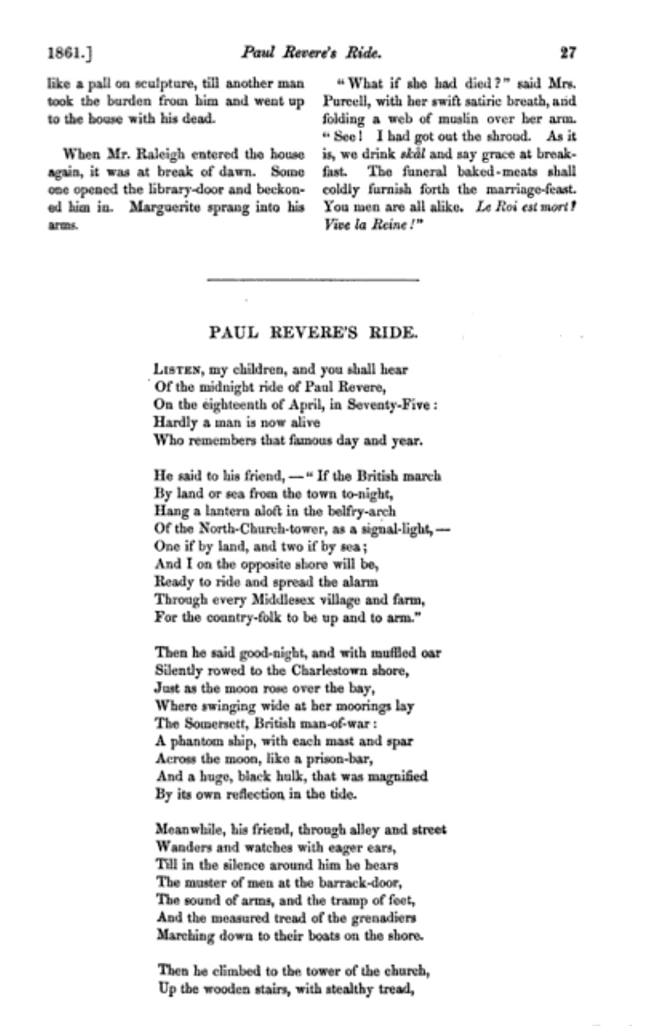 Book
Secondary source
Paul Revere's Ride
Henry Wadsworth Longfellow · 1860
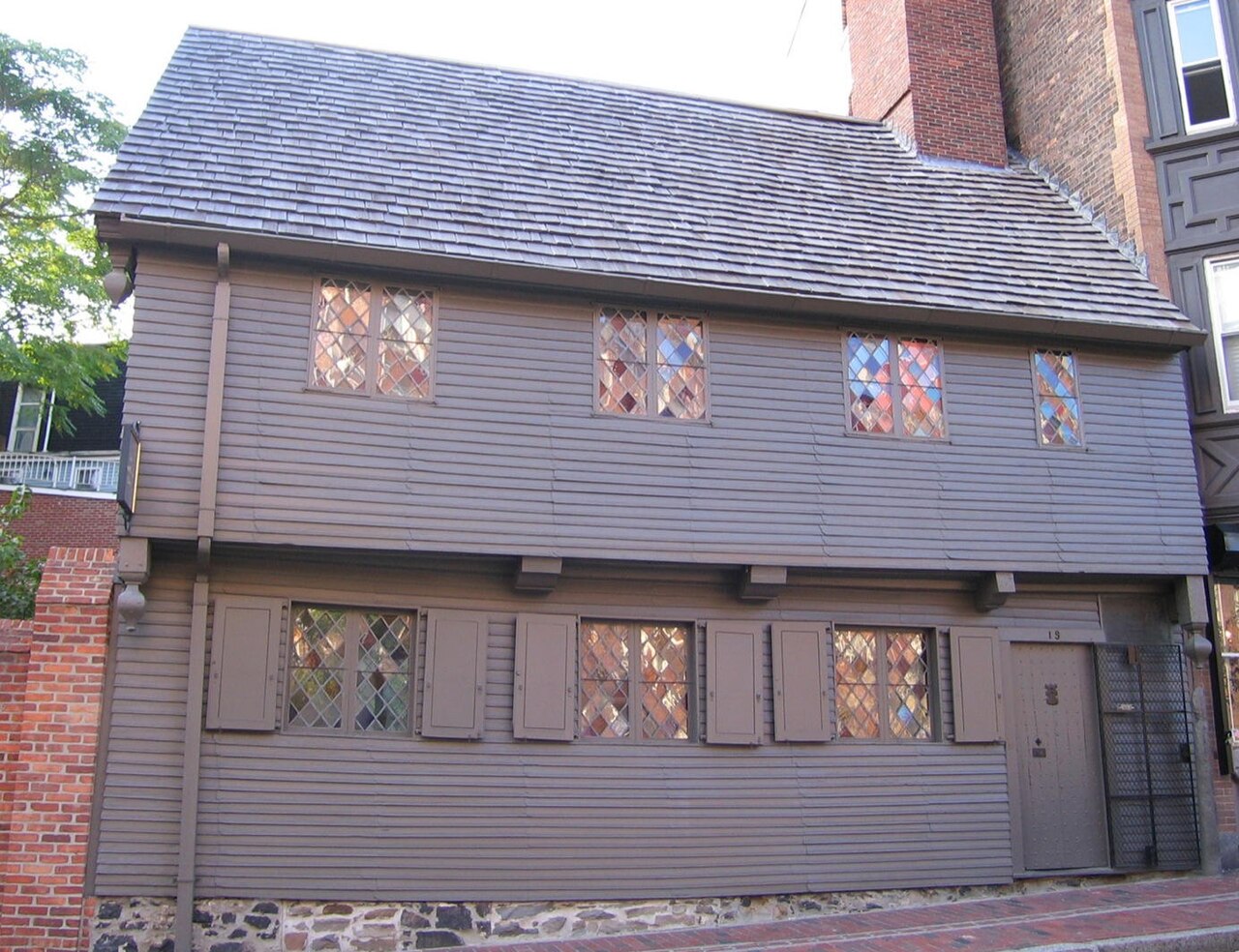 Artifact
Primary source
Paul Revere House
c. 1680
Ready when you are
Start chatting with Paul Revere now.
20 messages free · No credit card · Available in 50+ languages.