


Primary sourcePainting1920
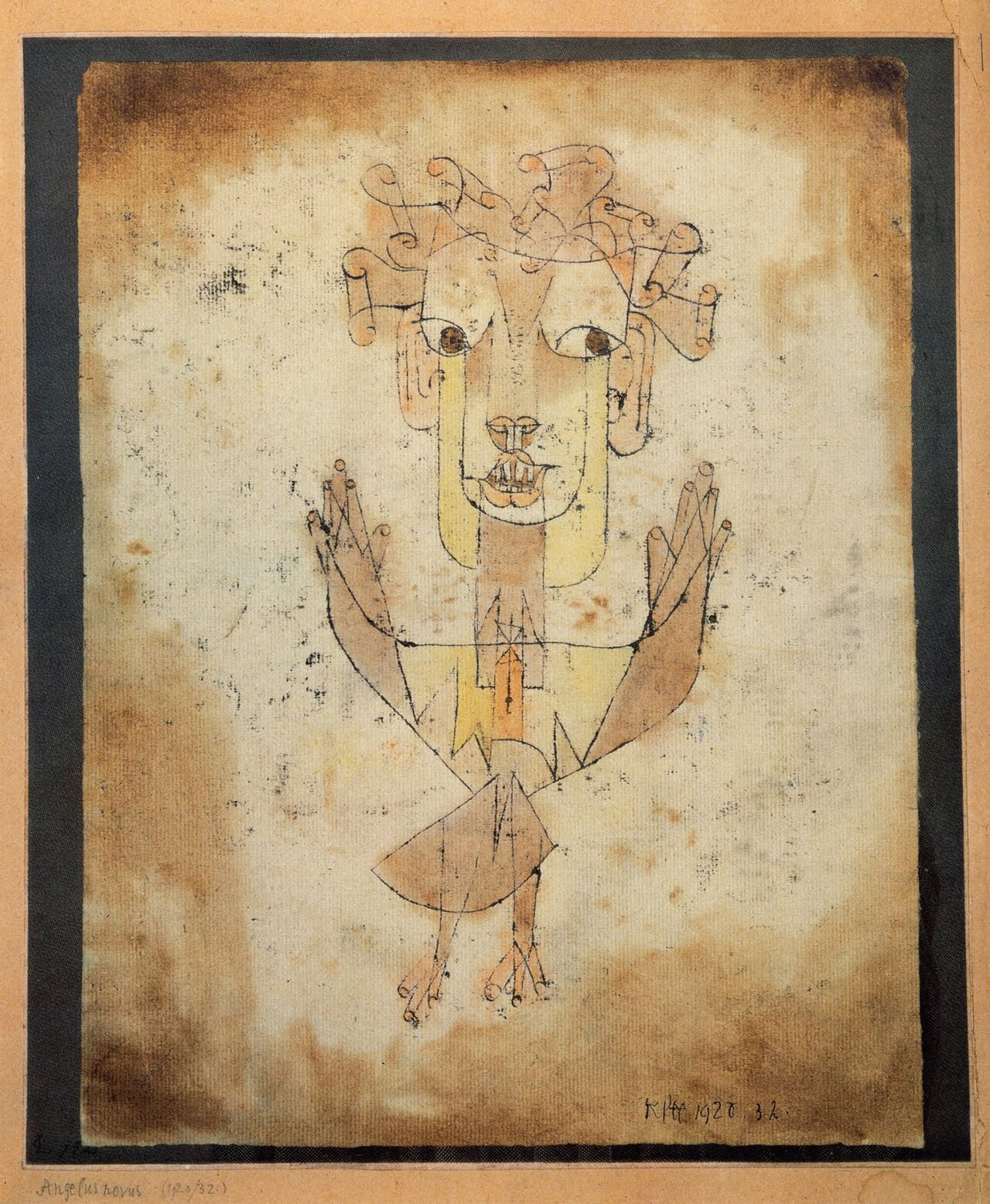
Angelus Novus
Paul Klee · 1920
Paul Klee's 1920 monoprint, bought by Benjamin in 1921 and carried into exile; he made it the 'angel of history' in his final essay.
Benjamin owned this print for nearly two decades and made it the central image of his theory of history.
About this source
What it is
Angelus Novus is a 1920 monoprint by the Swiss-German artist Paul Klee, made with an oil-transfer method, now held by the Israel Museum in Jerusalem. Walter Benjamin bought it in 1921 and kept it with him through his years of exile.
Why it matters
When Benjamin fled Germany in 1933, he took the print to Paris; when the Nazis invaded France, he entrusted it, with other papers, to Georges Bataille, who hid it at the Bibliothèque nationale. In his final essay,
This painting is part of the curated material that grounds the AI version of Walter Benjamin on Humy.ai — when students ask about related events, the AI can quote it and cite it.
More Walter Benjamin sources
Browse all 75 →Primary source
The Work of Art in the Age of Mechanical Reproduction
Walter Benjamin · 1935
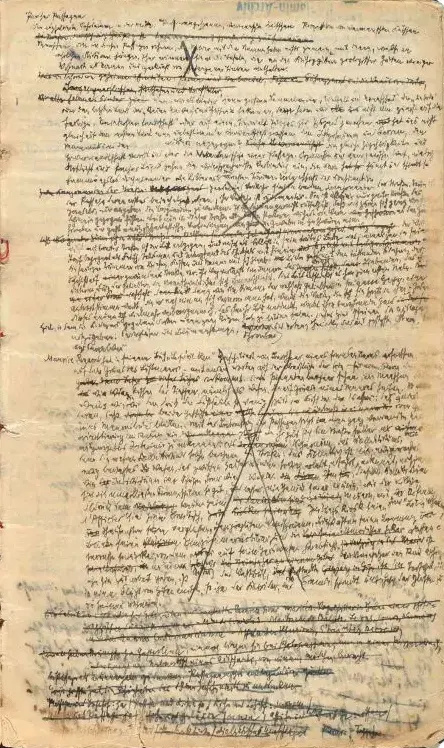 Document
Primary source
The Arcades Project
Walter Benjamin · 1927–1940
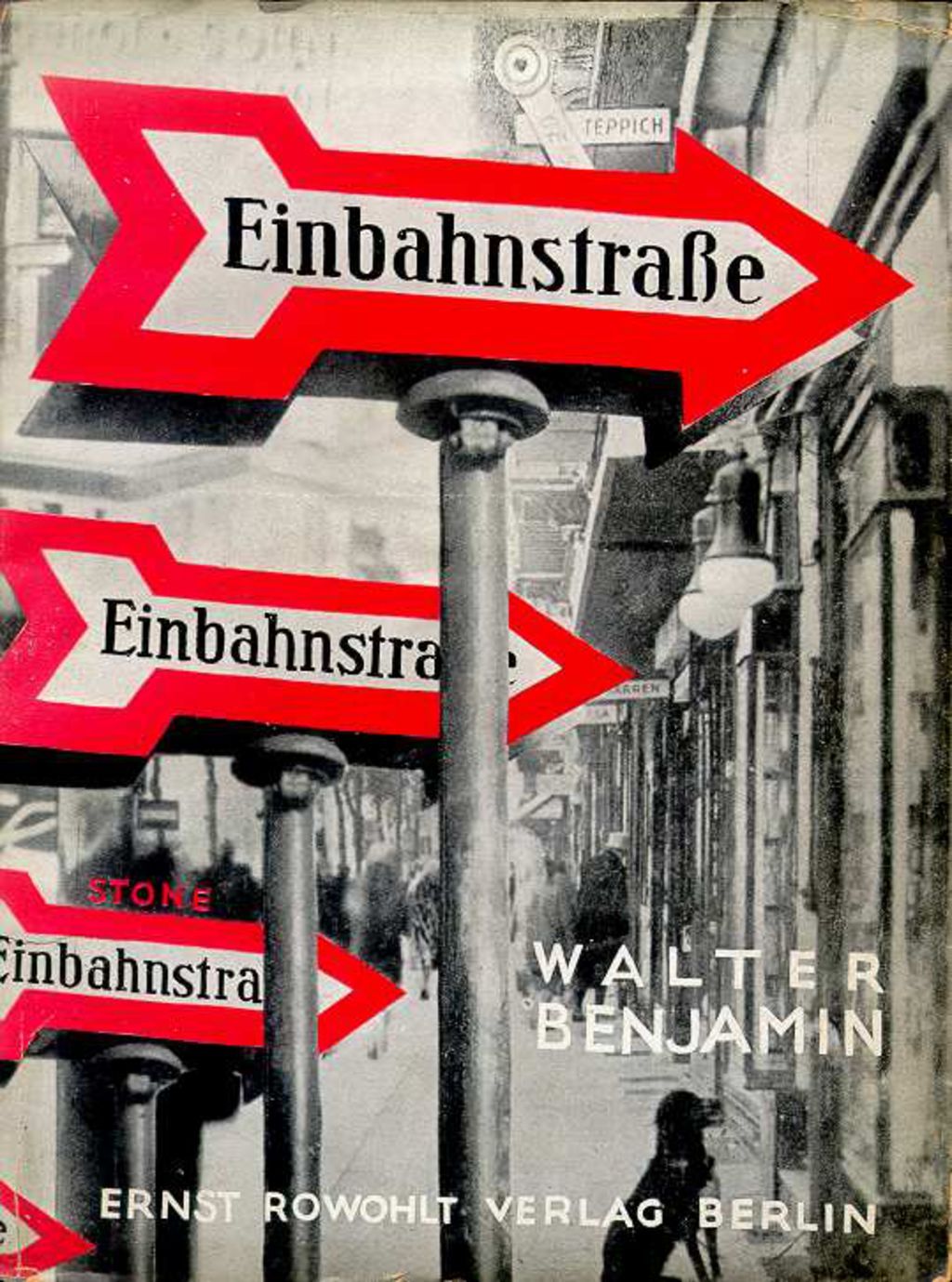 Book
Primary source
One-Way Street
Walter Benjamin · 1928
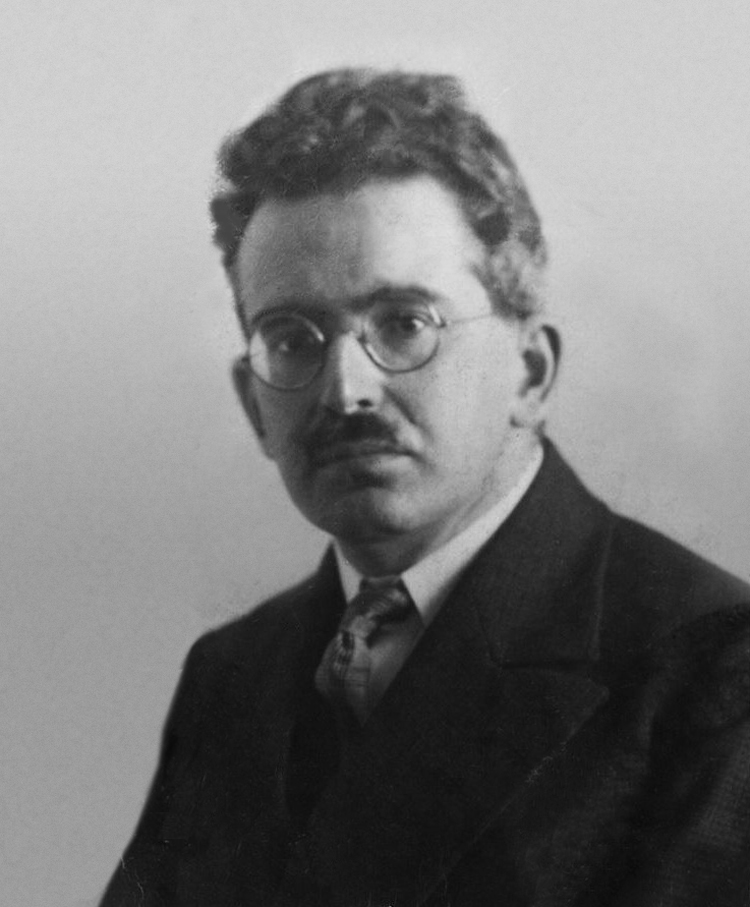 Photograph
Primary source
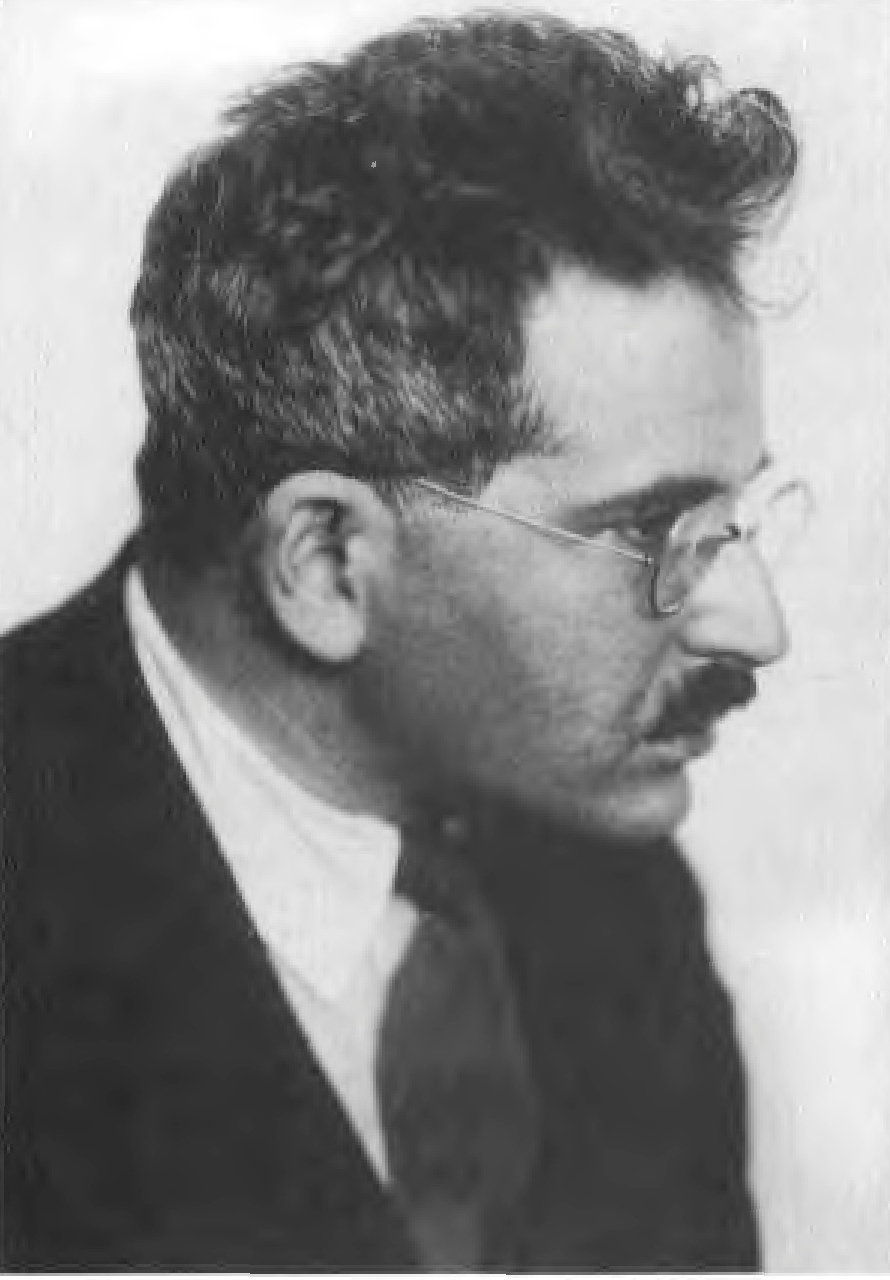
Portrait of Walter Benjamin
c. 1928
Free account
Read every Walter Benjamin source
Sign up free →
Ready when you are
Start chatting with Walter Benjamin now.
20 messages free · No credit card · Available in 50+ languages.