


Primary sourceBook1935
The Work of Art in the Age of Mechanical Reproduction
Walter Benjamin · 1935
Benjamin's 1935 essay arguing that mechanical reproduction strips art of its 'aura' and warning against fascism's aestheticization of politics.
Benjamin's most famous essay, his central statement on art, technology and the politics of fascism.
Free Humy account · No credit card · 120,912 sources to read
About this source
What it is
This is an essay by the German critic Walter Benjamin, first drafted in 1935 and written during the Nazi régime in Germany. It is one of the most influential works of 20th-century cultural criticism.
Why it matters
Benjamin argues that photography and film change what art is, because copies can be made without limit. He says a reproduced work loses its 'aura' — its unique presence in time and place. He warns that without this aura, politics itself can be turned into spectacle, as fascist regimes were doing with mass rallies and propaganda film at the time he wrote. The essay reveals Benjamin as a thinker trying to understand new media technologies and their political dangers in a moment of crisis.
Look closer
- Why might Benjamin have been especially worried about art and politics in the mid-1930s?
- What does he mean by an artwork's 'aura', and can you think of examples today?
- How might his ideas apply to digital images and video shared endlessly online?
This book is part of the curated material that grounds the AI version of Walter Benjamin on Humy.ai — when students ask about related events, the AI can quote it and cite it.
More Walter Benjamin sources
Browse all 75 →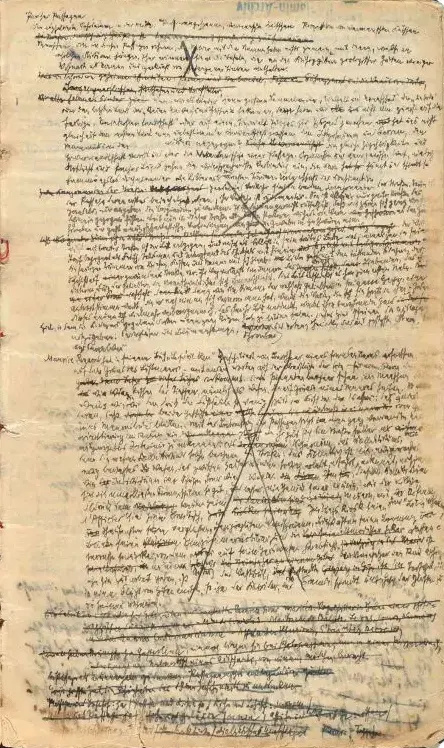 Document
Primary source
The Arcades Project
Walter Benjamin · 1927–1940
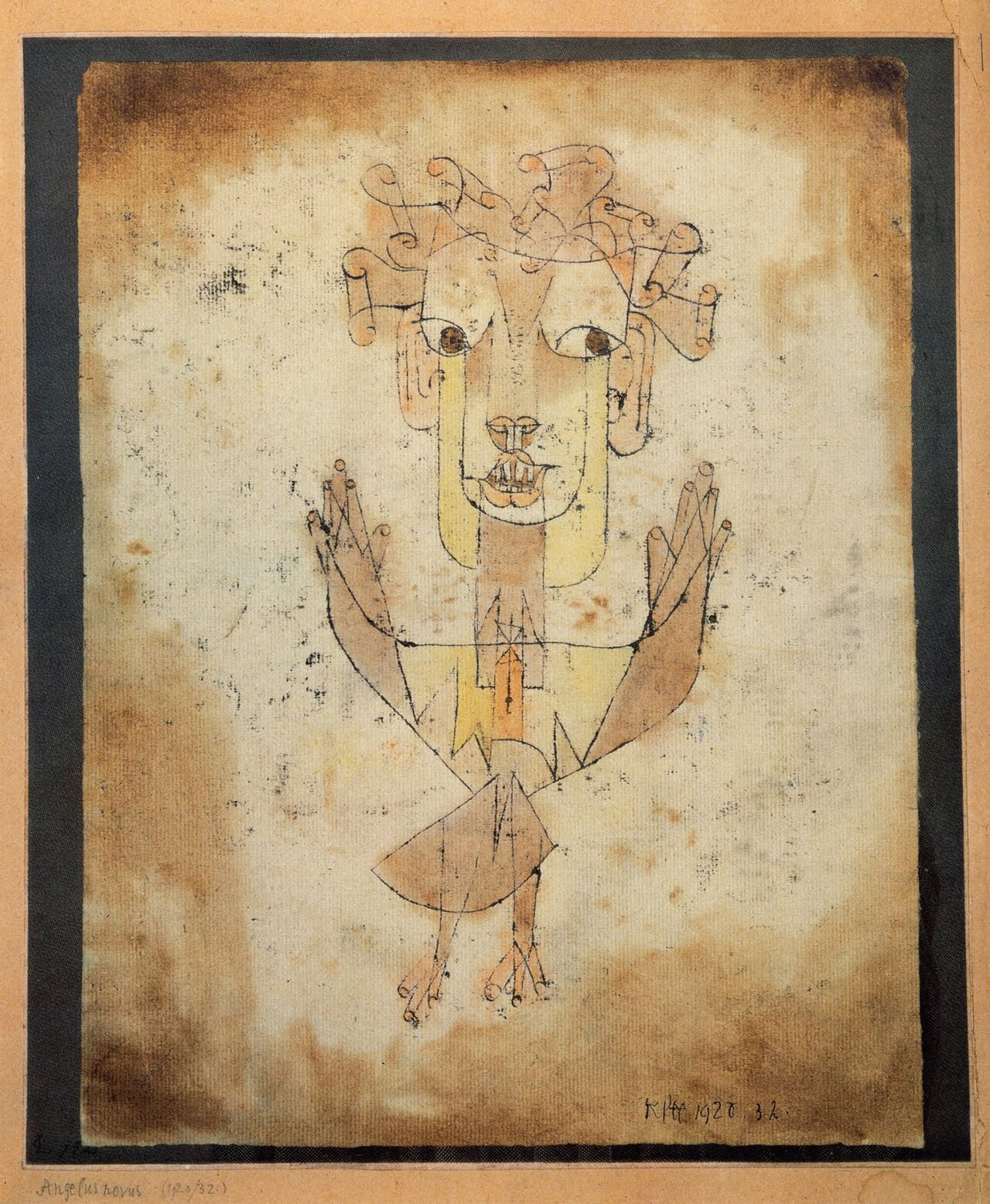 Painting
Primary source
Angelus Novus
Paul Klee · 1920
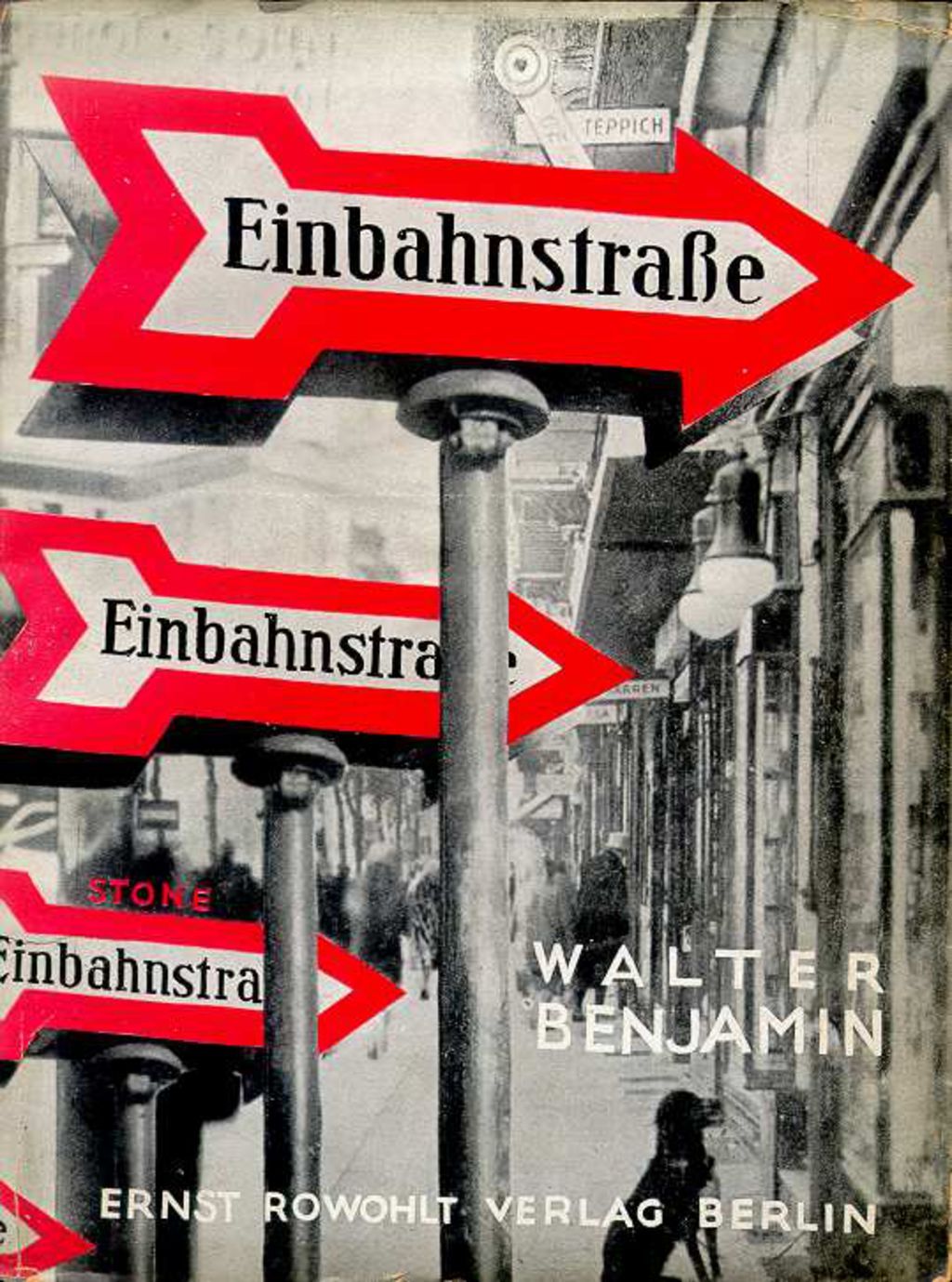 Book
Primary source
One-Way Street
Walter Benjamin · 1928
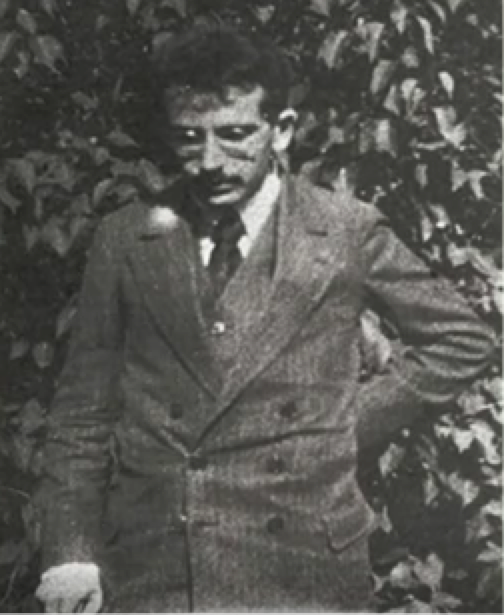
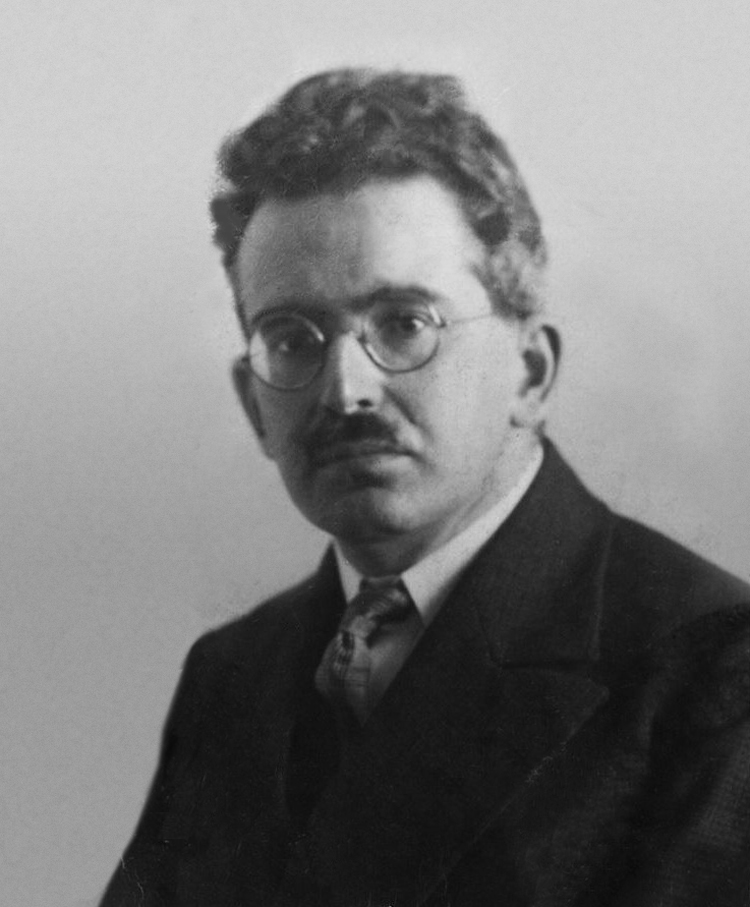 Photograph
Primary source
Portrait of Walter Benjamin
c. 1928
Free account
Read every Walter Benjamin source
Sign up free →
Ready when you are
Start chatting with Walter Benjamin now.
20 messages free · No credit card · Available in 50+ languages.