


Secondary sourcePainting1838
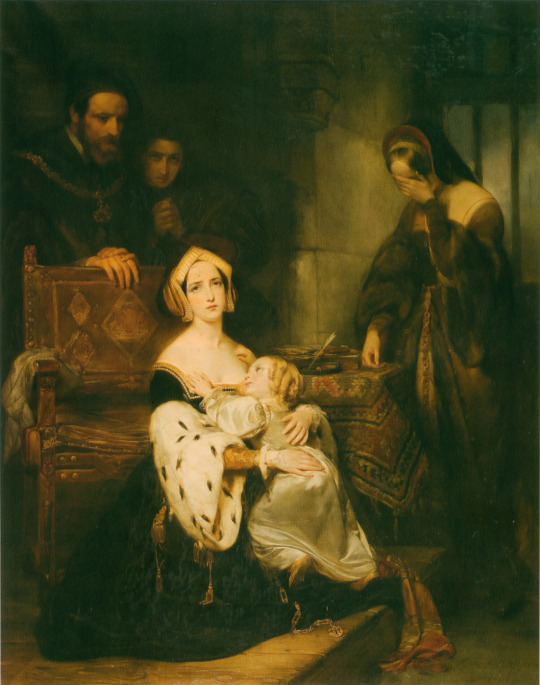
Anne Boleyn with her daughter Princess Elizabeth
Gustaaf Wappers · 1838
A 19th-century history painting imagining Anne Boleyn's farewell to her young daughter, the future Elizabeth I.
This imagined scene shows Anne Boleyn saying farewell to her daughter Elizabeth before her execution.
About this source
What it is
This painting by Gustaaf Wappers, made in 1838, shows Anne Boleyn embracing her daughter, Princess Elizabeth, who later became Queen Elizabeth I. A man and a veiled, grieving woman stand nearby, and a barred window suggests imprisonment.
Why it matters
Painted three centuries after Anne Boleyn's death, this work reflects the Victorian-era fascination with her tragic story. It imagines an emotional farewell between mother and daughter before Anne's execution, a scene often used to highlight the human cost of Tudor politics for both Anne and the young Elizabeth.
Look closer
- What details in the painting suggest sadness or danger?
- Why might an artist in the 1830s choose to paint this particular moment from Anne Boleyn's life?
- Since no one recorded this exact scene at the time, how much of it do you think is imagined?
This painting is part of the curated material that grounds the AI version of Ann Boleyn on Humy.ai — when students ask about related events, the AI can quote it and cite it.
More Ann Boleyn sources
Meet the AI Ann Boleyn →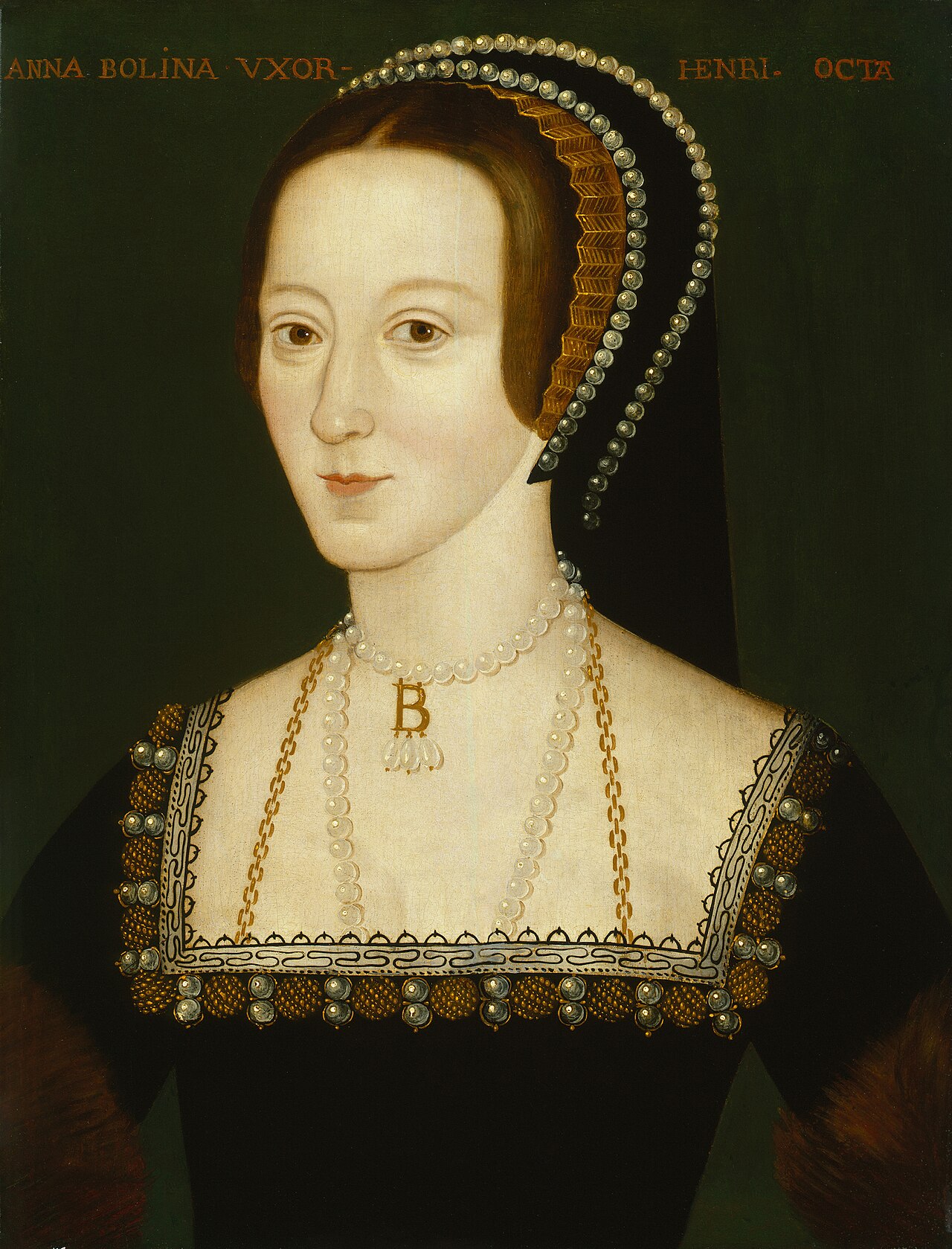 Painting
Secondary source
Anne Boleyn
Unknown artist · late 16th century (copy of lost original)
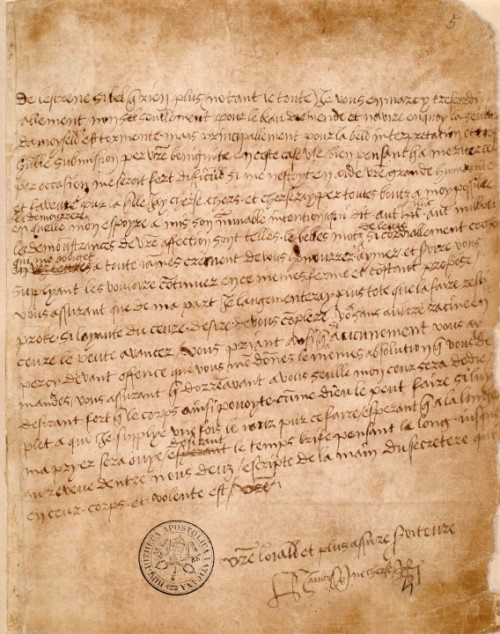 Letter
Primary source
Love letters of Henry VIII to Anne Boleyn
Henry VIII · c. 1527–1528
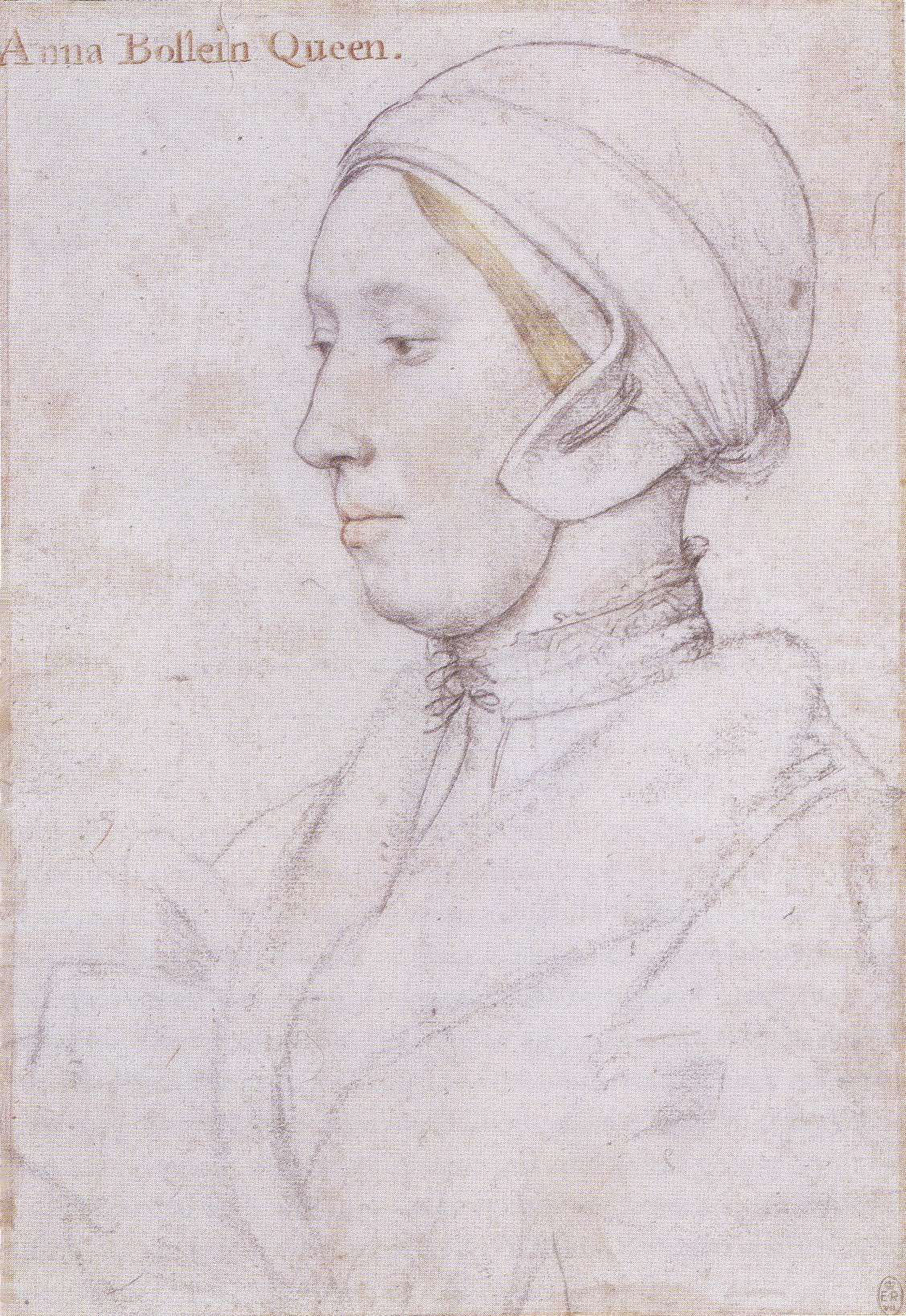 Painting
Primary source
Anna Bollein Queen
Hans Holbein the Younger · c. 1533–1536
 Painting
Primary source
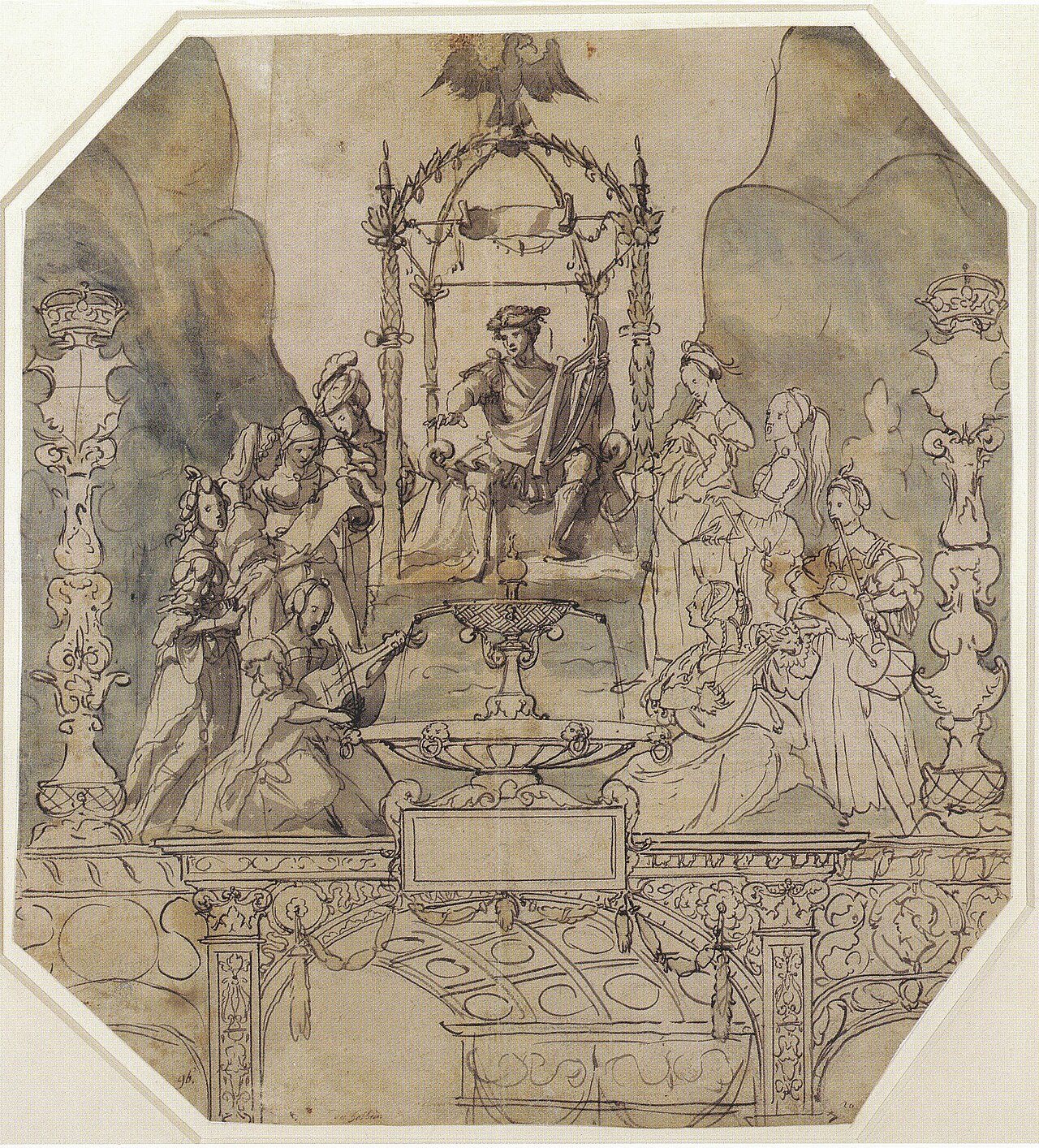
Apollo and the Muses on Parnassus
Hans Holbein the Younger · 1533
 Document
Primary source
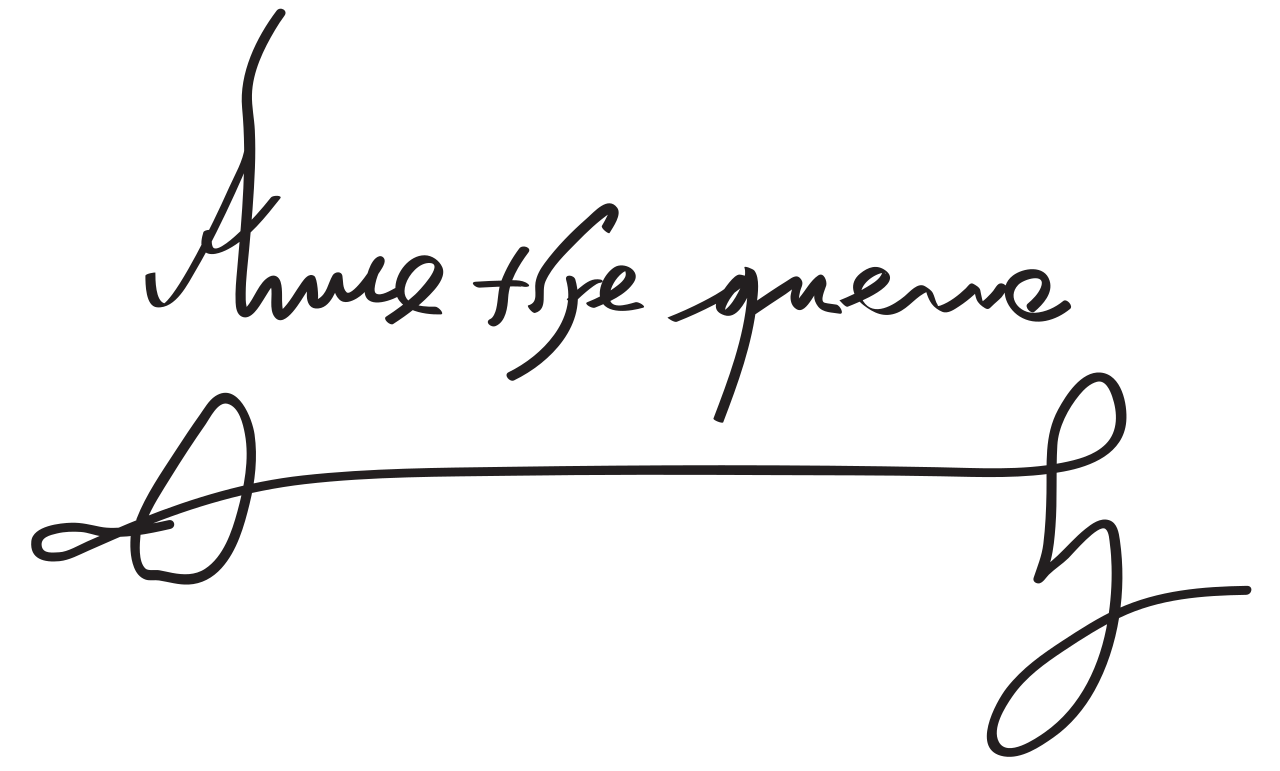
Signature of Anne Boleyn
Anne Boleyn
Ready when you are
Start chatting with Ann Boleyn now.
20 messages free · No credit card · Available in 50+ languages.