


Secondary sourcePaintingbetween 1664 and 1712
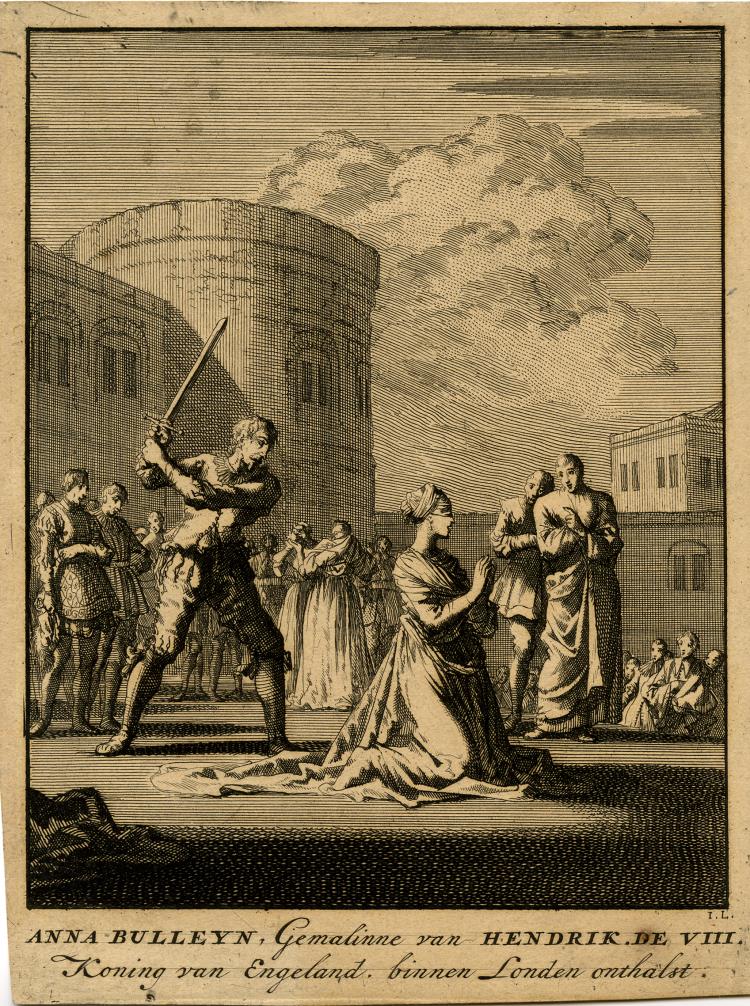
Anne Boleyn's Execution
Jan Luyken · between 1664 and 1712
A later etching depicting the beheading of Anne Boleyn at the Tower of London, with a Dutch caption naming her.
This etching depicts Anne Boleyn's execution, a key event remembered across later European art.
About this source
What it is
This etching by Jan Luyken, made sometime between 1664 and 1712, shows the execution of Anne Boleyn at the Tower of London. A Dutch caption identifies her as wife of King Henry VIII, beheaded in London.
Why it matters
Anne Boleyn was executed in 1536 on charges brought against her by Henry VIII. This etching, made over a century later, reflects how her death became a famous and retold story across Europe, shaping her later reputation.
Look closer
- Why might an artist from another country, working long after the event, choose to depict this scene?
- What does the composition emphasise: the executioner, Anne, or the onlookers?
- How might the artist have imagined details he could not have witnessed?
This painting is part of the curated material that grounds the AI version of Ann Boleyn on Humy.ai — when students ask about related events, the AI can quote it and cite it.
More Ann Boleyn sources
Meet the AI Ann Boleyn →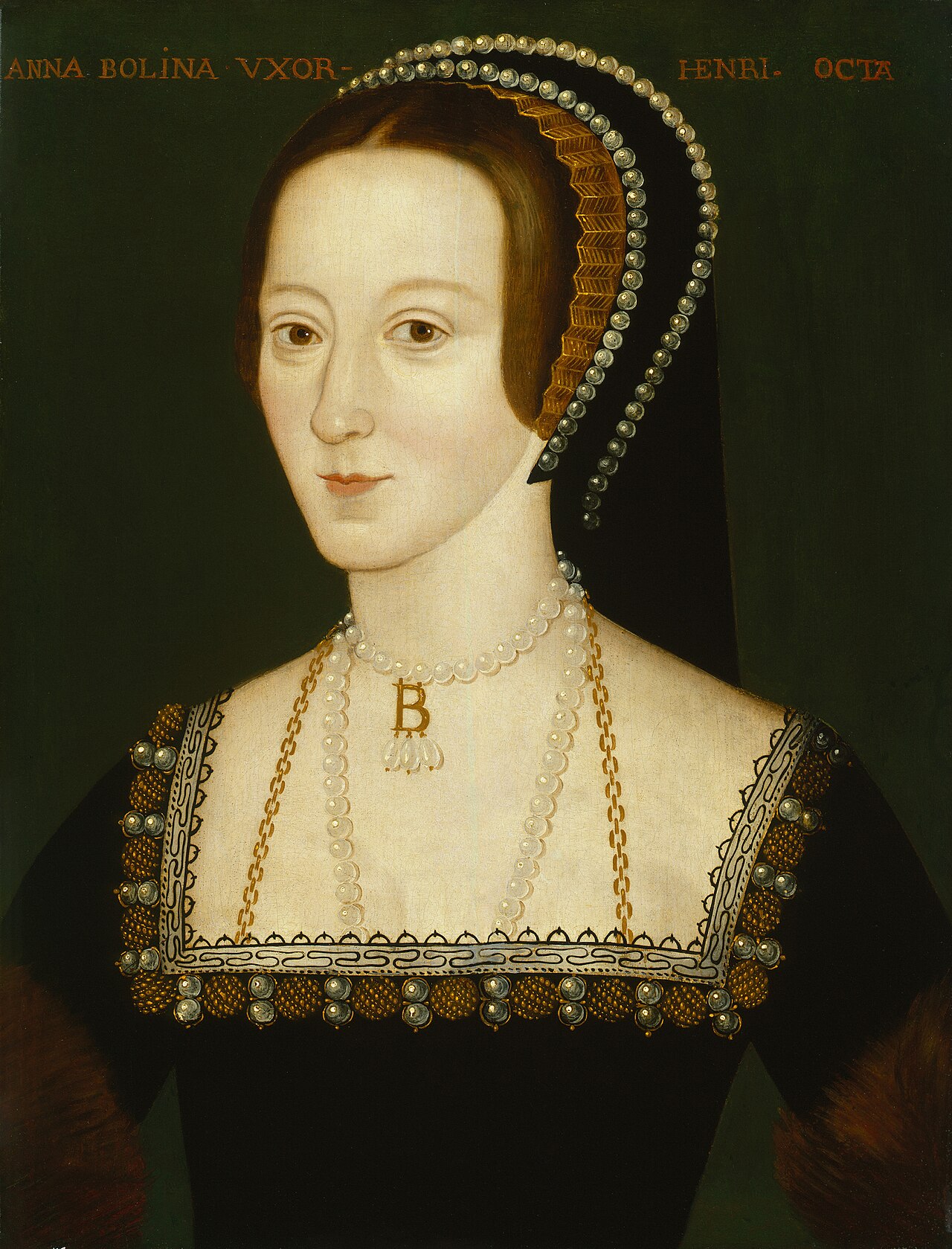 Painting
Secondary source
Anne Boleyn
Unknown artist · late 16th century (copy of lost original)
 Letter
Primary source
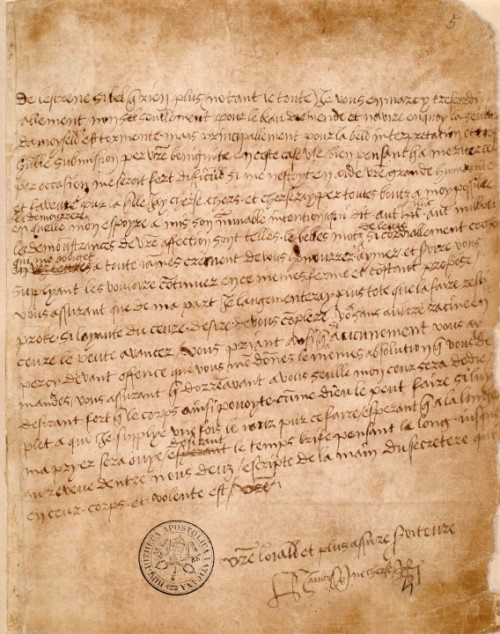
Love letters of Henry VIII to Anne Boleyn
Henry VIII · c. 1527–1528
 Painting
Primary source
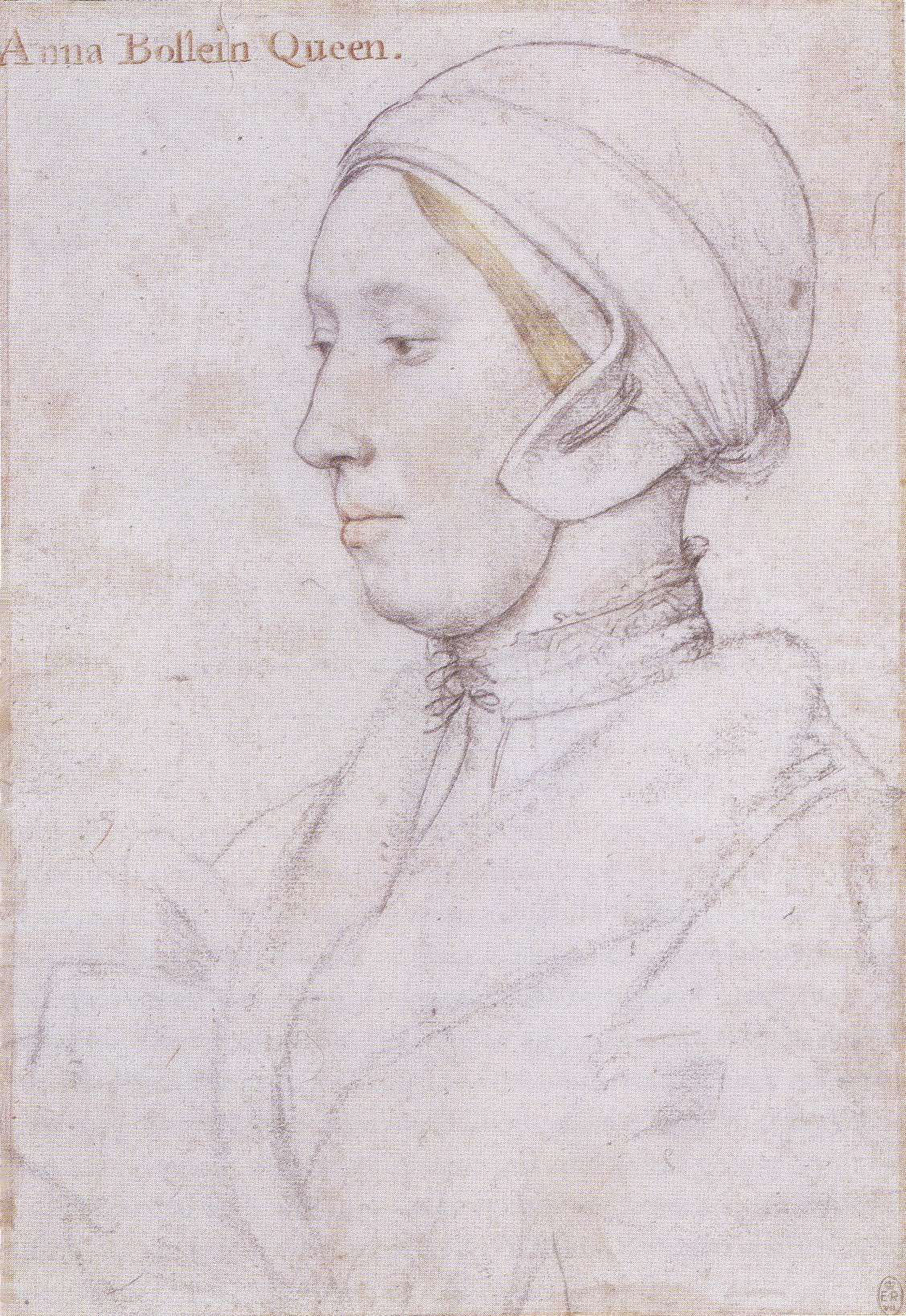
Anna Bollein Queen
Hans Holbein the Younger · c. 1533–1536
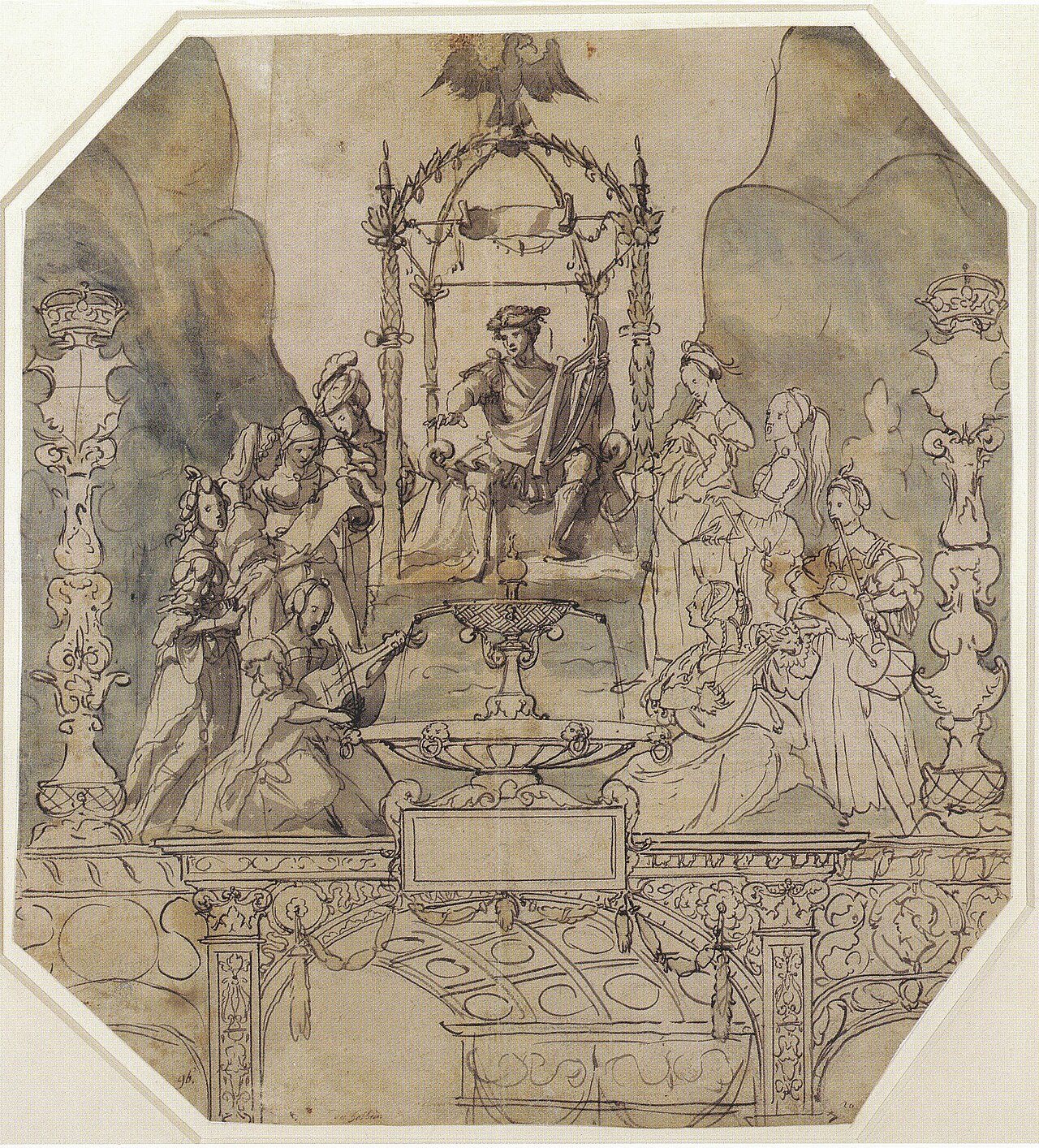 Painting
Primary source
Apollo and the Muses on Parnassus
Hans Holbein the Younger · 1533
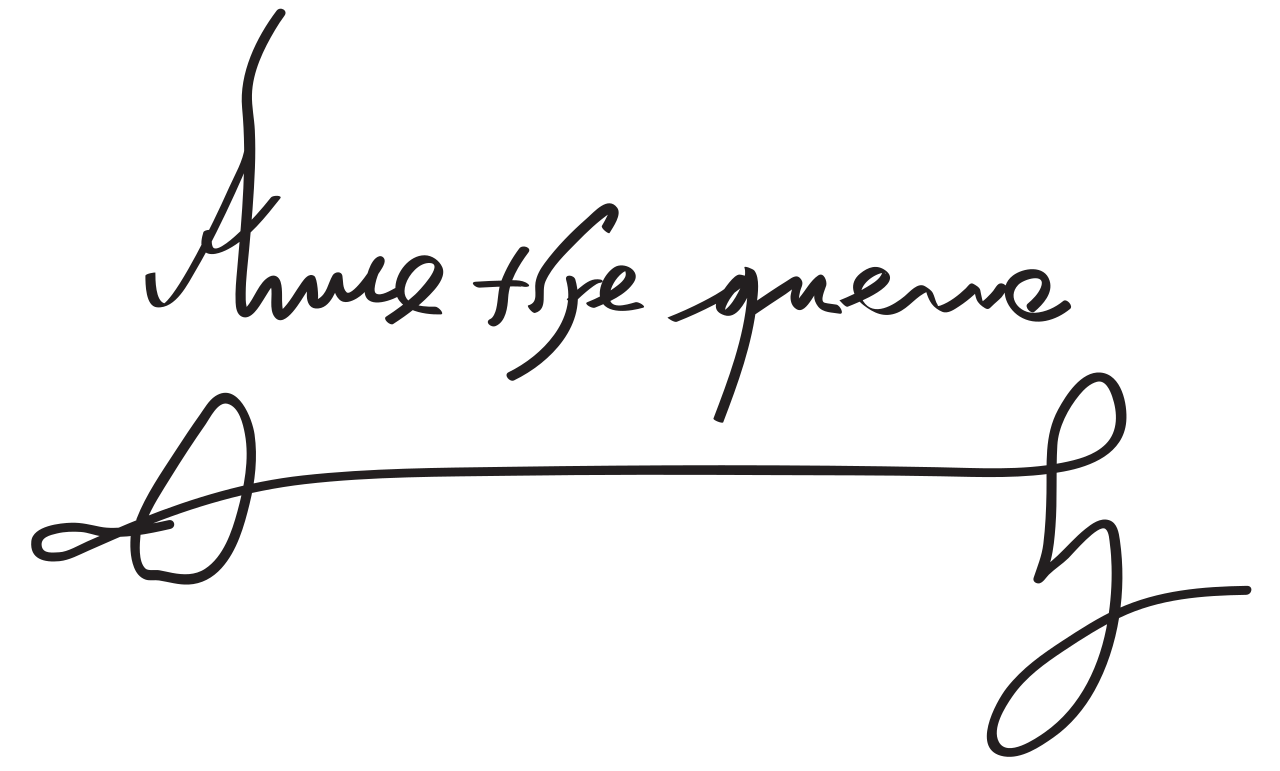 Document
Primary source
Signature of Anne Boleyn
Anne Boleyn
Ready when you are
Start chatting with Ann Boleyn now.
20 messages free · No credit card · Available in 50+ languages.