


Secondary sourcePainting19th century
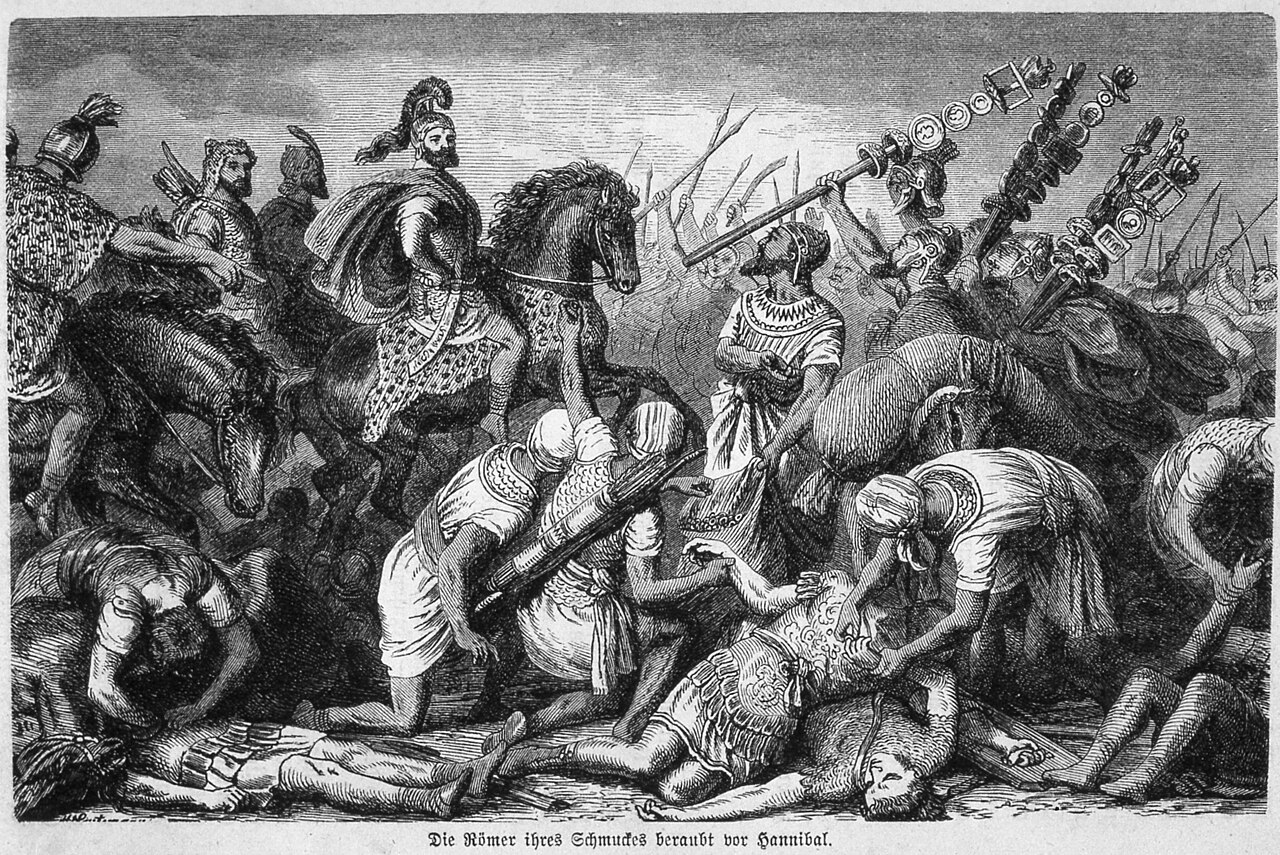
Annibale a Canne
Heinrich Leutemann · 19th century
A 19th-century engraving by Heinrich Leutemann depicting Hannibal's victory at the Battle of Cannae.
Depicts Hannibal's victory at Cannae, one of his most famous military triumphs over Rome.
About this source
What it is
This is a wood engraving by the 19th-century illustrator Heinrich Leutemann, with a German caption, showing the aftermath of the Battle of Cannae in 216 BC. A mounted commander, presumed to be Hannibal, appears at center while soldiers strip rings and jewelry from fallen bodies on the battlefield.
Why it matters
Cannae was one of Hannibal's greatest victories against Rome, and this widely reproduced image became the popular visual shorthand for the battle in later centuries. It shows how 19th-century audiences imagined the brutal scale of ancient warfare and Hannibal's triumph, even though the artist worked long after the event.
Look closer
- What does the stripping of valuables from the dead tell you about ancient battlefield practices as imagined by the artist?
- Why might the artist have chosen to depict the aftermath rather than the fighting itself?
- How reliable can an image made many centuries after the battle be as historical evidence?
This painting is part of the curated material that grounds the AI version of Hannibal Barca on Humy.ai — when students ask about related events, the AI can quote it and cite it.
More Hannibal Barca sources
Meet the AI Hannibal Barca →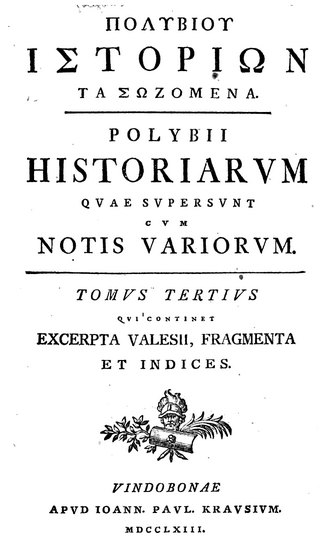 Book
Secondary source
The Histories
Polybius · c. 150 BCE
 Book
Primary source
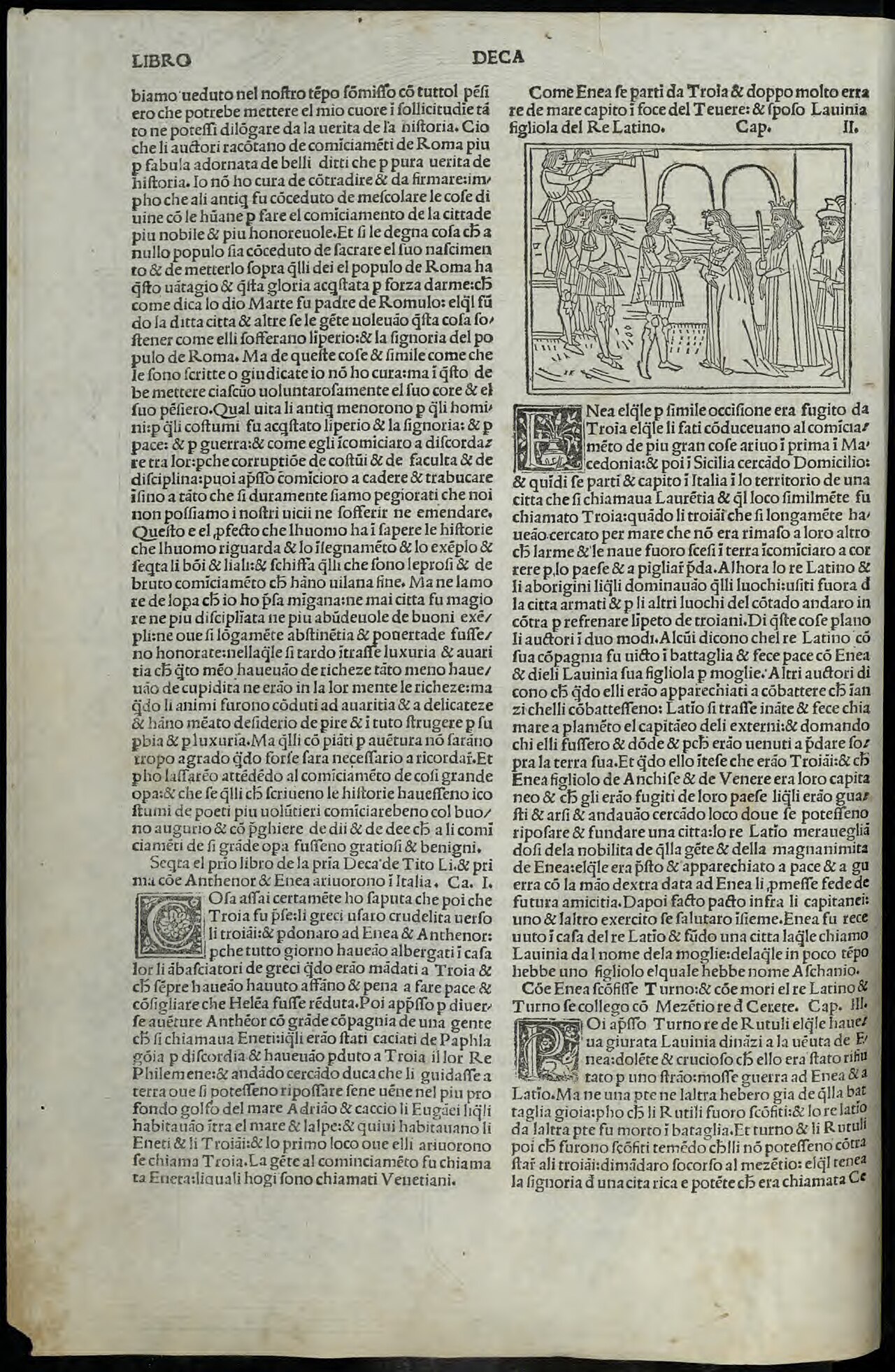
History of Rome
Titus Livius · 27-9 BC
Secondary source
Life of Hannibal
Cornelius Nepos
 Book
Secondary source
The Hannibalic War and The Punic Wars (Libyca)
Appian of Alexandria · c. AD 150
 Sculpture
Secondary source
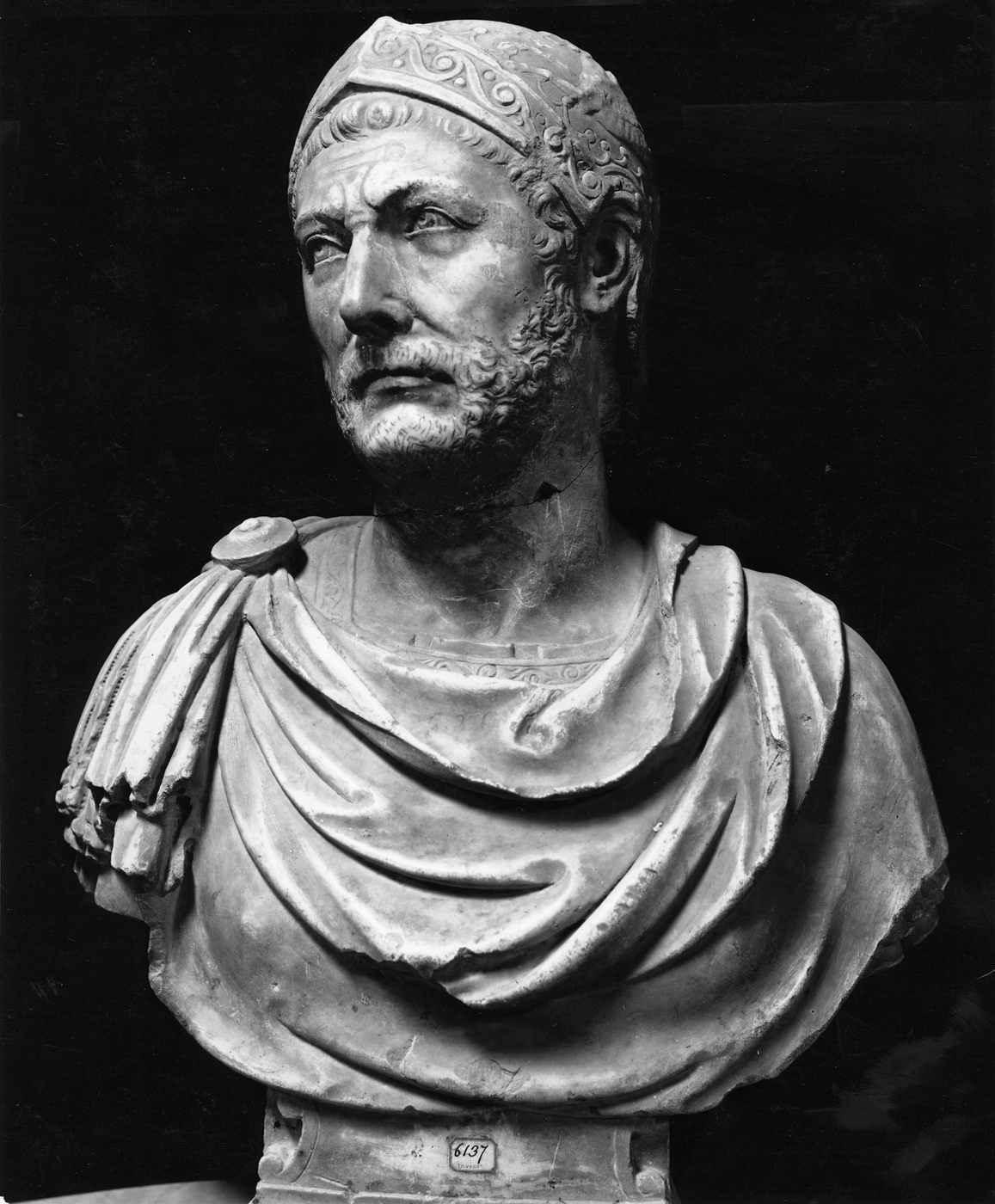
Capuan bust of Hannibal
1st century BC - 4th century AD
Ready when you are
Start chatting with Hannibal Barca now.
20 messages free · No credit card · Available in 50+ languages.