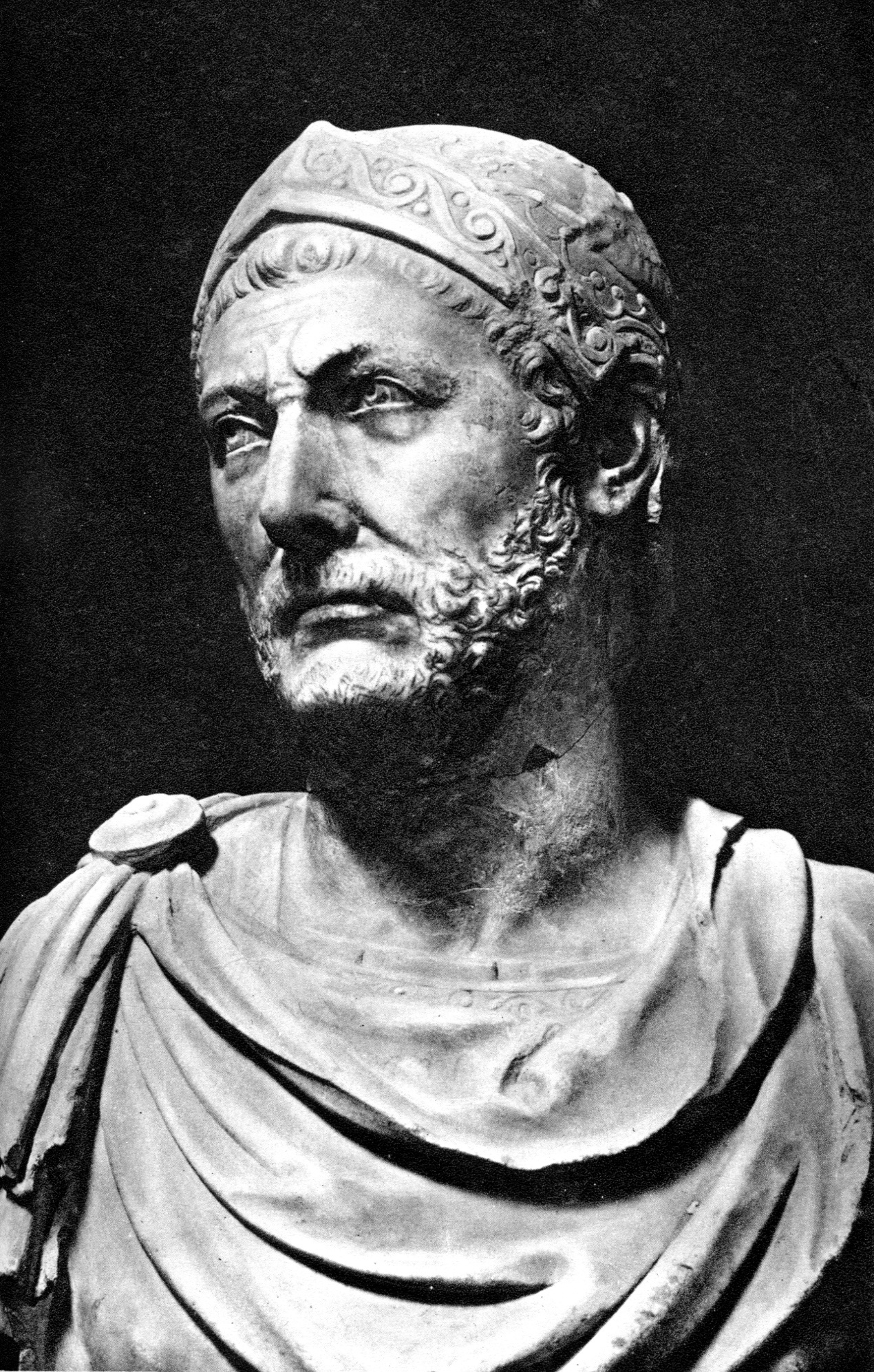
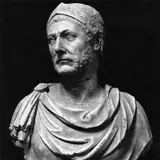
Portrait of Hannibal Barca

AI Historical Figure

Hannibal Barca

Carthaginian military commander and one of the greatest military strategists in history, known for his daring military tactics during the Second Punic War.

Chat with Hannibal Barca via text or voice — in 42 languages, drawing on a curated biography and 82 historical sources. Available 24/7.

Start chatting with Hannibal Barca20 messages free · No credit card
Lived
247–183 BCE
From
Tunisia
Known for
Politics & governmentMilitary
Hannibal Barca

Hannibal Barca

Online · responds in seconds

Hello — I'm Hannibal Barca. Carthaginian military commander and one of the greatest military strategists in history, known for his daring military tactics during the Second Punic War. What would you like to ask me?

20 messages free · No credit card · Powered by Humy.ai

Live preview · Switch between 42 languages above · Send a message to continue in the app

Multilingual

Talk to Hannibal Barca in 42 languages

Ask Hannibal Barca questions in any language below, and the rest of Humy's app speaks it too. Pick yours to open the chat in that language.

Also in German (Austria), German (Switzerland), English (UK), English (Australia), English (Canada).

The sources behind this AI

82 sources · 44 paintings · 28 books · 5 artifacts · 2 sculptures · 2 documents · 1 photograph

Hannibal Barca doesn’t improvise from thin air. The AI is grounded in 82 curated historical sources students can inspect. Open any of them to see what informs the conversation.

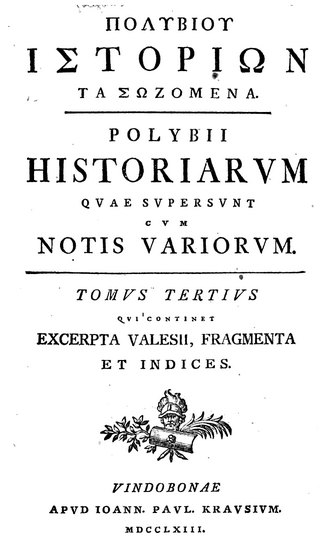
Title page of a 1763 Latin edition of Polybius's Histories: Greek title at top, then 'Polybii Historiarum Quae Supersunt cum Notis Variorum, Tomus Tertius', with 'Excerpta Valesii, Fragmenta et Indices', a crowned emblem, and 'Vindobonae, apud Joann. Paul. Krausium, MDCCLXIII' at bottom.Book

Secondary source

The Histories

Polybius · c. 150 BCE

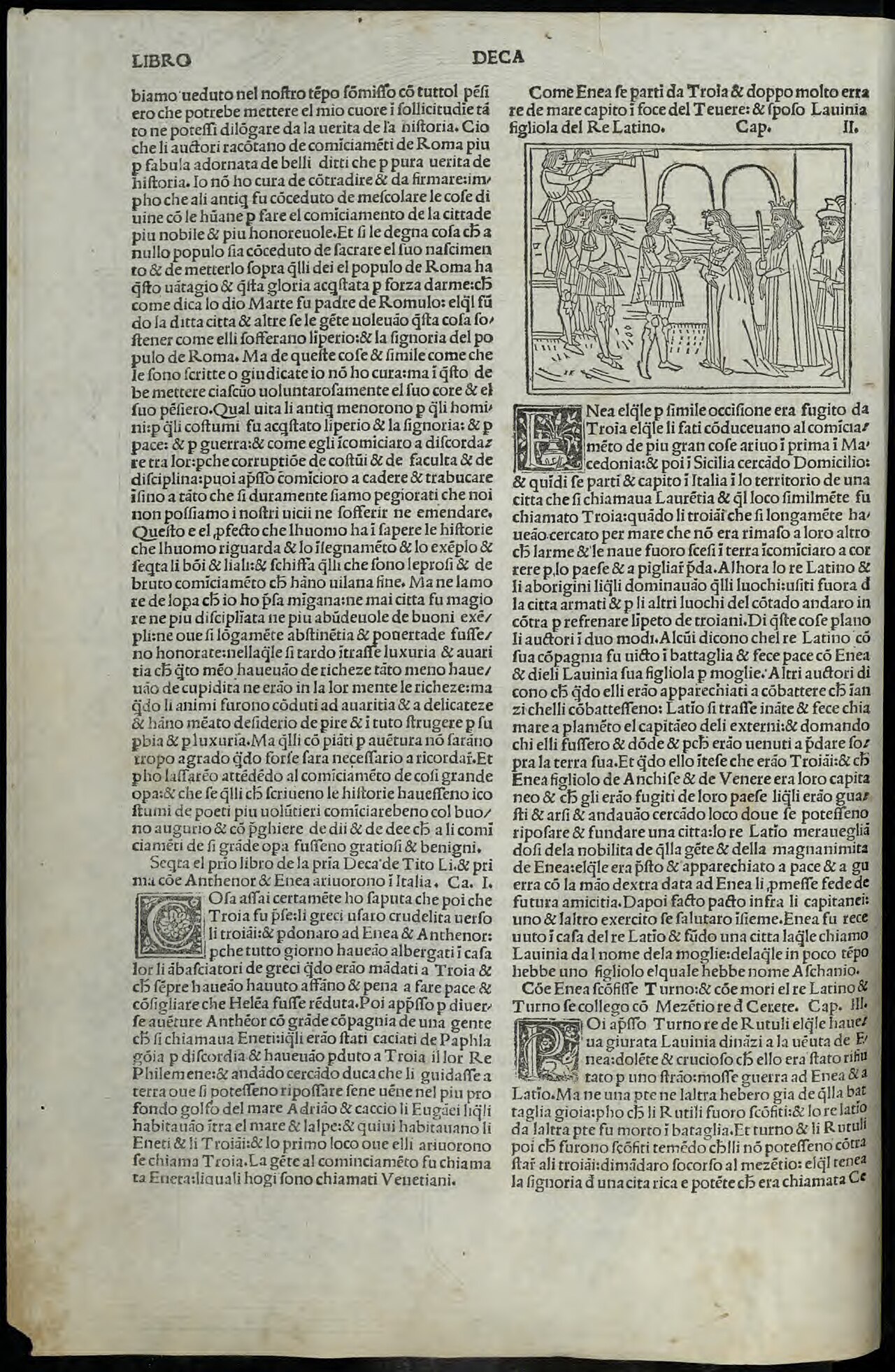
Scan of a printed page from a 1493 Venetian edition of Livy's Roman history, in Latin black-letter type with two woodcut illustrations. The left column reads 'LIBRO' and the right 'DECA' running heads. The top right woodcut shows figures in a scene with a bearded man and a woman.Book

Primary source

History of Rome

Titus Livius · 27-9 BC

Book

Secondary source

Life of Hannibal

Cornelius Nepos

Blue cloth book cover with a white library barcode label at the upper left. The label reads University of Toronto and a number, 31761 01797616 8. No title or author is visible.Book

Secondary source

The Hannibalic War and The Punic Wars (Libyca)

Appian of Alexandria · c. AD 150

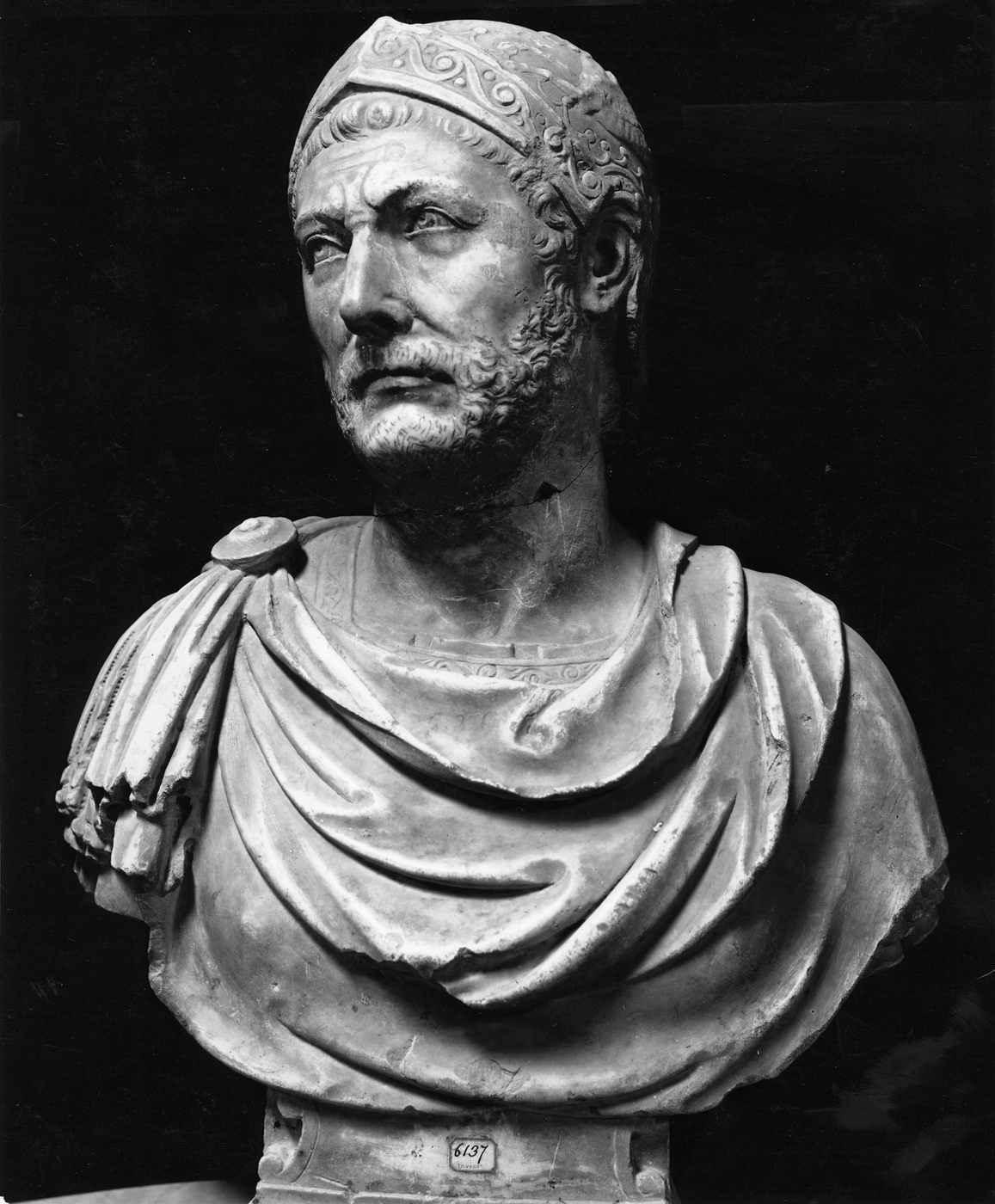
Black-and-white photograph of a marble bust of a bearded man wearing a decorated headband, gazing to his left, with a draped cloak over his shoulder. A small numbered label, 6137, is on the base.Sculpture

Secondary source

Capuan bust of Hannibal

1st century BC - 4th century AD

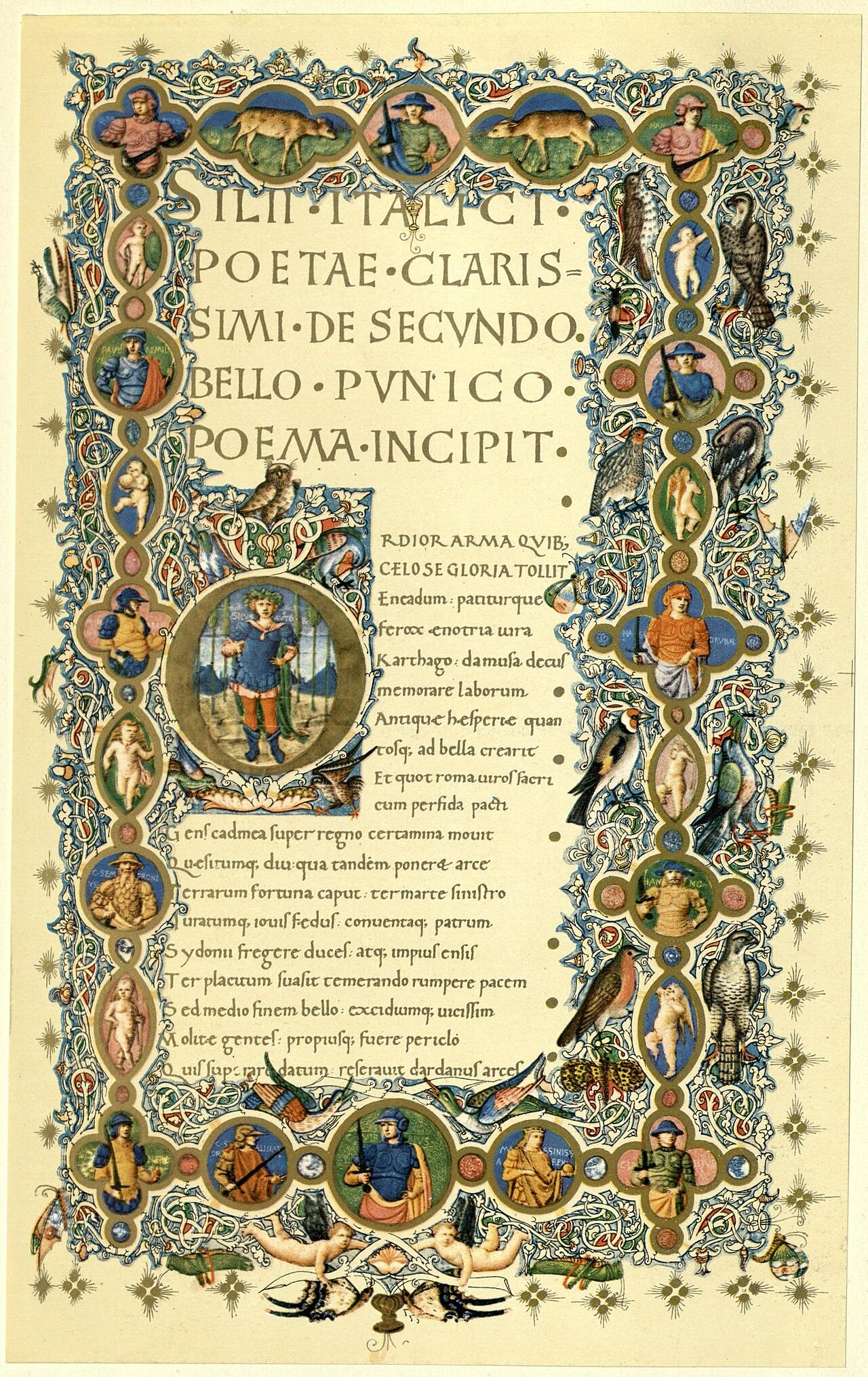
Illuminated manuscript page with a decorated border of medallions, birds, and figures, and a central initial with text in Latin capitals and lowercase reading 'Silii Italici poetae clarissimi de secundo bello punico poema incipit', followed by verse. A miniature of a young man in a forest appears in the initial.Book

Secondary source

Punica

Silius Italicus · c. 83-96 AD

Book

Secondary source

Satire 10

Juvenal · c. AD 120

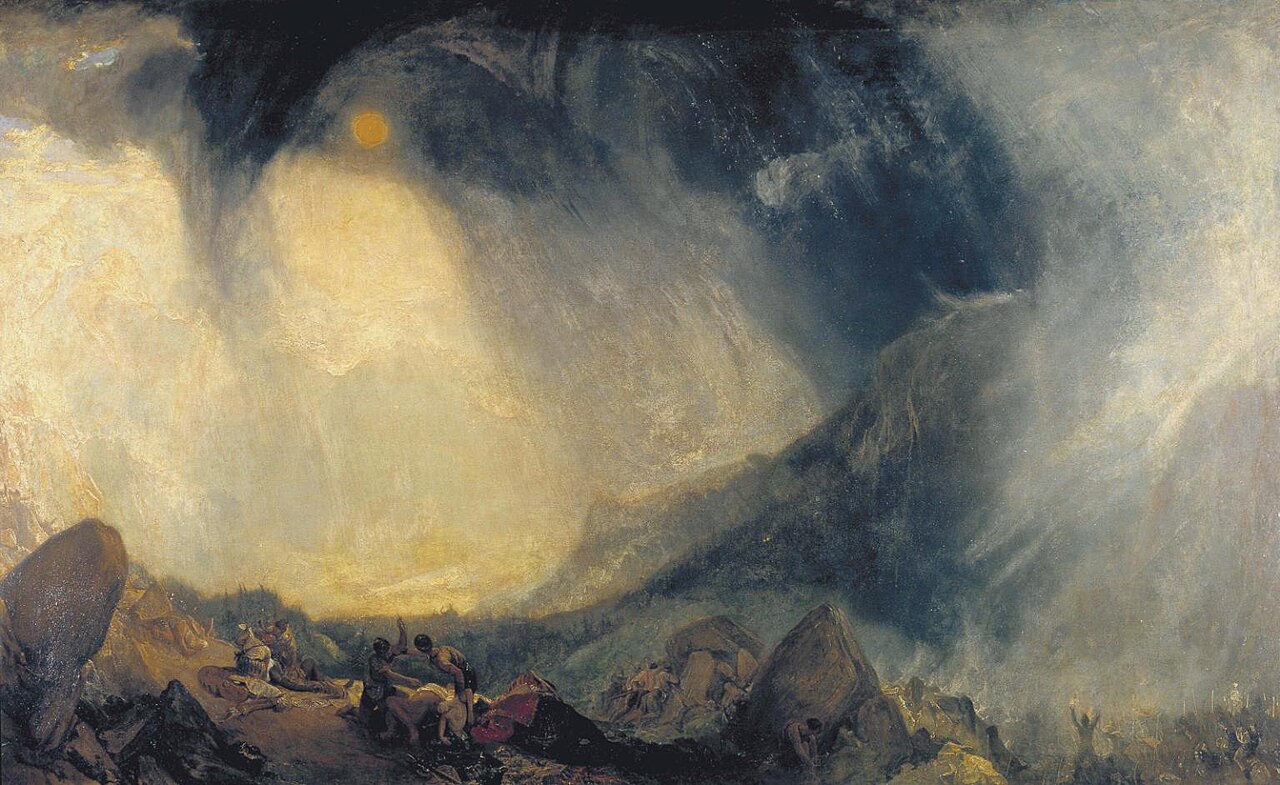
Painting of a violent snowstorm over a mountain pass. A pale yellow sun glows through dark swirling clouds at upper left. In the foreground, small figures huddle among large dark rocks, some with arms raised, while a steep snowy slope descends into the valley.Painting

Secondary source

Snow Storm: Hannibal and his Army Crossing the Alps

J. M. W. Turner · 1812

Marbled paper endpaper with swirling bands of yellow, black, brown, and grey, bordered by a dark red-brown edge on the left and corners. It appears to be the inside cover of a book volume.Book

Secondary source

Life of Marcellus

Plutarch · c. 100 CE

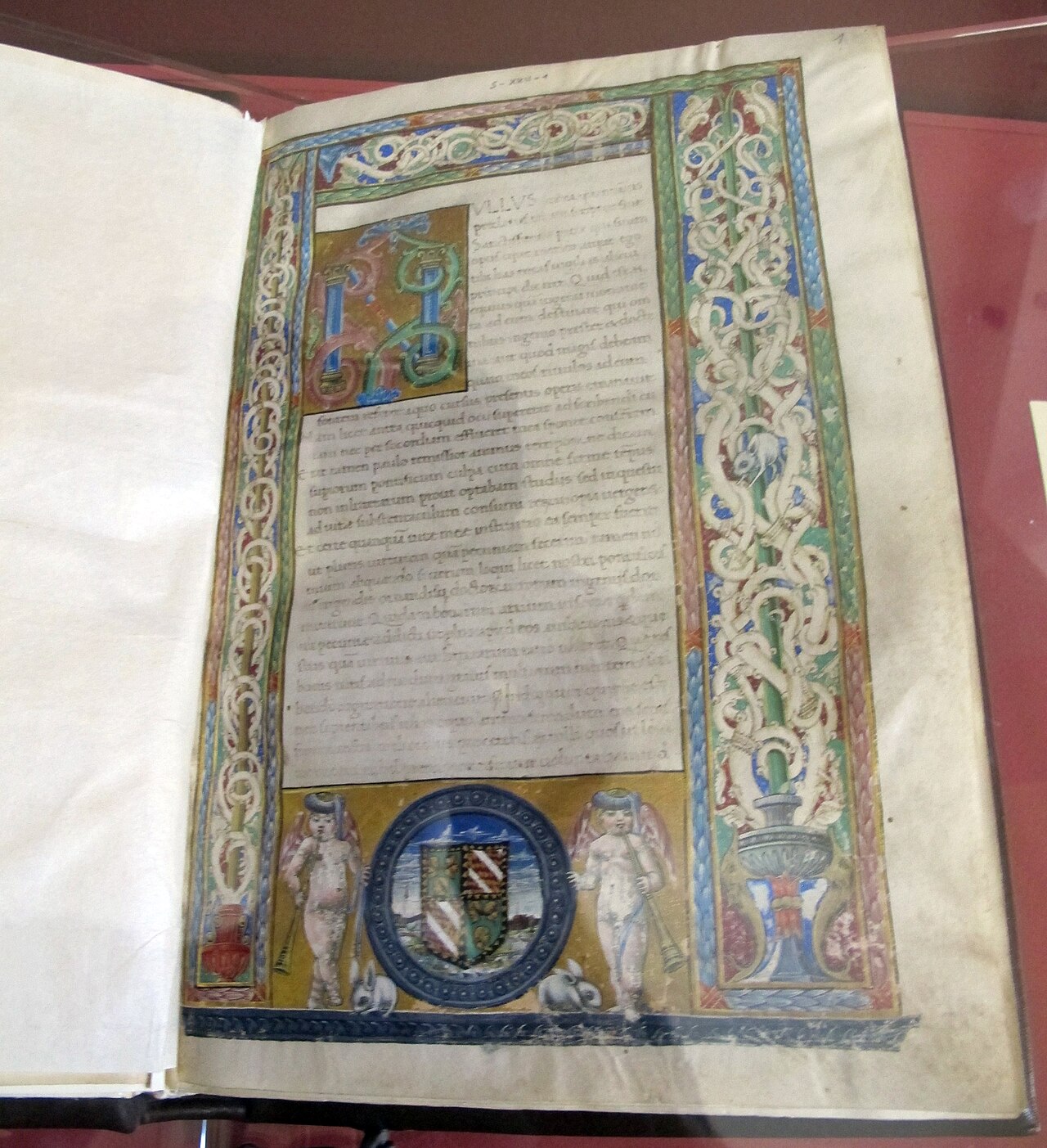
Open illuminated manuscript page on vellum in a display case, with a decorative border of foliage and interlace, a historiated initial, and a central text block in Latin script. A circular coat of arms with angels and rabbits appears at the bottom.Book

Secondary source

Bibliotheca Historica

Diodorus Siculus · 1st century BCE

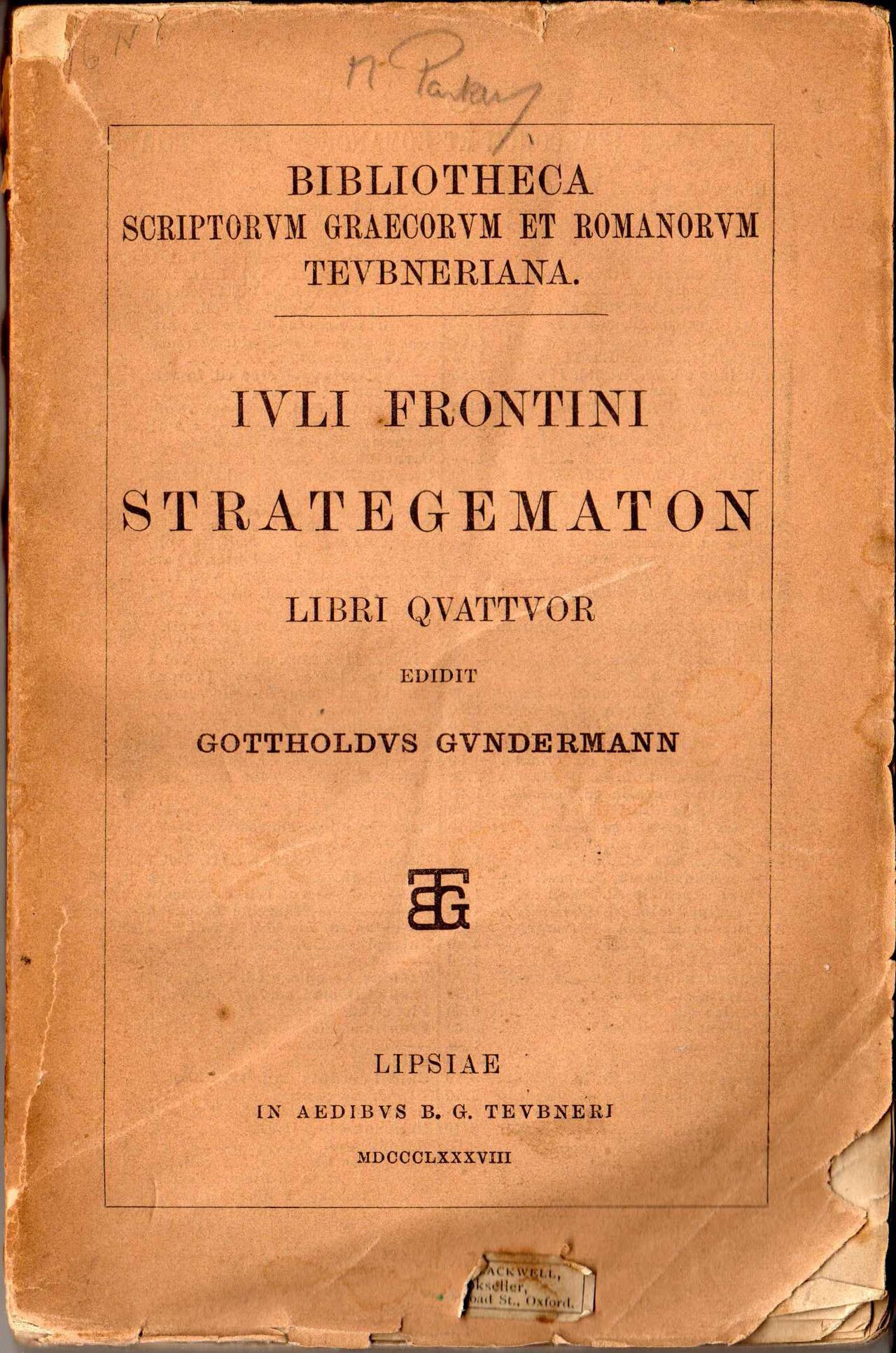
Scan of the cover of a Teubner edition of Iulius Frontinus' Strategemata, Libri Quattuor, edited by Gottholdus Gundermann, published in Leipzig in 1888 by B. G. Teubner. Tan paper, a handwritten note at top, and a bookseller label at bottom.Book

Secondary source

Strategemata

Frontinus · late 1st century AD

Book

Primary source

Poenulus

Plautus · between 195 and 189 BC

Black-and-white photograph of a marble bust of a bearded man with curly hair and a decorated headband, wearing a draped garment over one shoulder, against a dark background. The man gazes to the side with a stern expression.Photograph

Tertiary source

Portrait of Hannibal

19th century (reproduction of ancient bust type)

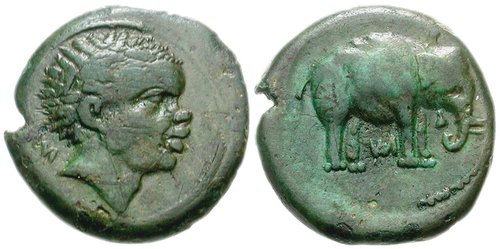
Two sides of a green-brown bronze coin. Obverse shows a laureate male head facing right with a prominent hooked nose and curly hair. Reverse shows a standing elephant facing right with its trunk raised, with a small mark below.Artifact

Primary source

Etruscan Coin Possibly Depicting Hannibal

c. 208-207 BC

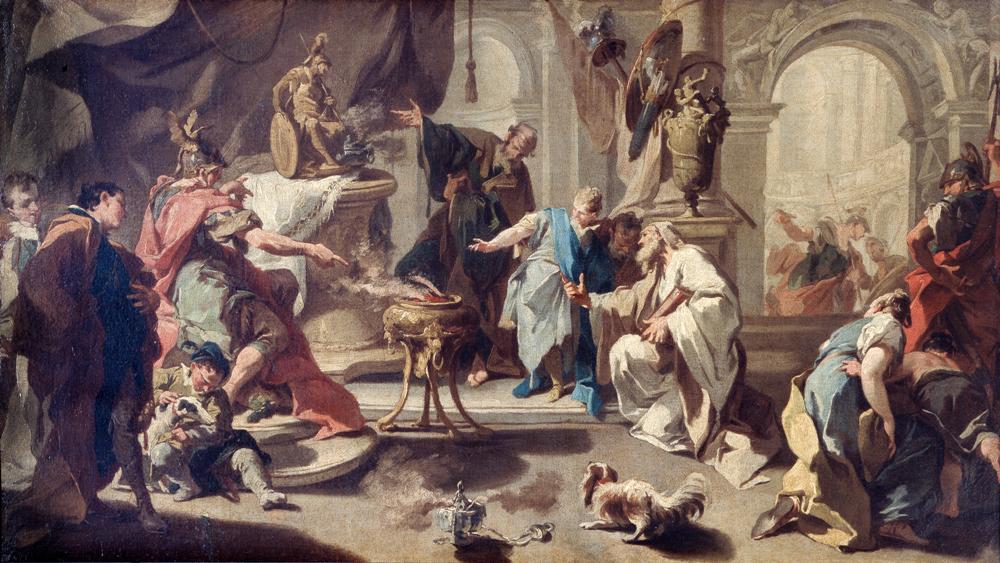
A baroque painting of a classical scene: a young boy in a cloak kneels by an altar with a flame, a robed man in white gestures toward a brazier on a tripod, while onlookers in togas and armor react in an arched colonnaded hall. A small dog sits at lower right.Painting

Secondary source

Hannibal Swearing Revenge Against the Romans

Giambattista Pittoni · 1723

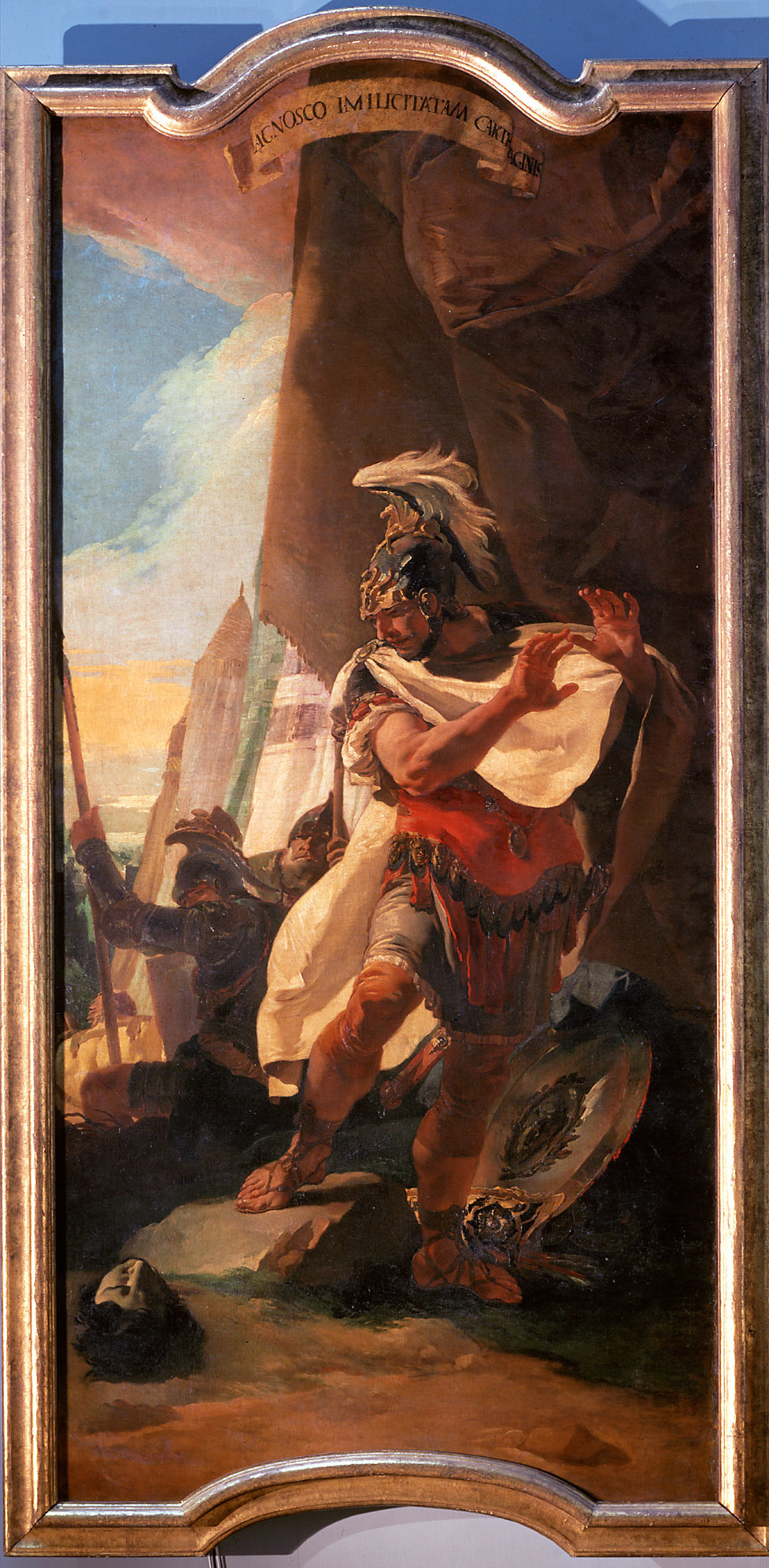
Painting in a gilded frame: a helmeted, plumed warrior in a red and white tunic gestures with raised hands toward a severed head on the ground at lower left. Two soldiers with spears stand behind him under a dark drape, with a banner above reading an inscription, and a round shield lies at his feet.Painting

Secondary source

Hannibal Recognises the Head of His Brother Hasdrubal

Giovanni Battista Tiepolo · 1729

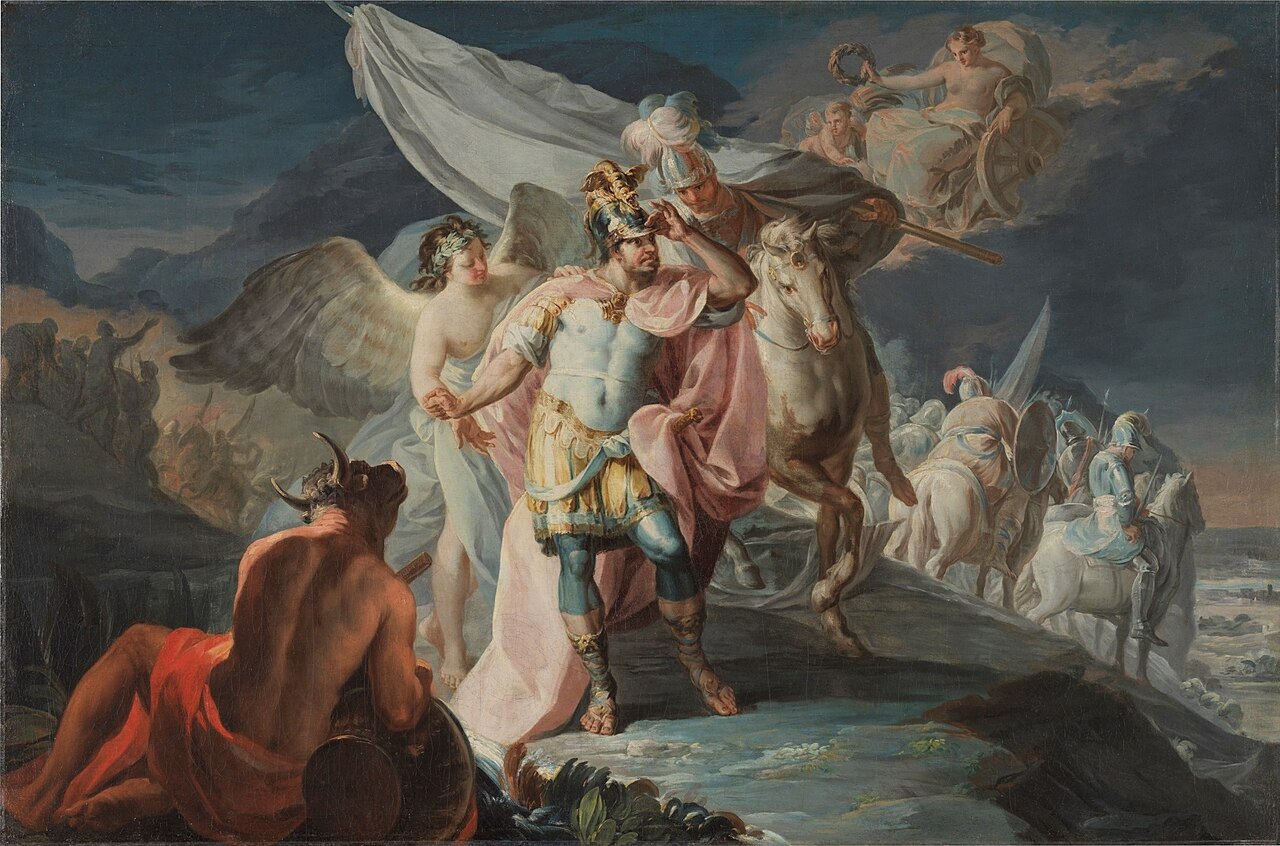
Oil painting of a helmeted, armored man standing on a rocky ridge, pointing forward with one hand while a winged female figure with a laurel wreath supports his arm. A bearded man on horseback stands behind him beside a white horse, and a horned, reclining figure sits at lower left. Soldiers on horses march along the ridge at right, and a winged figure with a wreath and chariot-like wheel floats in the clouds above. Stormy sky with a billowing white cloth.Painting

Secondary source

The Victorious Hannibal Seeing Italy from the Alps for the First Time

Francisco Goya · 1770-1771

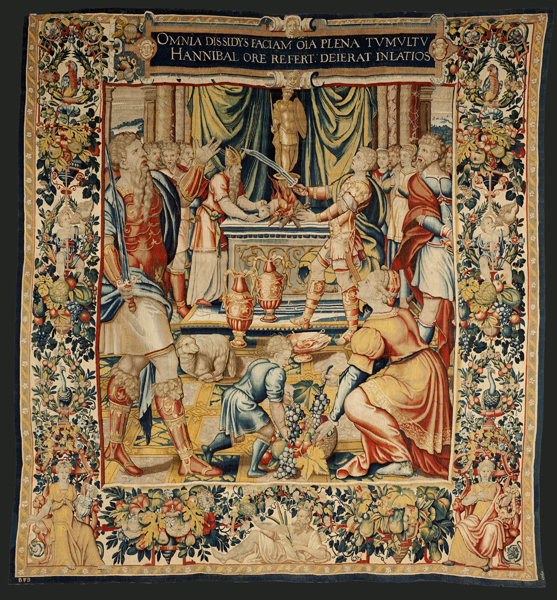
Flemish tapestry with a Latin inscription banner reading 'Omnia dissidys faciam olla plena tumultu Hannibal ore refert deierat inlatios'. Scene shows a figure in armor at center, a man in a feathered-plumed cloak at left, and a kneeling woman in yellow and red at right, with a stone altar holding two vessels, a bronze statue of a figure in a niche behind a curtain, and a dog in the lower foreground. Dense floral and fruit border with figures in the corners.Artifact

Secondary source

The History of Hannibal Tapestry

c. 1570

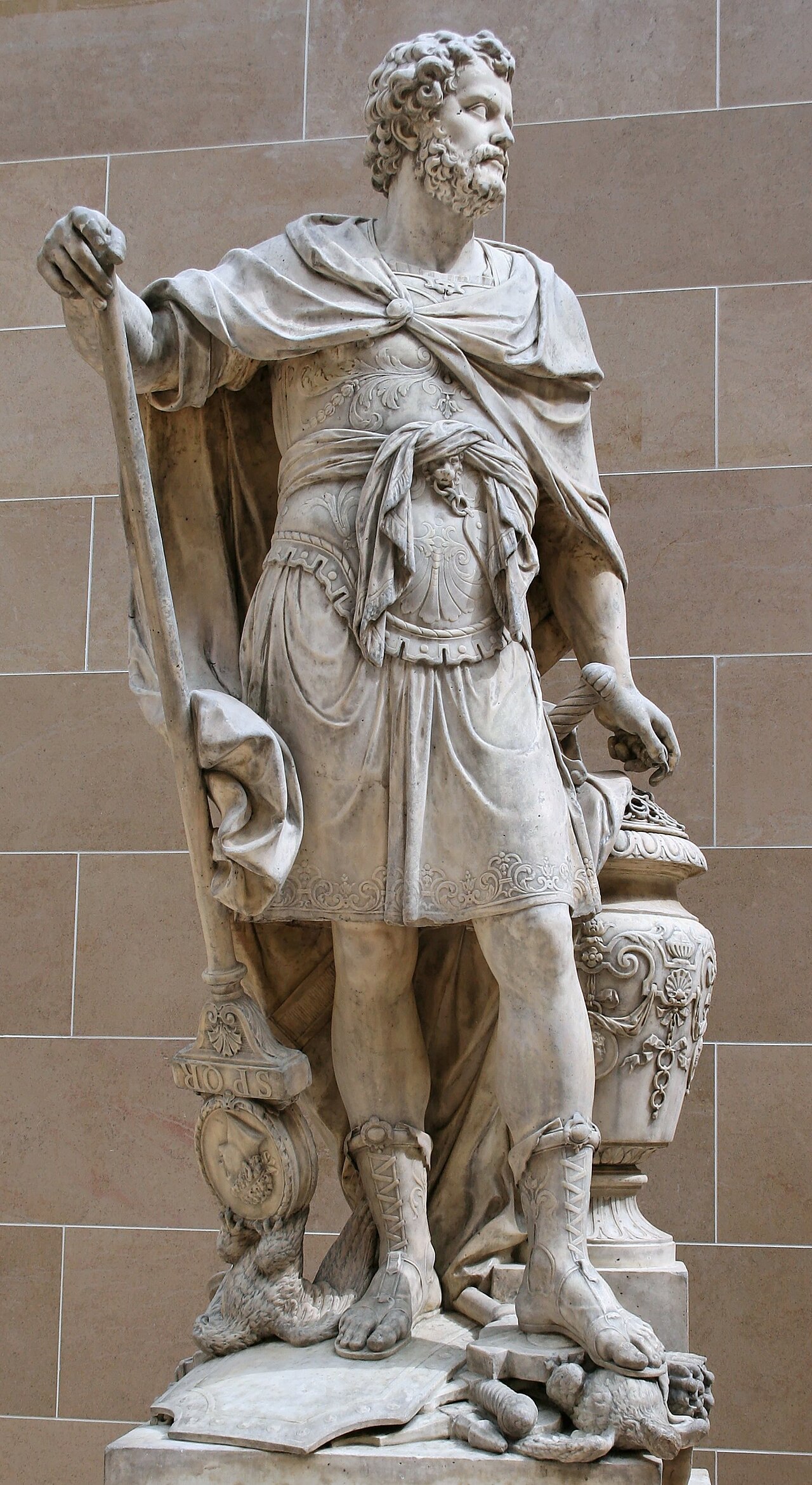
White marble statue of a bearded, curly-haired man in a cloak and armor, holding a long staff inscribed SPQR on a round shield, with a draped urn beside him and a lion at his feet.Sculpture

Secondary source

Hannibal

Sébastien Slodtz · 1704

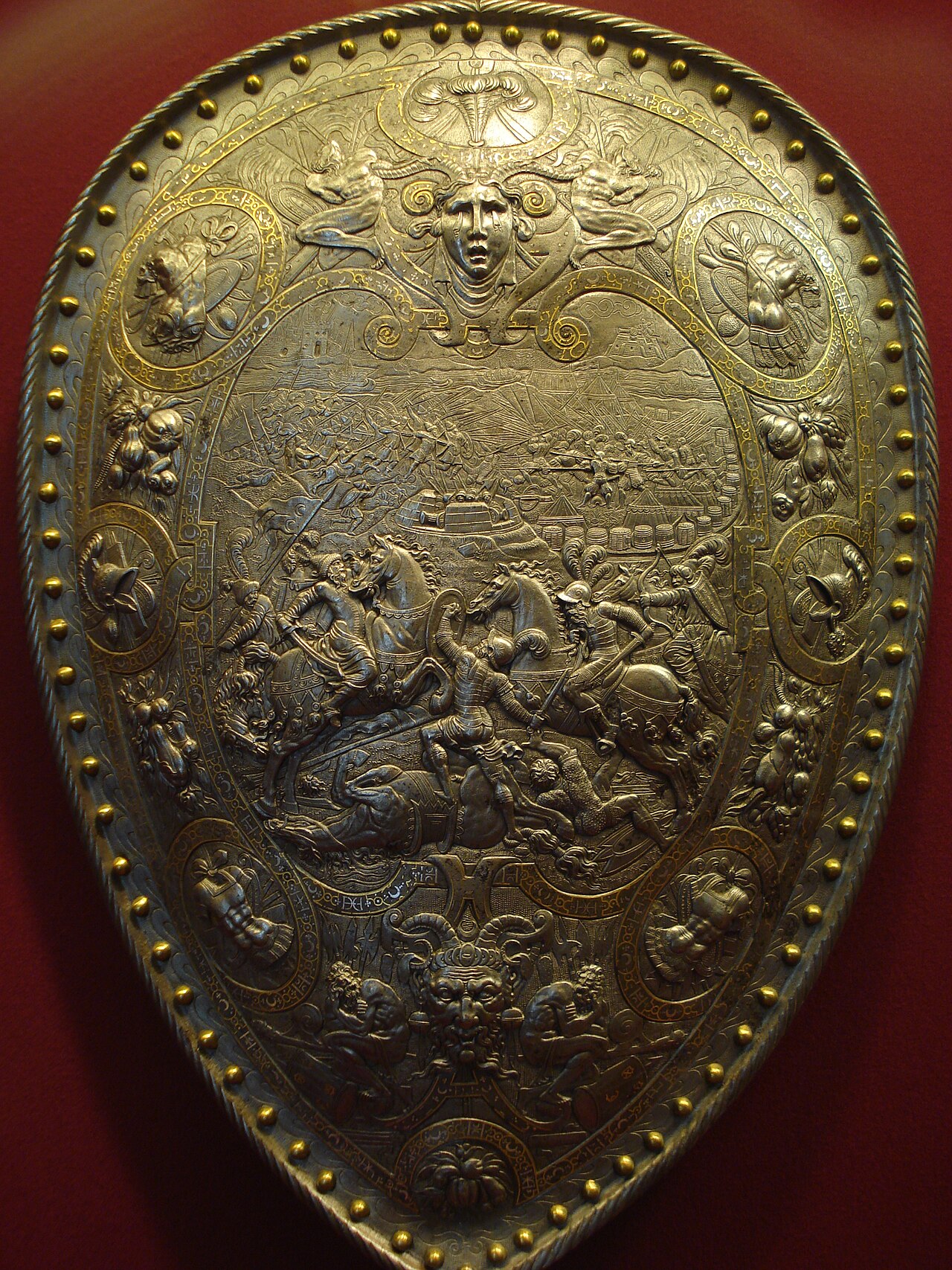
Photo of a teardrop-shaped steel shield with embossed and gilded decoration: a central battle scene of mounted and foot soldiers, a face at the top, and roundels around the border, set against a dark red background.Artifact

Secondary source

Shield of Henry II of France

Attributed to Étienne Delaune · 16th century

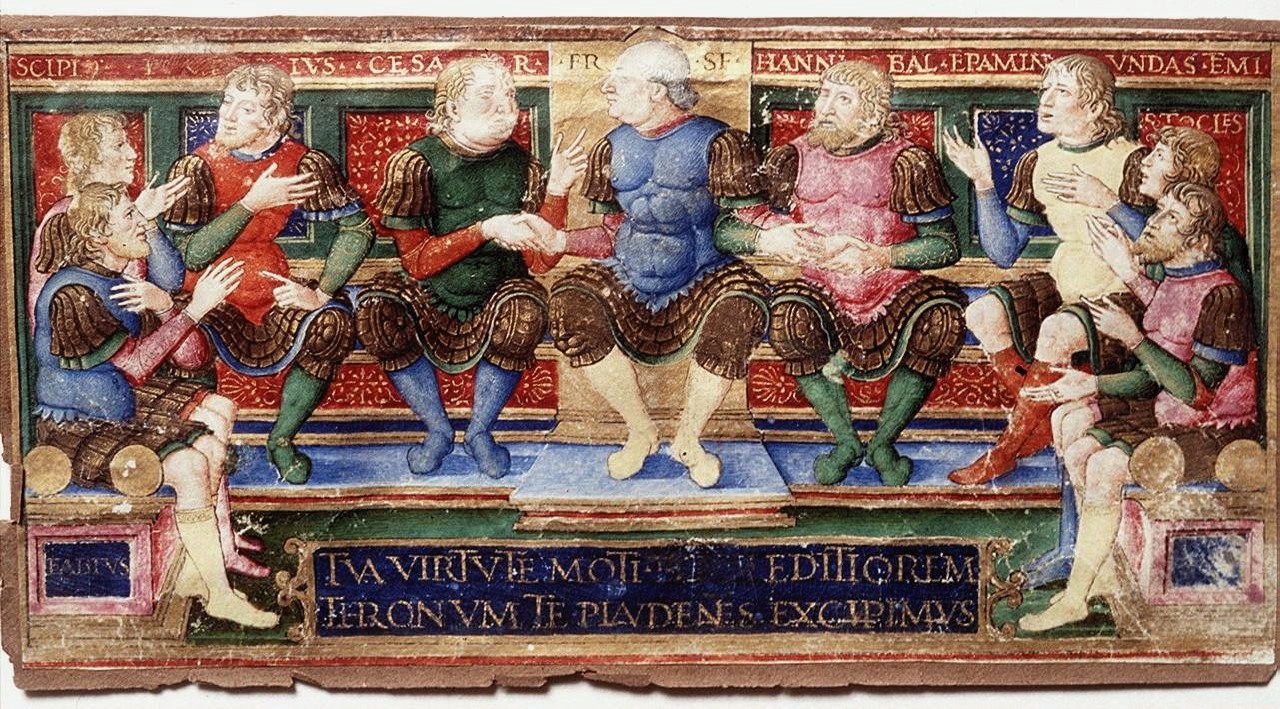
Painted miniature of eight ancient warriors seated on a bench with armor-shaped seats, shown in pairs shaking hands or gesturing. A ninth figure in blue armor stands centre, clasping hands. Inscriptions in Latin header and caption band.Painting

Secondary source

Francesco Sforza Among Famous Warriors

Attributed to Giovanni Pietro Birago · c. 1490

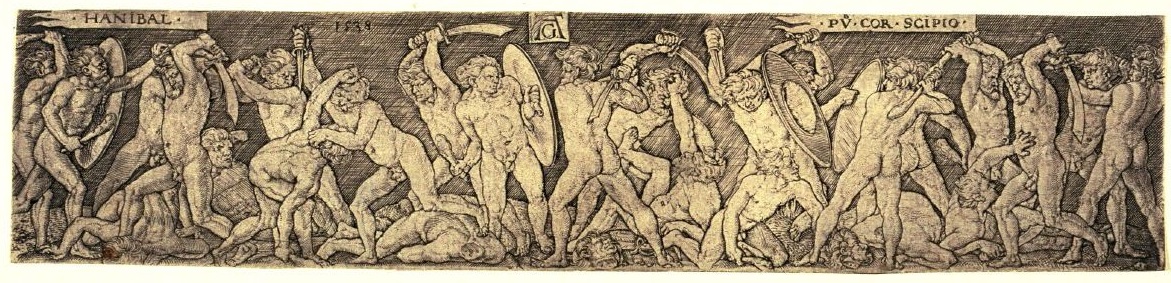
Engraved frieze-like print showing a dense battle of nude, muscular warriors with swords, shields and spears, with fallen figures in the foreground. Labels at top read 'HANNIBAL' on the left, '1538' in the center with a monogram, and 'PV COR SCIPIO' on the right.Painting

Secondary source

Hannibal and Scipio

Heinrich Aldegrever · 1538

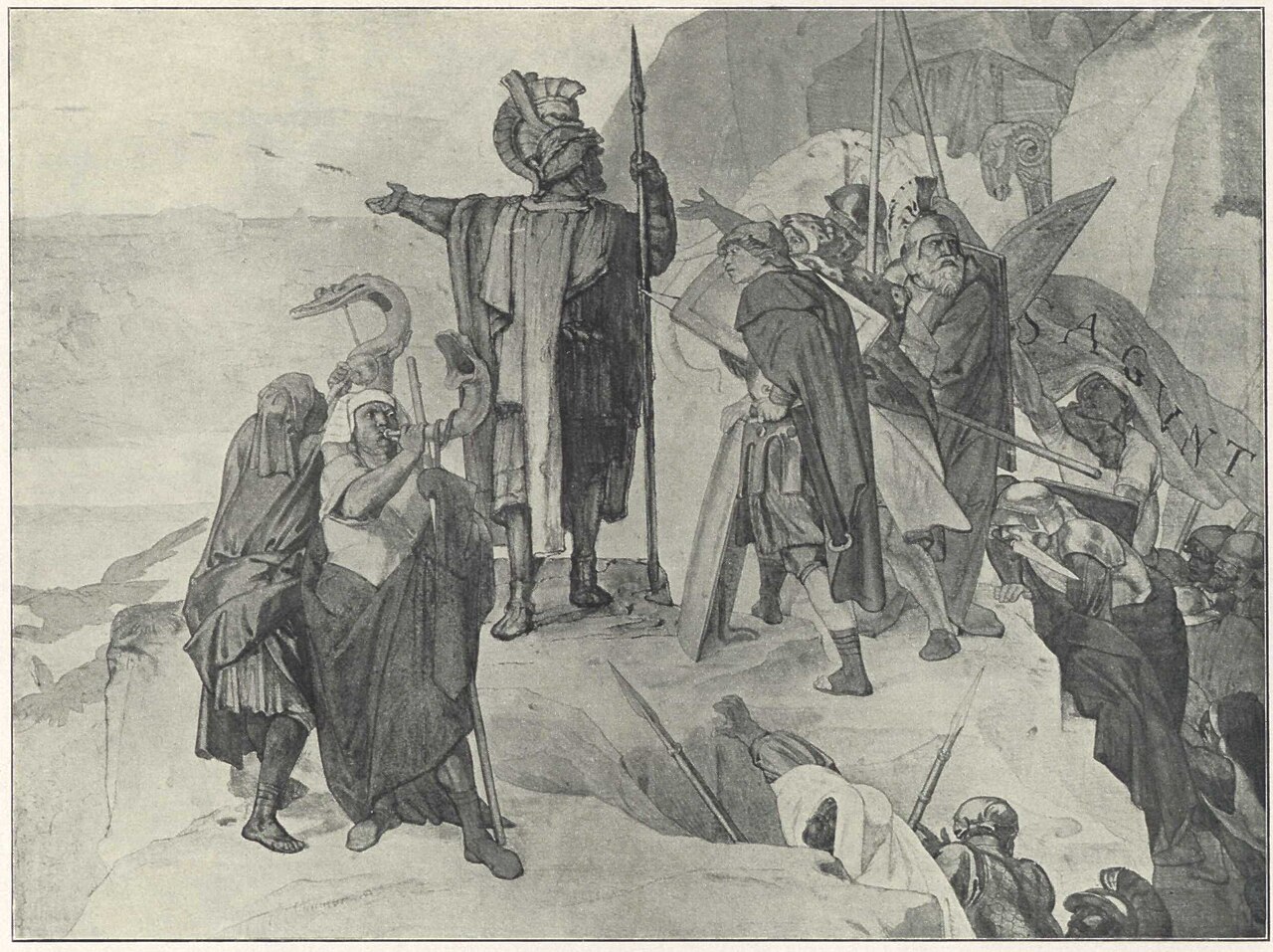
Black-and-white reproduction of a dramatic history painting: a helmeted commander with a spear raises his arm toward the distance from a rocky height, while soldiers and a robed guide in the foreground look on; a rider and armored troops crowd the right, and a shield is inscribed with the word SAGUNT.Painting

Secondary source

Italy in Sight

Alfred Rethel · 19th century

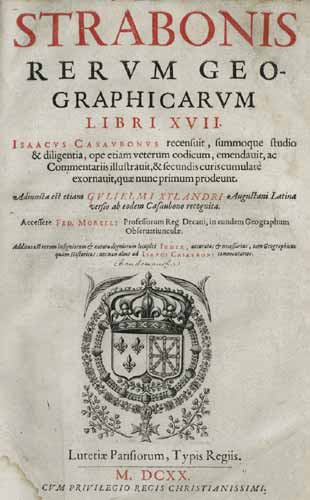
Title page of a 1620 Latin edition of Strabo's Rerum Geographicarum, Libri XVII, edited by Isaac Casaubon. Large black capitals read STRABONIS, with a central coat of arms below the text and the imprint Lutetiae Parisiorum, Typis Regiis, MDCXX.Book

Secondary source

Geography

Strabo · c. 20 AD

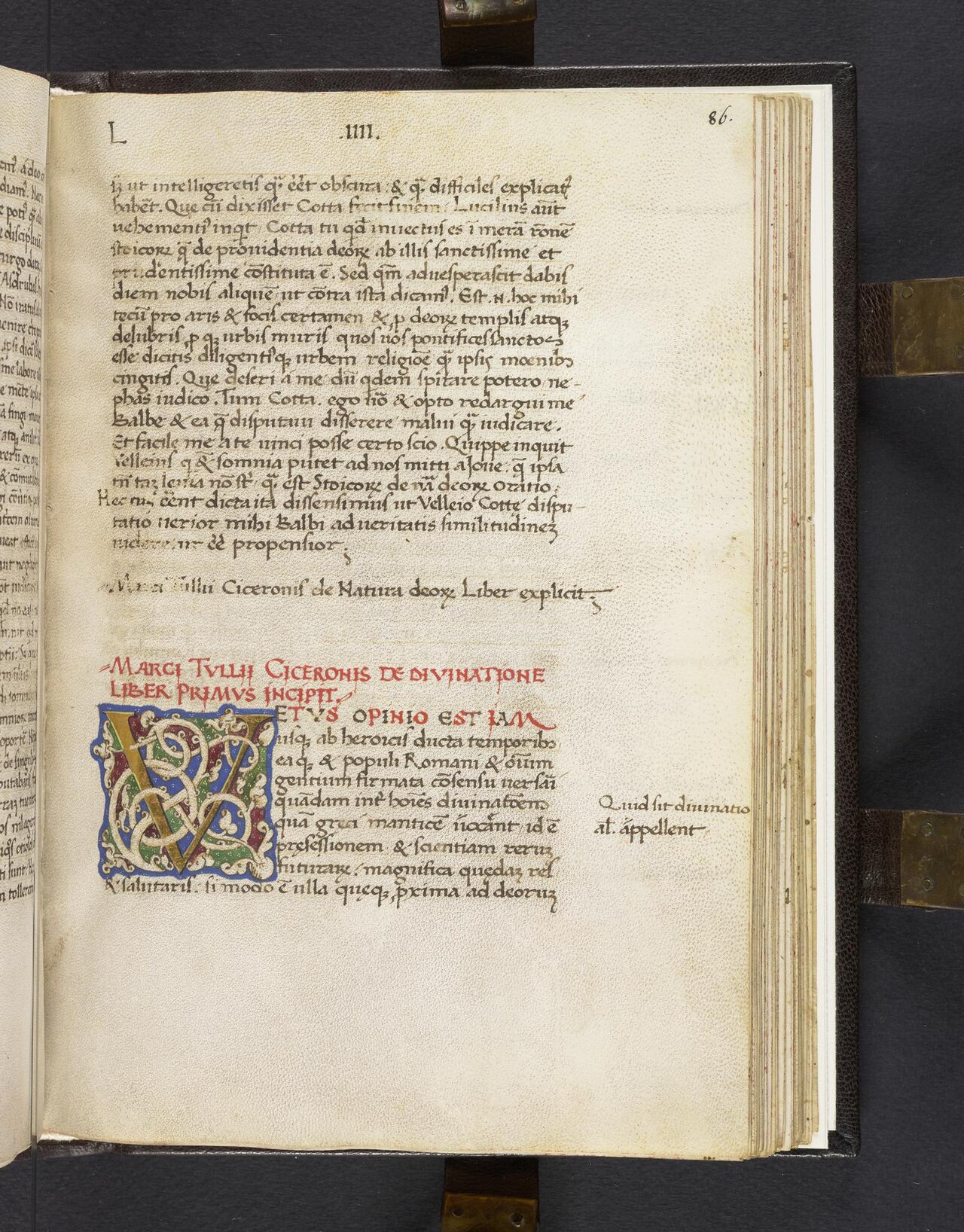
Manuscript page of a medieval hand-written book on cream vellum within a dark leather binding. Top has a red-and-black heading reading 'Marci Tullii Ciceronis de Divinatione Liber primus incipit'. Below is a large decorated initial V with green, red, and gold illumination, followed by dense black handwritten Latin text in columns. Page number 86 at top right.Book

Primary source

De Divinatione

Cicero · 44 BC

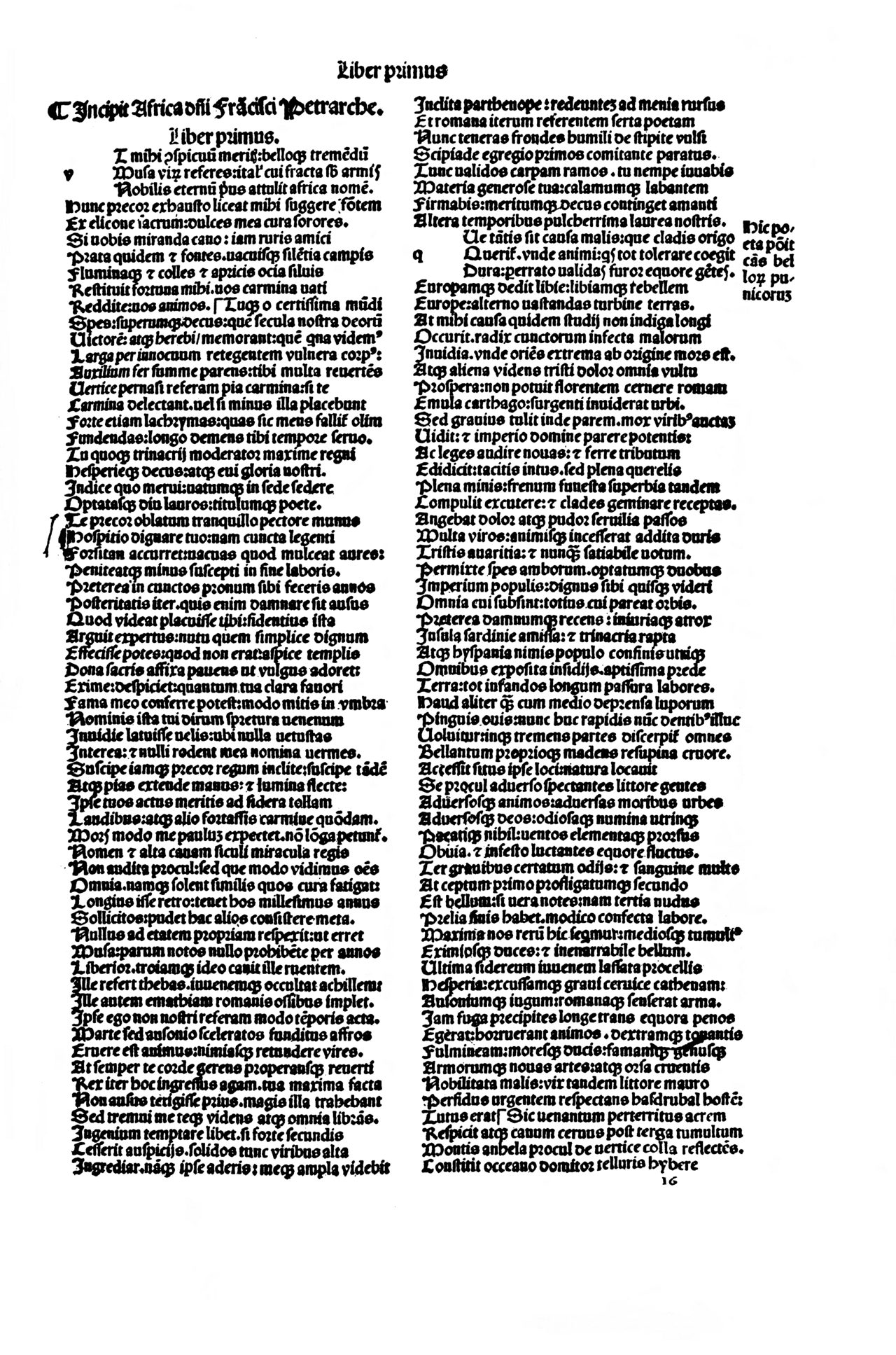
Scanned first page of a 1501 printed edition of Petrarch's Africa in black-letter type. The running head reads 'Liber primus' and the title line 'Incipit Africa domini Francisci Petrarche'. Two columns of dense Latin verse follow, with a marginal note on the right and a page number at the bottom.Book

Secondary source

Africa

Petrarch · 1339–1343 (printed 1501)

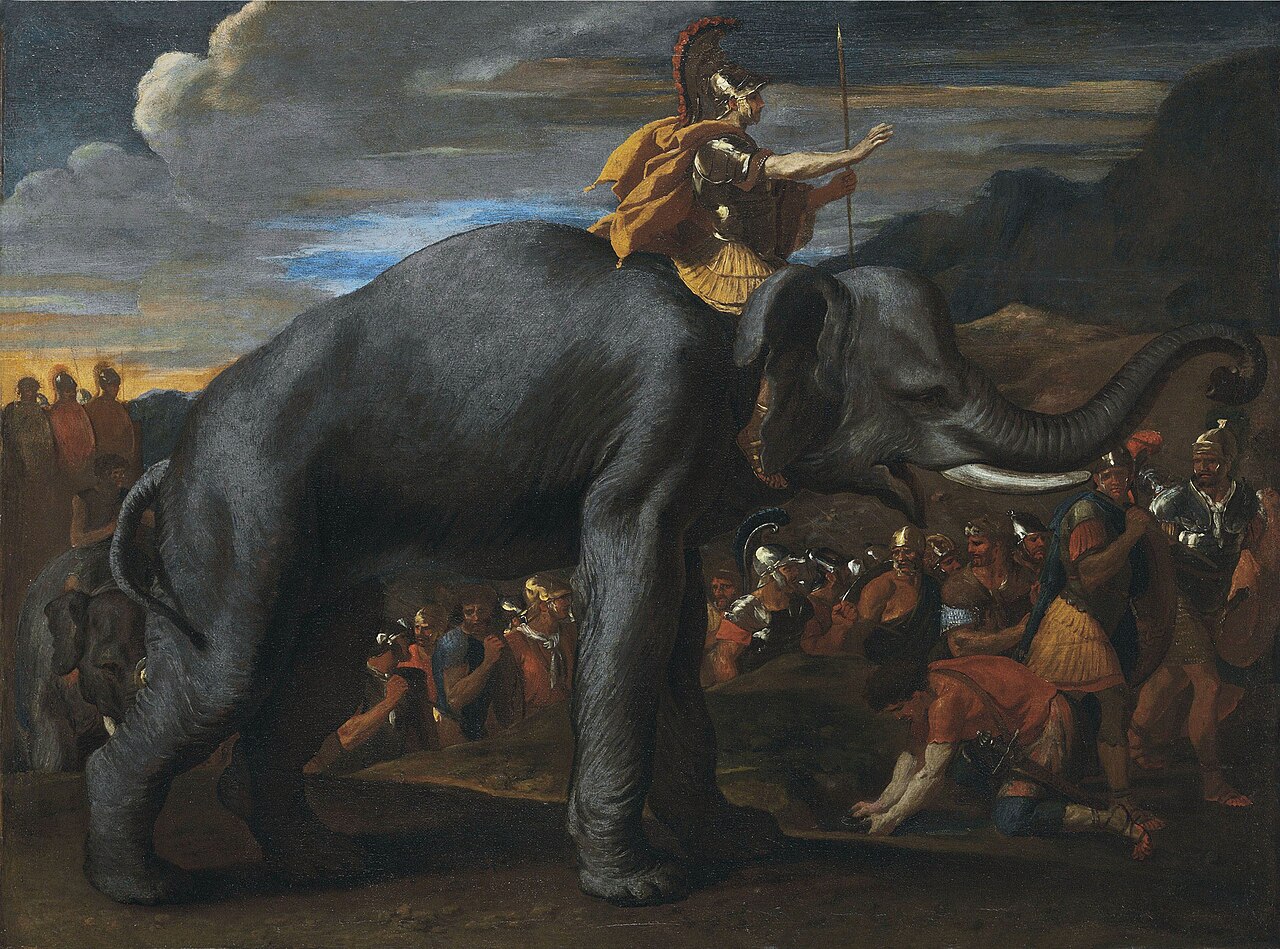
Painting of a helmeted rider in a gold cloak and armor on a large gray elephant, holding a spear and pointing forward. Armed soldiers on foot and an elephant with a tusk walk among rocks under a dark, cloudy sky.Painting

Secondary source

Hannibal Crossing the Alps on Elephants

Nicolas Poussin · c. 1625–1626

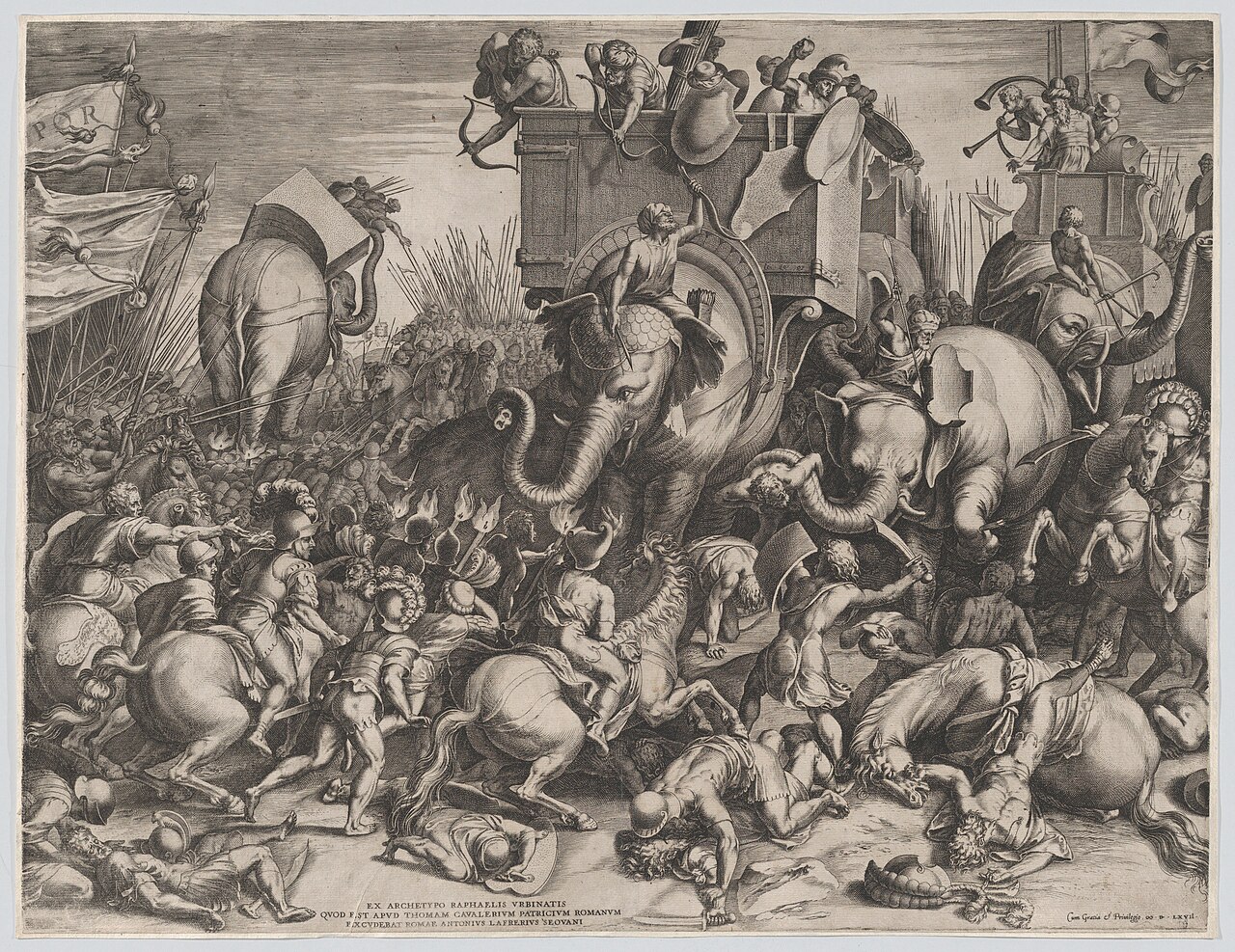
Engraving of a battle scene with war elephants, armored soldiers on horseback and on foot, a howdah carrying archers and trumpeters, and a banner reading S.P.Q.R. Many figures lie fallen in the foreground. Latin inscription lines appear at the bottom.Painting

Secondary source

The Battle of Zama

Cornelis Cort after Giulio Romano · 1567

Flemish tapestry of Hannibal's Oath. Above a Latin inscription band, Hannibal stands at center beside an altar with two vessels, holding a sword raised over a sacrificial animal, while figures crowd around. A seated woman in yellow and red and a kneeling figure with fruit appear in the foreground. A bearded man stands at left in armor and a cloak. Dense floral and fruit borders frame the scene.Artifact

Secondary source

Hannibal's Oath

Flemish workshop (Brussels) · c. 1570

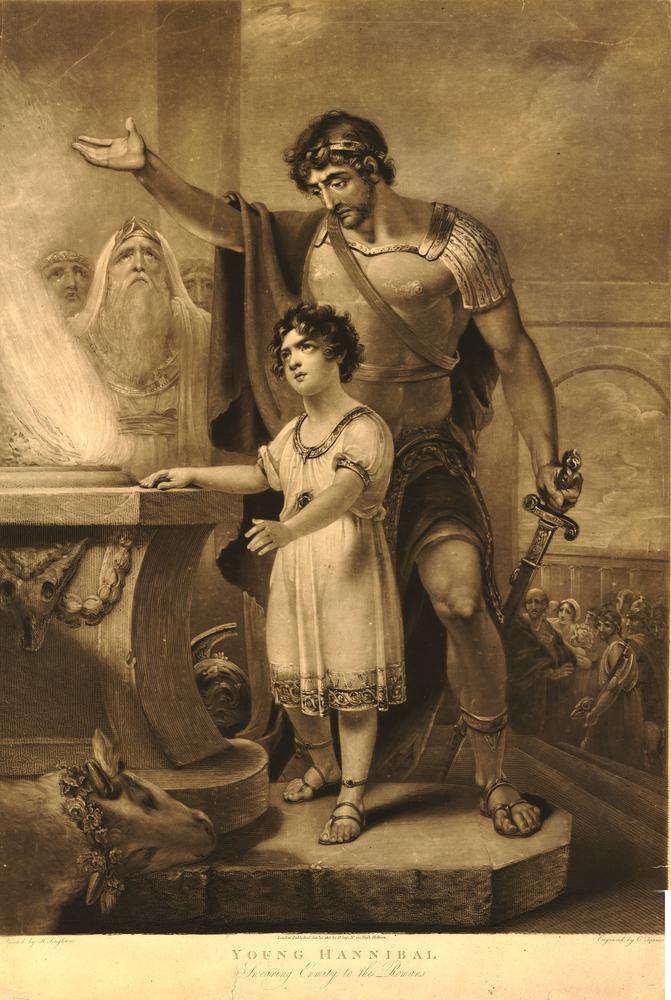
Sepia engraving of a small boy in a light tunic, one hand on a flaming altar and the other raised, looking upward. A bearded priest in a headdress stands behind the altar. A helmeted, armored man with a sword stands behind the boy and raises an arm. A garlanded animal lies at lower left, and a crowd is in the background. Printed title: Young Hannibal Swearing Enmity to the Romans.Painting

Secondary source

Hannibal as a Child, Accompanied by a Roman Soldier

Charles Turner

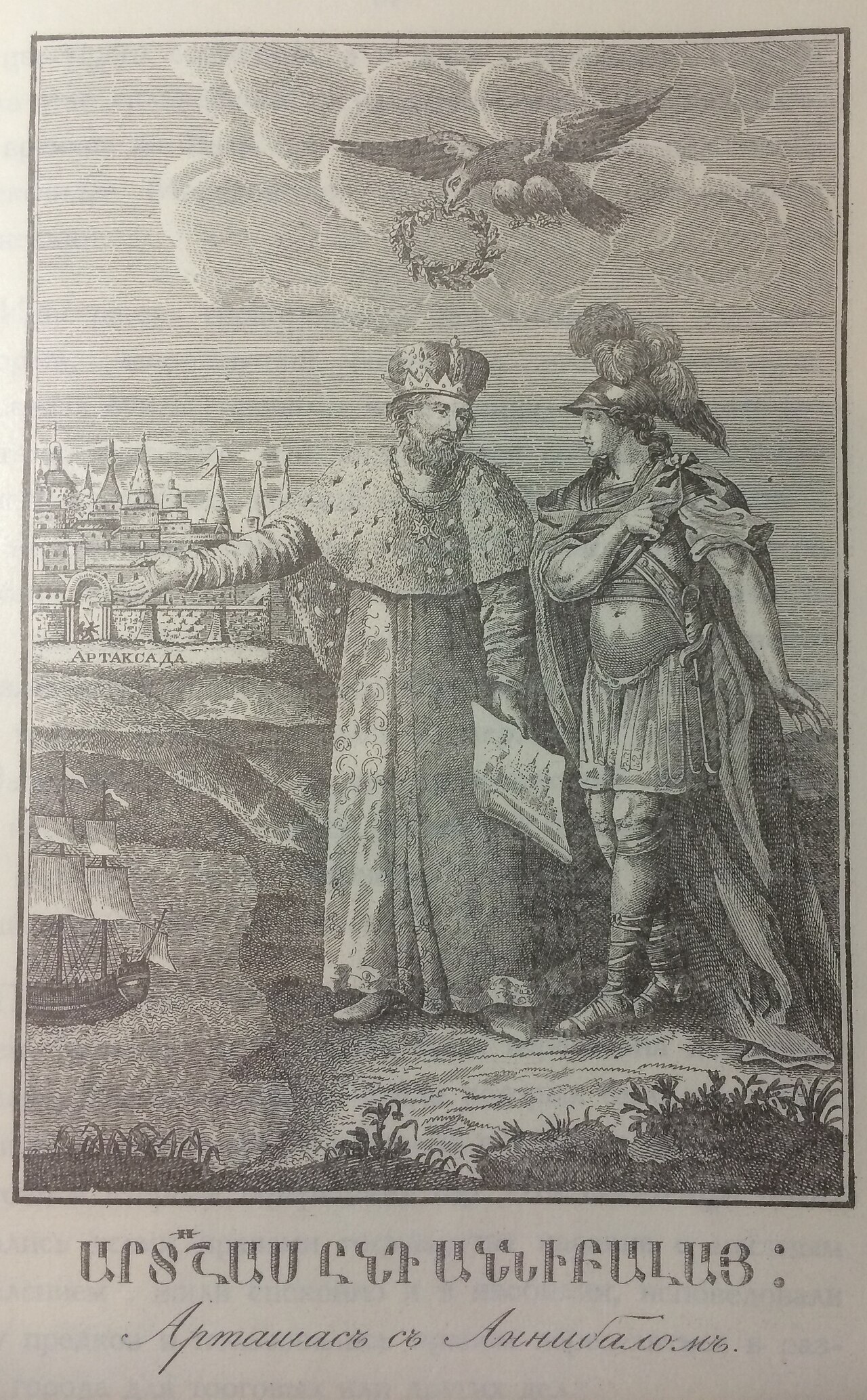
Engraved illustration of two standing men with a city, ship, and eagle. A bearded king in a crown and ermine-trimmed robe points toward a walled city labeled in Armenian script; a helmeted man with plumed crest and cloak stands beside him. An eagle above holds a laurel wreath. Ships are at left on water. Armenian caption below.Painting

Secondary source

King Artashes I and Hannibal

Unknown

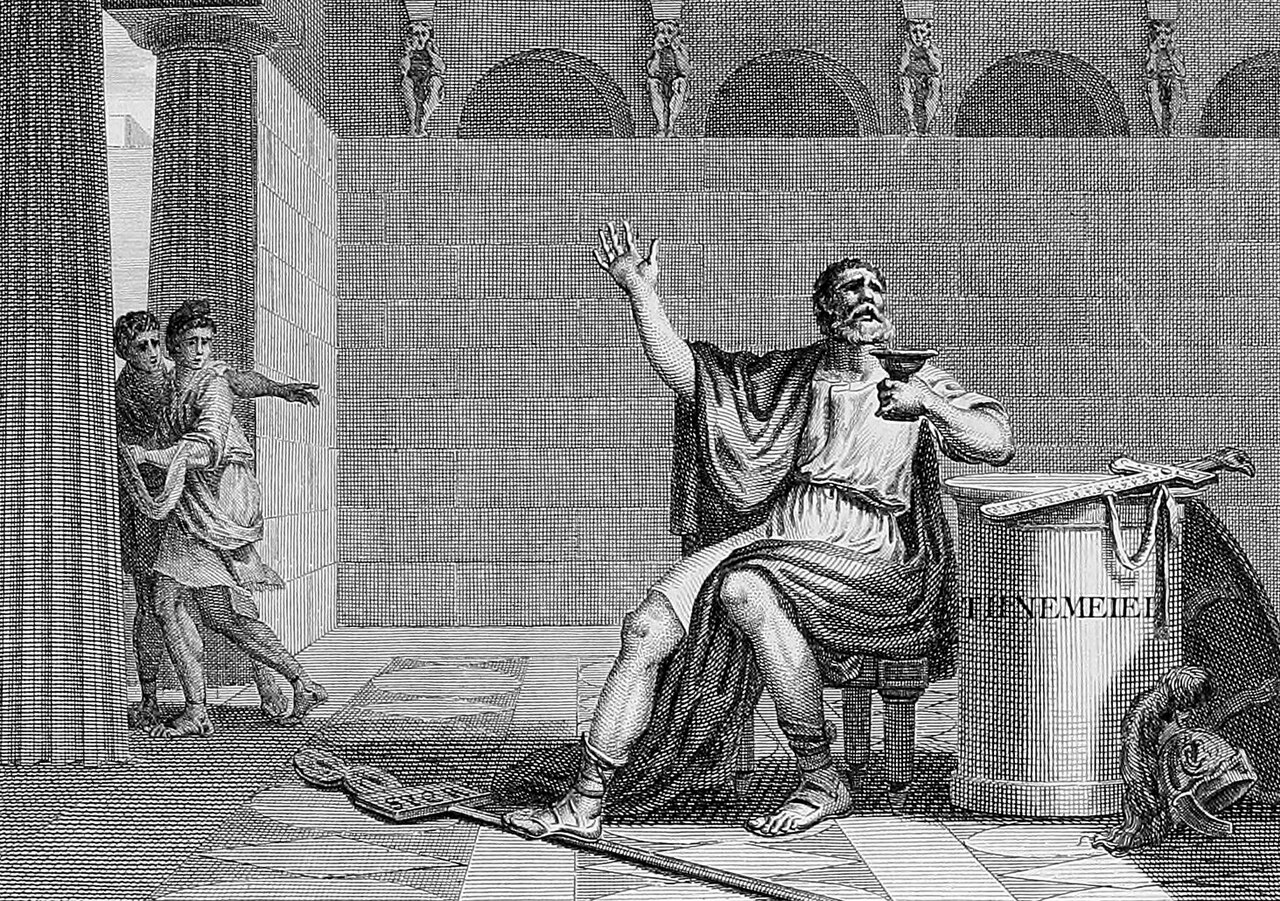
Black-and-white engraving of a bearded man in draped classical robes seated on a stool, raising one hand and holding a cup to his mouth. Beside him stands a tall inscribed pedestal. At left, two figures peer from a doorway. A statue niche row lines the wall above.Painting

Secondary source

Hannibal's Death

Silvestre David Mirys · 18th century

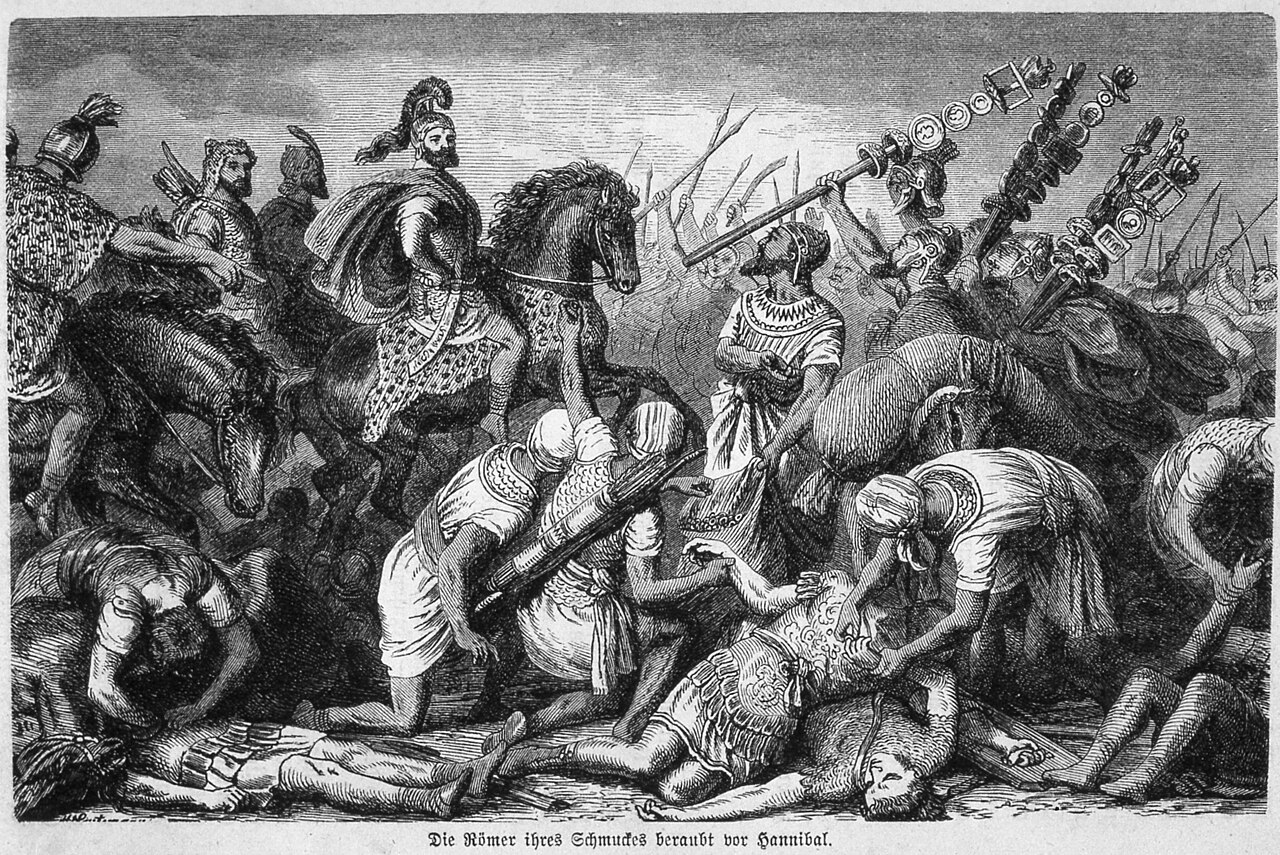
Black-and-white wood engraving with a German caption. A plumed, mounted commander sits at center-left. On the ground, kneeling figures in ancient dress strip rings and jewelry from fallen soldiers. At right, men raise poles strung with rings. Many bodies lie in the foreground.Painting

Secondary source

Annibale a Canne

Heinrich Leutemann · 19th century

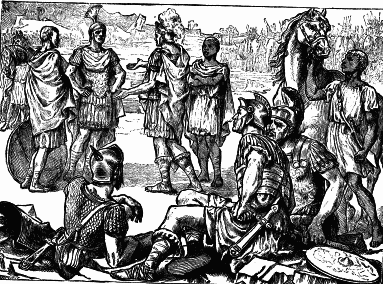
Black and white engraving of ancient Roman-style soldiers in a outdoor setting. On the left, a man in a draped cloak stands beside a bearded man in a tunic and cloak. Two figures in the centre converse, one in a tunic and cloak, another with a helmet. On the right, a horse's head is visible and armored soldiers with helmets and shields stand and kneel on the ground, with a round shield lying on the lower right.Painting

Secondary source

Meeting of Hannibal and Scipio at Zama

Charlotte Mary Yonge · 19th century

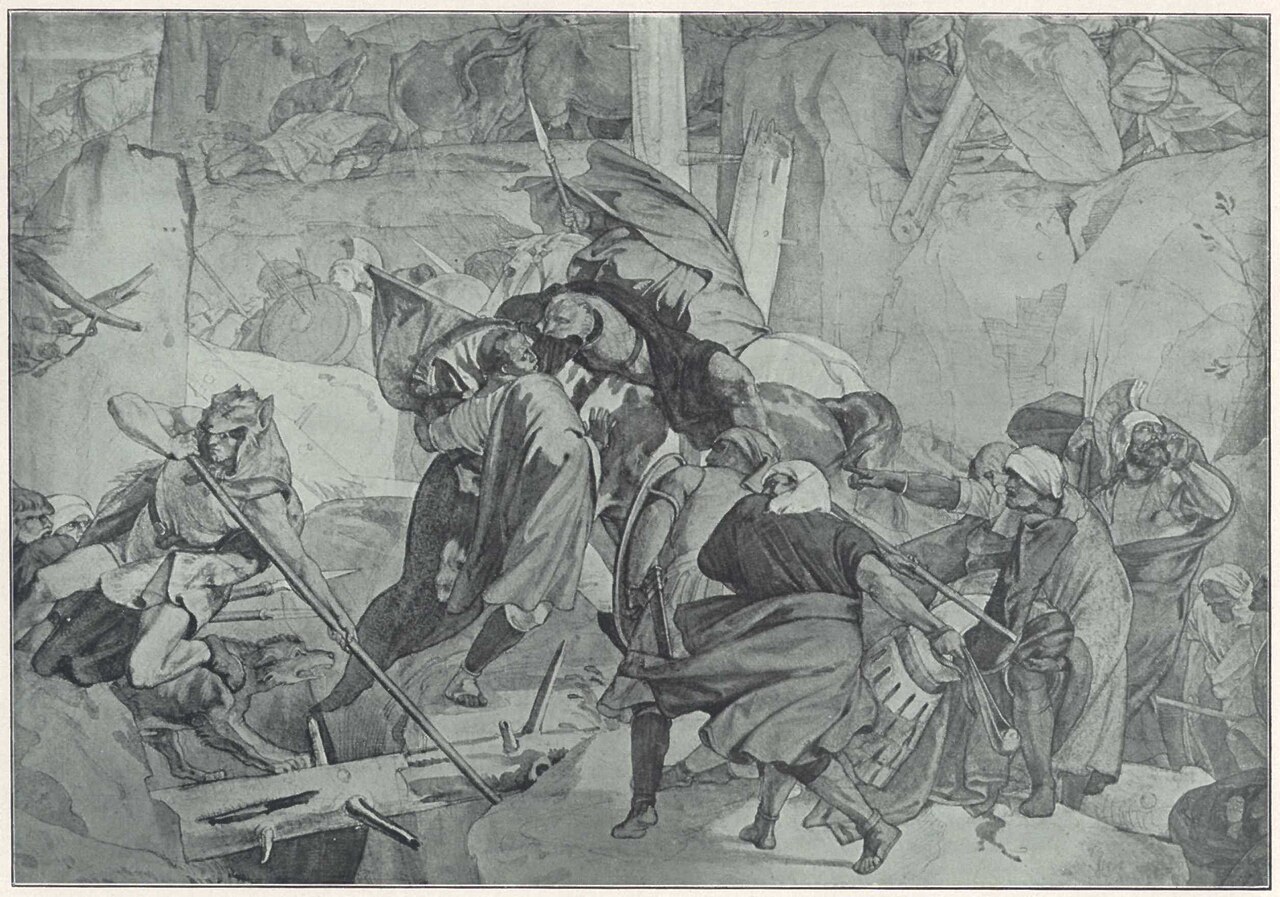
Grayscale reproduction of a mountain battle scene on rocky terrain. Armed figures in ancient-style dress struggle at center, with a man in a long cloak grappling another. A bearded warrior with a spear sits at left beside a dead animal. Other fighters and fallen bodies fill the background and right side.Painting

Secondary source

Kampf mit den Älplern

Alfred Rethel · 19th century

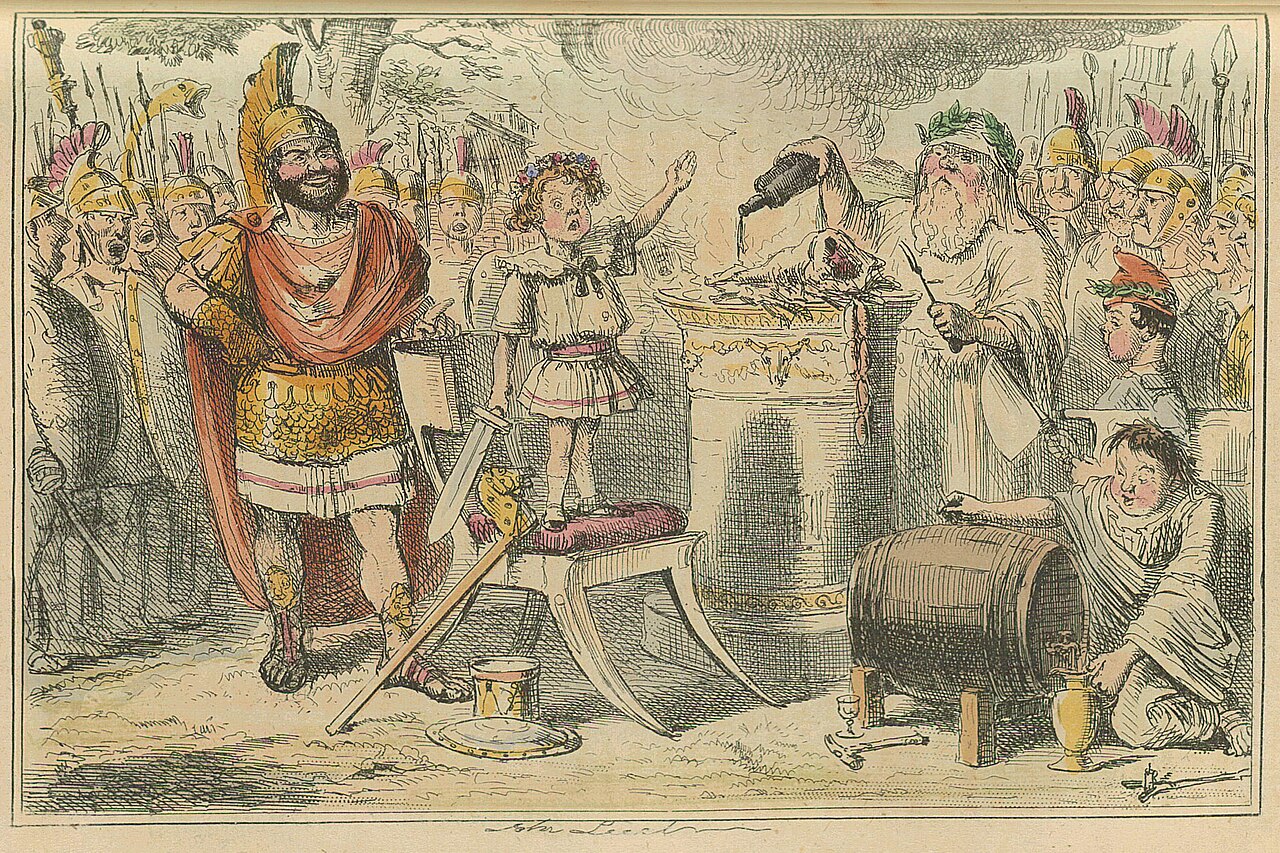
Hand-colored comic engraving: a bearded Carthaginian general in armor and red cloak stands at left beside a small boy in a flower wreath who raises his hand toward a smoking altar. A priest in a laurel wreath pours wine over a sacrificed animal. Soldiers crowd the background, and a seated man in a toga sits on a barrel at right.Painting

Secondary source

Hannibal, Whilst Even Yet a Child, Swears Eternal Hatred to the Romans

John Leech · 1850s

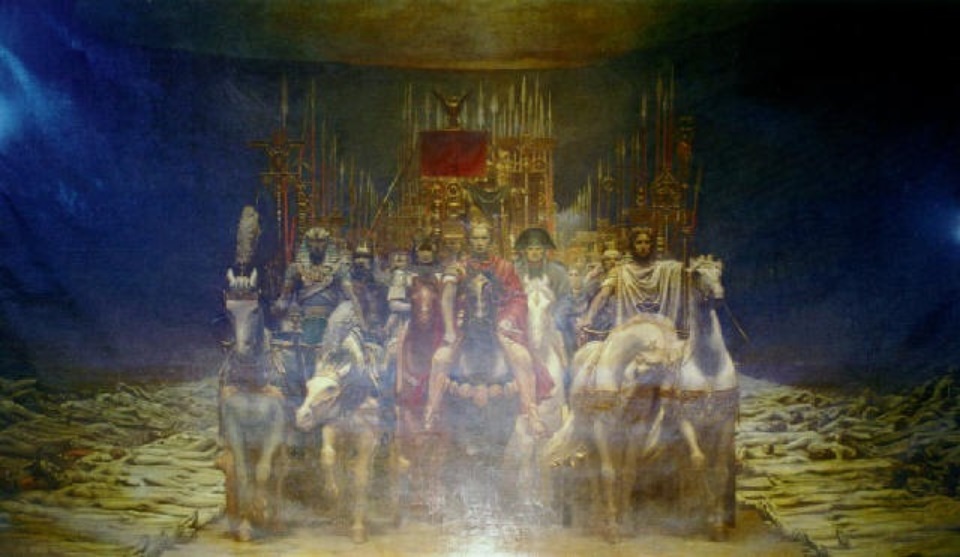
Painting showing a procession of armored historical conquerors on horseback and in chariots, with pale horses in the foreground, a golden throne and banners in the background, and a dark blue sky above a rocky ground.Painting

Secondary source

Les conquérants

Pierre Fritel · 1892–1894

Book

Secondary source

Hannibal: A History of the Art of War

Theodore Ayrault Dodge · 1896

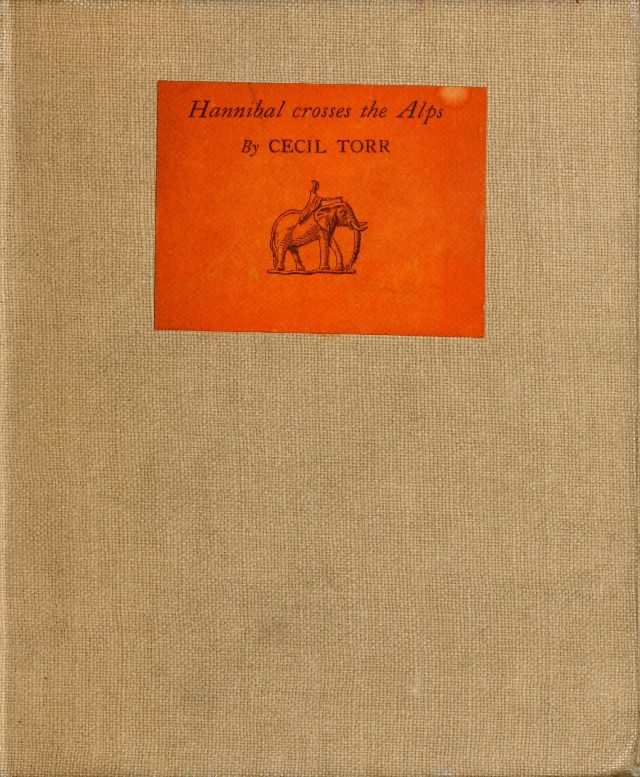
Hannibal Crosses the AlpsBook

Secondary source

Hannibal Crosses the Alps

Cecil Torr · 1924

Annibal dans les AlpesBook

Secondary source

Annibal dans les Alpes

Paul Azan · 1902

History of Hannibal the CarthaginianBook

Secondary source

History of Hannibal the Carthaginian

Jacob Abbott · 1872

Hannibal, Soldier, Statesman, PatriotBook

Secondary source

Hannibal, Soldier, Statesman, Patriot

William O'Connor Morris · 1897

The Alps of HannibalBook

Secondary source

The Alps of Hannibal

William John Law · 1866

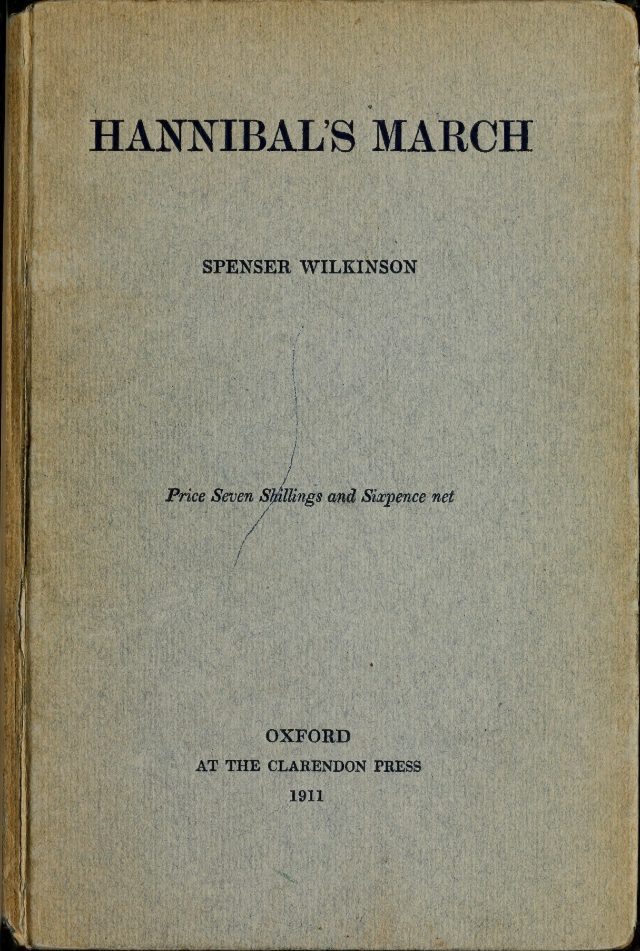
Hannibal's March Through the AlpsBook

Secondary source

Hannibal's March Through the Alps

Spenser Wilkinson · 1911

Livy, Books 21–25: The Second Punic WarBook

Secondary source

Livy, Books 21–25: The Second Punic War

Livy, translated by Alfred John Church and William Jackson Brodribb · 1883

Rome and Carthage: The Punic WarsBook

Secondary source

Rome and Carthage: The Punic Wars

R. Bosworth Smith · 1889

Great CaptainsBook

Secondary source

Great Captains

Theodore Ayrault Dodge · 1889

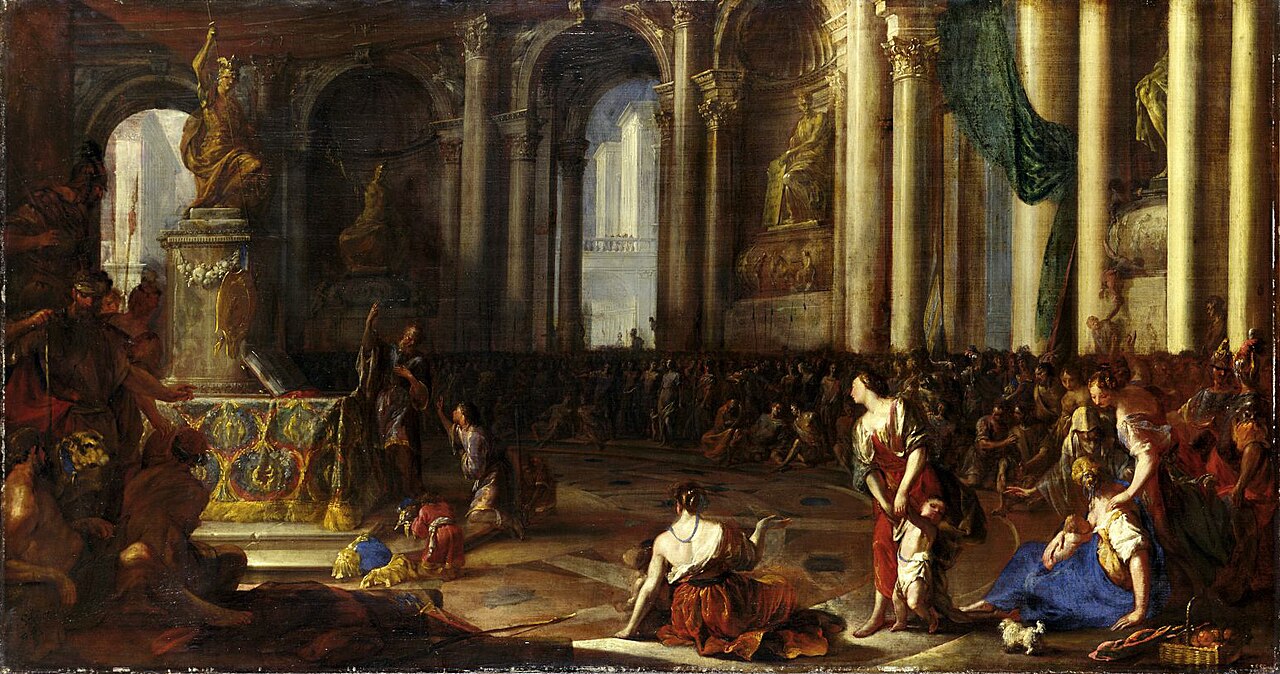
Painting of a grand classical temple interior with tall columns and arches. In the center, a young boy kneels before an altar draped with a patterned cloth, while a man stands behind him with a raised arm. Many figures fill the hall; a seated woman with a child and a small dog appear at right, and a woman kneels in the foreground.Painting

Secondary source

Hannibal Swears Eternal Hatred for the Romans

Johann Heinrich Schönfeld · c. 1660

Document

Tertiary source

Hannibal (general), 1911 Encyclopaedia Britannica entry

Maximilian Otto Bismarck Caspari · 1911

Book

Secondary source

Hannibal's Passage of the Alps, from Myers' General History

1890

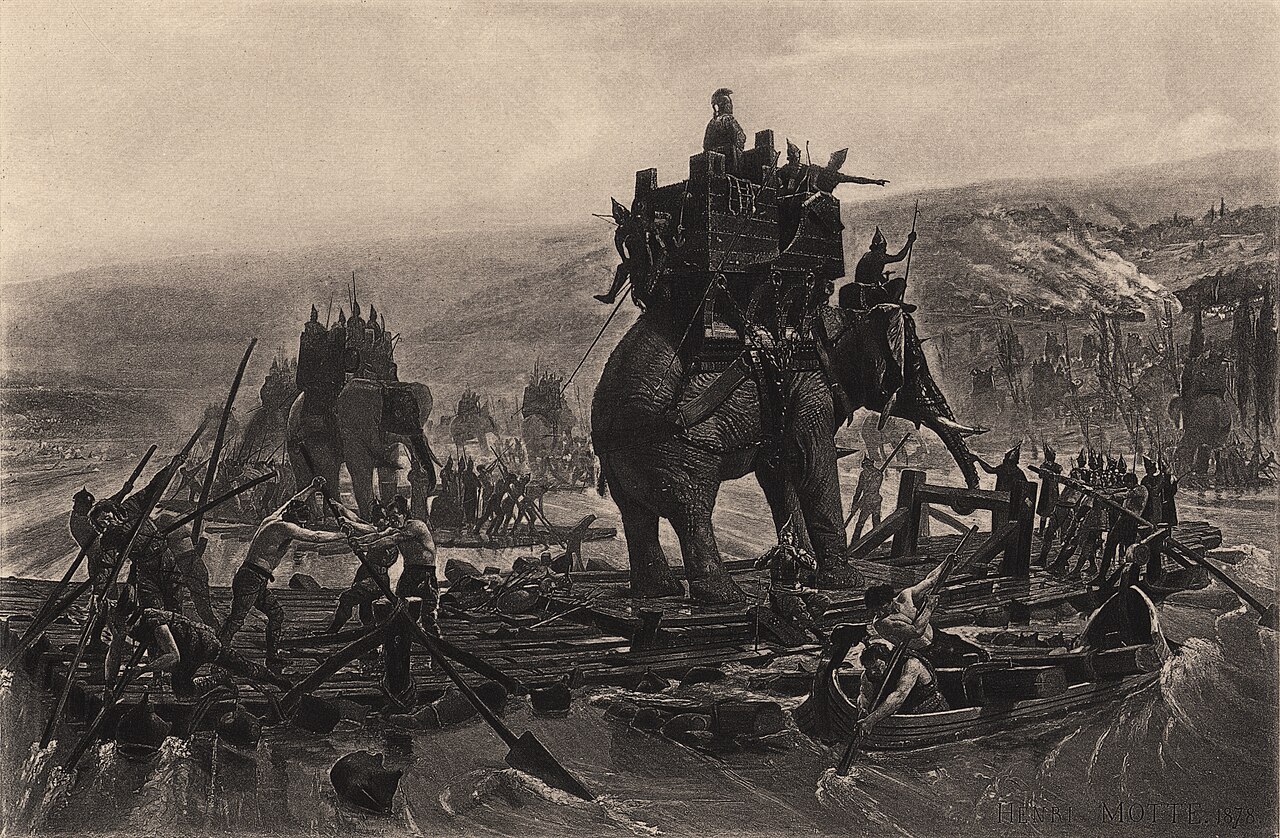
Sepia-toned engraving of war elephants with armored riders carried on a wooden raft across a river, while soldiers pull and push ropes and poles. Hills and smoke appear in the background, and the signature Motte is visible in the lower right corner.Painting

Secondary source

Hannibal Crosses the Rhône

Henri-Paul Motte · 1878

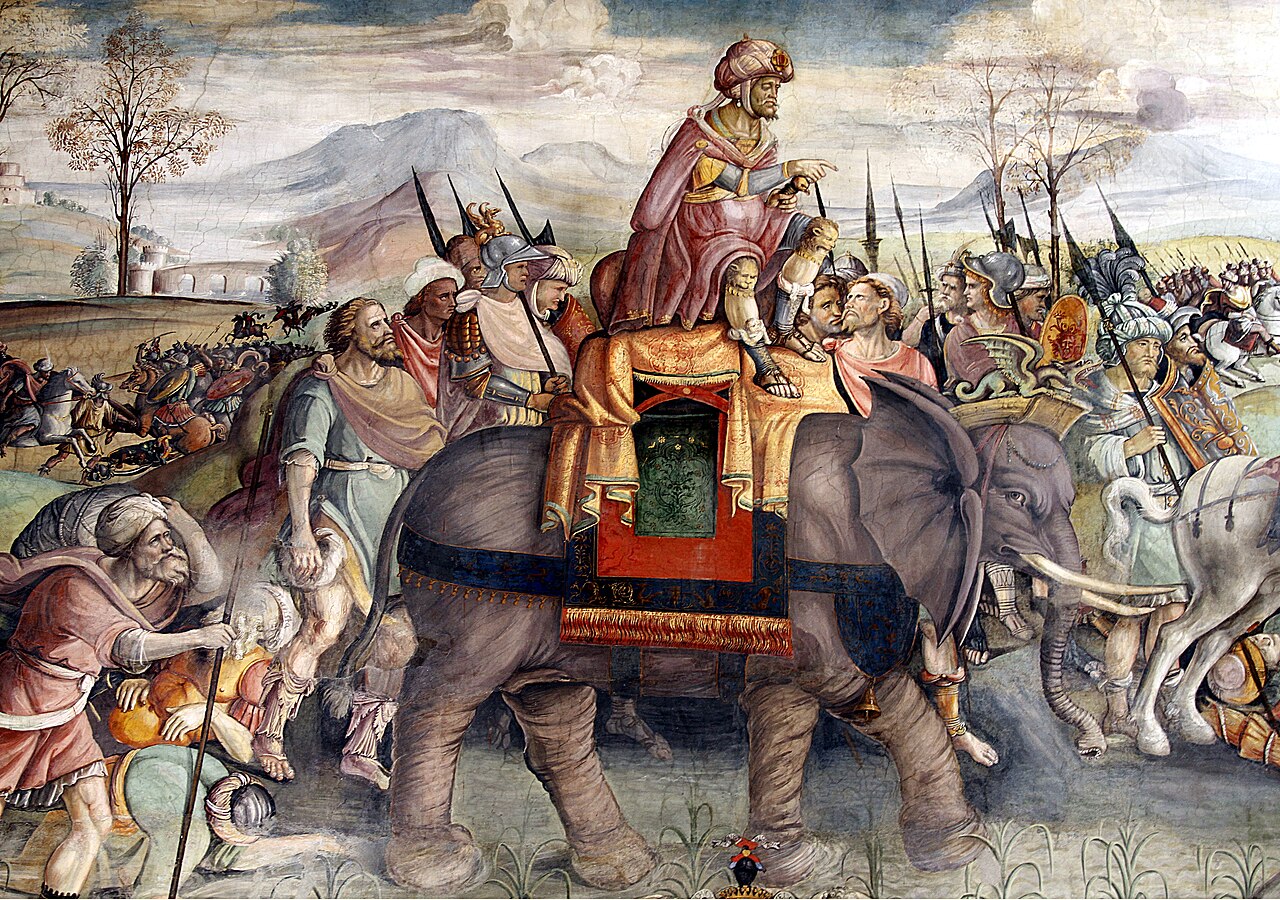
Detail of a painted fresco: a turbaned rider in red and gold sits atop a large grey elephant draped in gold cloth, leading a procession. Soldiers with spears and helmets, a figure carrying a staff, and a white horse surround it, with hills and a battle scene behind.Painting

Secondary source

Hannibal Crossing the Alps (fresco detail)

Jacopo Ripanda · c. 1510

Book

Secondary source

The History of Rome, Books 27 to 36

Livy

Book

Secondary source

Scenes from the Life of Hannibal, Selections from Livy

Livy · 1909

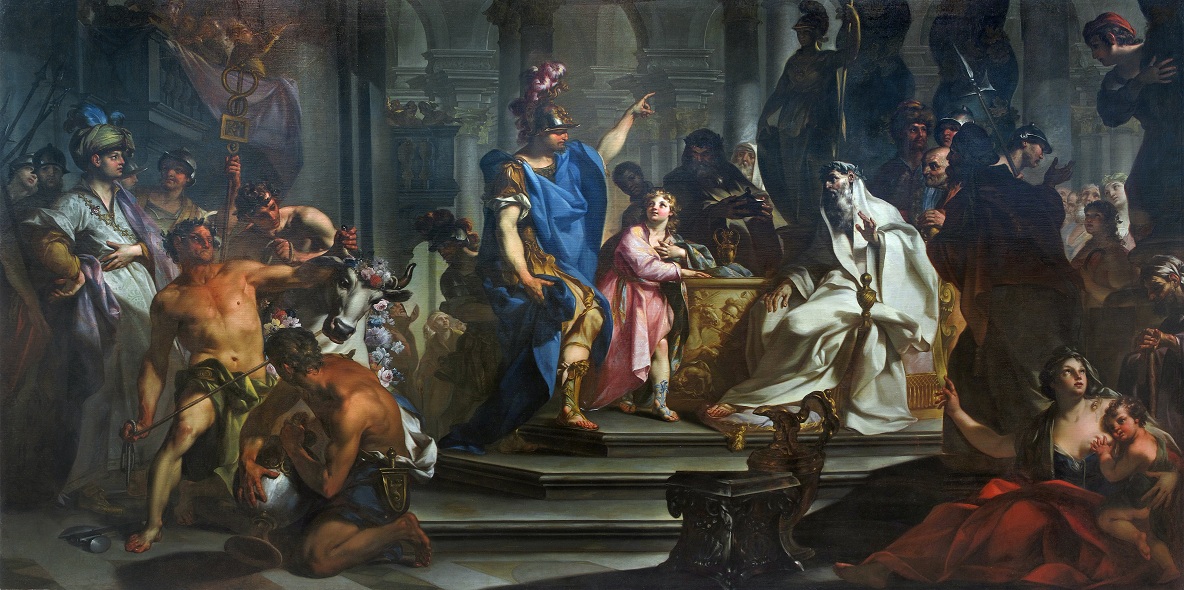
Painting of a historical scene in a columned hall. A young boy in a pink robe stands beside a seated old man in white robes on a raised dais, while a helmeted figure in blue cloak and gold armor points upward. On the left, men in turbans and a kneeling figure hold a sacrificial bull near an altar. A woman in red and a child sit at lower right among onlookers.Painting

Secondary source

Hannibal Swears Hatred of the Romans

Claudio Francesco Beaumont · c. 1730

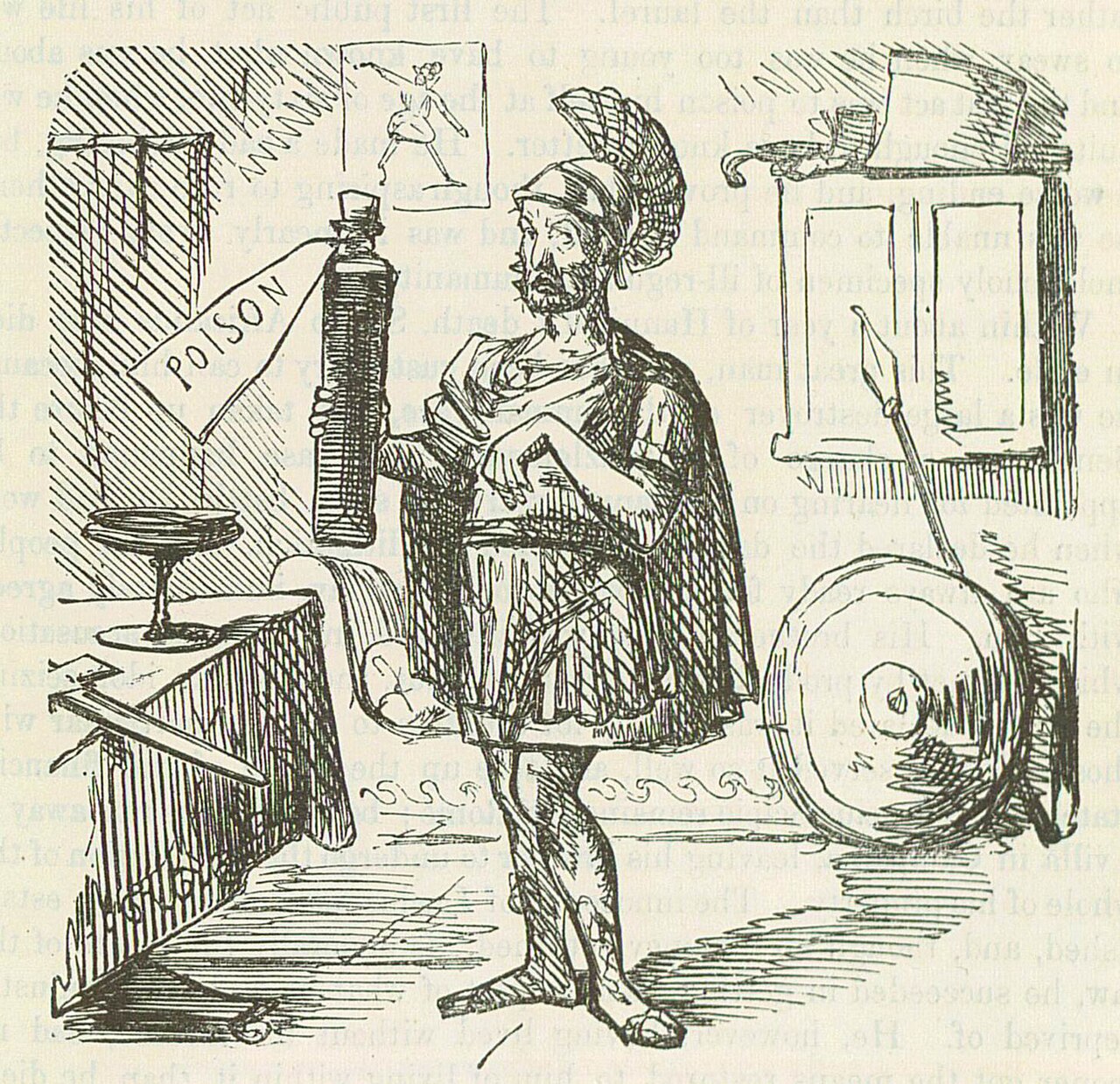
Engraved comic illustration of a bearded man in Roman-style armor and plumed helmet holding a tall bottle labeled POISON, with a goblet on a table at left, a shield and spear at right, and a small framed picture on the wall.Painting

Secondary source

Hannibal's Suicide

John Leech · c. 1850

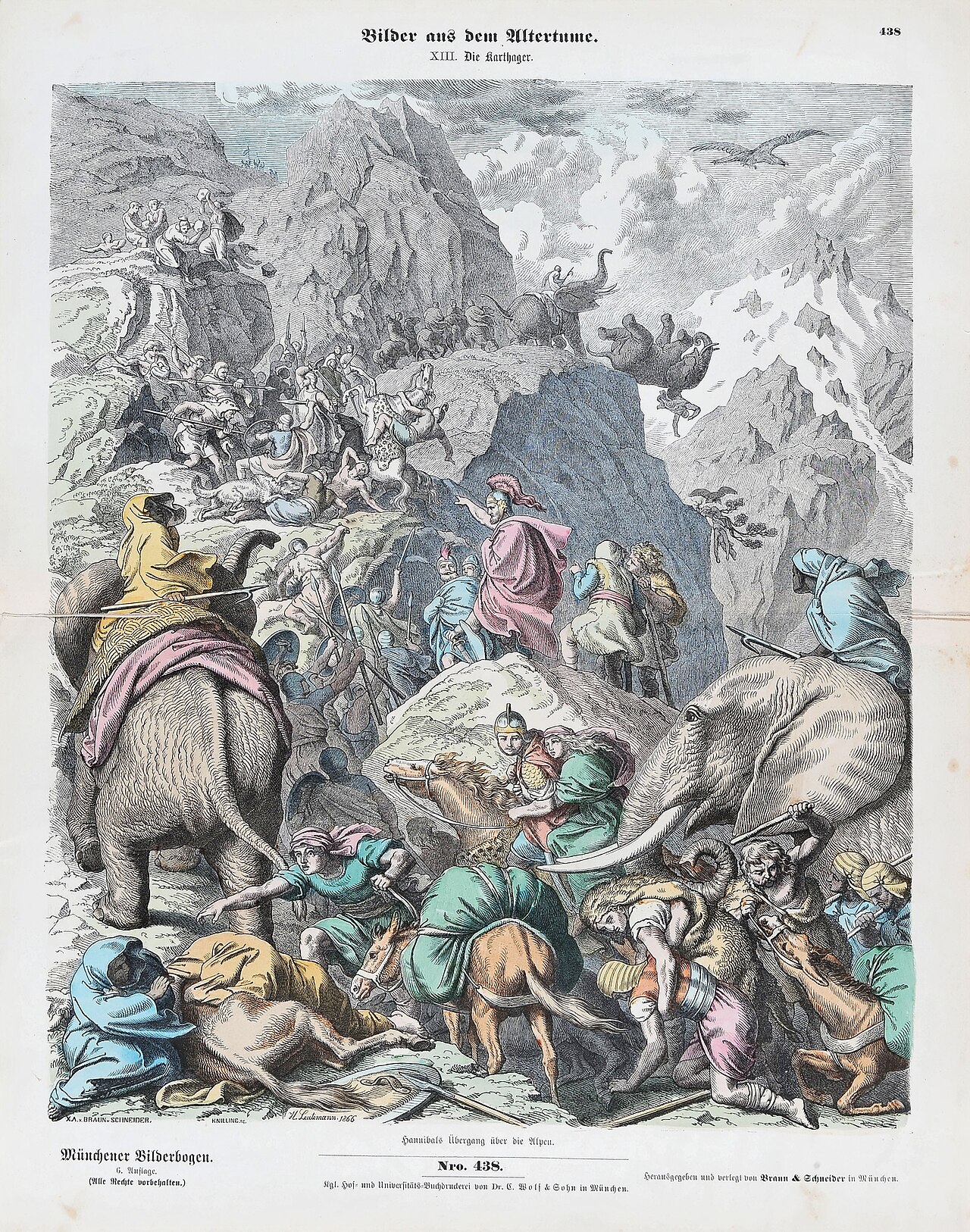
Colored woodcut titled 'Hannibal's Übergang über die Alpen' from the Münchener Bilderbogen. Hannibal in a red-pink cloak and helmet points toward a mountain pass while soldiers, war elephants, and horses cross snowy, rocky terrain. A bird flies overhead.Painting

Secondary source

Hannibal's Crossing of the Alps

Heinrich Leutemann · 1866

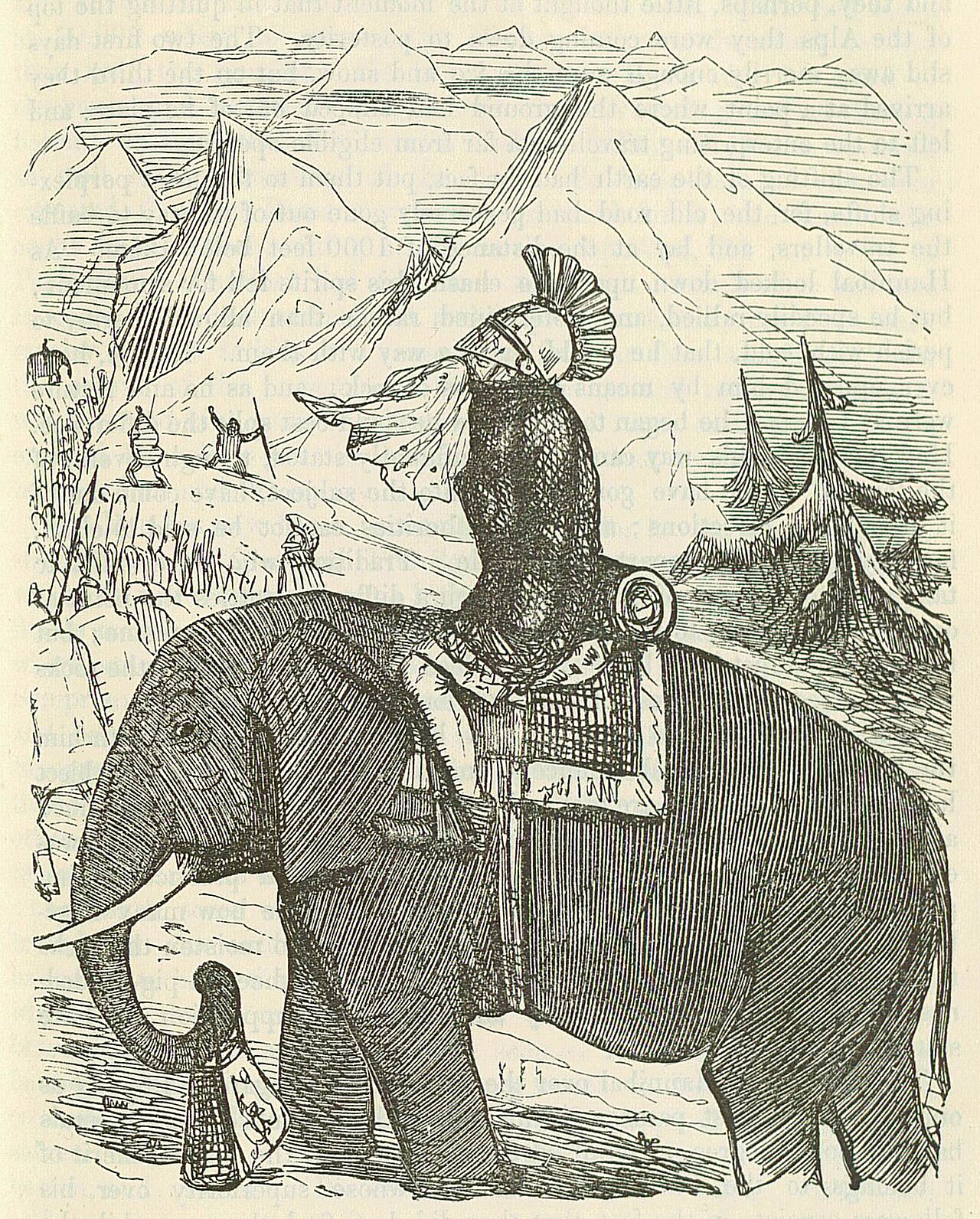
Engraved illustration of a figure in a helmet and chainmail-like armor riding an elephant across snowy mountains, with a cloaked figure leading the elephant on foot, soldiers marching through a mountain pass, and a tower at the left edge.Painting

Secondary source

Hannibal Crossing the Alps

John Leech · c. 1850

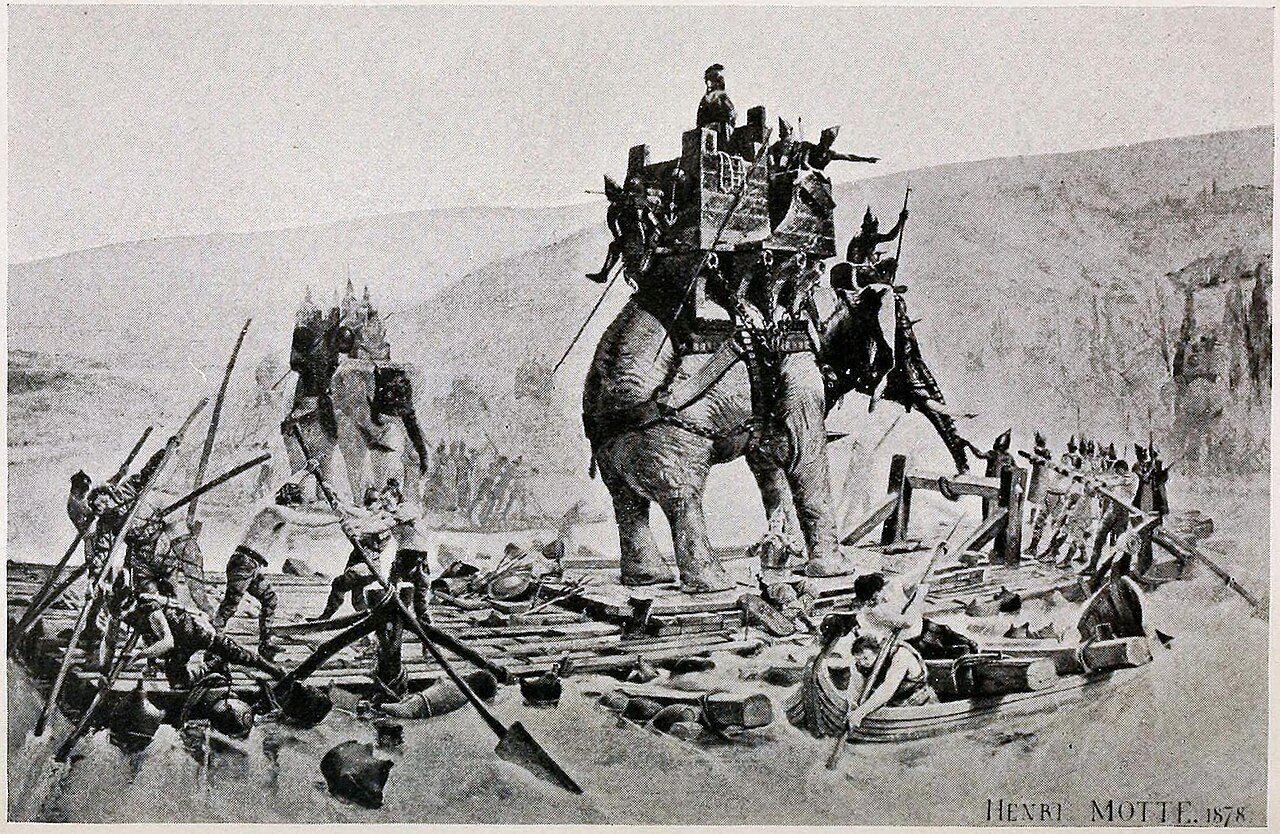
Black and white print of Hannibal's army crossing a river on a large wooden raft. Two war elephants stand on the raft carrying wooden howdahs with armed riders. Soldiers with spears and shields crowd the raft, and more elephants and troops wade or walk in the background among hills. Signed Henri Motte 1878 in the lower right.Painting

Secondary source

Hannibal's Army Crossing the Rhone

Henri Motte · 1878 (published 1904)

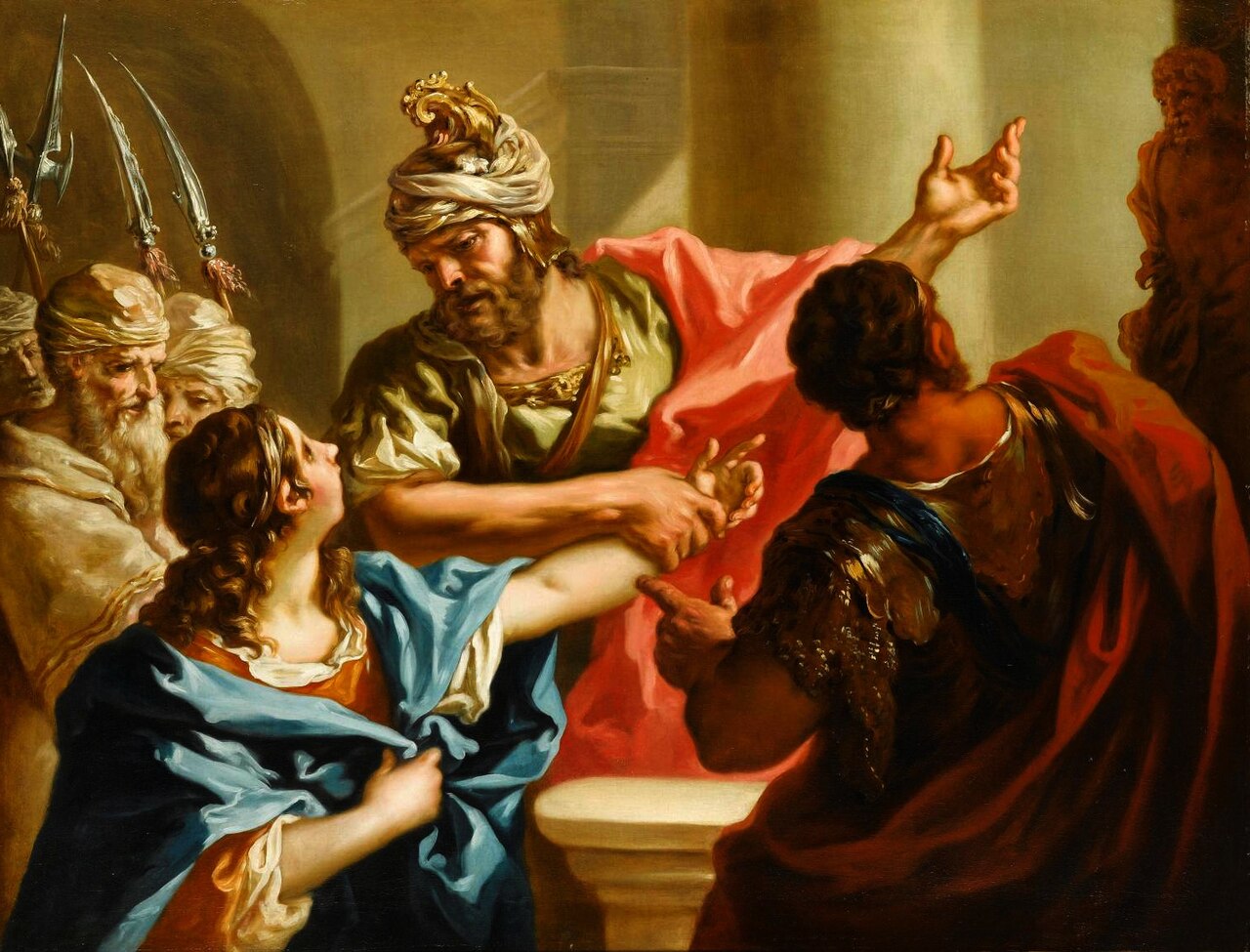
Oil painting of a scene with a bearded man in a white turban and green garment gripping the arm of a young woman wearing a blue cloak. Behind them, a figure in a red cloak points, and armed men with spears stand at left. A column and a pedestal are visible.Painting

Secondary source

Young Hannibal Swears Enmity to Rome

Giovanni Antonio Pellegrini · 1731

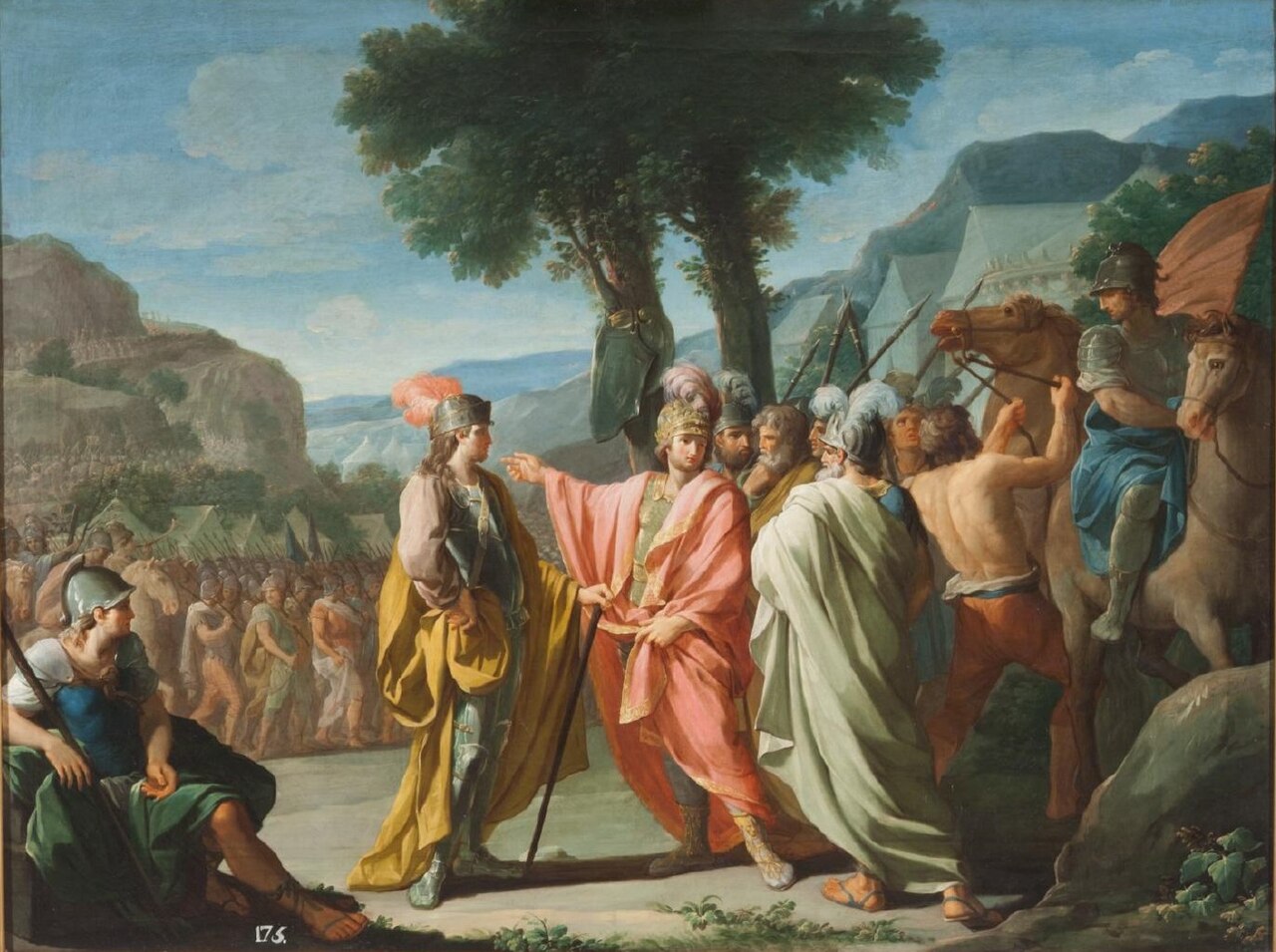
Oil painting of a classical scene in a rocky landscape with trees. A helmeted commander in yellow robes stands at left while a man in a pink robe and plumed helmet gestures beside him. Soldiers and tents fill the background, and a seated warrior sits at lower left.Painting

Secondary source

Hannibal and His Army in the Alps

Agustín Navarro · 1778

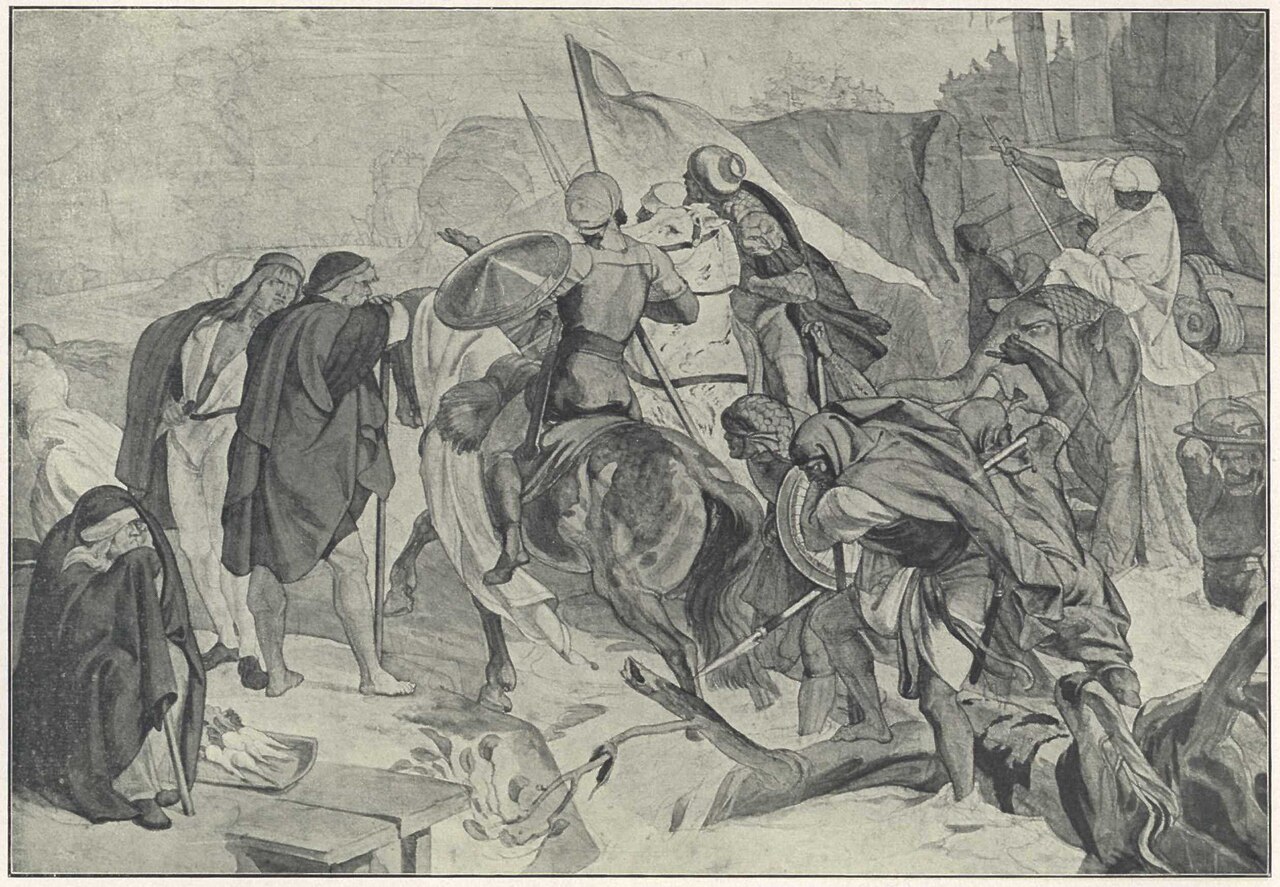
Black-and-white reproduction of a painting. A mounted armored rider with a round shield and a raised pennant stands at center. Around him, robed men lean and crouch, one hooded figure sits at lower left, and a horse rears among rocky terrain. Figures lie on the ground at lower right.Painting

Secondary source

Hannibal's Army Crossing the Druentia

Alfred Rethel · 1842

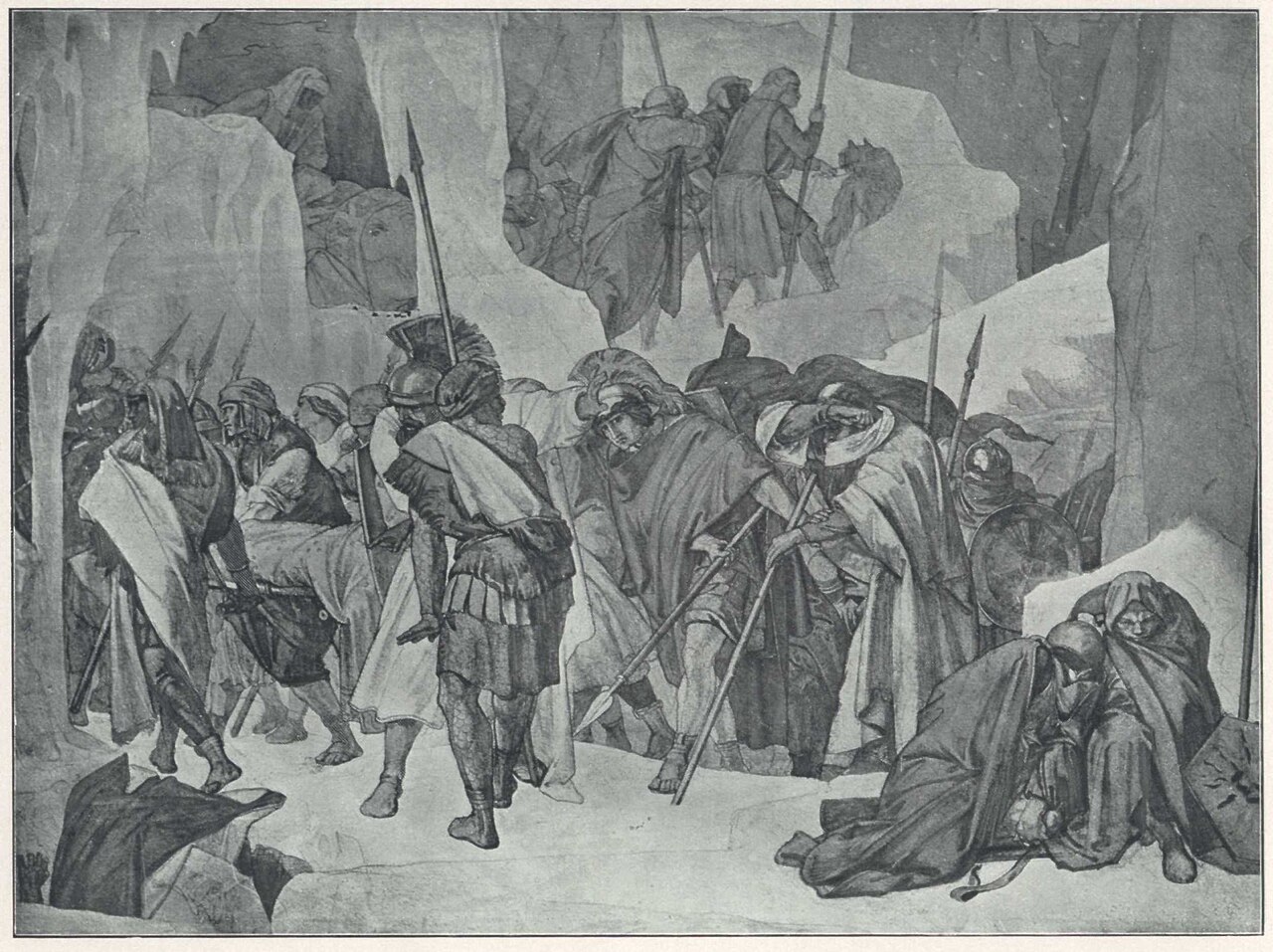
Monochrome reproduction of a painting showing a group of ancient soldiers in heavy cloaks and armor trudging through a rocky, snow-covered mountain pass. Some figures bow their heads against the cold, and others sit or crouch in the foreground, while more troops are visible climbing the ridge above.Painting

Secondary source

Hannibal's Army Through Snow and Ice

Alfred Rethel · 1842

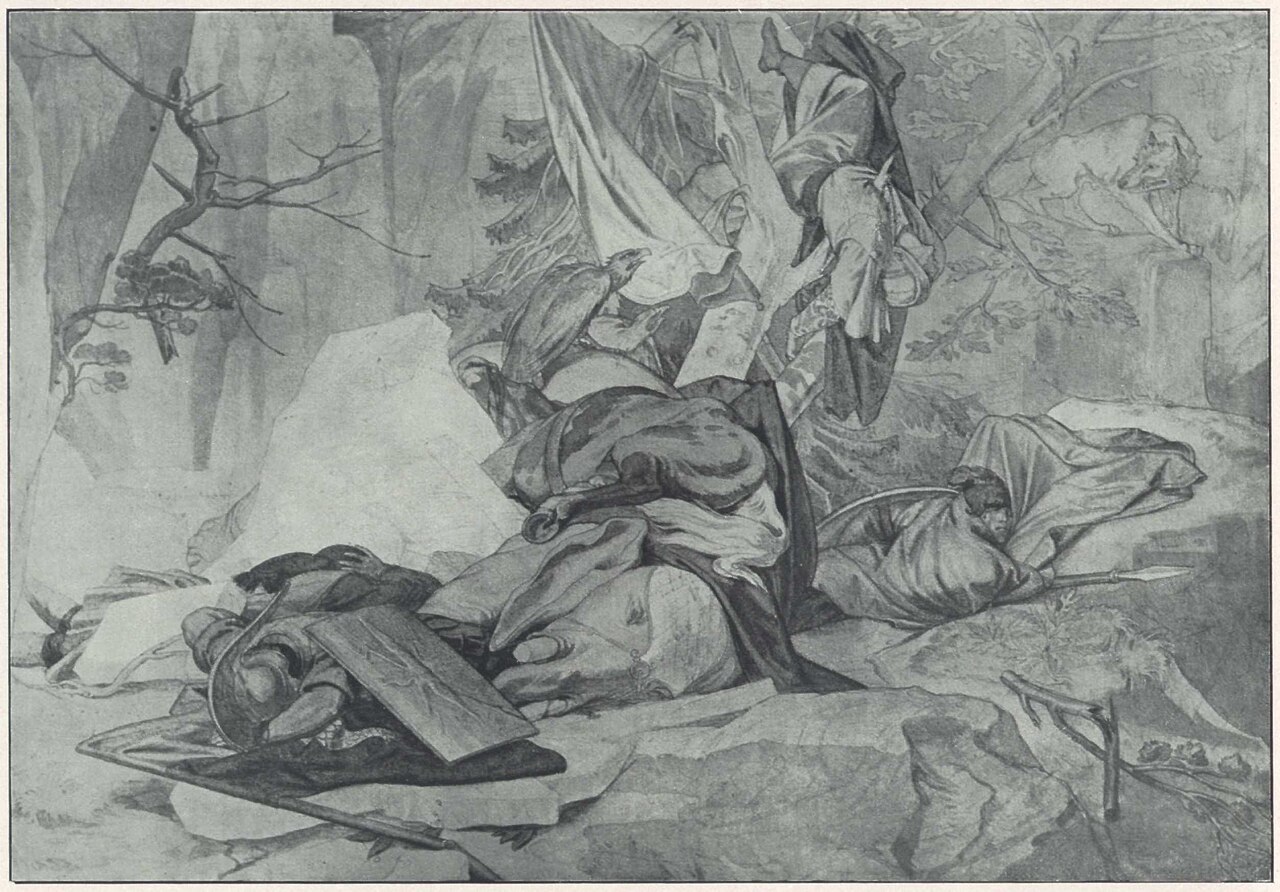
Grayscale reproduction of a painting showing fallen soldiers in a rocky, snowy mountain landscape. Several bodies lie tangled on white snow and rock, one with a shield, another with a spear. Bare branches and a pine tree appear at left, and a dog or animal is visible at upper right.Painting

Secondary source

Fall into the Glacier

Alfred Rethel · 1842

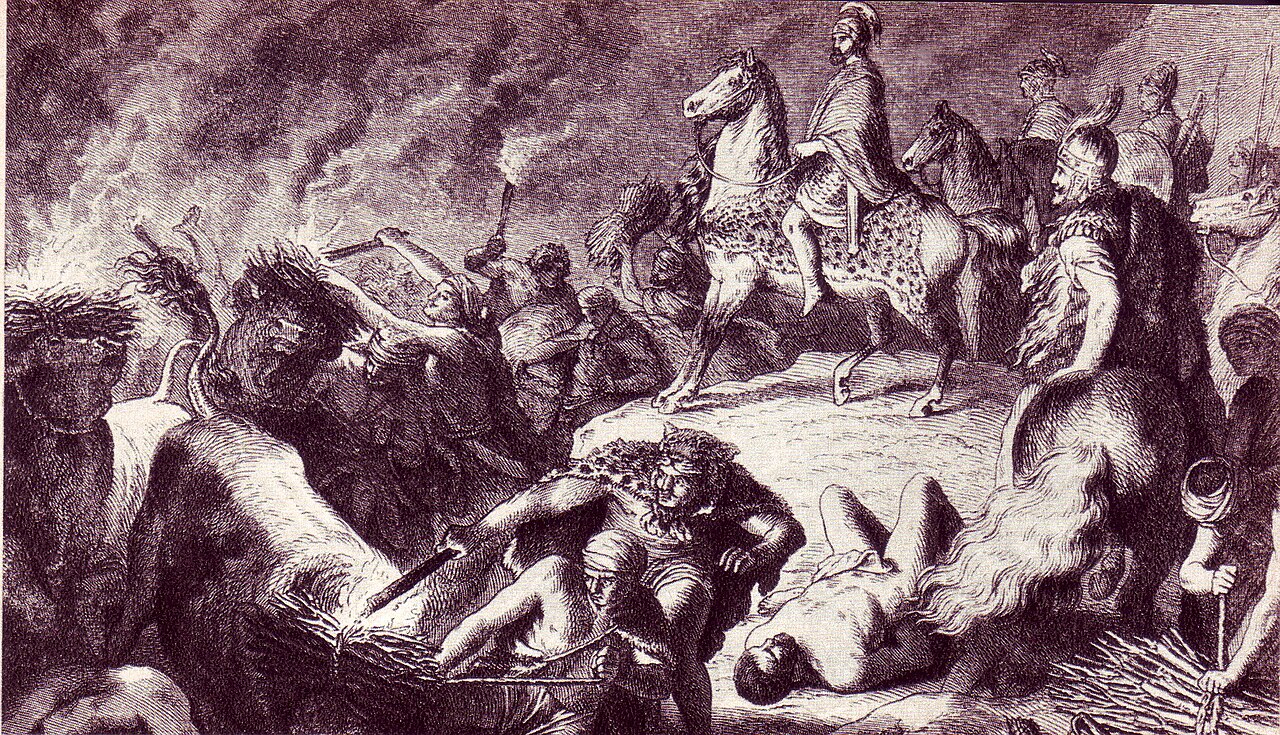
Monochrome engraving of a night scene with dense smoke and fire at left. A helmeted rider on a spotted horse sits at center right, with other mounted and standing armored figures behind him. Torch-bearing figures crowd the left, and in the foreground bodies lie on the ground, one a figure lying face-down at lower right.Painting

Secondary source

Hannibal Escapes Fabius with Torches on Oxen

1885

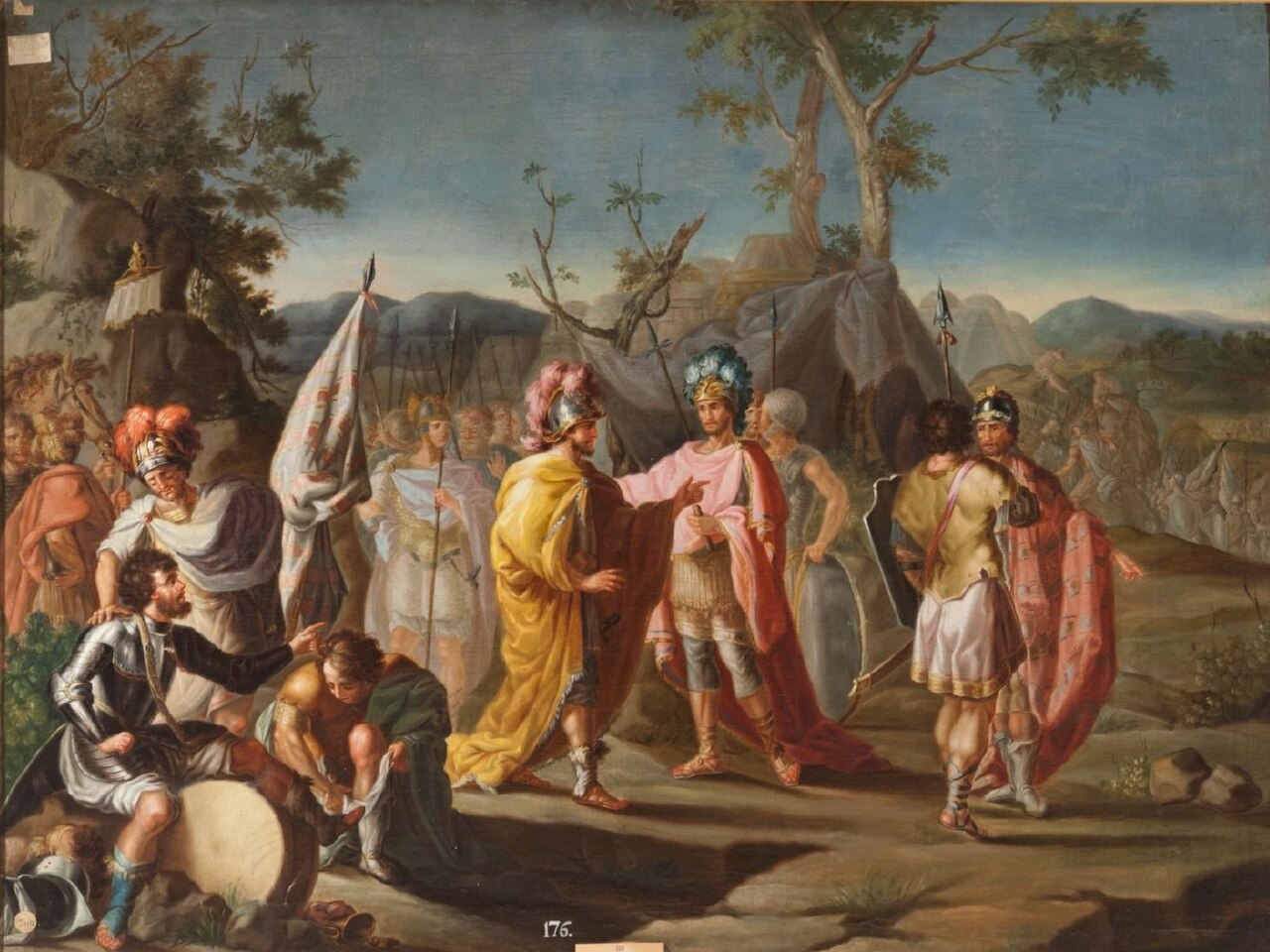
Oil painting of a rocky, tree-lined landscape with mountains behind. In the center, a man in a yellow cloak and plumed helmet faces a man in a pink tunic and blue-plumed helmet. Armored soldiers, spearmen with banners, and a tent stand nearby. A seated soldier in armor and a kneeling man lie at lower left. The number 176 appears at bottom center.Painting

Secondary source

Hannibal Crossing the Alps

Rafael Ximeno y Planes · 1778

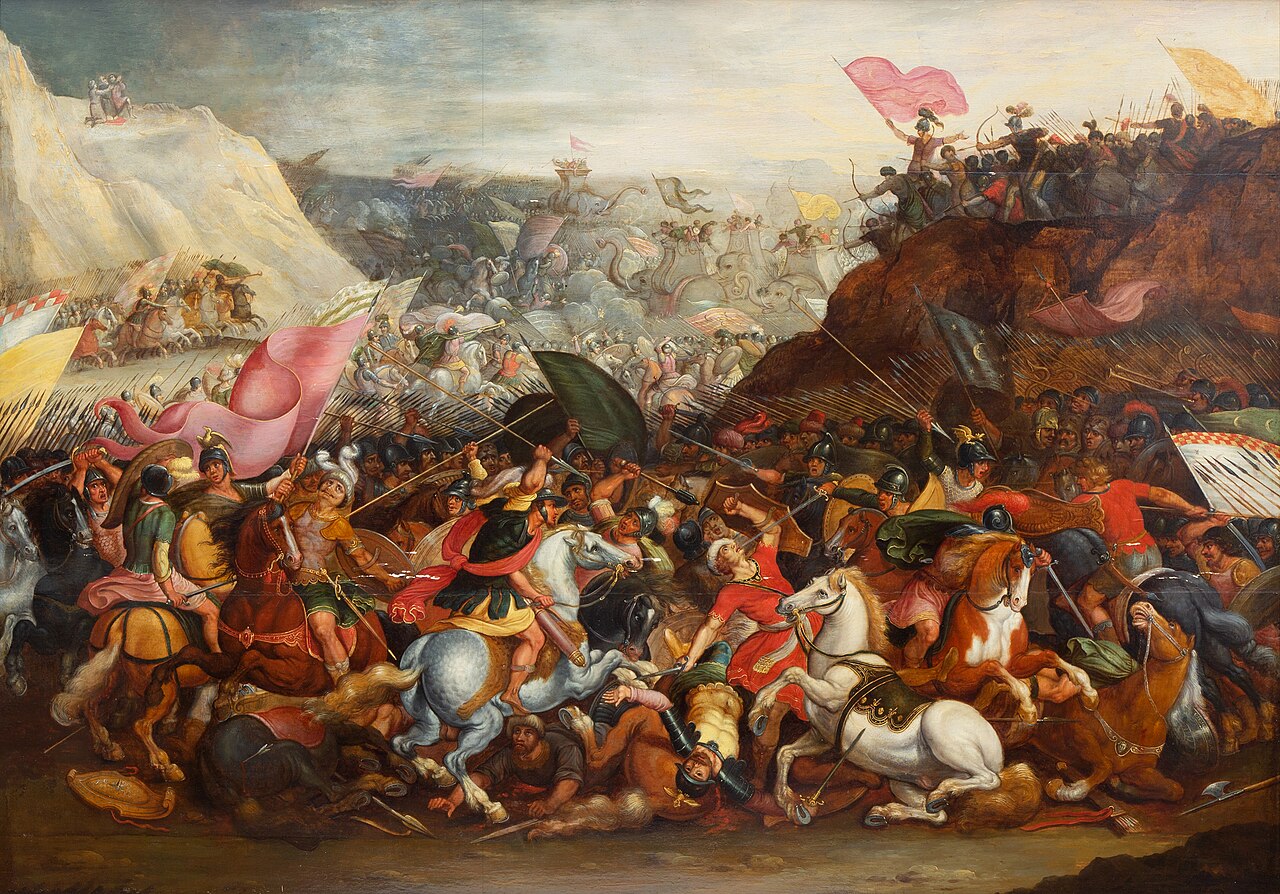
Painting of a chaotic battle scene with armored soldiers on horseback and on foot, pink and yellow banners, and rearing white and brown horses. Fallen soldiers lie in the foreground. A rocky cliff and mountain pass appear on the left and right.Painting

Secondary source

Hannibal in the Alps

Pauwels Casteels · c. 1650

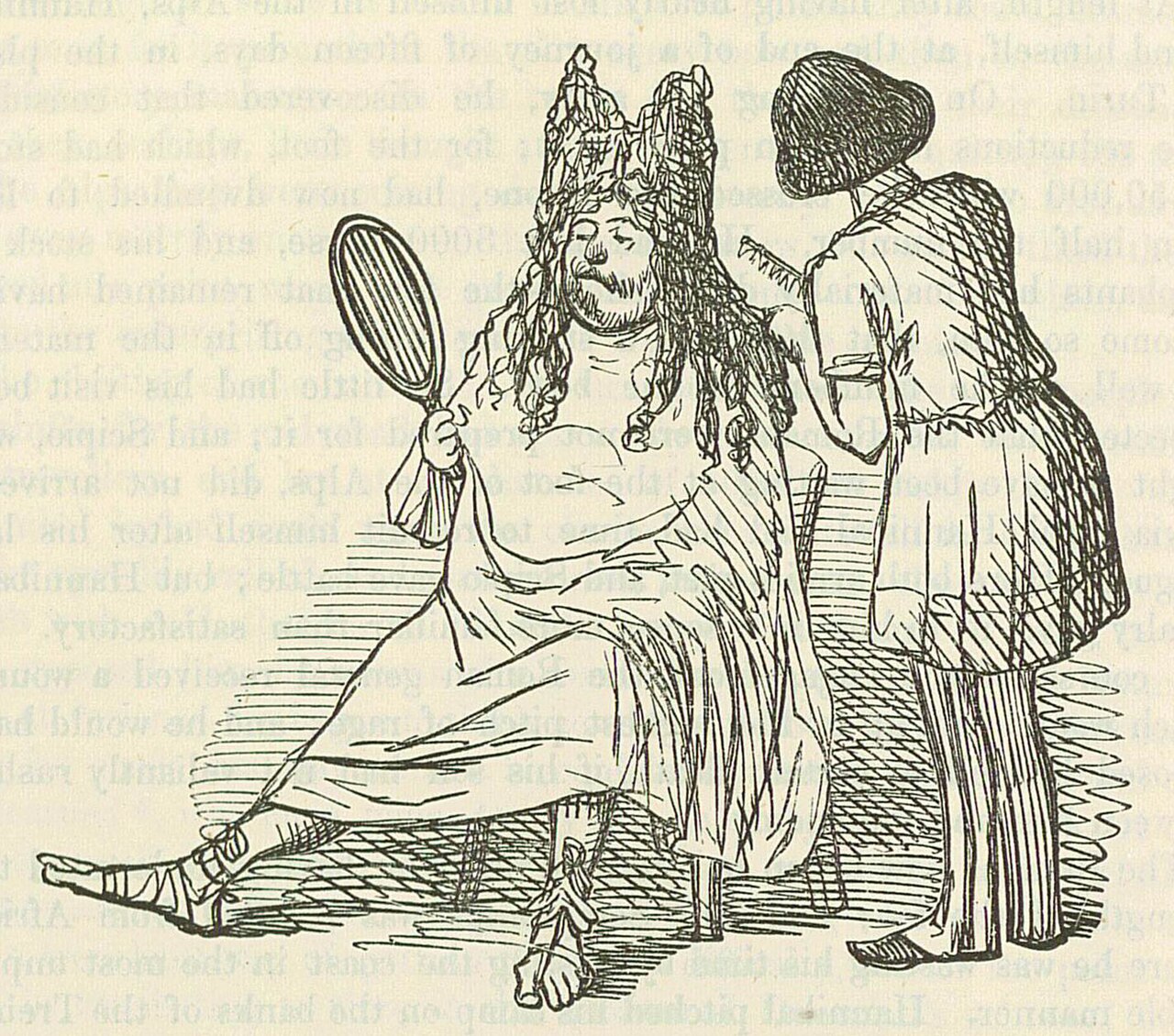
Pen-and-ink comic illustration of a seated, bearded figure with long curly hair wearing a tall, elaborate headdress, holding an oval hand mirror and extending one bare foot. A standing attendant in a long coat and hat stands behind, adjusting the headdress. Printed on textured page background.Painting

Tertiary source

Hannibal Disguising Himself

John Leech · c. 1850

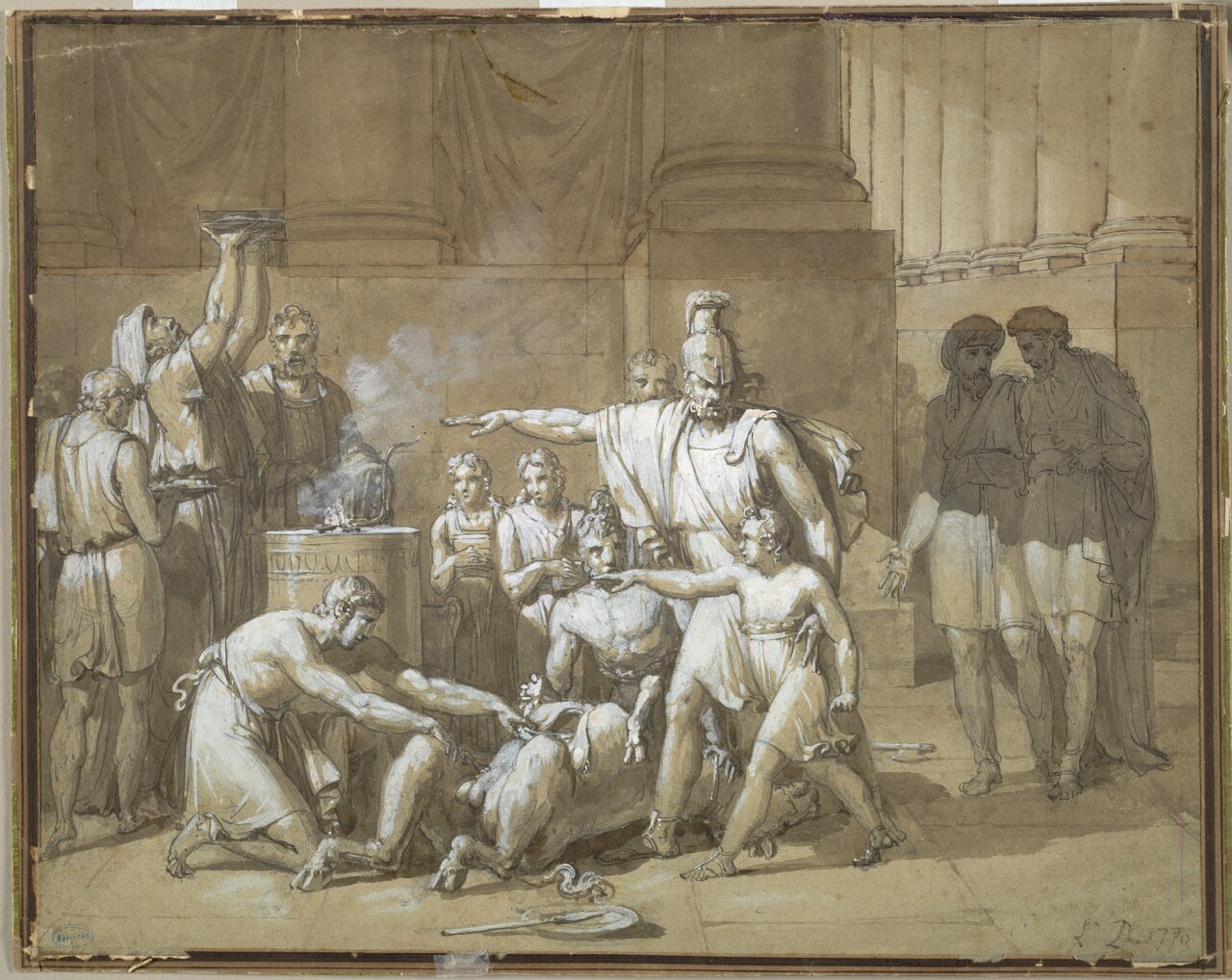
Pen and brown ink drawing with wash of ancient scene: a helmeted warrior in a white robe points forward while figures around an altar with smoke and a bowl hold a ritual. A boy kneels, hands outstretched, and a crouching figure is at lower center. Columns and draped curtains frame the background; two men in dark cloaks stand at right. Signed and dated 1770 at lower right.Painting

Secondary source

Hannibal Swearing Eternal Enmity toward Rome

c. 1770

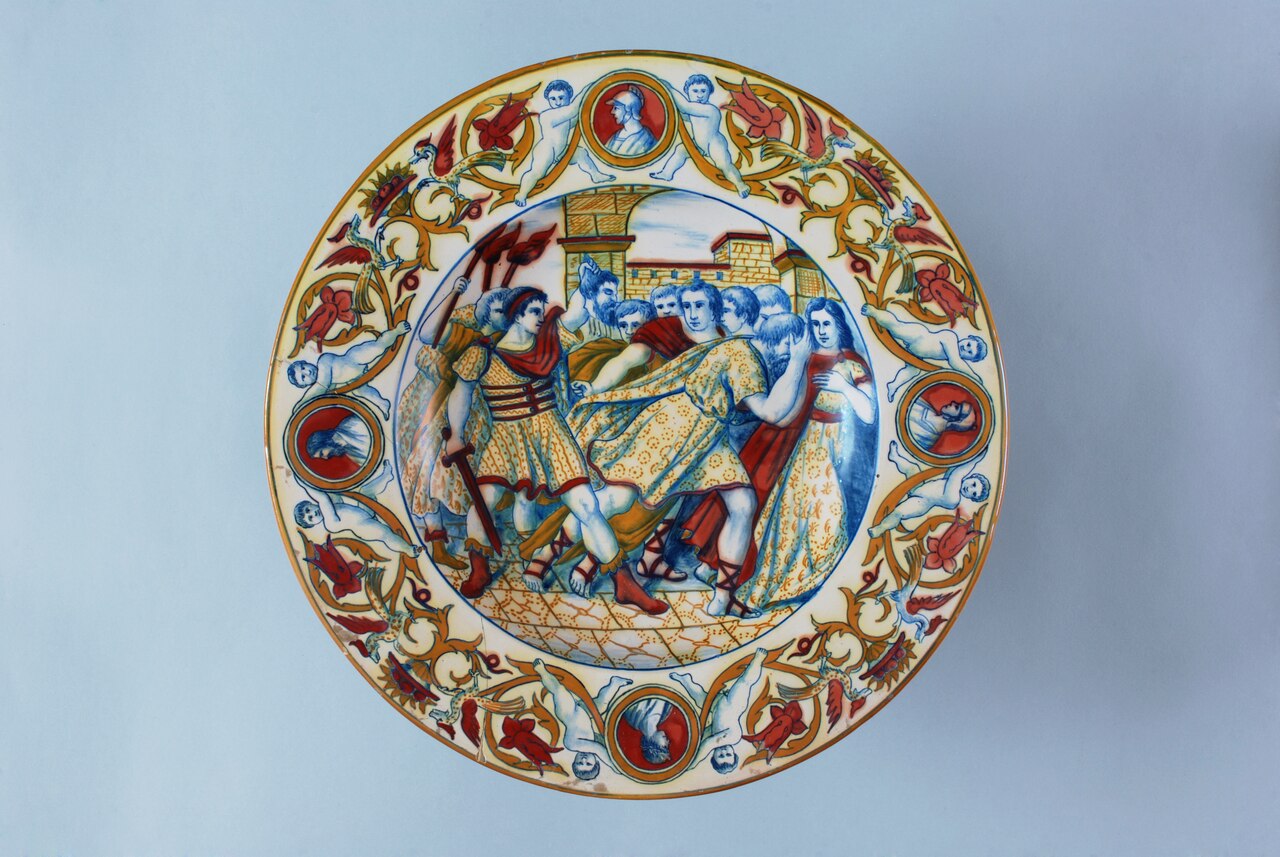
Round decorated ceramic dish photographed from above on a pale blue background. Central scene in blue, yellow and red shows a man in armor recoiling as a figure holds up a severed head, with a woman and onlookers and a city wall behind. Border has gold and red foliage and medallions with figures.Artifact

Secondary source

Lustreware Dish Showing Hannibal and Hasdrubal's Head

c. 1880

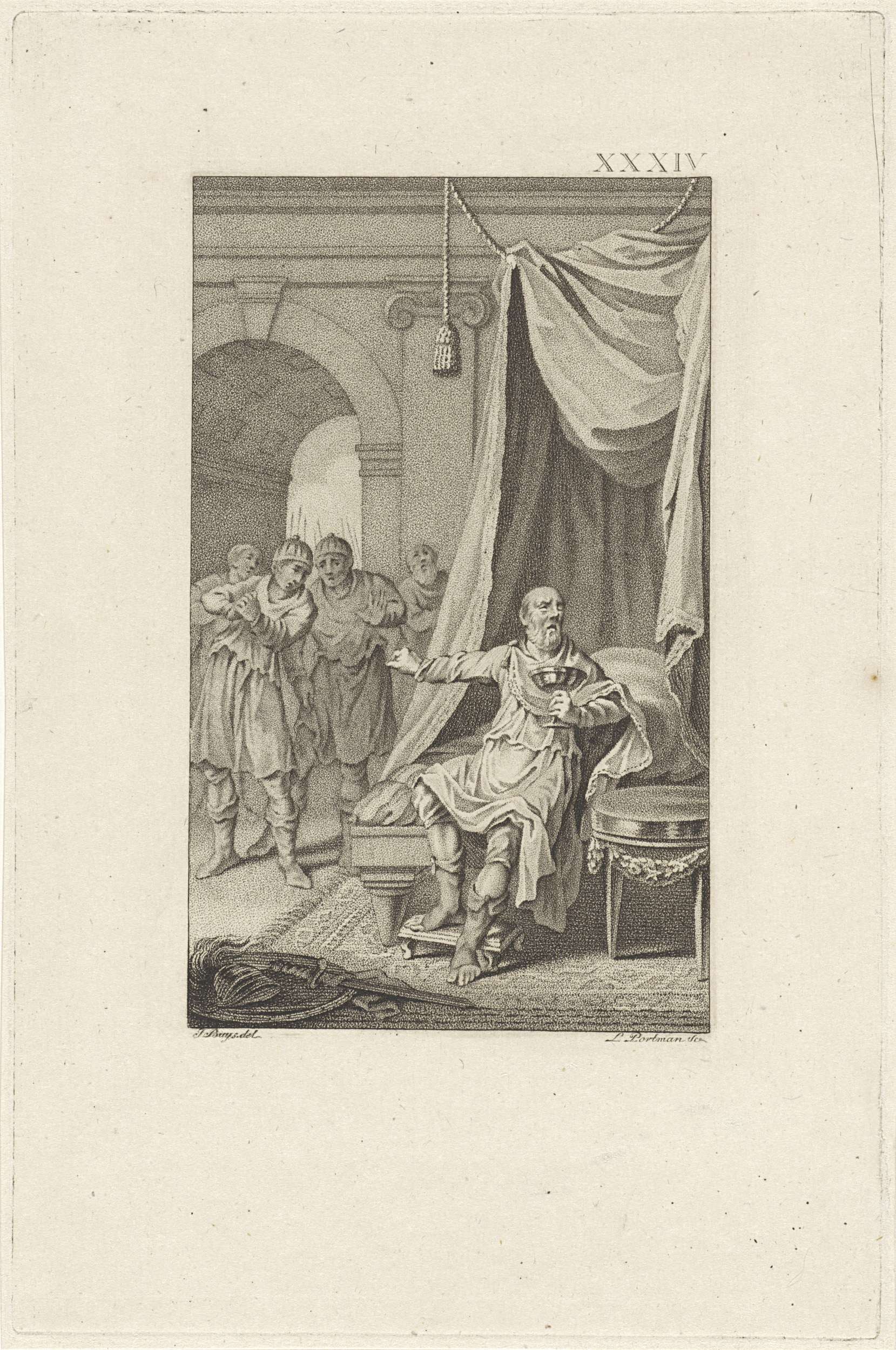
Engraved print with Roman numeral XXXIV at top. An elderly bearded man in a loose robe sits on a bed under drapery, holding a cup and extending his arm, while armed soldiers in helmets stand at left beside an arch. A cloak and objects lie on the floor; a small table is at right. Signed A. Buys del. and L. Portman sc.Painting

Secondary source

Hannibal's Suicide by Poison

A. Buys (designer); L. Portman (engraver) · 1796

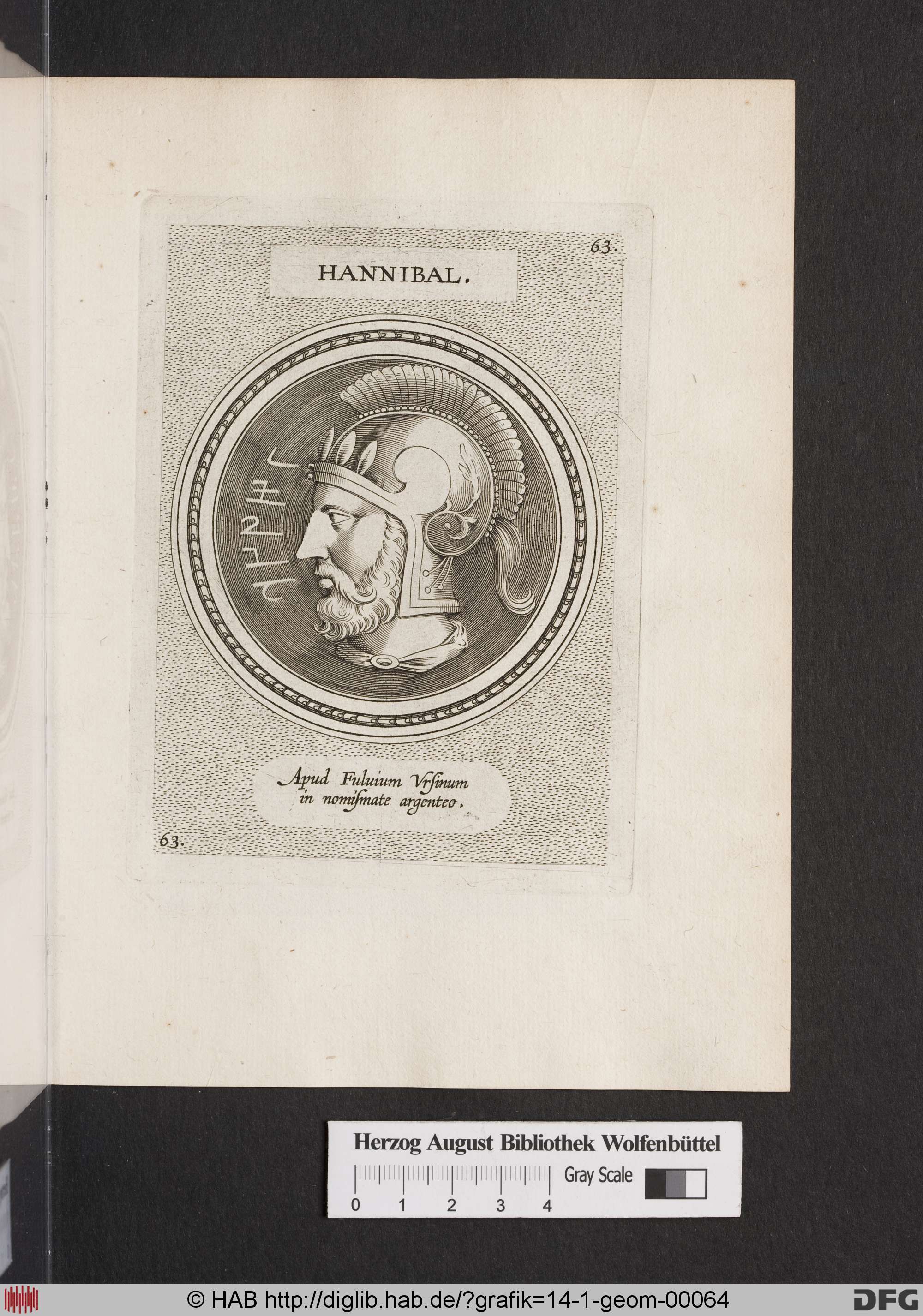
Engraved print labeled HANNIBAL with plate number 63, showing a bearded man in profile wearing a plumed helmet inside an oval medallion frame, with Punic-style lettering beside him. Caption below reads Apud Fulvium Ursinum in nomismate argenteo. Printed on a dark mount with the Herzog August Bibliothek Wolfenbüttel label.Painting

Secondary source

Portrait of Hannibal

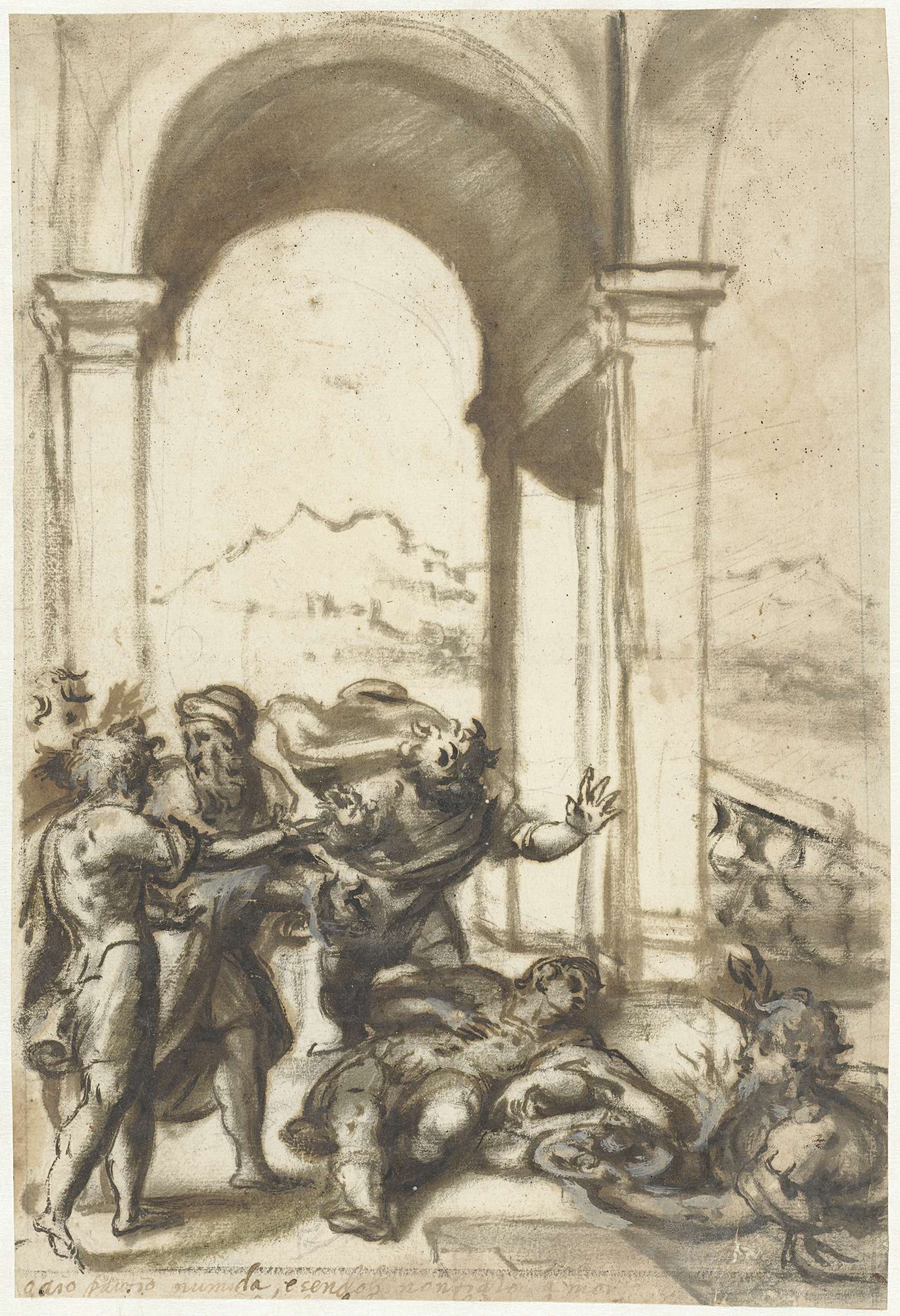
Pen and brown ink with brown wash drawing of an arcaded architectural interior. Figures in classical dress stand at left; a bearded man in a turban and a reclining figure in the center are near a bearded nude man on the floor and fallen bodies at lower right. Inscribed handwritten text at the bottom edge.Painting

Secondary source

Death of Hannibal

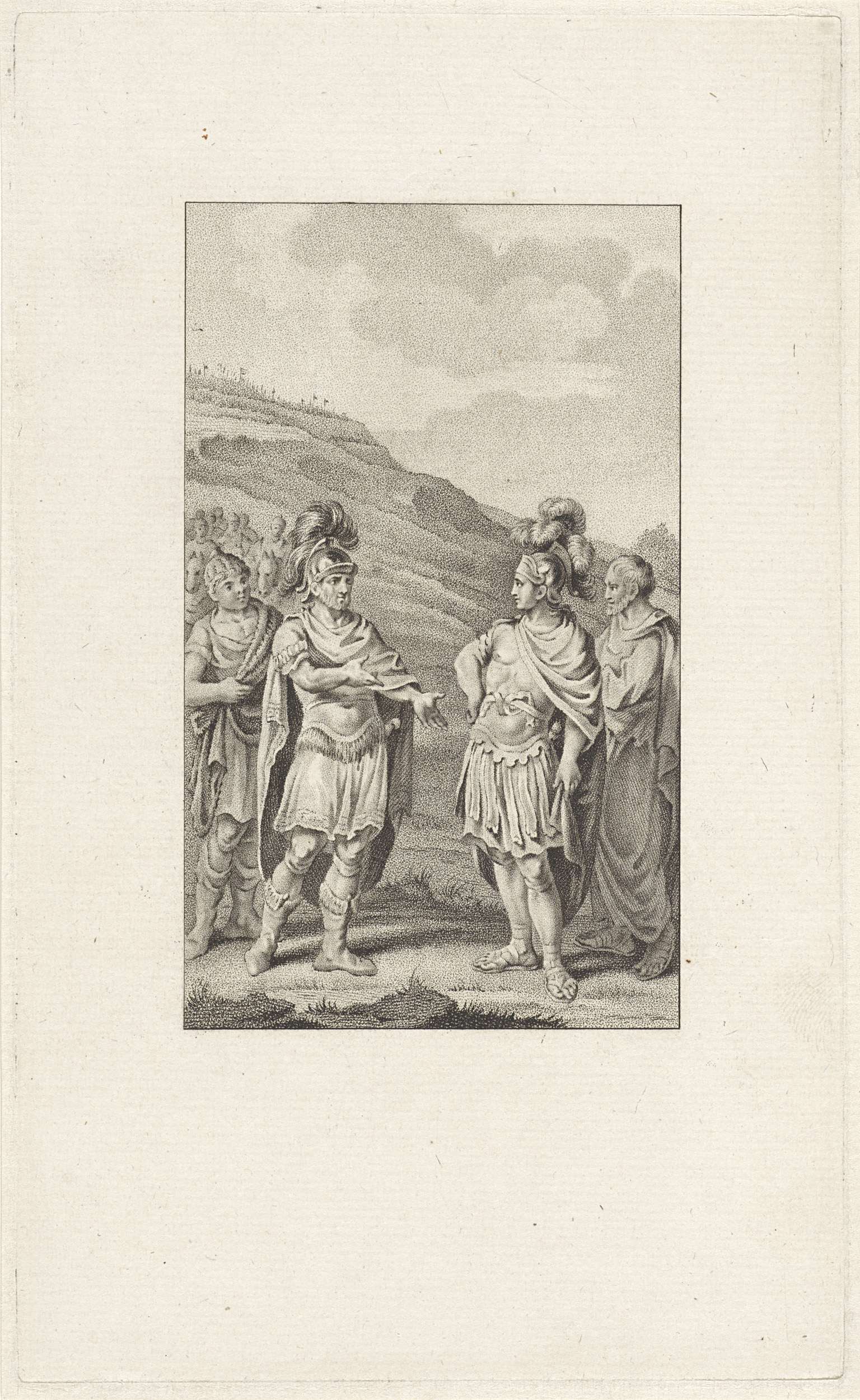
Black-and-white stipple engraving of two armored men in plumed helmets meeting on a hillside. The man on the left gestures with an open hand; the man on the right stands with a hand on his hip. Two onlookers stand behind them, and distant soldiers with standards crown the hill.Painting

Secondary source

Meeting of Scipio and Hannibal before Zama

1796

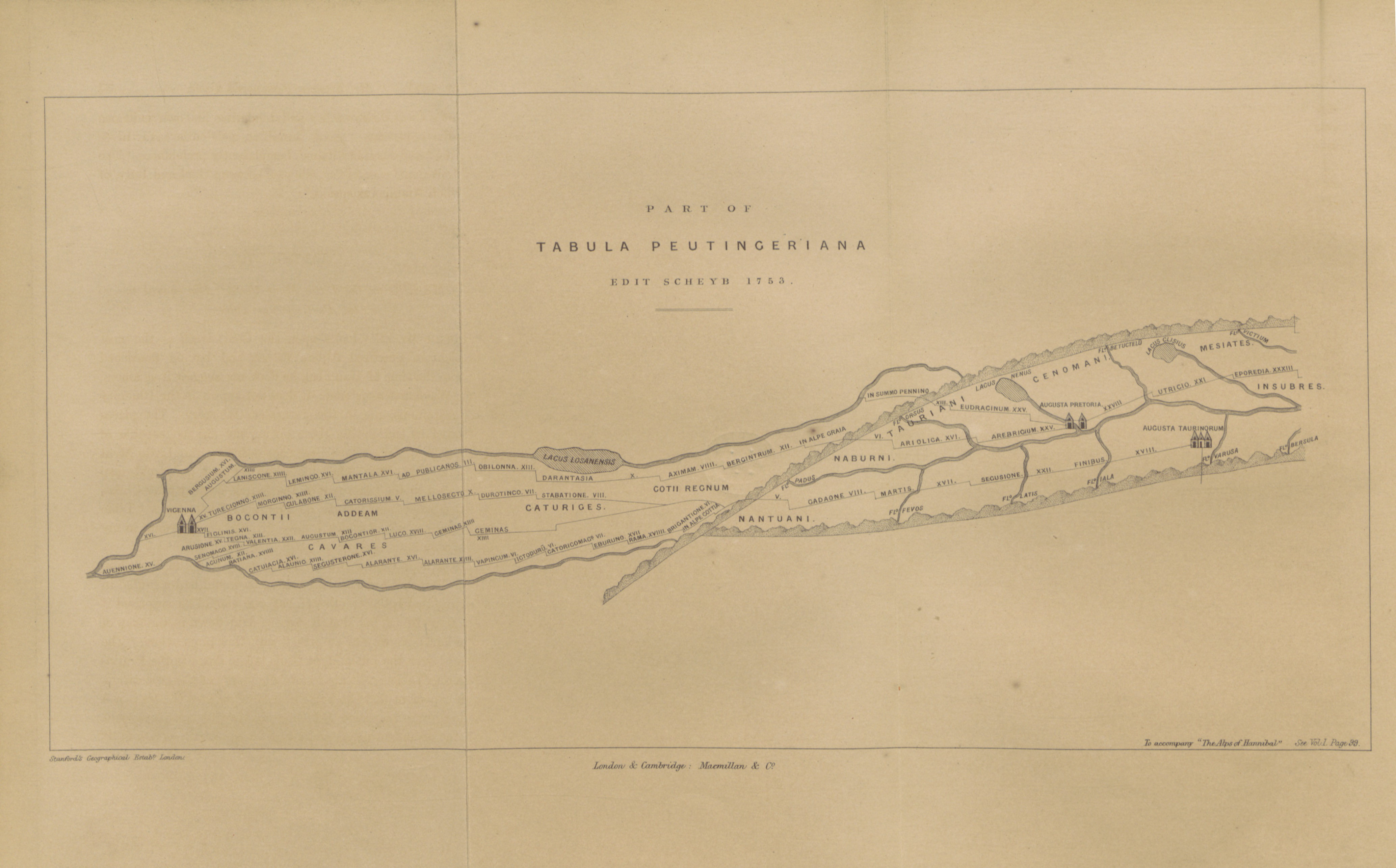
Engraved map titled 'Part of Tabula Peutingeriana, Edit Scheyb 1753', showing a long narrow strip of Roman-era regions and roads across the Alps with labeled places, lakes, rivers, and a note 'To accompany The Alps of Hannibal, See Vol.I Page 89'. Published by Macmillan and Co., London and Cambridge.Document

Secondary source

Map from The Alps of Hannibal

1866

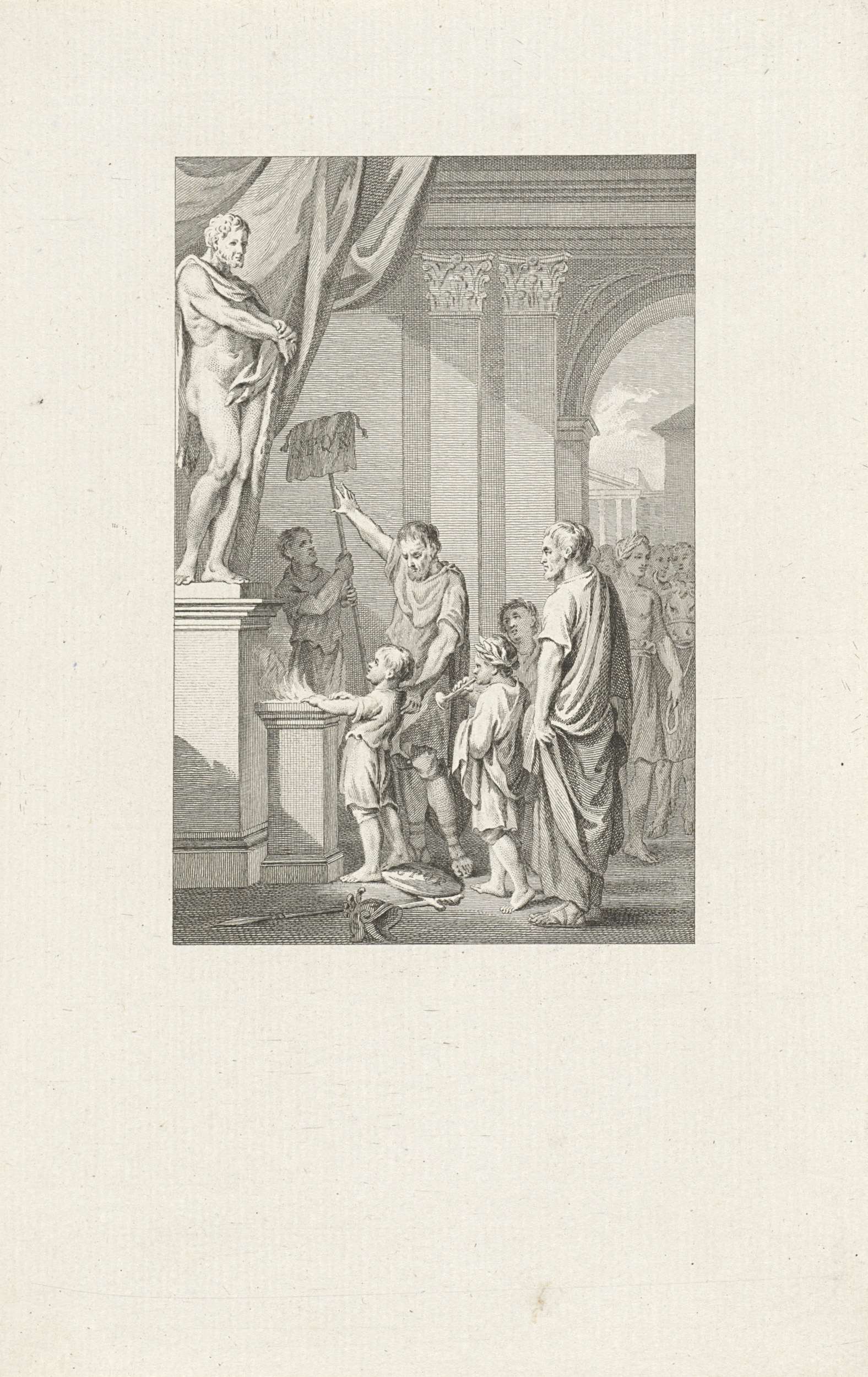
Engraving of a classical scene: a nude marble statue on a pedestal at left, a man in a toga raising his arm toward a young boy who reaches hands over a small altar with flame. Other figures, a boy with a horn, a shield and sword on the floor, columns and an arch behind.Painting

Secondary source

Young Hannibal Swears Enmity to Rome

1780

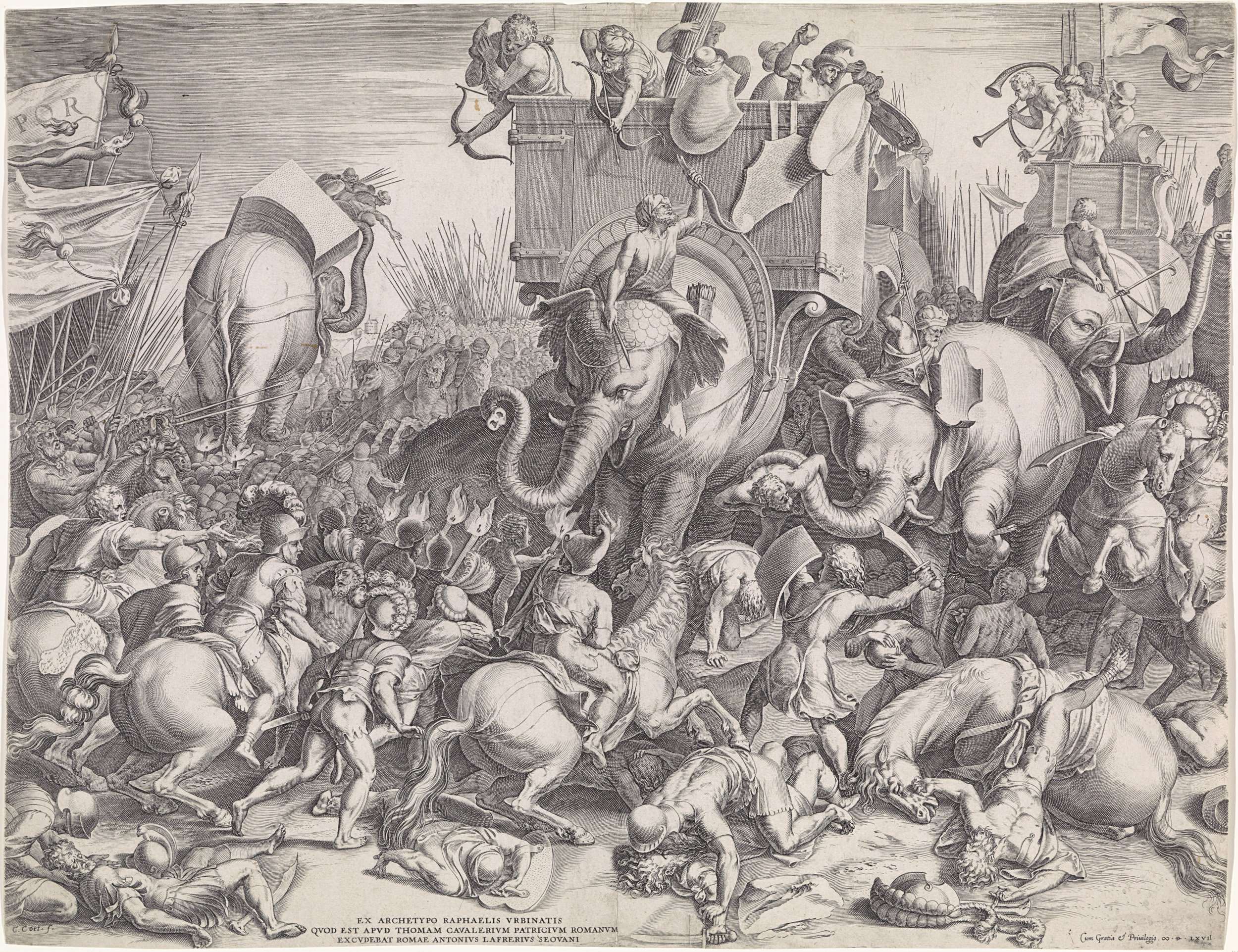
Black and white engraving of a crowded battle scene with war elephants, a towered war chariot with archers, cavalry, soldiers fighting and fallen figures on the ground, Roman standards at left, and an inscription at the bottom reading Ex archetypo Raphaelis Urbinatis.Painting

Secondary source

Battle of Zama

1567

Book

Secondary source

Lives of the Noble Grecians and Romans

Plutarch

Book

Tertiary source

Rome and Carthage: The Punic Wars (audio)

Reginald Bosworth Smith

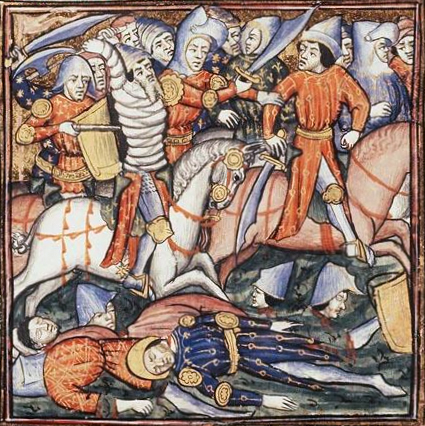
Medieval manuscript miniature of a battle: armored soldiers on white horses and on foot fight amid a crowd of helmeted men with raised swords. Bodies lie in the foreground, including a figure in blue and red robes, with blood visible. Gold-tinted background.Painting

Secondary source

The Battle of Cannae

Follower of the Luçon Master, or the Ravenelle Master (illuminators) · c. 1390-1400

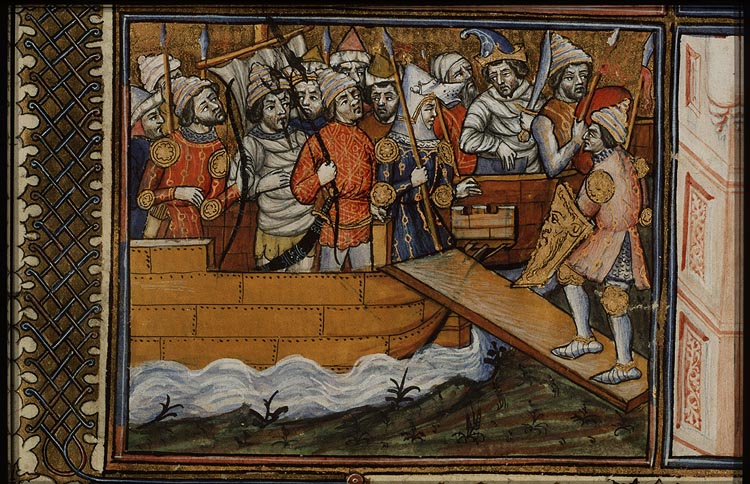
Medieval manuscript miniature in rich gold and red tones. On the left, a wooden ship with a tan hull sits in choppy blue water. Men in turbans and armor stand on its deck and along the gunwale, several wearing round gold shields. On the right, a figure in a pink tunic with a gold shield and white leg coverings stands at the foot of a wooden gangplank leading up to the ship. Dark green ground with grass tufts lies in the foreground, and an ornate border frames the scene.Painting

Secondary source

Hannibal departs for Spain (4 of 4)

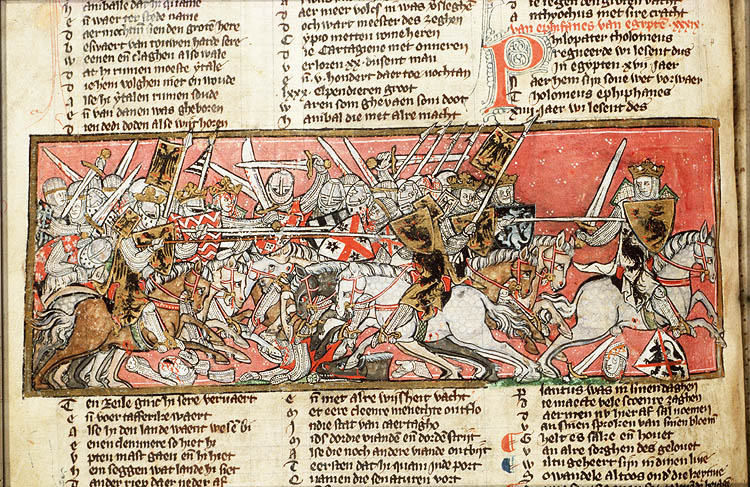
Medieval illuminated manuscript page: a painted battle scene in a red-bordered panel shows armored knights on horseback and on foot with swords, lances and shields, some fallen on the ground. Dutch text in columns surrounds the panel.Painting

Secondary source

The battle between Hannibal and Scipio Africanus

Want the full shelf? Chat with Hannibal Barca in the app and open the Sources panel — every quote links back to the original.

Use Hannibal Barca in class

1 collection

A ready-made collection from the Humy team that features Hannibal Barca. Preview it, then try it free.

Trusted by educators worldwide

Conversations
375,000+
Real exchanges between students and historical figures
Messages exchanged
4,142,000+
Across every figure, classroom and language
Historical figures
100,000+
Each informed by a curated biography and selected sources
Languages supported
50+
From English and Spanish to Arabic and Korean

Paying customers

Used by 98 schools and universities

Partner school logo
Tecnológico de Monterrey logo
Hyper Island logo
Partner school logo
Chambersburg Area School District logo
Broward County Public Schools logo
Nebo School District logo
National Louis University logo
South Florida PBS logo
Punahou School logo
University of Wisconsin–River Falls logo
Partner school logo
Partner school logo
Archbishop Mitty High School logo
Kingsburg High School logo
Norwalk Public Schools logo
Partner school logo
Connections logo
Partner school logo
Moore Public Schools logo
Partner school logo
Partner school logo
Partner school logo
Partner school logo
Robbinsville Public Schools logo
Partner school logo
Partner school logo
Partner school logo
Tecnológico de Monterrey logo
Hyper Island logo
Partner school logo
Chambersburg Area School District logo
Broward County Public Schools logo
Nebo School District logo
National Louis University logo
South Florida PBS logo
Punahou School logo
University of Wisconsin–River Falls logo
Partner school logo
Partner school logo
Archbishop Mitty High School logo
Kingsburg High School logo
Norwalk Public Schools logo
Partner school logo
Connections logo
Partner school logo
Moore Public Schools logo
Partner school logo
Partner school logo
Partner school logo
Partner school logo
Robbinsville Public Schools logo
Partner school logo
Partner school logo

What educators are saying

“We enjoyed the program last year and used it frequently.”
“My students say it’s a welcome change of pace. I’m not a fan of the “sage on the stage” model, so I try to incorporate research-oriented and self-paced activities. With Humy, students have to take charge of their learning. They’ve become more adept at critical thinking, forming better questions, and improving their reading comprehension. The interview feature has been my go-to tool. I create assignments where students must ask historical figures a set number of questions, then summarize the responses to ensure they’re truly absorbing the material. This approach lets them actively explore the past rather than passively consuming information.”
“Humy has helped me bring historical figures, sometimes long past, to life. When my students interact with these figures in real-time, it eliminates some of the perceived “ancient” characteristics of my curriculum. This has shifted my students’ thinking away from viewing history as abstract or irrelevant. Real-time interactions make historical figures relatable, even allowing students to ask off-topic questions that help put historical lives in a more relevant context for 13-year-olds. The feature I use the most is the interview feature. After teaching a topic, most recently Gandhi and Joan of Arc, I have the students ask pointed, focused questions. We practice good conversation techniques beforehand, teaching them to listen (or read) carefully and formulate thoughtful follow-up questions rather than just interrogating. It helps students practice effective conversation skills.”

FAQ

Frequently asked questions

Who is Hannibal Barca?
Carthaginian military commander and one of the greatest military strategists in history, known for his daring military tactics during the Second Punic War. On Humy.ai you can chat with an AI version of Hannibal Barca that draws on a short biography and 82 historical sources during the conversation — by text or voice, in 42 languages.
Is Hannibal Barca AI free?
Hannibal Barca is part of Humy's full library of more than 100,000 figures, which comes with a paid plan. A free account (no credit card) includes 20 messages a month with the free library's figures, so you can try how the conversations work first.
What sources does the Hannibal Barca AI use?
It draws on a short biography and 82 historical sources (paintings, books and artifacts), including “The Histories”, “History of Rome” and “Life of Hannibal”. Each source has its own page on Humy.ai.
How historically accurate is the AI version of Hannibal Barca?
Each figure uses a short biography and a small set of selected historical sources as context (retrieval-augmented generation), so answers stay closer to known material than the model's general knowledge alone. It isn't a citation-grade research tool — like any LLM, the AI can get details wrong or extrapolate. Treat it as a strong starting point for inquiry and cross-reference important claims.
Can I talk to Hannibal Barca by voice?
Yes. In addition to text chat, you can call Hannibal Barca and hear their voice respond in real time — useful for auditory learners, interview practice and Socratic dialogue.
Is Humy.ai safe and compliant for schools?
Yes. Humy.ai is used by more than 100 schools, universities and organisations. The platform is FERPA- and GDPR-aligned, supports SSO, and offers an IT-approval pack tailored for school procurement teams.

Ready when you are

Start chatting with Hannibal Barca now.

20 messages free · No credit card · Available in 50+ languages.