


Secondary sourcePaintingc. 1770
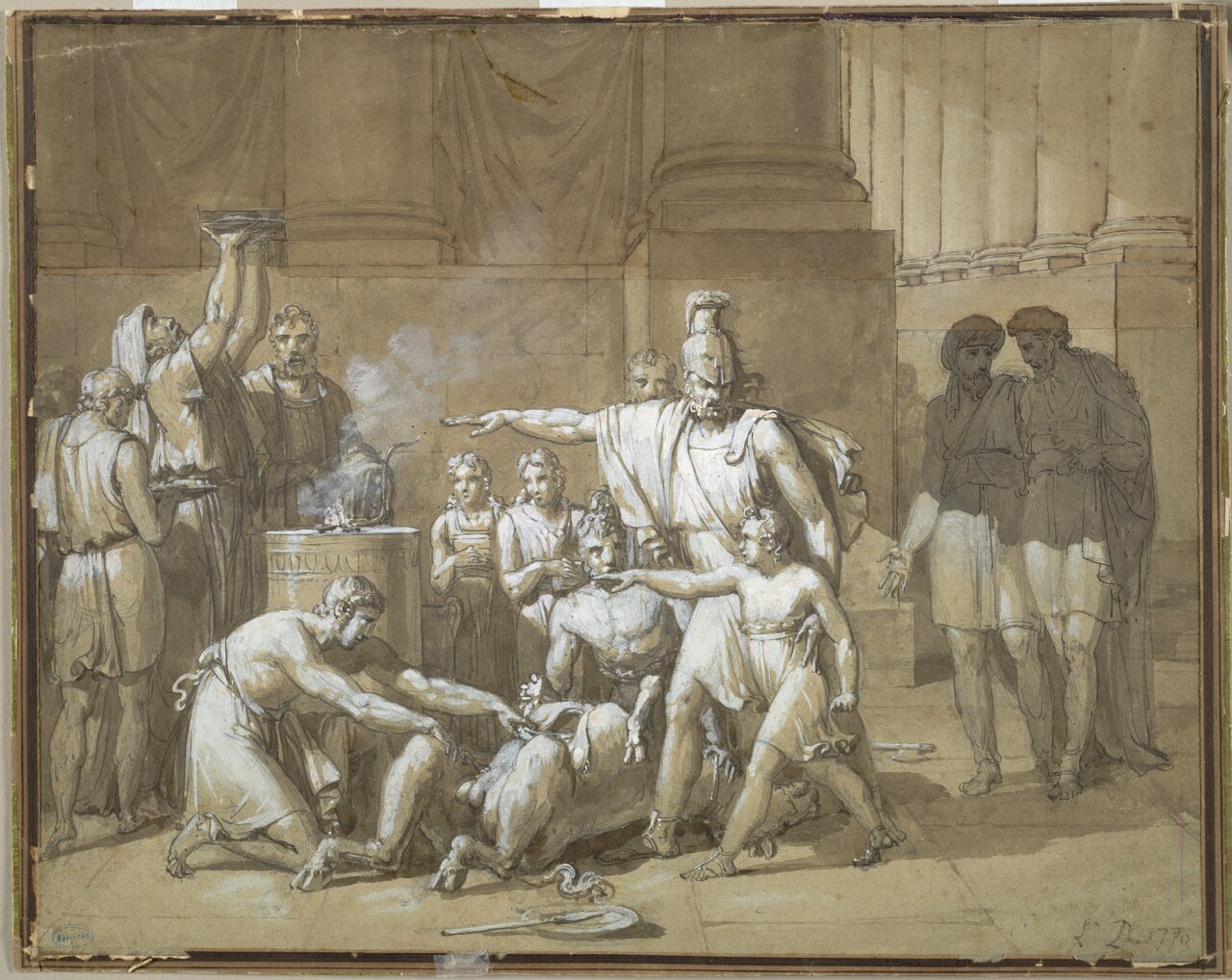
Hannibal Swearing Eternal Enmity toward Rome
c. 1770
A 1770 drawing imagining young Hannibal swearing an oath of lifelong hostility to Rome before his father Hamilcar.
Depicts the legendary childhood oath said to explain Hannibal's lifelong enmity toward Rome, sworn before his father Hamilcar.
About this source
What it is
This pen and ink drawing with wash, signed and dated 1770, shows a ritual scene from Hannibal's boyhood. As his father Hamilcar prepared for a military campaign and sacrificed to the gods, he had the nine-year-old Hannibal swear to remain Rome's eternal enemy. The artist is unknown, and the drawing may have been a study for a larger painting, a common practice at the time.
Why it matters
This legendary oath, said to explain Hannibal's lifelong hostility toward Rome, became a popular subject in later art because it dramatically foreshadowed his future as one of Rome's greatest enemies. It reveals how later generations understood and retold the origins of his famous rivalry with Rome.
Look closer
- What gestures and symbols show that this is a solemn ritual?
- How does showing Hannibal as a child change the story's meaning?
- Since no one recorded this moment at the time, how might we think about its reliability?
This painting is part of the curated material that grounds the AI version of Hannibal Barca on Humy.ai — when students ask about related events, the AI can quote it and cite it.
More Hannibal Barca sources
Meet the AI Hannibal Barca →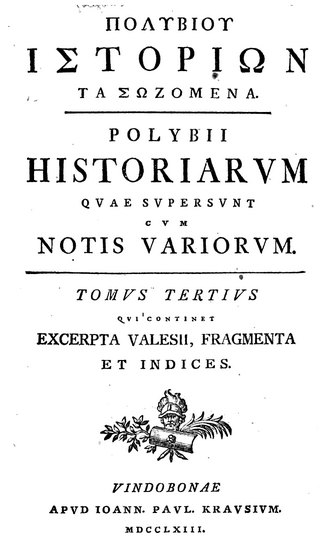 Book
Secondary source
The Histories
Polybius · c. 150 BCE
 Book
Primary source
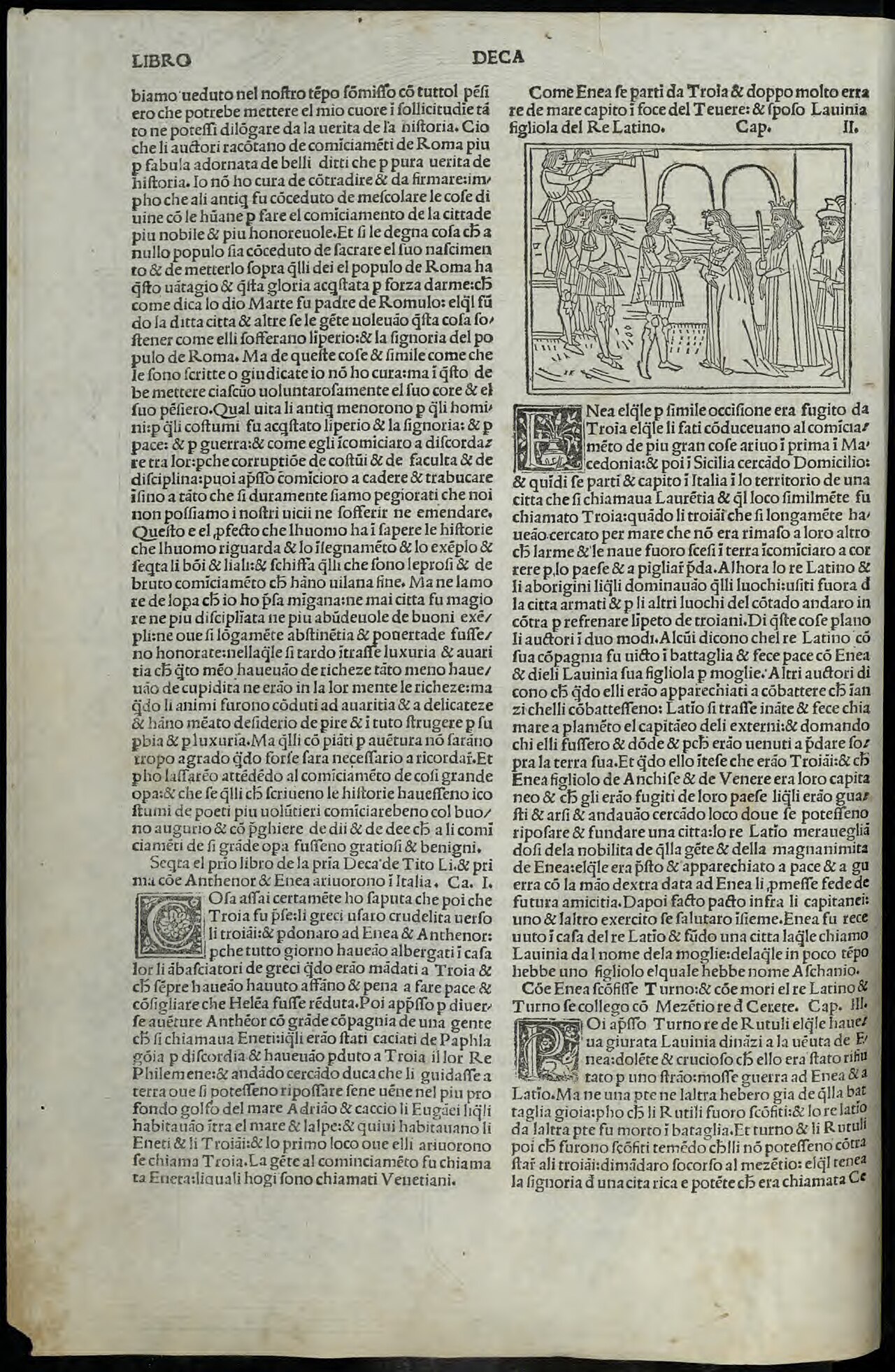
History of Rome
Titus Livius · 27-9 BC
Secondary source
Life of Hannibal
Cornelius Nepos
 Book
Secondary source
The Hannibalic War and The Punic Wars (Libyca)
Appian of Alexandria · c. AD 150
 Sculpture
Secondary source
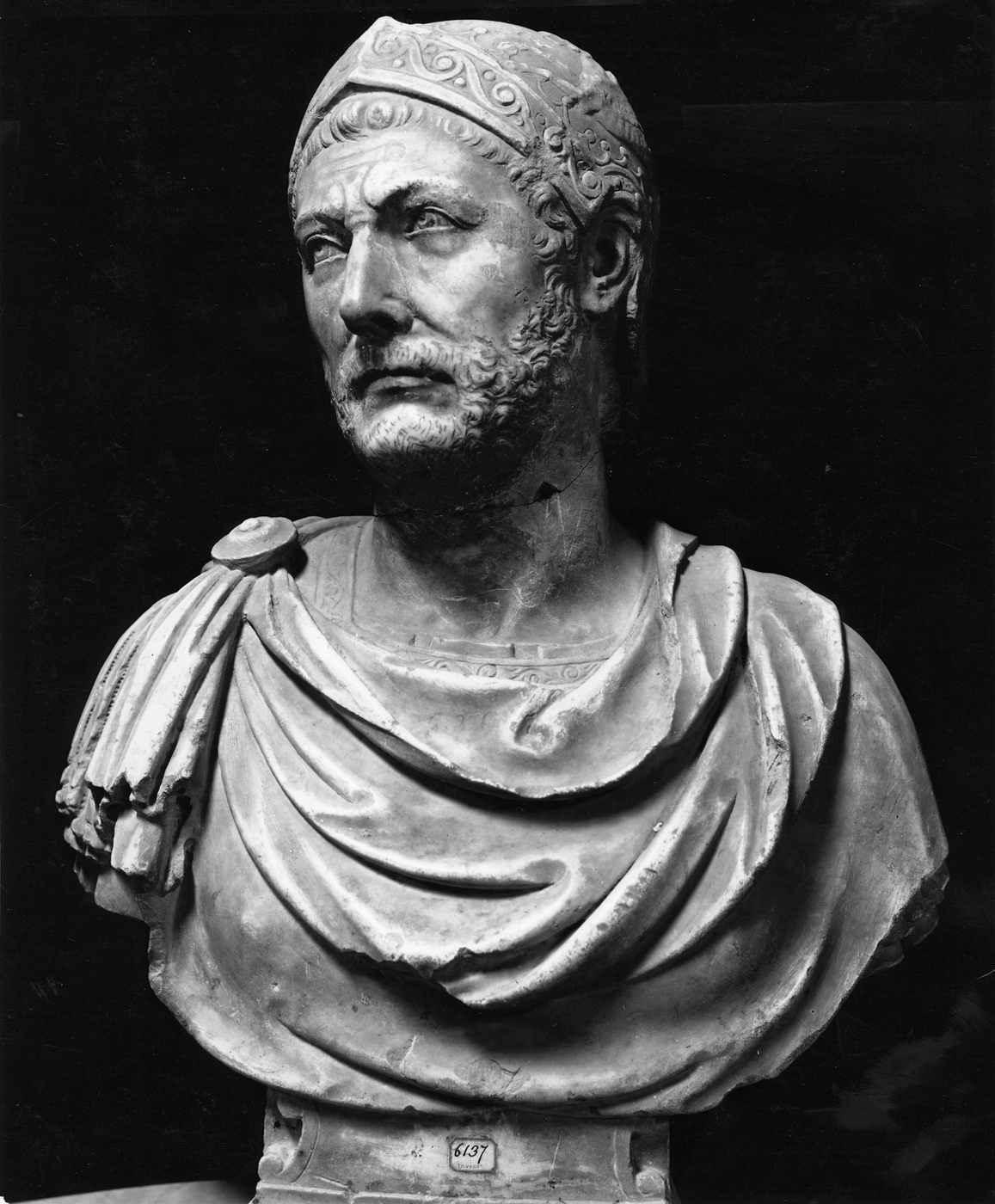
Capuan bust of Hannibal
1st century BC - 4th century AD
Ready when you are
Start chatting with Hannibal Barca now.
20 messages free · No credit card · Available in 50+ languages.