


Primary sourceBook44 BC
De Divinatione
Cicero · 44 BC
A philosophical dialogue by Cicero examining and ultimately questioning Roman practices of divination.
Cicero wrote this dialogue, using his own voice as a character to argue against the validity of divination.
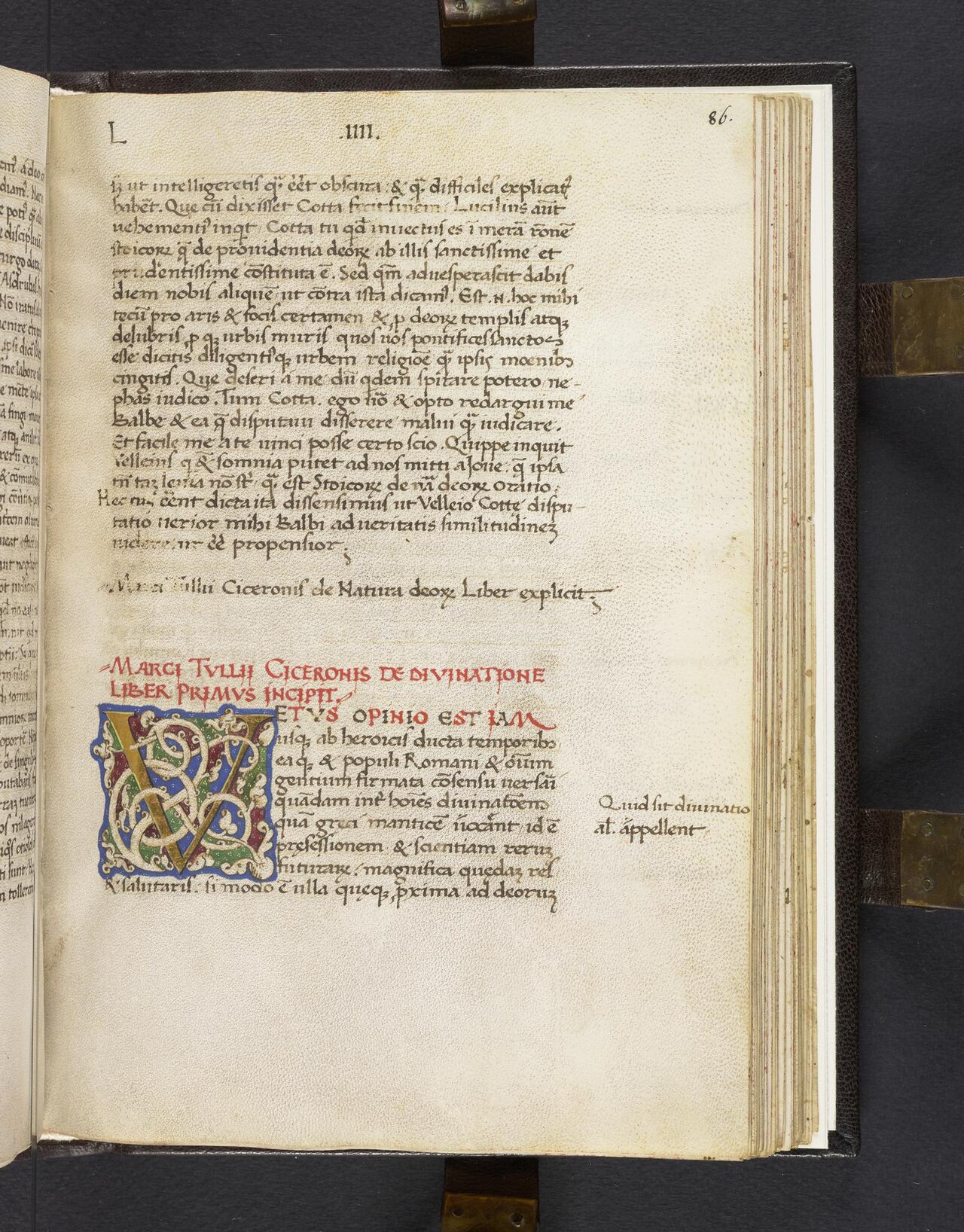
About this source
What it is
De Divinatione is a philosophical dialogue written by Cicero in 44 BC, in which Cicero and his brother Quintus debate the validity of divination. It survives in medieval manuscript copies, including an illuminated Italian manuscript made around 1465.
Why it matters
Cicero was himself an augur, yet in this work he argues skeptically against divination, revealing tension between religious tradition and philosophical reasoning in Roman society. The dialogue is a major source for understanding Roman religious practices and how educated Romans like Cicero and his brother debated them.
Look closer
- Why might someone who held a religious office still question the practice it was built on?
- What does the format of a dialogue between brothers tell us about how Romans debated ideas?
- What historical examples does Cicero use, and how does he reinterpret them?
This book is part of the curated material that grounds the AI version of Cicero and Hannibal Barca on Humy.ai — when students ask about related events, the AI can quote it and cite it.
More Cicero sources
Meet the AI Cicero →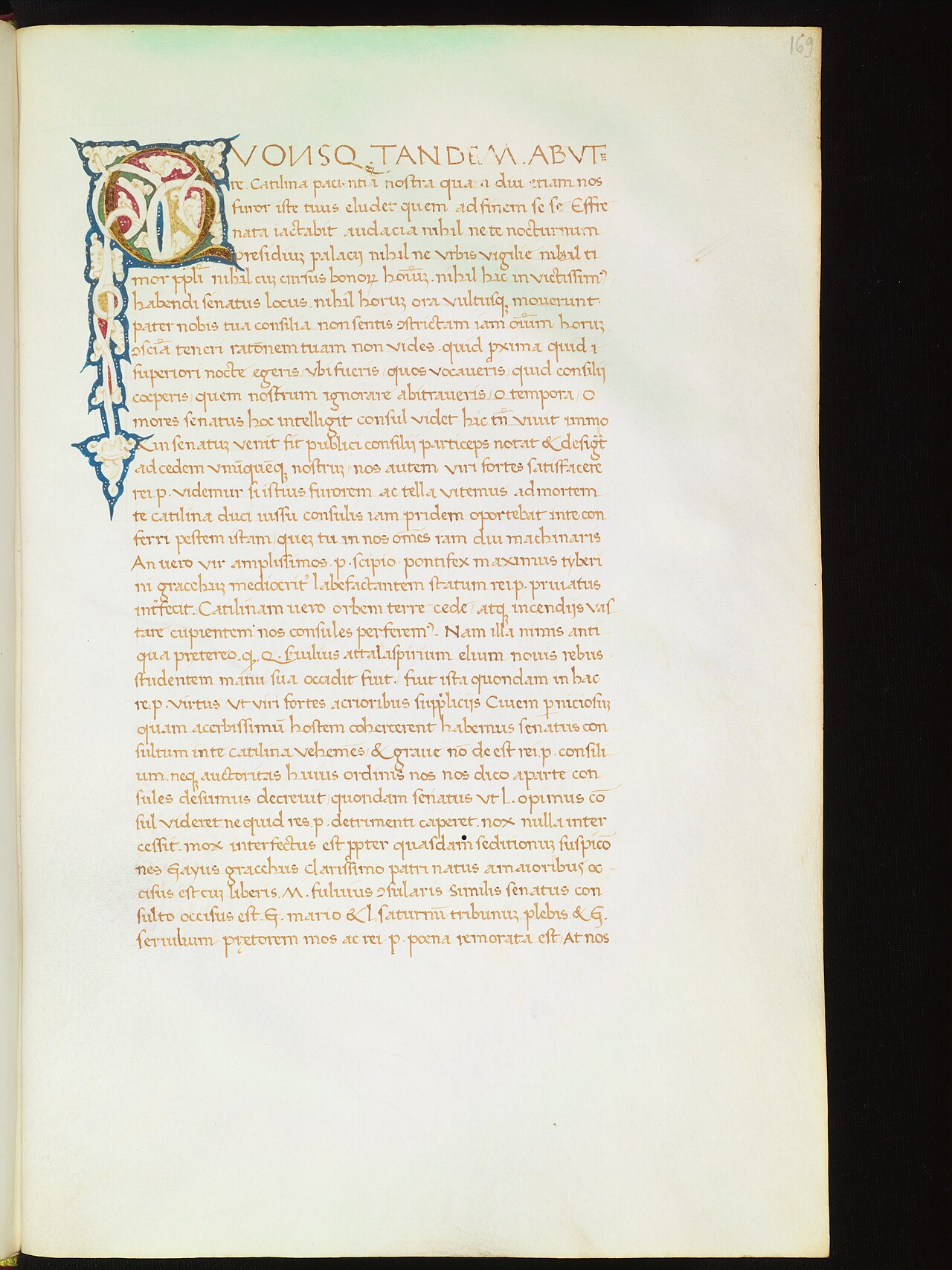 Speech
Primary source
Catiline Orations
Cicero · 63 BCE
 Painting
Secondary source
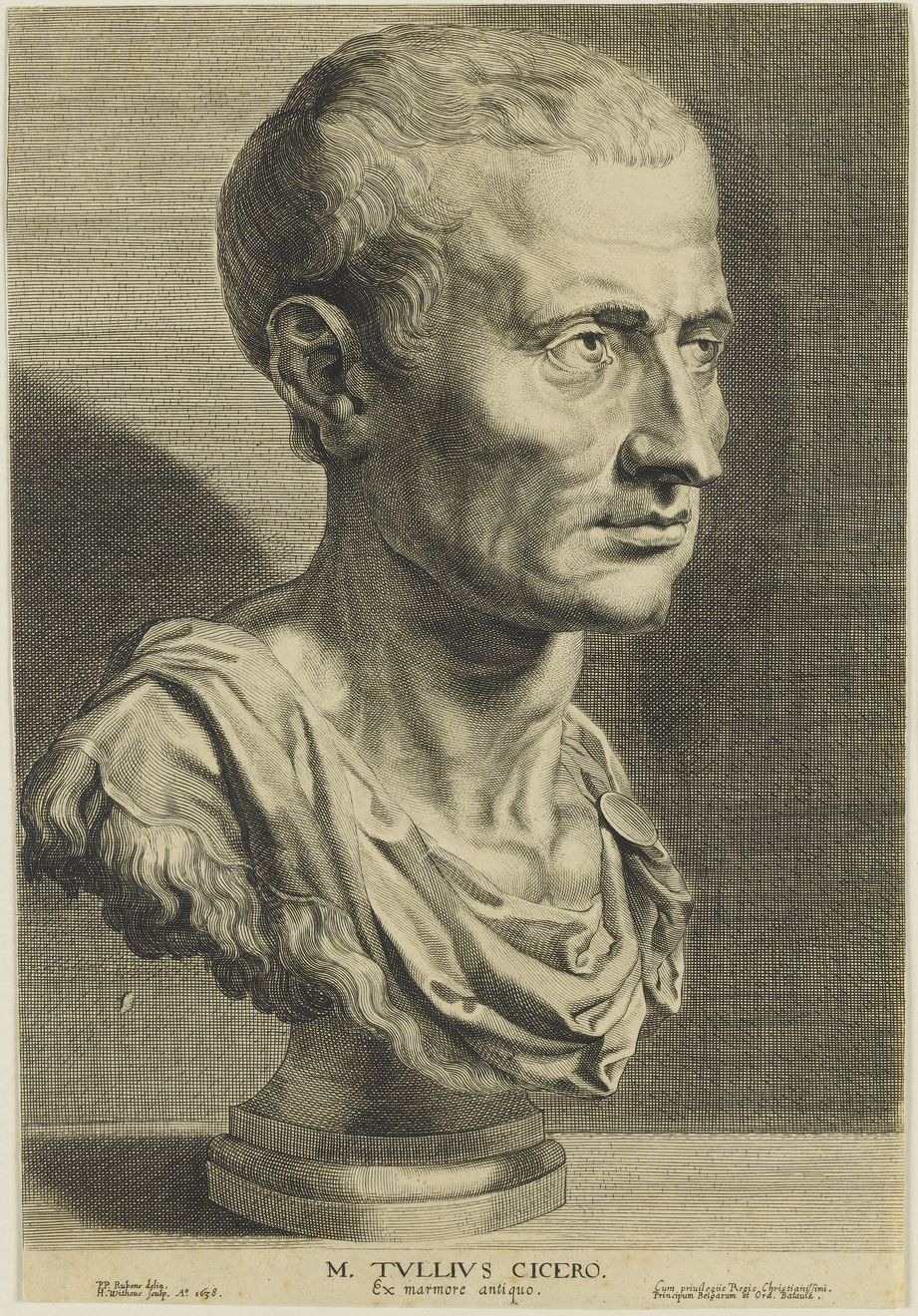
Marcus Tullius Cicero, engraved after antique marble busts
Jan Witdoeck
 Book
Primary source
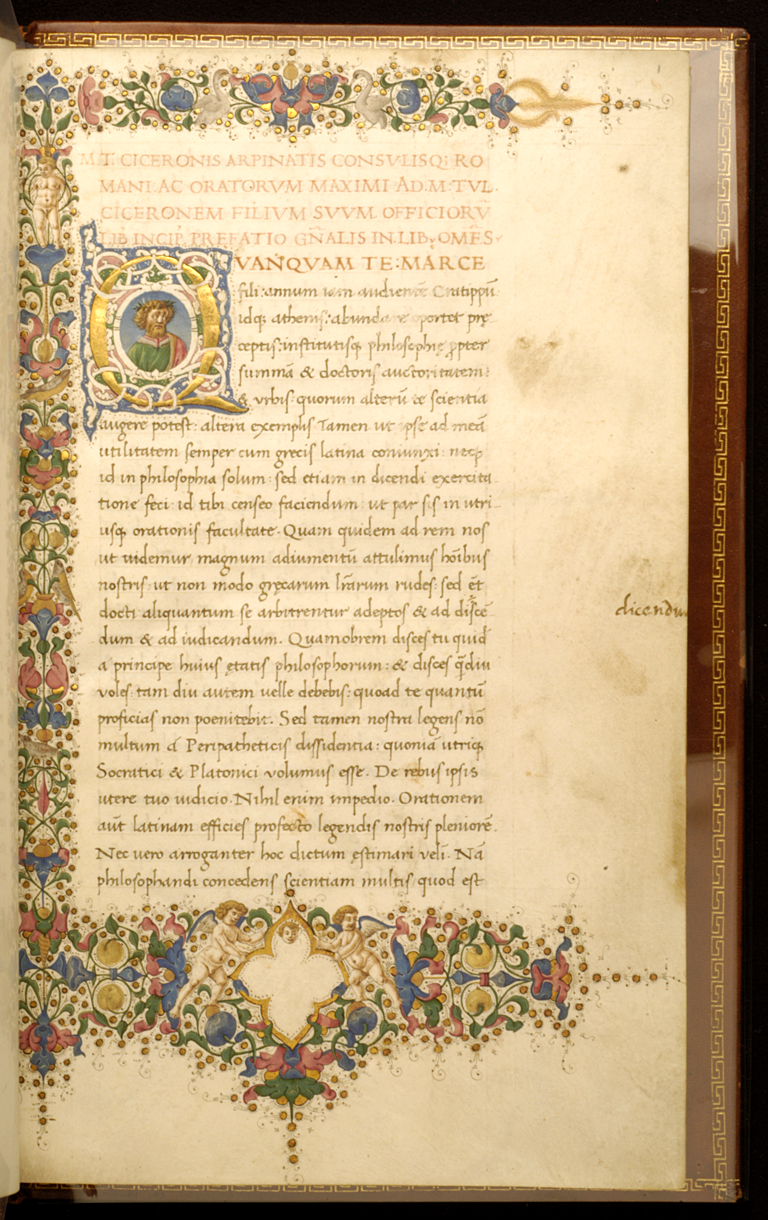
De Officiis
Cicero · 44 BC
 Painting
Secondary source
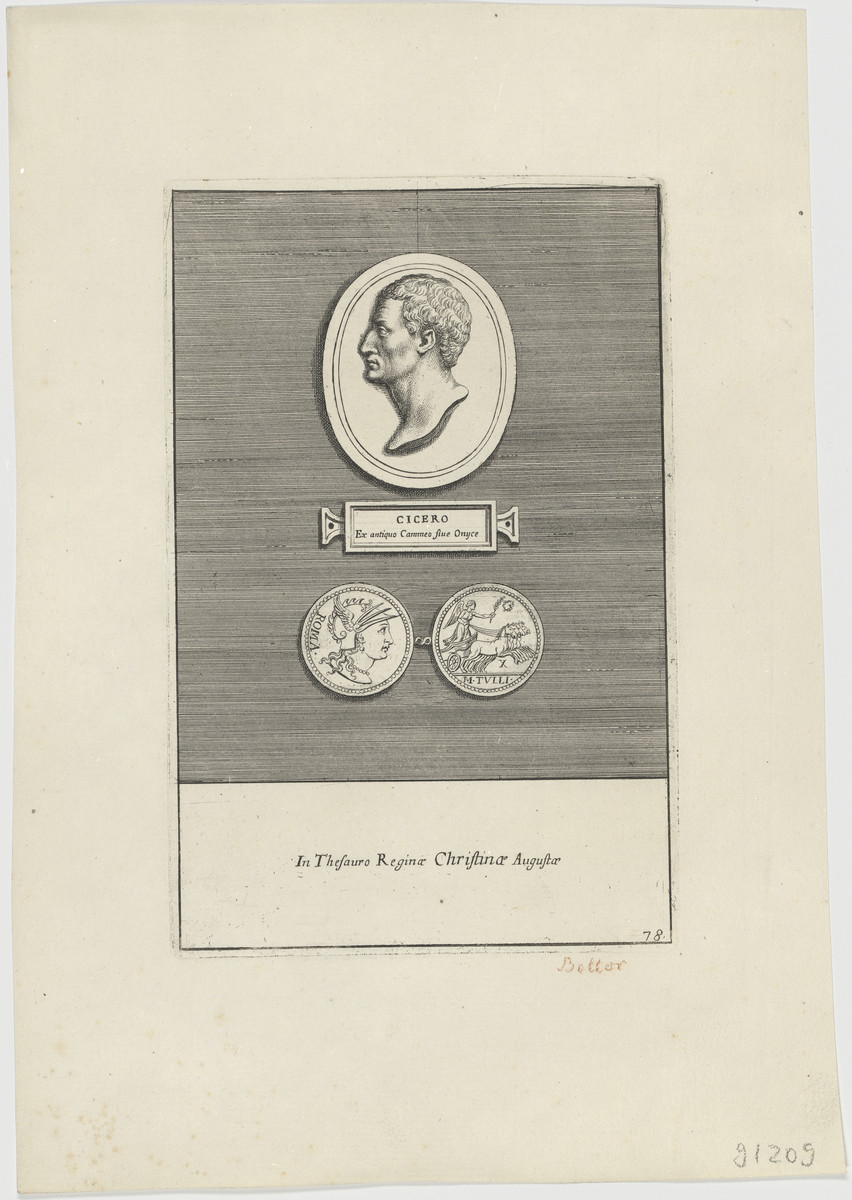
Portrait of Cicero (Bildnis des Cicero)
 Book
Primary source
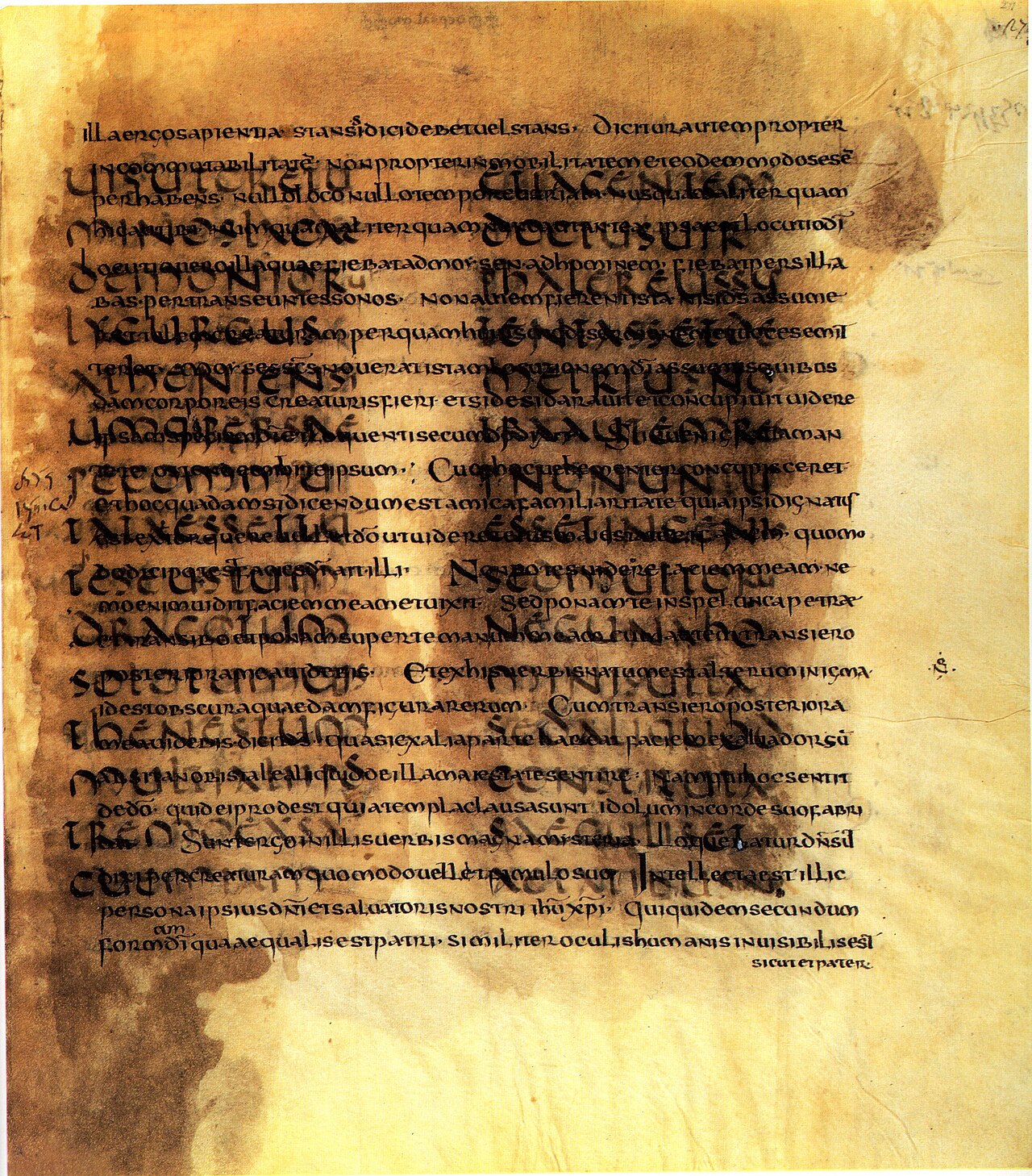
De re publica
Cicero · c. 54–51 BC
Ready when you are
Start chatting with Cicero now.
20 messages free · No credit card · Available in 50+ languages.